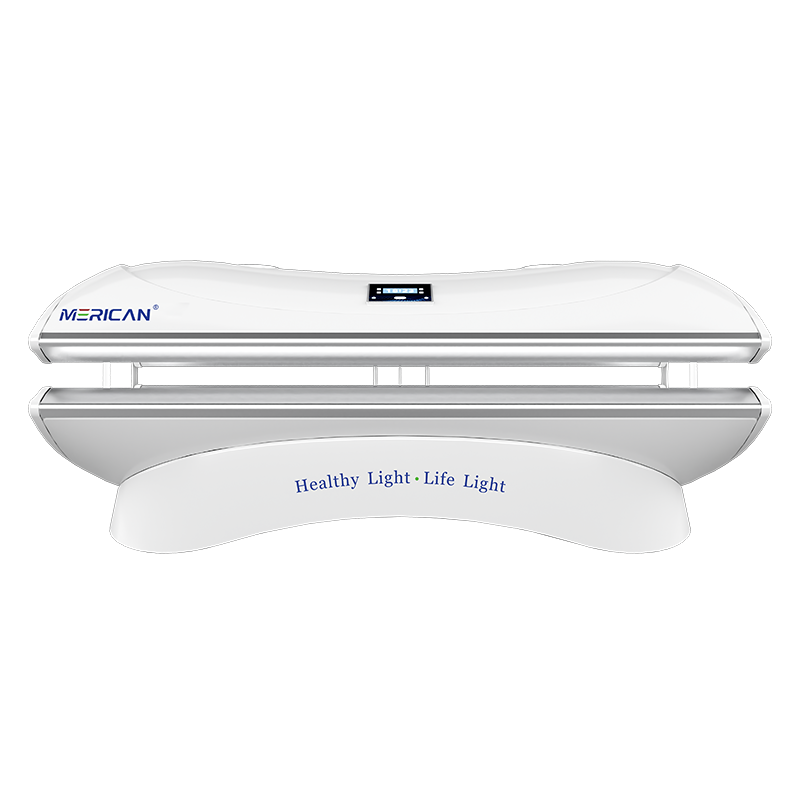
Όταν οι άνθρωποι αναζητούν το καλύτερη θεραπεία με κόκκινο φως, συχνά περιμένουν μια και μόνο σύσταση προϊόντος. Στην πραγματικότητα, η «καλύτερη» θεραπεία με κόκκινο φως ορίζεται από επιστημονικές παραμέτρους, όχι επωνυμίες.
1. Ο πιο σημαντικός παράγοντας: Ακρίβεια μήκους κύματος
Η έρευνα δείχνει σταθερά ότι η αποτελεσματική θεραπεία με κόκκινο φως χρησιμοποιεί:
- Κόκκινο φως: ~630 nm και 660 nm
- Φως κοντά στο υπέρυθρο: ~810–880 nm
Αυτά τα μήκη κύματος απορροφώνται καλύτερα από τα μιτοχονδριακά χρωμοφόρα και έχουν μελετηθεί ευρέως για την υγεία του δέρματος, μυϊκή αποκατάσταση, και κυτταρική υποστήριξη.
Μια συσκευή που χρησιμοποιεί ανακριβή ή ασταθή μήκη κύματος μπορεί να φαίνεται φωτεινή αλλά να προσφέρει περιορισμένο βιολογικό όφελος.
2. Η ποιότητα του προϊόντος έχει μεγαλύτερη σημασία από τους ισχυρισμούς μάρκετινγκ
Αντί να εστιάζετε σε υπερβολικούς αριθμούς ισχύος, αξιολογούν επαγγελματίες:
- Ακτινοβολία (mW/cm²) σε απόσταση θεραπείας
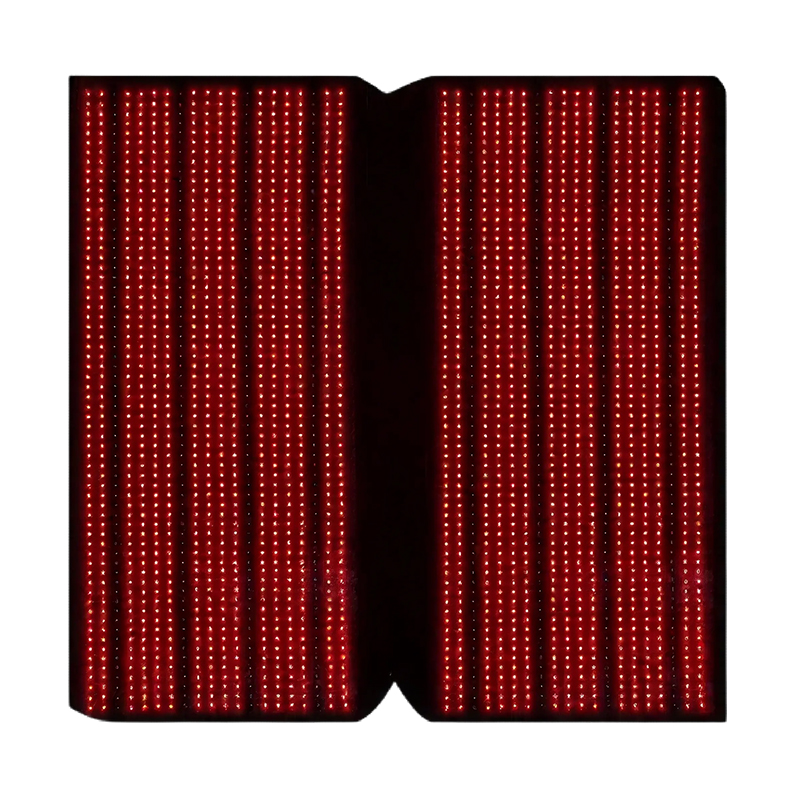
- Ομοιόμορφη κατανομή φωτός
- Συνεπής απόδοση με την πάροδο του χρόνου
Η αποτελεσματική θεραπεία αφορά την παροχή α ελεγχόμενη δόση φωτεινής ενέργειας, δεν κατακλύζει τον ιστό.
3. Περιοχή θεραπείας και κάλυψη
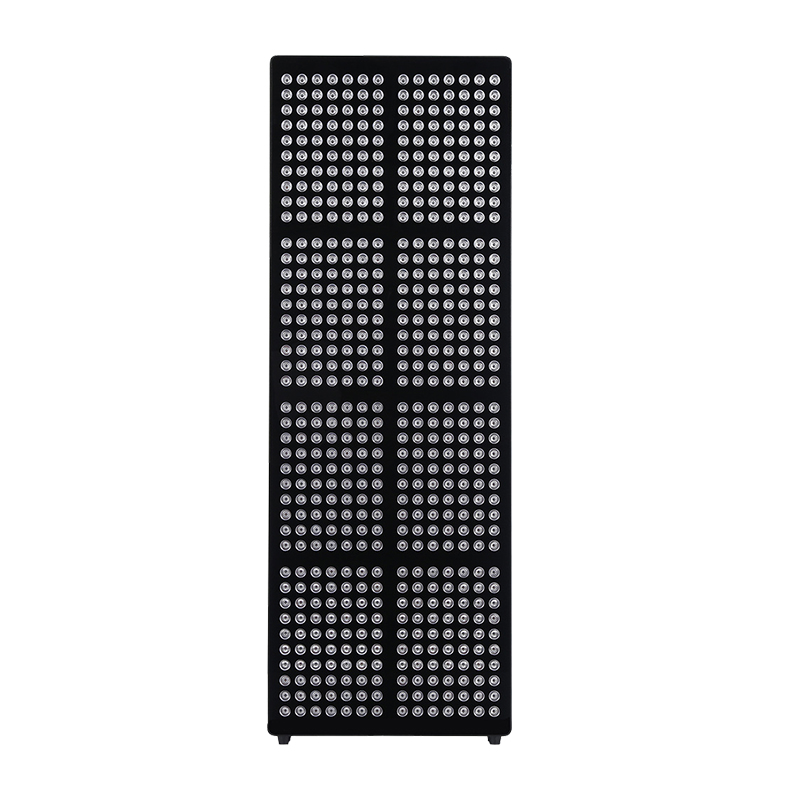
Η καλύτερη θεραπεία με κόκκινο φως ταιριάζει με την περιοχή θεραπείας με τον στόχο:
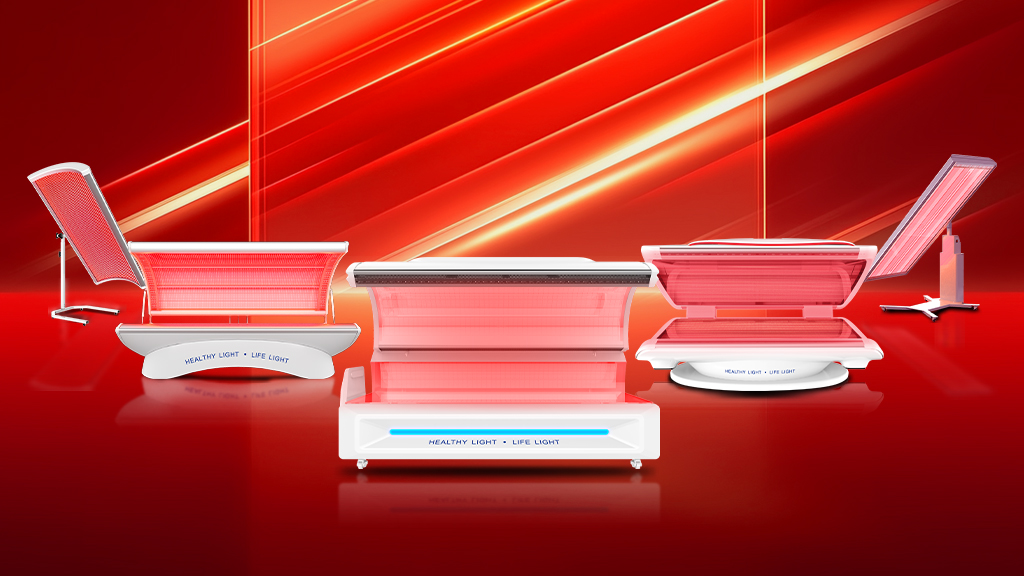
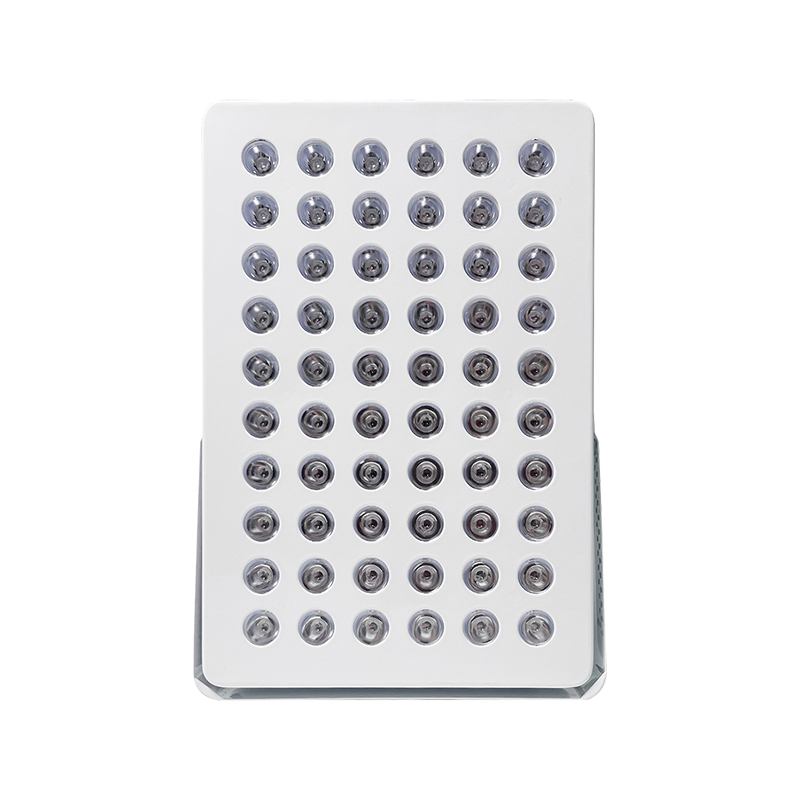
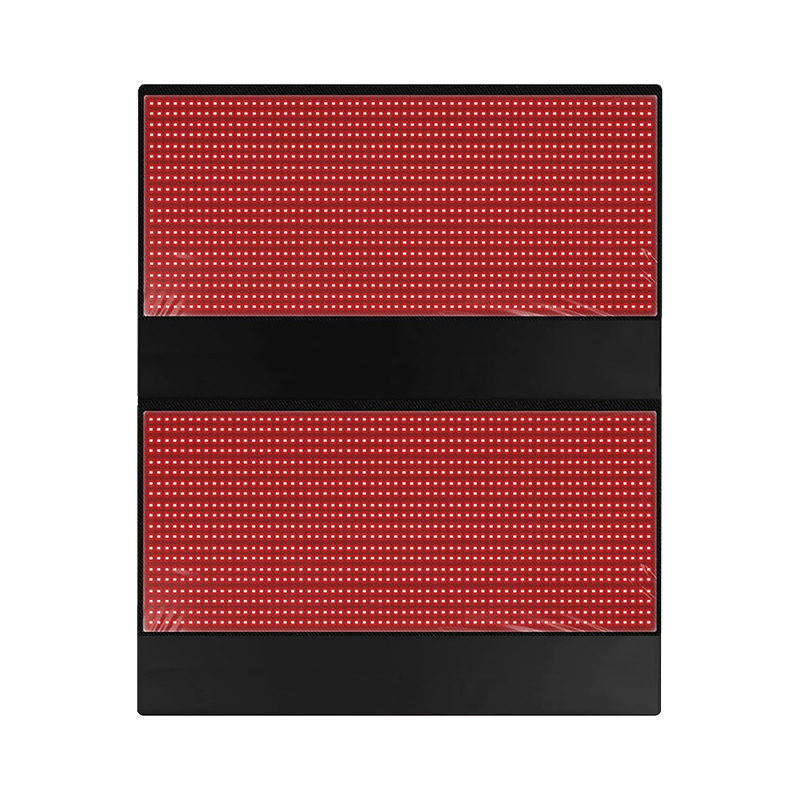
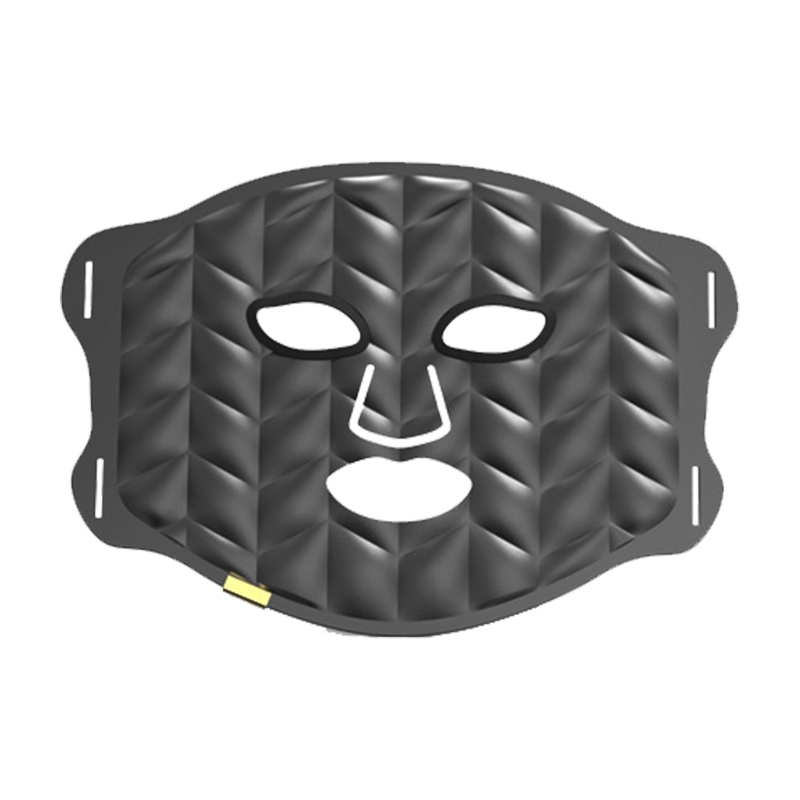
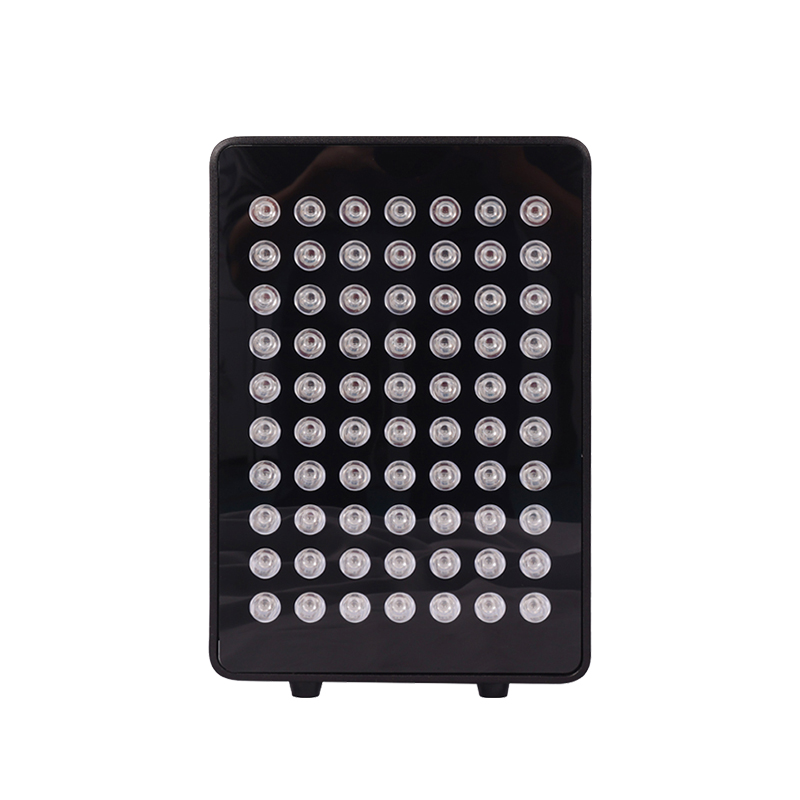
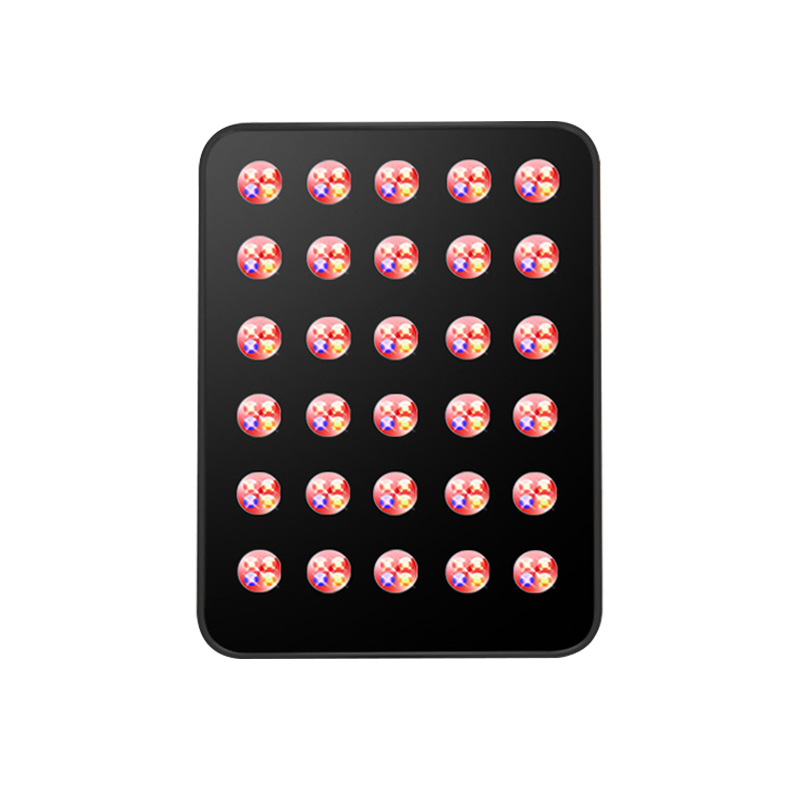
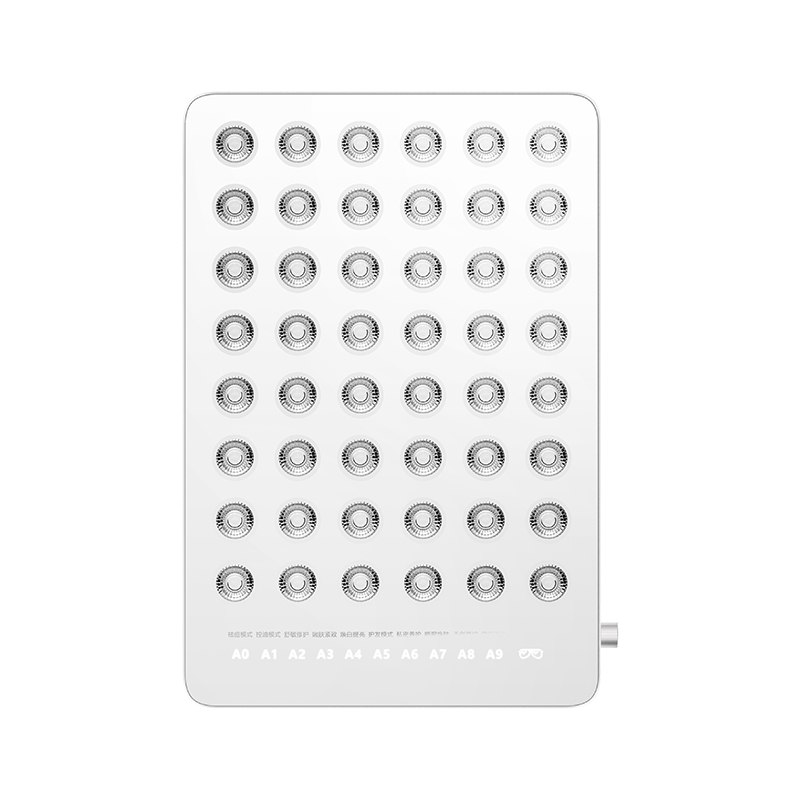
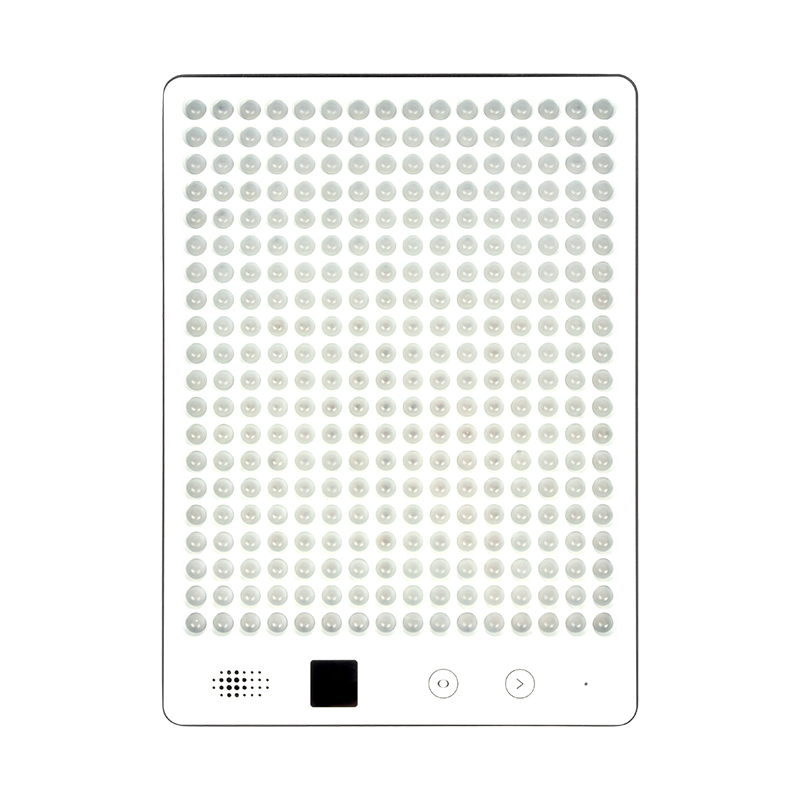
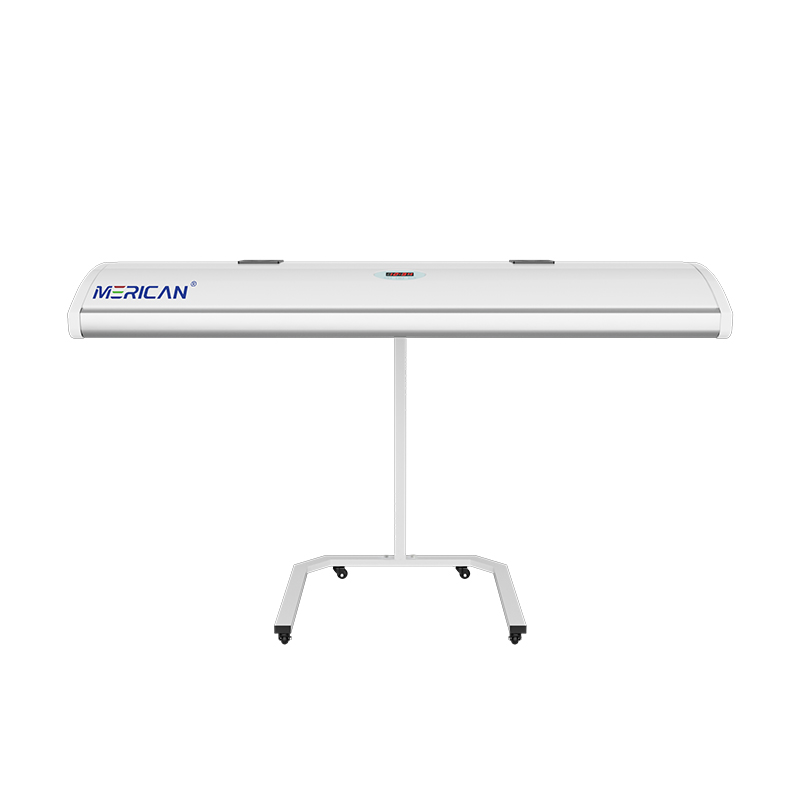
- Μικρές περιοχές (πρόσωπο, αρθρώσεις): εντοπισμένα πάνελ ή μάσκες
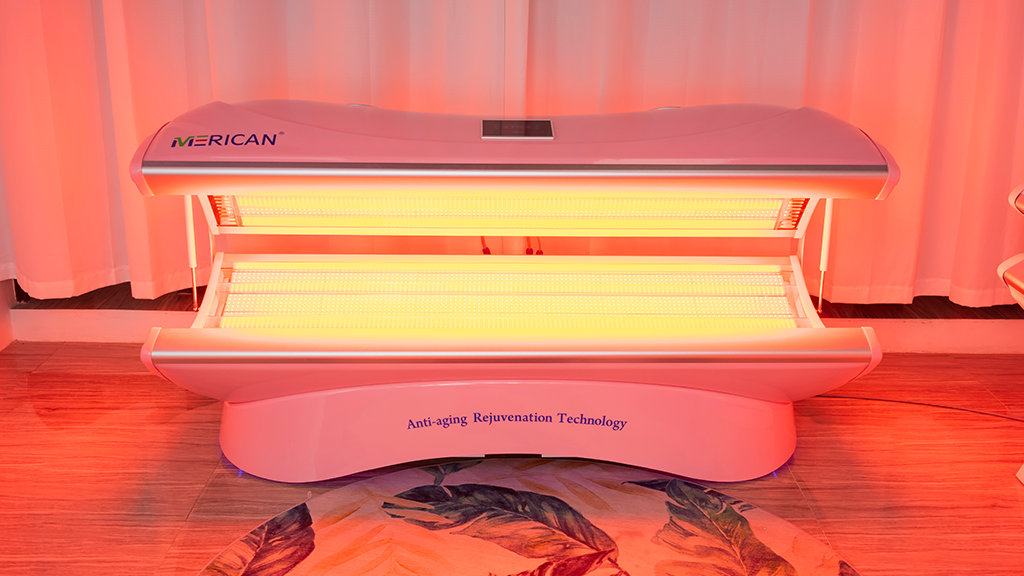
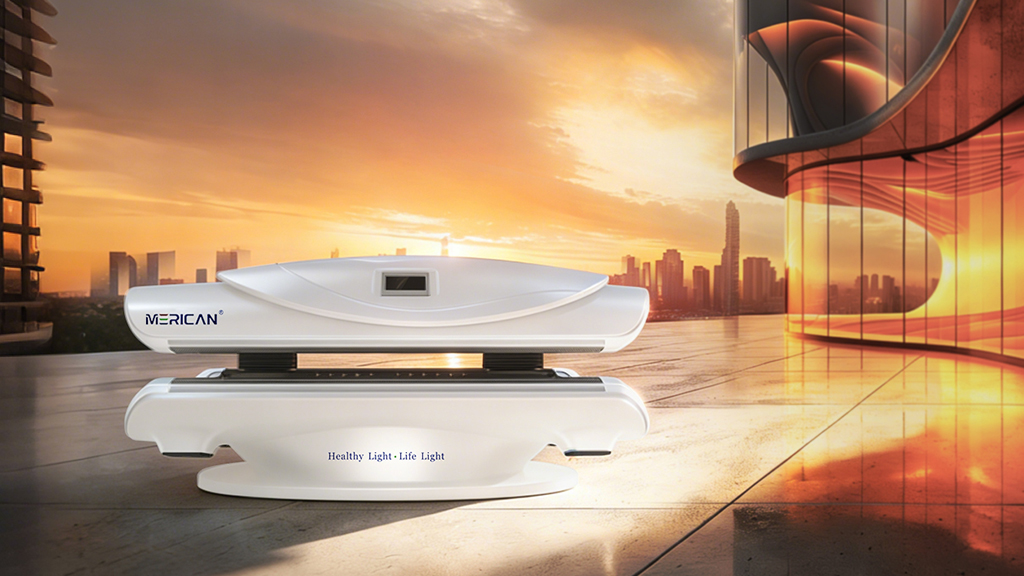
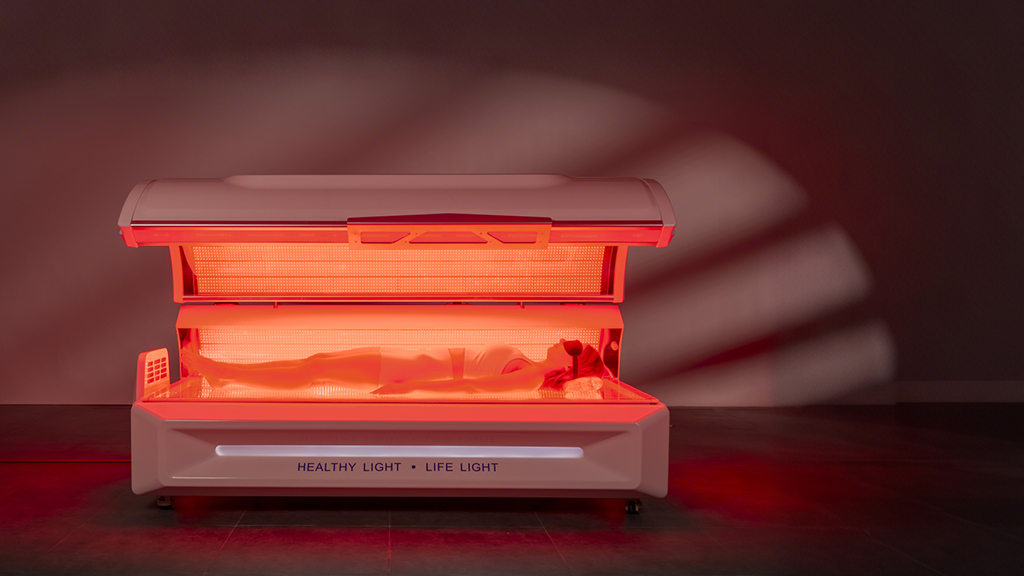
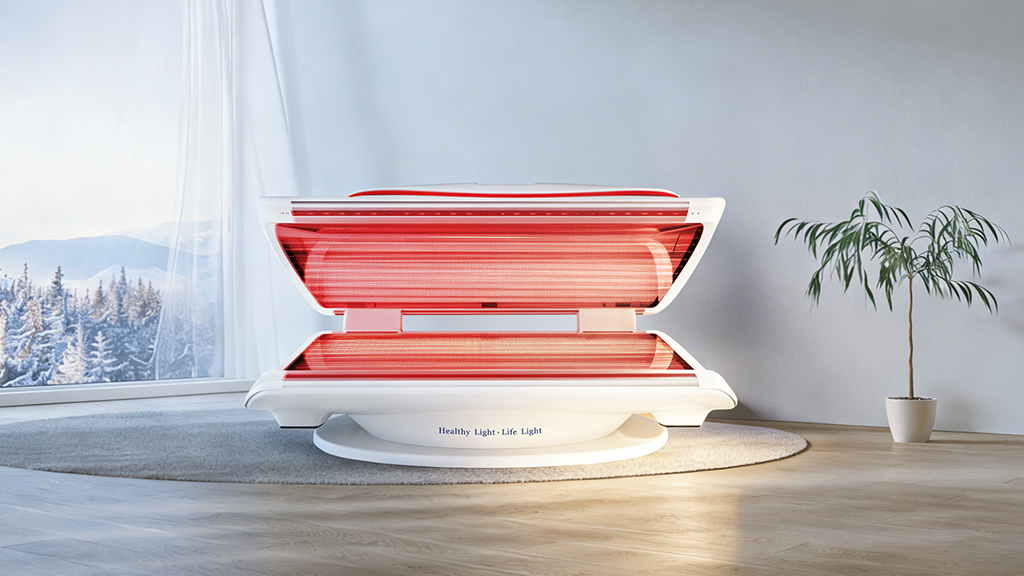
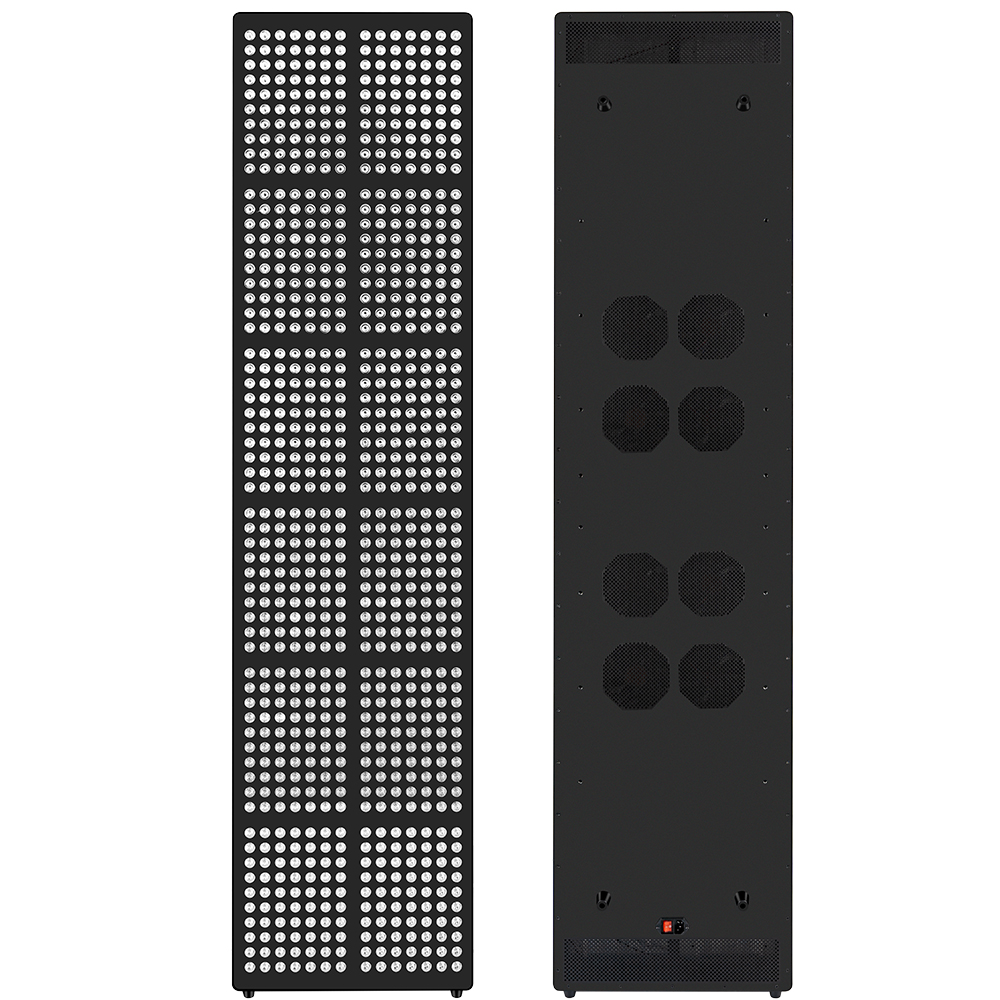
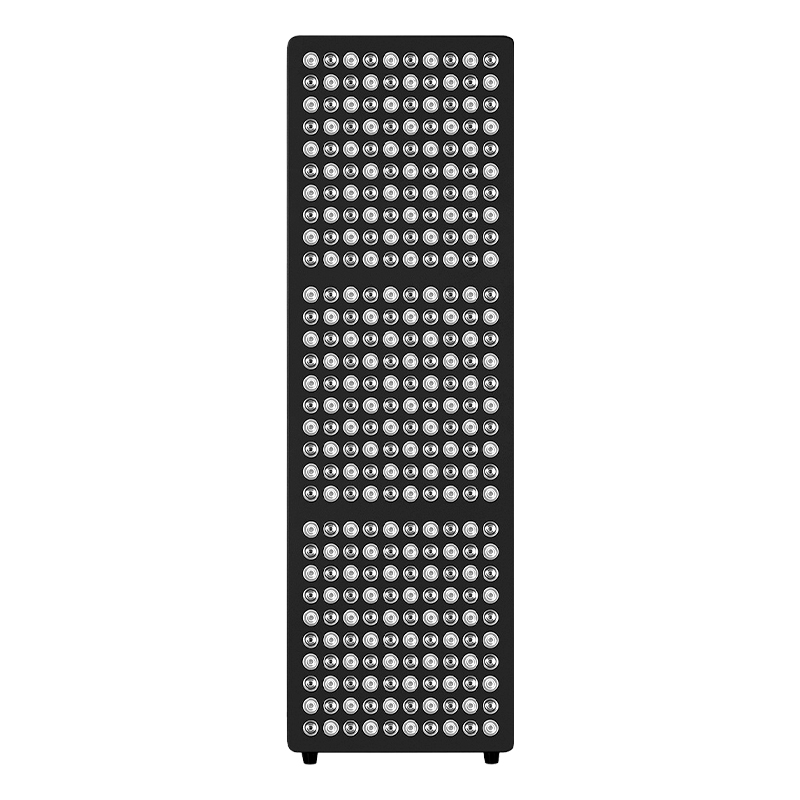
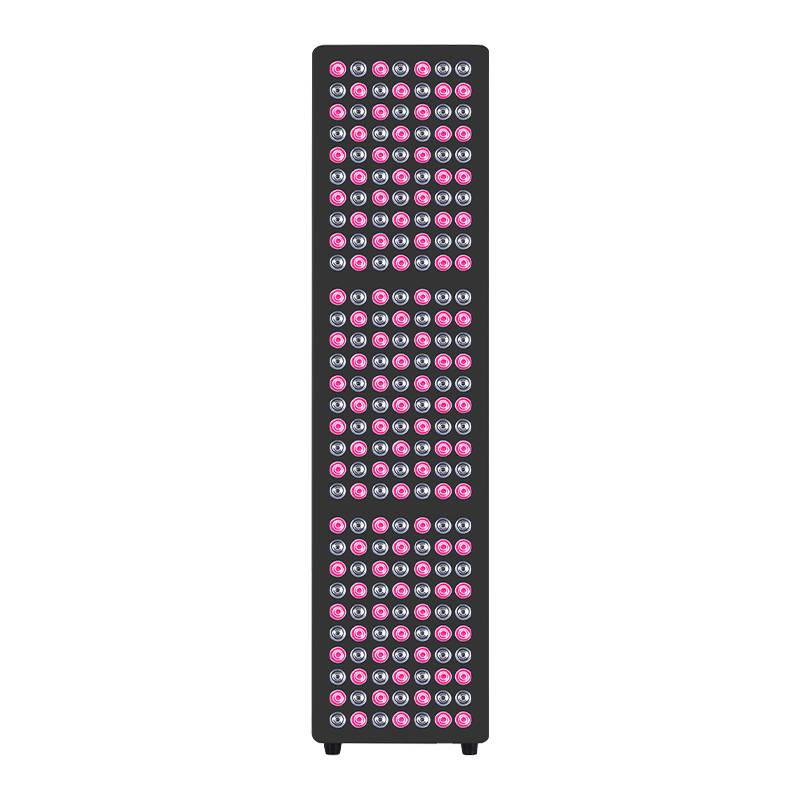
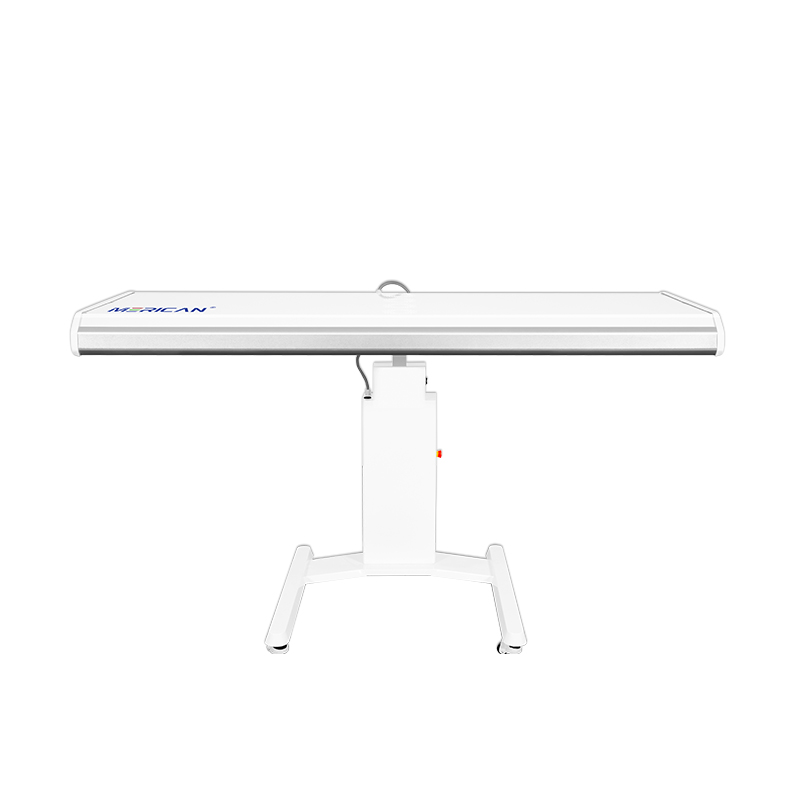
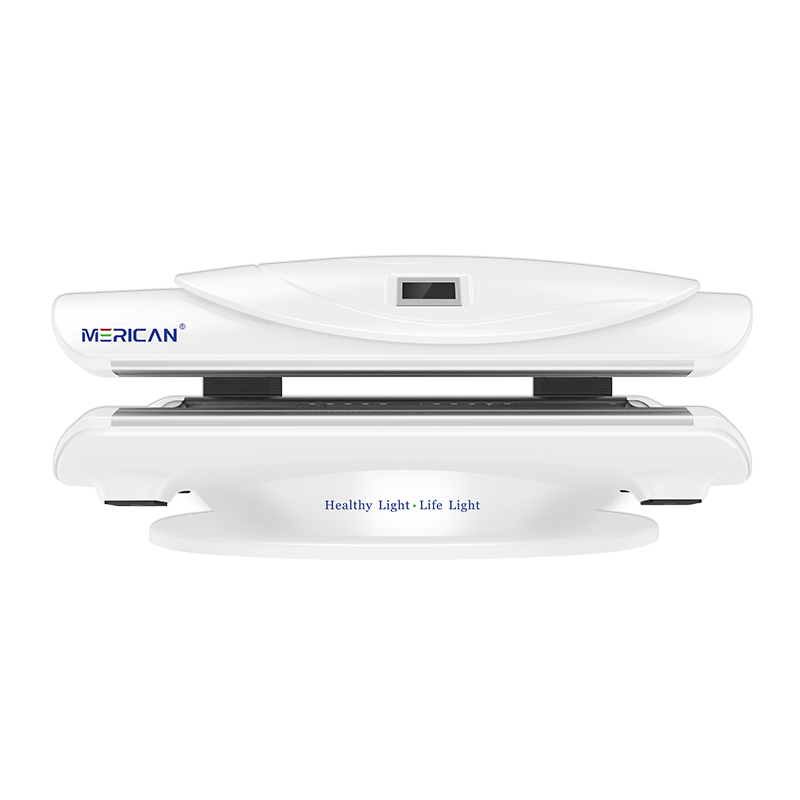
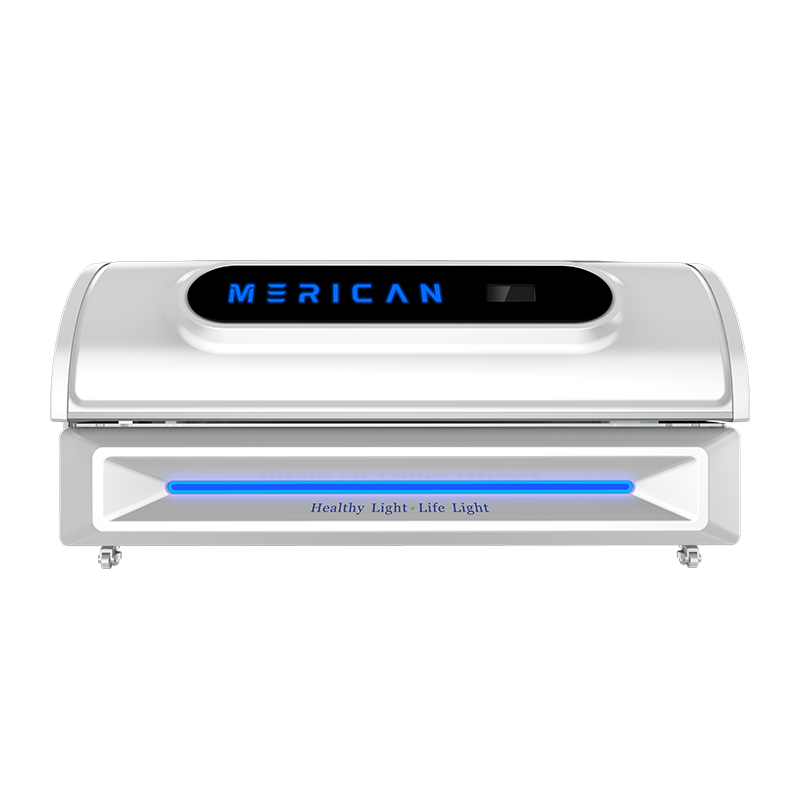
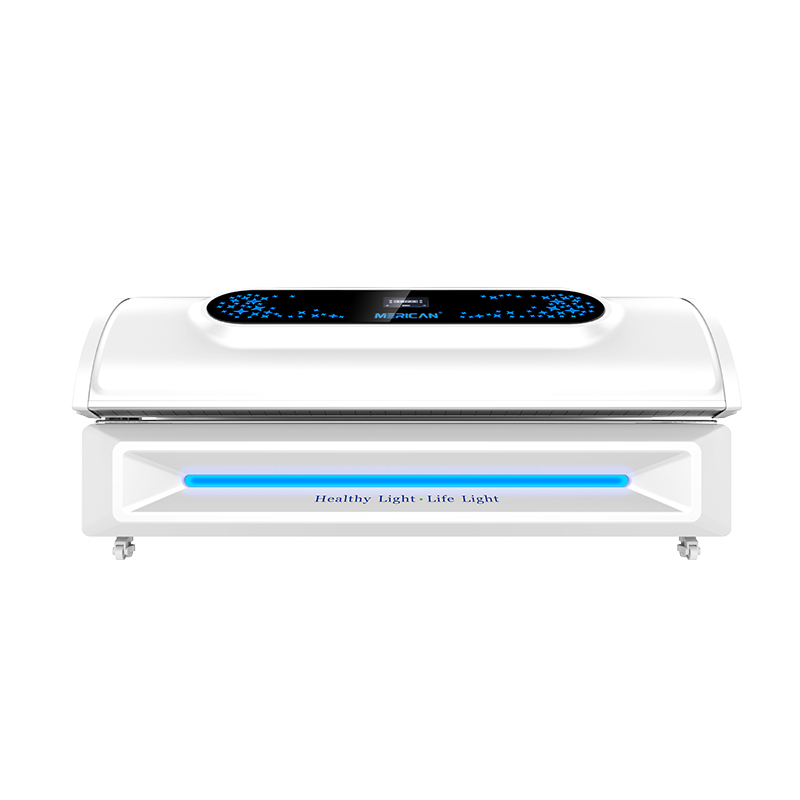
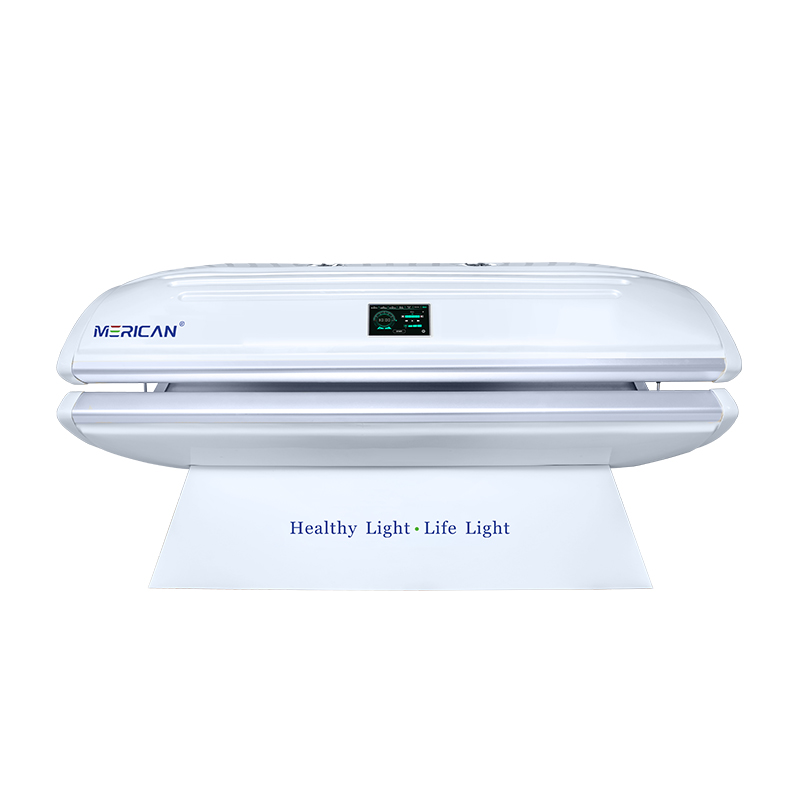
- Μεγάλες περιοχές ή συστημική ευεξία: ολόσωμα συστήματα
Η ασυνεπής κάλυψη μπορεί να μειώσει την αποτελεσματικότητα, ακόμα και με σωστά μήκη κύματος.
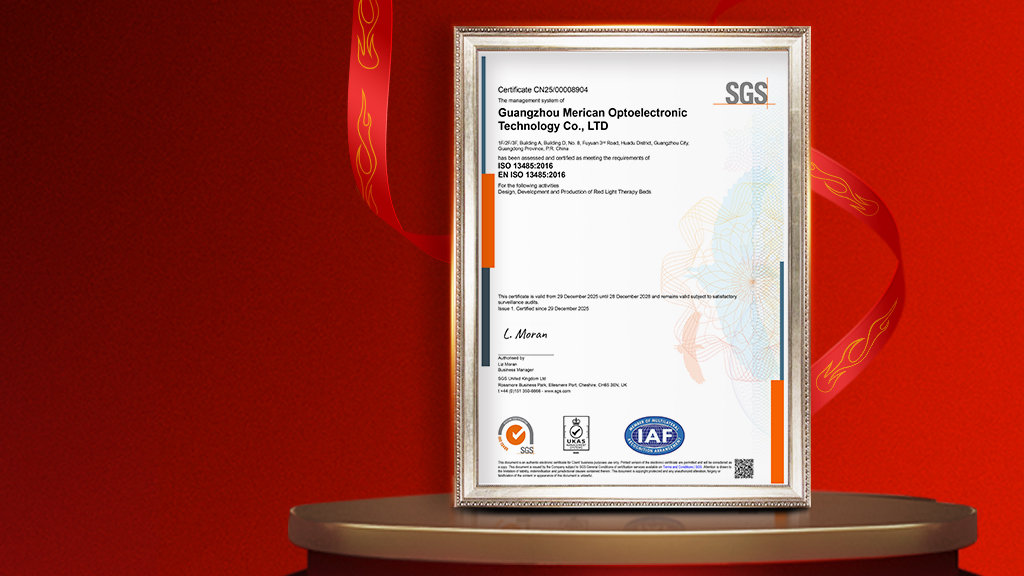
4. Πρότυπα Ασφάλειας και Μηχανικής
Επιστημονικά υγιή συστήματα θεραπείας με κόκκινο φως:
- Χρησιμοποιήστε μη ιονιστικό, μη-UV φως
- Έλεγχος απόδοσης θερμότητας
- Συμπεριλάβετε χρονοδιακόπτες και οδηγίες έκθεσης
Αυτό εξασφαλίζει επαναλαμβανόμενα αποτελέσματα χωρίς περιττό κίνδυνο.
Σύναψη
Από επιστημονική άποψη, η καλύτερη θεραπεία με κόκκινο φως είναι αυτή που συνδυάζει κλινικά σχετικά μήκη κύματος, ελεγχόμενη ακτινοβολία, σωστή κάλυψη, και ασφαλούς μηχανικής. Δεν υπάρχει καθολική «καλύτερη συσκευή»—μόνο η καλύτερη ρύθμιση για μια συγκεκριμένη εφαρμογή.