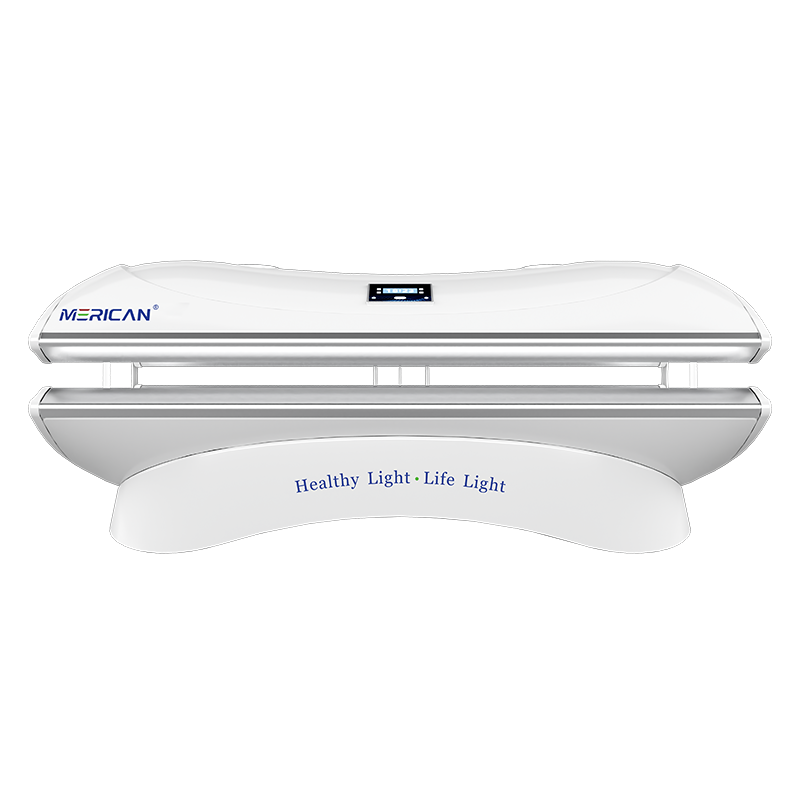
Teiripe solas dearg, ar a dtugtar freisin photobiomodulation, is cóireáil neamh-ionrach é a úsáideann tonnfhaid shonracha dearga agus neas-infridhearg chun tacú le próisis cheallacha nádúrtha an chomhlachta. Le deich mbliana anuas, tá aird faighte aige i folláine, athshlánú, agus cúram aeistéitiúil.
1. Cad is Teiripe Solas Dearg ann?
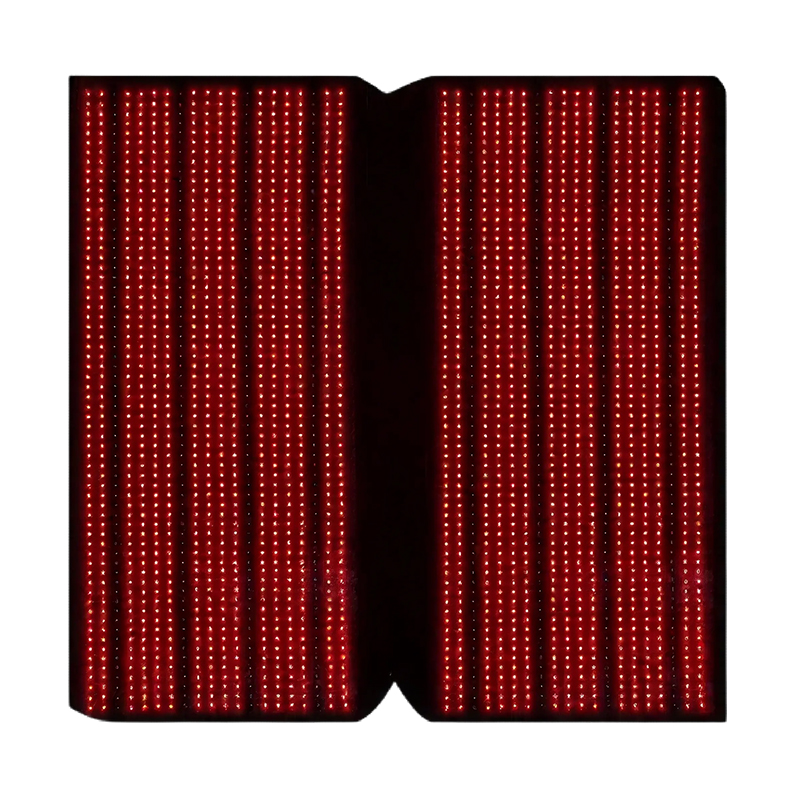
Is éard atá i gceist le teiripe solais dhearg ná an corp a nochtadh do sholas dearg ar leibhéal íseal agus solas gar-infridhearg, go hiondúil sa 630–660 nm agus 810–880 nm raonta tonnfhad. Murab ionann agus solas UV, ní dhéanann na tonnfhaid seo damáiste don chraiceann nó don DNA.
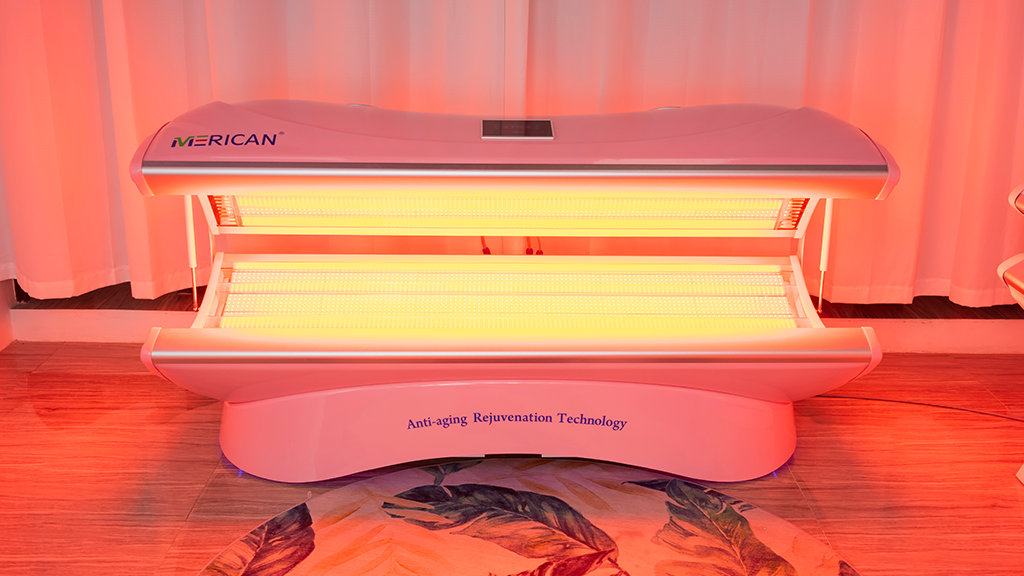
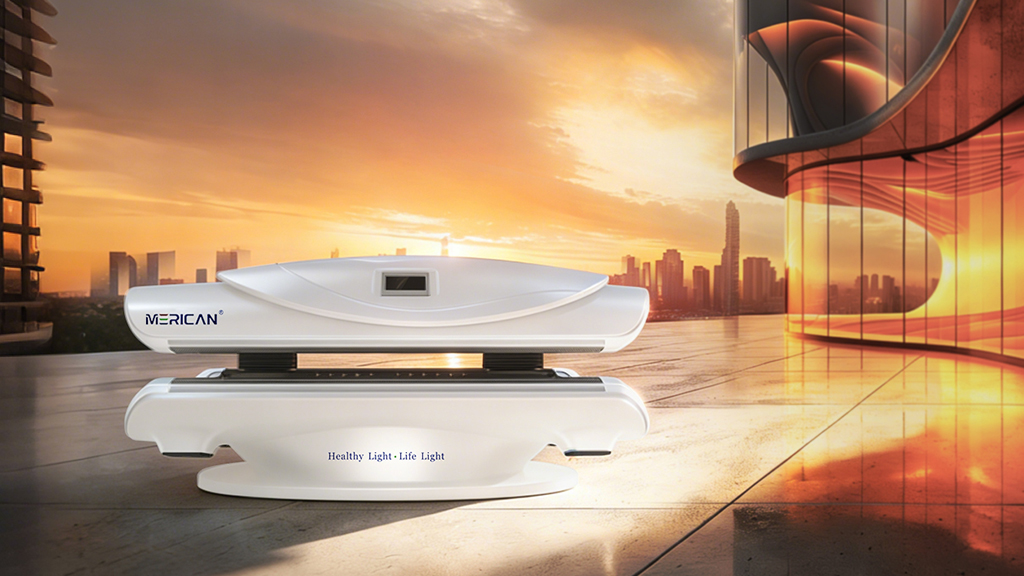
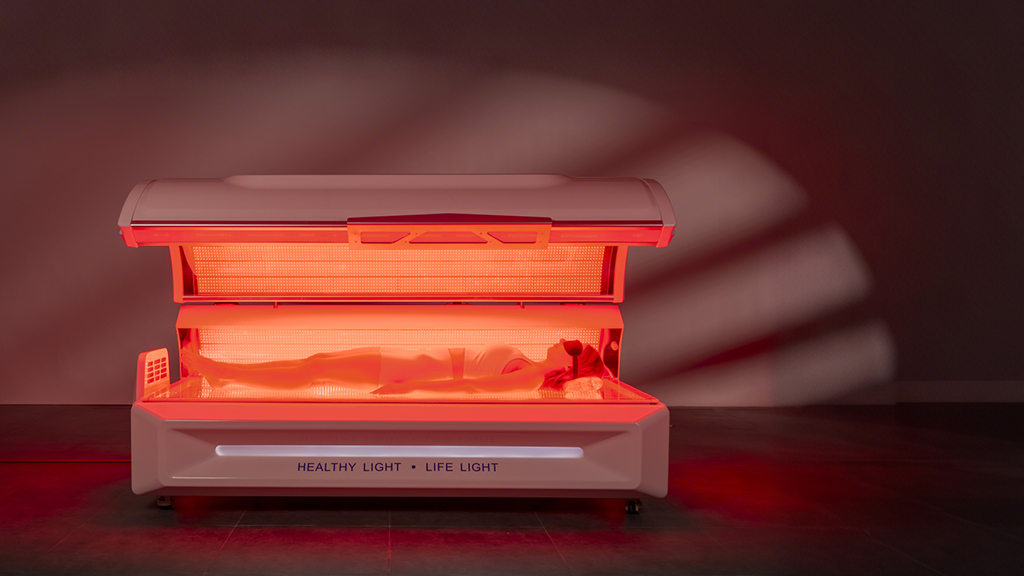
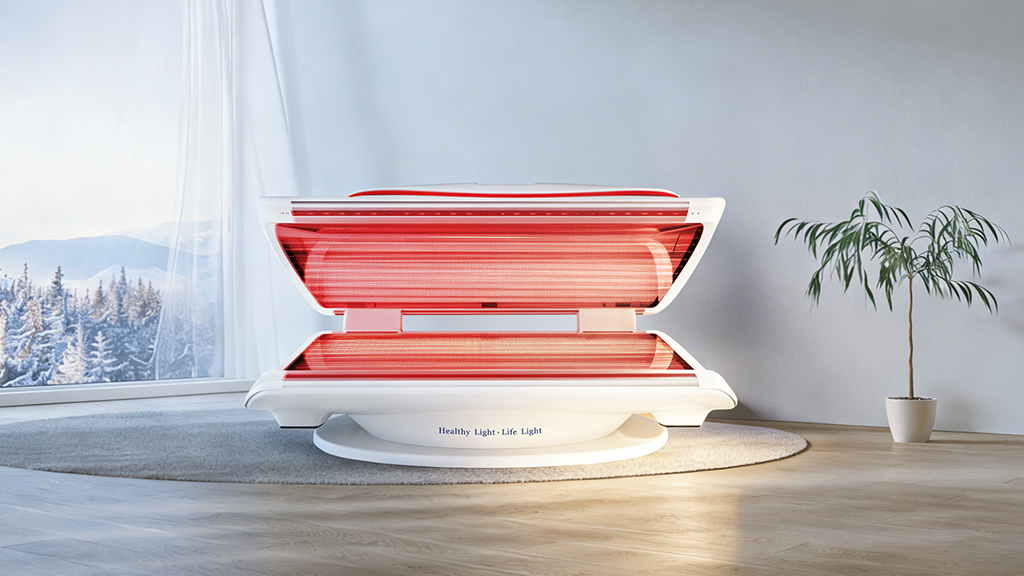
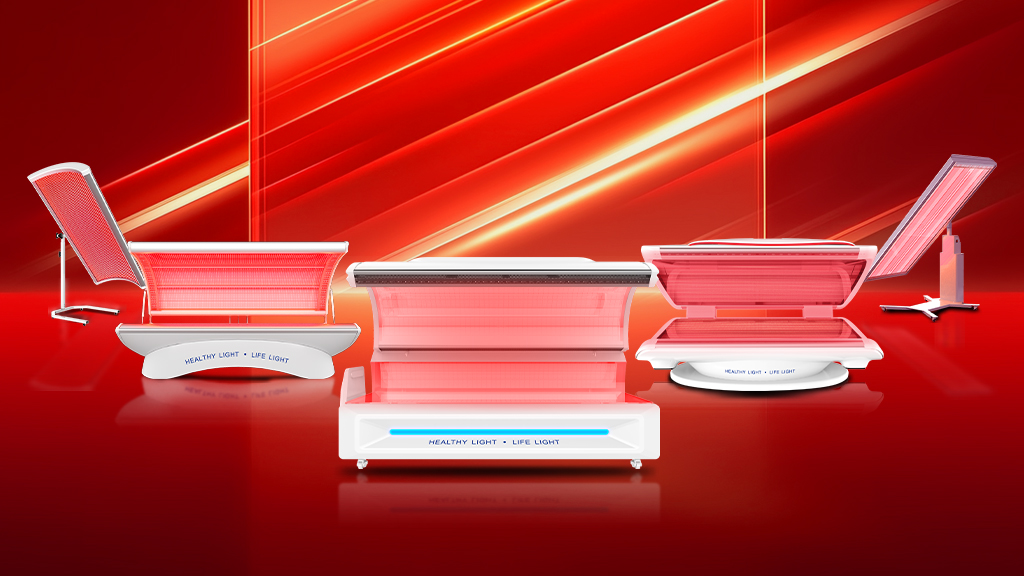
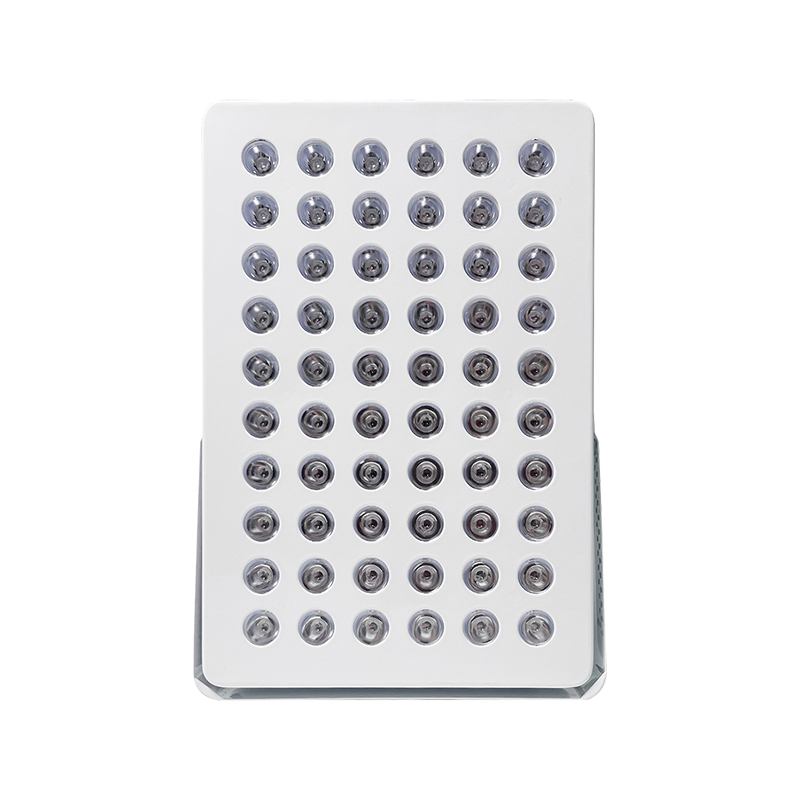
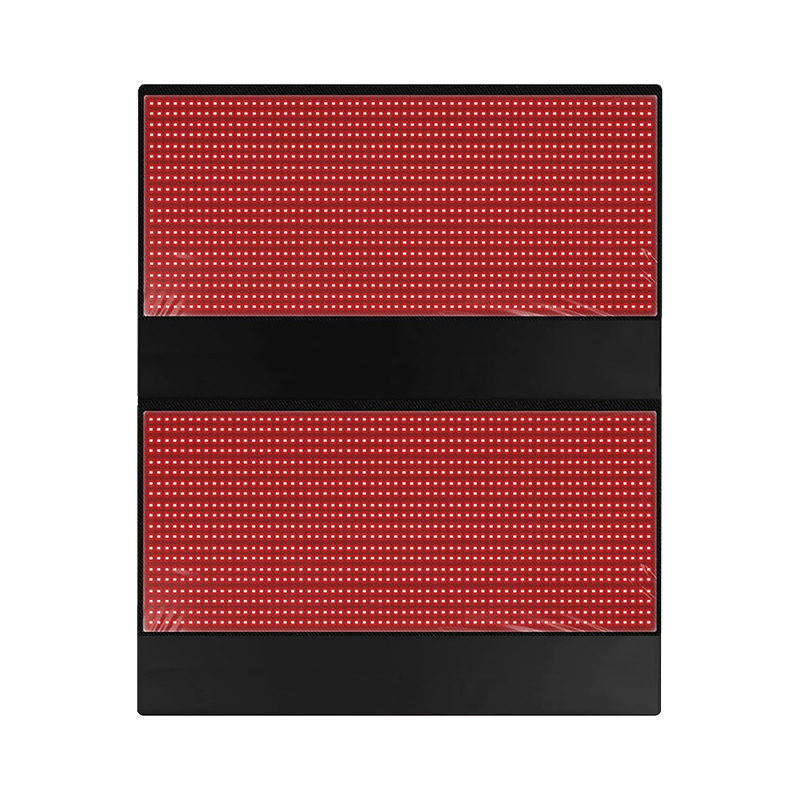
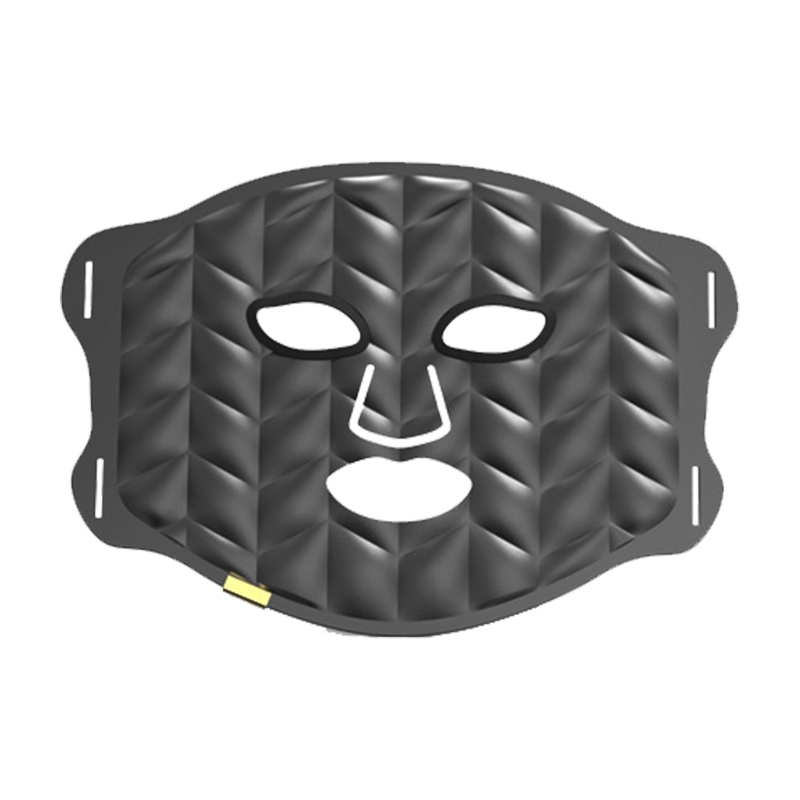
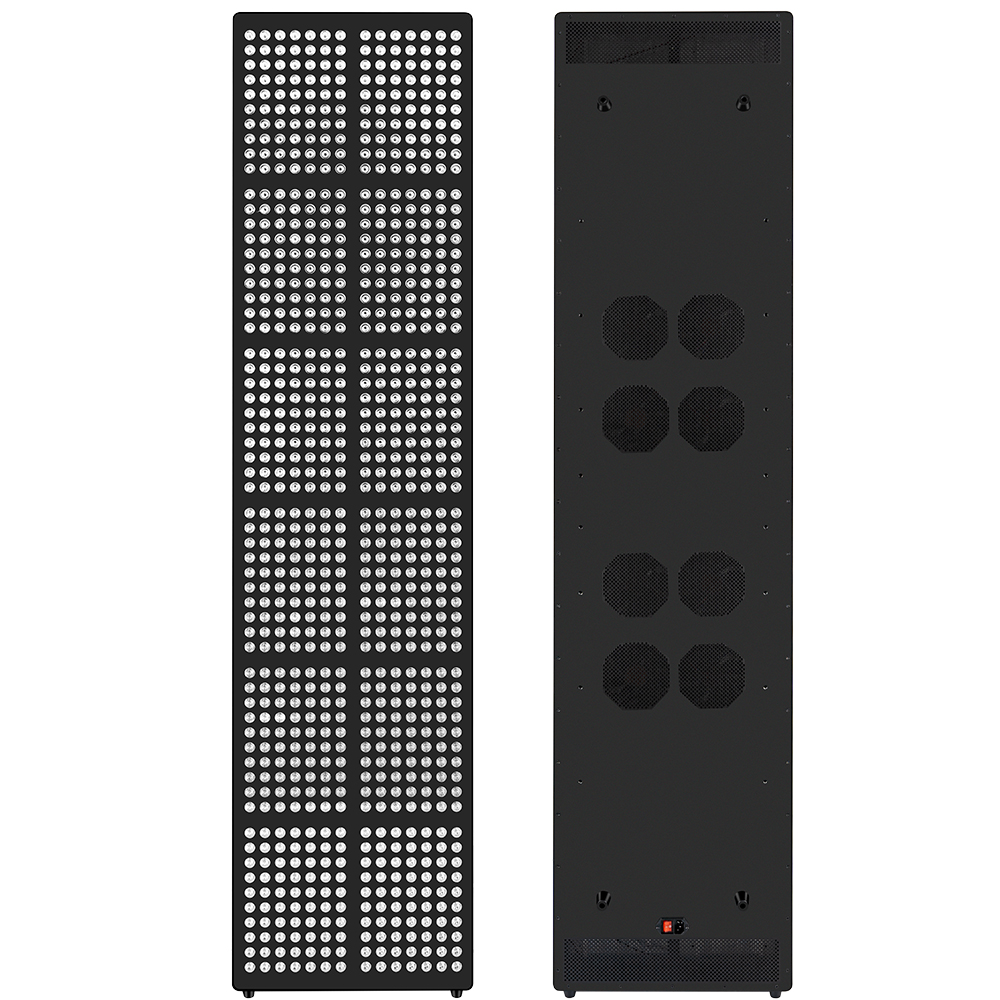
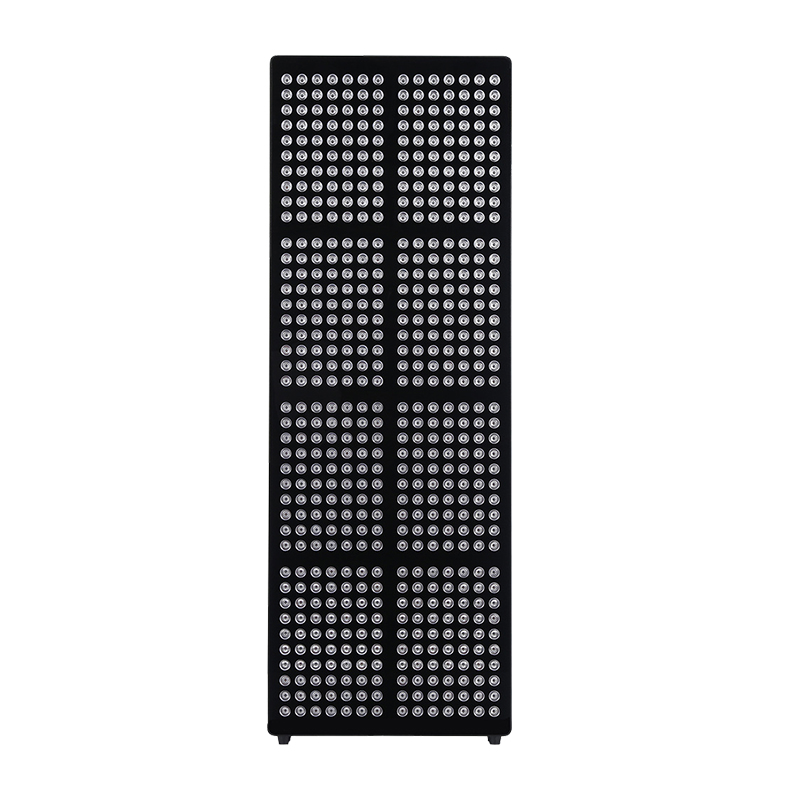
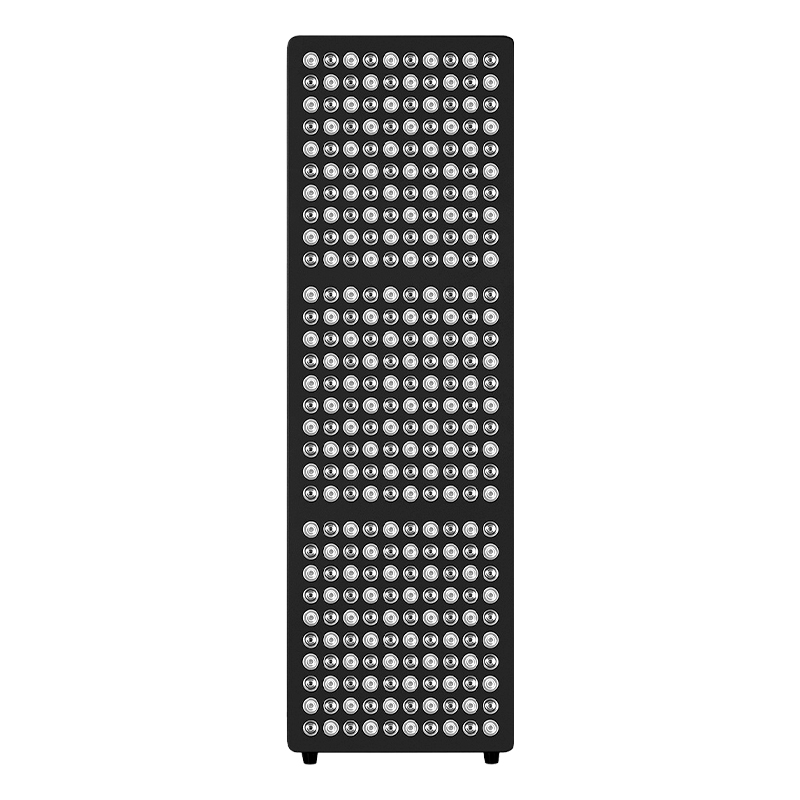
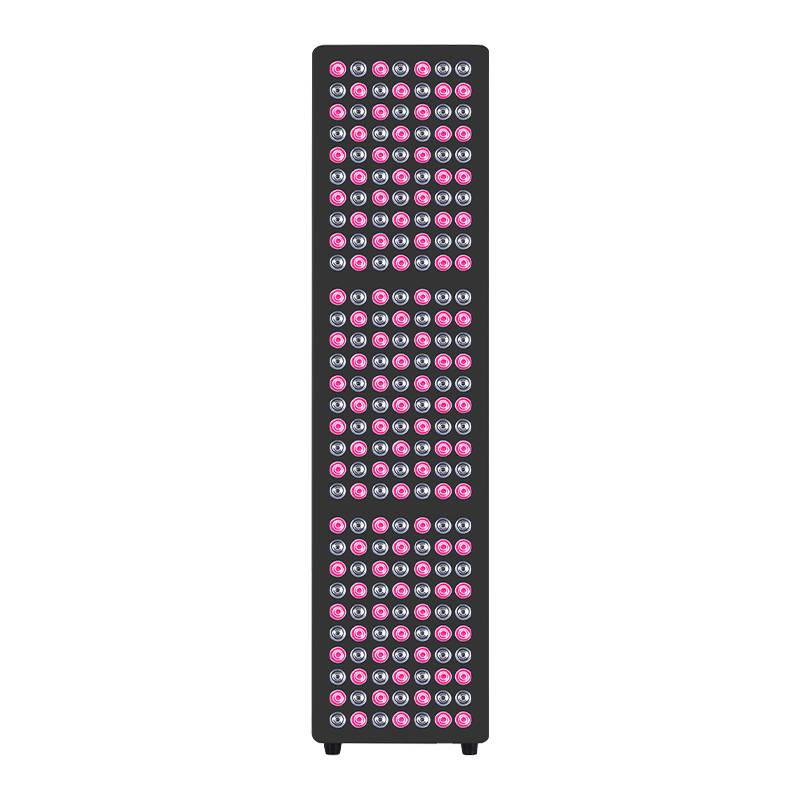
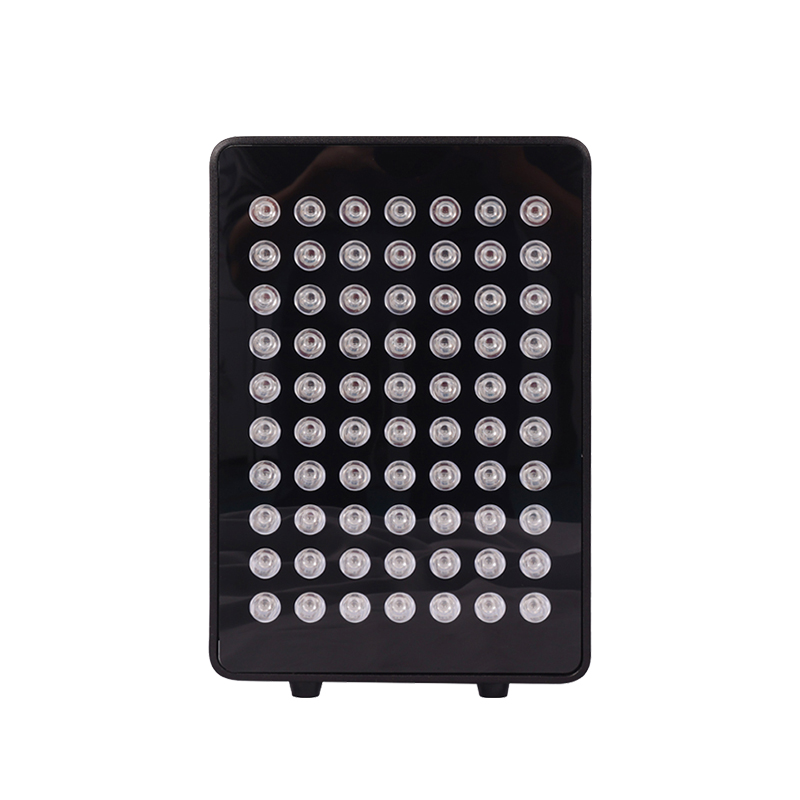
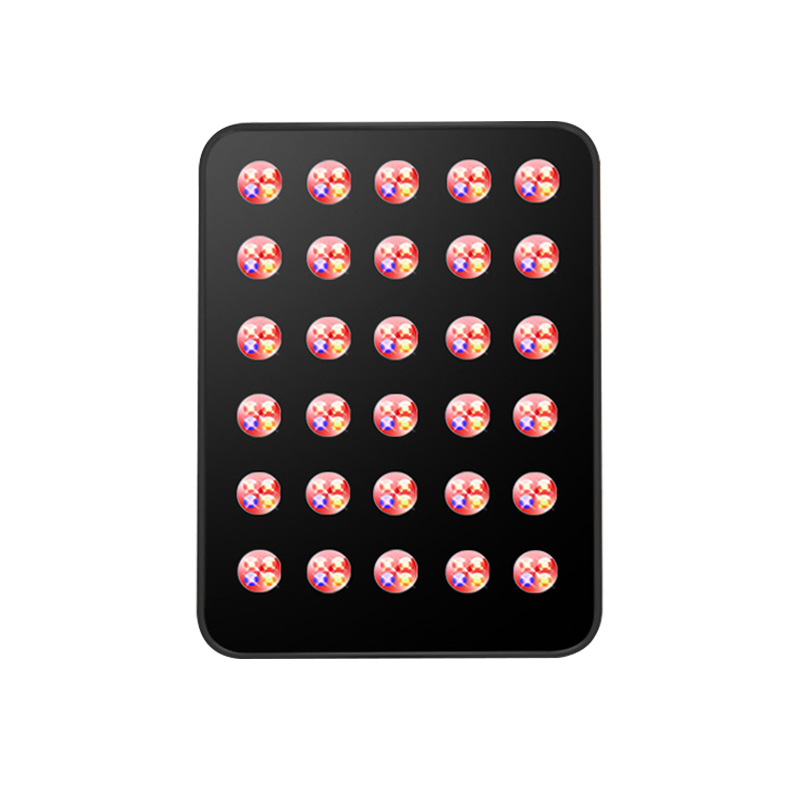
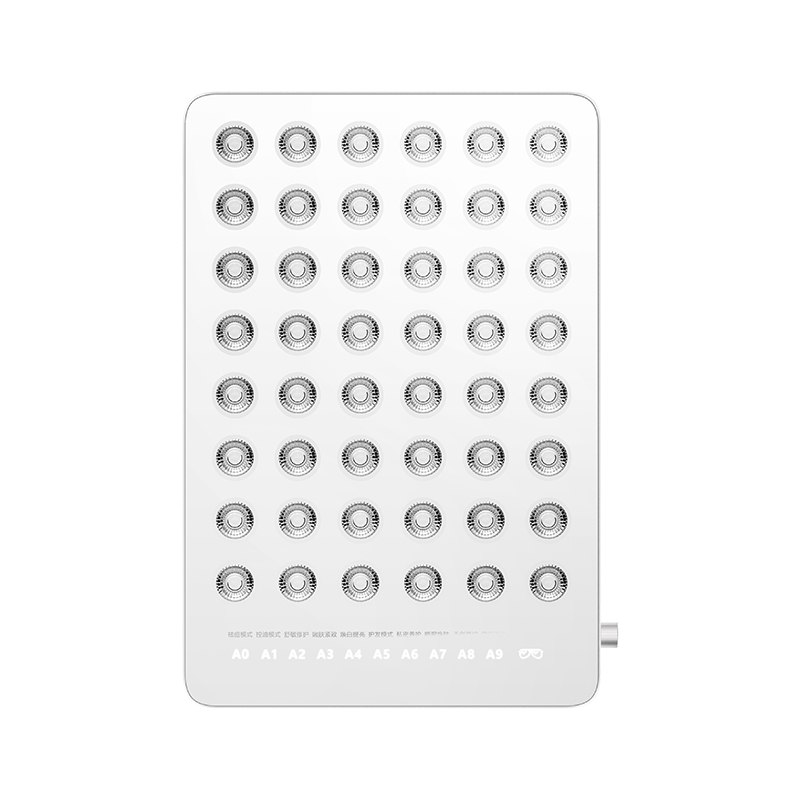
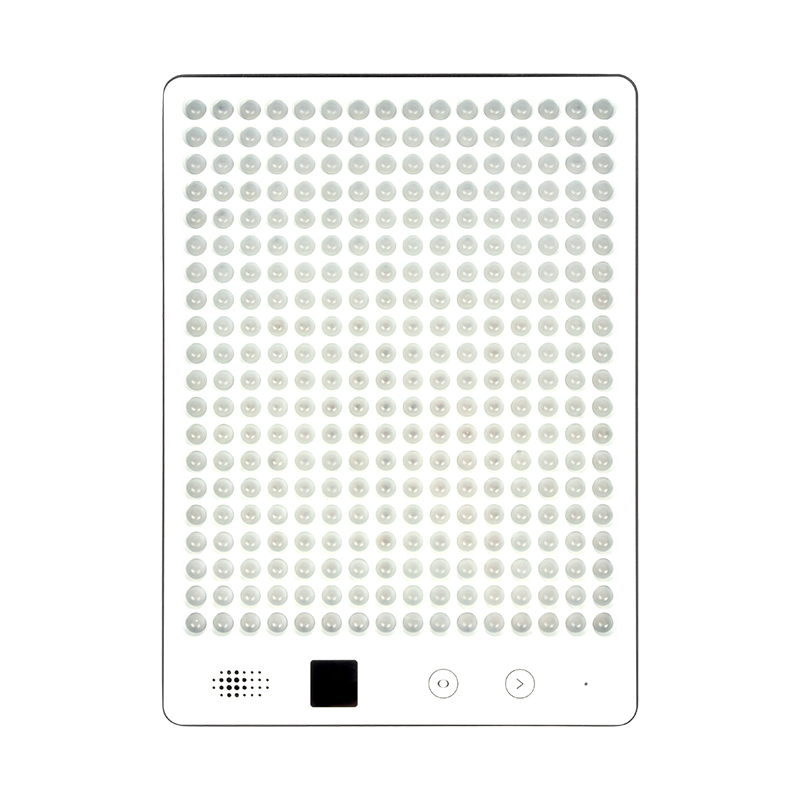
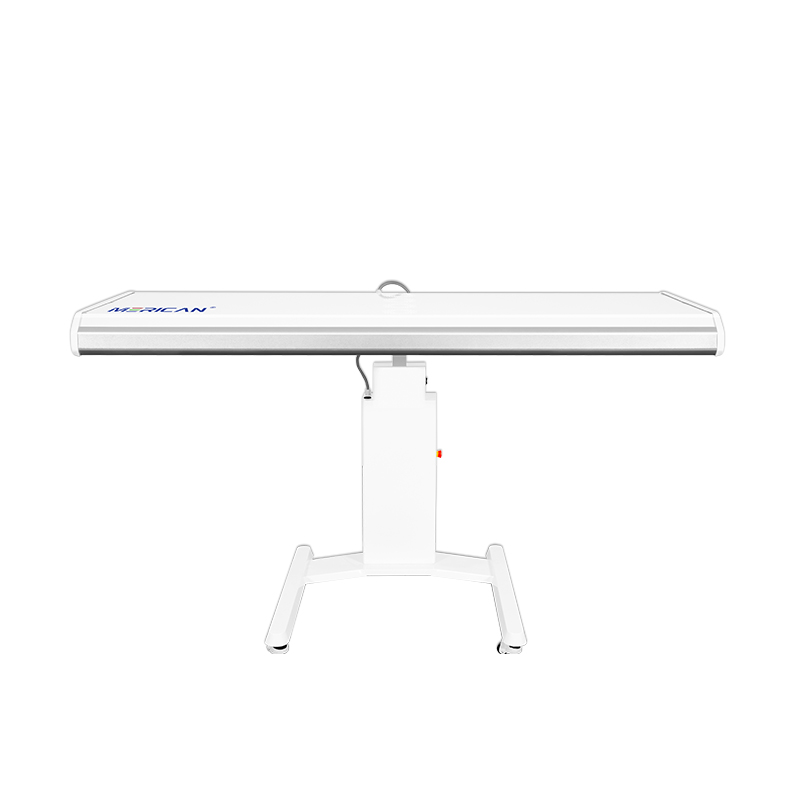
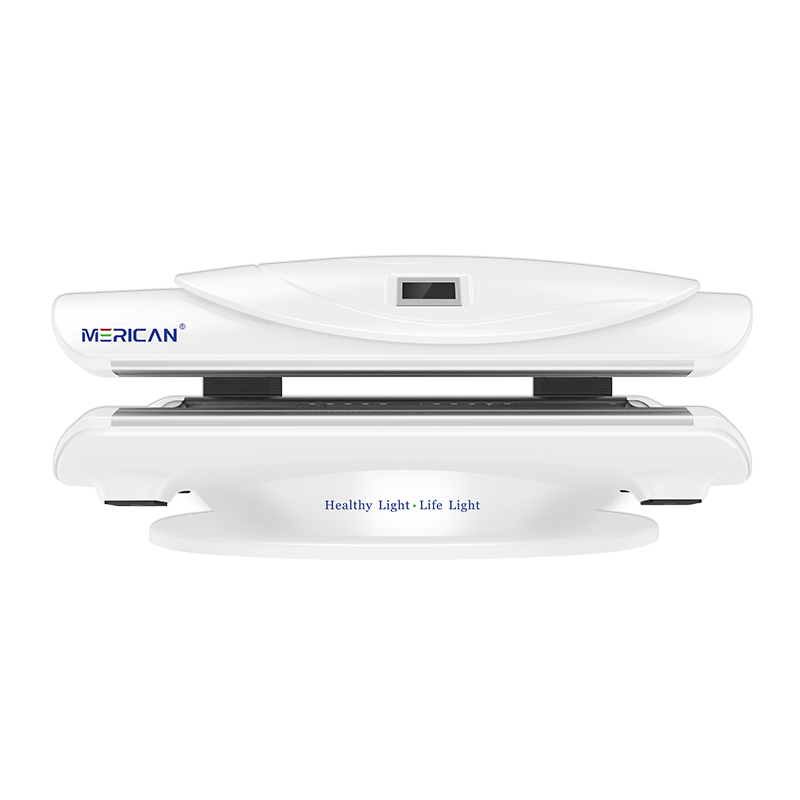
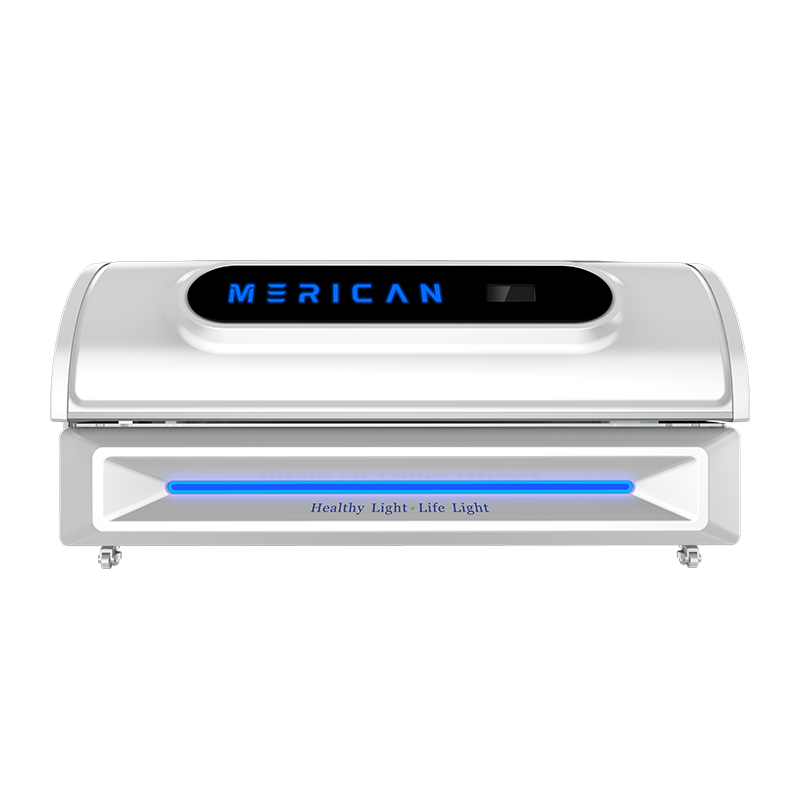
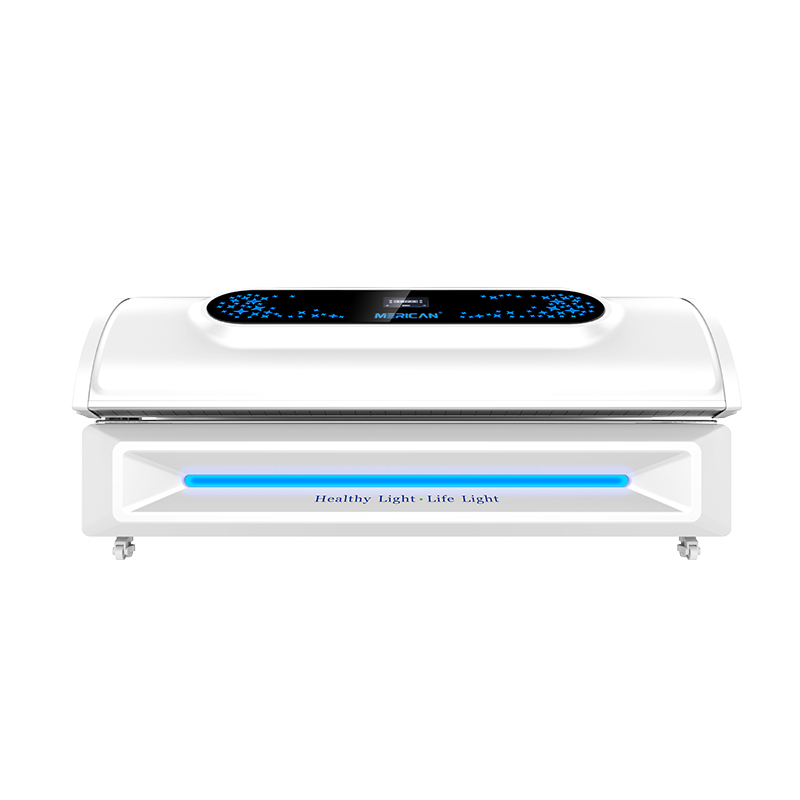
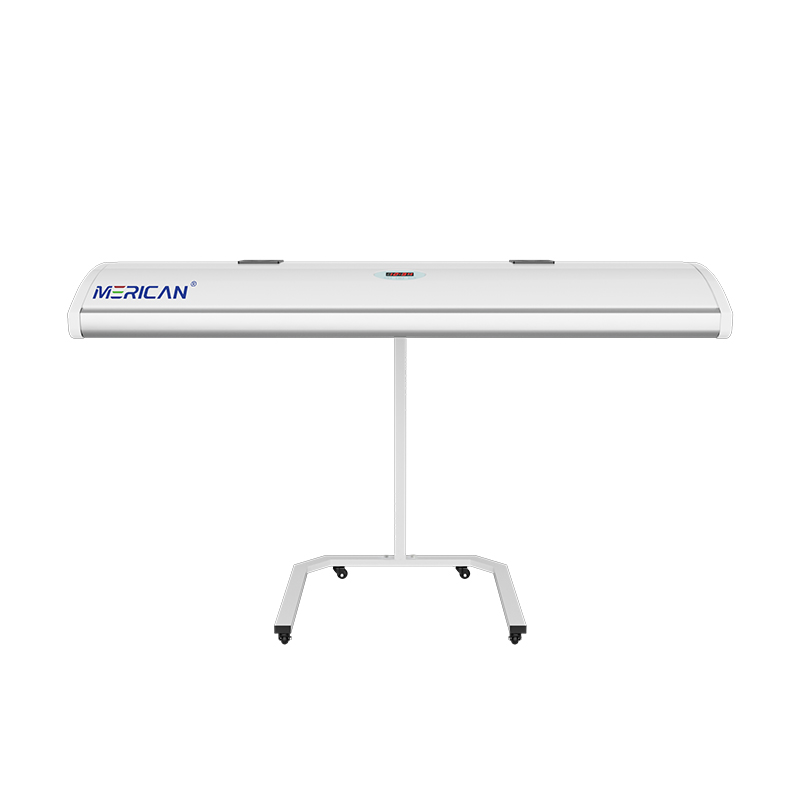
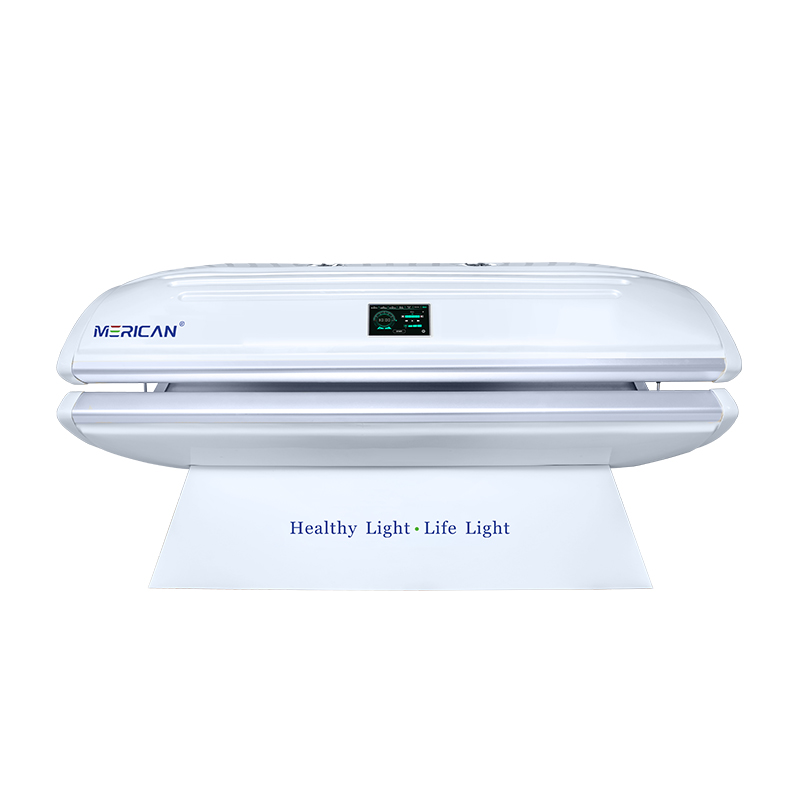
Déantar an teiripe a sheachadadh trí úsáid a bhaint as painéil LED, gléasanna láimhe, nó leapacha lánchorp teiripe solas dearg.
2. Conas a Oibríonn Teiripe Solas Dearg
Nuair a shroicheann solas dearg agus gar-infridhearg an craiceann, tá sé absorbed ag mitochondria - na lárionaid fuinnimh na cealla. Féadfaidh an idirghníomhaíocht seo:
- Tacaíocht ATP (fuinneamh cheallacha) táirgeadh
- Feabhas a chur ar úsáid ocsaigine
- Cabhrú le freagraí athlasadh a rialáil
Míníonn na héifeachtaí seo cén fáth a ndéantar teiripe solais dhearg a iniúchadh do shláinte an chraiceann, aisghabháil muscle, agus tacaíocht ghinearálta folláine.
3. Buntáistí a Phléitear go Coitianta
Is minic a chomhcheanglaíonn taighde agus úsáid chliniciúil teiripe solas dearg le:
- Cuma craiceann feabhsaithe
- Faoiseamh sealadach ar míchompord matáin agus comhpháirteacha
- Aisghabháil iar-chleachtadh feabhsaithe
- Tacaíocht do chúrsaíocht agus deisiú fíocháin
Athraíonn na torthaí ag brath ar thonnfhad, déine, am cóireála, agus comhsheasmhacht.
4. An bhfuil Teiripe Solas Dearg Sábháilte?
Úsáideann teiripe solas dearg neamh-ianach, solas neamhtheirmeach nuair a dheartar i gceart é. I measc na gcóras gairmiúla agus baile is mó:
- Amanna nochta rialaithe
- Leibhéil aschuir rialaithe
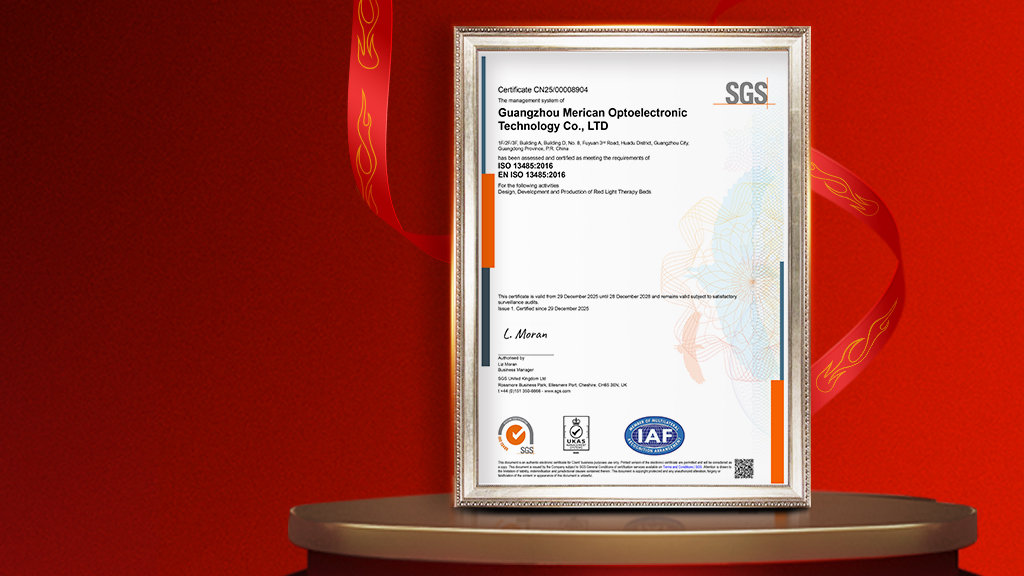
- Tástáil sábháilteachta le húsáid arís agus arís eile
Mar is amhlaidh le haon teicneolaíocht folláine, tá sé ríthábhachtach treoirlínte an déantóra a leanúint.
5. Cé a Úsáideann Teiripe Solas Dearg?
Teiripe solas dearg a úsáidtear go coitianta ag:
- Díograiseoirí folláine agus folláine
- Clinicí teiripe fisiciúil agus téarnaimh
- Deirmeolaíocht agus cleachtais aeistéitiúla
- Limistéir faoi Chosaint Speisialta agus ionaid folláine gairmiúla
Conclúid
Tá teiripe solas dearg le tacaíocht eolaíocht, cur chuige neamh-ionrach a thacaíonn le feidhmeanna nádúrtha an chomhlachta. Is é tuiscint a fháil ar conas a oibríonn sé an chéad chéim chun é a úsáid go héifeachtach agus go freagrach.