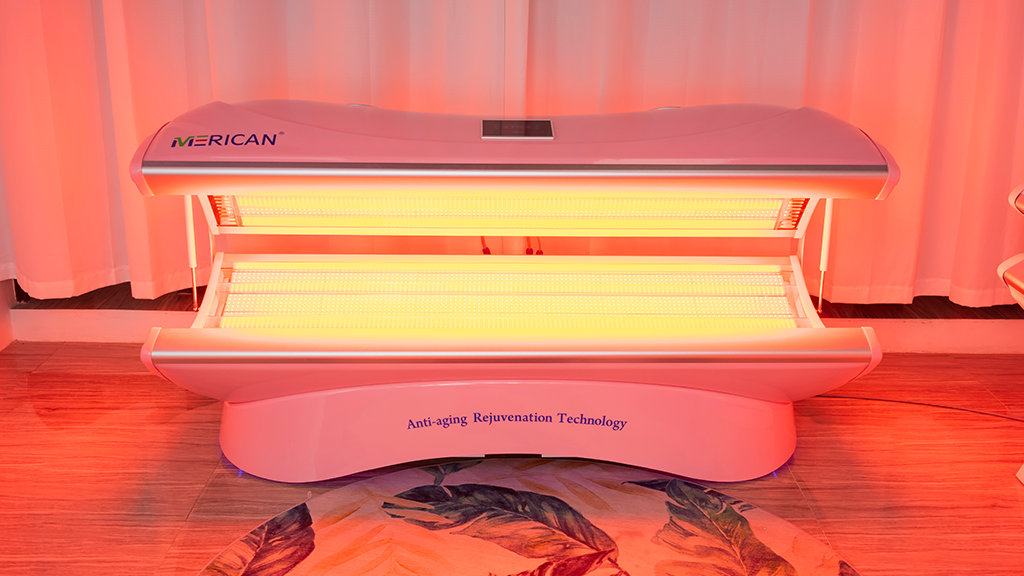
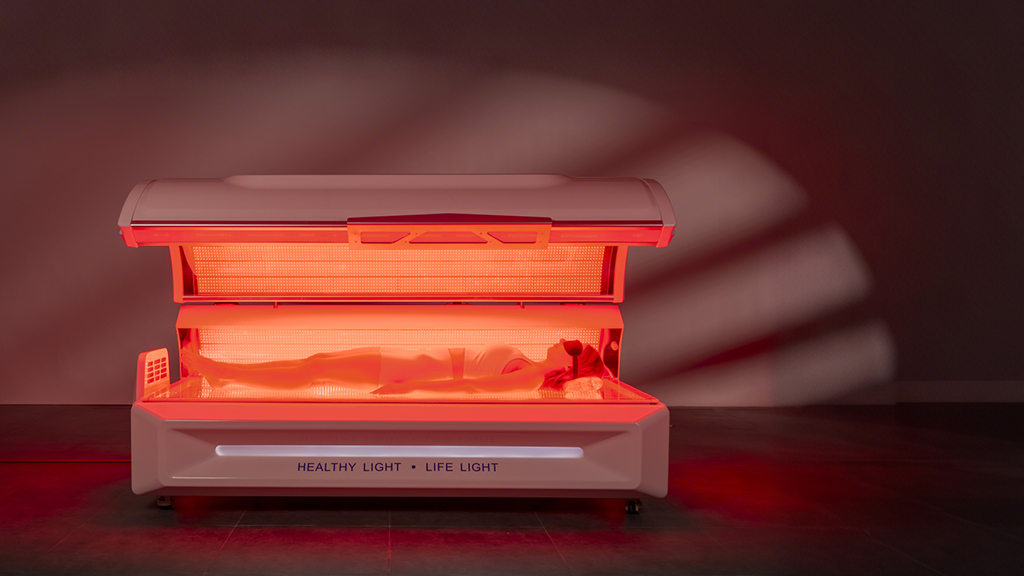
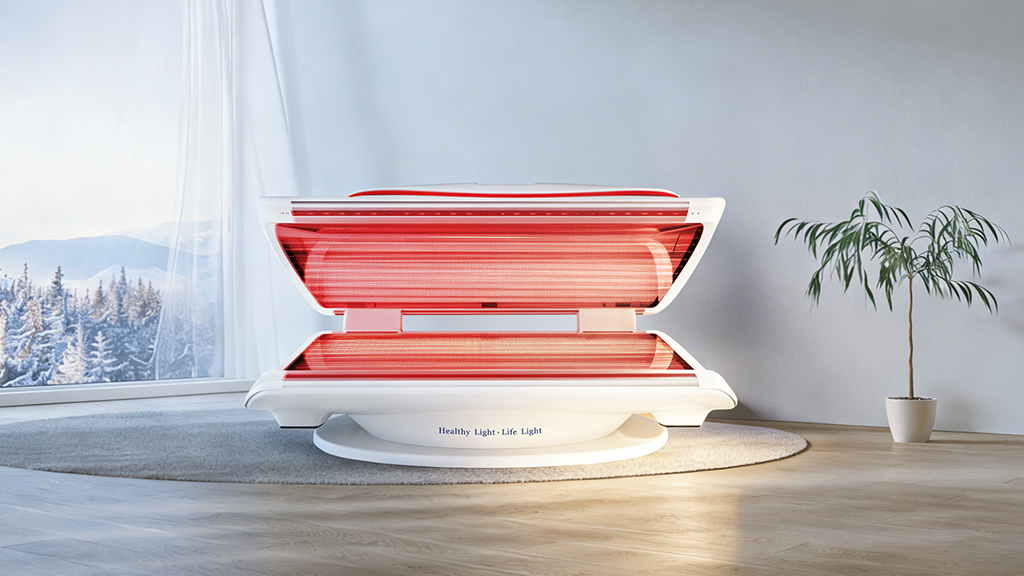
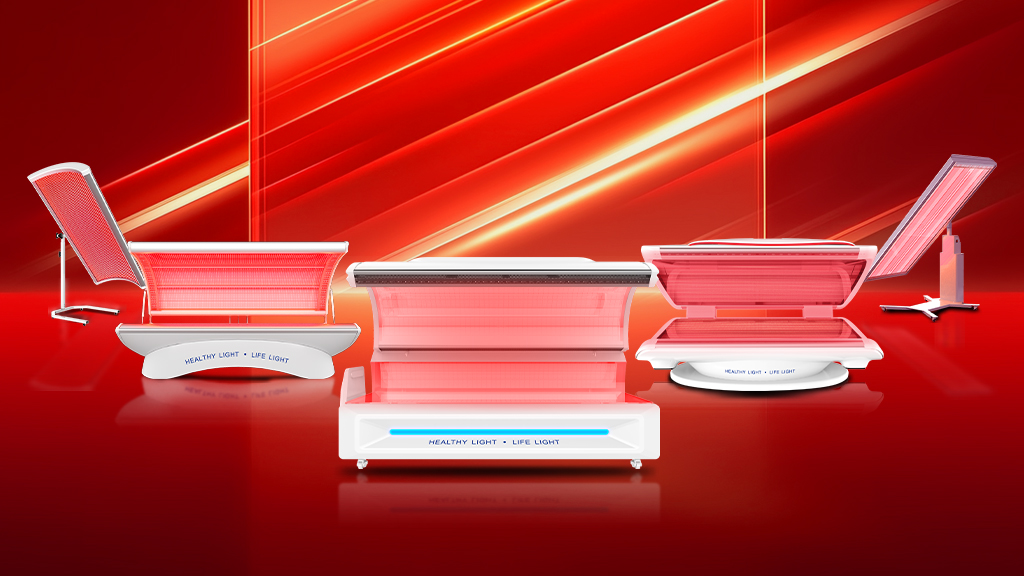
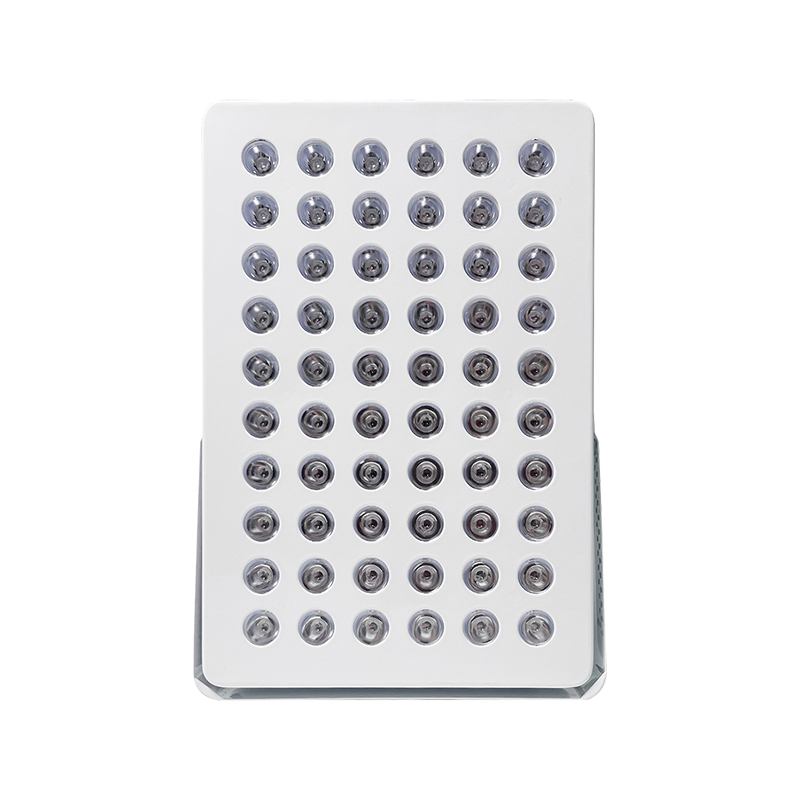
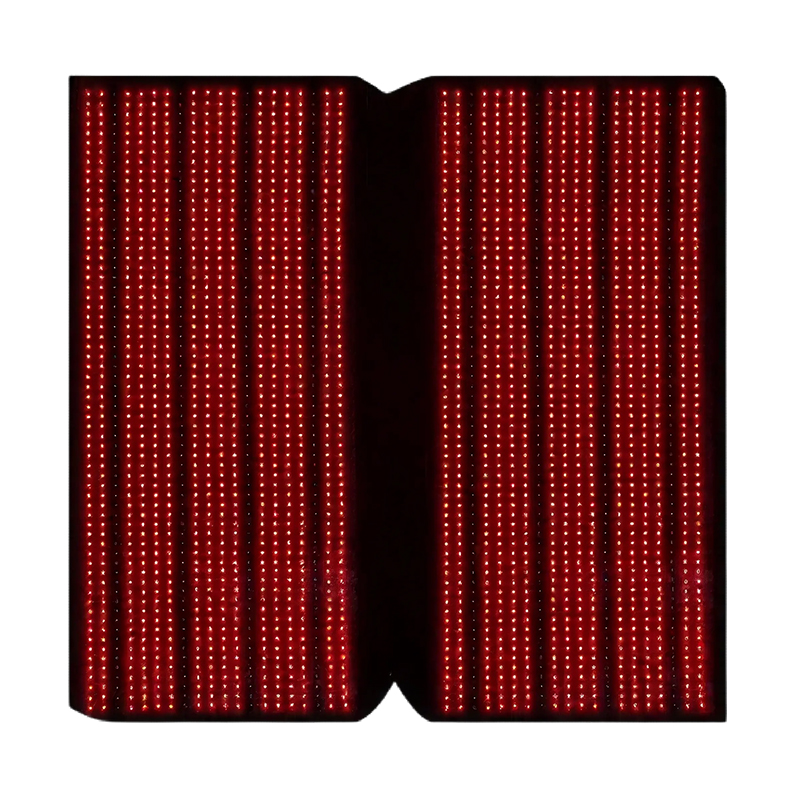
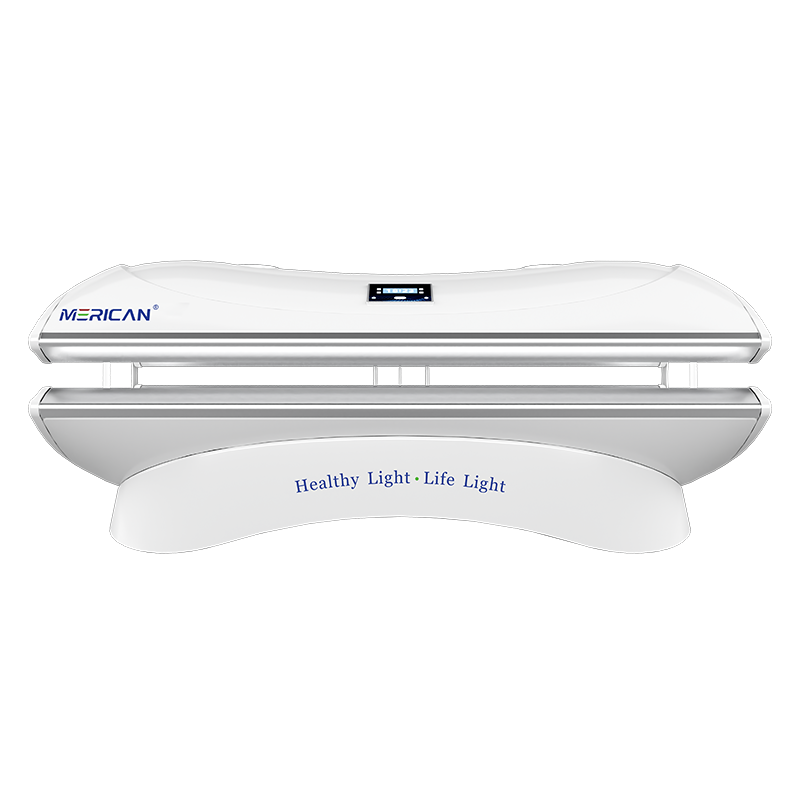
Ton craiceann míchothrom, spotaí dorcha, agus hyperpigmentation i measc na n-imní cúram craicinn is coitianta do dhaoine de gach aois. De réir mar a fhásann an t-éileamh ar réitigh neamh-ionracha, teiripe solas dearg (RLT) tá aird tarraingthe aige mar chóireáil fhéideartha. Ach is féidir le leaba teiripe solas dearg pigmentation a bhaint i ndáiríre?
Déanaimis iniúchadh ar an eolaíocht, éifeachtacht, and limitations of red light therapy when it comes to treating pigmentation.
What Is Pigmentation?
Pigmentation refers to the coloring of the skin caused by melanin, a natural pigment produced by melanocytes. Common pigmentation issues include:
- Sunspots (spotaí aoise)
- Melasma
- Post-inflammatory hyperpigmentation (PIH) from acne or injury
- Freckles
These discolorations can be triggered or worsened by nochtadh na gréine, athruithe hormónacha, agus athlasadh.
Conas a Oibríonn Teiripe Solas Dearg?
Úsáideann teiripe solas dearg tonnfhaid íseal-leibhéil of light (typically 630–660 nm red and 850 nm near-infridhearg) chuig stimulate cellular activity without damaging the skin.
Oibríonn sé le:
- Treisiú táirgeadh collagen
- ag feabhsú sreabhadh fola
- Feabhsú athghiniúint cheallacha
- Laghdú inflammation and oxidative stress
These mechanisms help create a healthier skin environment that may support fading of pigment over time.
Can It Help Fade Pigmentation?
✔ Mild to Moderate Pigmentation: YES
Studies suggest that red light therapy can gradually reduce pigmentation, particularly when caused by inflammation or sun damage. It helps by:
- Calming melanocyte overactivity
- Promoting láimhdeachas cille
- Improving skin texture and tone
It is especially effective for post-inflammatory hyperpigmentation, which often appears after acne or minor skin trauma.
× Deep or Hormonal Pigmentation: LIMITED
Coinníollacha cosúil le melasma, which are hormonal and rooted deeper in the dermis, are less responsive to RLT alone. They may require combination treatments (e.g., topical agents or chemical peels).
Fianaise Chliniciúil
Several studies report improvement in pigmentation when red light therapy is used over 4-12 seachtain, especially when combined with skincare products like vitimín C nó niacinamide. Mar sin féin, results vary depending on the type, depth, agus cúis of pigmentation.
What Red Light Therapy Cannot Do!
- It won’t bleach the skin or remove pigmentation overnight.
- Tá sé not a substitute for laser treatments when dealing with severe melasma or deep sunspots.
- é doesn’t exfoliate, so results are gradual, not immediate.
Tips for Better Results
- Use consistently: 3–5 times per week for 8+ seachtainí
- Combine with sun protection: Always wear SPF to prevent new pigmentation
- Pair with brightening ingredients: Red light can enhance absorption of topical serums
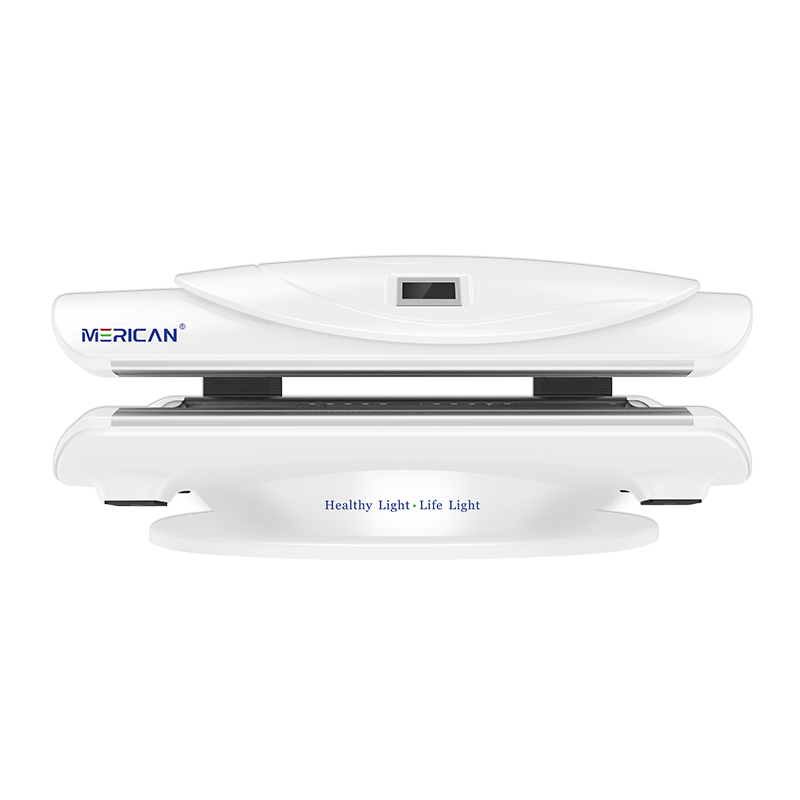
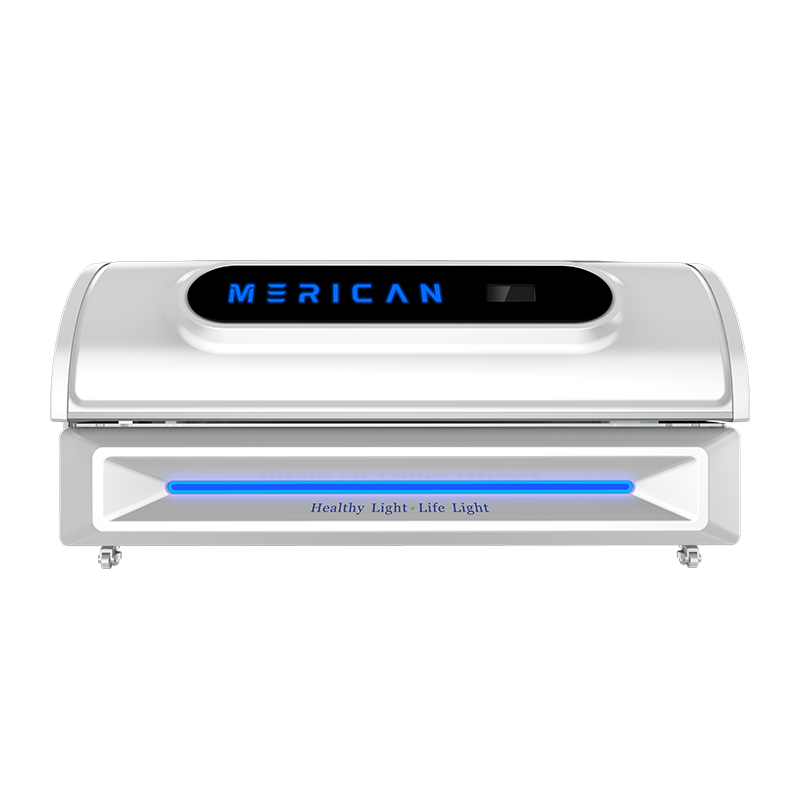
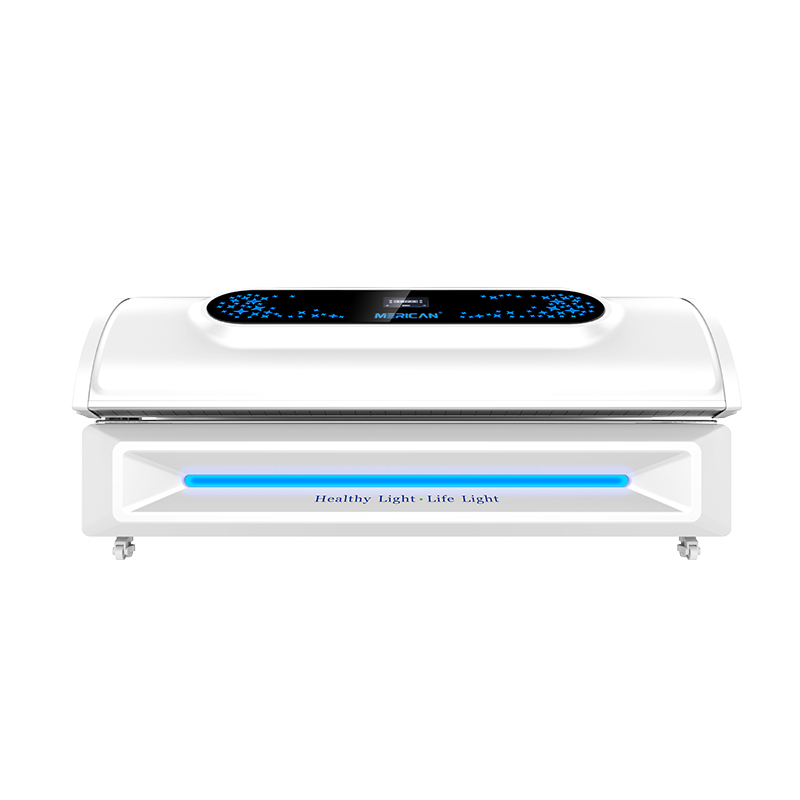
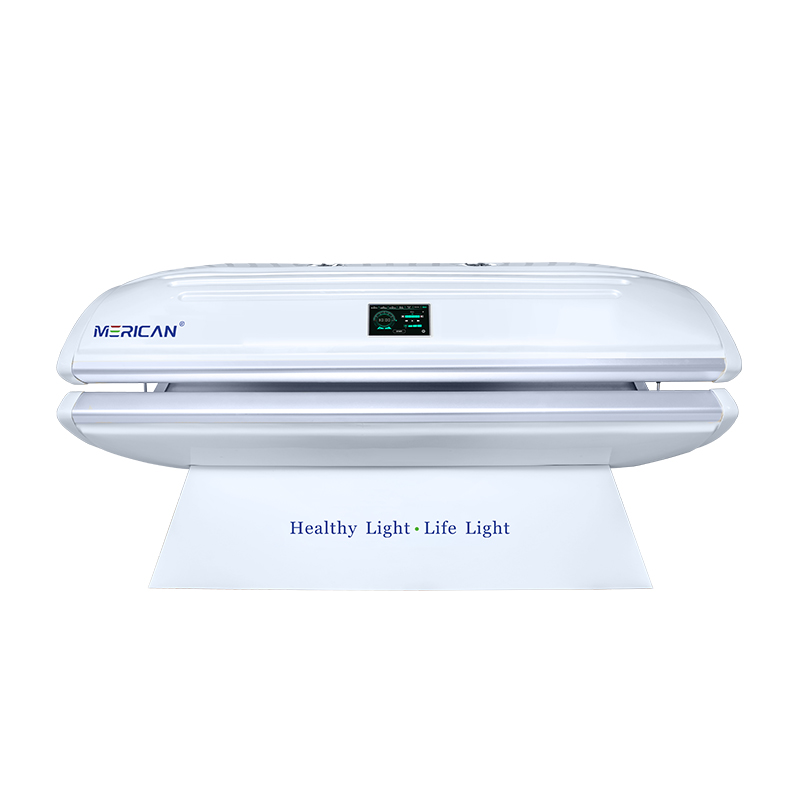
- Choose a full-body bed: More surface area means more even skin tone improvement
Conclúid
A red light therapy bed can help reduce mild to moderate pigmentation, especially if it’s caused by sun exposure or inflammation. While it won’t erase deep melasma or birthmarks, it supports skin healing, boosts radiance, and helps fade discoloration over time.
Chun na torthaí is fearr, combine RLT with a targeted skincare routine and consult a dermatologist if you have persistent pigmentation concerns.