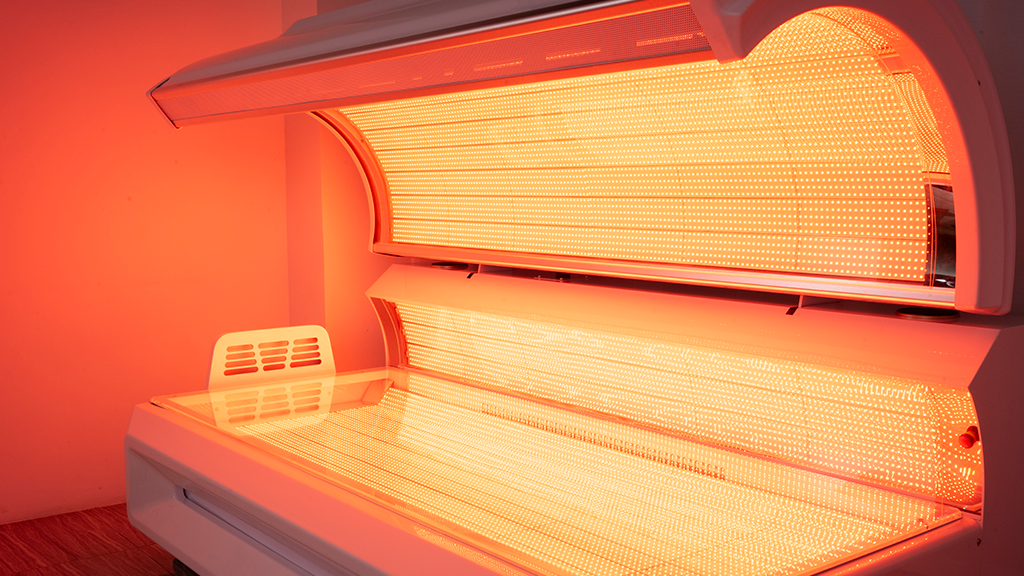
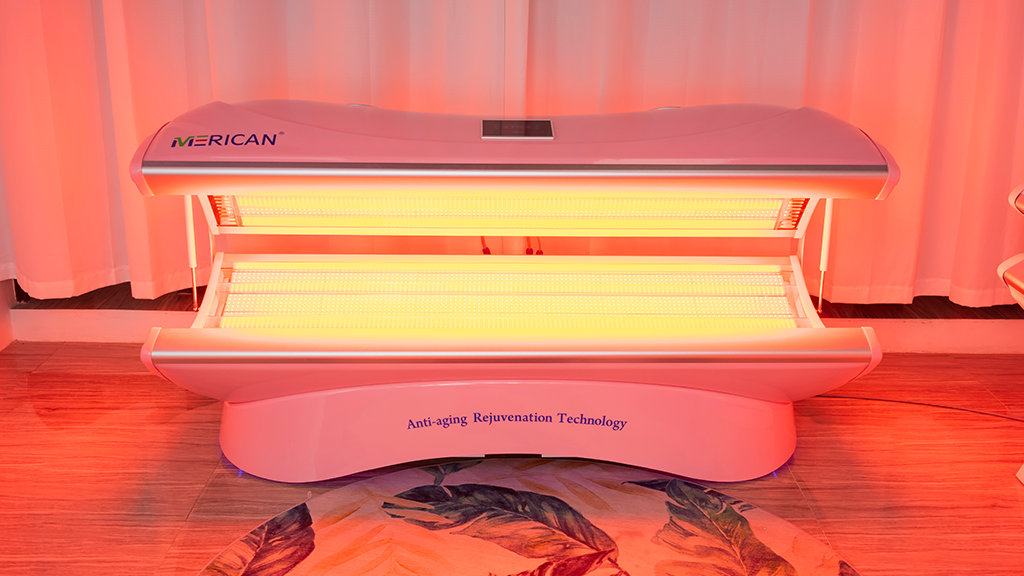
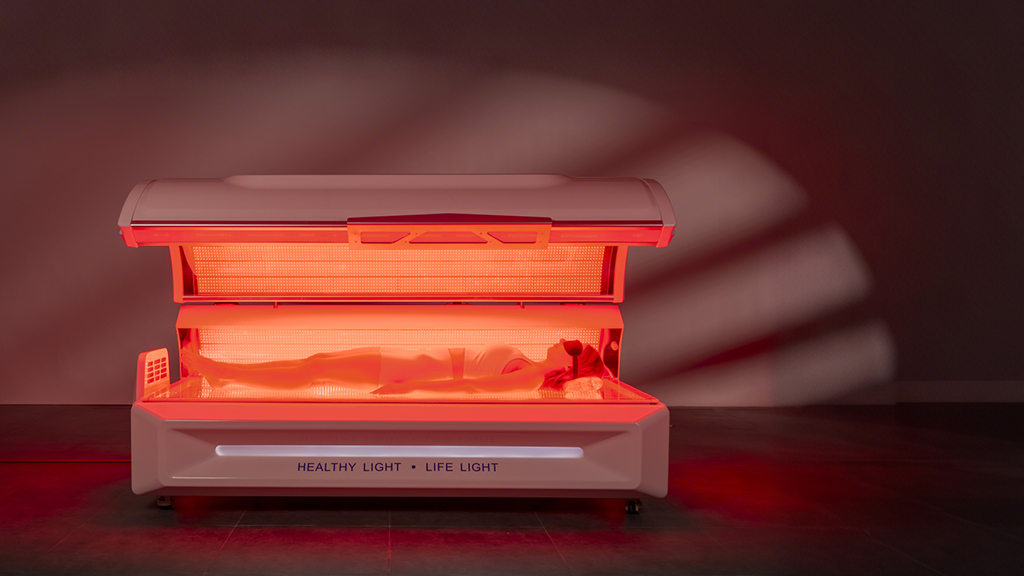
Is minic a chiallaíonn maireachtáil le Lupus Erythematosus Sistéamach a bhainistiú athlasadh ainsealach, pian comhpháirteach, agus íogaireacht an chraiceann. De réir mar a fhaigheann teiripí neamh-ionracha aird, tá roinnt othar ag fiosrú an bhféadfadh teiripe solais dhearg faoiseamh a thairiscint.
Ach an féidir leis cabhrú i ndáiríre - agus an fiú an riosca?
Why Red Light Therapy Is Being Considered
Red light therapy is known for its ability to:
- Laghdaigh athlasadh
- Feabhas a chur ar scaipeadh
- Deisiú fíocháin tacaíochta
- Relieve joint and muscle discomfort
These benefits may seem relevant for lupus-related symptoms, particularly pain and inflammation.
Potential Benefits for Lupus Patients
While research is limited, some theoretical benefits include:
1. Éifeachtaí Frith-Alasacha
Red light therapy may help regulate inflammatory pathways, potentially easing joint discomfort.
2. Faoiseamh Péine
It is often used for musculoskeletal pain, which may overlap with lupus-related joint issues.
3. Improved Skin Healing
For mild skin irritation (not active lesions), it may support recovery.
Important Limitations
Despite these potential benefits, there are critical limitations:
- Déanann sé not treat the underlying autoimmune condition
- It cannot replace medications or medical care
- Effects vary widely among individuals
Photosensitivity: The Key Concern
The biggest concern for lupus patients remains íogaireacht éadrom. Even though red light does not contain UV radiation, some individuals may still experience:
- Increased redness
- Skin irritation
- Triggered flare-ups
This makes personalized assessment essential.
Cé a d'fhéadfadh é a mheas (Le Rabhadh)
Red light therapy may be cautiously considered if:
- Your lupus is stable and well-managed
- You do not have strong photosensitivity
- You are targeting non-skin symptoms (like joint discomfort)
- Your healthcare provider approves
Conas é a Úsáid go Sábháilte
If approved by a doctor:
- Tosaigh le low-intensity exposure
- Limit sessions to 5–10 nóiméad
- Avoid direct use on sensitive or affected skin areas
- Space sessions to monitor reactions
When to Stop Immediately
Discontinue use if you notice:
- New rashes
- Increased redness or irritation
- Fatigue or systemic symptoms
Smaointe Deiridh
Red light therapy may offer some supportive benefits for certain lupus-related symptoms, ach níl sé saor ó riosca. Because lupus affects individuals differently, what works for one person may not work for another.
Careful monitoring, medical guidance, and a conservative approach are essential when considering any light-based therapy.