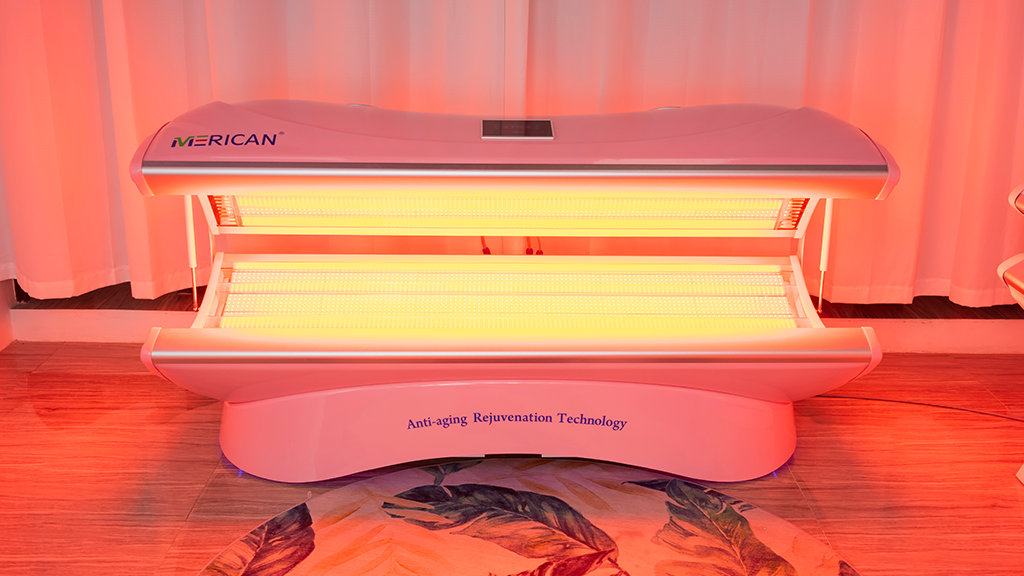
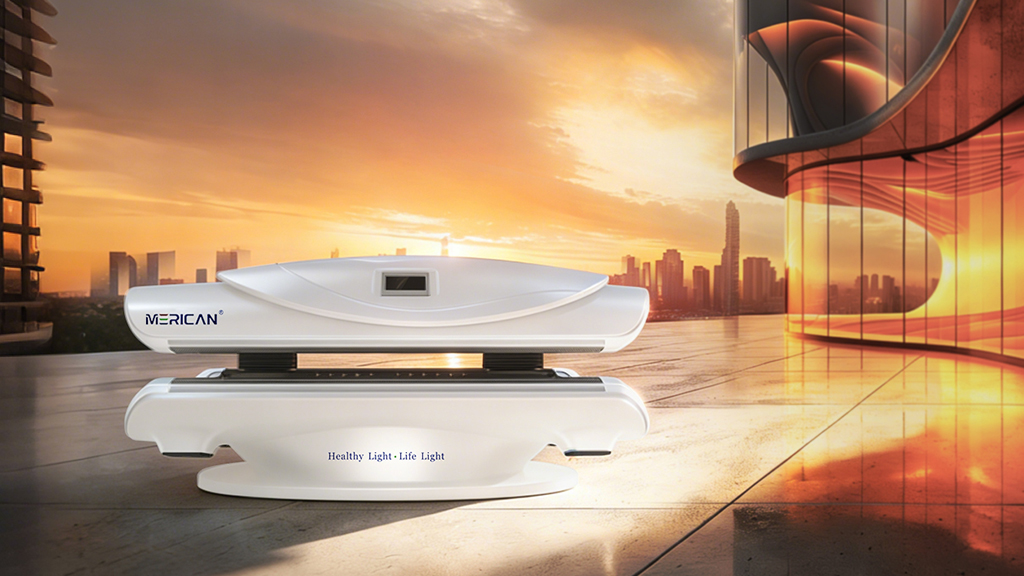
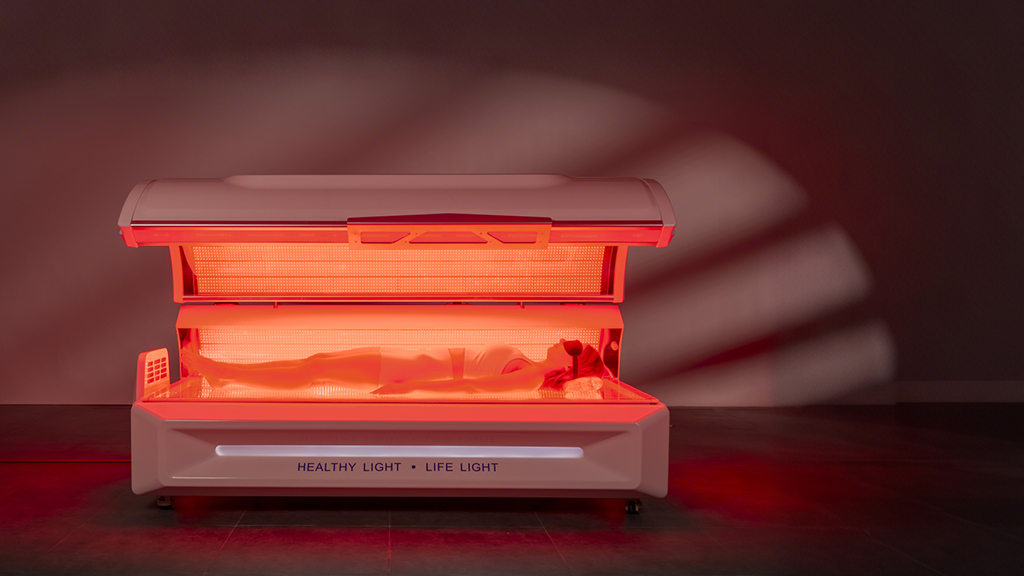
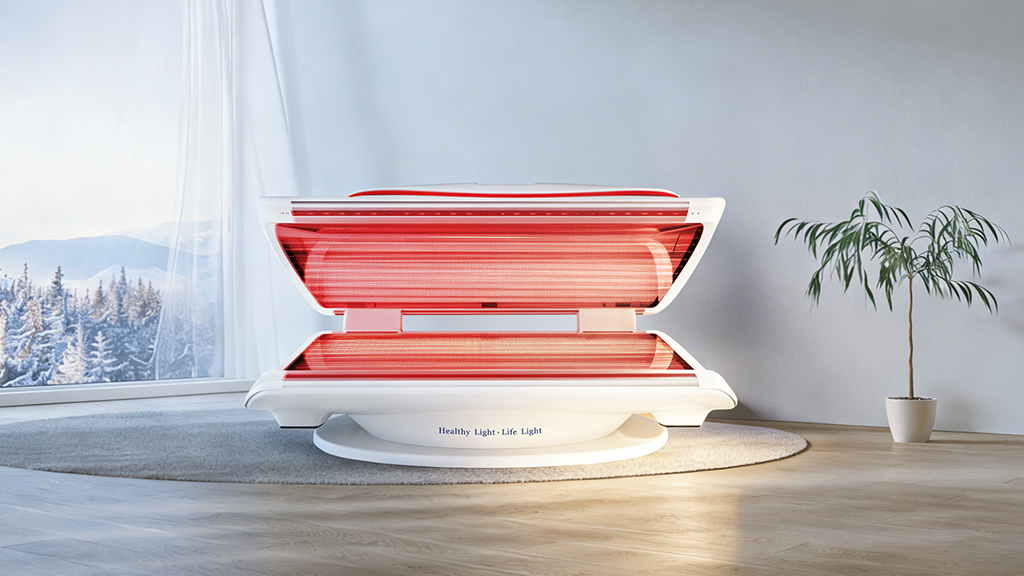
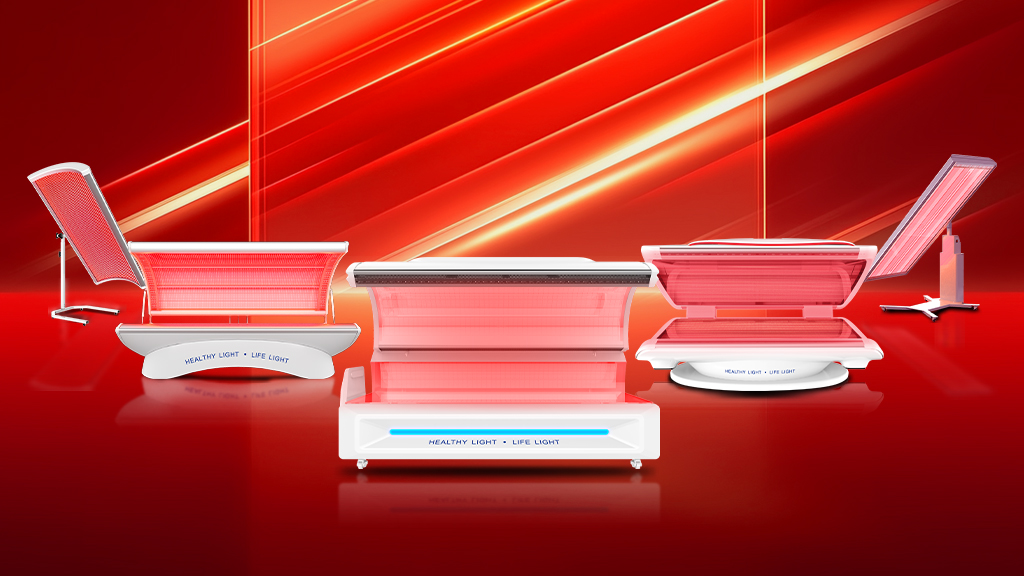
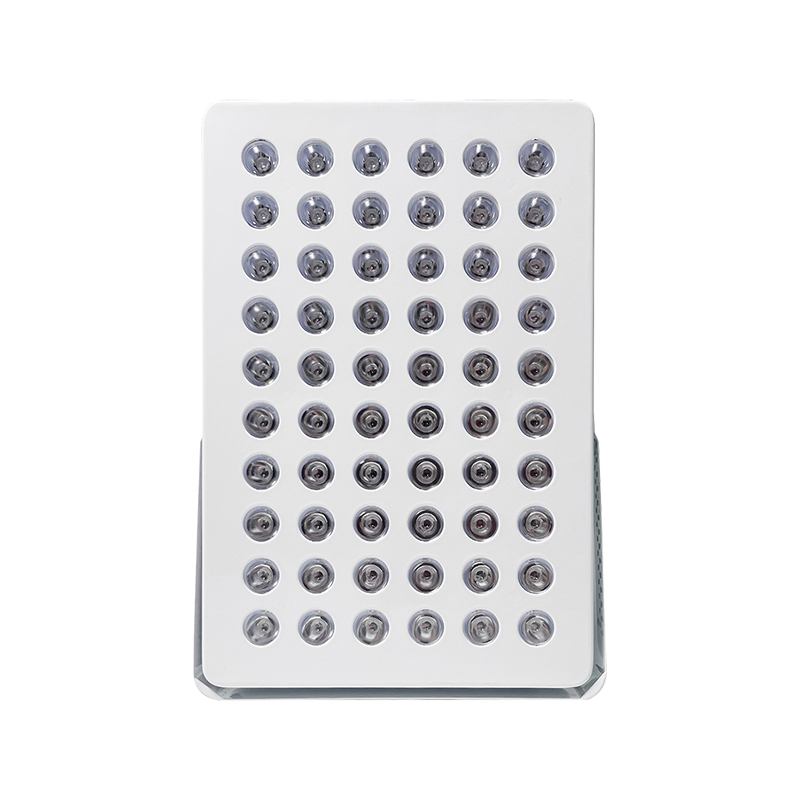
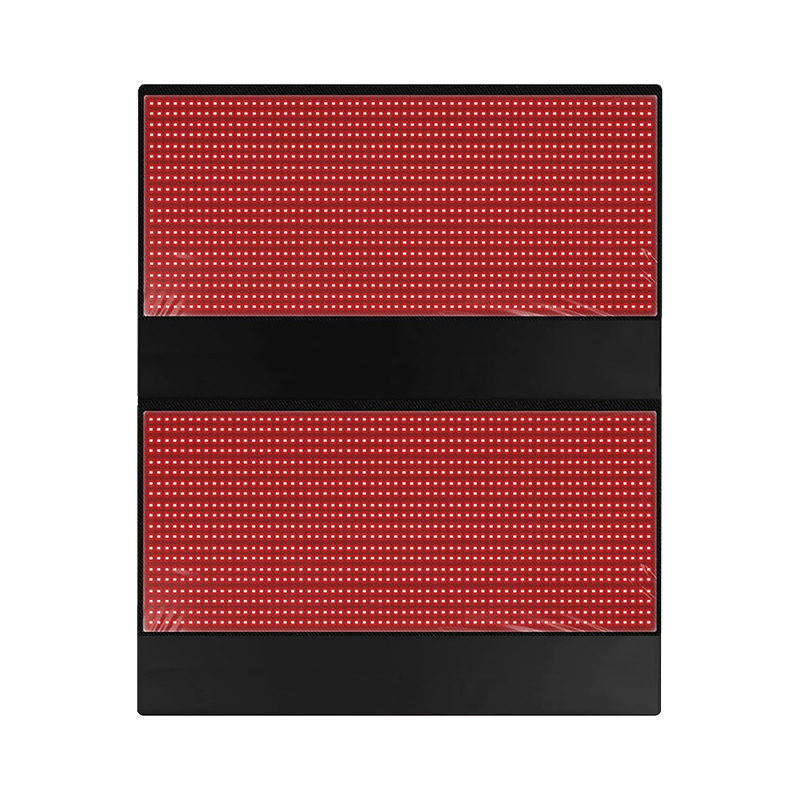
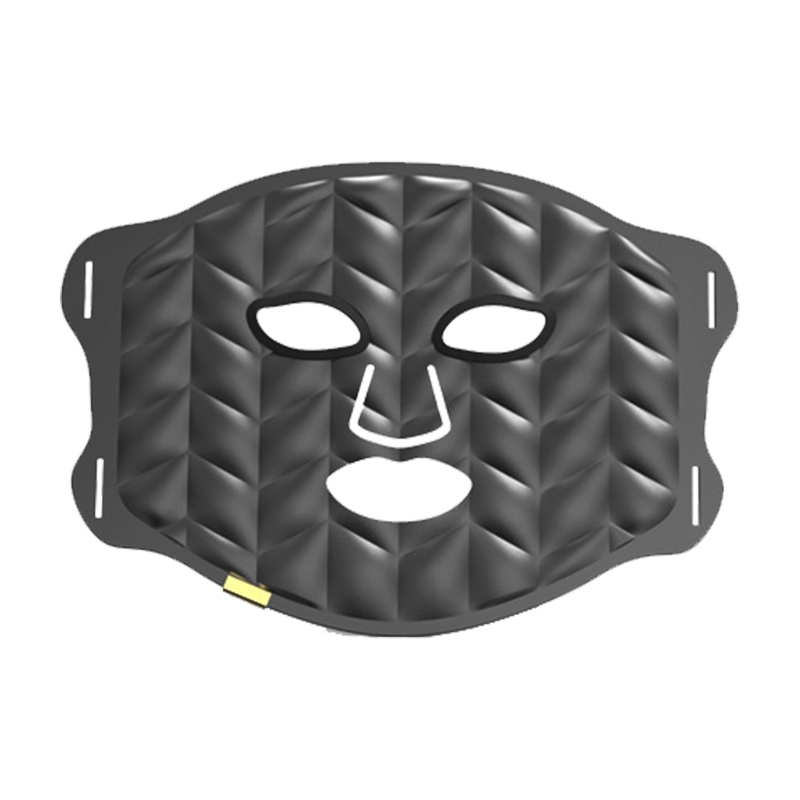
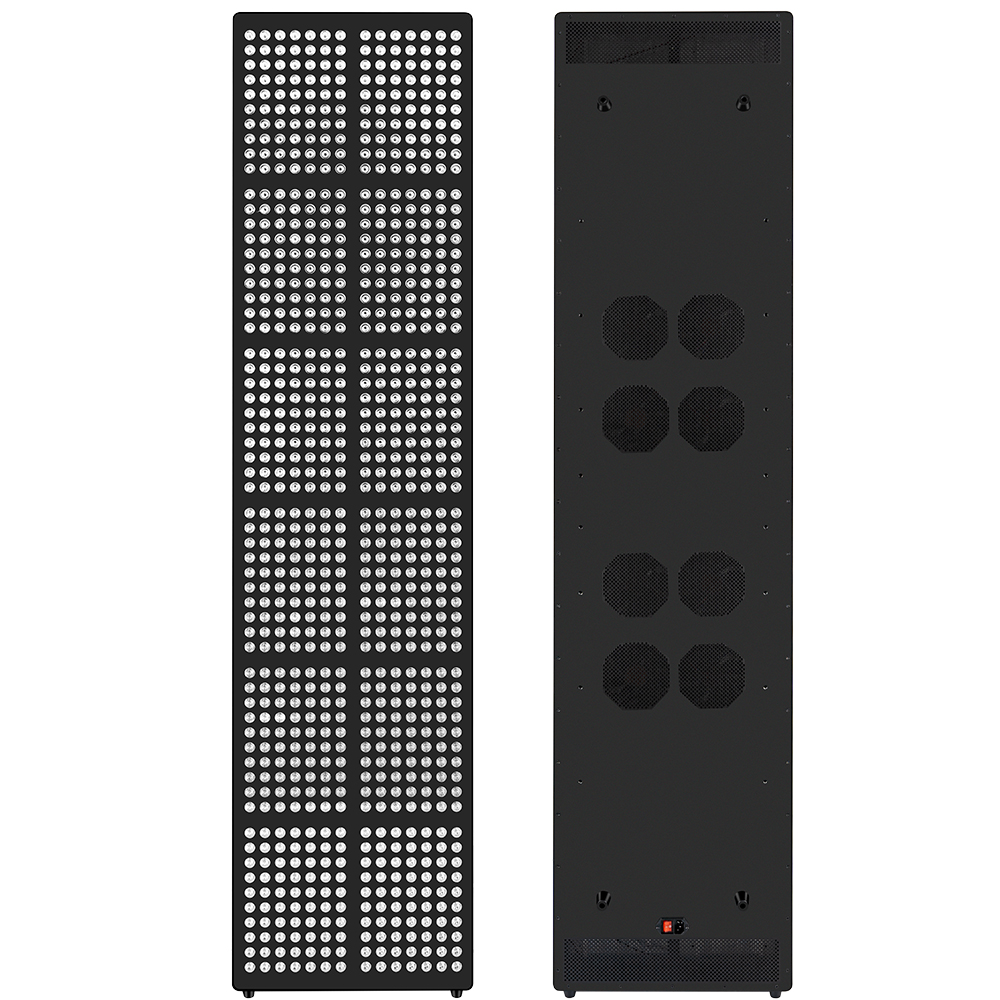
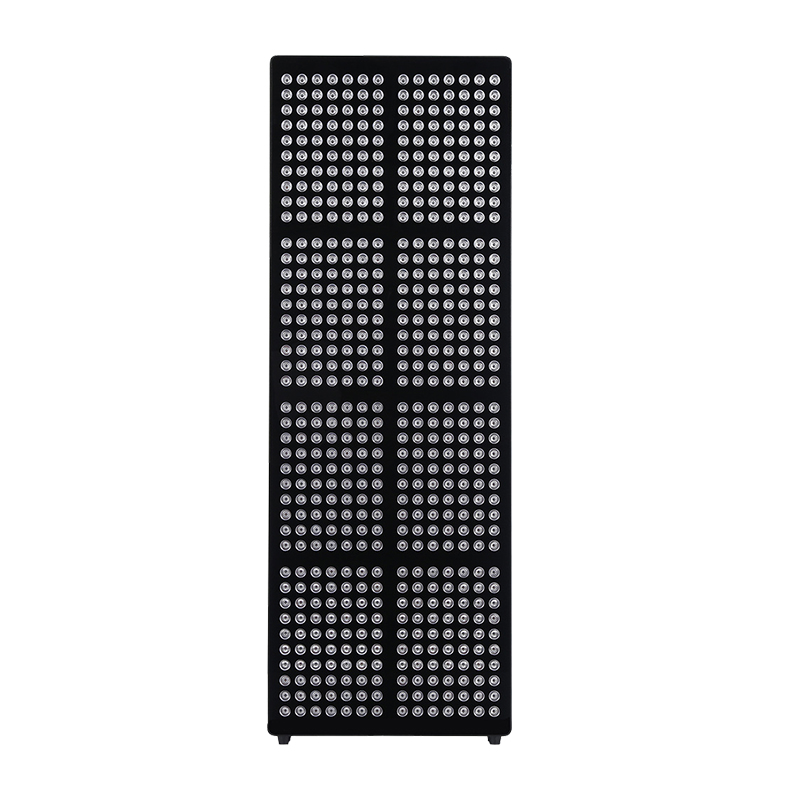
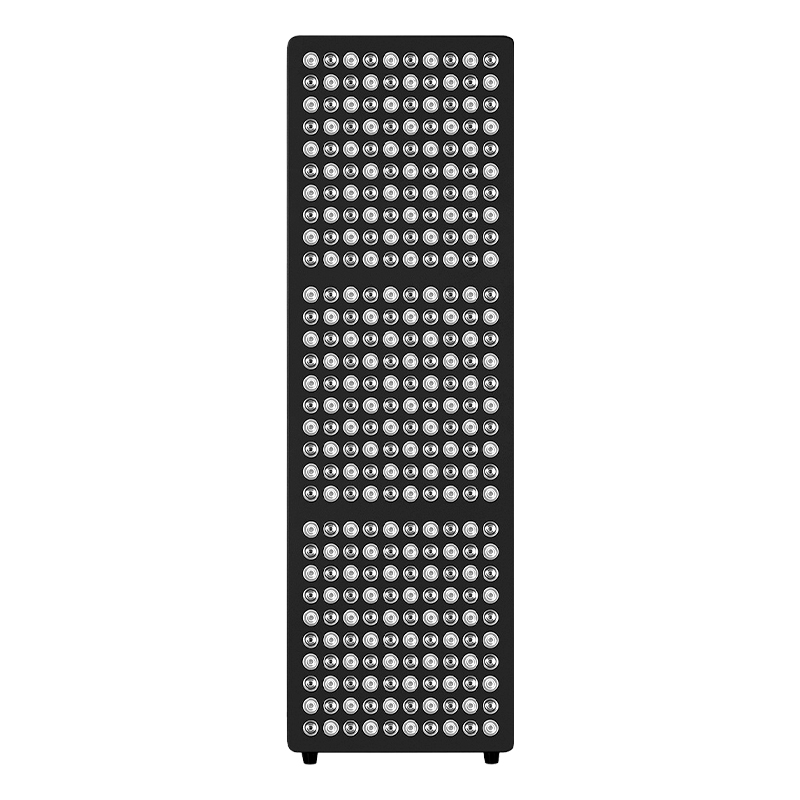
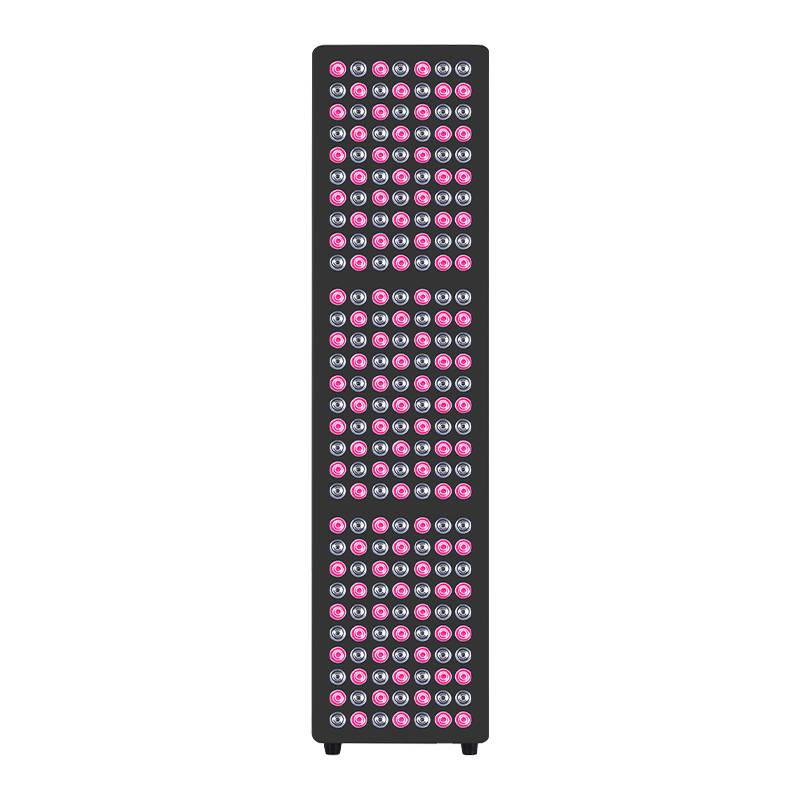
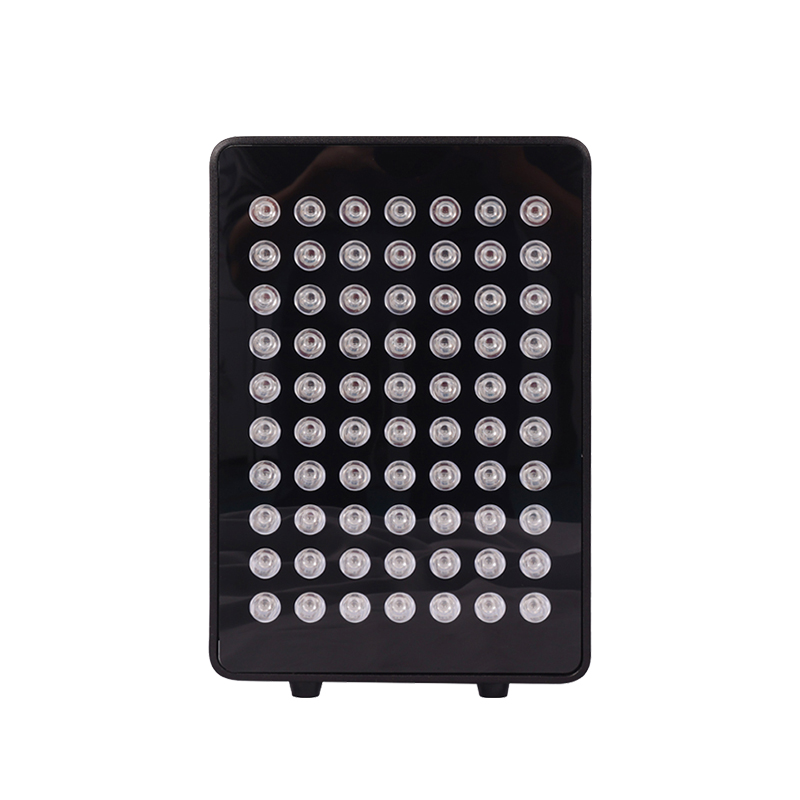
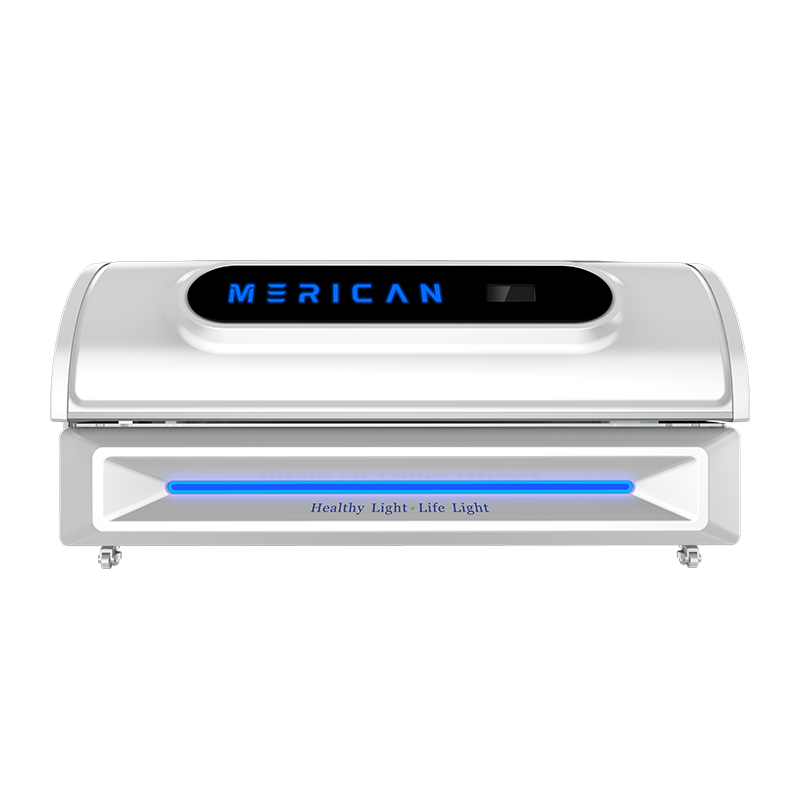
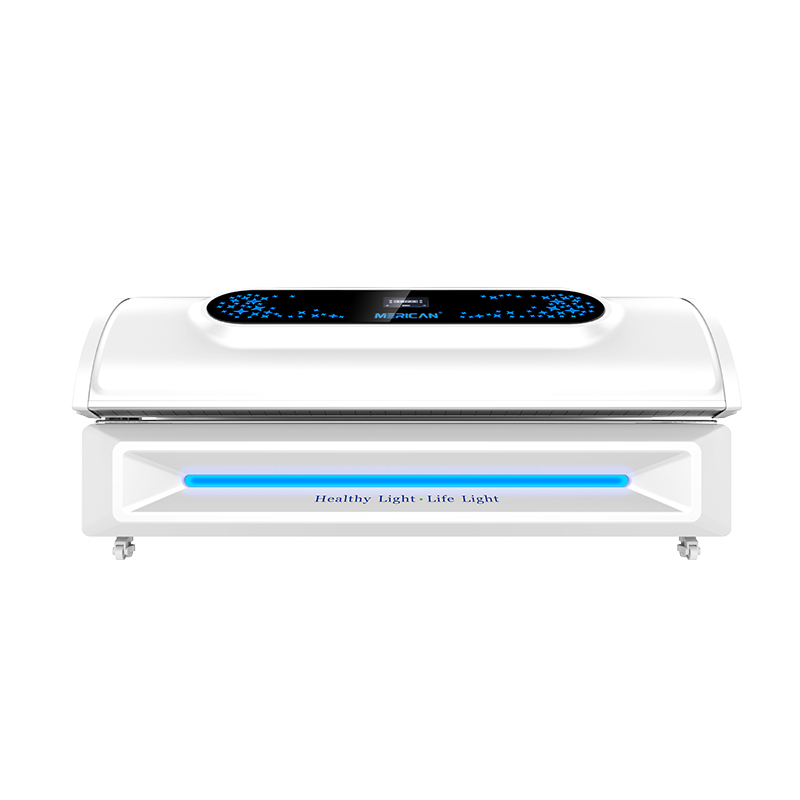
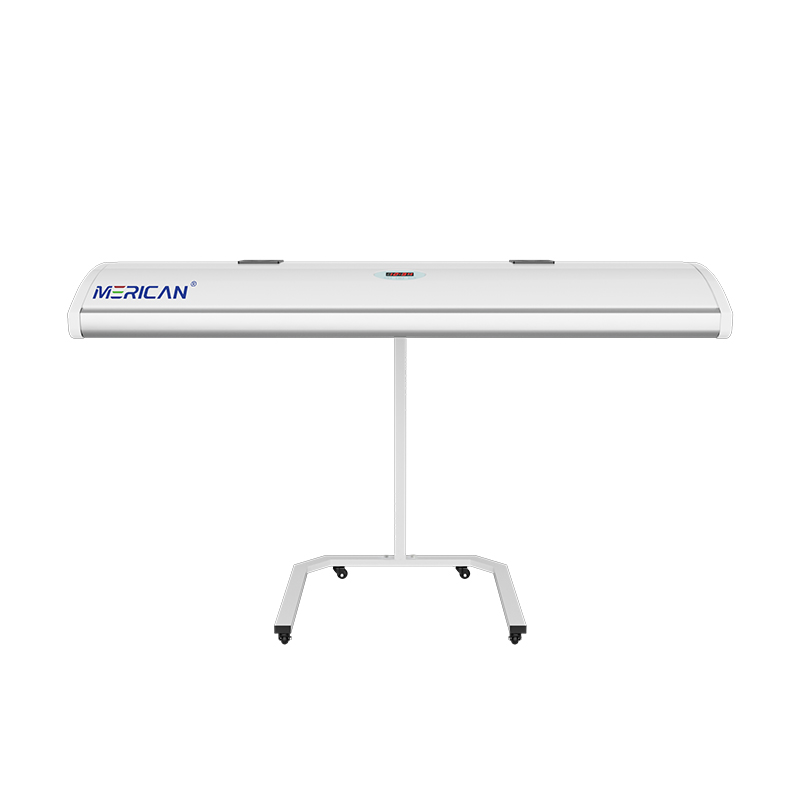
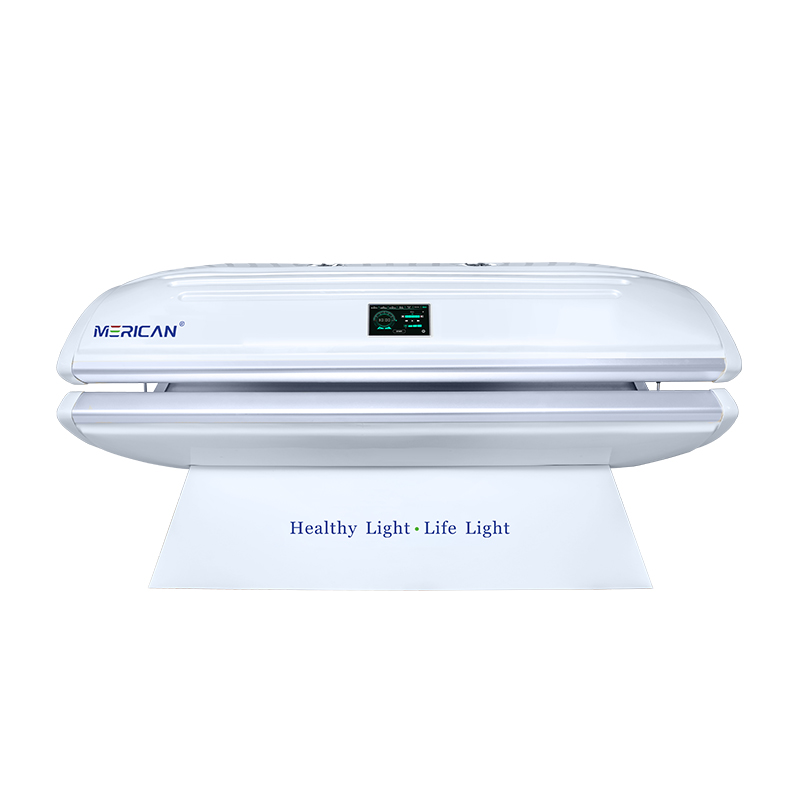
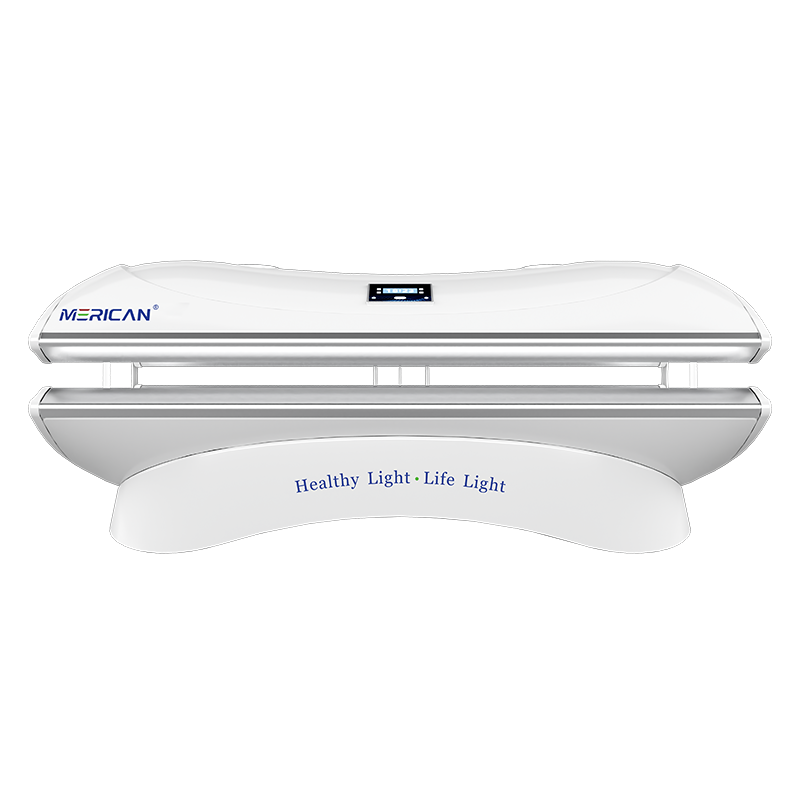
Samhlaigh simplí, cóireáil neamh-ionrach is féidir a rejuvenate do chraiceann, luas a ghnóthú muscle, agus fiú pian ainsealach a laghdú - go léir gan drugaí nó máinliacht. Teiripe solas dearg (RLT) ag réabhlóidiú an tslí a dtugaimid aghaidh ar shláinte agus ar shláinte, ag tairiscint tairbhí a bhfuil tacaíocht eolaíoch acu don tsláinte agus don áilleacht araon.
Ach conas a oibríonn sé, agus cad ba cheart a fhios agat sula ndéanfaidh tú iarracht é? Sa treoir seo, nochtfaimid cúig phríomhfhíric faoi theiripe solais dhearg a chabhróidh leat a chumhacht a thuiscint, éifeachtacht, agus conas é a úsáid le haghaidh torthaí uasta.
Cibé an bhfuil tú ag iarraidh do chraiceann a fheabhsú, pian a mhaolú, nó feabhas a chur ar fholláine iomlán, D’fhéadfadh gurb é RLT an t-athrú cluiche ar a bhfuil tú ag fanacht.
Tuiscint ar Mar a Oibríonn Teiripe Solais Dheirg
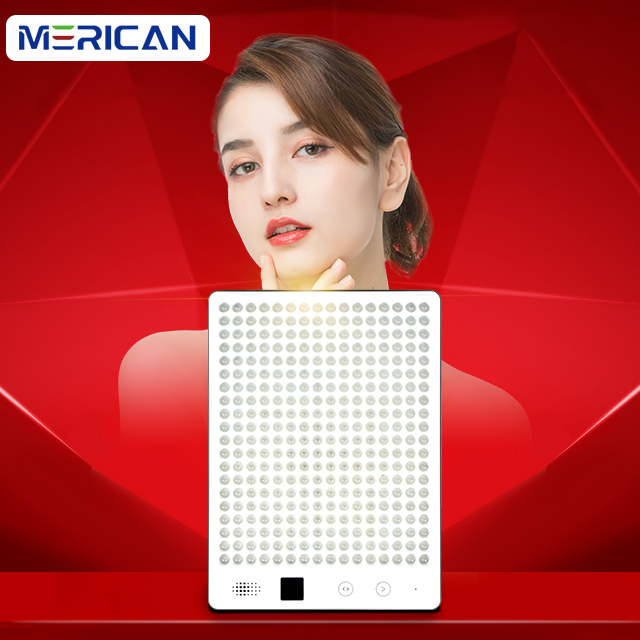
Teiripe solas dearg, ar a dtugtar freisin photobiomodulation (PBM), is éard atá i gceist leis an gcorp an corp a nochtadh do sholas dearg íseal-thonnfhad agus solas gar-infridhearg. Téann na tonnfhaid seo isteach sa chraiceann agus ionsúitear comhpháirteanna ceallacha iad, as a dtagann éifeachtaí teiripeacha éagsúla.
Meicníocht Gníomhaíochta
Is é príomhsprioc teiripe an tsolais dhearg ná na mitochondria, go minic dá ngairtear an “tithe cumhachta” de chealla. Tá mitochondria freagrach as adenosine triphosphate a tháirgeadh (ATP), airgeadra fuinnimh na cille.
Nuair a bhíonn fótóin solas dearg agus gar-infridhearg ionsúite ag crómasóir miteachondrial, feabhsaíonn siad táirgeadh ATP. Éascaíonn an borradh seo i bhfuinneamh ceallacha próisis fiseolaíocha éagsúla, lena n-áirítear:
- Deisiúchán agus Athghiniúint Ceallach
Cuireann leibhéil mhéadaithe ATP deisiú fíocháin damáiste chun cinn agus tacaíonn siad le fás cealla nua.
- Laghdú ar Strus Ocsaídeach
Cuidíonn teiripe solais dhearg le córais ocsaídiúcháin agus frithocsaídeacha a chothromú, strus cheallacha agus athlasadh a laghdú.
- Scaipeadh Fola Feabhsaithe
Spreagann an teiripe scaoileadh ocsaíd nítreach, vasodilator, sreabhadh fola agus seachadadh ocsaigine chuig fíocháin a fheabhsú.
Fondúireachtaí Eolaíochta
D'aimsigh taighdeoirí NASA a rinne staidéar ar fhás plandaí sa spás ar dtús acmhainneacht theiripeach an tsolais dhearg. Thug siad faoi deara, ní hamháin gur chuir solas dearg fás plandaí chun cinn ach gur luathaigh sé cneasaithe créachta i spásairí. Mar thoradh air seo rinneadh taighde fairsing ar a fheidhmchláir do shláinte an duine, le staidéir a léiríonn buntáistí i réimsí ar nós:
- Deirmeolaíocht
Feabhsú ar choinníollacha craiceann cosúil le acne, psoriasis, agus eachma.
- Sláinte Mhatánchnámharlaigh
Laghdú ar pian comhpháirteach agus athlasadh a bhaineann le airtríteas.
- Néareolaíocht
Éifeachtaí neuroprotective féideartha agus feabhsú giúmar.
Soláthraíonn tuiscint ar na meicníochtaí seo bunús le hiniúchadh a dhéanamh ar na buntáistí éagsúla a bhaineann le teiripe solais dhearg.
Buntáistí Teiripe Solas Dearg
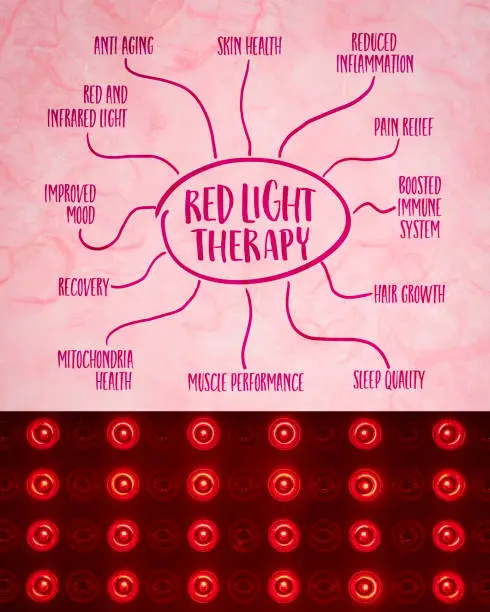
Tugann teiripe solais dhearg raon leathan buntáistí, rud a fhágann gur uirlis ilúsáideach é i réimsí leighis agus cosmaideacha araon.
Sláinte Craiceann agus Aeistéitic
Tá ceann de na hiarratais is cáiliúla ar theiripe solas dearg i deirmeolaíochta, áit a gcuireann sé le:
- Táirgeadh Collagen
Spreagann fibroblasts chun sintéis collagen a mhéadú, as a dtiocfaidh craiceann níos daingne agus níos óige.
- Laghdú ar roic agus línte míne
Réitíonn leibhéil fheabhsaithe collagen línte aghaidhe agus feabhsaíonn siad leaisteachas craiceann.
- Cóireáil Acne
Laghdaíonn athlasadh agus ualach baictéarach, as a dtagann craiceann níos soiléire.
- Laghdú Scar
Cuireann athmhúnlú fíocháin chun cinn, íoslaghdú an chuma ar scars.
Faoiseamh Péine agus Aisghabháil Muscle
Fuair lúthchleasaithe agus daoine aonair a bhfuil pian ainsealach orthu go bhfuil teiripe solas dearg tairbheach dóibh:
Reduces inflammation and promotes healing in musculoskeletal tissues.
- Enhancing Muscle Recovery
Accelerates repair processes post-exercise, reducing soreness and downtime.
- Managing Arthritis Symptoms
Decreases joint stiffness and pain, improving mobility.
Cneasú Créachta agus Deisiúchán Fíocháin
The regenerative properties of red light therapy extend to:
- Accelerated Wound Healing
Enhances tissue repair mechanisms, leading to faster recovery from injuries.
- Laghdú Athlasadh
Modulates inflammatory responses, cuidiú leis an bpróiseas cneasaithe.
- Improvement in Circulation
Enhanced blood flow delivers essential nutrients to damaged tissues.
Mental Health and Cognitive Function
Emerging research suggests potential benefits in:
- Feabhsú Mood
May alleviate symptoms of depression and anxiety by influencing neurotransmitter activity.
- Cognitive Performance
Potentially improves memory and executive functions through neuroprotective effects.
These diverse benefits highlight the versatility of red light therapy as a non-invasive treatment option.
Optimal Usage Guidelines
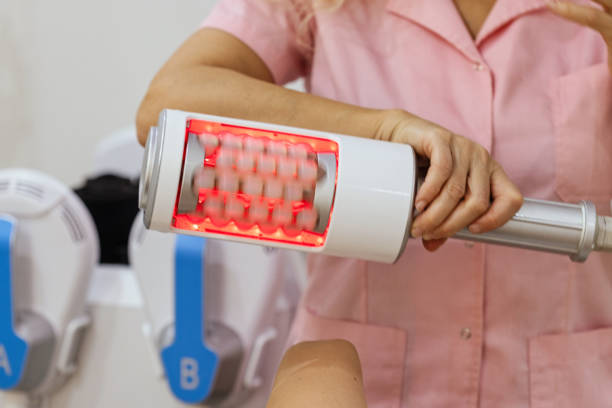
To maximize the benefits of red light therapy, it’s essential to understand the appropriate usage parameters, including frequency, ré, and device proximity.
Frequency of Use
The optimal frequency of red light therapy sessions varies depending on the treatment area and individual goals:
- Treoirlínte Ginearálta
For most applications, sessions are recommended three to five times per week.
- Facial Treatments
When considering how often to use red light on the face, a common recommendation is three to five times per week, with each session lasting about 10 chuig 20 nóiméad. Consistency is key to achieving noticeable results.
- Bainistíocht Péine
Individuals using red light therapy for pain relief may require more frequent sessions initially, tapering off as symptoms improve.
- Athletic Recovery
Athletes may incorporate red light therapy into their daily routines during intense training periods to enhance recovery.
Fad an tSeisiúin
The length of each session should be tailored to the specific treatment area:
- Facial Treatments
10 chuig 20 minutes per session is typically sufficient.
- Larger Body Areas
Sessions may extend to 20 chuig 30 nóiméad, depending on the device’s power and treatment goals.
- Targeted Pain Relief
Shorter, more frequent sessions of 10-15 minutes per affected area can be beneficial for managing pain and inflammation.
- Full-Body Therapy
If using a full-body red light therapy panel, seisiúin de 15-30 nóiméad molta, ensuring even exposure.
Proximity to the Skin
Is é ceann de na ceisteanna is coitianta “Teiripe solas dearg cé chomh gar don chraiceann?” Cuireann an fad idir an fhoinse solais dearg agus an craiceann isteach go mór ar a éifeachtúlacht.
- Le haghaidh Sláinte Craicinn & Frith-Aosú
4 chuig 12 orlach Is é an raon is fearr is féidir chun dul i bhfód ceart solais gan teas a thógáil.
- Le haghaidh Eitinn Dhomhain & Aisghabháil Muscle
Achar níos gaire de 1 chuig 6 orlach Moltar go minic chun a chinntiú go dtéann solas gar-infridhearg isteach níos doimhne isteach sna matáin agus sna hailt.
- Chun Folláine Ginearálta & Buntáistí Mood
Achar de 12 chuig 18 orlach is féidir leis tairbhí sistéamach a sholáthar agus réimse níos mó á chlúdach ag an am céanna.
Cinntíonn suíomh ceart go bhfaigheann an craiceann an déine solais ceart gan ró-nochtadh.
Cad a Tharlaíonn Má úsáideann tú Teiripe Solais Dheirg Gach Lá?
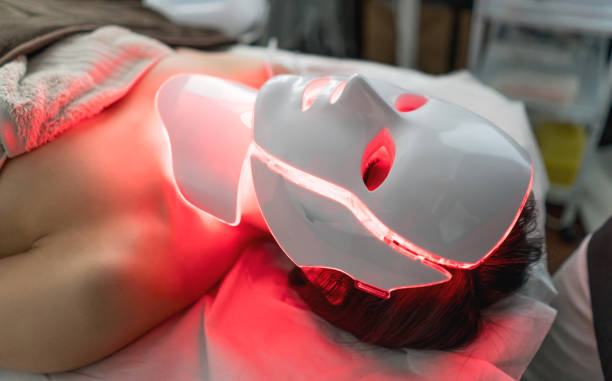
Ábhar imní coitianta is ea an bhfuil sé sábháilte agus tairbheach teiripe solais dhearg a úsáid go laethúil. Tugann staidéir eolaíocha le fios go bhfuil úsáid laethúil sábháilte go ginearálta, ach tá roinnt fachtóirí le breithniú.
Buntáistí Féideartha Úsáide Laethúla
- Torthaí níos tapúla
Is féidir le nochtadh níos minice do sholas dearg dlús a chur le deisiú ceallacha agus táirgeadh collaigine, as a dtiocfaidh feabhsuithe níos tapúla ar fhaoiseamh craicinn agus pian.
- Bainistíocht Péine Ainsealach
Iad siúd a bhfuil pian leanúnach orthu, mar fhulaingt airtríteas, b'fhéidir go bhfaighidh sé faoiseamh níos mó le seisiúin laethúla, go háirithe sa chéim cóireála tosaigh.
- Aisghabháil Muscle
Féadfaidh lúthchleasaithe a ionchorpraíonn teiripe solais dhearg roimh agus tar éis cleachtaí téarnamh níos tapúla agus níos lú tinneas a bheith acu agus é á úsáid go laethúil.
- Meabhairshláinte & Codladh
Nochtadh laethúil, go háirithe sa tráthnóna, d'fhéadfadh sé cabhrú le rithimí circadian a rialáil agus cáilíocht codlata a fheabhsú.
Míbhuntáistí Féideartha Úsáide Laethúla
- Tuairisceáin Laghdaithe
Cé go bhfuil teiripe solas dearg tairbheach, féadfaidh an corp pointe sáithithe a bhaint amach, nuair nach dtugann seisiúin bhreise aon sochair bhreise. I gcásanna den sórt sin, is féidir le sos a ghlacadh ar feadh lá nó dhó cabhrú le héifeachtúlacht a choinneáil.
- Ró-spreagadh
I gcásanna neamhchoitianta, thuairiscigh roinnt daoine íogaireacht éadrom nó greannú craicinn de bharr ró-úsáide. Má tharlaíonn sé seo, is féidir le minicíocht a laghdú míchompord a chosc.
- Treoirlínte Gléas-Shonracha
Roinnt feistí gairmiúla-ghrád tá déine níos airde acu, agus b'fhéidir nach mbeadh gá le nochtadh laethúil. Lean treoracha an mhonaróra i gcónaí.
An Eolaíocht Taobh thiar de Theiripe Solais Dheirg le haghaidh Faoiseamh Péine
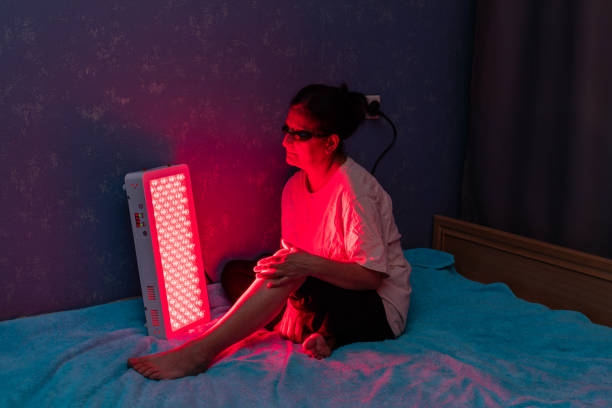
Úsáidtear teiripe solas dearg go forleathan le haghaidh bainistíochta pian, ach cad a deir an eolaíocht faoina éifeachtacht?
Conas a Laghdaíonn Teiripe Solas Dearg Péine
Baineann an mheicníocht taobh thiar de fhaoiseamh pian le próisis bitheolaíochta iomadúla:
- Treisiú Fuinneamh Ceallacha
Feabhsaíonn teiripe solas dearg feidhm mitochondrial, ag méadú Táirgeadh ATP, a thacaíonn le deisiú fíocháin níos tapúla agus a laghdaíonn athlasadh.
- Laghdú Athlasadh
Spreagann solas dearg agus gar-infridhearg cytokines frith-athlastacha, ag cabhrú le swelling agus pian a mhaolú.
- Scaipeadh Feabhsaithe
Trí sreabhadh fola a fheabhsú, Cinntíonn teiripe solas dearg go sroicheann ocsaigin agus cothaithigh fíocháin gortaithe, téarnamh a bhrostú.
- Modhnú Comhartha Péine
Tugann taighde le fios go mbíonn tionchar ag teiripe solas dearg ar ghníomhaíocht nerve, cuidiú le braistint pian a laghdú trí ghabhdóirí pian a mhodhnú.
Coinníollacha a Bhaineann Leas as Teiripe Solais Dheirg
Léirigh staidéir torthaí geallta maidir le coinníollacha éagsúla a bhaineann le pian a chóireáil:
- Airtríteas & Péine Comhpháirteach: Laghdaíonn stiffness, at, agus pian, improving mobility.
- Ar ais & Péine Muineál: Úsáidtear go coitianta i chiropractic agus fisiteiripe le haghaidh faoiseamh pian dromlaigh.
- Díobhálacha Spóirt: Luathaíonn leighis sprains, stríoca, agus deora matáin.
- Coinníollacha Péine Ainsealach: Tairbheach le haghaidh fibromyalgia, neuropathy, agus migraines.
Conclúid
Tá teiripe solas dearg sábháilte, neamh-ionrach, agus cóireáil le tacaíocht eolaíoch a bhfuil tairbhí éagsúla aici do shláinte an chraicinn, faoiseamh pian, agus folláine foriomlán.
- Conas a Oibríonn sé: Spreagann teiripe solas dearg táirgeadh fuinnimh cheallacha, deisiú agus athghiniúint a fheabhsú.
- Sochair: Feabhsaíonn sé sláinte an chraiceann, aisghabháil muscle, agus faoiseamh pian, i measc buntáistí eile.
- Treoirlínte Úsáide: Fad an tseisiúin, minicíocht, agus gar don chraiceann a chinneadh éifeachtacht.
- Breithnithe Úsáide Laethúla: Cé go ginearálta sábháilte, cinntíonn úsáid straitéiseach an tairbhe is mó.
- Eolaíocht faoisimh Péine: Cruthaithe athlasadh a laghdú, feabhas a chur ar scaipeadh, agus leighis a luathú.
Cibé an bhfuil tú ag iarraidh do chraiceann a fheabhsú, ghnóthú ó workouts, nó pian ainsealach a bhainistiú, Is réiteach tuar dóchais inti agus éifeachtach é teiripe solas dearg.
An smaoineofá ar theiripe an tsolais dhearg a thriail? Cuir in iúl dúinn do thaithí sna tuairimí!