Réamhrá: Nuair a Thiocfaidh Solas i Leigheas
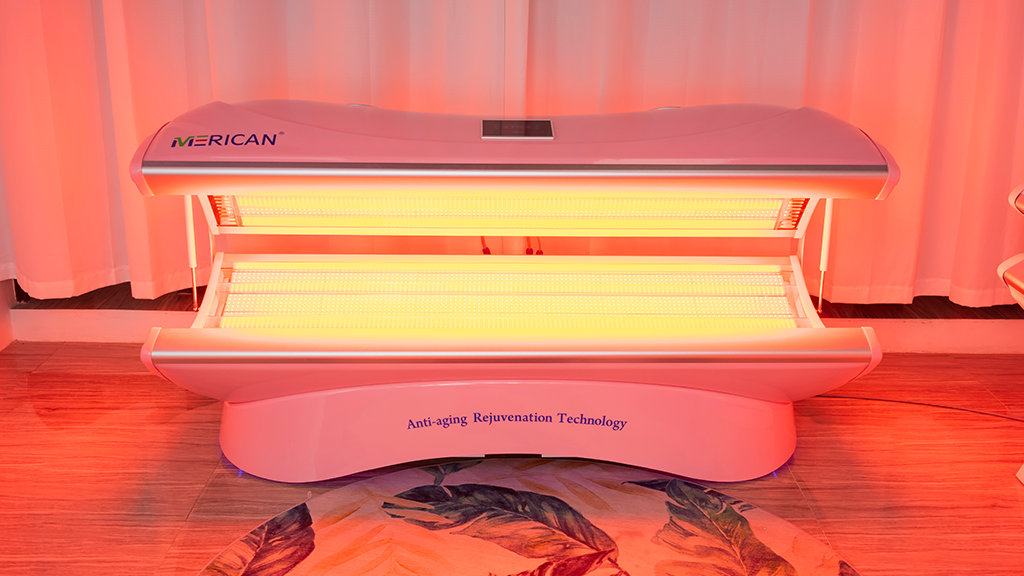
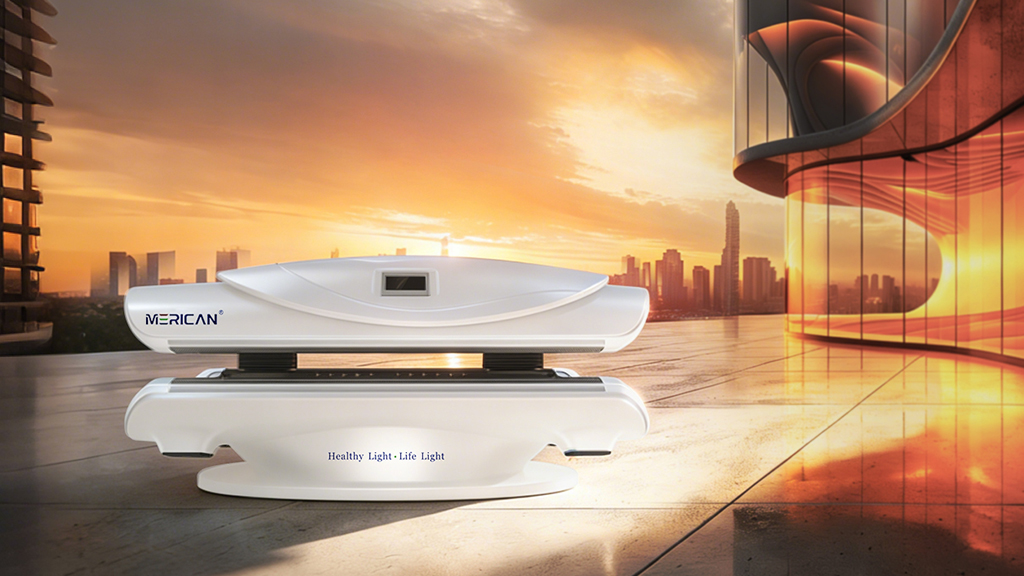
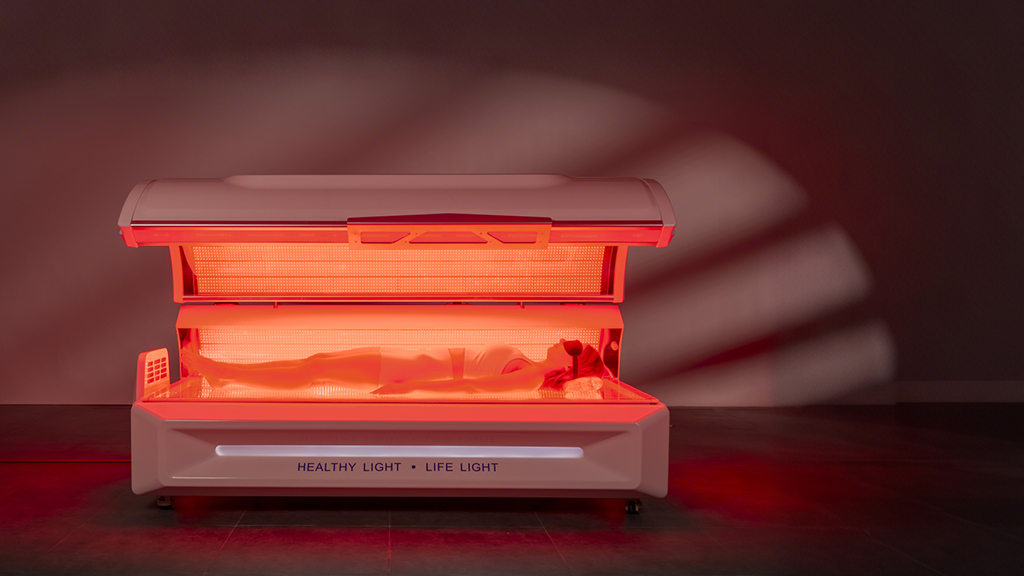
Samhlaigh cóireáil nach dteastaíonn cógas ar bith, neamh-ionrach agus gan phian, agus úsáideann sé tonnfhaid solais ar leith chun cneasaithe créachta a luathú. Fuaimeann sé seo cosúil le ficsean eolaíochta, ach tá sé fíoraithe ag leigheas nua-aimseartha. Teiripe solas dearg, nuair a measadh gur cóireáil mhalartach imeallach í, ag dul isteach sa réimse leighis príomhshrutha anois le fianaise eolaíoch dhaingean. Táthar ag súil go sroichfidh an margadh cúram créachta domhanda $28.5 billiún ag 2027, agus fóta-mhodúchán, mar cheann de na codanna is mó fáis, ag athrú ár dtuiscint ar chóireáil créachta.
Caibidil 1: Cad é go díreach Teiripe Solas Dearg?
Sainmhíniú agus Forbairt Stairiúil
Teiripe solas dearg, go heolaíoch ar a dtugtar “photobiomodulation” nó “teiripe éadrom leibhéal íseal,” is modh cóireála é a úsáideann tonnfhaid sonracha an tsolais dhearg (630-700 nanaiméadar) agus solas gar-infridhearg (700-1100 nanaiméadar) a sheachadadh neamhtheirmeach, ionradaíocht ísealfhuinnimh chuig fíocháin bhitheolaíocha.
Téann bunús na teicneolaíochta seo siar go dtí 1967, nuair a fuair an t-eolaí Ungáiris Endre Mester amach de thaisme gur spreag solas léasair ísealchumhachta athfhás gruaige agus leigheas créachta i lucha. D'oscail an fionnachtain thaisme seo an doras do thaighde fóta-bhithmhodúil. Thar na blianta fada, níos mó ná 4,000 Léirigh staidéir chliniciúla a meicníochtaí gníomhaíochta de réir a chéile, é a aistriú ón tsaotharlann go cleachtas cliniciúil.
An Difríocht Bhunúsach ó Ghnáthsholas
Tá teiripe solais dhearg difriúil go bunúsach ó ghnáth-soilsiú nó grianghortha:
- Tonnfhad Beacht: Úsáideann ach solas ar leith sa 600-900 banna nanaiméadar.
- Saintréith Ísealfhuinnimh: Is gnách go dtéann dlús cumhachta ó 5-500 milliwatts in aghaidh an ceintiméadar cearnach, ach 1/100ú go 1/1000ú de theiripe léasair.
- Tionchar Neamhtheirmeach: Ní tháirgeann sé braite teasa le linn cóireála; oibríonn trí fhótacheimiceacha seachas éifeachtaí teirmeacha.
- Gníomh Sonrach Tonnfhad: Téann tonnfhaid éagsúla isteach chuig doimhneachtaí éagsúla agus díríonn siad ar réimsí éagsúla; gníomhaíonn solas dearg ar shraitheanna níos dromchlaí, agus sroicheann solas gar-infridhearg fíocháin níos doimhne.
Caibidil 2: In-Depth Analysis of the Scientific Principles
Meicníochtaí Ceallacha Leibhéal: Conas atá Mitochondria “Gníomhachtaithe”?
Tarlaíonn gníomh lárnach teiripe solais dhearg laistigh de na mitochondria - na cealla “stáisiúin chumhachta.” Cíteacróm c ocsaíd (CCO) sa membrane mitochondrial istigh is é an príomh-ionsúire na bhfótón, ar a dtugtar an “fótareceptor.”
Cascáid Mhóilíneach Photobiomodulation:
- Ionsúite Fótóin: Photons le tonnfhaid de 600-900 nanaiméadar a ionsú ag CCO.
- Athrú ar Ghníomhaíocht einsímeach: Athraíonn comhfhoirmiú an CCO, gníomhaíocht einsímeach a mhéadú trí 30-40%.
- Borradh Táirgeadh ATP: Adenosine triphosphate (ATP)—airgeadra fuinnimh na cille - méadaíonn táirgeadh faoi 50-150%.
- Tionscnamh Cascáidigh Comhartha: Spreagann ATP méadaithe cosáin chomharthaíochta le sruth, lena n-áirítear:
- A gearr, méadú measartha ar speicis ocsaigin imoibríoch (ROS) mar mhóilíní comharthaíochta.
- Gníomhachtú fachtóirí trascríobh (mar NF-κB).
- Athruithe ar léiriú géine, sintéis próitéiní a bhaineann le deisiú a chur chun cinn.
Tionchar Sonrach ar na Ceithre Chéim de Chneasú Créachta
Próiseas bitheolaíoch a dhéantar go cúramach is ea cneasú créachta, agus tá ról uathúil ag teiripe solas dearg i ngach céim:
1. Céim Hemostasis (Díreach Tar éis Díobhála)
- Feabhsaíonn sé gníomhaíocht pláitíní agus cuireann sé scaoileadh fachtóirí téachtadh chun cinn.
- Luathaíonn vasoconstriction, laghdú caillteanas fola tosaigh.
2. Céim Athlasta (Laethanta 1-3 Iar-Díobháil)
- Modulates Seachas Athlasadh a Shochtadh: Laghdaíonn measartha fachtóirí pro-athlastacha (TNF-α, IL-1β) agus méaduithe frith-athlastacha fachtóirí (IL-10).
- Luathaíonn sé imréiteach smionagar agus pataiginí ag neutrophils agus macrophages.
- Cosc ar athlasadh ainsealach, príomhchúis go dteipeann créachta ainsealach a leigheas.
3. Céim Iomadaitheach (Laethanta 3-21 Iar-Díobháil)
- Accelerates Fibroblast Iomadú ag 40-60%: Is iad na cealla seo príomhtháirgeoirí collagen.
- Increased Collagen Synthesis: Synthesis of Type I and Type III collagen increases by 50-70%.
- Enhanced Angiogenesis: Increased expression of vascular endothelial growth factor (VEGF) promotes new blood vessel formation.
- Accelerated Epithelialization: Keratinocyte migration speed improves by 30-50%.
4. Remodeling Phase (21 Days to 1 Year Post-Injury)
- Improves collagen alignment and reduces scar formation.
- Enhances the mechanical strength of new tissue.
Key Supporting Research Data
- A 2018 meta-analysis published in Deisiúchán agus Athghiniúint Créachta showed that red light therapy increased the complete healing rate of chronic wounds by 32% (relative risk 1.32, 95% CI 1.15-1.51).
- In studies on diabetic foot ulcers, patients receiving red light therapy had an average healing time shortened by 21.4 laethanta.
- A randomized controlled trial on pressure ulcers found that the healing speed in the red light treatment group was 2.1 times faster than that of the control group.
Caibidil 3: Which Wounds Are Most Suitable for Red Light Therapy?
Highly Responsive Wound Types
1. ainsealach, Hard-to-Heal Wounds (Strongest Clinical Evidence)
- Ulcers Crúibe Diaibéitis: Systematic reviews show that when combined with standard care, the complete healing rate increases from 34% chuig 52%.
- Pressure Ulcers (Bedsores): The rate of area reduction for Stage II-IV pressure ulcers improves by 40-60%.
- Venous Leg Ulcers: Particularly effective for patients with a duration of illness exceeding 6 mhí.
2. Acute Wounds
- Surgical Incisions: Reduces postoperative pain and swelling, lowers infection risk, and results in more aesthetically pleasing scars.
- Dónna: Healing time for superficial second-degree burns is shortened by an average of 3-5 laethanta, with reduced pain scores.
- Abrasions and Lacerations: Accelerates the epithelialization process and reduces scabbing time.
3. Other Indications
- Radiation dermatitis (skin damage after cancer radiotherapy).
- Post-herpetic skin lesions.
- Hidradenitis suppurativa wounds.
Wound Types with Limited Effectiveness
- Ischemic wounds (severely insufficient blood flow).
- Wounds covered with necrotic tissue that has not been debrided.
- Wounds associated with malignant tumors.
Caibidil 4: Clinical and Home Use Guidelines
Medical-Grade Treatment Parameters
In professional medical settings, doctors adjust parameters based on the wound type:
| Wound Type | Recommended Wavelength | Energy Density | Minicíocht | Treatment Cycle |
|---|---|---|---|---|
| Diabetic Foot Ulcer | 660nm + 850nm combination | 4-6 J/cm² | 2-3 uair sa tseachtain | 8-12 seachtainí |
| Stage II-III Pressure Ulcer | 630-660nm solas dearg | 3-4 J/cm² | Gach lá nó gach lá eile | 4-8 seachtainí |
| Surgical Incision | 810-830nm near-infridhearg | 2-3 J/cm² | laethúil le haghaidh 3-5 consecutive days post-op | Single course |
| Superficial II-Degree Burn | 630nm solas dearg | 1-2 J/cm² | Once daily | 7-10 laethanta |
Home Device Selection and Safe Use
With FDA approval for various home devices, proper selection and use are crucial:
Key Points for Device Selection:
- Wavelength Verification: Choose devices that clearly specify the wavelength (e.g., 660nm ±10nm).
- Appropriate Power: Home device power density should be between 10-100 mW/cm².
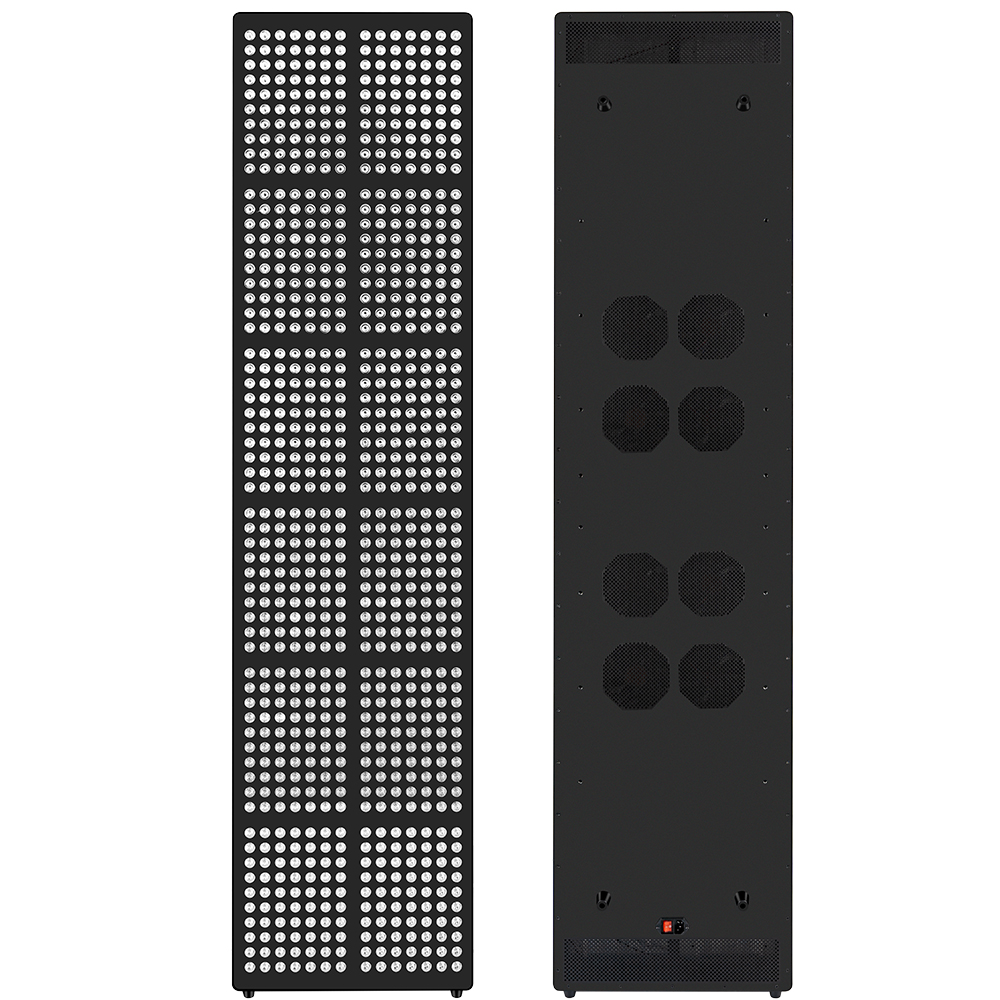
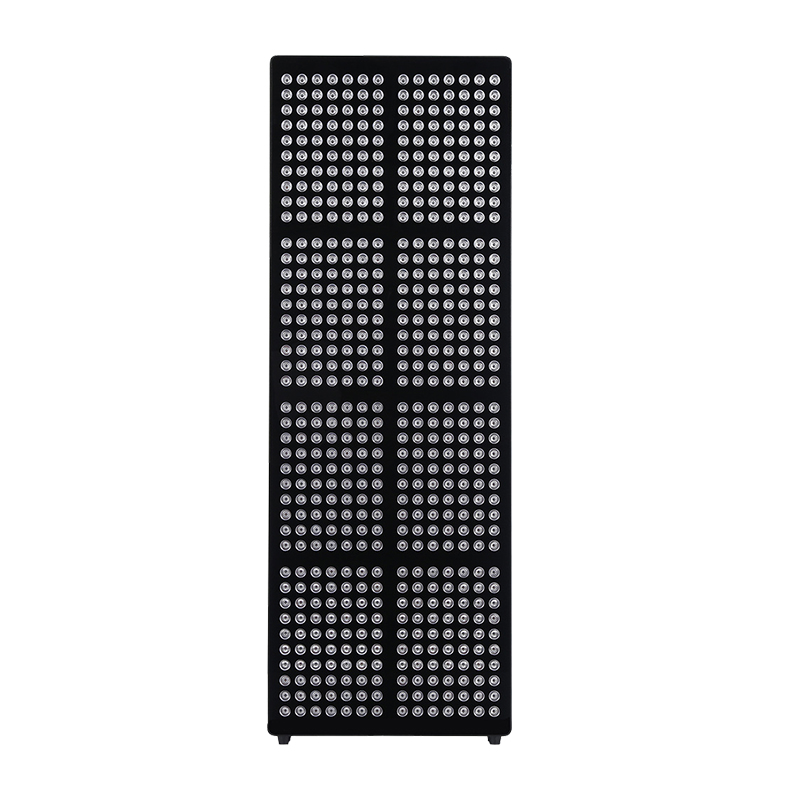
- Irradiation Area: Select a panel size appropriate for the wound.
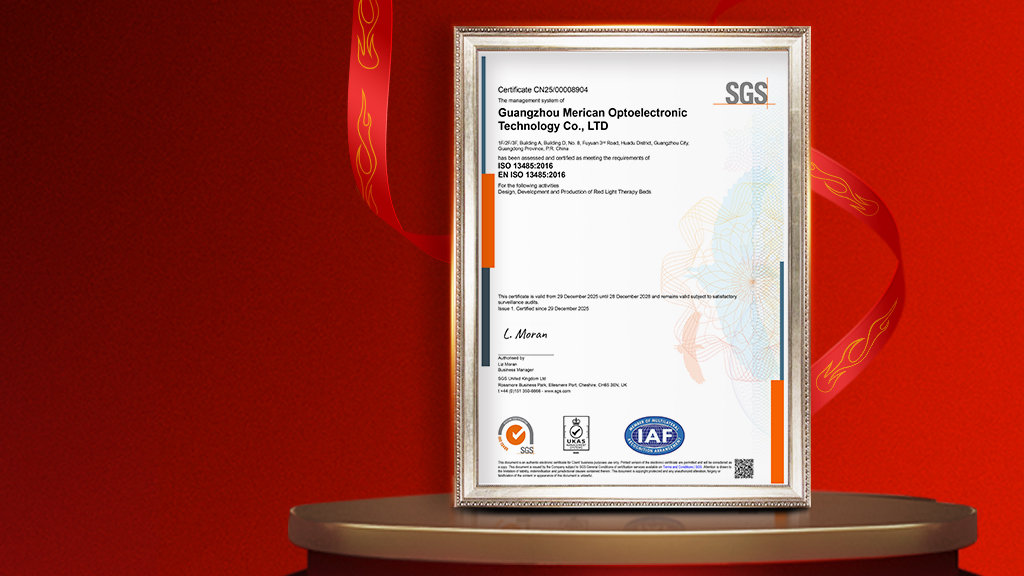
- Safety Certification: Look for FDA registration or CE marking.
Seven-Step Home Use Protocol:
- Assess Suitability: Use only for clean, minor wounds with no signs of infection.
- Thorough Cleaning: Clean the wound and surrounding skin with saline or a mild disinfectant.
- Device Preparation: Clean the irradiation head; wear protective goggles if the device lacks automatic protection.
- Position and Irradiate: Maintain a distance of 5-15 cm from the skin, ensuring light shines perpendicularly on the wound.
- Time Control: 5-15 nóiméad in aghaidh an tseisiúin, not exceeding the device manual’s recommendations.
- Frequency Management: 1-2 times daily; more frequent during the acute phase is acceptable.
- Observe and Record: Document wound changes; take weekly comparison photos.
Caibidil 5: Cutting-Edge Research and Future Directions
Personalized Phototherapy Protocols
Latest research focuses on customizing phototherapy based on the wound microenvironment:
- Inflammation Level Detection: Assess inflammation levels via biomarkers to adjust the red/near-infrared light ratio.
- Real-Time Feedback Systems: Develop intelligent phototherapy devices that monitor tissue oxygenation and pH changes.
- Optimized Combination Therapies: Synergistic application with negative pressure wound therapy, growth factors, and stem cell treatments.
New Discoveries in Mechanism Research
Post-2020 studies have revealed deeper mechanisms:
- Mitochondrial Transfer: Phototherapy promotes mitochondrial transfer between cells, enhancing overall tissue repair capacity.
- Epigenetic Regulation: Influences DNA methylation and histone modification, providing long-term regulation of repair gene expression.
- Microbiome Modulation: Specific wavelengths can selectively inhibit drug-resistant bacteria like Staphylococcus aureus while promoting beneficial bacteria growth.
Future Application Prospects
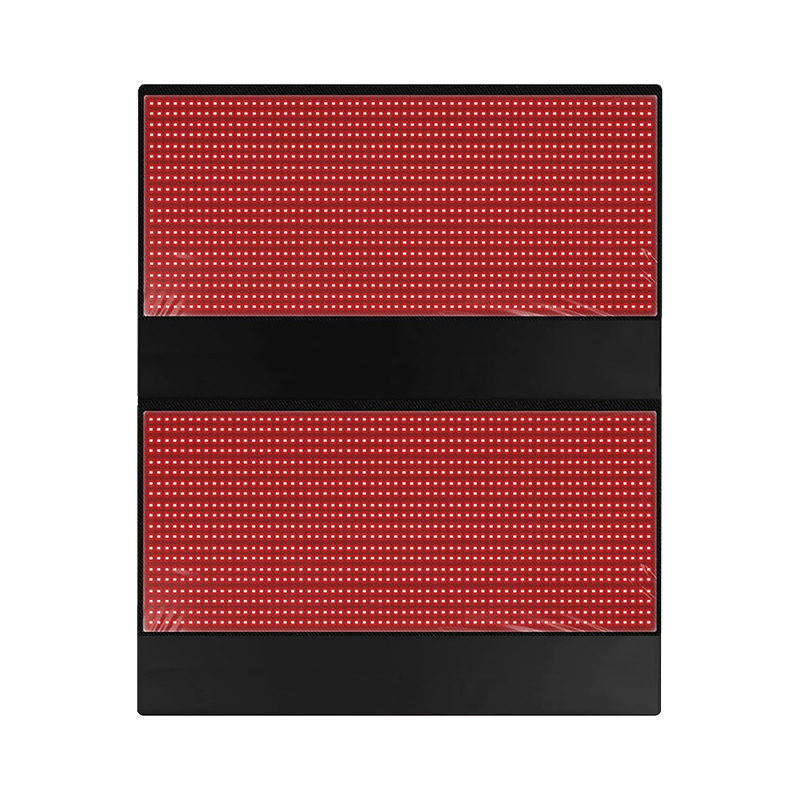
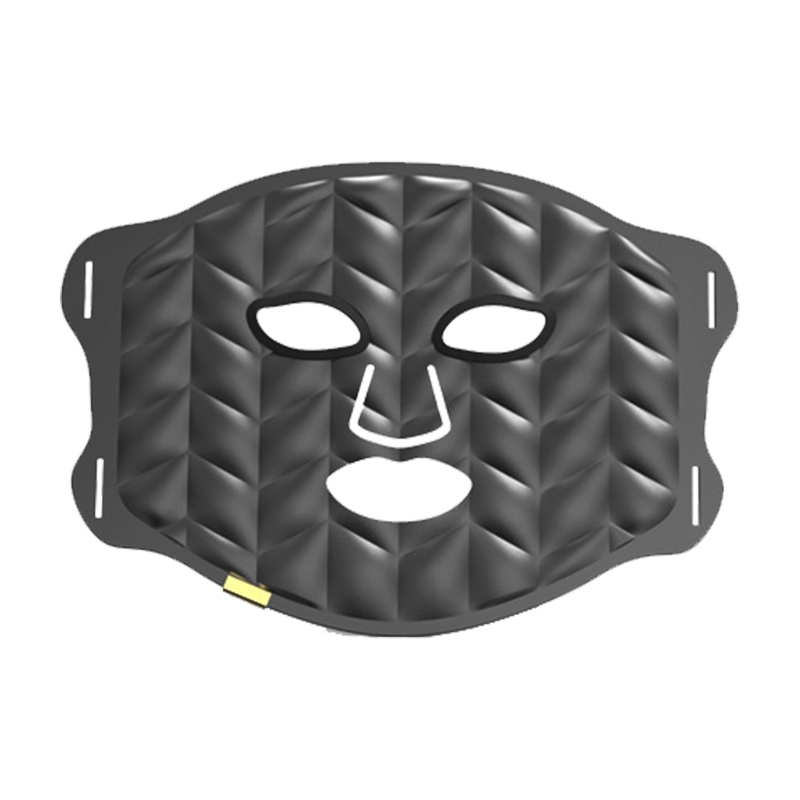
- Wearable Phototherapy Devices: Flexible LED patches for continuous low-dose irradiation.
- Photosensitizer-Enhanced Therapy: Topical application of photosensitizers to increase specific cells’ responsiveness to light.
- Home-Hospital Integrated Systems: Home device data synced with medical teams for remote monitoring and adjustment.
Caibidil 6: Common Misconceptions and Safety Notes
Clarifying Five Common Misconceptions
- “Higher Intensity is Better”: Leanann photobiomodulation freagra dáileog déphasic; tá ró-íseal neamhéifeachtach, tá ró-ard coisctheach - tá “an fhuinneog teiripeach is fearr is féidir.”
- “Is féidir é a chur in ionad gach cúram traidisiúnta”: Aguisín is ea fótaiteiripe, ní in ionad cúram bunúsaí amhail díbridiú agus rialú ionfhabhtaithe.
- “Torthaí Láithreach”: De ghnáth éilíonn 3-5 seisiúin sula dtosaíonn éifeachtaí a thaispeáint; féadfaidh wounds ainsealach seachtaine a ghlacadh.
- “Tá gach Gléas mar an gcéanna”: Difríochtaí i gcruinneas tonnfhad, cobhsaíocht aschuir, agus bíonn tionchar suntasach ag aonfhoirmeacht ionradaíochta ar éifeachtúlacht.
- “Féadann sé Créachta ar bith a chóireáil”: Níl sé oiriúnach le haghaidh créachta ischemic nó urchóideacha; d'fhéadfadh a bheith díobhálach.
Rabhaidh Sábháilteachta agus Frith tásca
Contraindications Absalóideach:
- Galair craicinn photosensitive (e.g., porfaire).
- Úsáid cógas fóta-íogaireachta (roinnt antaibheathaigh, diuretics, srl.).
- Loit chraicinn neamhdhiagnóisithe.
- Nochtadh súl díreach (is féidir ina chúis le damáiste reitineach).
Contraindications Coibhneasta (Meastóireacht Lia a cheangal):
- Thyroid disorders (neck irradiation may affect thyroid function).
- Bleeding disorders or use of anticoagulants.
- History of epilepsy (specific light frequencies may trigger episodes).
- Thoirchis (abdominal area irradiation).
Adverse Reaction Monitoring:
- Thart ar 2-5% of users may experience temporary redness or dryness.
- Very few reports of headache or nausea, usually related to overuse.
- Discontinue immediately and consult a doctor if any abnormal reactions occur.
Conclúid: The Rational Position of Phototherapy in Wound Management
Red light therapy represents a paradigm shift in wound care from passive observation to active modulation. It does not perform miracles but accelerates the natural healing process by optimizing the body’s inherent repair capabilities. Existing evidence strongly supports its role as an adjunct to standard wound care, particularly for chronic, créachta deacair a leigheas.
D'othair atá ag smaoineamh ar theiripe solas dearg, moltar na céimeanna seo a leanas:
- Measúnú Gairmiúil: Ar dtús, speisialtóir cúram créachta a bheith agat chun cineál agus oiriúnacht an chréachta a mheas.
- Socraigh Ionchais Réadúla: A ról comhcheangailte agus an t-am a bhfuiltear ag súil leis chun éifeacht a thuiscint.
- Roghnaigh an Gléas Ceart: Roghnaigh feistí leighis-grád nó baile bunaithe ar shaintréithe créachta.
- Cloí leis an Úsáid Chaighdeánaithe: Go docht a leanúint paraiméadair cóireála agus minicíocht.
- Comhtháthú Cúram Cuimsitheach: Comhcheangail le tacaíocht chothaitheach, faoiseamh brú, agus bearta cúraim iomlánaíoch eile.
De réir mar a dhoimhníonn taighde agus de réir mar a théann teicneolaíocht chun cinn, tá teiripe solais dhearg ar tí éabhlóidiú ón ról comhcheangailte atá aici faoi láthair go croí-chomhpháirt de phrótacail bhainistíochta créachta pearsantaithe. Sa todhchaí, is féidir go bhfeicfimid gach créacht ag fáil saincheaptha “oideas éadrom” bunaithe ar a phróifíl mhóilíneach - ionchas iontach ag crosbhealach na míochaine athghiniúnach agus cúram sláinte beachta.