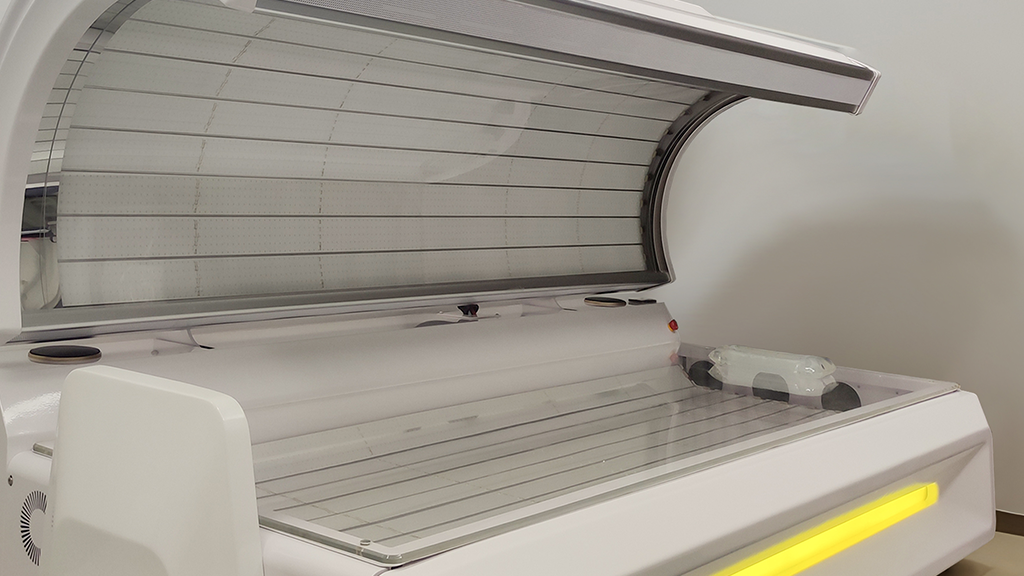
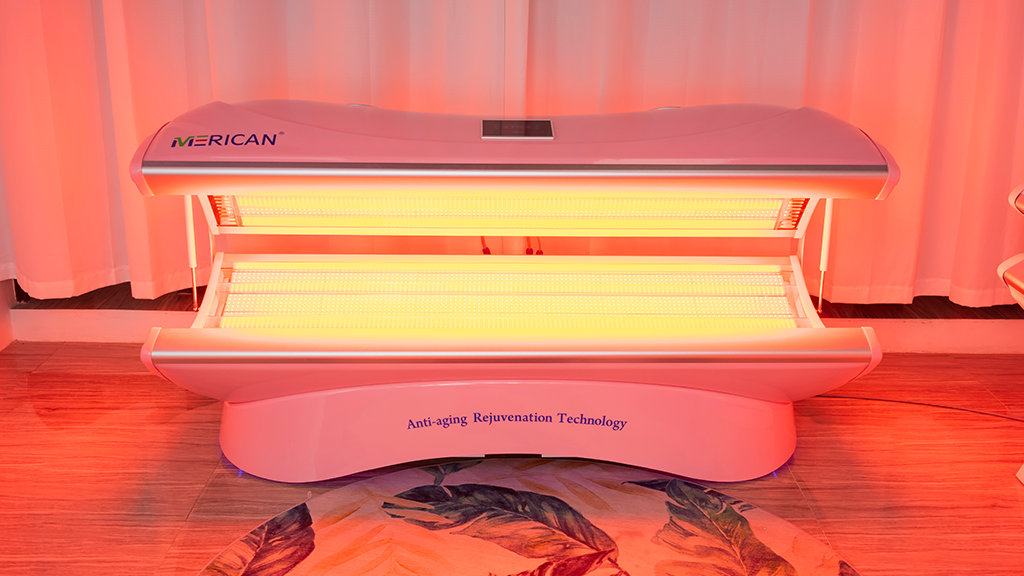
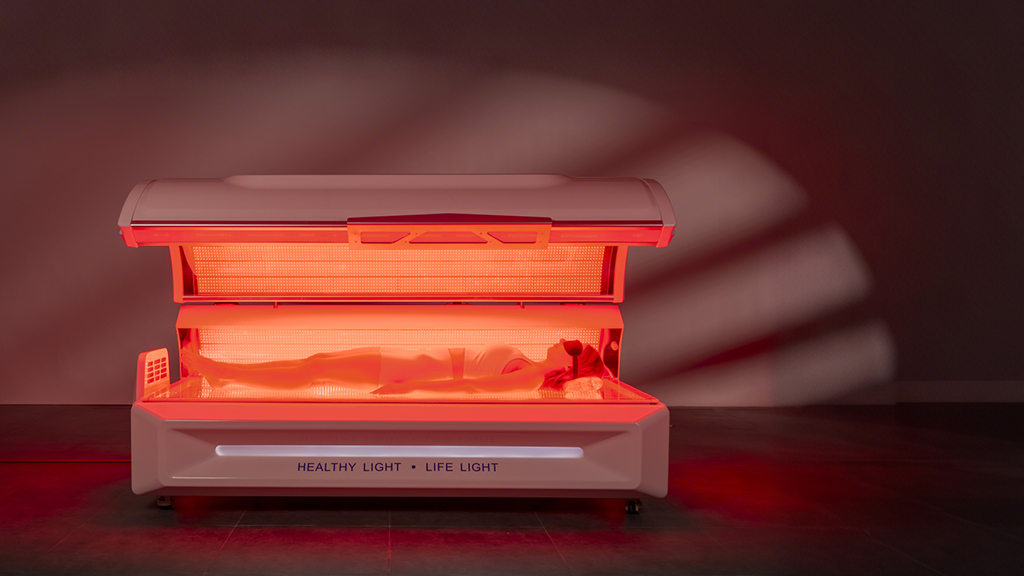
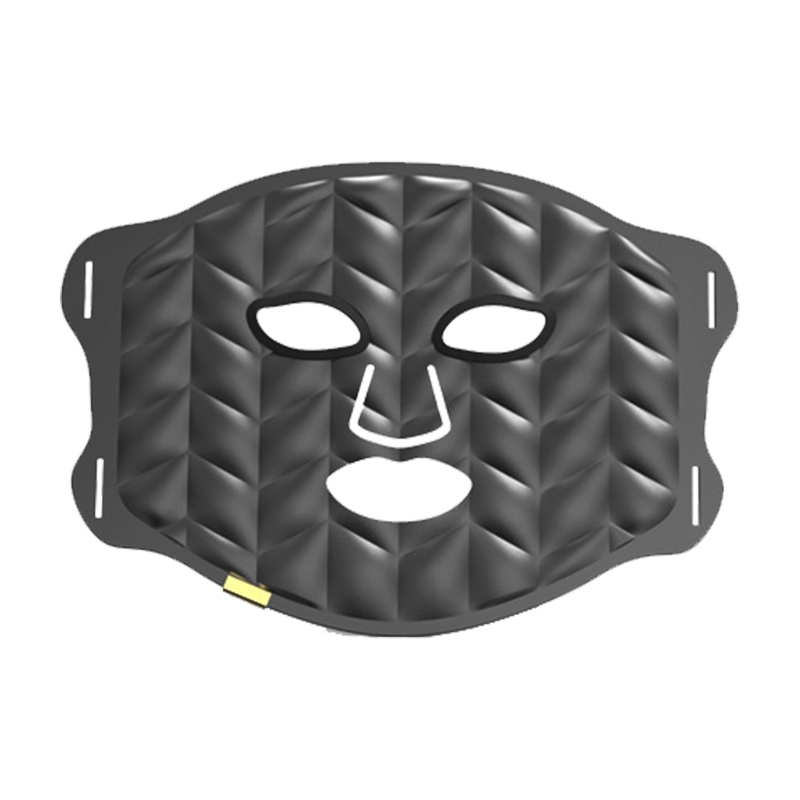
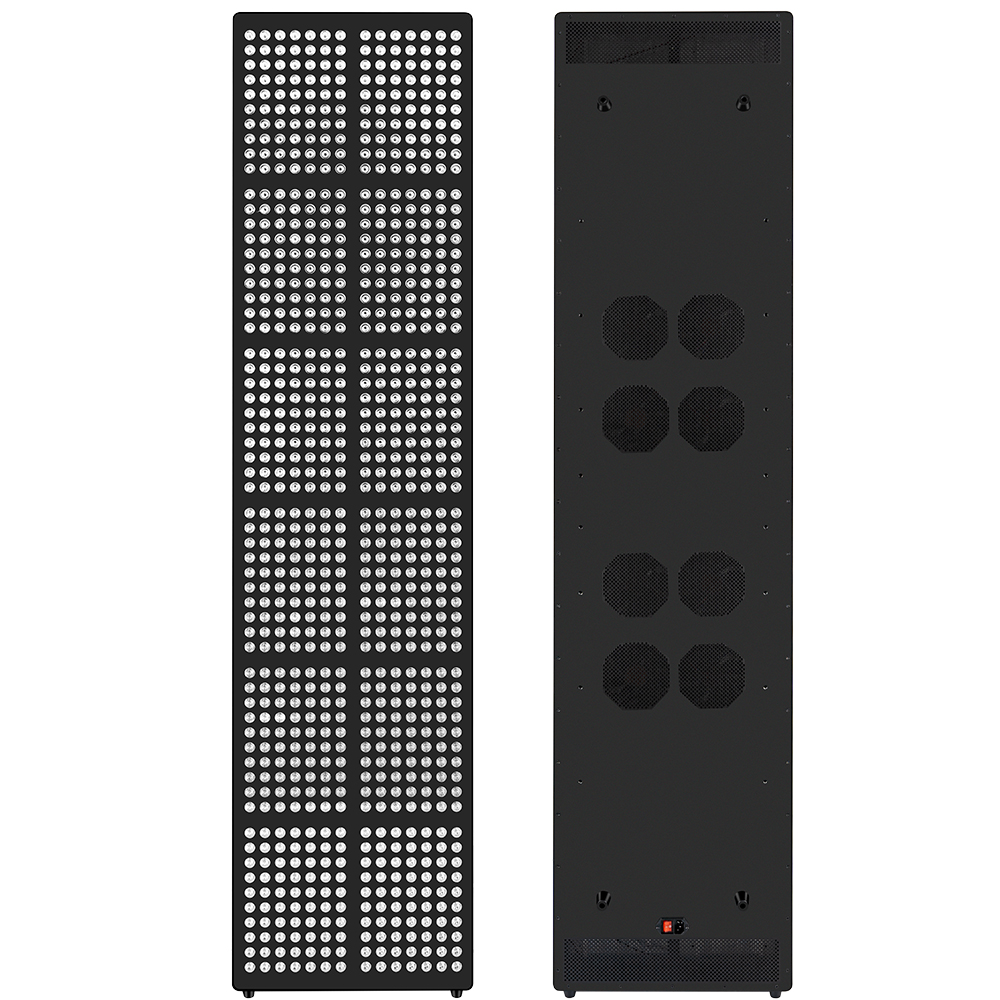
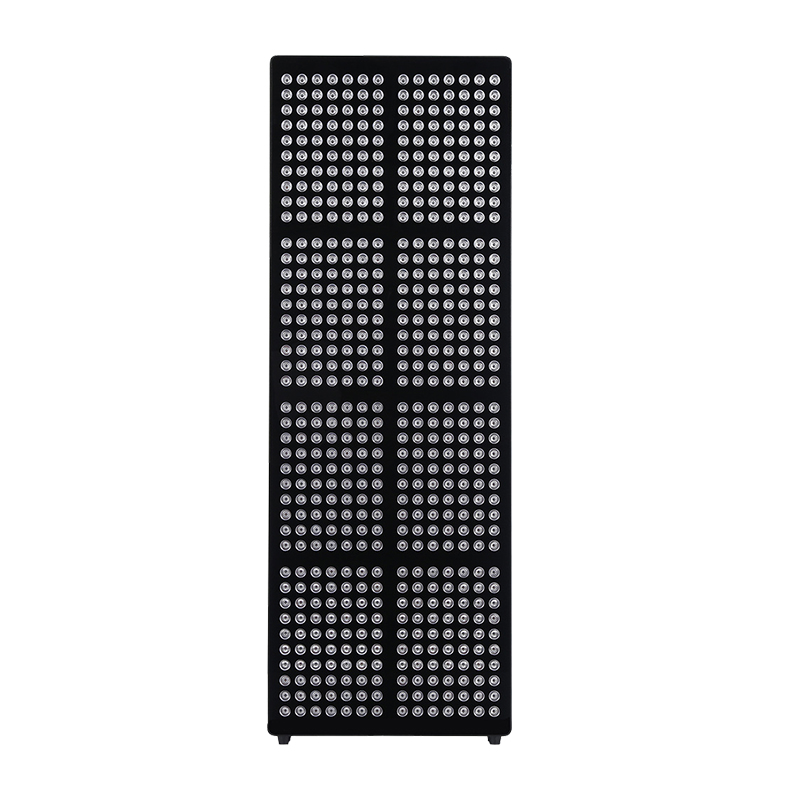
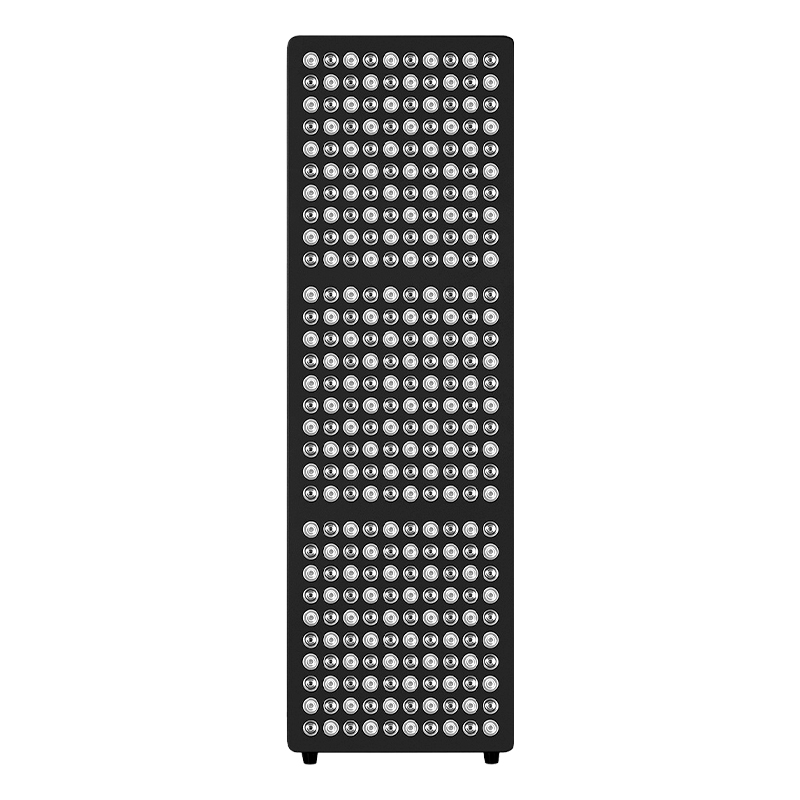
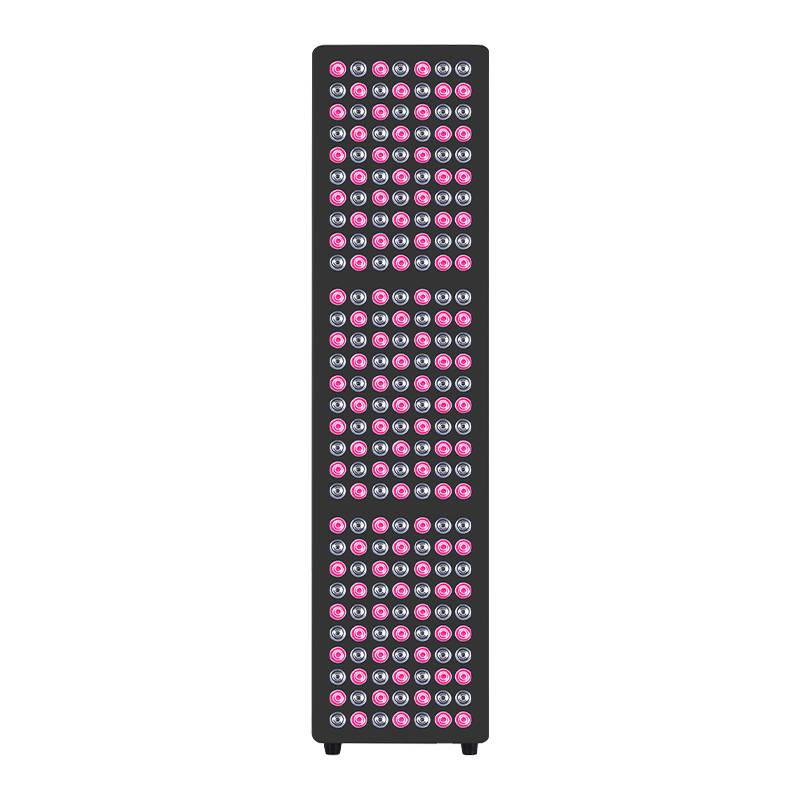
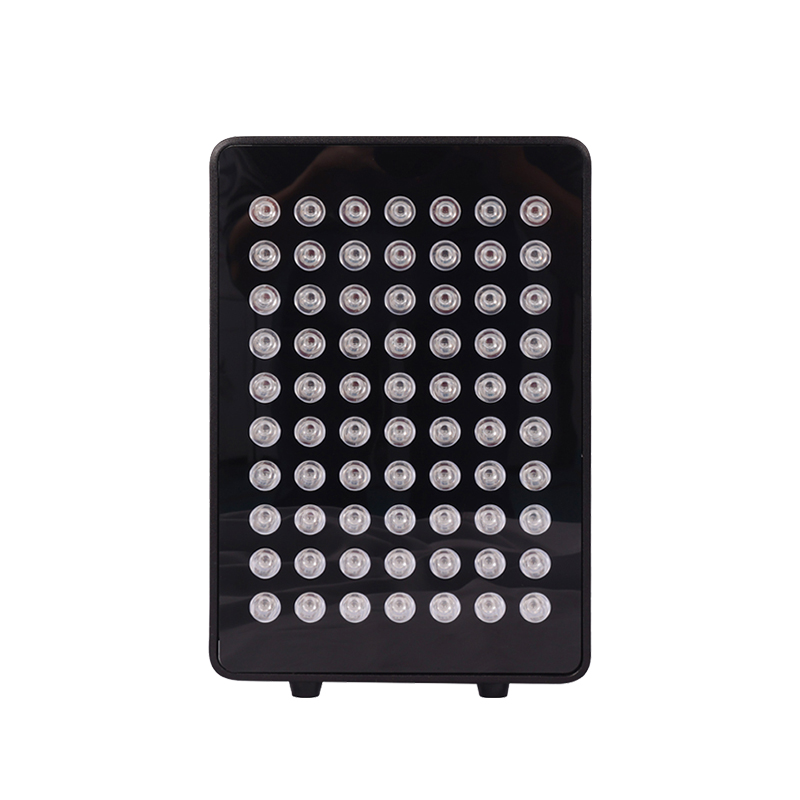
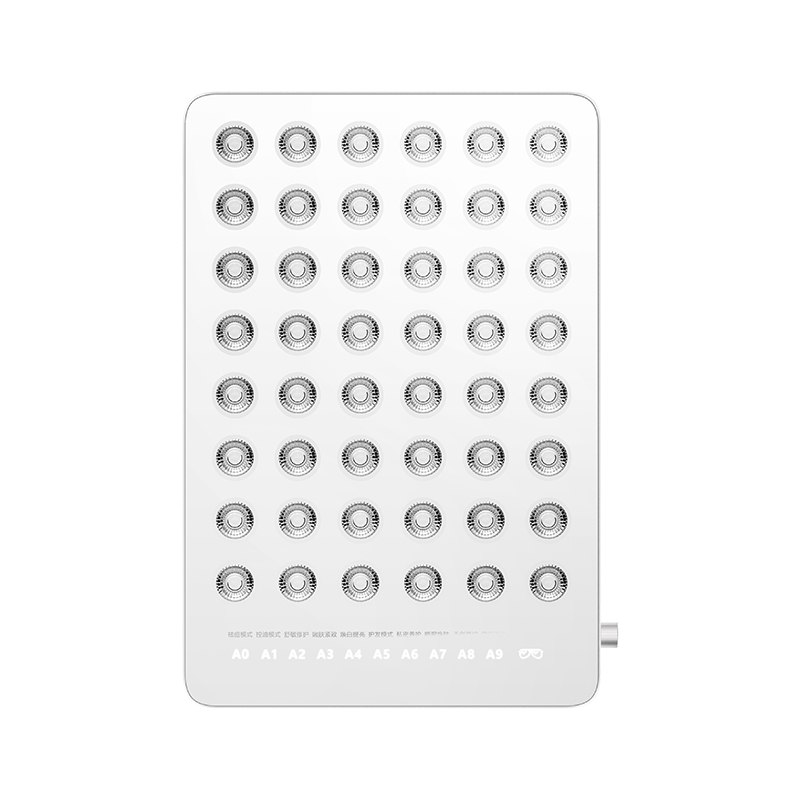
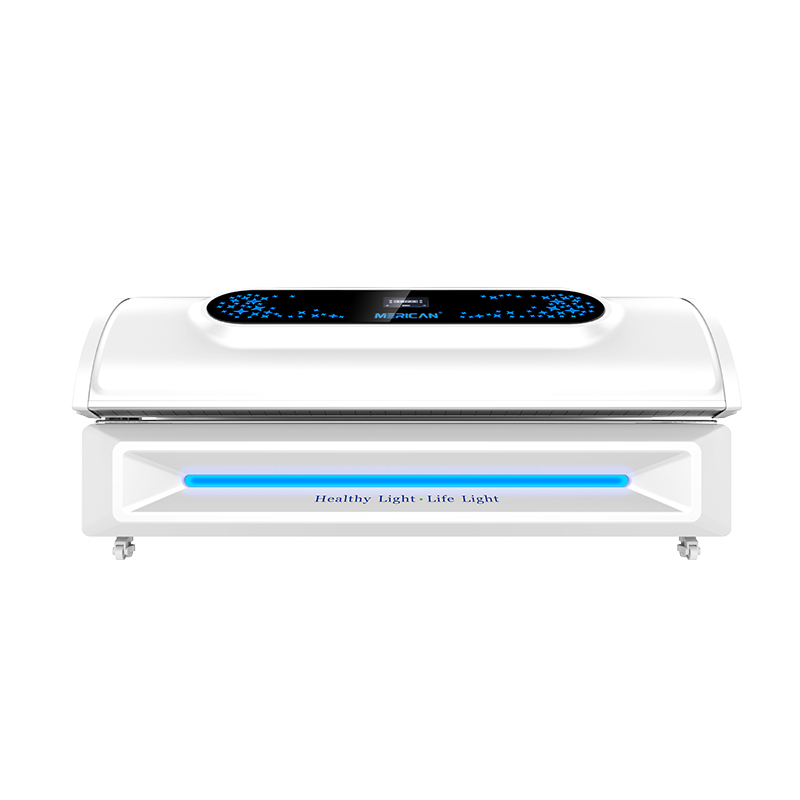
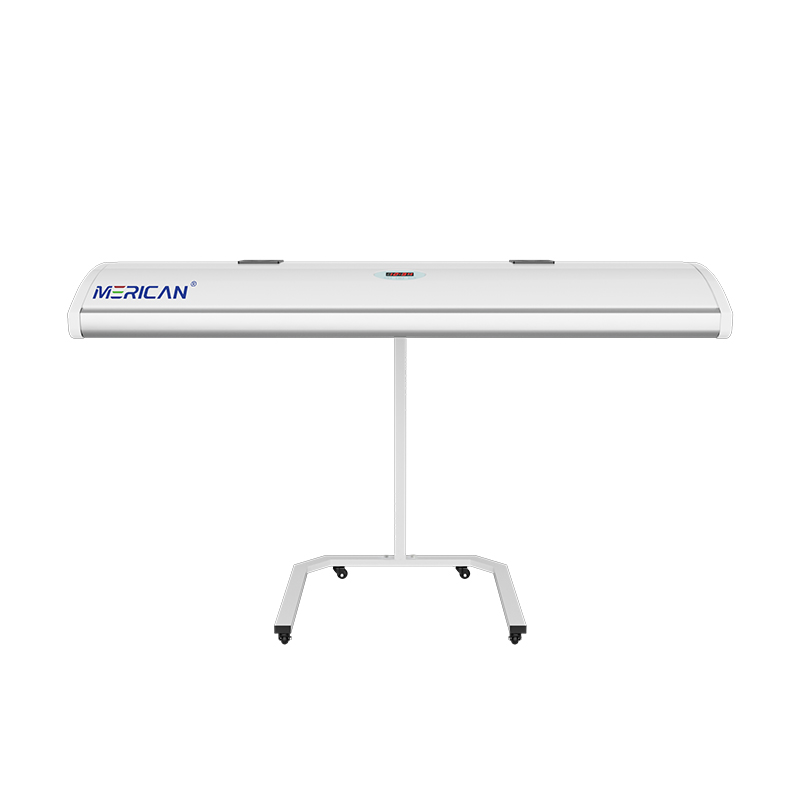
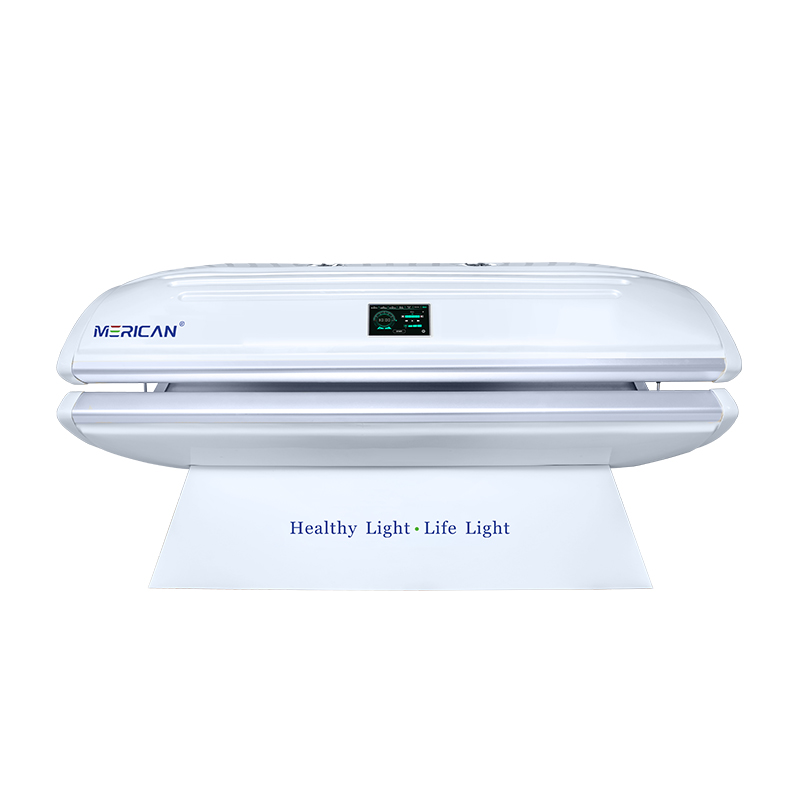
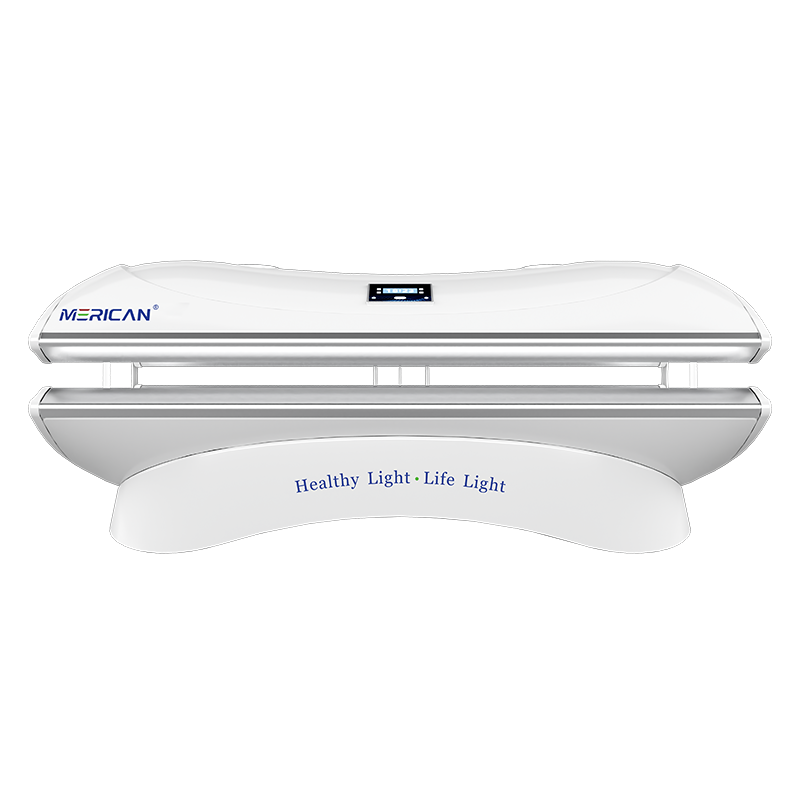
Bíonn tionchar ag idirghníomhaíocht chasta ar fheidhm na hinchinne ar mheabhairshláinte, caighdeán codlata, leibhéil struis, agus folláine fhisiceach iomlán. Le blianta beaga anuas, teiripe solas dearg (RLT)—ar a dtugtar fóta-mhodúchán freisin — rinneadh é a iniúchadh mar chur chuige neamh-ionrach a d'fhéadfadh tacú le folláine mheabhrach.
It is important to clarify that red light therapy is not a medical treatment for mental health disorders, but an emerging wellness technology supported by early-stage research.
Conas a Oibríonn Teiripe Solas Dearg
Red light therapy uses red and near-infrared wavelengths, go hiondúil idir 630–880 nm, which can penetrate tissue and influence cellular activity. Studies suggest these wavelengths may:
- Support mitochondrial energy (ATP) táirgeadh
- Improve blood flow and oxygen delivery
- Laghdaigh athlasadh agus strus ocsaídiúcháin
Because brain cells have high energy demands, these effects may indirectly support mental function and resilience.
Potential Mental Health–Related Benefits
Research and clinical observations have explored red light therapy in relation to:
- Stress regulation and relaxation
- Mood balance and emotional stability
- Cognitive clarity and focus
- Cáilíocht codlata, which is closely linked to mental health
Improved sleep and reduced physical stress may positively influence overall mental well-being.
Cad a Deir an Taighde?
Preliminary studies on photobiomodulation have investigated its role in neurological and psychological wellness. While results are encouraging, experts emphasize:
- Evidence is still evolving
- More large-scale clinical trials are needed
- Red light therapy should be viewed as complementary, not primary care
Cúrsaí Sábháilteachta
Meastar go ginearálta go bhfuil teiripe solas dearg sábháilte:
- Gan nochtadh UV
- Neamh-ionrach agus gan phian
- Suitable for regular wellness use
Individuals with mental health conditions should consult healthcare professionals before starting any new wellness routine.
Achoimre
Red light therapy shows potential as a supportive tool for mental wellness by addressing underlying factors such as energy metabolism, athlasadh, agus codladh. Its role is best understood within a holistic approach to mental health.