Is féidir le tréithchineálacha matáin cur isteach ar ghnáthaimh oiliúna, feidhmíocht oibre, agus an saol laethúil. Go traidisiúnta bainistithe le scíthe, oighear, agus teiripe fisiciúil, many people are now turning to teiripe solas dearg to support faster and more comfortable recovery.
Why Red Light Therapy Is Used for Muscle Strain Recovery
Unlike medications that only mask pain, teiripe solas dearg:
- Targets injured tissue at the cellular level
- Promotes circulation without stressing the muscle
- Can be used repeatedly with minimal risk
This makes it suitable for both acute and chronic muscle strain management.
Conas Teiripe Solas Dearg a Úsáid le haghaidh Amhrán Matán
Best Application Areas
- Strained muscle region (e.g., hamstrings, laonna, guaillí, ar ais)
- Surrounding soft tissue to improve overall circulation
Treoirlínte Úsáide tipiciúla
- 10–20 nóiméad in aghaidh an tseisiúin
- Once or twice daily during early recovery
- Adjust intensity and frequency as healing progresses
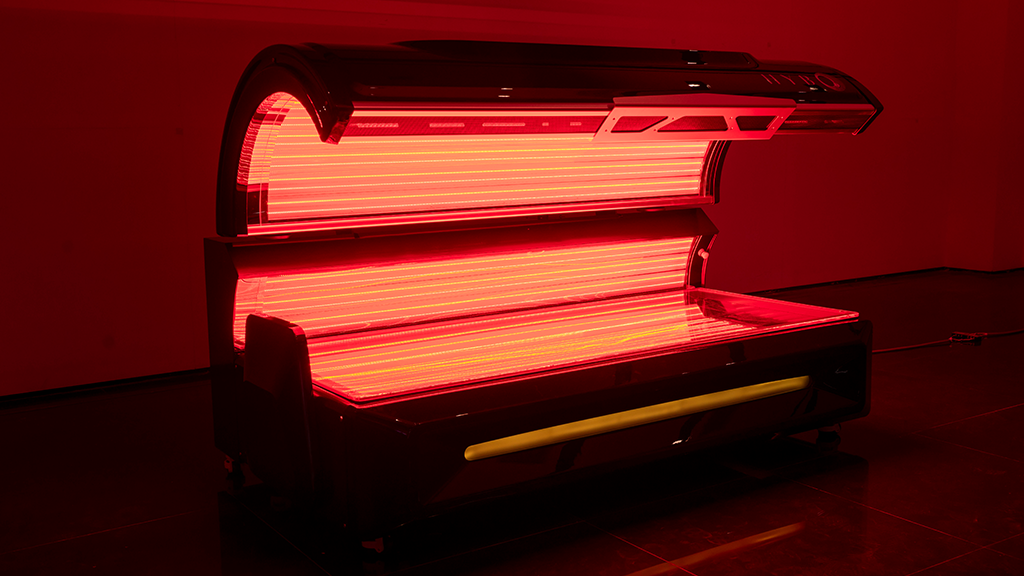
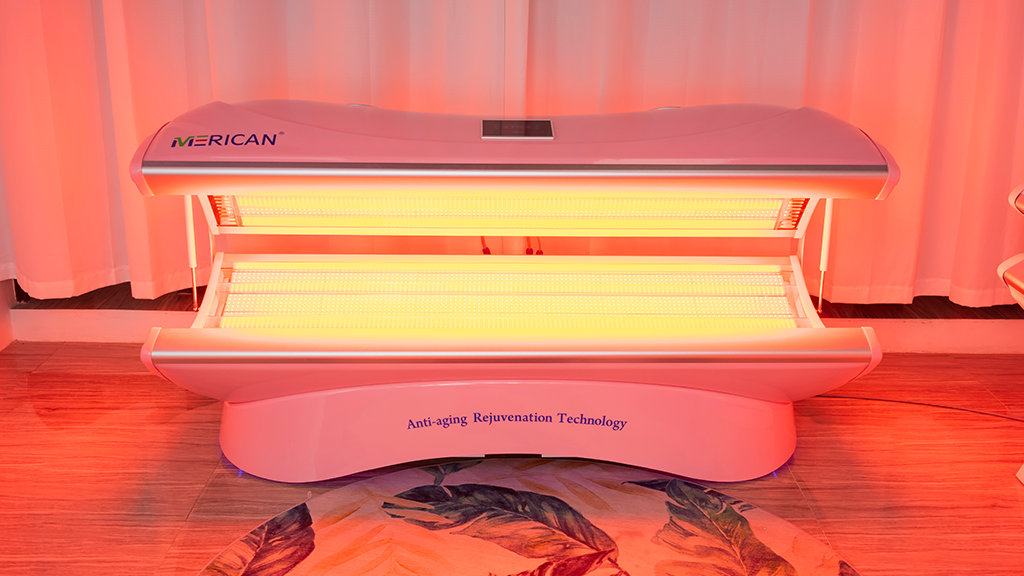
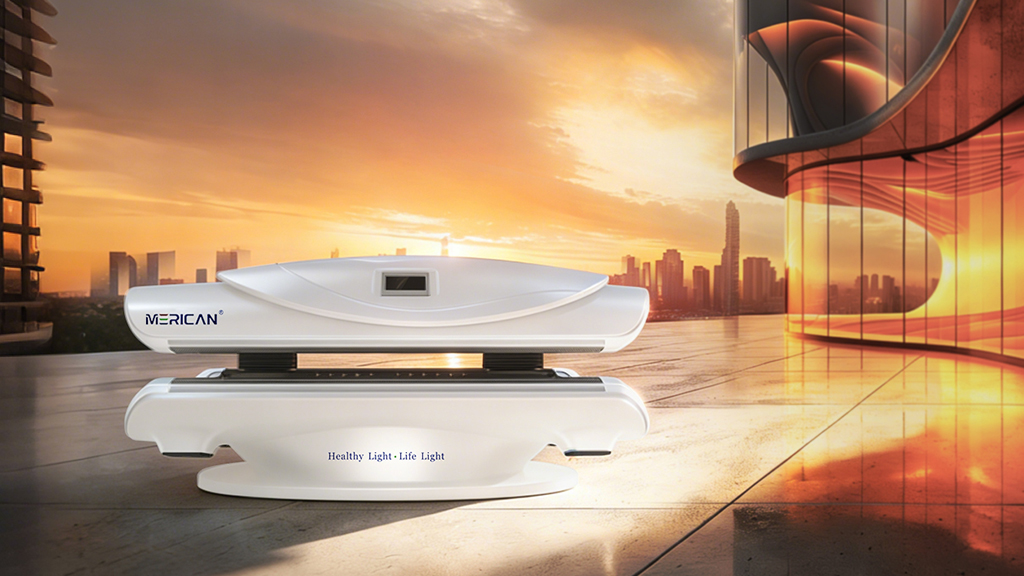
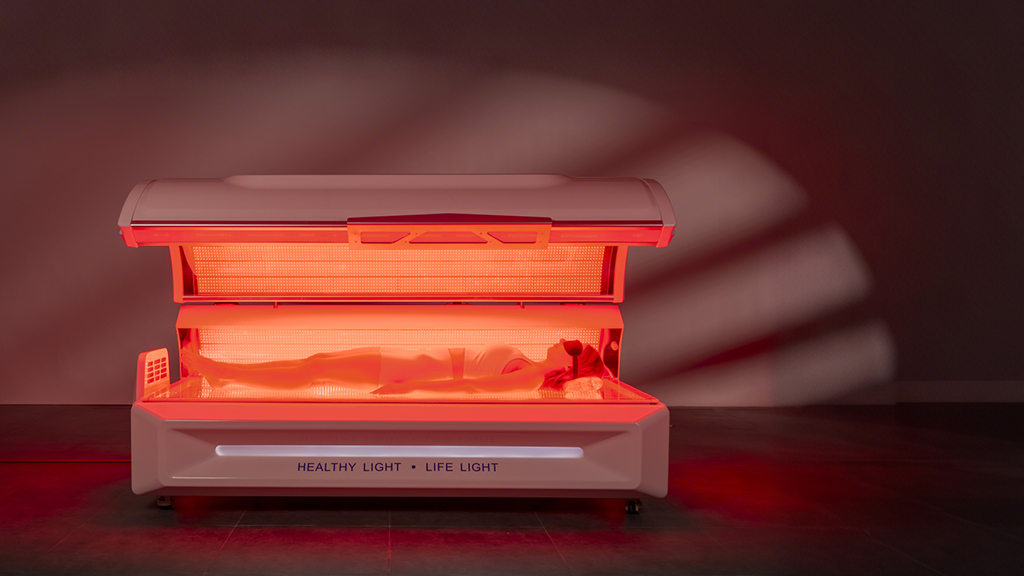
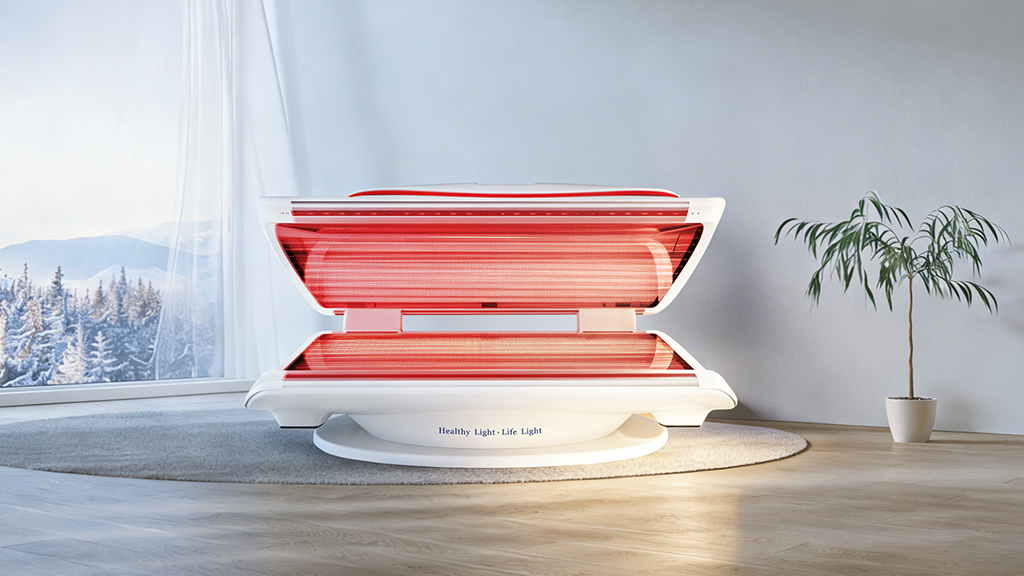
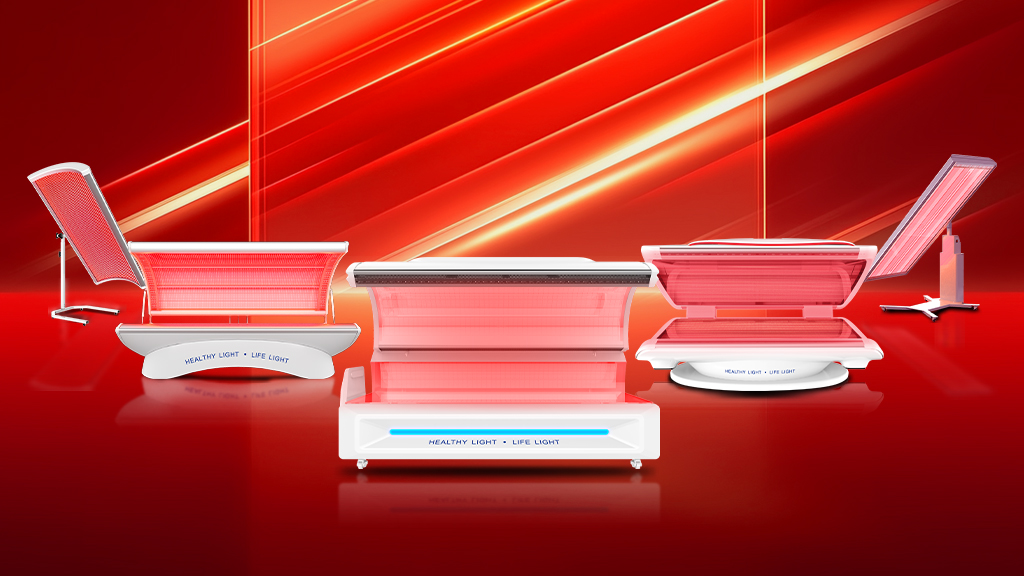
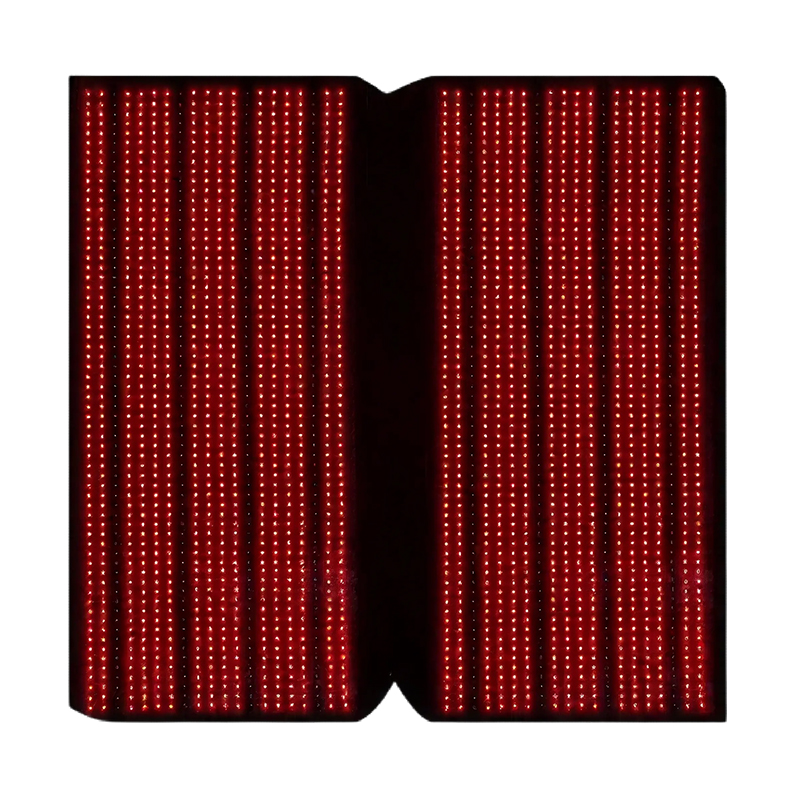
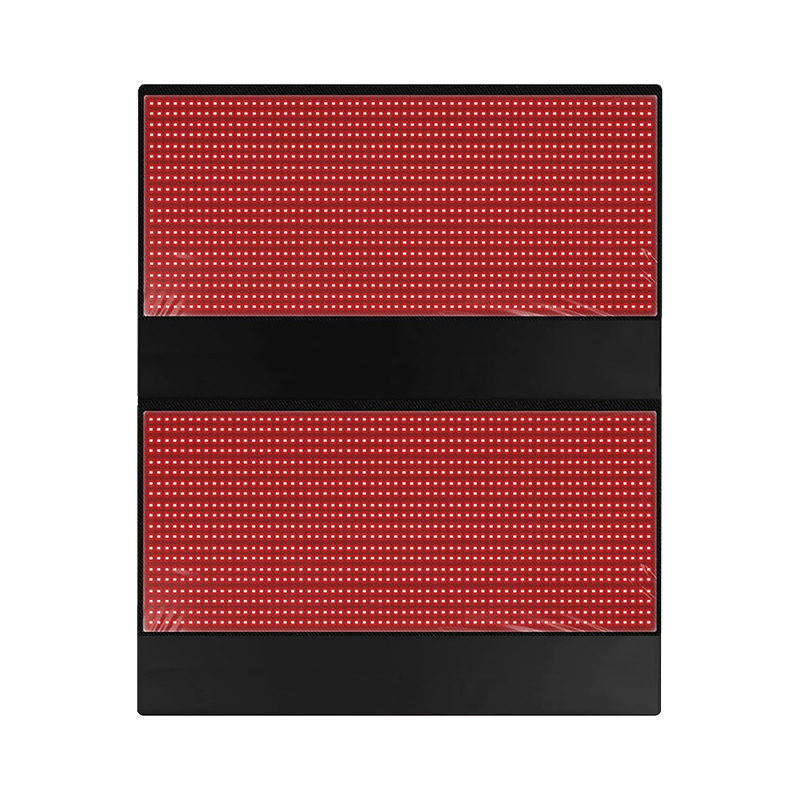
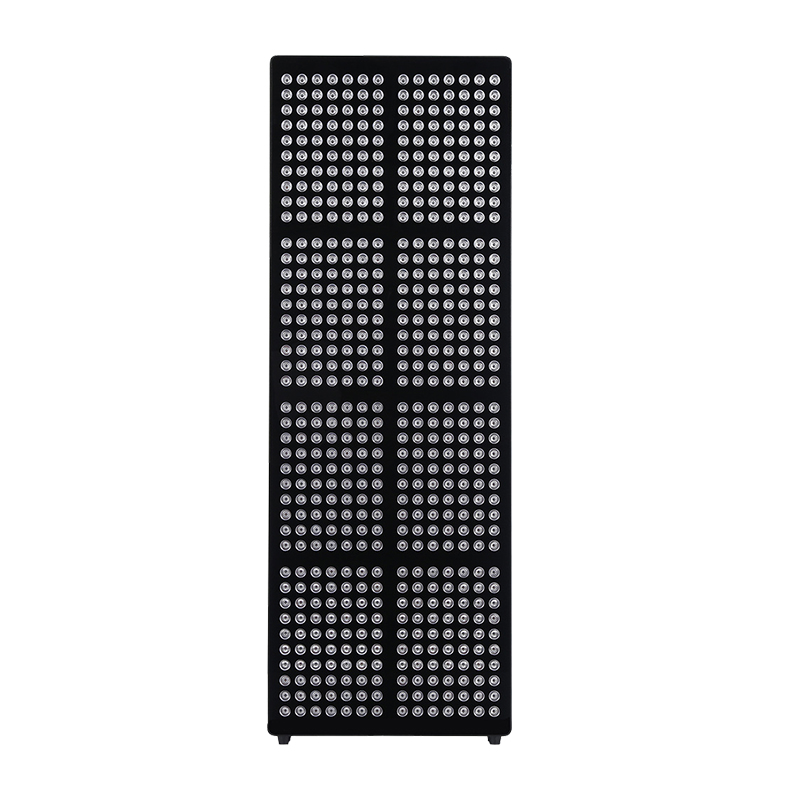
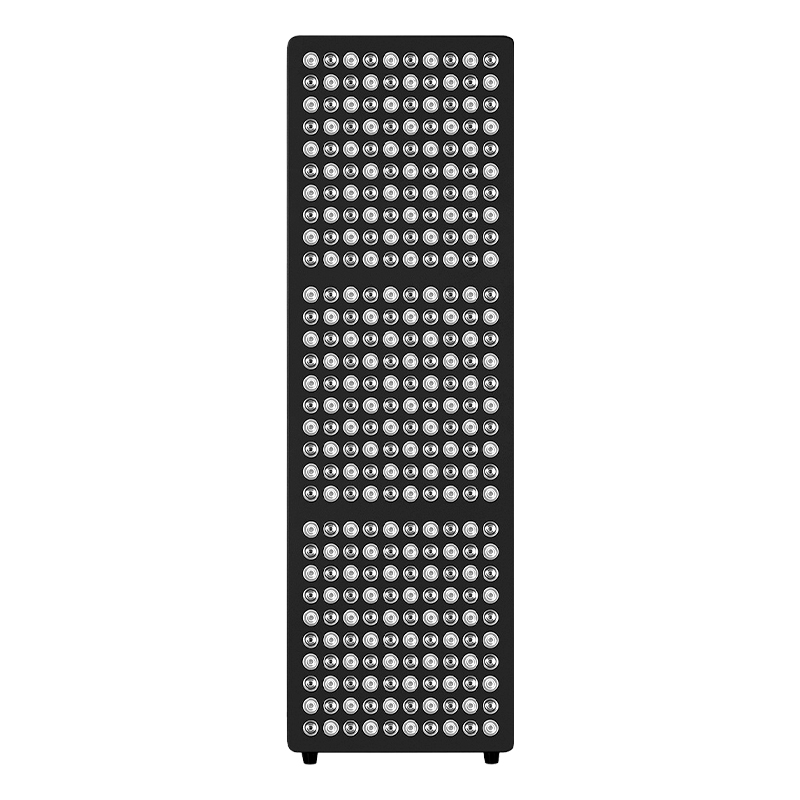
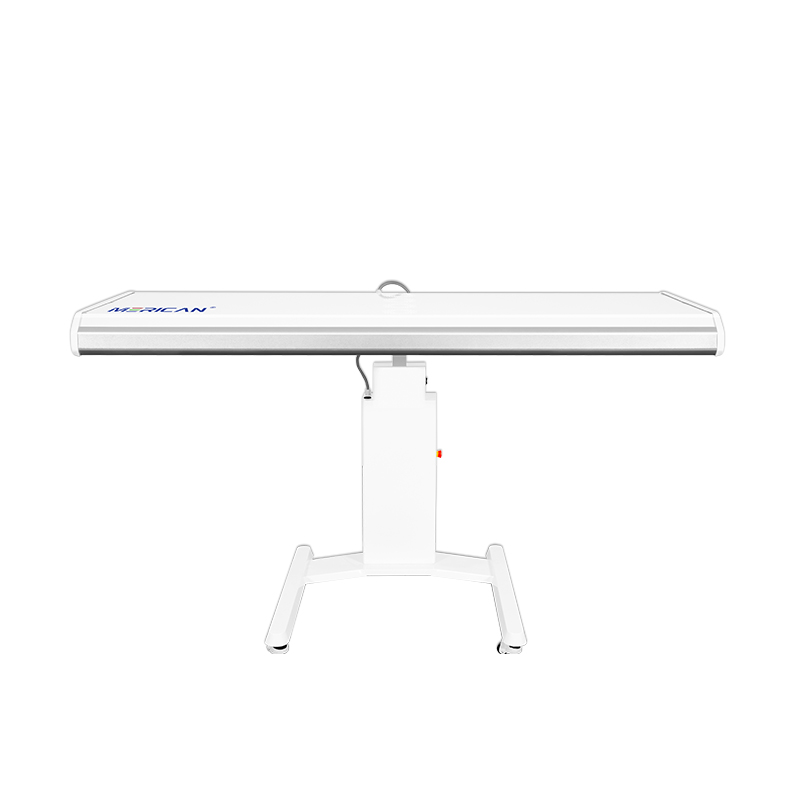
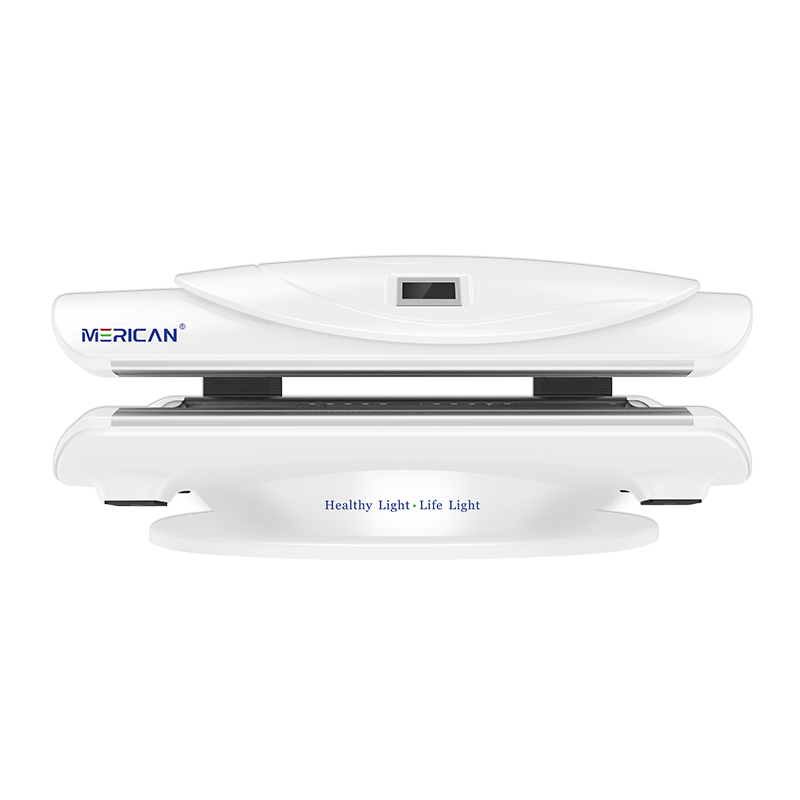
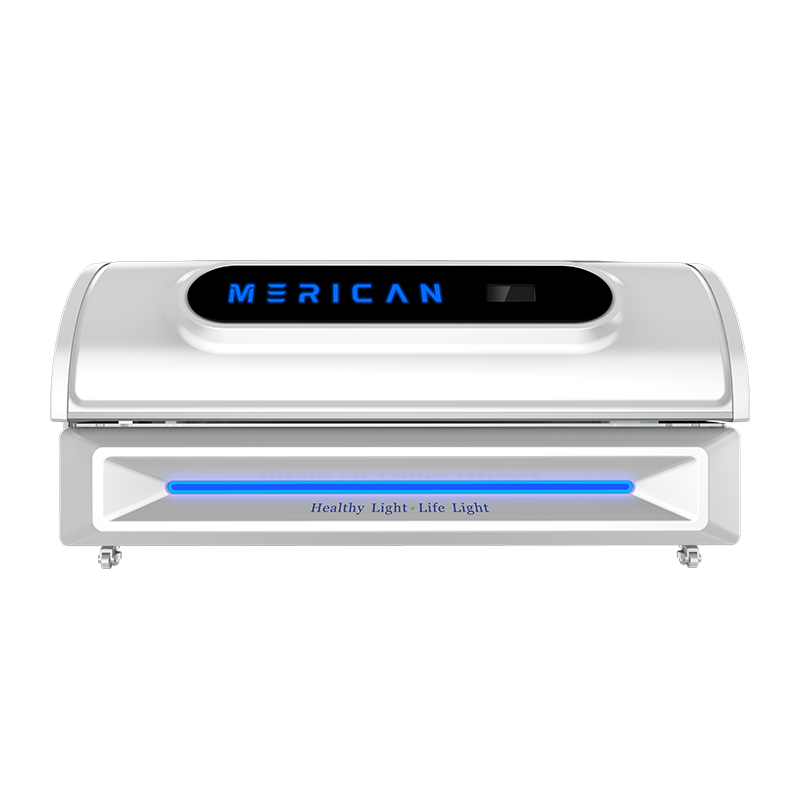
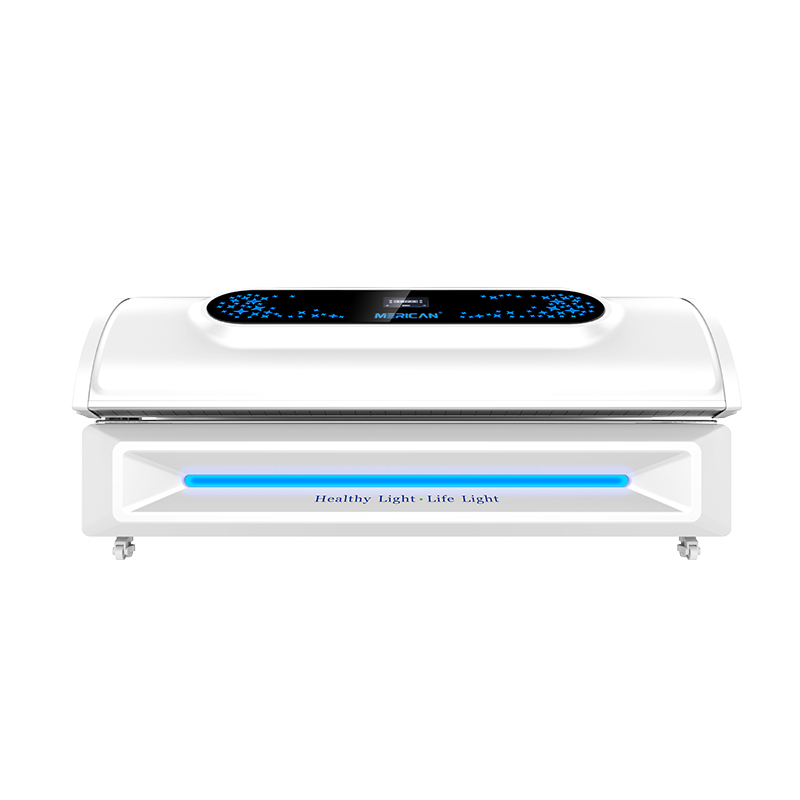
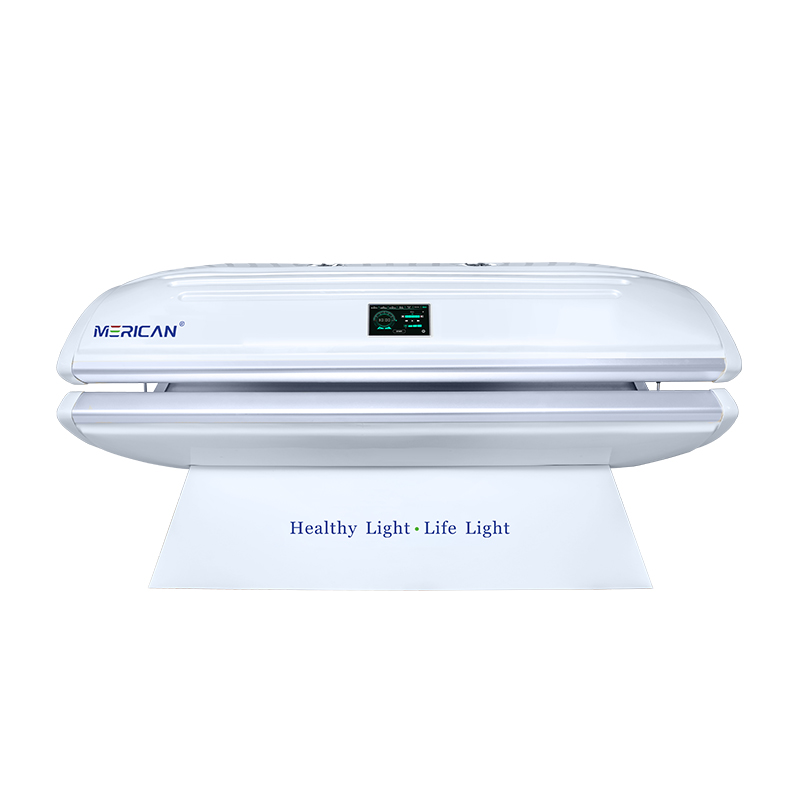
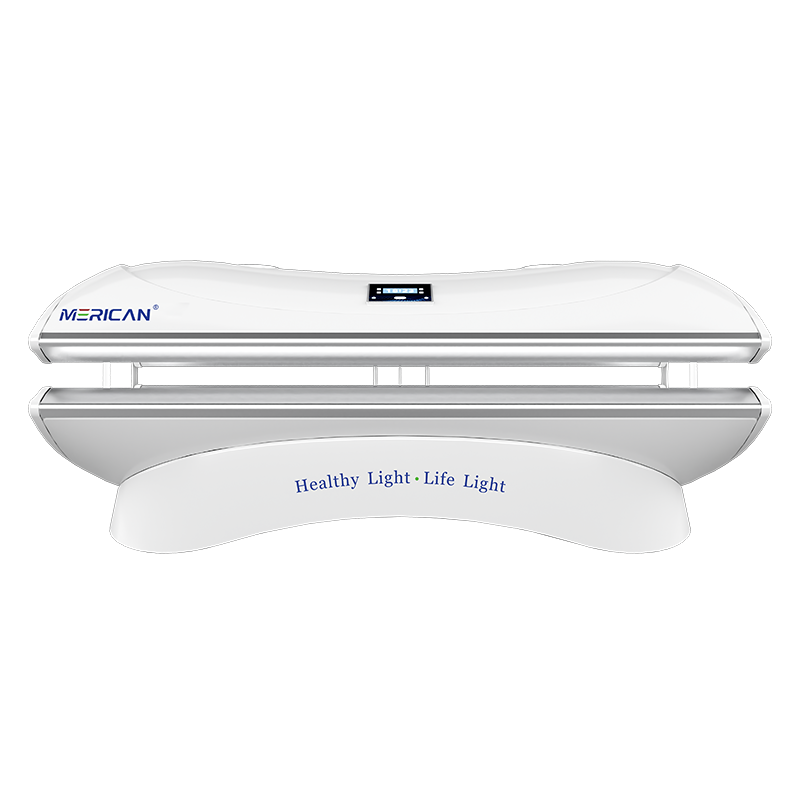
Full-body red light therapy beds allow even light distribution and hands-free treatment, especially beneficial for large muscle groups.
Teiripe Solas Dearg vs Modhanna Aisghabhála Traidisiúnta
| Modh | Teorainneacha |
|---|---|
| Ice therapy | Short-term relief, reduced circulation |
| Cógas pian | Possible side effects |
| Compression | Limited healing effect |
| Teiripe solas dearg | Neamh-ionrach, supports healing |
Cé Is Féidir Sochar is Mó?
Red light therapy may be especially useful for:
- Athletes recovering from sports injuries
- Physical therapy and rehabilitation clinics
- Individuals with recurring muscle strains
- Wellness centers expanding recovery services
Smaointe Deiridh
While red light therapy is not a substitute for professional medical treatment in severe injuries, it can be a uirlis chumhachtach chomhlántach for muscle strain recovery. Used consistently and correctly, it supports healing, reduces discomfort, and helps users return to normal activity sooner.