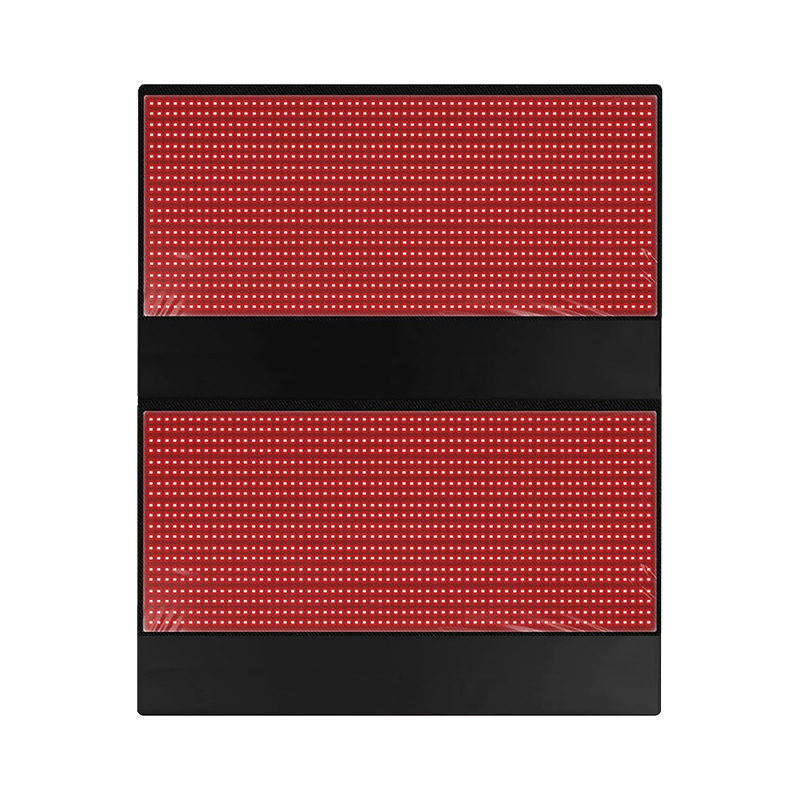
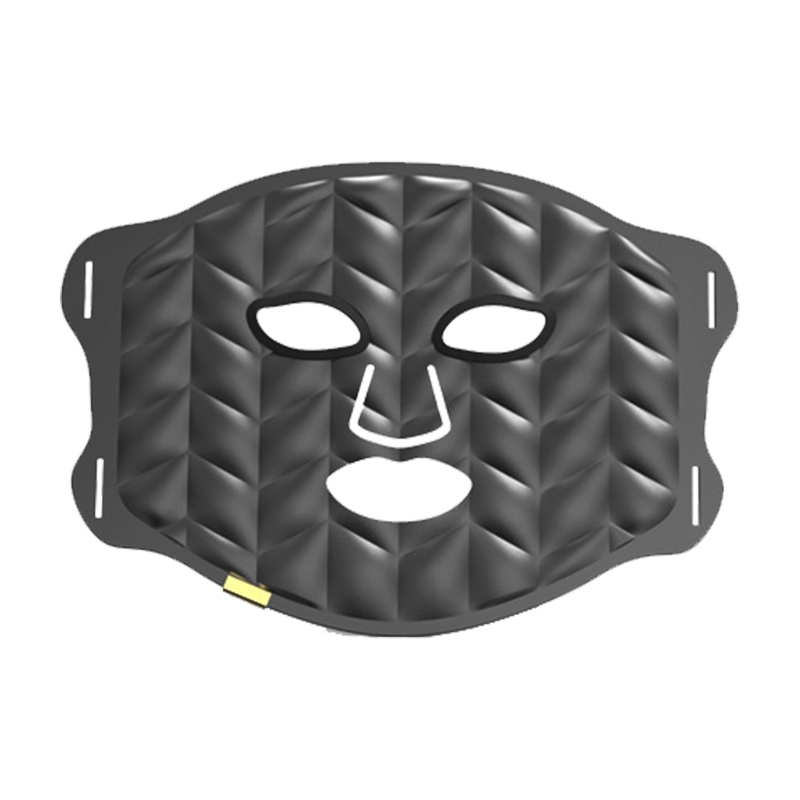
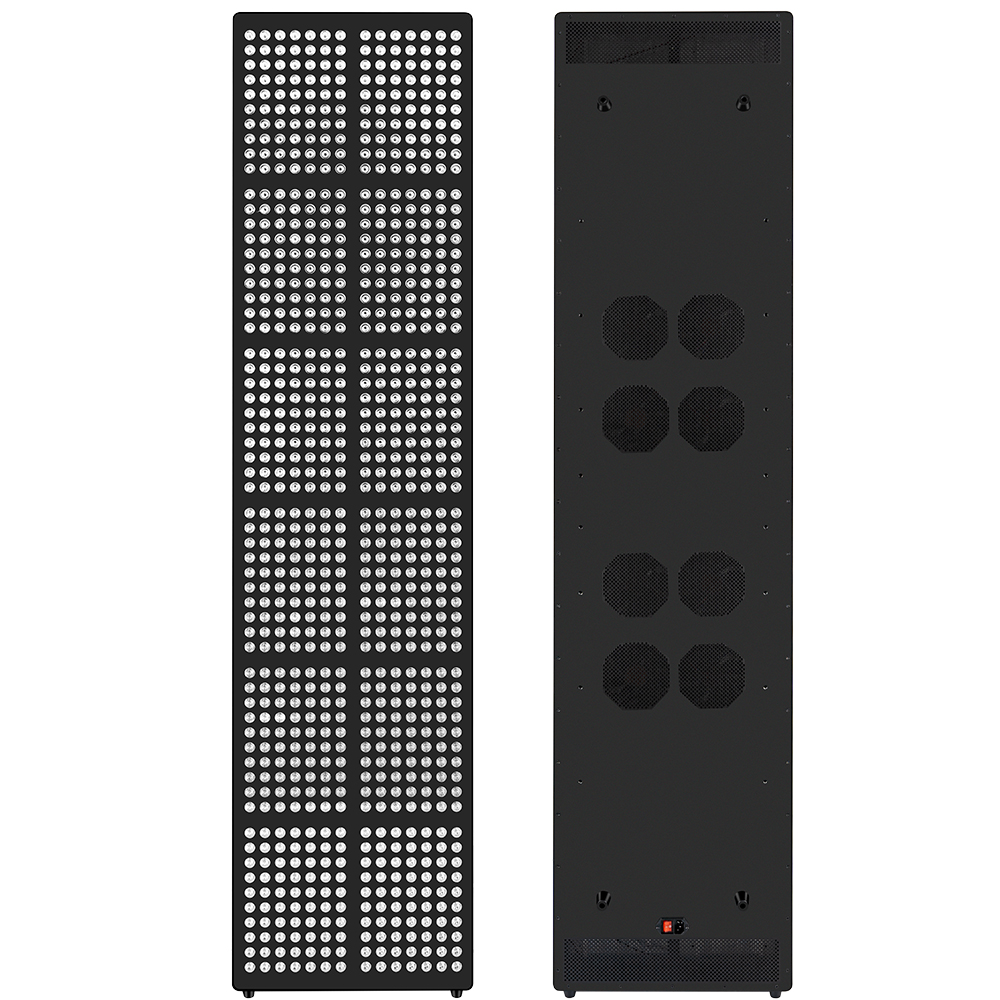
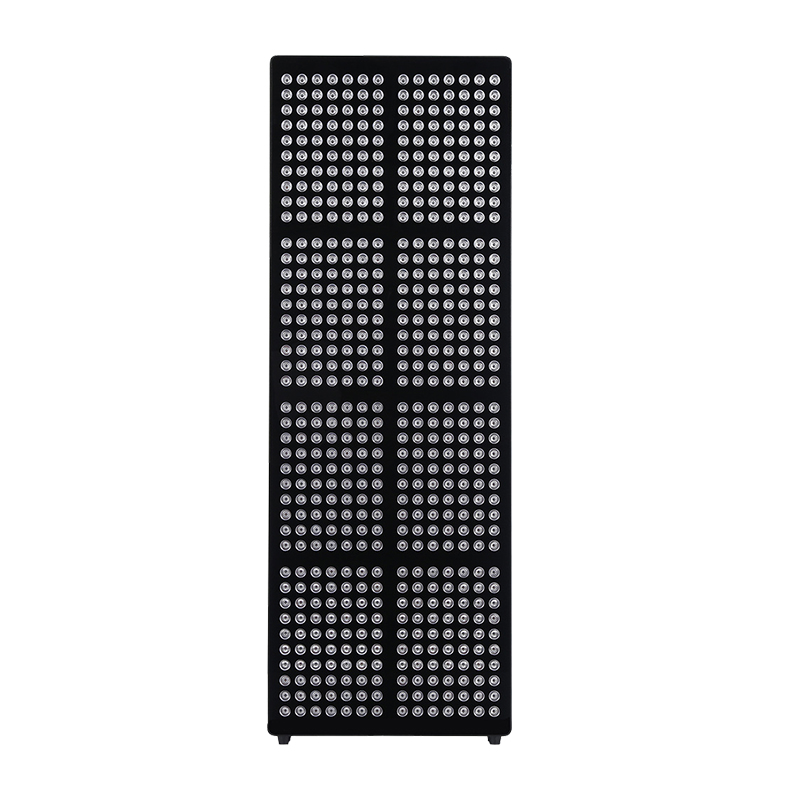
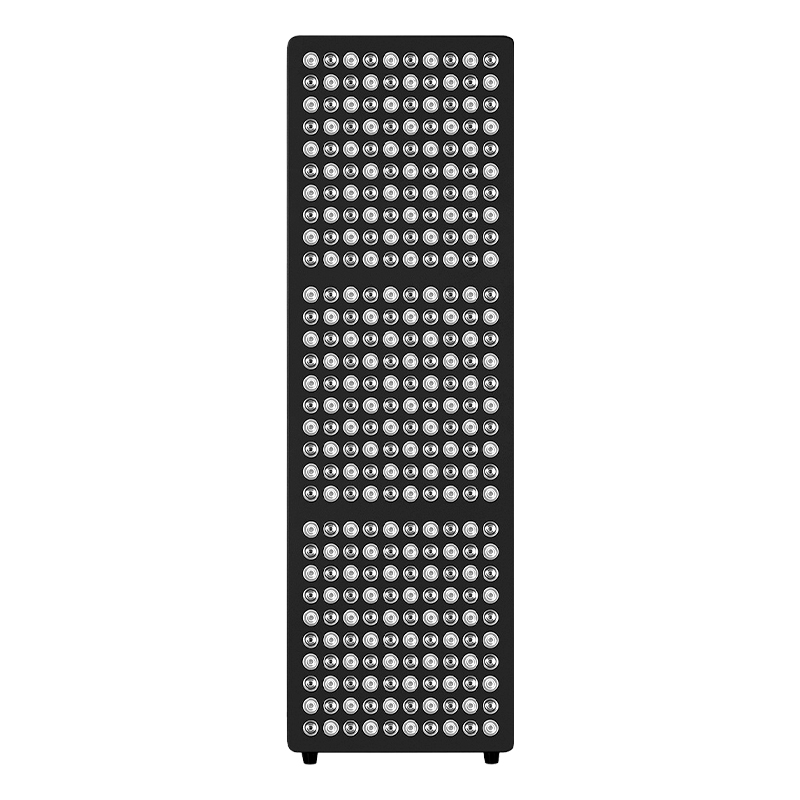
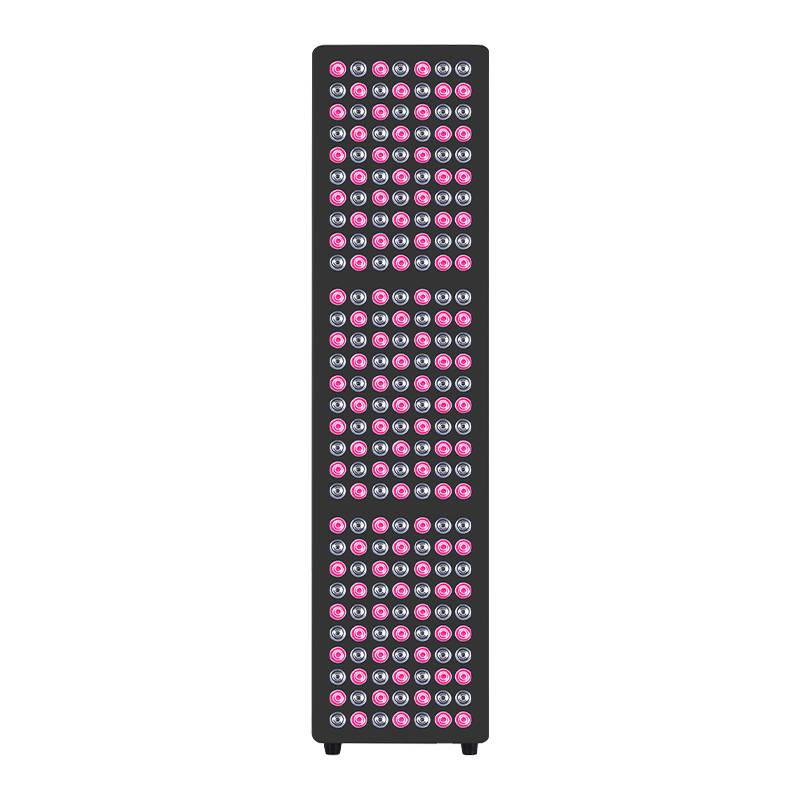
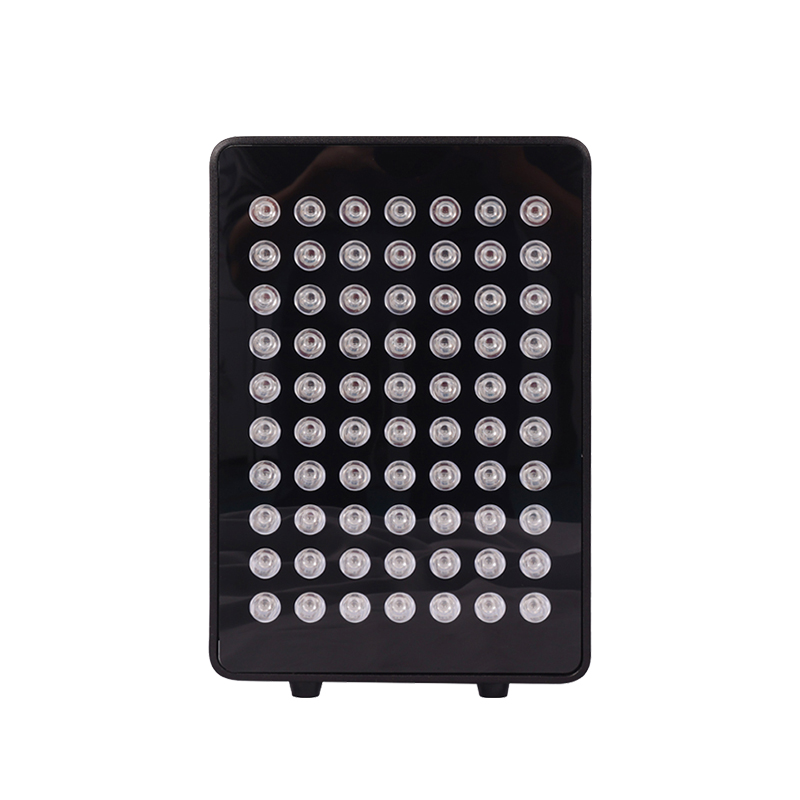
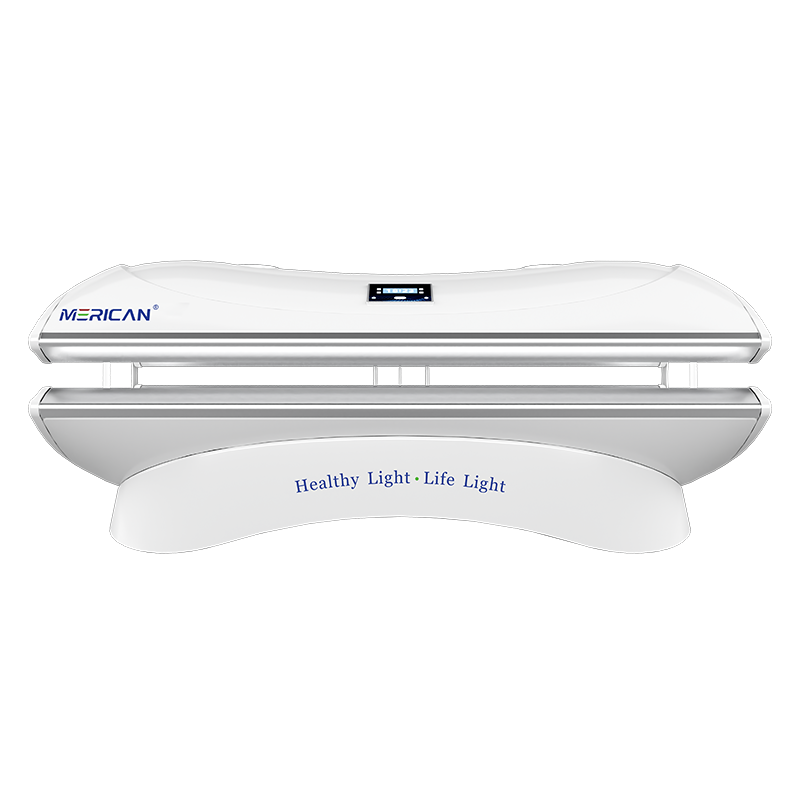
Nuair a roghnaíonn tú gléas teiripe solas dearg, tá ceann de na sonraíochtaí is mearbhall agus is tábhachtaí ionradaíocht. Fógraíonn go leor táirgí leibhéil chumhachta an-ard, ach ní bhíonn níos mó i gcónaí níos fearr.
Mar sin, cad is irradiance maith le haghaidh teiripe solas dearg, agus cé mhéad atá uait i ndáiríre le haghaidh torthaí sábháilte agus éifeachtacha?
Cad is Ionradaíocht i dTeiripe Solais Dheirg?
Ionradaíocht tagraíonn sé don mhéid cumhachta solais a sheachadtar chuig an gcomhlacht in aghaidh an limistéir aonaid agus déantar é a thomhas de ghnáth i:
mW/cm² (milliwatts in aghaidh an ceintiméadar cearnach)
I dtéarmaí simplí, insíonn ionradaíocht duit cé chomh dian is atá an solas ag an dromchla cóireála.
Ionradaíocht ≠ wattage gléas iomlán
Is é an rud is tábhachtaí ná cé mhéad solas a shroicheann do chraiceann.
Cén Fáth Tá tábhacht le hIrradiance
Bíonn tionchar díreach ag ionradaíocht:
- Éifeachtúlacht cóireála
- Fad an tseisiúin
- Sábháilteacht agus compord
- Riosca faoi- nó ró-nochtadh
Leanann teiripe solas dearg a freagra dáileog biphasic, brí:
- Ró-bheagán solais = torthaí íosta
- An iomarca éadrom = éifeachtacht laghdaithe nó greannú
Cad a Mheastar mar Ionradaíocht “Mhaith” le haghaidh Teiripe Solais Dheirg?
Tugann formhór taighde agus úsáid chliniciúil na nithe seo a leanas le fios raonta ionradaíochta éifeachtach:
🔴 Ionradaíocht Molta Ginearálta
| Iarratas | Raon Irradiance Éifeachtach |
|---|---|
| Craiceann & cóireálacha aghaidhe | 10–50 mW/cm² |
| Aisghabháil muscle & hailt | 20–100 mW/cm² |
| Fíochán domhain & cóireálacha coirp | 50–150 mW/cm² |
| Cliniciúil / úsáid ghairmiúil | suas le ~200 mW/cm² |
👉 I gcás fhormhór na n-iarratas baile agus folláine, 30Tá –100 mW/cm² iontach.
An Ciallóidh Ionradaíocht Níos Airde Torthaí Níos Fearr?
Ní gá.
Ionradaíocht thar a bheith ard (300–1000+ mW/cm²):
- D'fhéadfadh míchompord nó róthéamh a chur faoi deara
- Is féidir leis na sochair theiripeacha de bharr ródháileog a laghdú
- Go minic éilíonn amanna cóireála i bhfad níos giorra
- Ní thacaíonn an chuid is mó de thaighde photobiomodulation leis
Comhsheasmhacht agus ábhar dosage ceart níos mó ná cumhacht amh.
Ionradaíocht vs Dáileog Fuinnimh (J/cm²)
Oibríonn ionradaíocht mar aon le am cóireála chun an dáileog iomlán fuinnimh a chinneadh.
Fuinneamh (J/cm²) = ionradaíocht (W/cm²) × Am (soicind)
Treoirlínte maidir le Dáileog Fuinnimh Ghnáthúla
| Sprioc Cóireála | Dáileog Fuinnimh |
|---|---|
| Athnuachan craicinn | 3–10 J/cm² |
| Aisghabháil muscle | 10–30 J/cm² |
| Péine & athlasadh | 20–60 J/cm² |
A moderate irradiance with proper timing often delivers better results than high power with rushed sessions.
How Distance Affects Irradiance
Irradiance decreases as distance from the device increases.
- Close distance = higher intensity
- Greater distance = wider, gentler coverage
Professional red light therapy beds and panels are designed to:
- Deliver even irradiance
- Maintain effective intensity over larger areas
- Avoid hot spots and overexposure
Is There a Safe Upper Limit?
While red light therapy is considered safe, many experts recommend:
- Staying below 200 mW/cm² at the skin for routine use
- Avoiding prolonged sessions at very high irradiance
- Following manufacturer and clinical guidelines
Medical-grade devices focus on controlled, consistent output, not extreme peak power.
How to Choose the Right Irradiance Level
Ask these questions:
- Is irradiance measured at the skin, not at the LEDs?
- Is the output uniform across the treatment area?
- Is the recommended usage supported by research?
- Can treatment time be adjusted easily?
High-quality systems prioritize accurate dosing, not marketing numbers.
Smaointe Deiridh
A good irradiance for red light therapy is one that:
- Falls within scientifically supported ranges
- Matches your treatment goal
- Allows consistent, comfortable use
- Delivers the correct energy dose over time
For most users, 30–100 mW/cm² provides an excellent balance of safety, éifeachtacht, and usability.