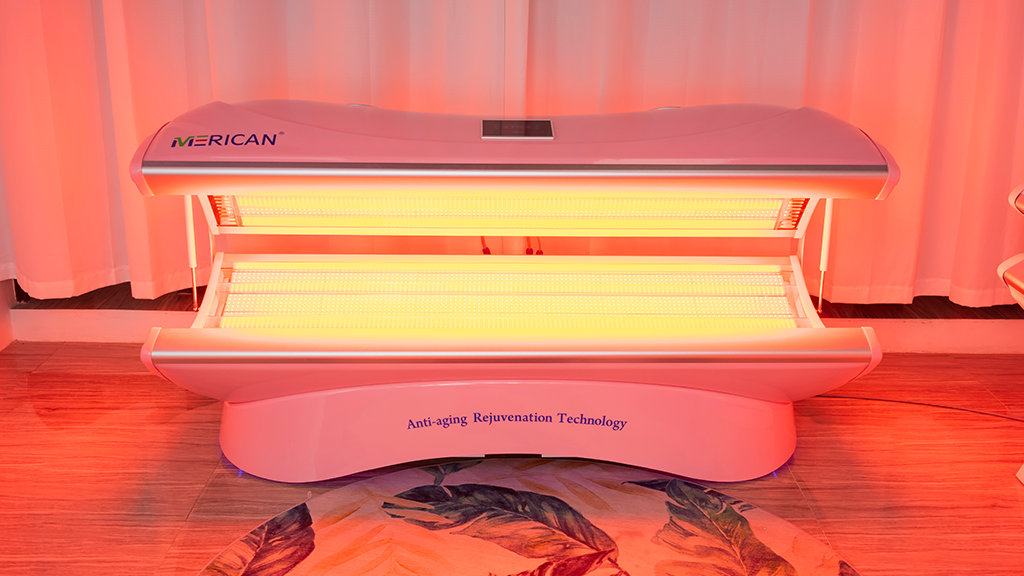
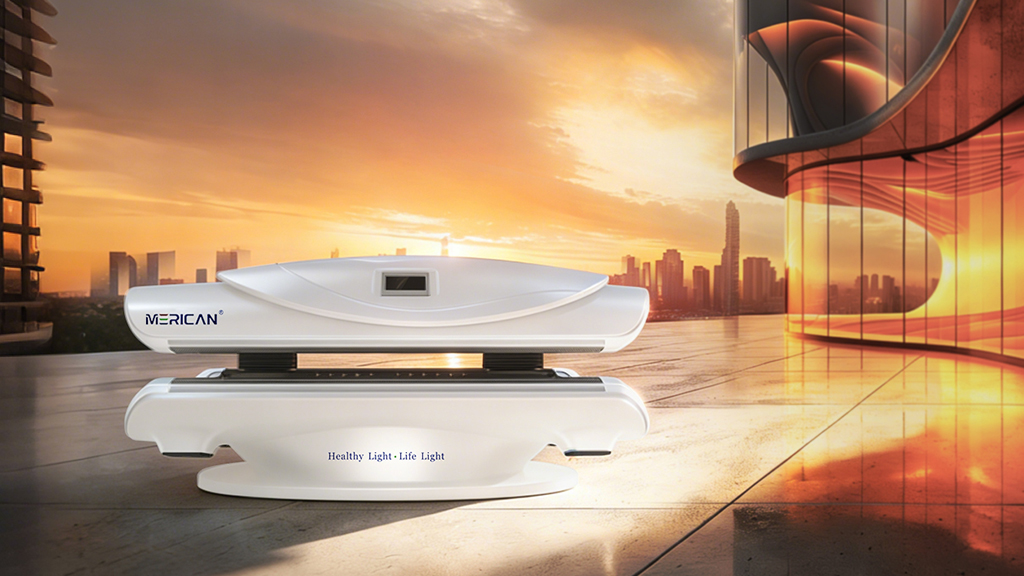
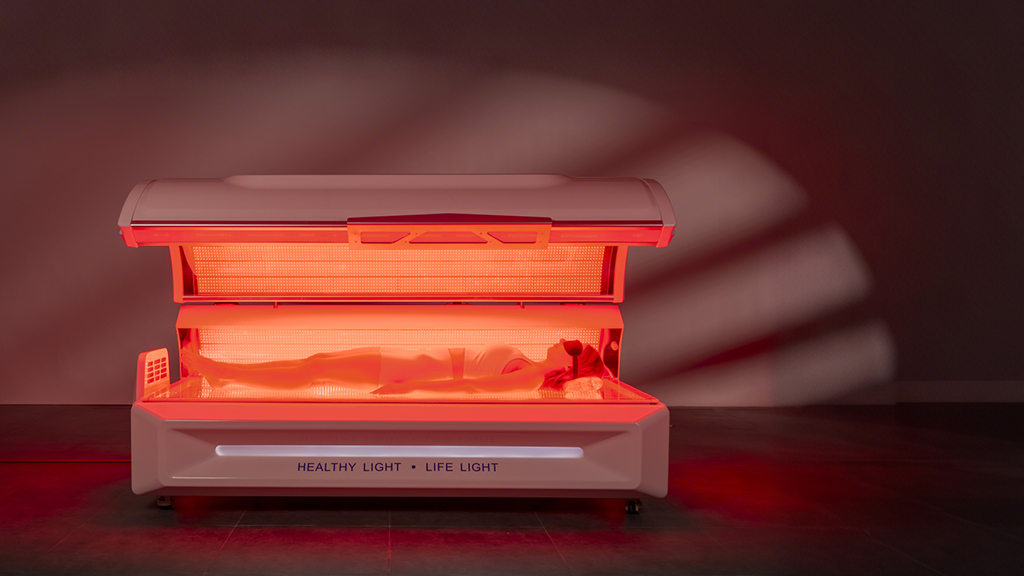
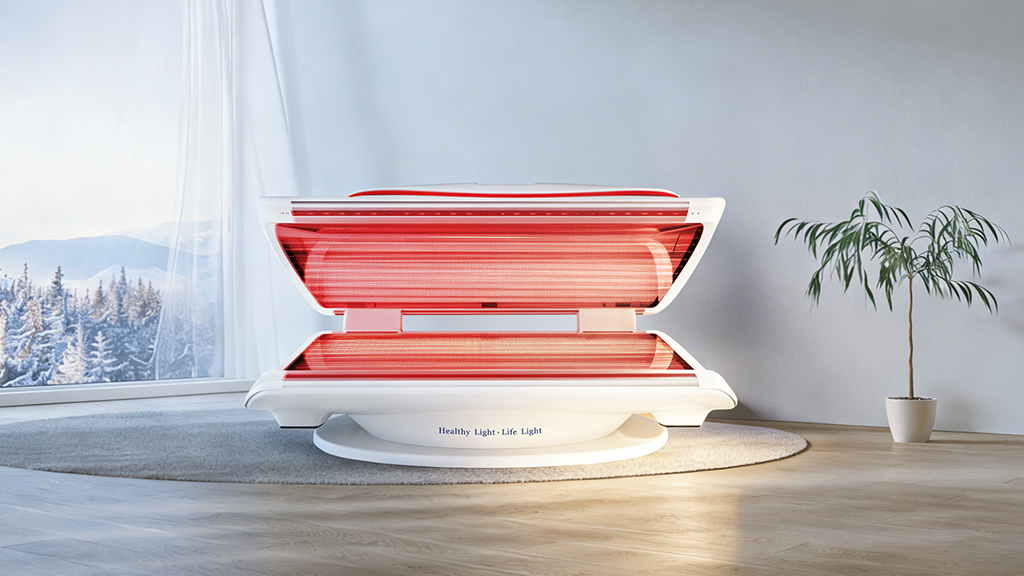
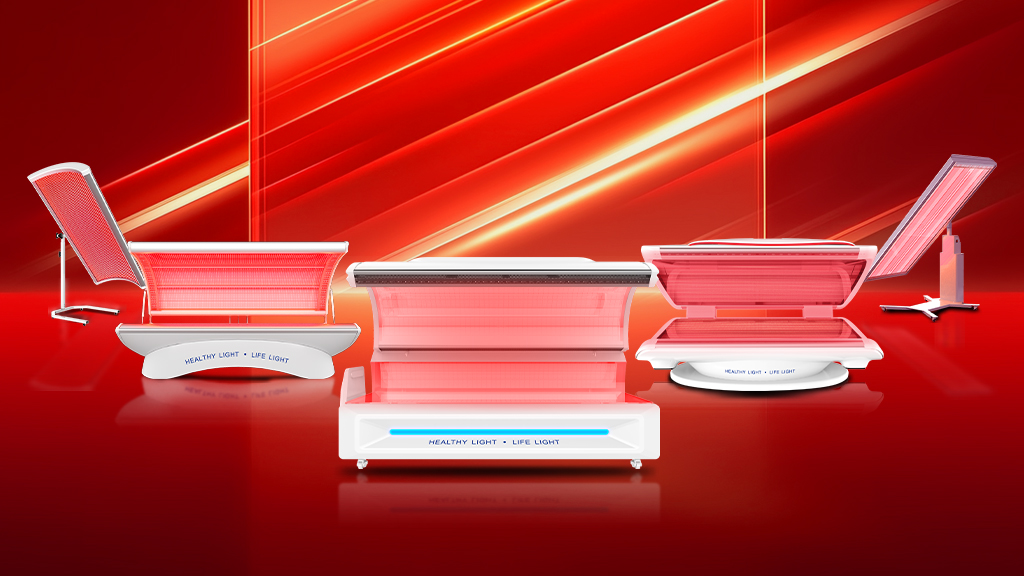
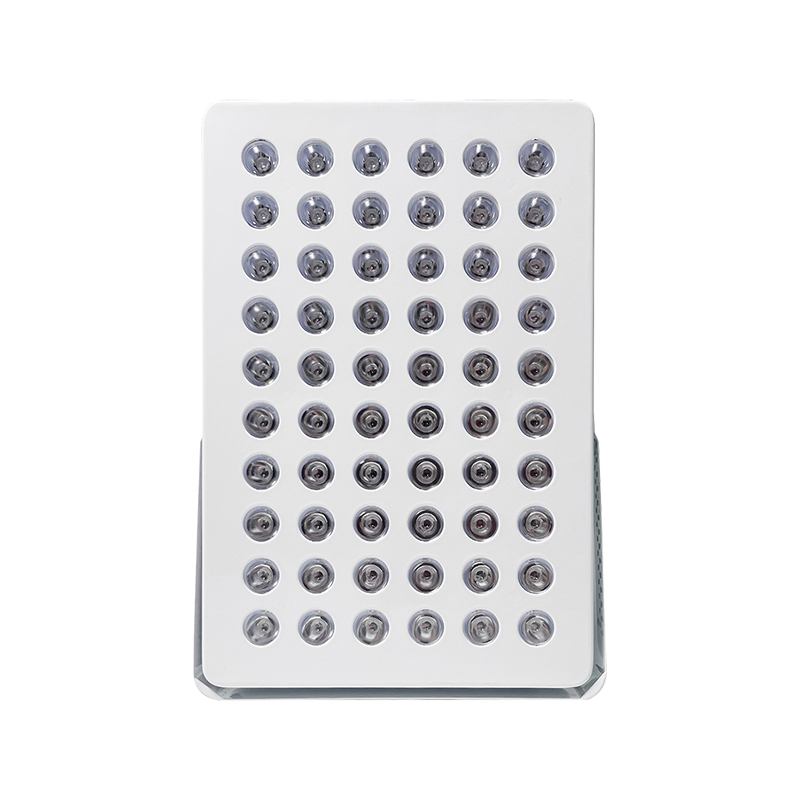
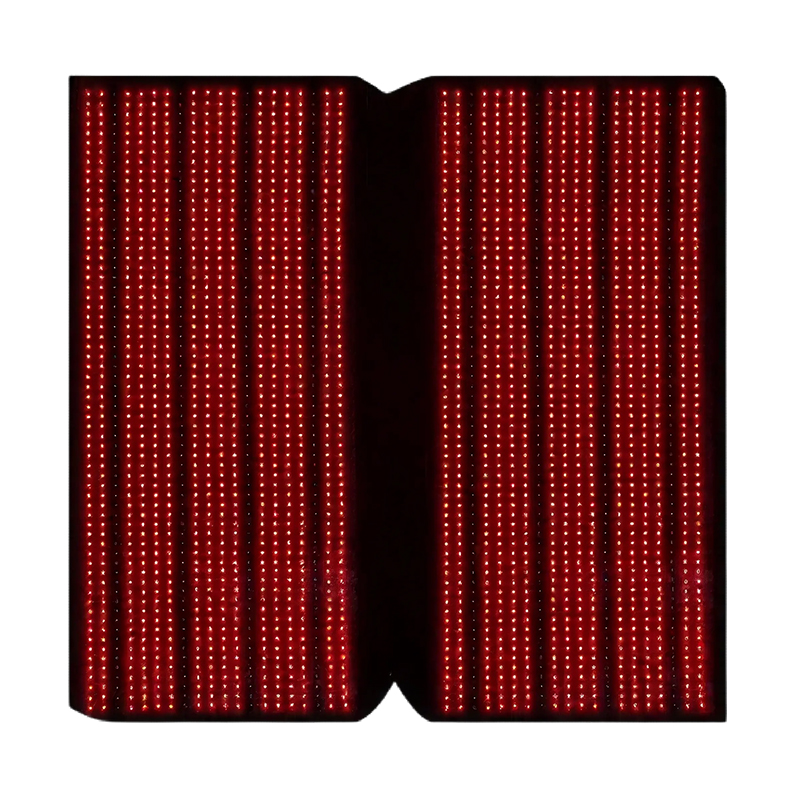
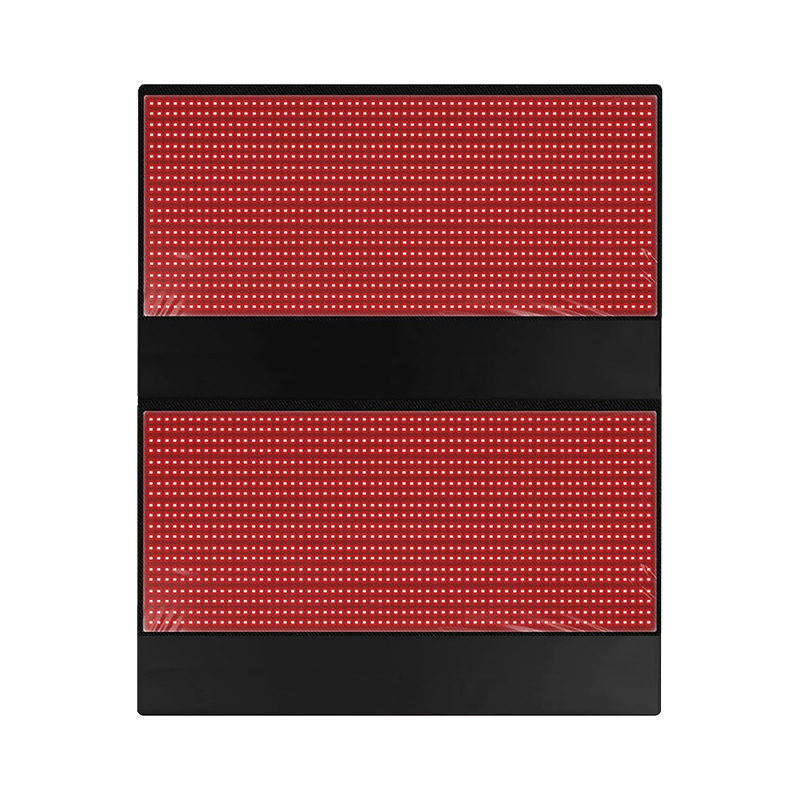
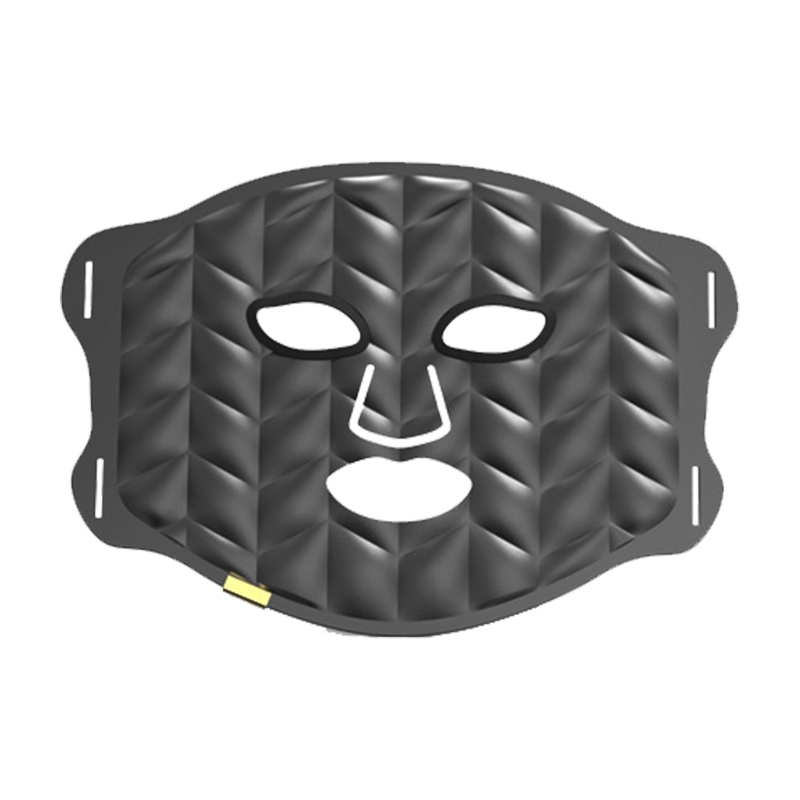
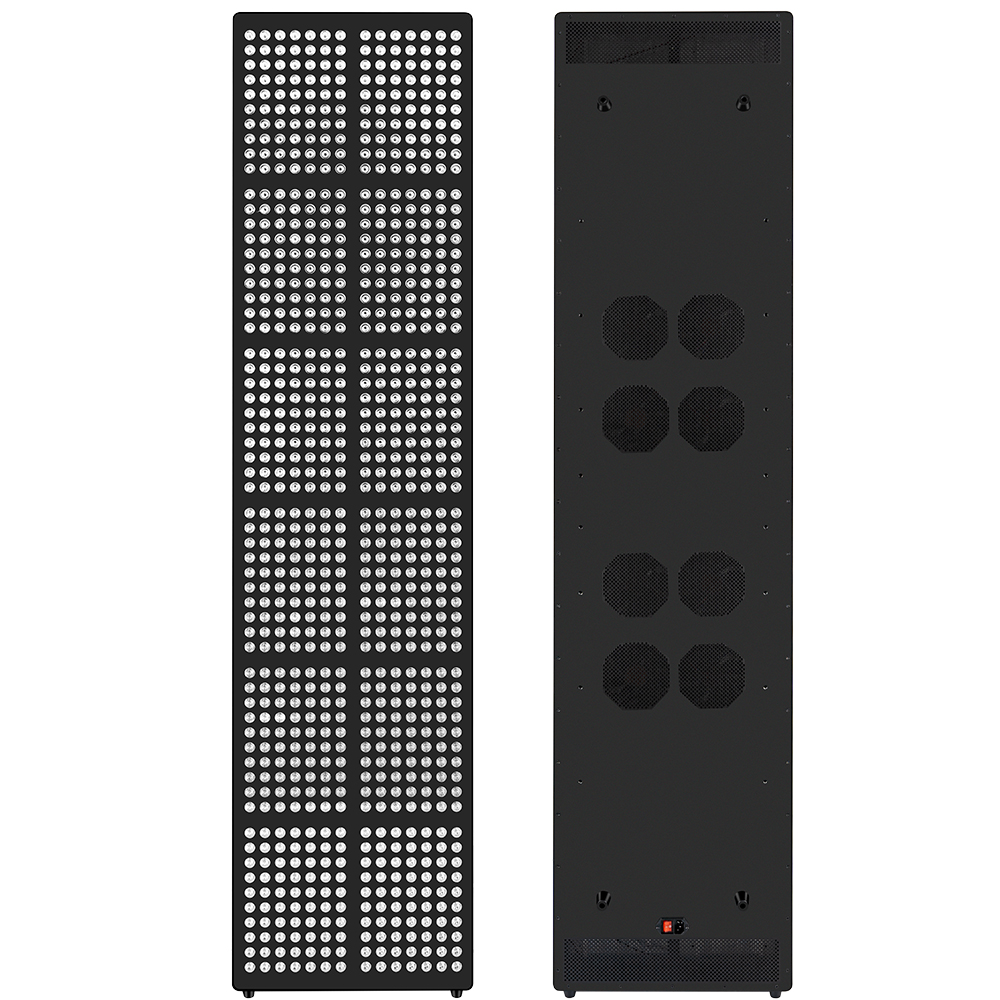
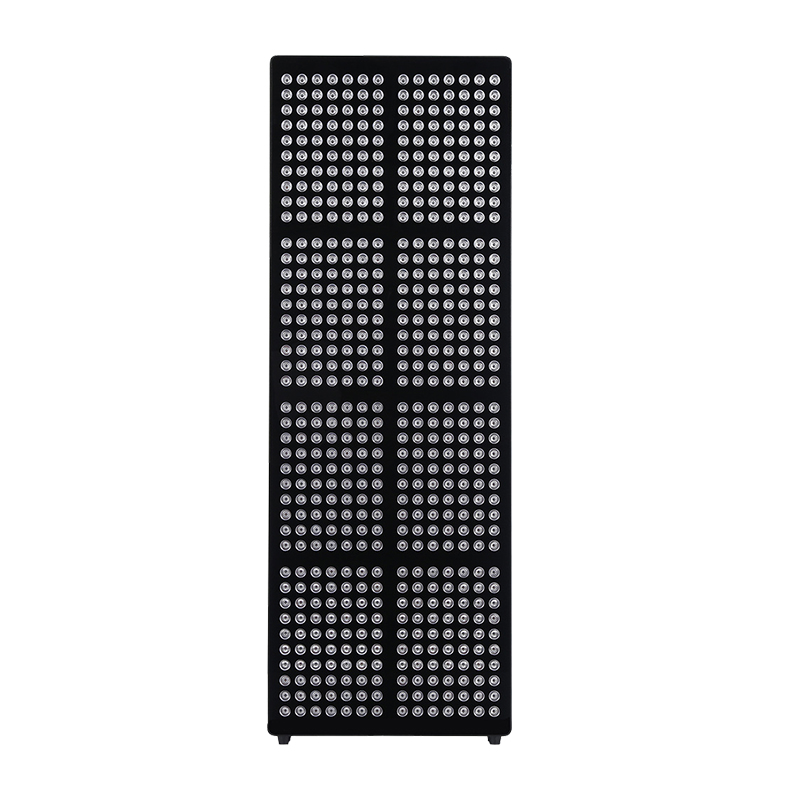
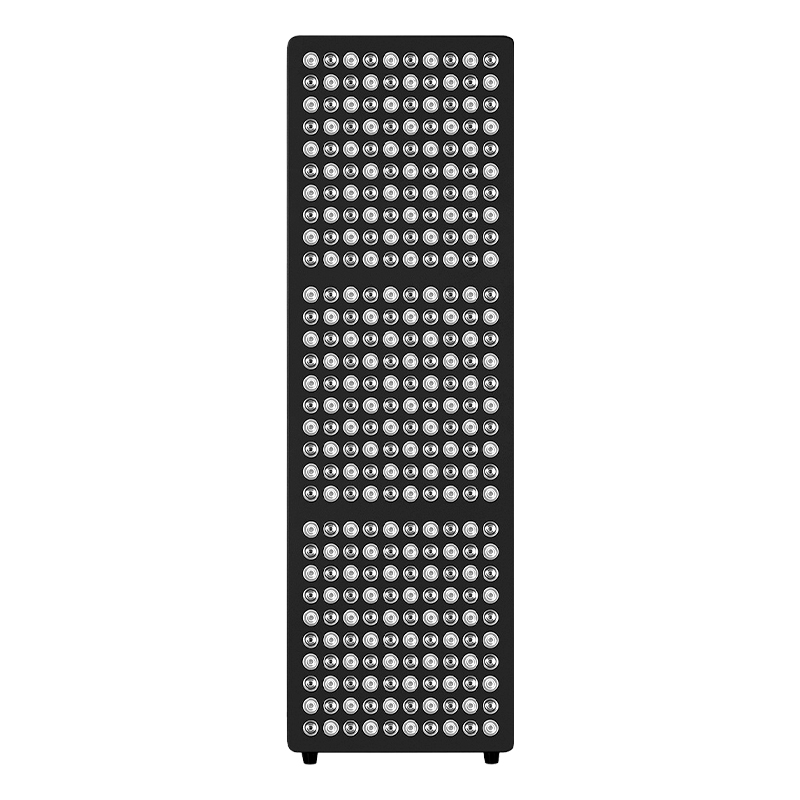
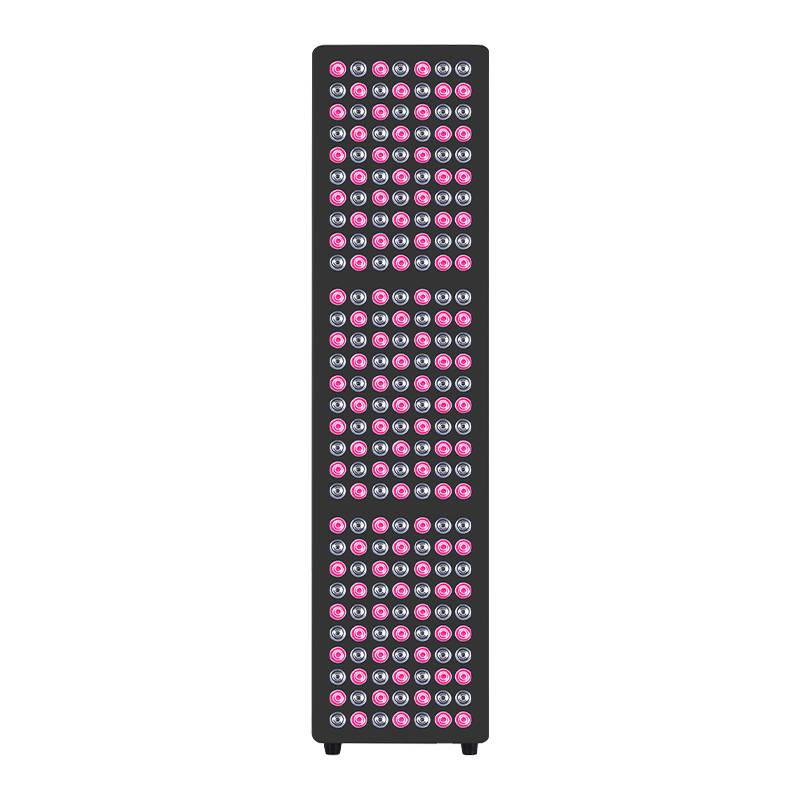
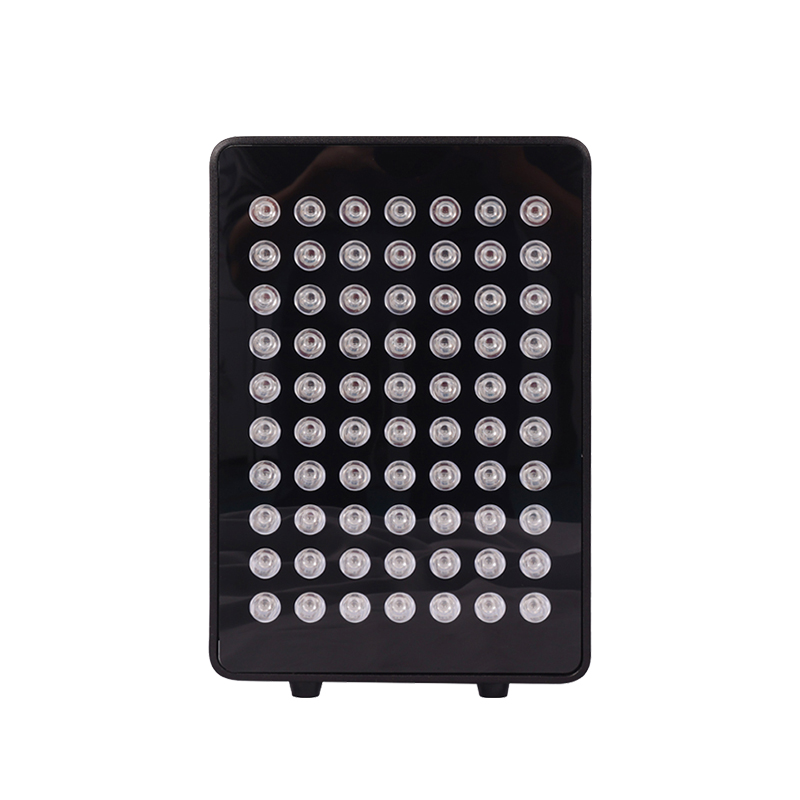
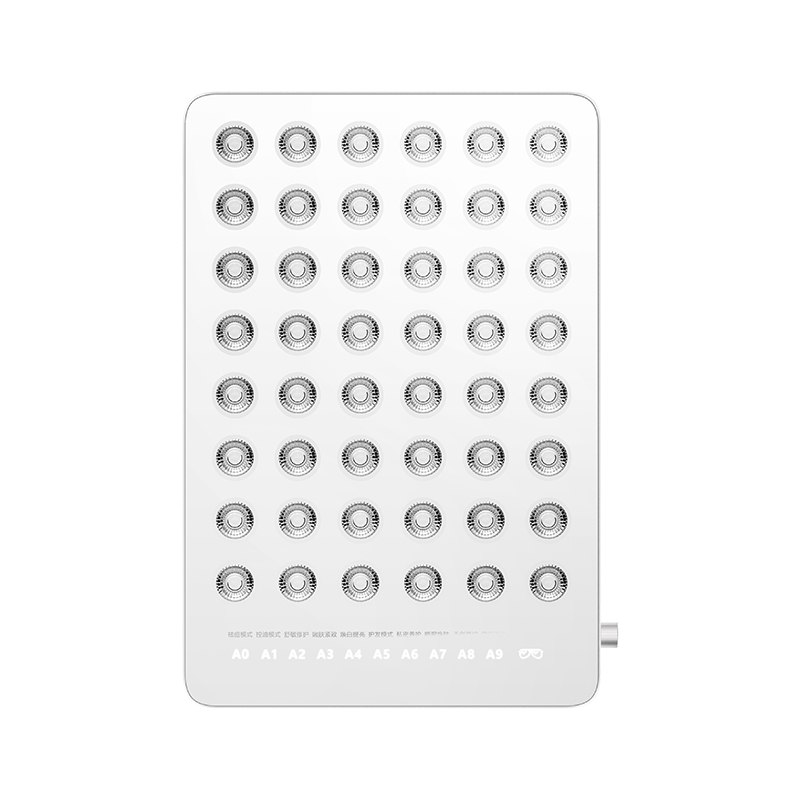
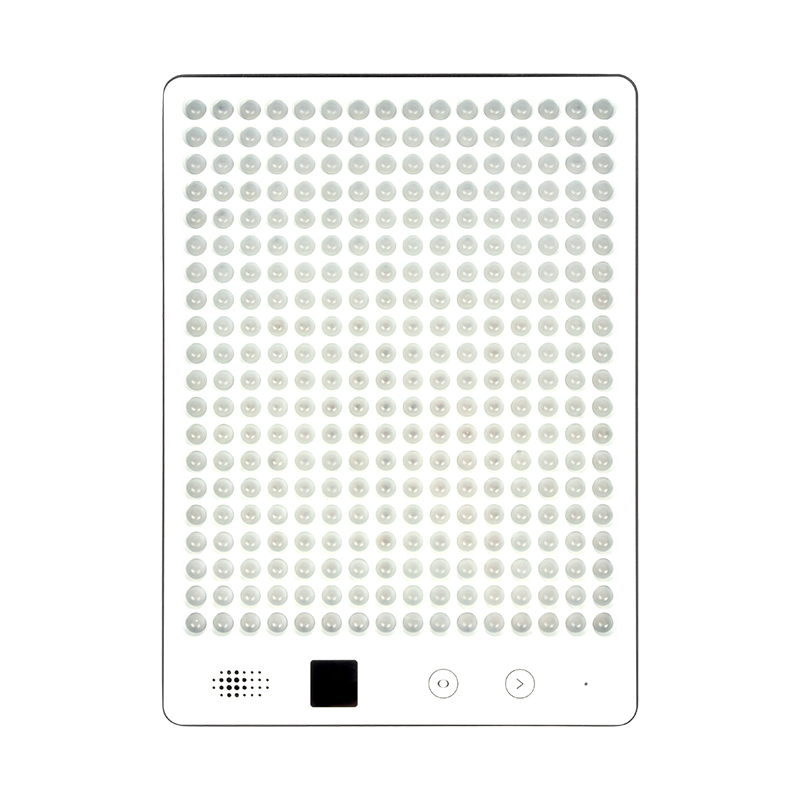
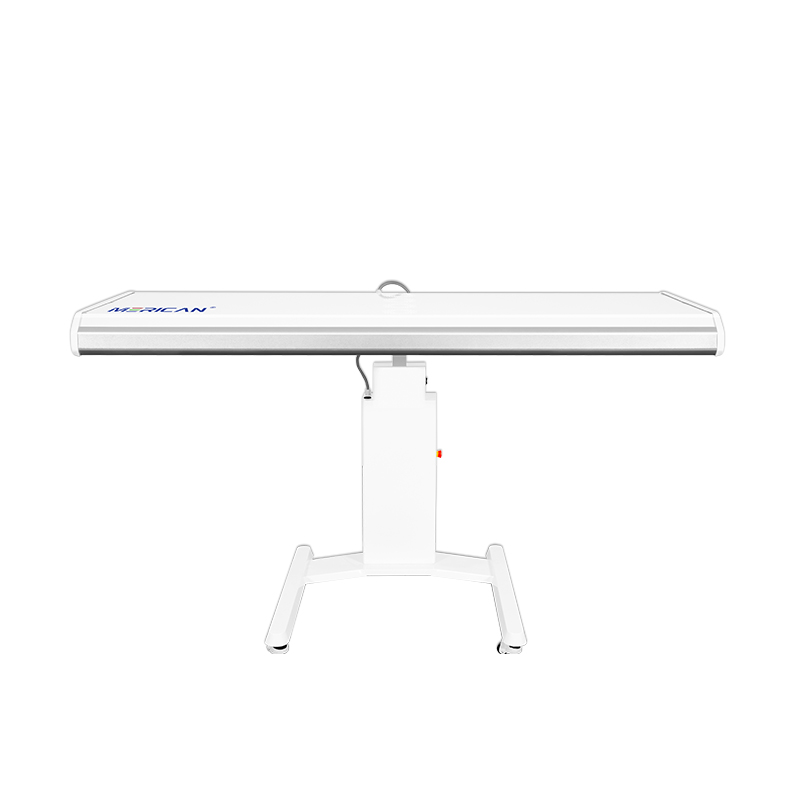
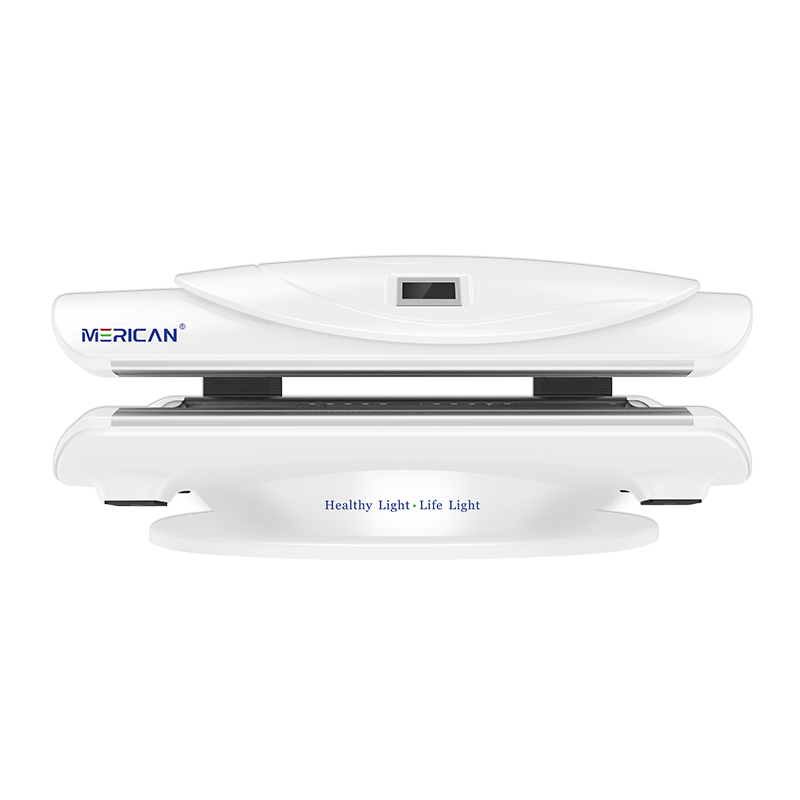
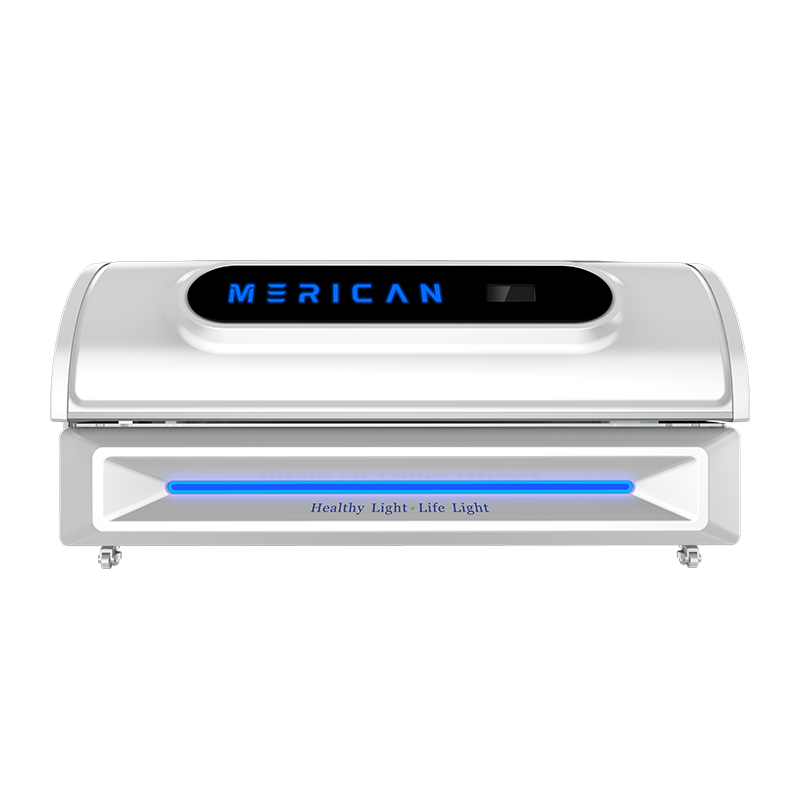
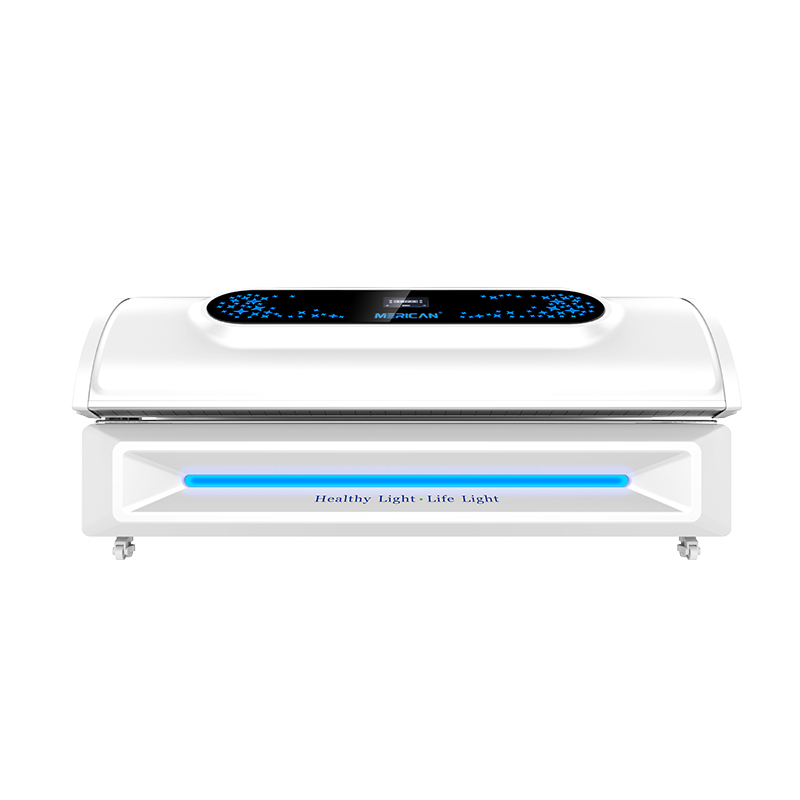
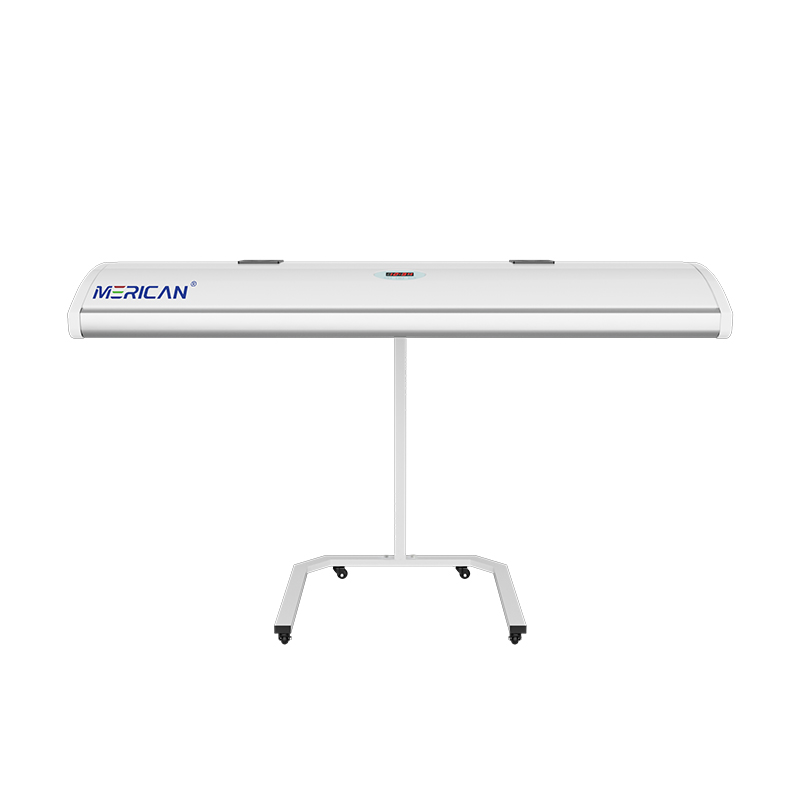
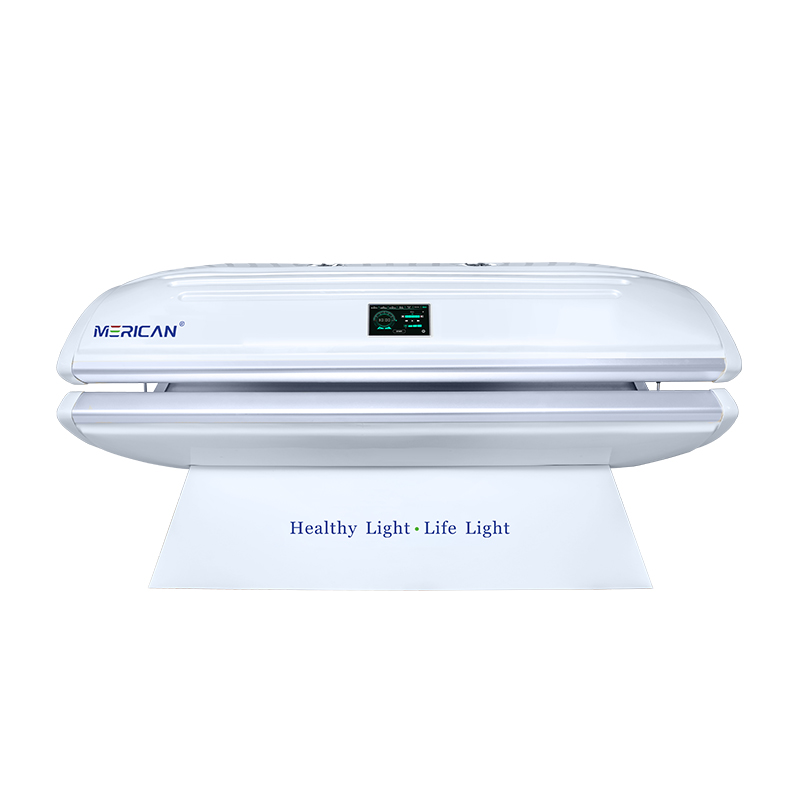
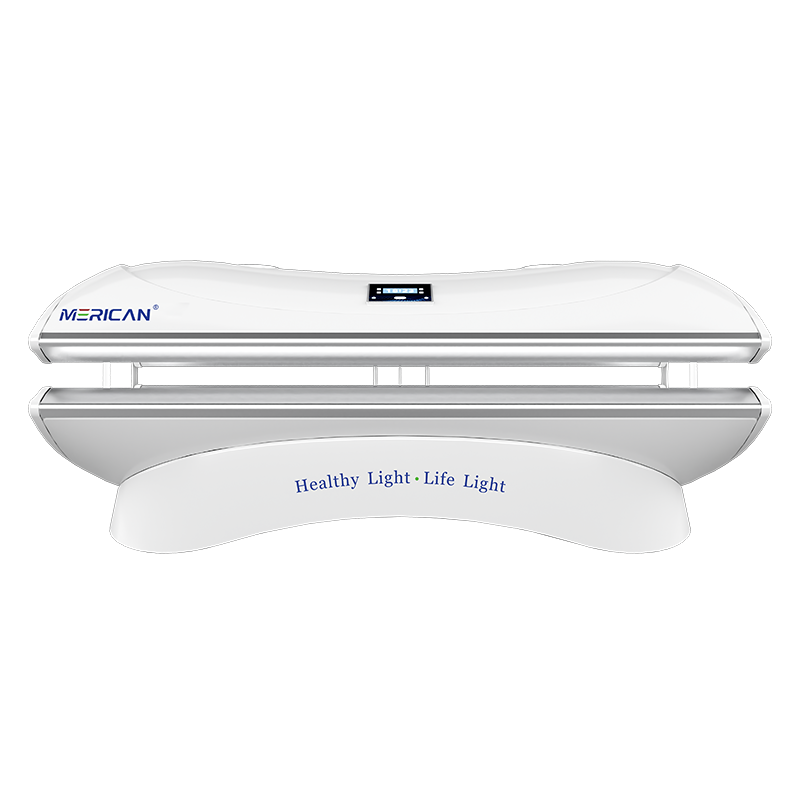
Vörös fény terápia (RLT), más néven fotobiomoduláció, egy non-invazív megközelítés, amelyet használ specifikus vörös és közeli infravörös hullámhosszok a természetes biológiai folyamatok támogatására. Az alábbiakban a leggyakrabban tárgyalt előnyök strukturált áttekintése található, jelenlegi kutatások és klinikai felhasználás alapján.
1. Sejtenergia és mitokondriális támogatás
Vörös és közeli infravörös fény lehet:
- Stimulálja a mitokondriális aktivitást
- Támogassa az ATP-t (sejtenergia) termelés
- Növelje a sejtek hatékonyságát
Ez az alapozó hatás segít megmagyarázni számos downstream előnyt.
2. A bőr egészsége és megjelenése
Az egyik legszélesebb körben elismert jótékony hatás a bőrre vonatkozik:
- Javított bőrtónus és textúra
- A kollagén és elasztin termelés támogatása
- A finom vonalak megjelenésének csökkentése
- Seb- és heggyógyulás támogatása
Ezek a hatások jellemzően a 630-660 nm vörös fény.
3. Izom-helyreállítás és fizikai teljesítmény
Közeli infravörös hullámhosszok (általában ~850 nm) gyakran használják:
- Edzés utáni helyreállítás
- Az izomfájdalom átmeneti enyhítése
- A szövetek helyreállításának és keringésének támogatása
A sportolók és a fizikoterápiás klinikák gyakran beépítik a vörös fényterápiát a felépülési rutinokba.
4. Ízületi és lágyszöveti komfort
A vörös fényterápia segíthet:
- Támogatja az ízületek rugalmasságát
- Csökkentse a merevséget a tevékenység után
- Elősegíti a kényelemérzetet a kötőszövetekben
Ez az alkalmazás a mélyebb szövetbehatolás előnyeit élvezi.
5. Keringés és oxigén hasznosítás
Fény expozíció lehet:
- Elősegíti a mikrokeringést
- Javítja az oxigénszállítást sejtszinten
- Támogassa az anyagcsere egyensúlyát
A jobb keringés hozzájárul a gyógyuláshoz és a bőr egészségéhez.
6. Gyulladás moduláció
A gyulladás „blokkolása” helyett, a vörös fényterápia segíthet:
- Támogatja az egészséges gyulladásos reakciókat
- Elősegíti a gyorsabb megoldást stressz vagy sérülés után
Ez kiegészítő eszközzé teszi a wellness és rehabilitációs környezetben.
7. Az alvás és a cirkadián ritmus támogatása
Néhány felhasználó arról számol be:
- Javított relaxáció
- Jobb alvásminőség, ha esti rutinokban használjuk
A kék fénnyel ellentétben, A vörös fény kevésbé zavarja a melatonintermelést.
Következtetés
A vörös fényterápia előnyei a bőr egészségére is kiterjednek, felépülés, keringés, és a sejtenergia támogatása. Sokoldalúsága abból fakad, hogy képes dolgozni sejtszint, több rendszer befolyásolása invazív beavatkozás nélkül.