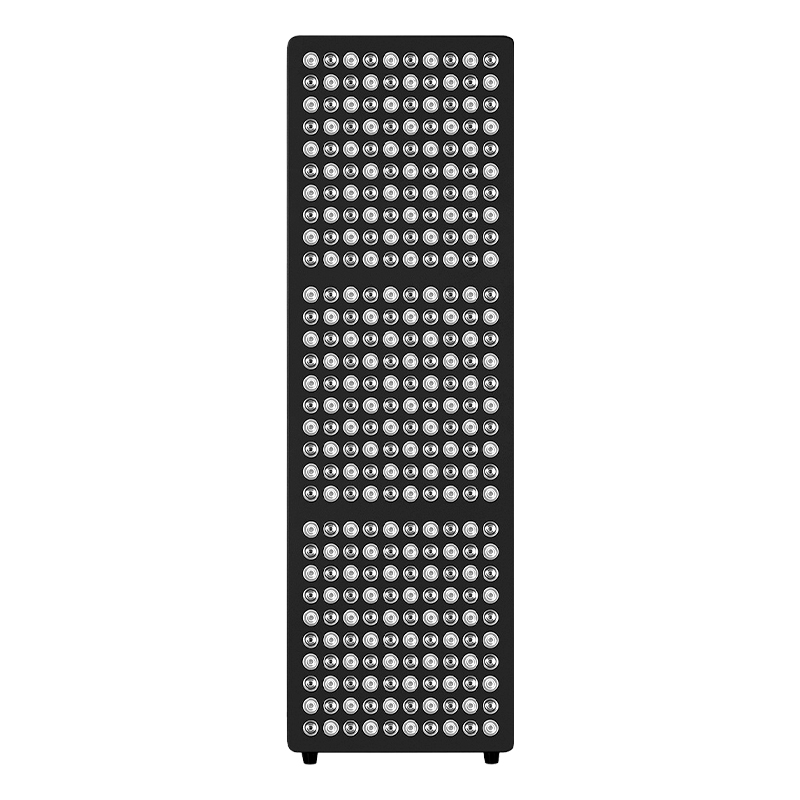
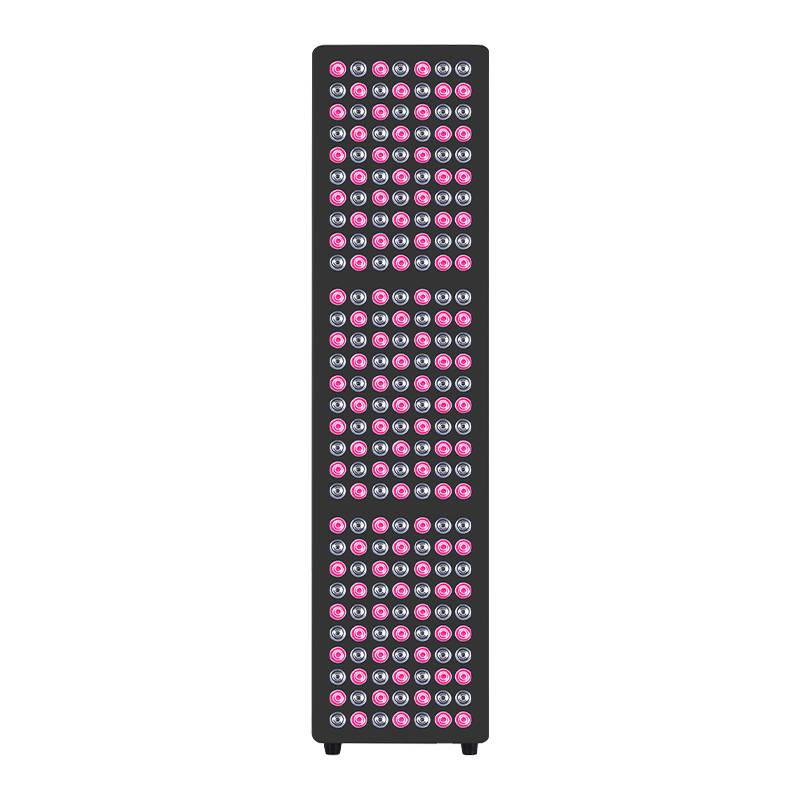
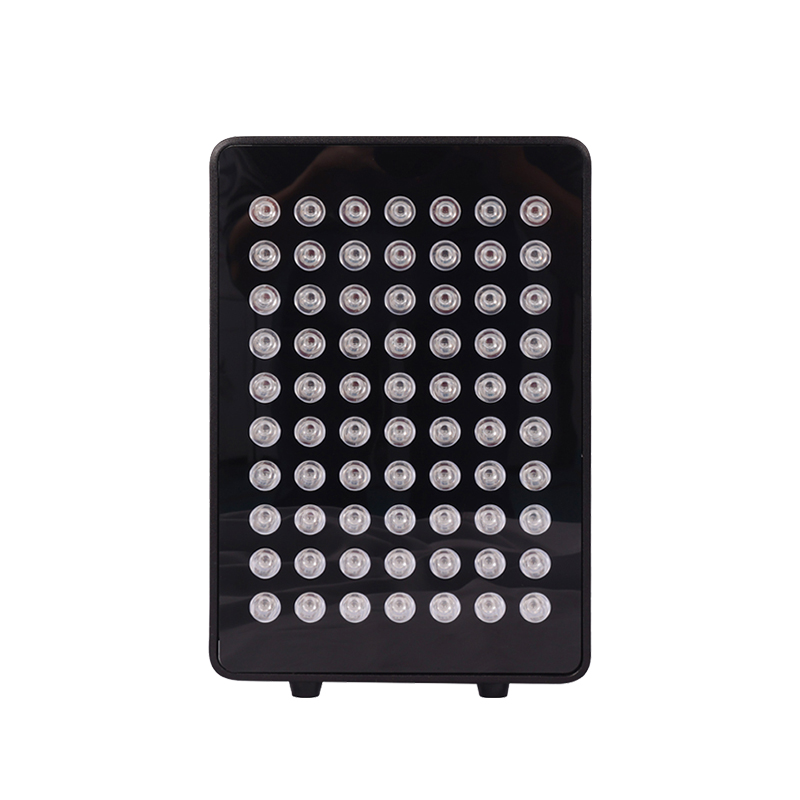
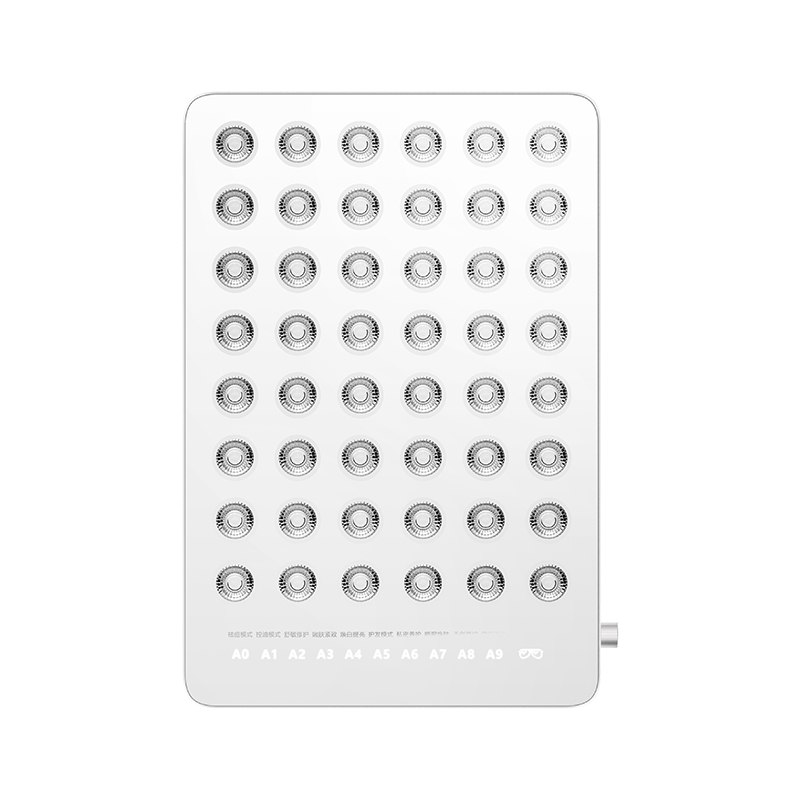
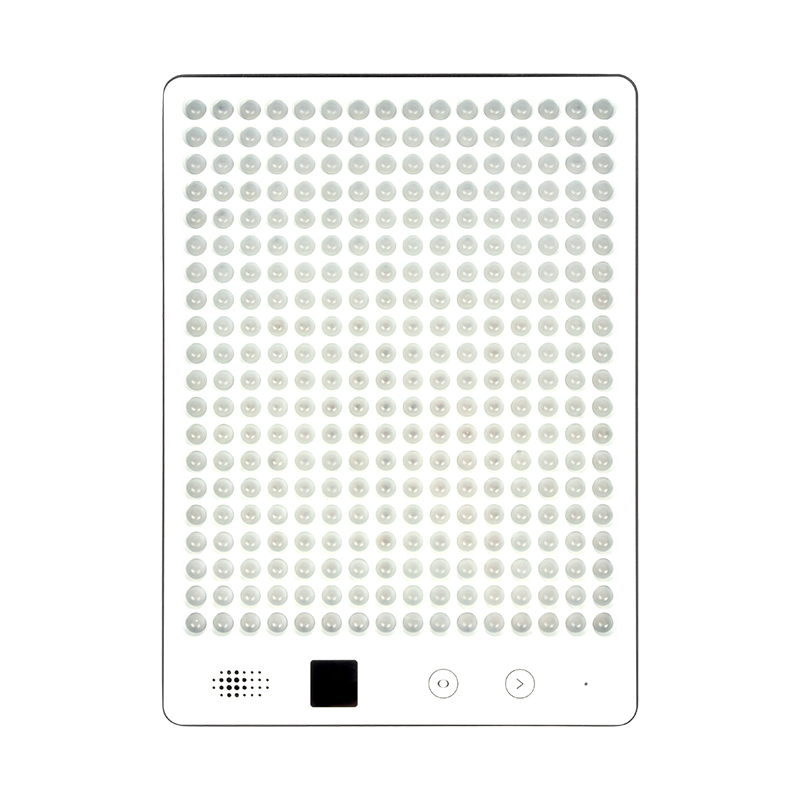
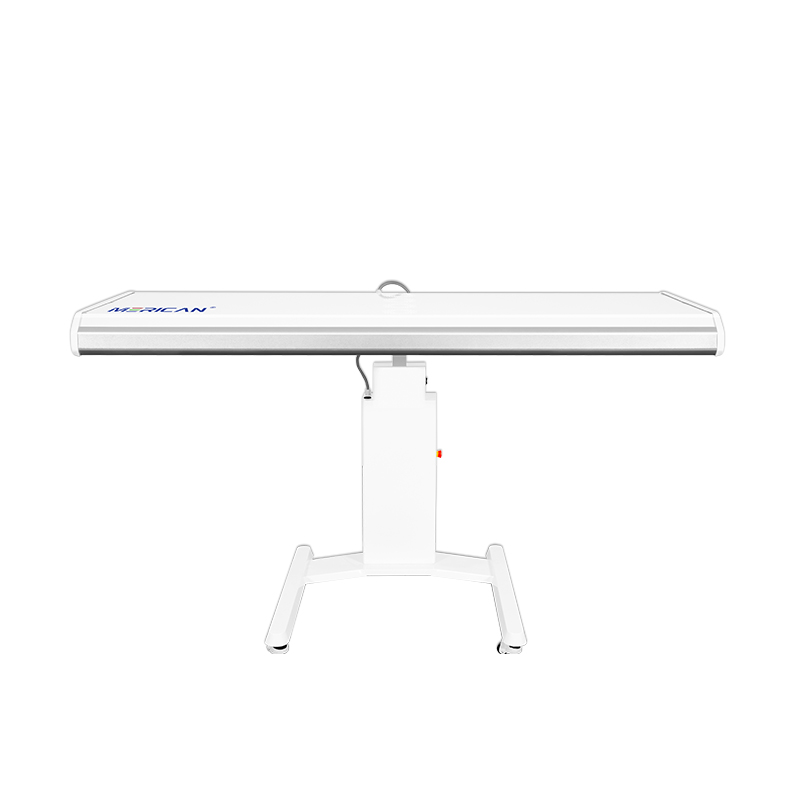
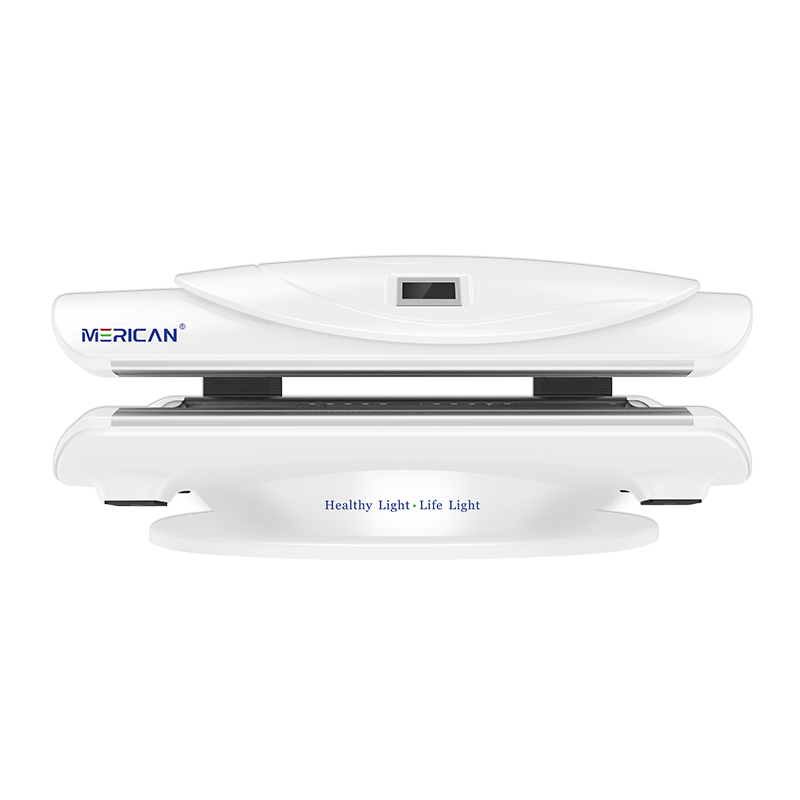
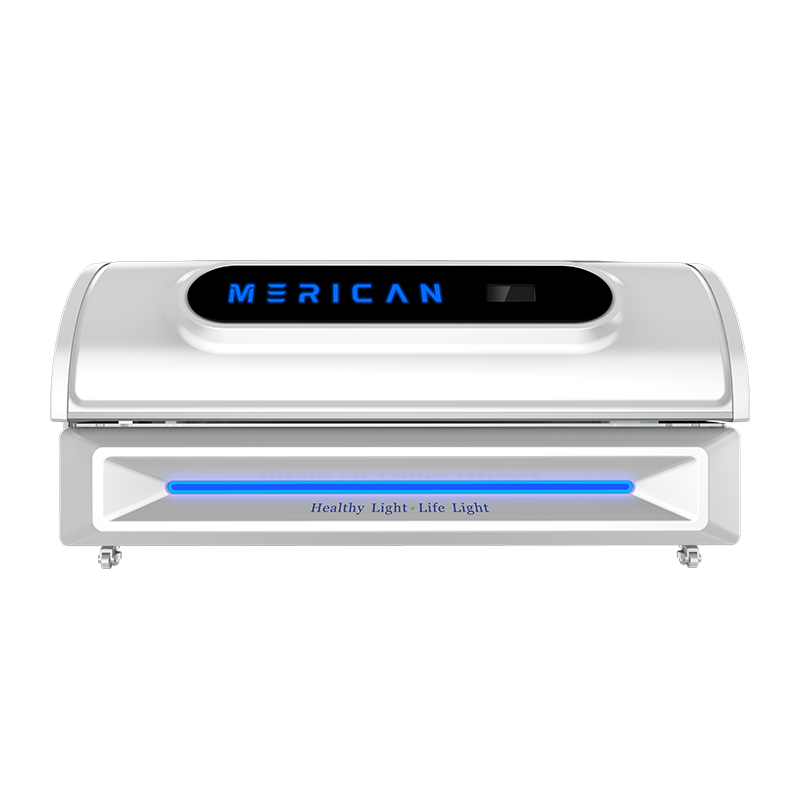
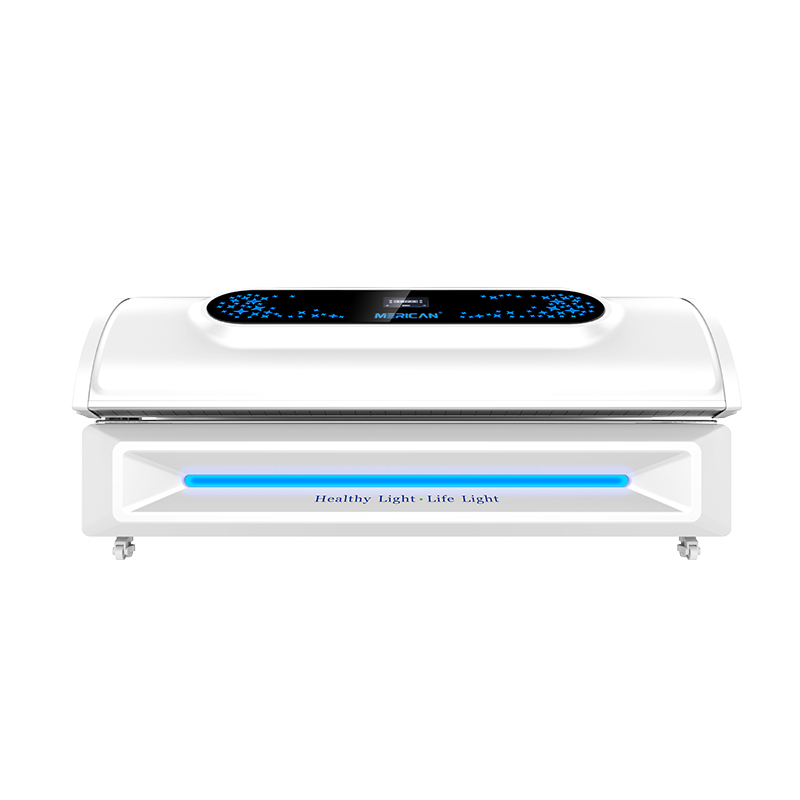
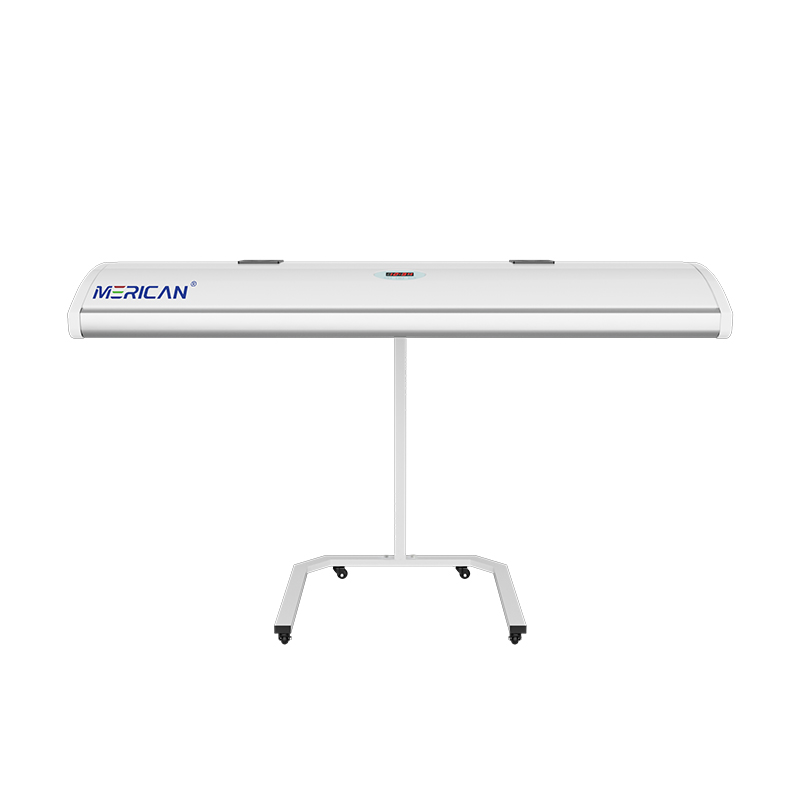
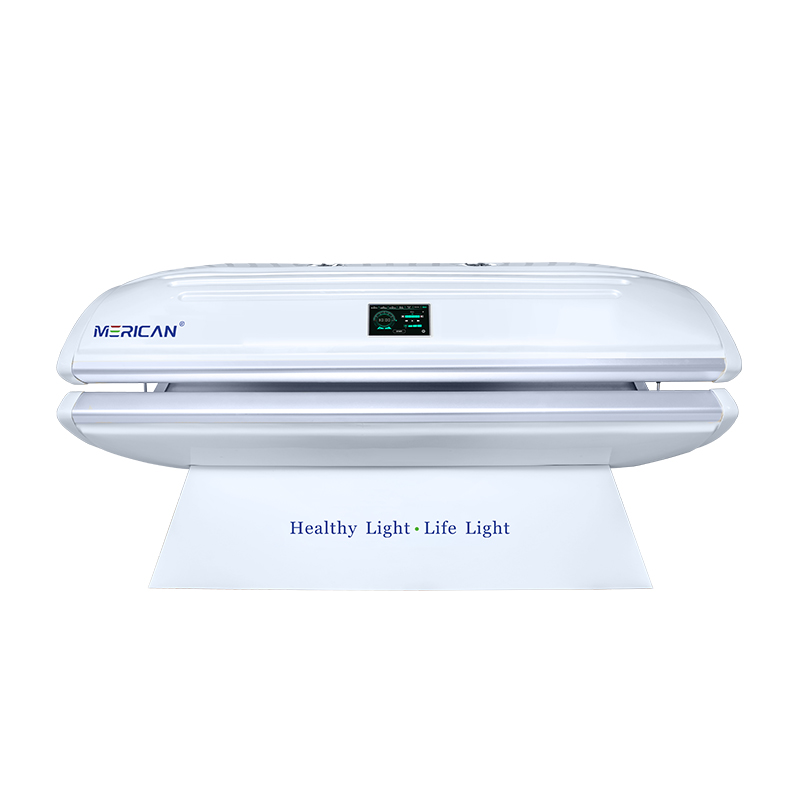
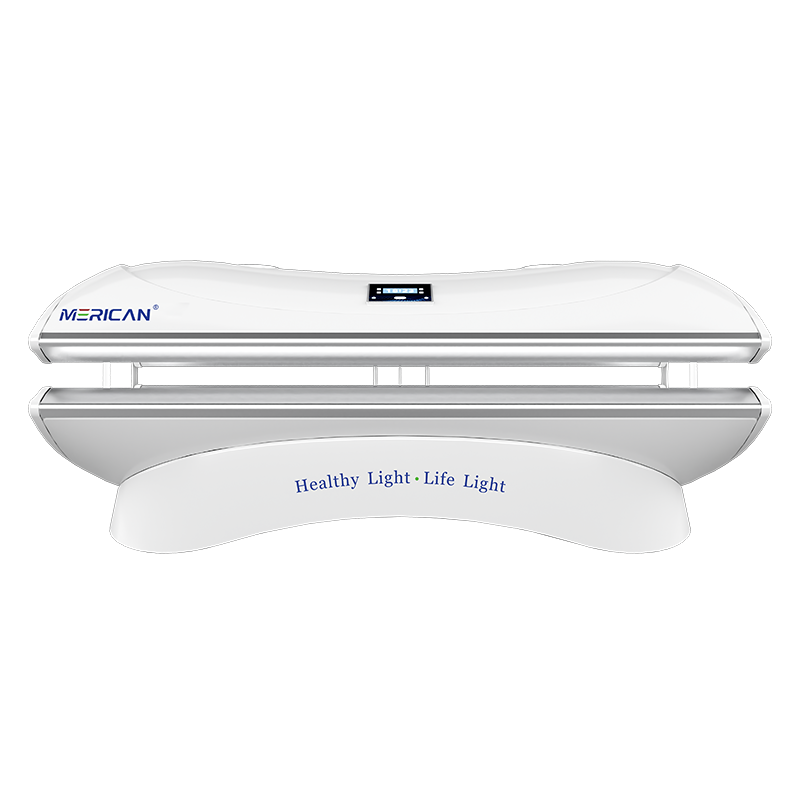
Az akne egy gyakori bőrbetegség, amelyet gyulladás befolyásol, baktériumok, felesleges olajtermelés, és károsodott a bőr gyógyulása. Az utóbbi években, vörös fényterápia (RLT) támogatóként jelent meg, non-invazív bőrápoló technológia, amely durva kezelések nélkül segíthet javítani a pattanásos bőrt.
How Red Light Therapy Works on Acne-Prone Skin
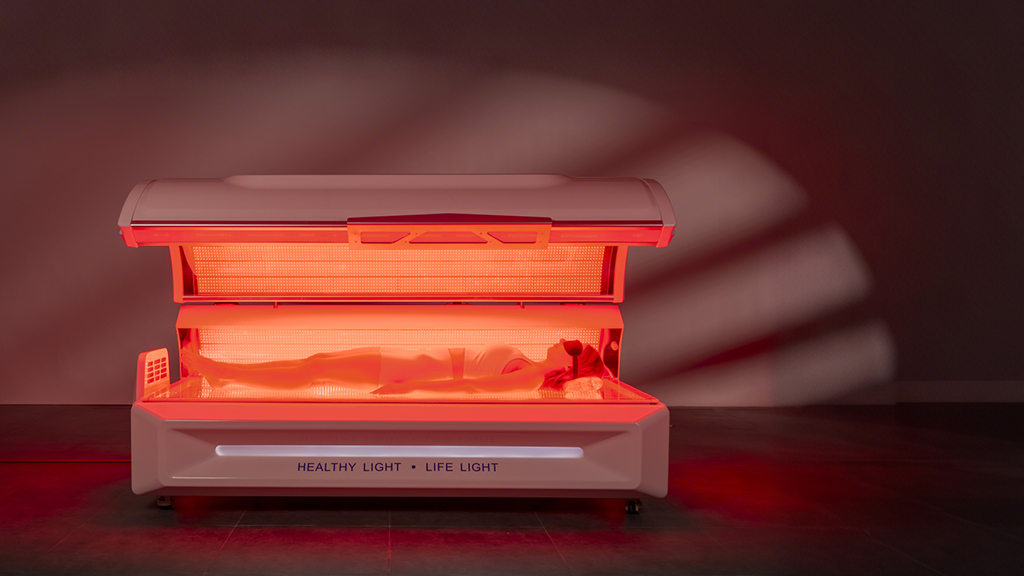
Red light therapy typically uses wavelengths around 630-660 nm, which penetrate the skin and stimulate cellular activity. Unlike blue light that targets acne-causing bacteria directly, red light primarily works by:
- Gyulladás csökkentése
- Supporting skin repair and regeneration
- A mikrokeringés javítása
These effects are especially relevant for inflammatory acne, such as papules, pustules, and post-acne redness.
Anti-Inflammatory Benefits
Inflammation plays a central role in acne development. Red light therapy may help calm irritated skin by:
- A gyulladásos válaszok modulálása
- Supporting healthy cytokine balance
- Reducing redness and swelling
This makes it particularly useful for individuals with sensitive or reactive skin who cannot tolerate aggressive acne treatments.
Supporting Skin Healing and Recovery
Red light therapy may also help:
- A bőrsejtek cseréjének felgyorsítása
- Támogatja a kollagéntermelést
- Improve skin barrier function
Ennek eredményeként, it may reduce the appearance of acne marks and support smoother, more even-looking skin over time.
Is Red Light Therapy Safe for Acne?
A vörös fényterápia általában biztonságosnak tekinthető, ha helyesen használják:
- Nincs UV sugárzás
- Nem invazív és fájdalommentes
- Suitable for long-term skincare routines
Viszont, it should be used as a supportive skincare method, not a substitute for medical acne treatments in severe cases.
Összegzés
Red light therapy addresses acne not by drying the skin, but by supporting inflammation control and skin regeneration. This skin-friendly approach makes it an attractive option for long-term acne management and post-breakout recovery.