Miért számít a világos szín a fényterápiában?
Nem minden fényterápia működik egyformán. A fény színe határozza meg, hogy milyen mélyen hatol be a testbe, és milyen biológiai választ vált ki.
Megértése a különbség a kék és a vörös fényterápia között segíthet elkerülni a nem hatékony vagy nem biztonságos kezeléseket.

Kék fényterápia: Legjobb az akne elleni küzdelemhez
Előnyök:
- Csökkenti az akne baktériumok számát
- Segít a pattanások szabályozásában
- A zsíros bőrt célozza meg
Korlátozások:
- Korlátozott behatolás
- Nem hatékony a ráncok és a fájdalom ellen
- Túlhasználat esetén kiszáradást okozhat
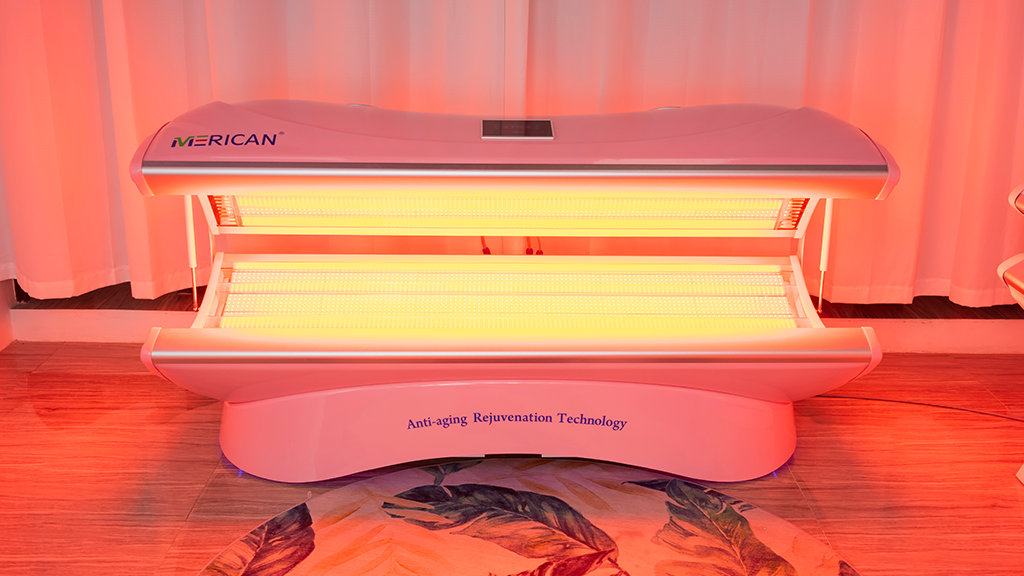
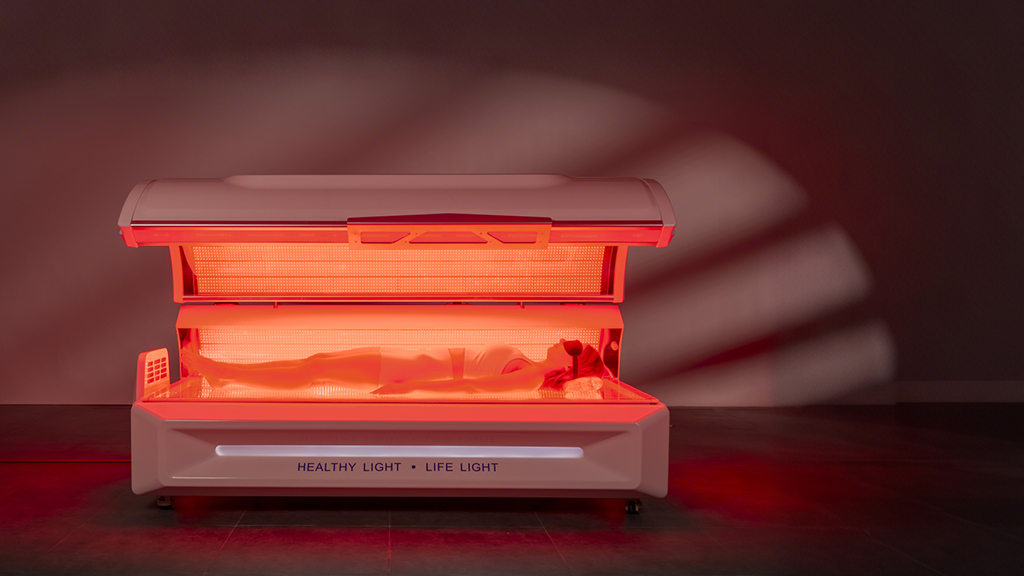
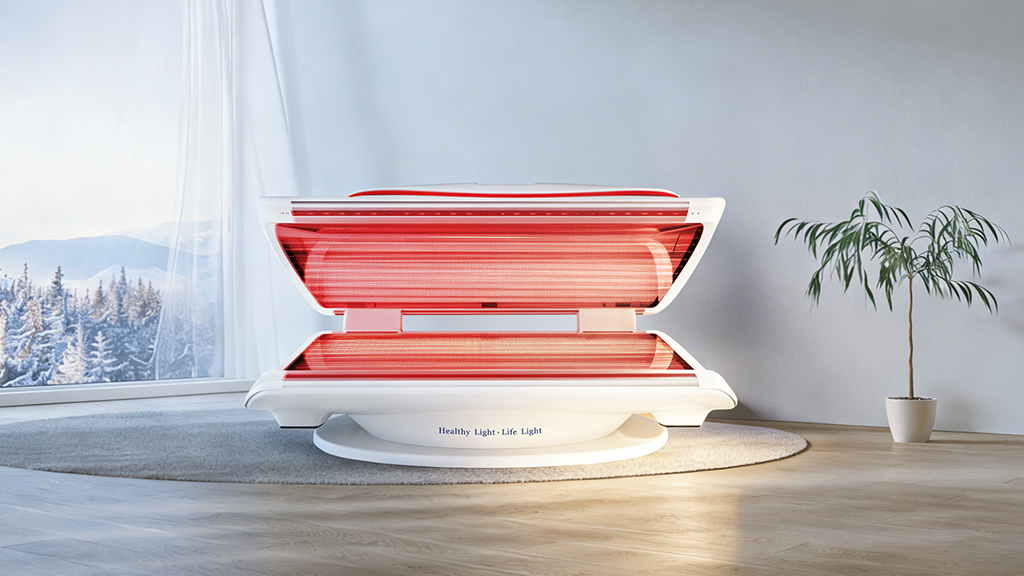
Vörös fény terápia: Legjobb javításra és öregedésgátlásra
Előnyök:
- Növeli a kollagén és elasztin szintjét
- Csökkenti a ráncokat és a finom vonalakat
- Enyhíti az izom- és ízületi fájdalmakat
- Felgyorsítja az edzés utáni felépülést
Korlátozások:
- Nem antibakteriális
- Az eredmények következetességet igényelnek

Kék vs piros fényterápia: Egymás melletti összehasonlítás
| Cél | Jobb opció |
|---|---|
| Akne kezelés | Kék fény |
| Ránctalanítás | Piros fény |
| Az izmok helyreállítása | Piros fény |
| Bakteriális védekezés | Kék fény |
| Hosszú távú wellness | Piros fény |
Otthoni és professzionális eszközök
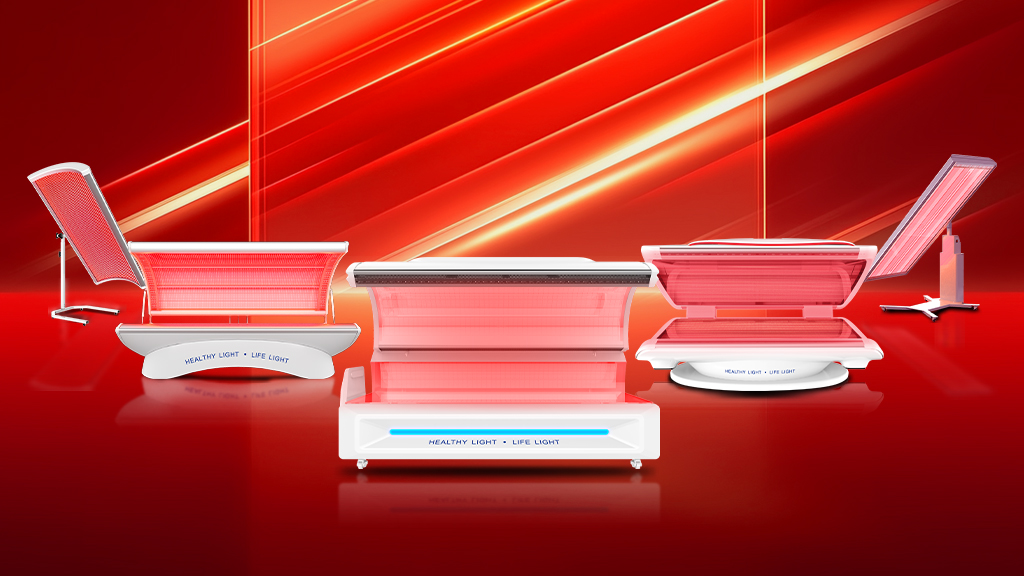
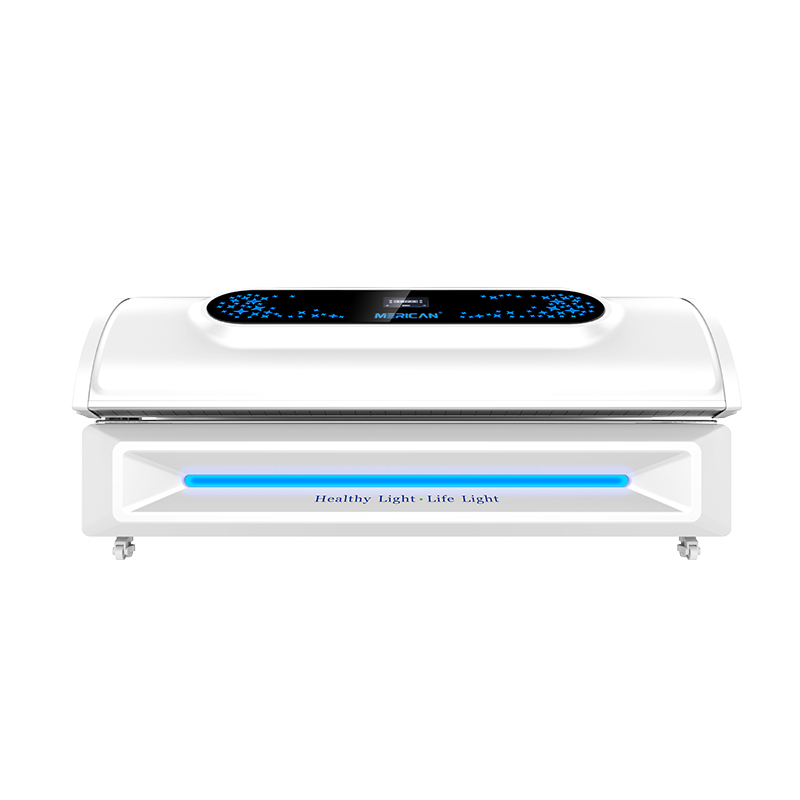
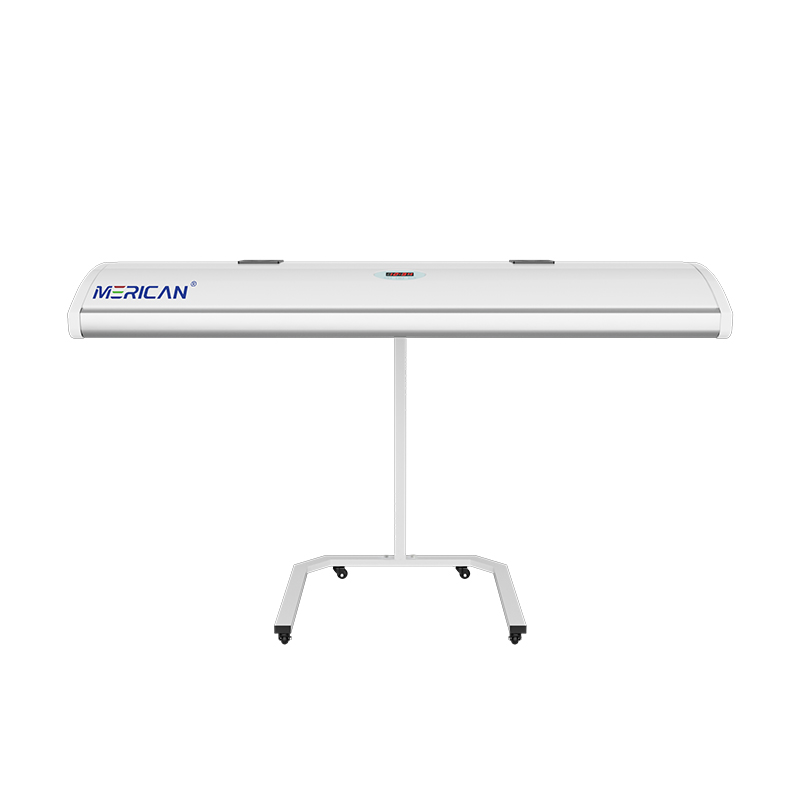
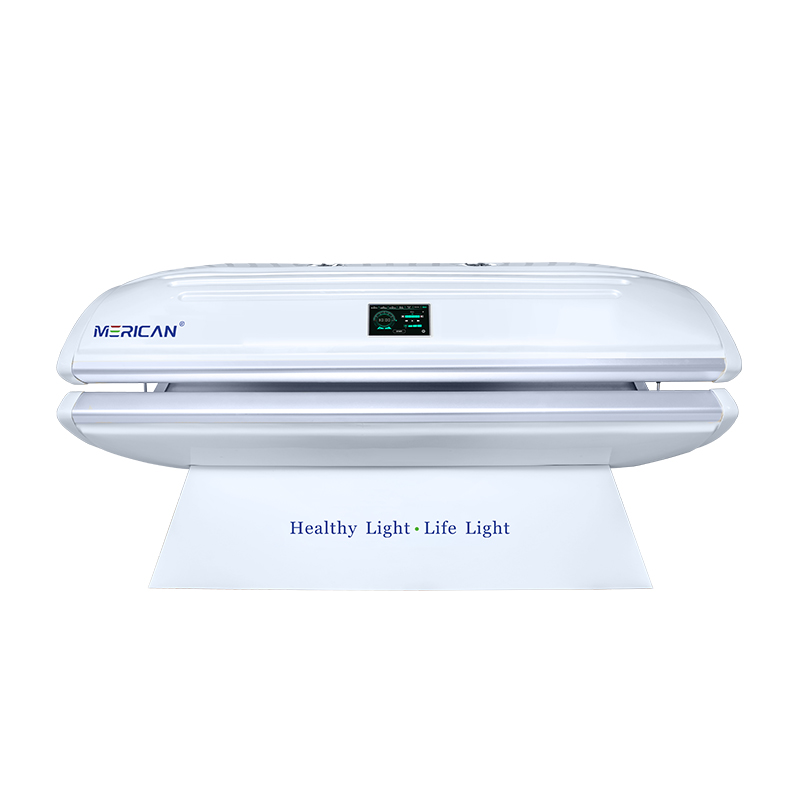
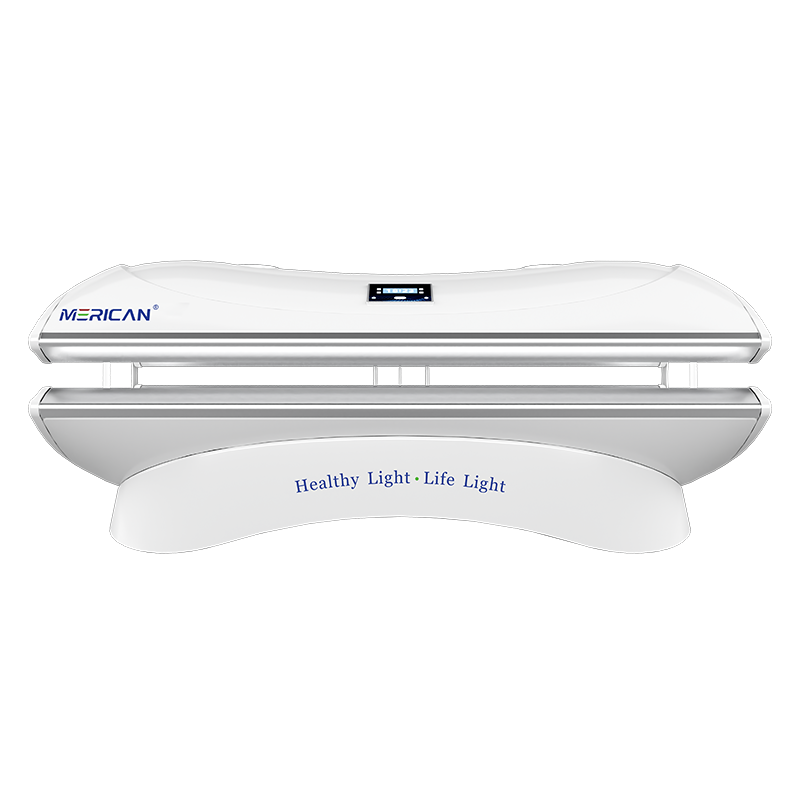
Professzionális fényterápiás rendszerek biztosítják:
- Pontosabb hullámhossz
- Magasabb kimeneti konzisztencia
- Jobb kezelési lefedettség
Ez különösen fontos a vörös fényterápia hatékonysága szempontjából.
Kombinálhatja a kék és vörös fényterápiát?
Igen. Sok felhasználó kék fénnyel kezdi a pattanások leküzdését, ezt követi a vörös fény a gyulladás csökkentése és a gyógyulás elősegítése érdekében.
A kombinált terápia gyakori a fejlett bőrápoló klinikákon.
Végső ítélet
Így, mi az különbség a kék és a vörös fényterápia között?
A kék fény a baktériumok elpusztítására összpontosít a bőr felszínén, míg a piros fény mélyebben javítja, megfiatalít, és csökkenti a gyulladást.
A megfelelő terápia kiválasztása az Ön konkrét bőr- és wellness-céljaitól függ.
GYIK
Q1: A vörös fényterápia segíthet a pattanásokon, mint a kék fény?
Segíti a gyulladást, nem baktériumok.
Q2: Melyik terápia jobb az érzékeny bőr számára?
A vörös fényterápia általában kíméletesebb.