赤色光療法とは何か、そして脳内でどのように作用するのか
赤色光療法 (RLT)—フォトバイオモジュレーションとも呼ばれます—低レベルの赤色光または近赤外線を使用します (620–850 nm) 体内の生物学的プロセスを刺激する.
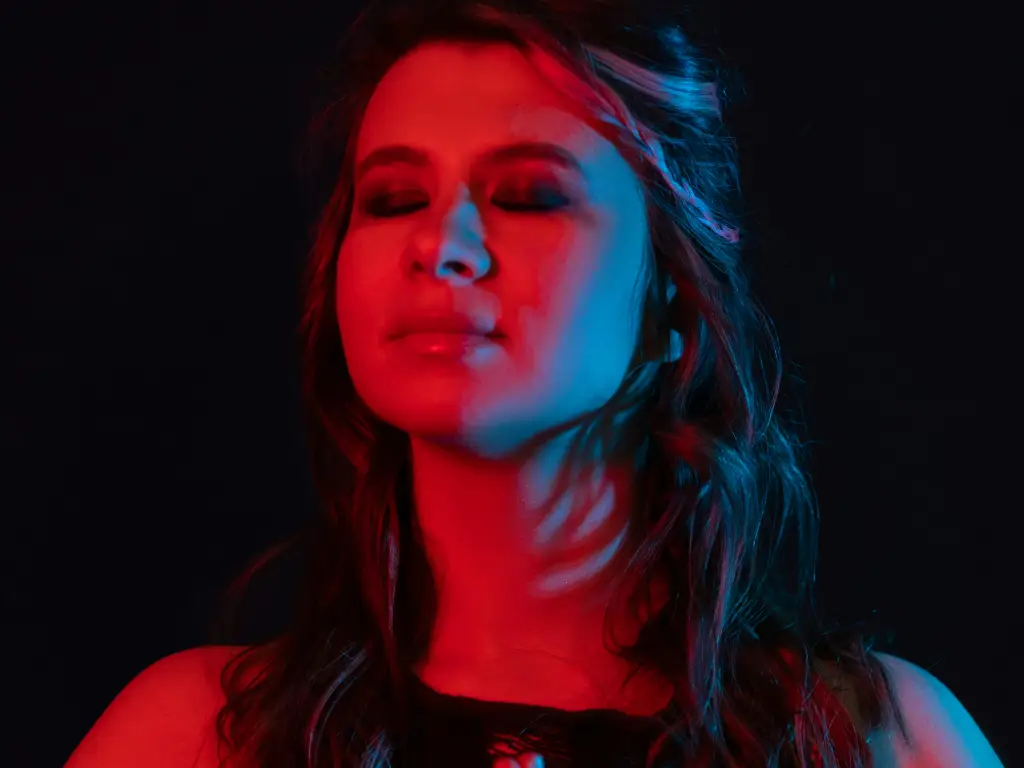
RLTはミトコンドリアを活性化することで細胞内のエネルギー生産を促進します, の “強大な力を持つ” 細胞の. これによりATPが増加します (細胞エネルギー), 神経機能の修復と安定化に役立ちます.
脳にどのような影響を与えるのか?
頭に塗ると, 赤色光は頭蓋骨を透過して脳組織に到達する可能性があります. 研究では、その可能性が示唆されています:
- 脳血流を改善する
- 神経炎症を軽減する
- ニューロンの回復をサポート
- 過剰な痛み経路のバランスを整える
これらの影響は片頭痛患者に特に関係があります, 彼の頭痛は脳のエネルギー不足や炎症に関連していることが多い.
脳の根底にあるストレス要因をターゲットにすることで, 赤色光療法は、薬を使わずに片頭痛の頻度と強度を軽減するのに役立つ可能性があります.
片頭痛を理解する
片頭痛は、中程度から重度の頭痛の繰り返しの発作を特徴とする複雑な神経疾患です。, 感覚障害を伴うことが多い.
一般的な緊張型頭痛とは異なります, 片頭痛は、中枢神経系と頭蓋血管の両方に影響を与える異常な脳活動を伴います。. 彼らは現在、脳ネットワークの障害として認識されています, 特に脳幹に関係する, 皮質, 三叉神経血管系.
一般的なトリガー
片頭痛発作は多くの場合、環境の組み合わせによって引き起こされます。, 生理学的, および行動要因, 含む:
- ストレスと感情の変化: コルチゾールの変動により神経の安定性が損なわれる可能性がある.
- ホルモンの変化: 特にエストロゲンの変動, 脳の興奮性に影響を与えるもの.
- 睡眠障害: 睡眠不足と睡眠過剰は皮質の覚醒閾値を変化させる.
- 食事の要因: 熟成チーズ, アルコール (特に赤ワイン), MSG, そしてカフェイン離脱.
- 感覚刺激: 明るいライト, 大きな騒音, または、強い匂いが感覚皮質に過負荷を与える可能性があります.
これらのトリガーは、セロトニンや CGRP などの神経伝達物質に影響を与えます。, 脳血管の緊張と侵害受容シグナル伝達を調節します。.
中核症状
片頭痛の症状は通常、4 つの臨床段階をたどります。:
- プロドローム: 疲労などの微妙な兆候, あくびをしている, 食べ物への渇望, そして首の凝り.
- オーラ (一部の患者では): ビジュアルフラッシュ, 死角, または皮質の拡散抑制によって引き起こされる感覚の歪み.
- 攻撃: ズキズキする頭痛 (多くの場合一方的な), 吐き気, 恐怖症, そして音声恐怖症.
- ポストドローム: 疲労困憊, 集中力の低下, そして “頭の霧” 長引く神経疲労のため.
脳の関与と影響
神経画像診断により慢性片頭痛患者の構造的および機能的変化が明らかになる, 島皮質や前帯状皮質などの痛みを調節する領域の灰白質量の減少を含む.
時間とともに, 頻繁な発作は認知能力を損なう可能性がある, 感情の調節, そして全体的な脳の回復力. 片頭痛を脳中心の障害として認識することが、効果的な治療法を開発する鍵となります。, 標的療法.
レッドライトセラピーが片頭痛の軽減にどのように役立つのか
赤光療法は片頭痛に効果があるのかという疑問は、新たなメカニズムと臨床的証拠によってますます裏付けられています.
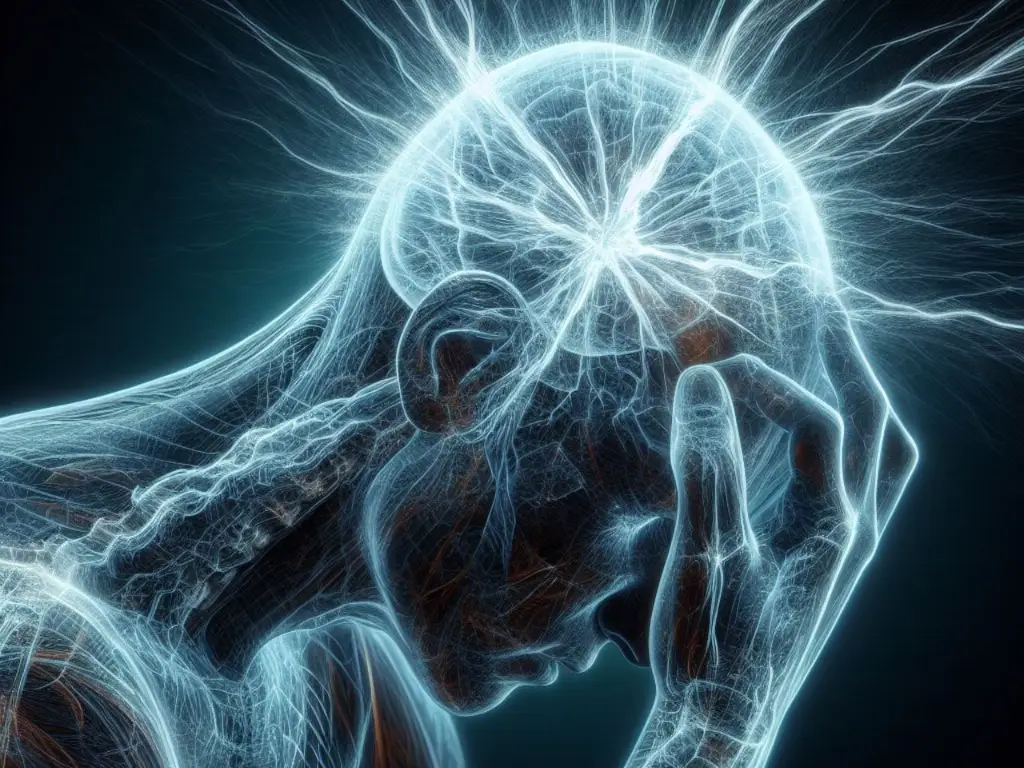
以下は、片頭痛の軽減をサポートする可能性がある、証拠に基づいた 5 つの方法です。:
1. 脳細胞のミトコンドリア機能の改善
赤色光は頭皮を透過し、ミトコンドリアのシトクロムCオキシダーゼを刺激します。, ATP生産の強化. 片頭痛患者はミトコンドリア代謝障害の兆候を示すことが多いため、, この細胞エネルギーの増強は、ニューロンの活動を安定させ、片頭痛の感受性を軽減するのに役立ちます。.
2. 神経炎症の軽減
片頭痛は三叉神経と周囲の脳組織の炎症に関連しています. RLT は次の発現を減少させることが示されています。 炎症誘発性サイトカイン (例えば, TNF-α, IL-1β) 抗炎症マーカーを増加させます, 片頭痛関連の炎症を軽減する可能性がある.
3. 皮質の興奮性の調節
片頭痛の引き金の 1 つは皮質拡散性うつ病です (CSD), 脳皮質の抑制が続く多動の波. 赤色光療法は、神経膜電位を安定させ、酸化ストレスを軽減することにより、皮質の興奮性を調節するのに役立つ可能性があります, それによりCSD発症の可能性が低下します.
4. 脳血流の強化
近赤外線の波長により一酸化窒素の放出が促進されます, 血管を拡張し、脳への酸素供給を強化します。. これは、片頭痛に伴う血管収縮と血管拡張のサイクルを防ぐのに役立ちます。.
5. 痛みの経路の調節
赤色光療法は三叉神経血管系の活動を下方制御する可能性がある, これは片頭痛の病態生理学の中心です. また、エンドルフィンの放出を増加させ、セロトニンレベルに影響を与える可能性があります, どちらも痛みの知覚の軽減に寄与します.
片頭痛を軽減するために赤色光療法を使用する方法
推奨パラメータ
- 波長:
660nm (赤信号): 表面レベルの処理に適しています.
810–850nm (近赤外線): より深く浸透します, 脳をターゲットにするのに最適.
- 電力密度: 20–100mW/cm2
- セッション期間: 5–20分
- 頻度: 1– 慢性患者の場合は1日2回のセッション; 2~4週間後に効果を評価
最適なデバイスの種類
| デバイスの種類 | 説明 | 長所 | 短所 |
| ヘッドバンド | ウェアラブル, 額/こめかみをターゲットにする | ハンズフリー, 脳をターゲットにした | LEDが弱い可能性があります |
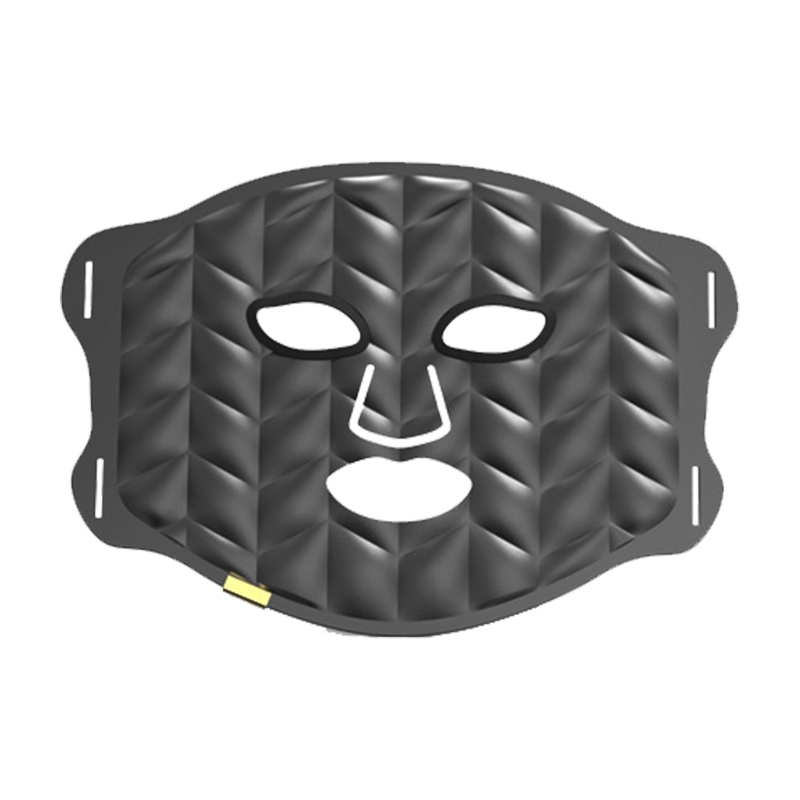
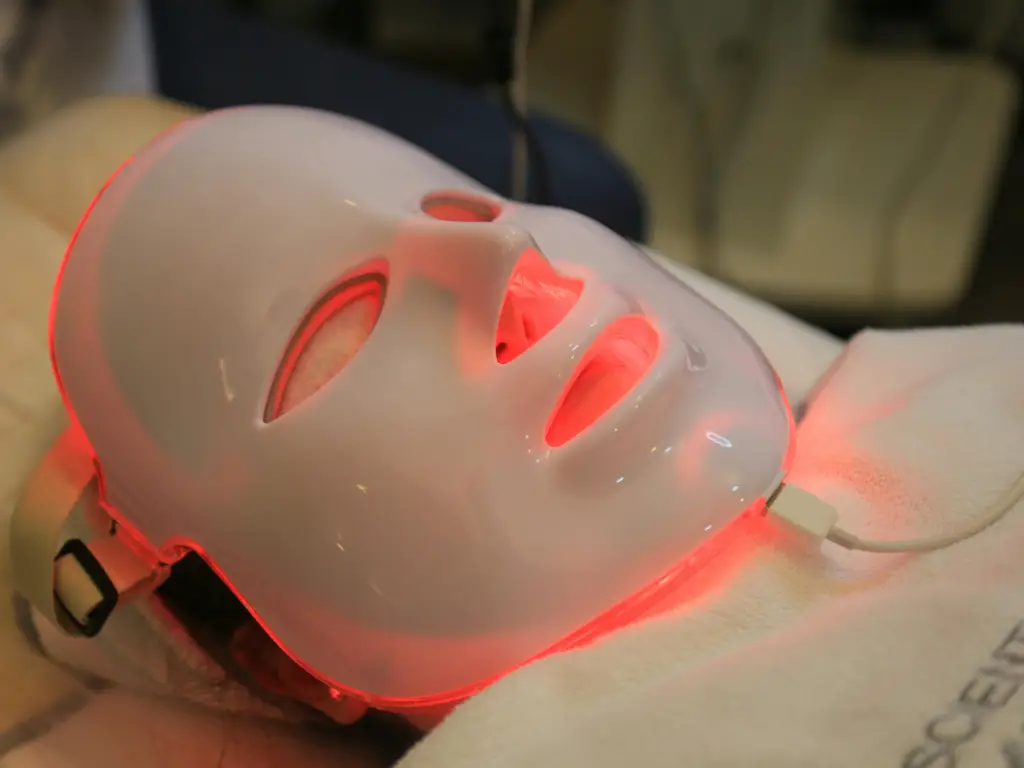
| フェイスマスク | 顔全体をカバーします | 複数のメリット (肌 + 痛み) | 脳だけに焦点を当てていない |
| ワンドデバイス | ハンドヘルド, 直接申請 | ポータブル, 対象を絞った用途 | 時間がかかる |
片頭痛を軽減するために推奨されるデバイス
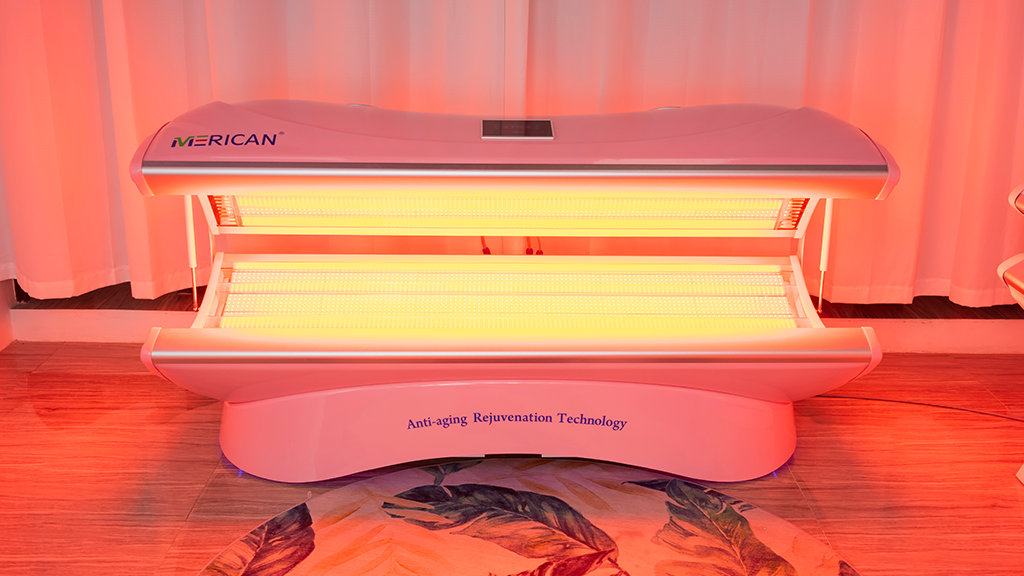
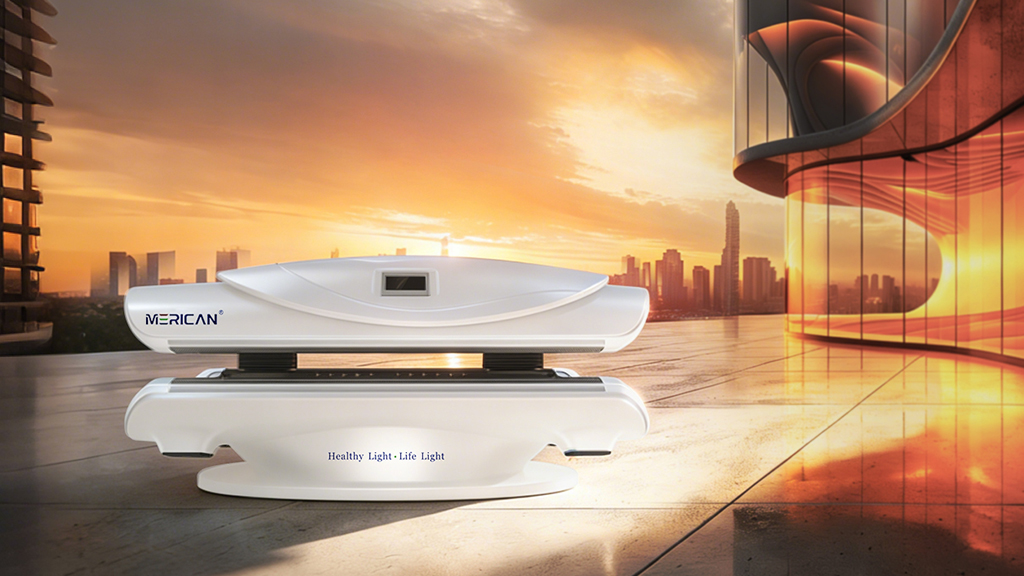
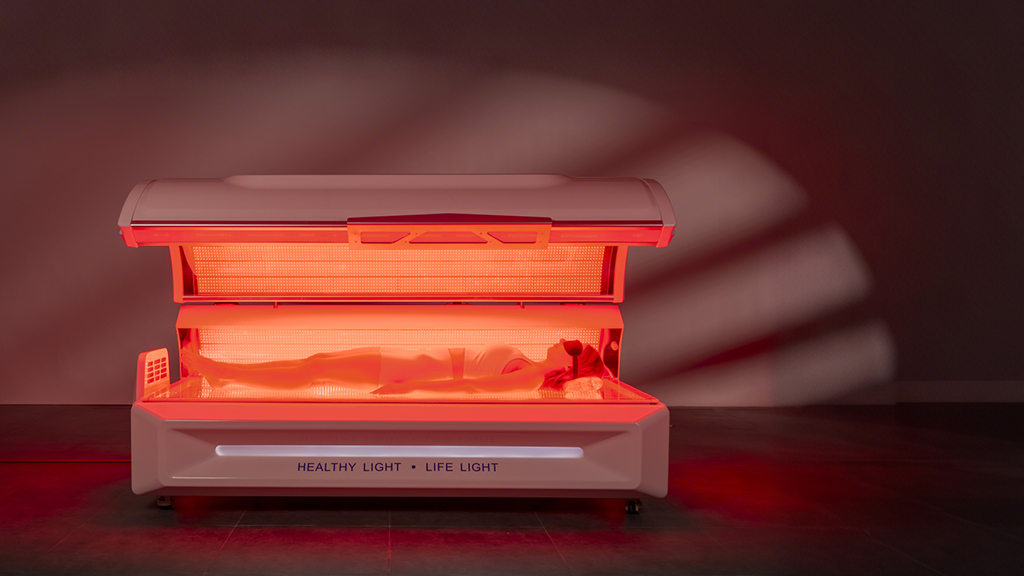
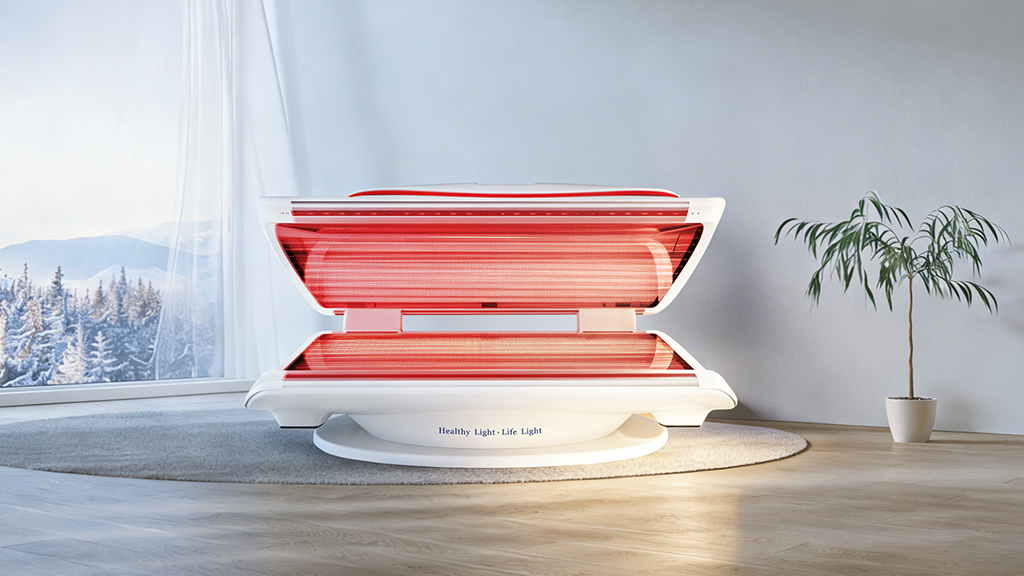
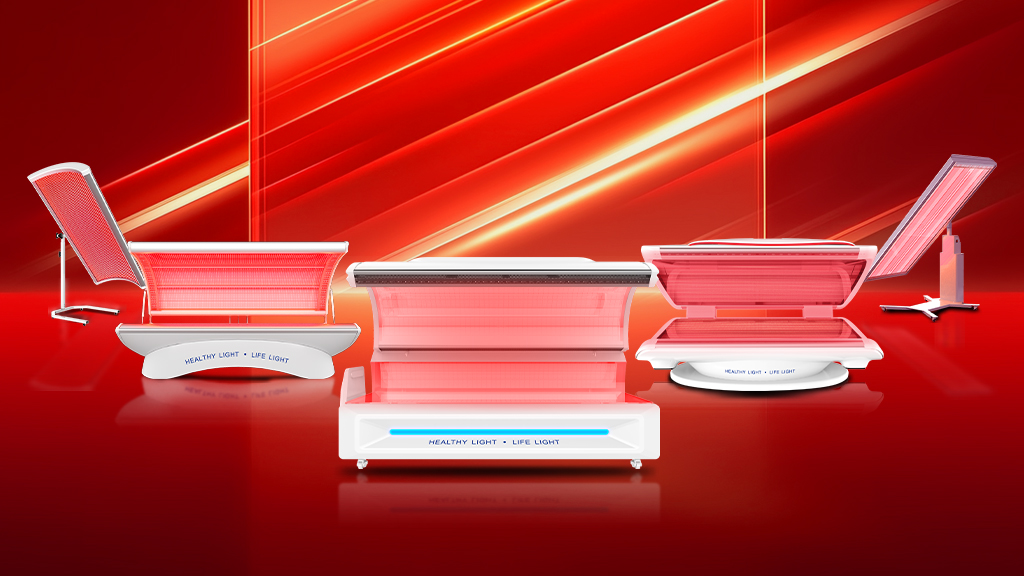
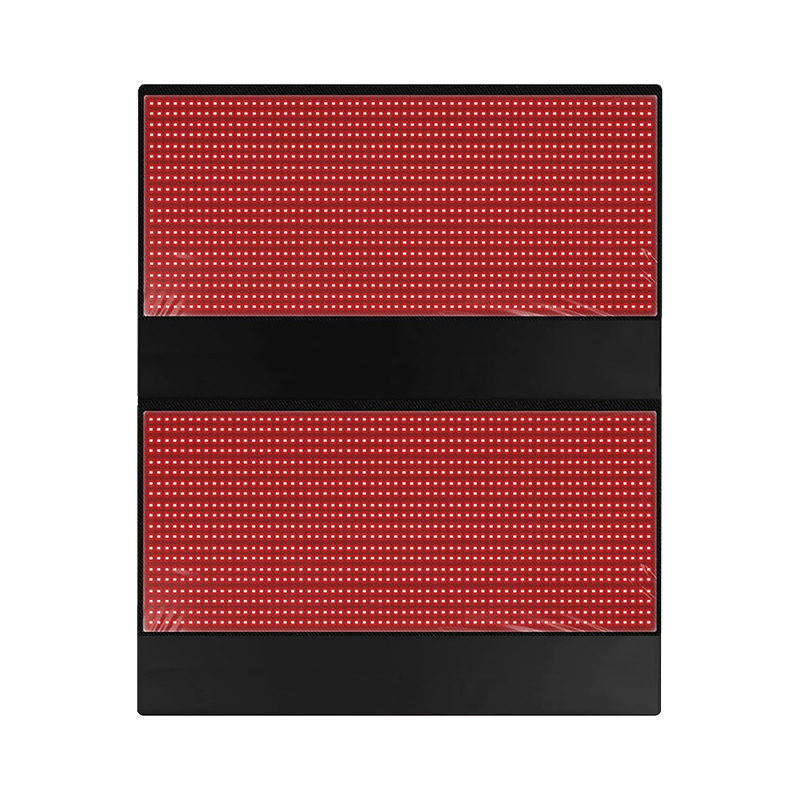
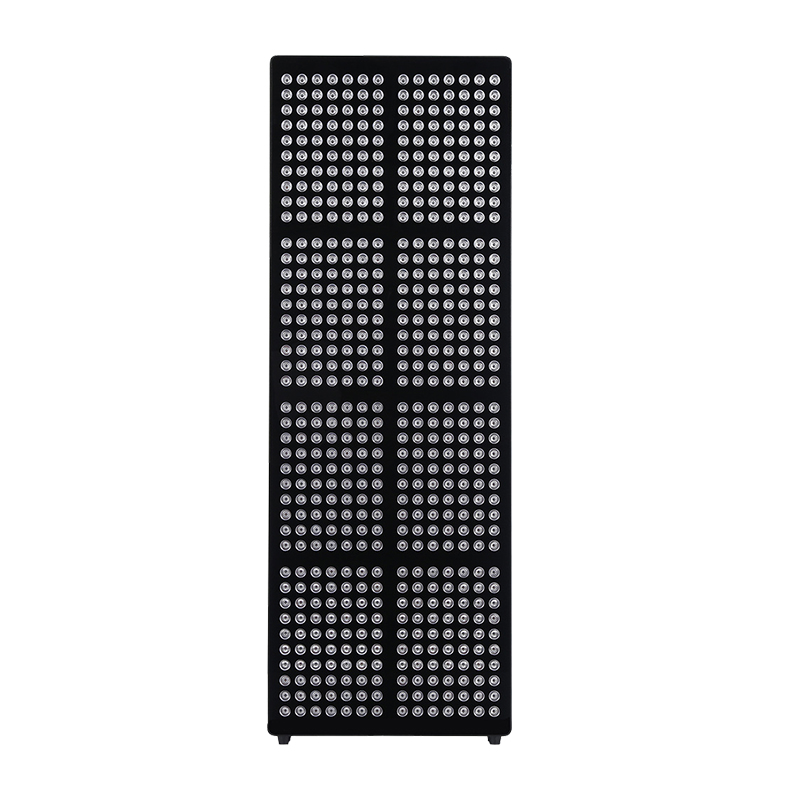
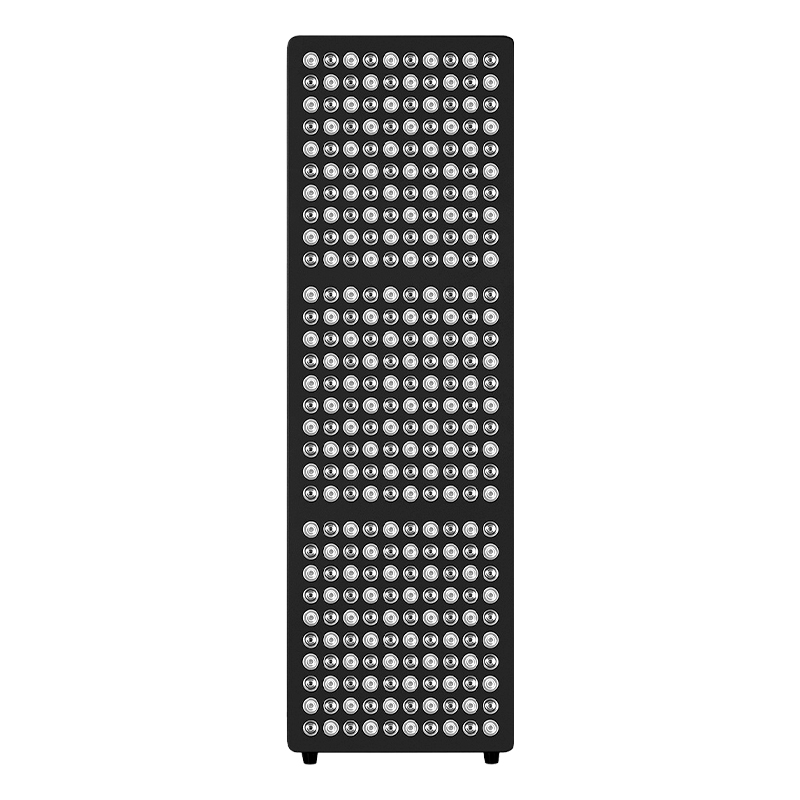
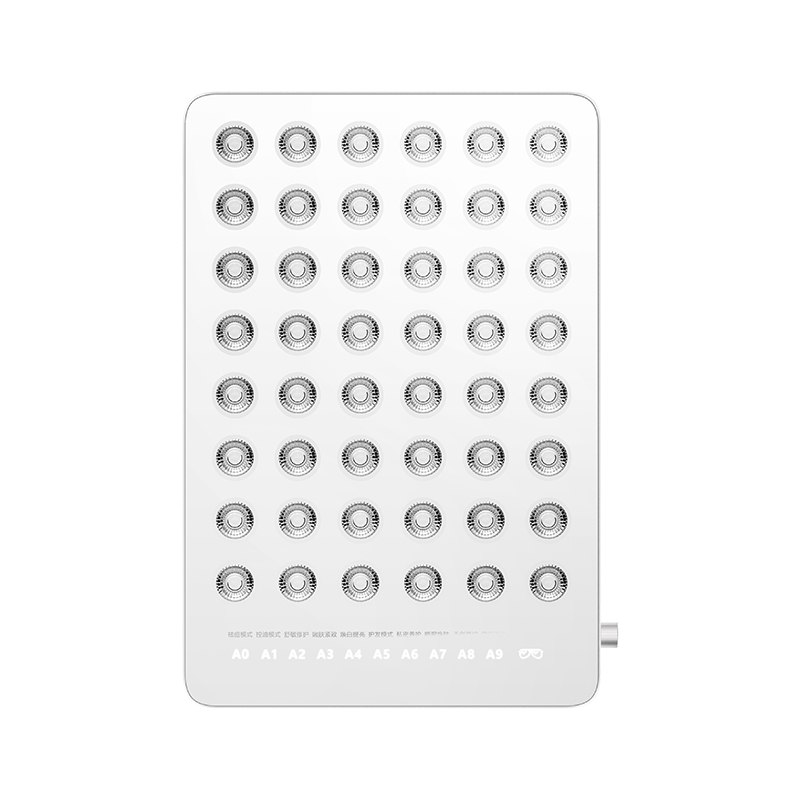
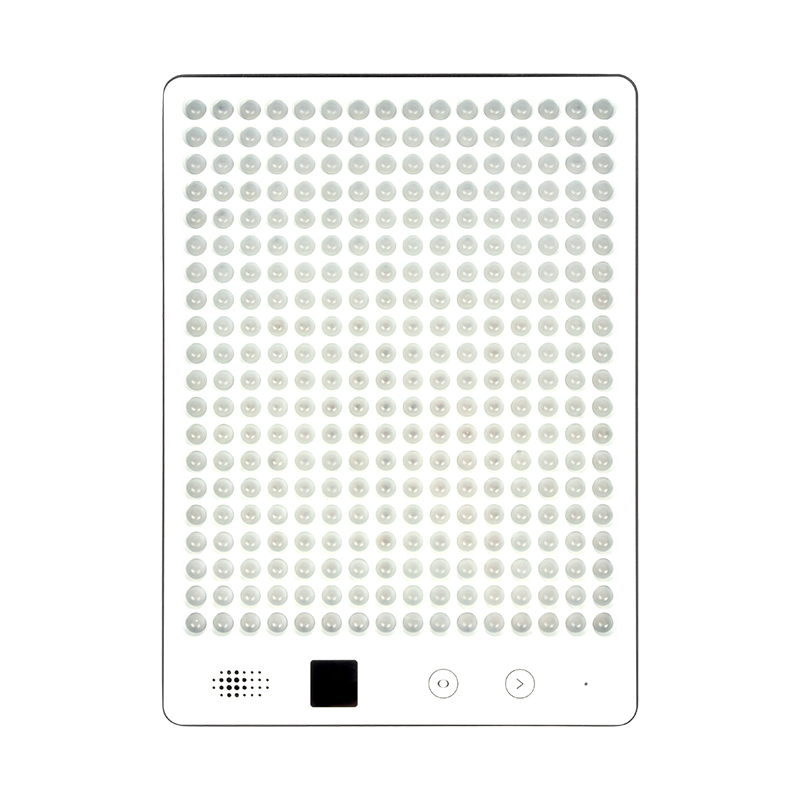
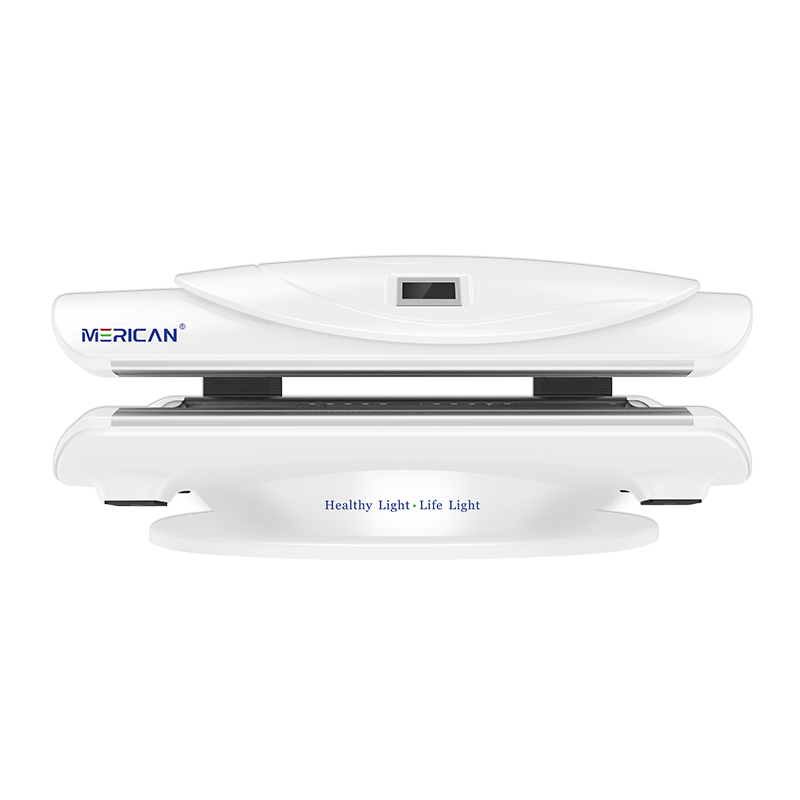
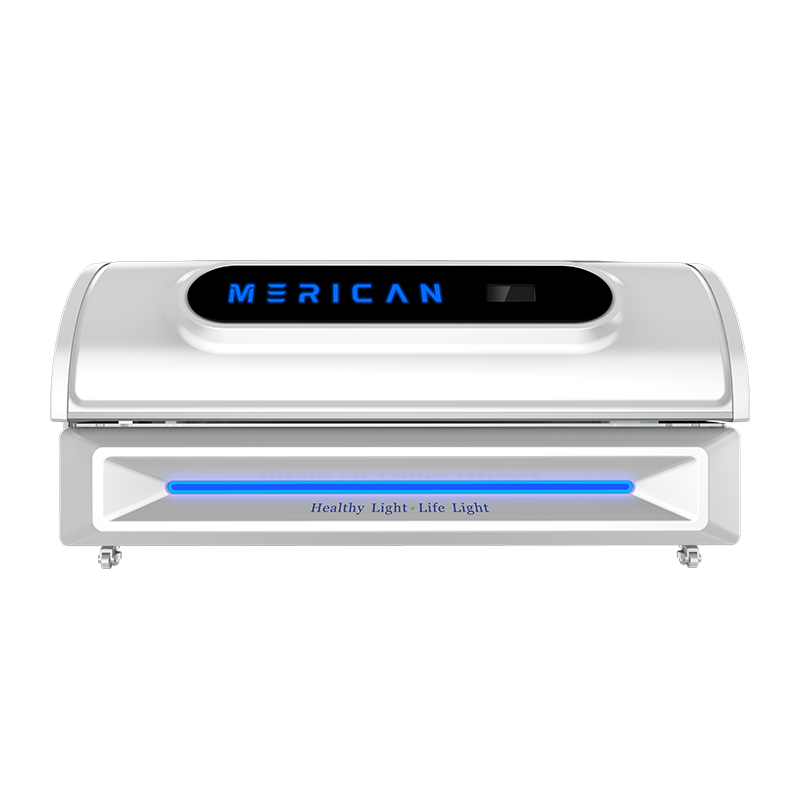
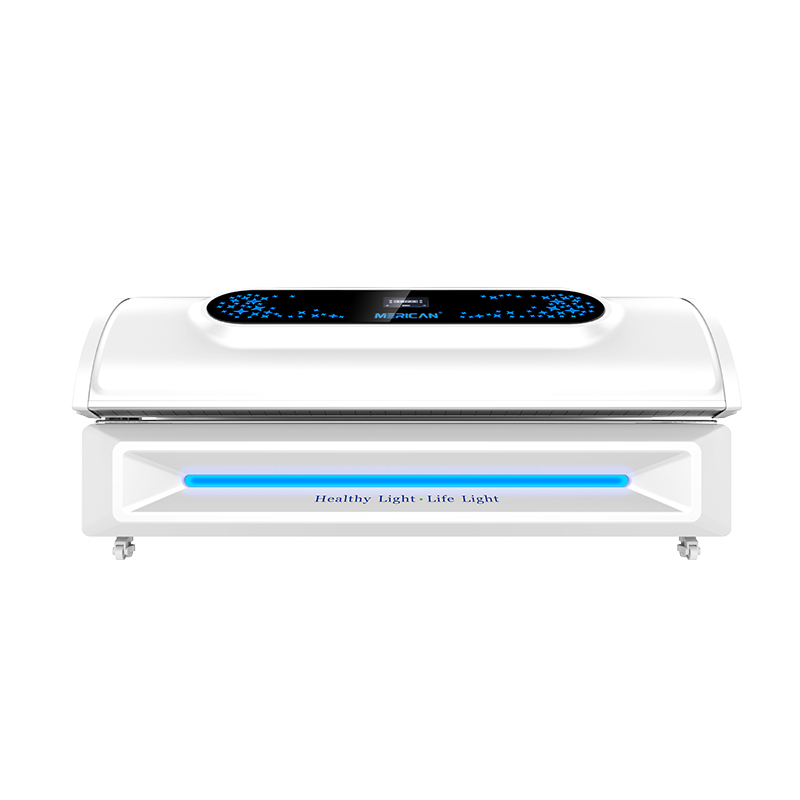
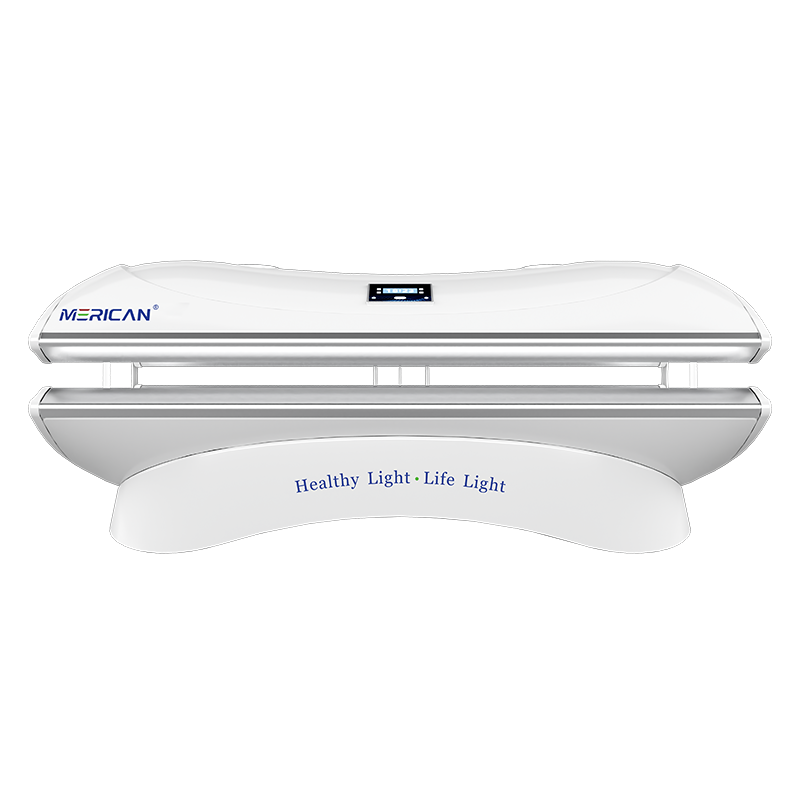
レッドライトセラピーベッド M4: 11,616 LED, 1.2 kW, 二重波長 (660 nm & 850 nm), タッチスクリーンコントロール, Bluetoothオーディオ.
こんな方に最適: 片頭痛を緩和し、脳のエネルギー代謝を改善するために頭部をターゲットとした家庭用.
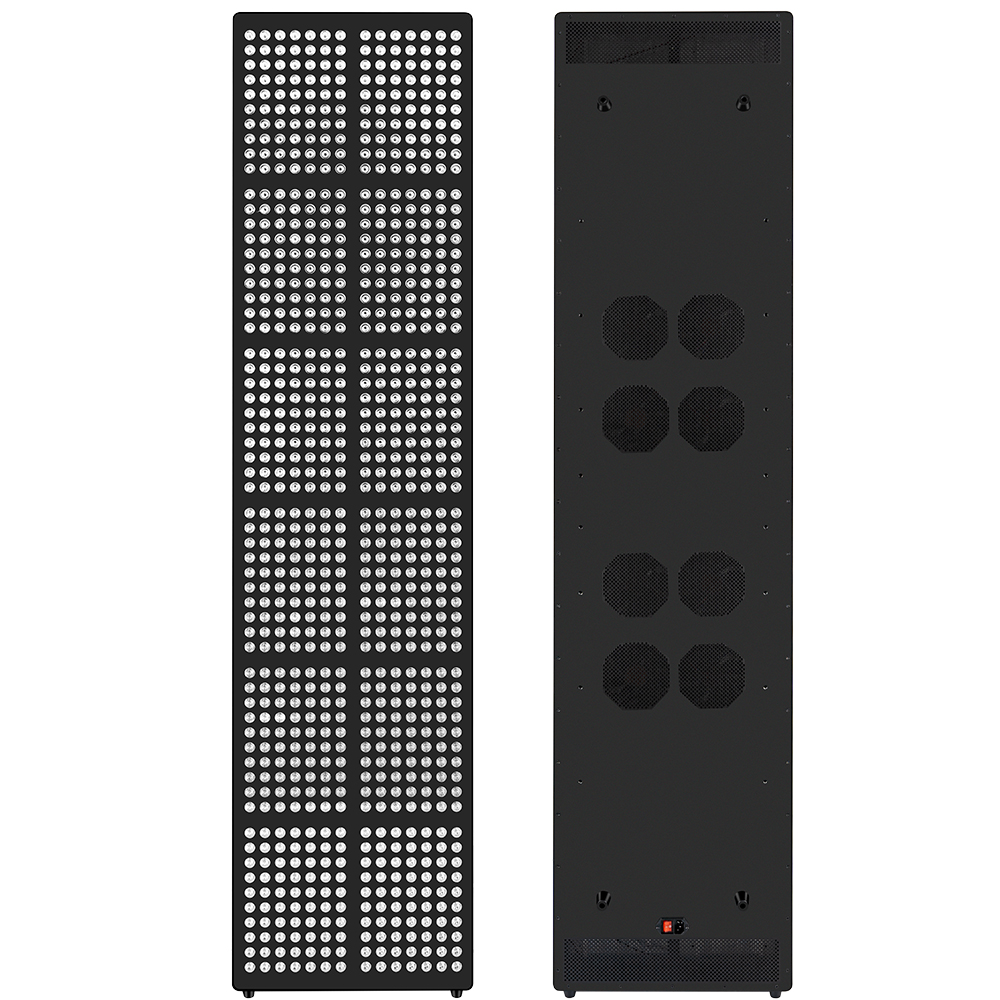
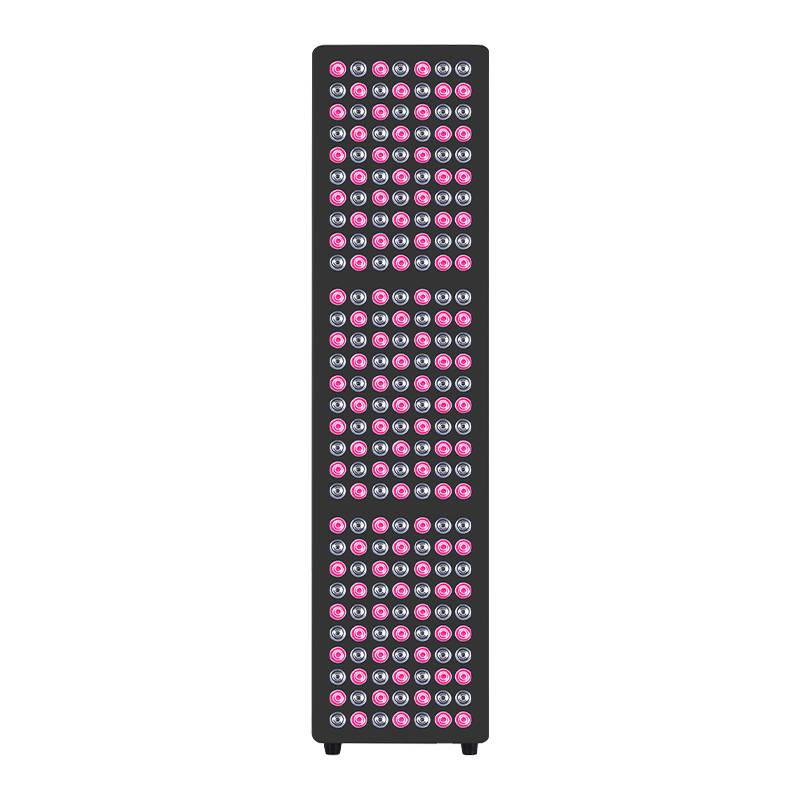
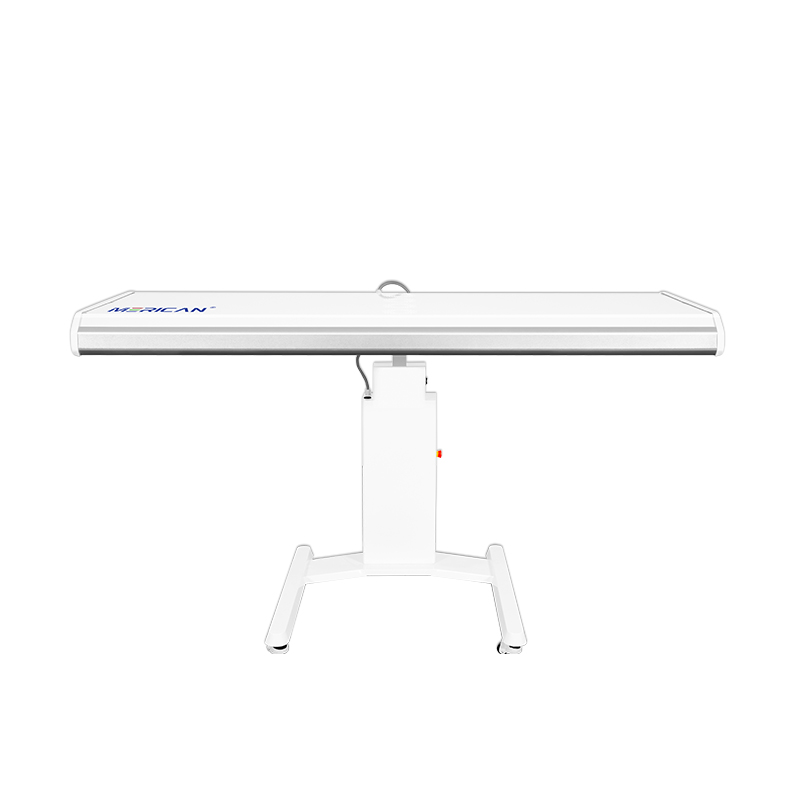
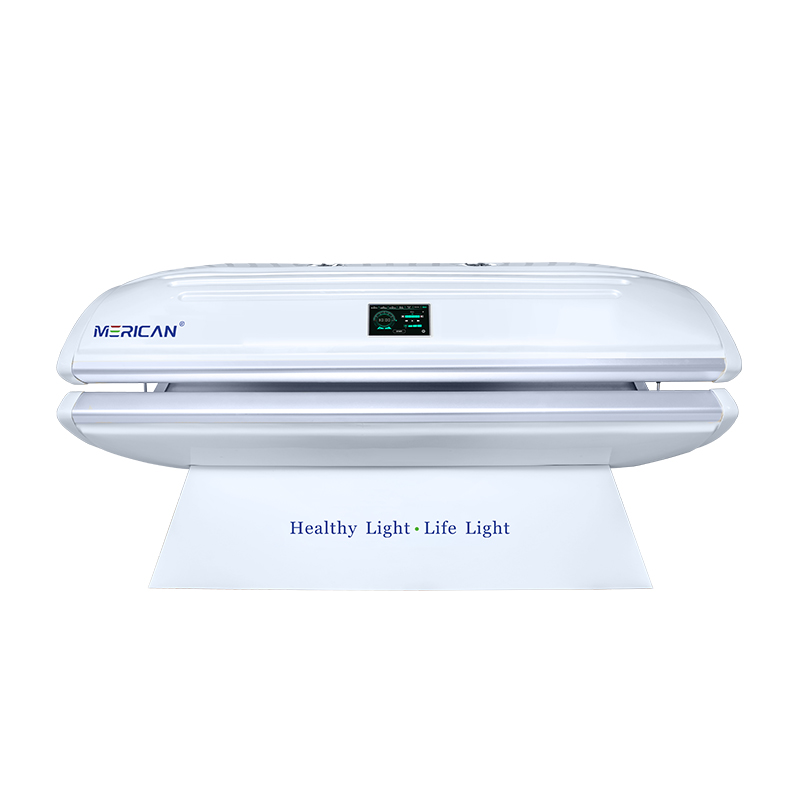
光療法ベッド M5N:カスタマイズ可能な波長, Wi‑Fi/LCDコントロール, 高度な冷却システム.
こんな方に最適: 柔軟な対応が必要なクリニック, プロフェッショナルグレードの治療オプション.
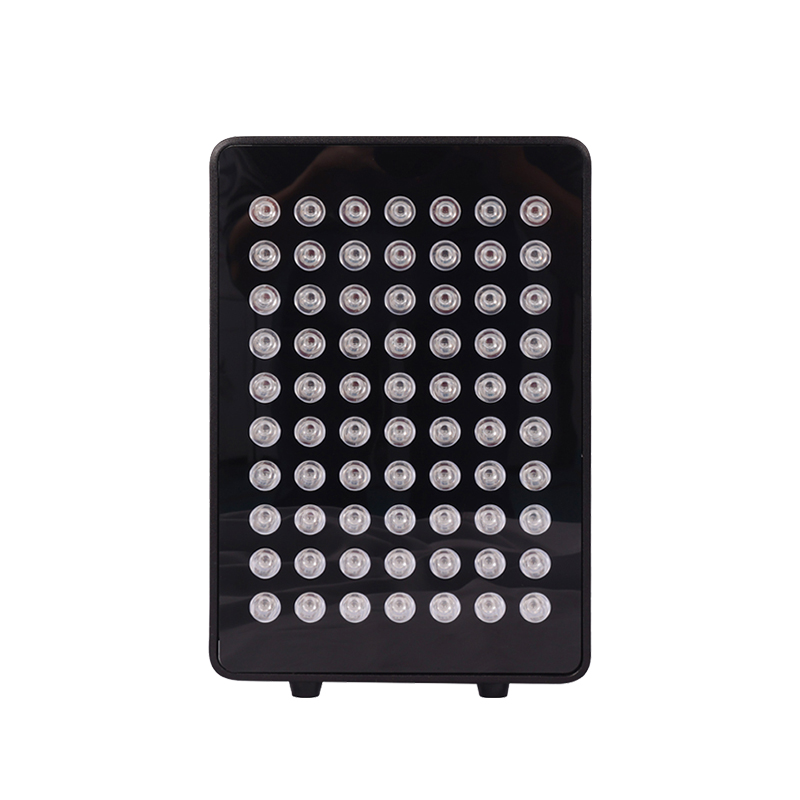
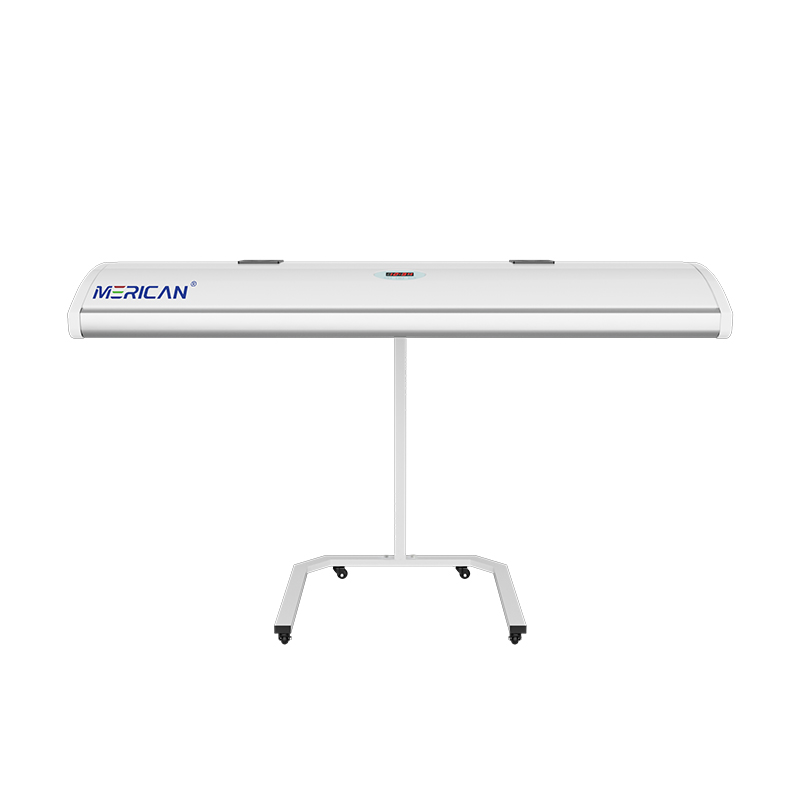
LED光療法ベッド M6N: 5-波長範囲, 深部組織への浸透, タブレットコントロール, 高出力.
こんな方に最適: 神経性片頭痛を治療する医療センターまたはリハビリセンター.
使用ガイドライン
- ゆっくり始めてください: 5– セッションごとに 10 分, 1日1回.
- 効果を観察する: 2 ~ 4 週間継続的に使用すると改善が見られる場合があります.
- 目の露出を避ける: 常に保護メガネを着用してください.
- 敏感肌または光過敏症? 短いセッションから始めて注意深く監視してください.
- 進捗状況を追跡する: 頭痛日記を使用して、治療と症状の軽減を関連付けます.
レッドライトセラピー vs. その他の自然な片頭痛治療法
赤色光療法と他の非薬理学的片頭痛介入を比較することで、その相対的な有効性とより広範な治療戦略における位置付けについての洞察が得られます。.
| 治療法 | 機構 | 証拠レベル | 制限事項 |
| レッドライトセラピー | 細胞エネルギーの強化, 抗炎症, 神経血管の調節 | 成長する (臨床的 + 前臨床) | 定期的な使用が必要; ハイエンドデバイスのコスト障壁 |
| 鍼 | 神経経路と内因性オピオイドの調節 | 適度 | 医師に依存する |
| マグネシウムの補給 | NMDA受容体の調節, ミトコンドリアのサポート | 欠乏症に関連した片頭痛に強い | マグネシウムレベルが正常であれば効果は限定的 |
| バイオフィードバック | 自律神経系の調節 | 適度 | トレーニングと時間の投資が必要 |
| 冷温療法 | 一時的な感覚の散漫 | 低い | 症状の緩和のみ |
表面レベルの介入とは異なります, 赤色光療法は脳内のより深いミトコンドリアおよび神経血管の機能不全に対処する可能性がある. 非薬理学的です, 自宅で自己管理できる, 良好な安全性プロファイルを備えています, 多角的な片頭痛予防戦略への統合に適しています。.
片頭痛に赤色光療法は試す価値がありますか
予備的な臨床証拠は、RLT が複数の脳関連メカニズムを通じて一部の患者に利益をもたらす可能性があることを示唆しています. 重要な評価の概要を以下に示します:
臨床証拠: 有望だが暫定的
- 初期の研究では赤色/近赤外線の光が示されています (630–850 nm) 片頭痛の頻度と重症度を軽減する可能性があります.
- 最近の研究, 光生体調節と中枢神経系に関するこの出版物でレビューされているものなど (NCBI), 片頭痛に対する赤色光は三叉神経血管の活性化を調節するのに役立つ可能性があることを示しました.
- しかし, 証拠はまだ限られている; 赤色光療法はまだ実験段階にある, 低リスクの補助療法 - 主な治療法ではない.
安全性と副作用のプロファイル
- RLT は一般に安全であると考えられています. しかし, 赤光療法後に頭痛を報告するユーザーもいます, 通常は過剰な露出や不適切なデバイス設定に関連しています.
- 最初の使用は慎重に行う必要があります, 特に医師の監督のない家庭環境では.
誰が利益を受けるのか
- 片頭痛薬に耐性がない人に最適.
- ミトコンドリアの問題や神経炎症のある患者に適しています.
- てんかんや光線過敏症のある方は避けてください; 専門家に相談する.
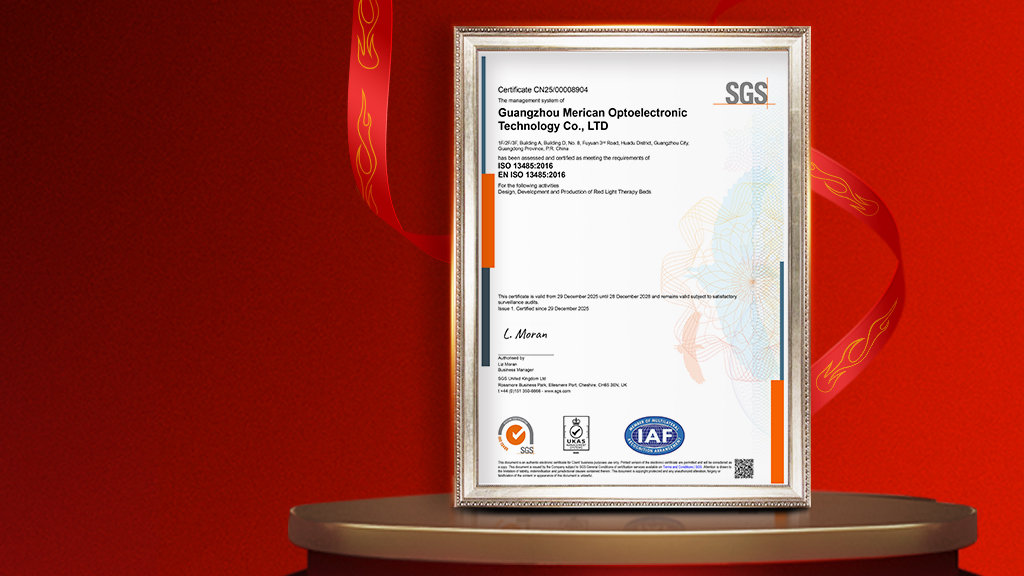
Merican の認定赤色灯デバイスを調べて、今すぐ始めましょう.
FAQ:
なぜ赤色光療法が片頭痛に良いのか?
ミトコンドリアの機能を高めてくれる, 神経炎症を軽減します, そして脳血流を改善します.
片頭痛に最適な光療法は何ですか?
近赤外線光療法 (810–850nm) より深い組織への浸透と脳を標的とした効果により最も効果的です.
偏頭痛の治療に最も効果的な赤色光の波長はどれですか?
660nm~850nmの波長は、脳内の片頭痛関連組織に到達するのに最も効果的であると考えられています。.
赤色光療法は頭や脳の領域に安全に使用できますか??
はい, 適切に使用する場合, 一般にリスクは低く安全です.