O que é terapia da luz vermelha e como funciona no cérebro
Terapia com luz vermelha (Rlt)—também chamada de fotobiomodulação — usa luz vermelha de baixo nível ou luz infravermelha próxima (620–850nm) para estimular processos biológicos no corpo.
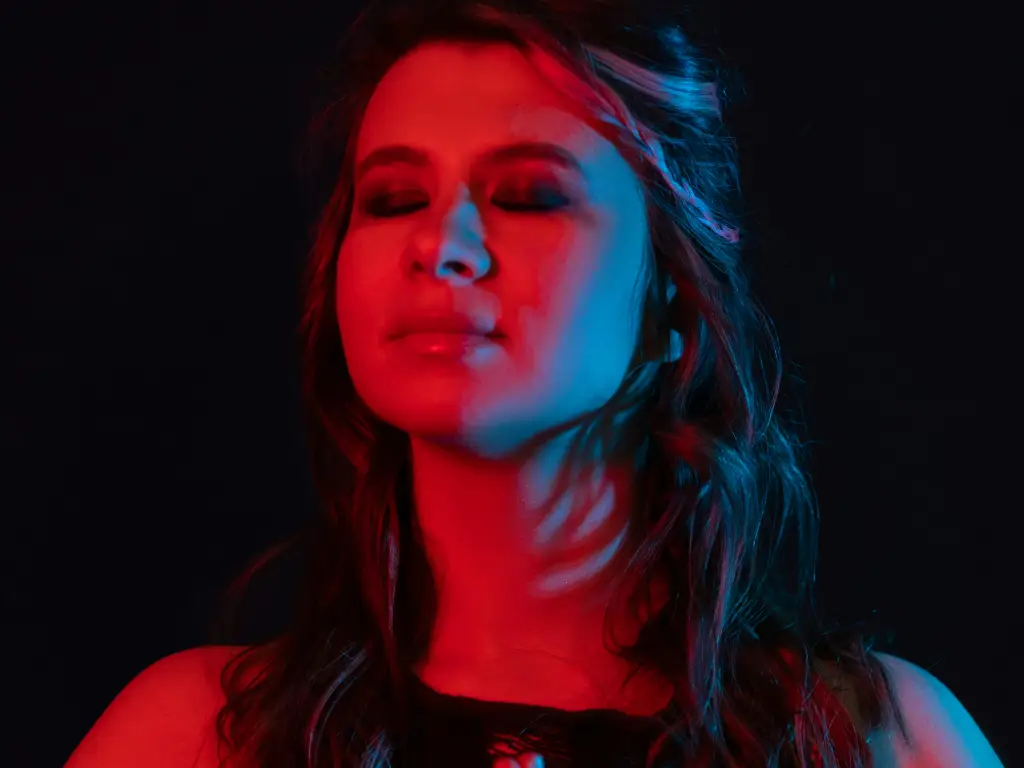
RLT aumenta a produção de energia nas células ativando mitocôndrias, o “potência” da célula. Isso leva a mais ATP (energia celular), que ajuda a reparar e estabilizar a função nervosa.
Como isso afeta o cérebro?
Quando aplicado na cabeça, a luz vermelha pode penetrar no crânio e atingir o tecido cerebral. Pesquisa sugere que pode:
- Melhorar o fluxo sanguíneo cerebral
- Reduzir a neuroinflamação
- Apoiar a recuperação de neurônios
- Equilibre as vias hiperativas da dor
Esses efeitos são especialmente relevantes para quem sofre de enxaqueca, cujas dores de cabeça estão frequentemente associadas a défices de energia cerebral e inflamação.
Ao direcionar os fatores de estresse subjacentes ao cérebro, a terapia da luz vermelha pode ajudar a reduzir a frequência e intensidade da enxaqueca – sem medicação.
Compreendendo as enxaquecas
As enxaquecas são um distúrbio neurológico complexo marcado por ataques recorrentes de dor de cabeça moderada a grave, muitas vezes acompanhada de distúrbios sensoriais.
Ao contrário das dores de cabeça tensionais comuns, enxaquecas envolvem atividade cerebral anormal que afeta tanto o sistema nervoso central quanto os vasos sanguíneos cranianos. Eles agora são reconhecidos como um distúrbio das redes cerebrais, particularmente envolvendo o tronco cerebral, córtex, e sistema trigeminovascular.
Gatilhos comuns
Os ataques de enxaqueca são frequentemente desencadeados por uma combinação de fatores ambientais, fisiológico, e fatores comportamentais, incluindo:
- Estresse e mudanças emocionais: As flutuações do cortisol podem perturbar a estabilidade neural.
- Mudanças hormonais: Especialmente flutuações no estrogênio, que afetam a excitabilidade cerebral.
- Perturbação do sono: Both lack and excess of sleep alter cortical arousal thresholds.
- Dietary factors: Aged cheese, álcool (especially red wine), MSG, and caffeine withdrawal.
- Sensory stimuli: Bright lights, loud noise, or strong smells can overload the sensory cortex.
These triggers affect neurotransmitters like serotonin and CGRP, which regulate brain vascular tone and nociceptive signaling.
Core Symptoms
Migraine symptoms typically follow four clinical phases:
- Prodrome: Subtle signs like fatigue, yawning, food cravings, and neck stiffness.
- Aura (in some patients): Visual flashes, blind spots, or sensory distortions caused by cortical spreading depression.
- Attack: Throbbing headache (often unilateral), náusea, fotofobia, and phonophobia.
- Postdrome: Exhaustion, dificuldade de concentração, e “névoa cerebral” due to lingering neural fatigue.
Brain Involvement and Impact
Neuroimaging reveals structural and functional changes in chronic migraine patients, including reduced gray matter volume in pain-modulating areas like the insula and anterior cingulate cortex.
Ao longo do tempo, frequent attacks can impair cognitive performance, emotional regulation, and overall brain resilience. Recognizing migraine as a brain-centered disorder is key to developing effective, targeted therapies.
How Red Light Therapy May Help Relieve Migraines
The question of does red light therapy help migraines is increasingly supported by emerging mechanistic and clinical evidence.
Below are five evidence-based ways it may support migraine relief:
1. Improved Mitochondrial Function in Brain Cells
Red light penetrates the scalp and stimulates cytochrome c oxidase in mitochondria, enhancing ATP production. Since migraineurs often show signs of impaired mitochondrial metabolism, this cellular energy boost can help stabilize neuronal activity and reduce migraine susceptibility.
2. Reduced Neuroinflammation
Migraines are linked to inflammation in the trigeminal nerve and surrounding brain tissue. RLT has been shown to decrease the expression of pro-inflammatory cytokines (Por exemplo, TNF-α, IL-1β) and increase anti-inflammatory markers, potentially alleviating migraine-related inflammation.
3. Regulation of Cortical Excitability
One migraine trigger is cortical spreading depression (CSD), a wave of hyperactivity followed by suppression in the brain’s cortex. Red light therapy may help modulate cortical excitability by stabilizing neuronal membrane potentials and reducing oxidative stress, thereby lowering the likelihood of CSD onset.
4. Enhanced Cerebral Blood Flow
Near-infrared wavelengths improve nitric oxide release, which dilates blood vessels and enhances oxygen delivery to the brain. This can help prevent the vasoconstriction-vasodilation cycle associated with migraine headaches.
5. Modulation of Pain Pathways
Red light therapy may downregulate activity in the trigeminovascular system, which is central to migraine pathophysiology. It may also increase endorphin release and influence serotonin levels, both of which contribute to reduced pain perception.
How to Use Red Light Therapy for Migraine Relief
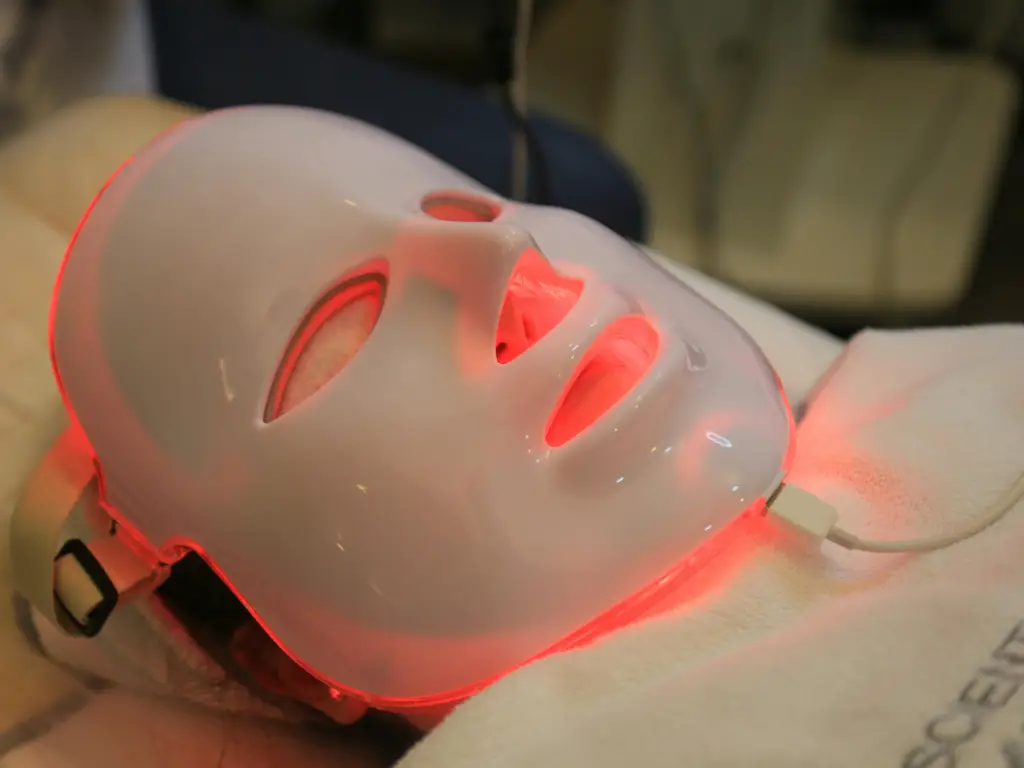
Recommended Parameters
- Comprimento de onda:
660nm (luz vermelha): Good for surface-level treatment.
810–850nm (luz do infravermelho próximo): Penetra mais profundamente, ideal for targeting the brain.
- Densidade de Potência: 20–100mW/cm²
- Duração da sessão: 5–20 minutos
- Freqüência: 1–2 sessions per day for chronic sufferers; evaluate effect after 2–4 weeks
Best Device Types
| Tipo de dispositivo | Descrição | Prós | Contras |
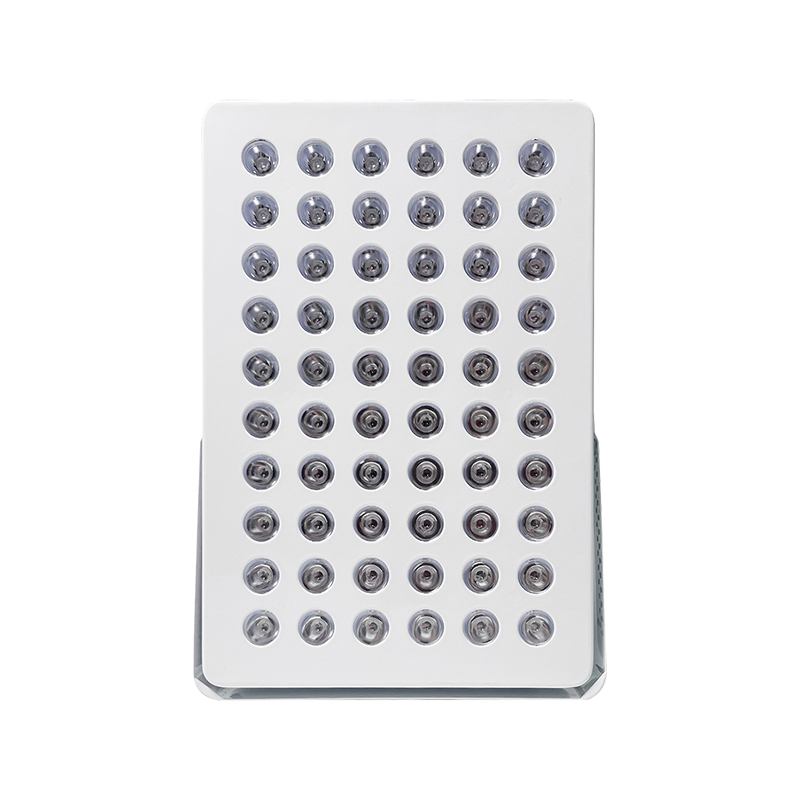
| Headbands | Wearable, targets forehead/temples | Hands-free, brain-targeted | May have weaker LEDs |
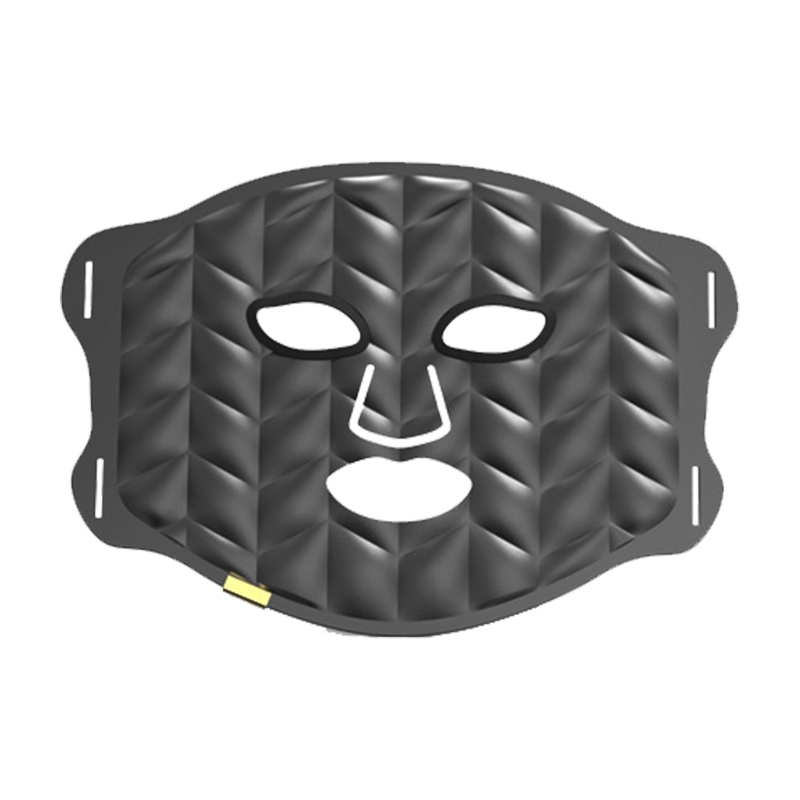
| Máscaras faciais | Covers whole face | Multi-benefit (pele + dor) | Not focused solely on brain |
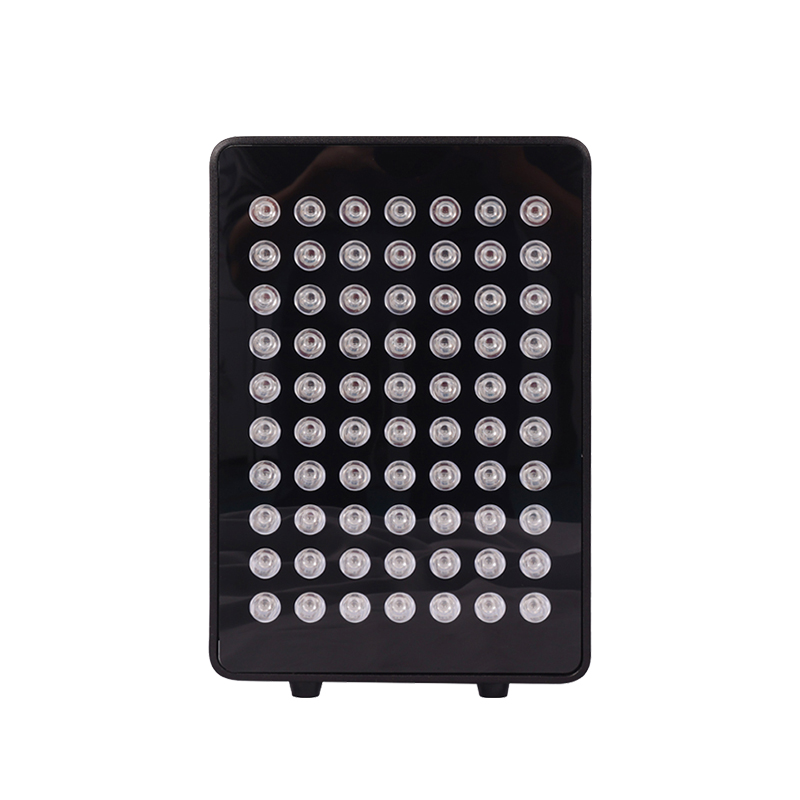
| Wand Devices | Portátil, direct application | Portátil, targeted use | Demorado |
Recommended Devices for Migraine Relief
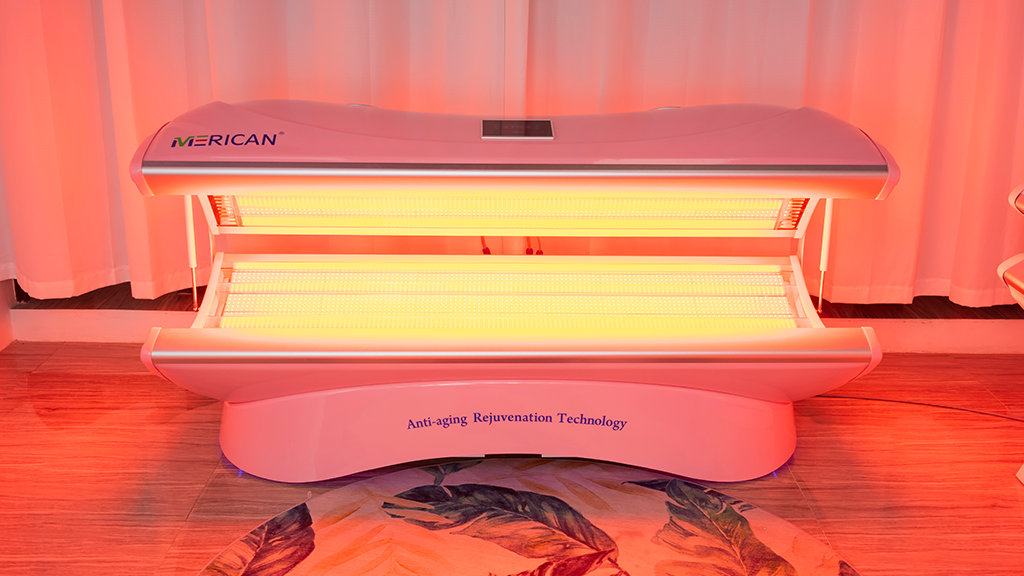
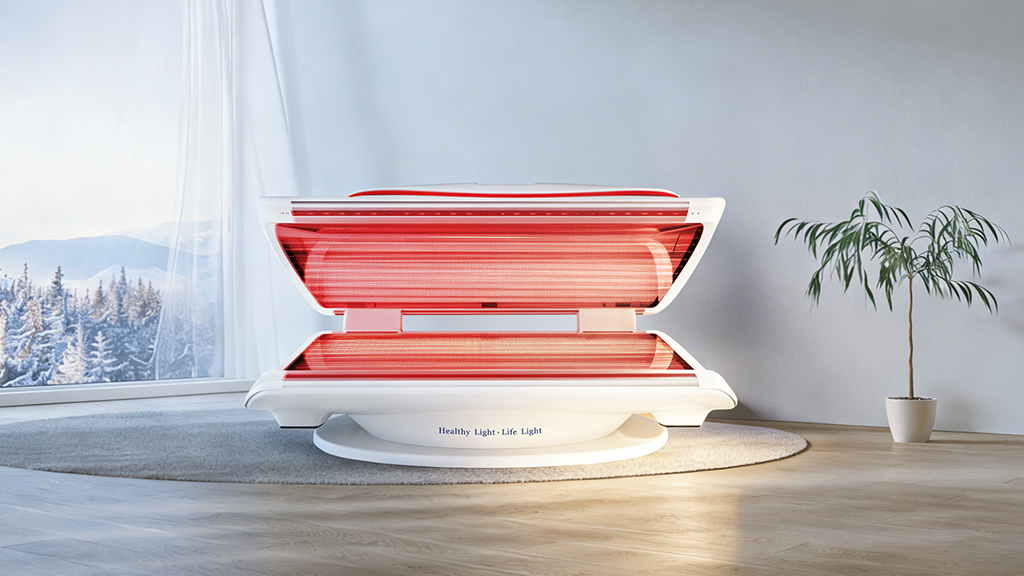
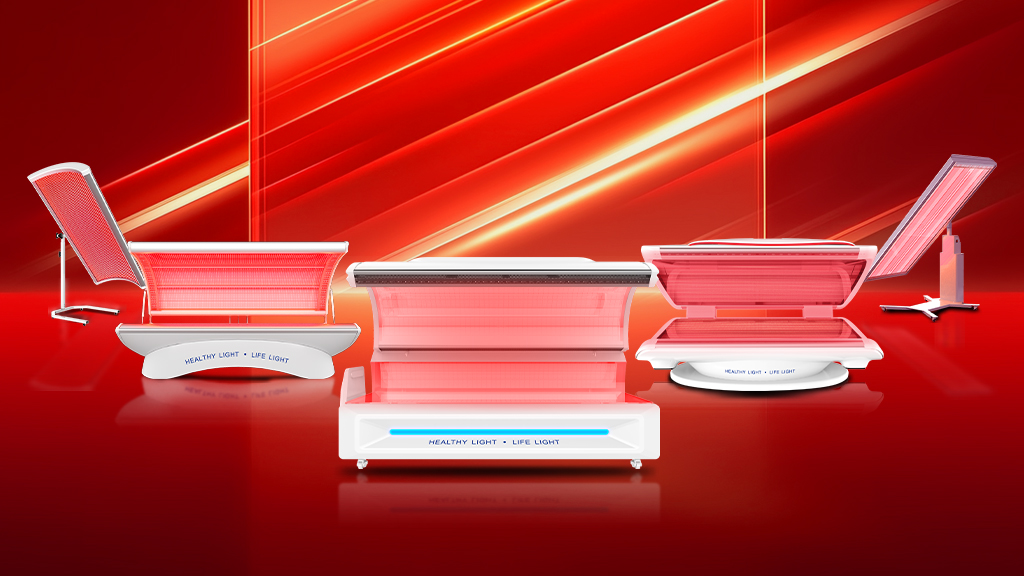
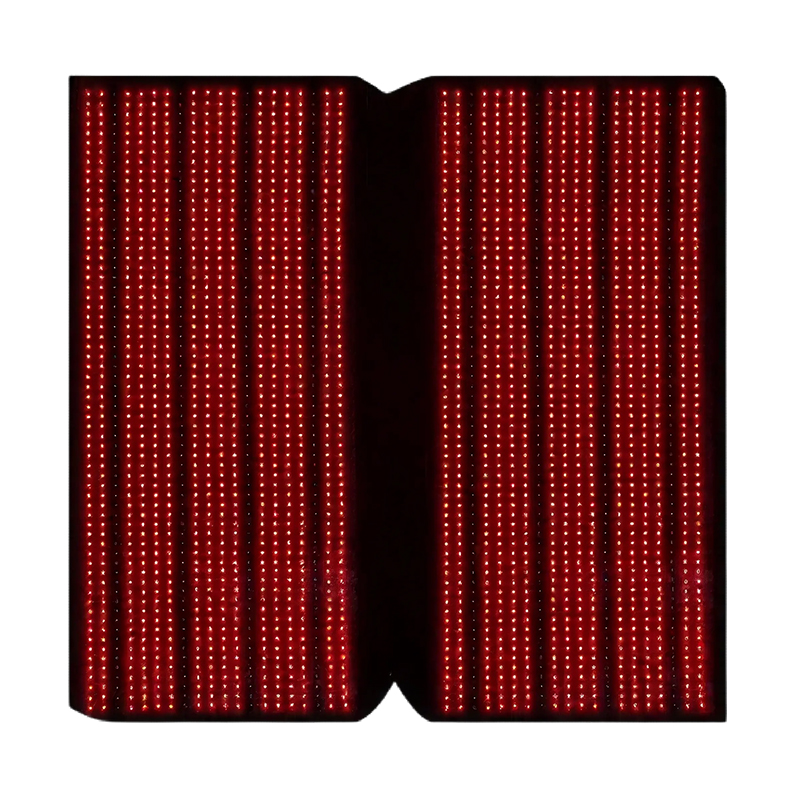
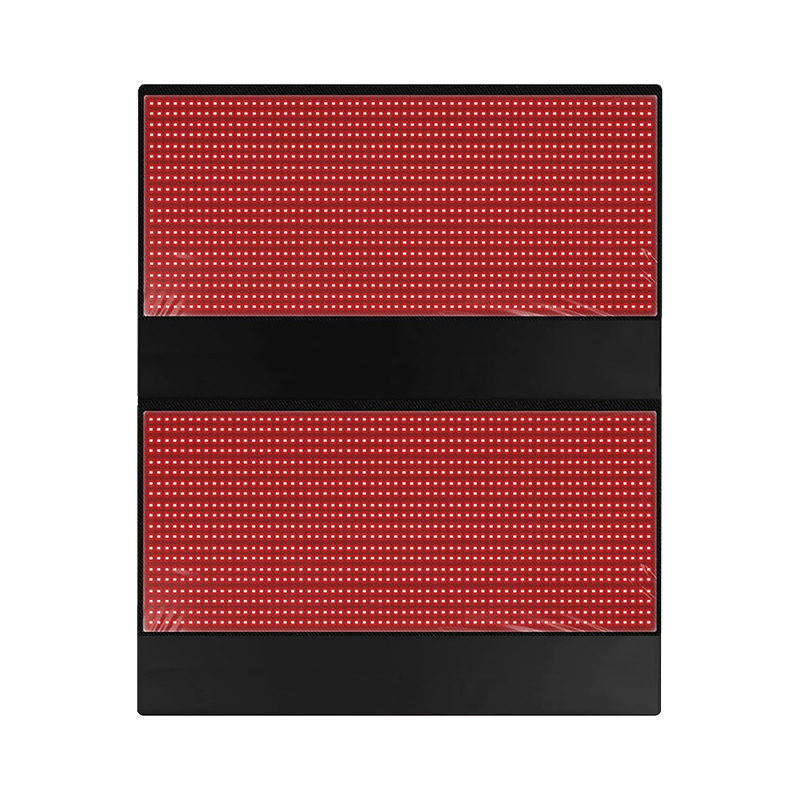
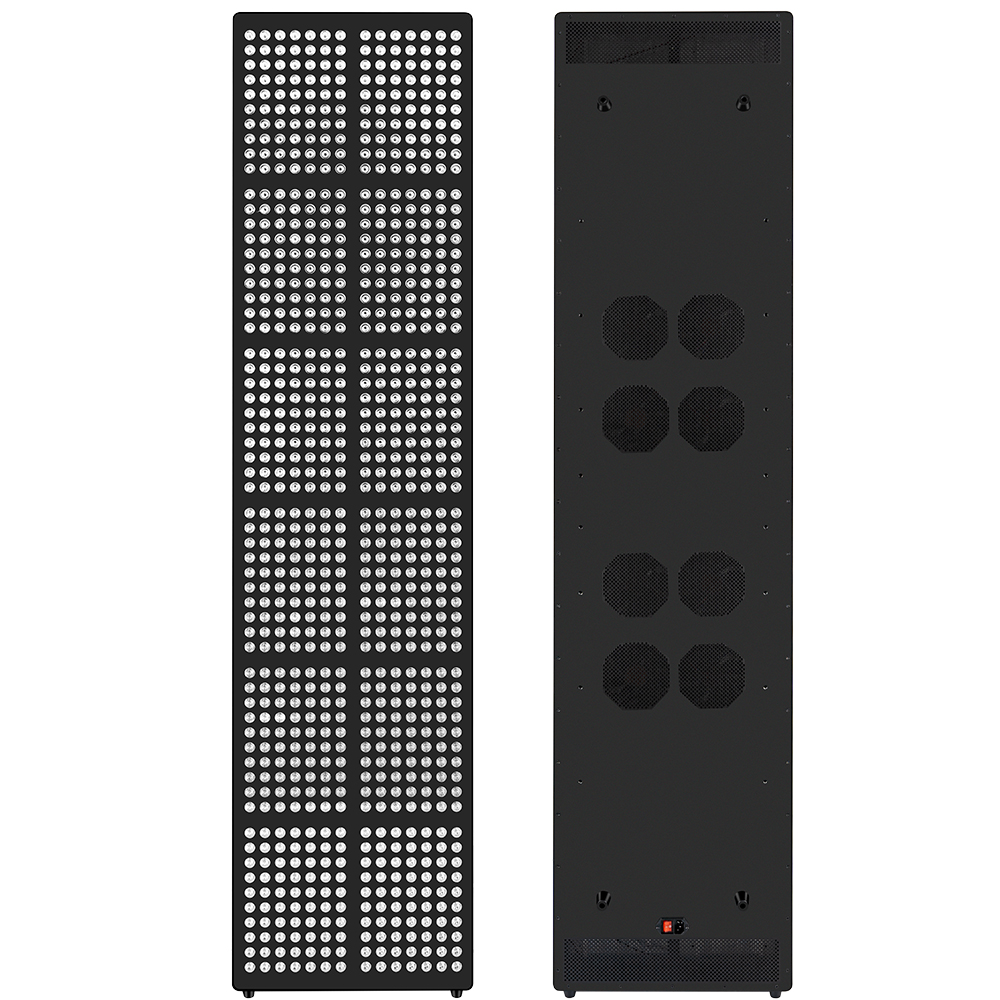
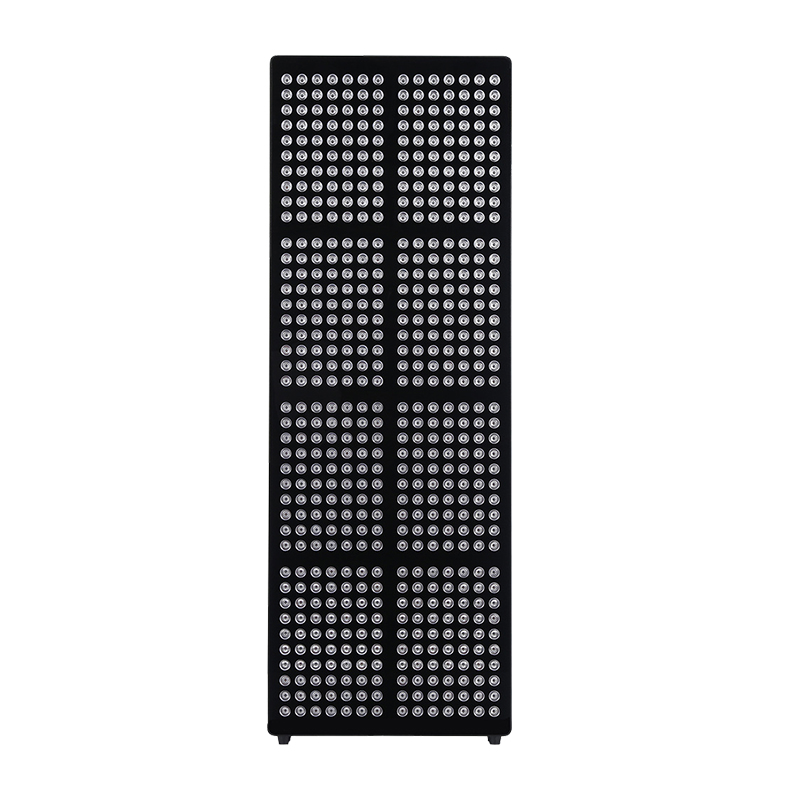
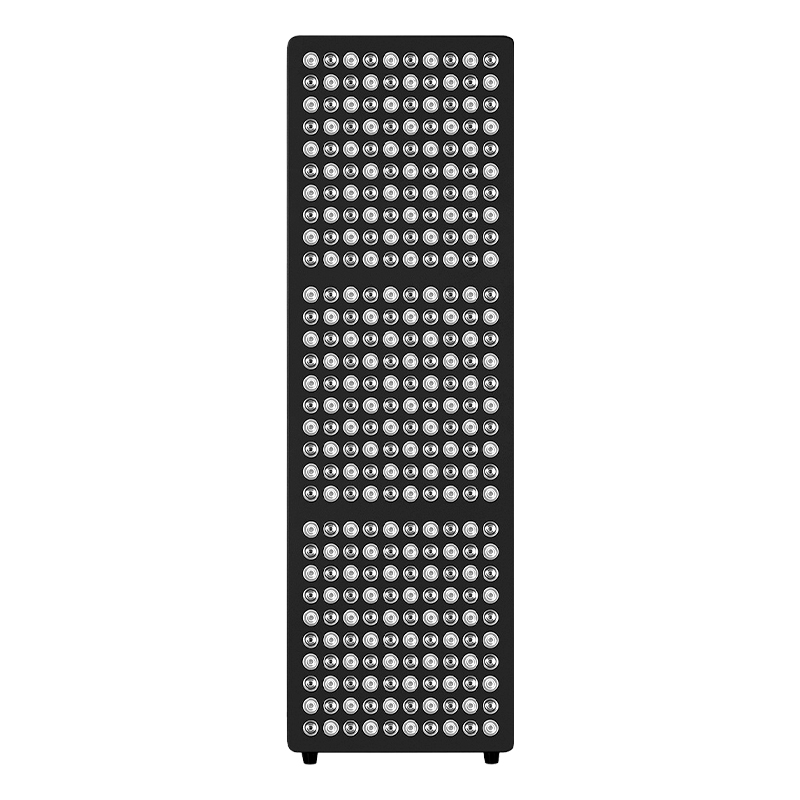
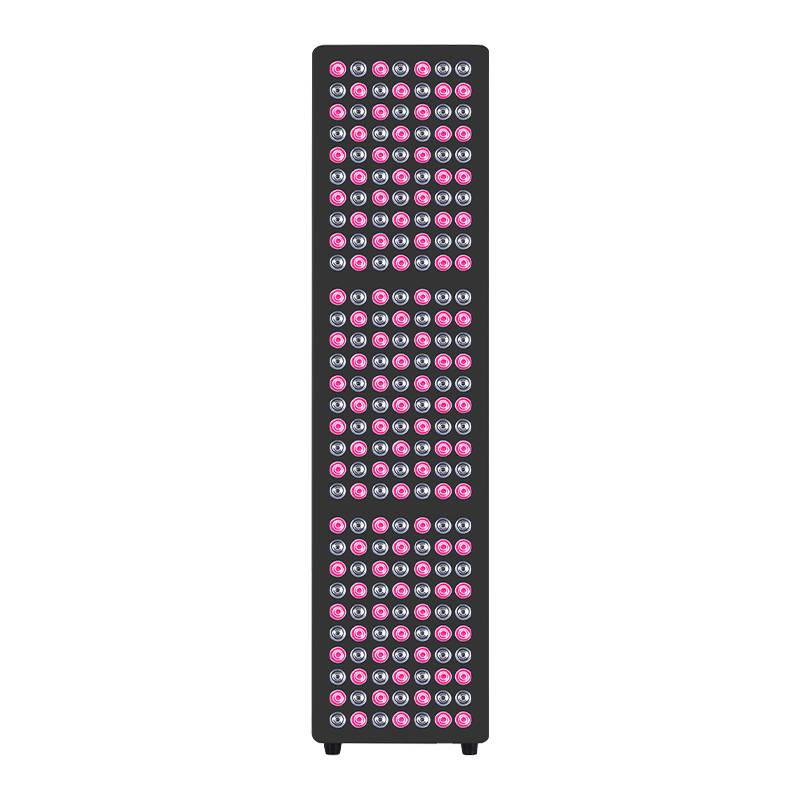
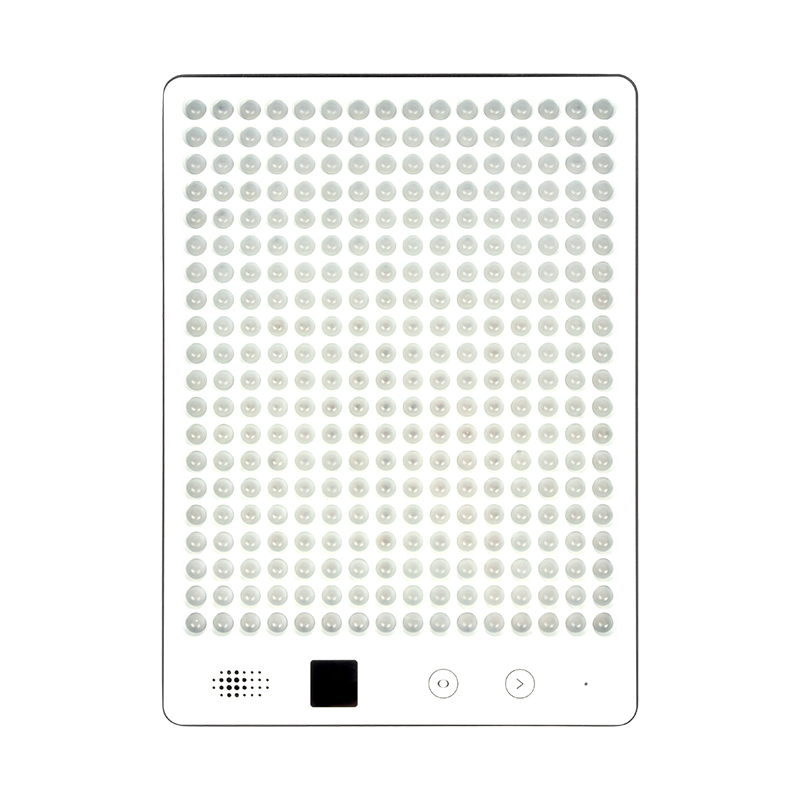
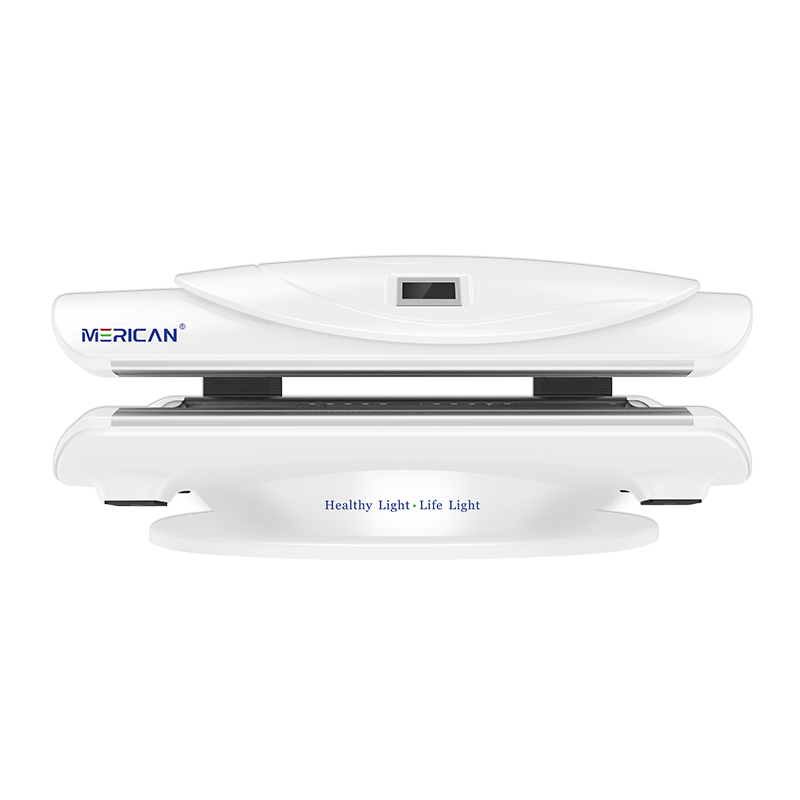
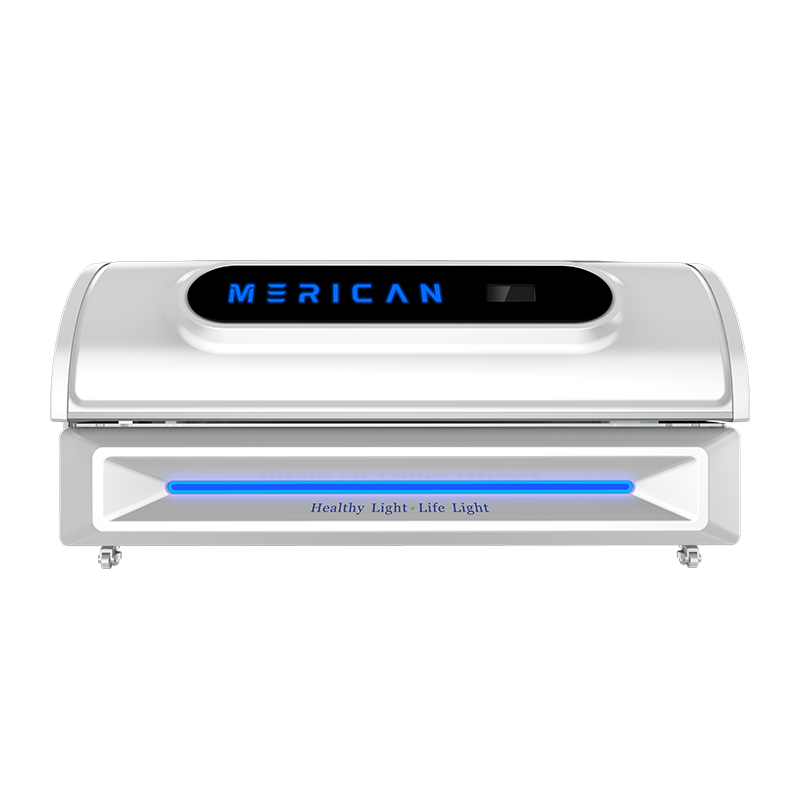
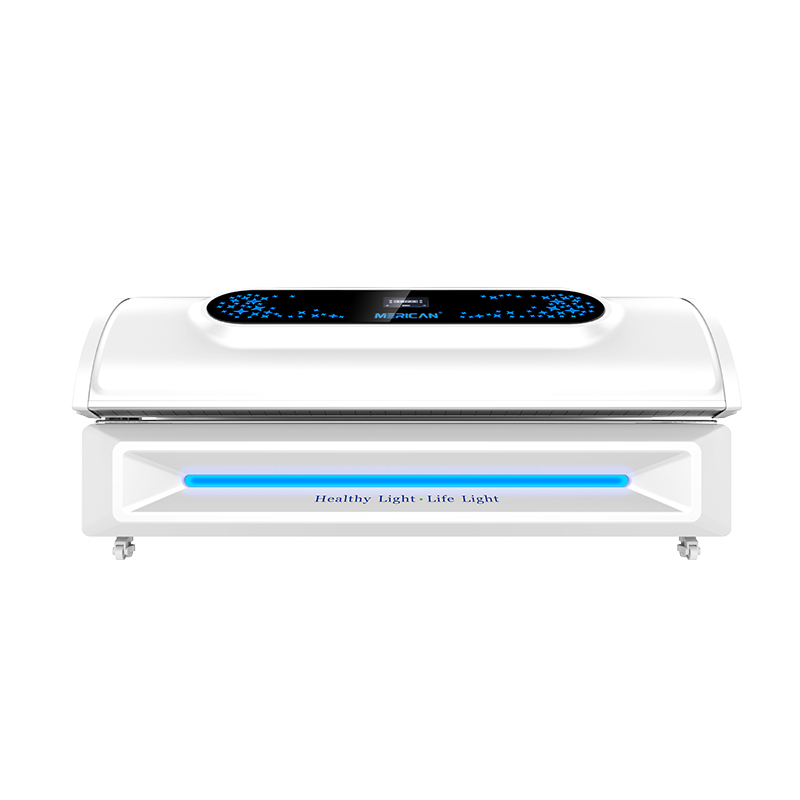
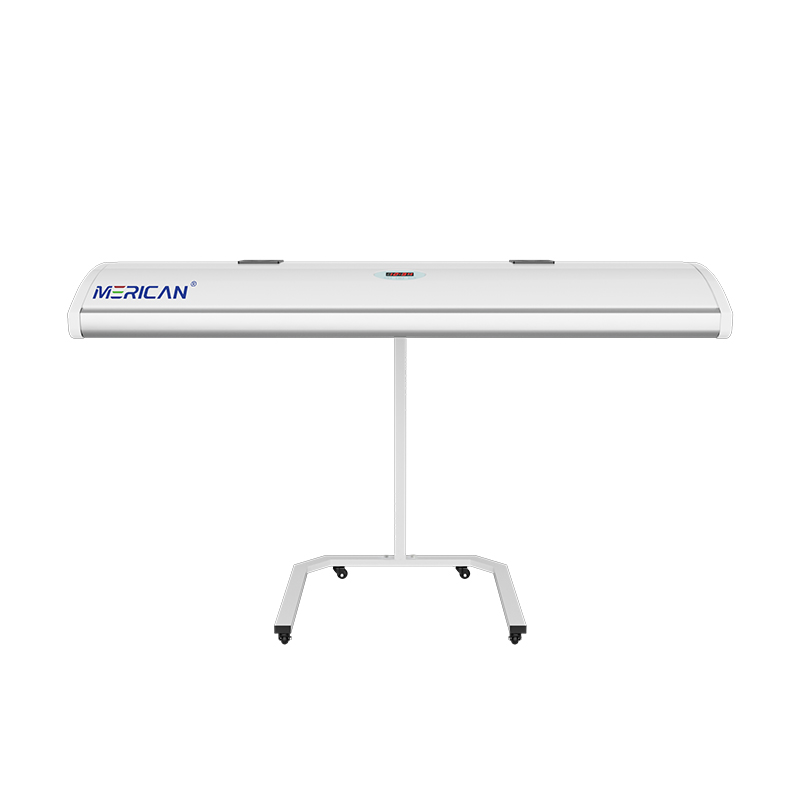
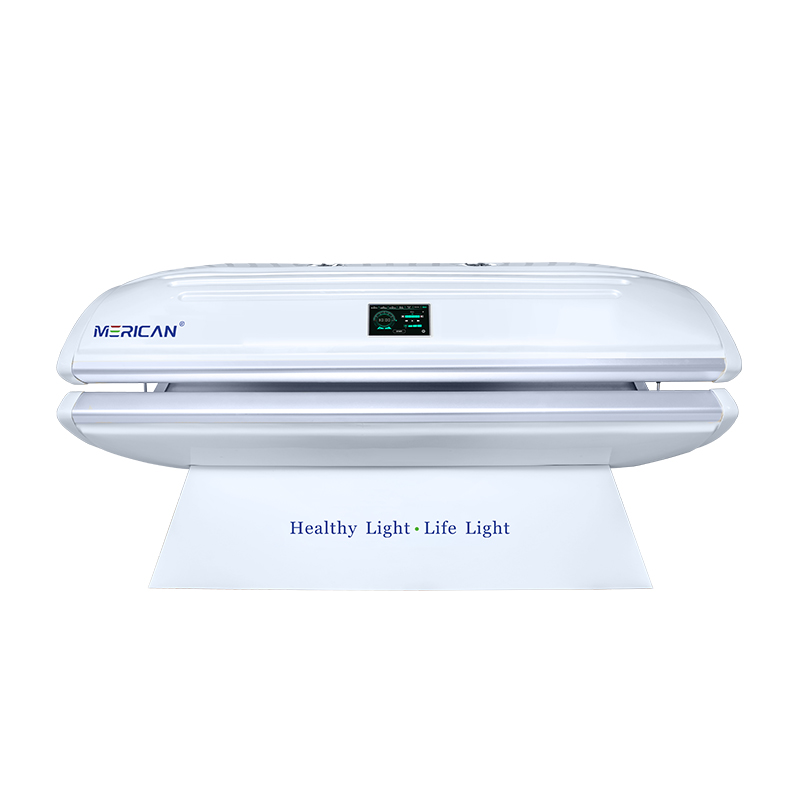
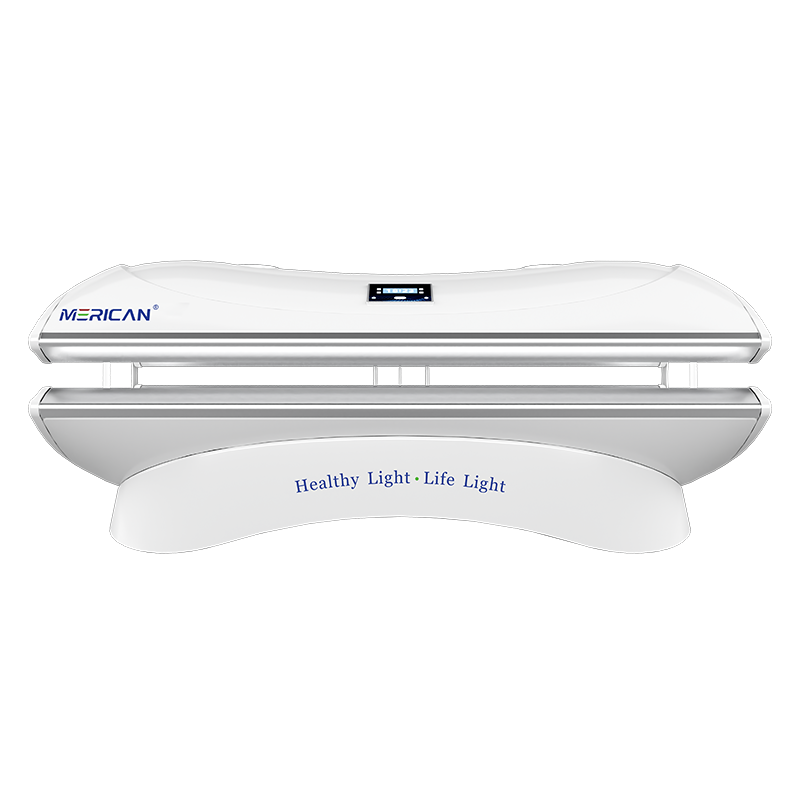
Cama de terapia de luz vermelha M4: 11,616 LEDs, 1.2 kW, dual wavelengths (660 nm & 850 nm), touchscreen control, Bluetooth audio.
Melhor para: Home use targeting the head area to relieve migraines and improve brain energy metabolism.
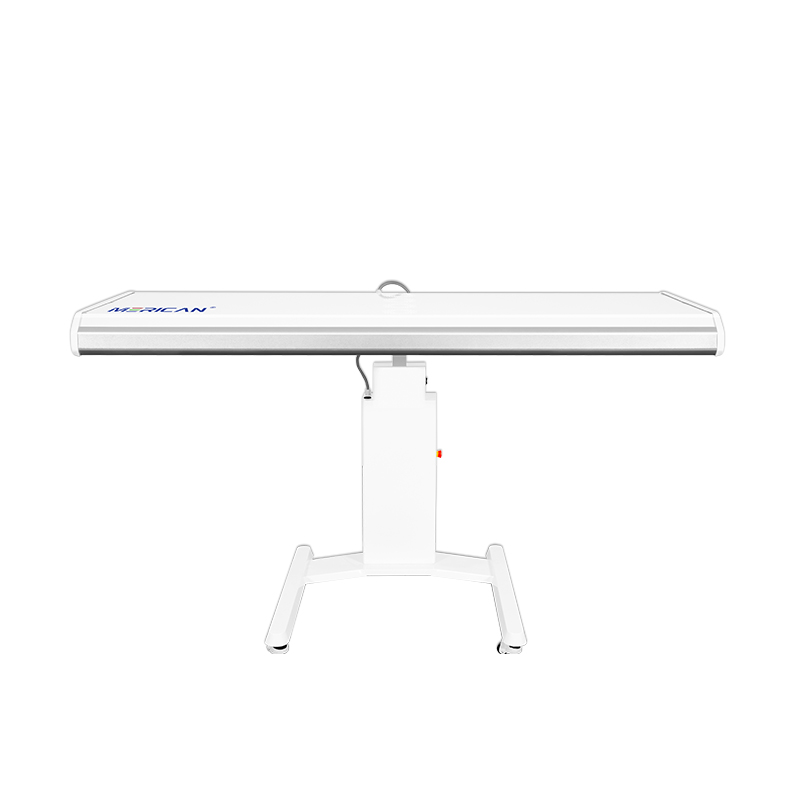
Light Therapy Bed M5N:Customizable wavelengths, Wi‑Fi/LCD control, advanced cooling system.
Melhor para: Clinics needing flexible, professional-grade treatment options.
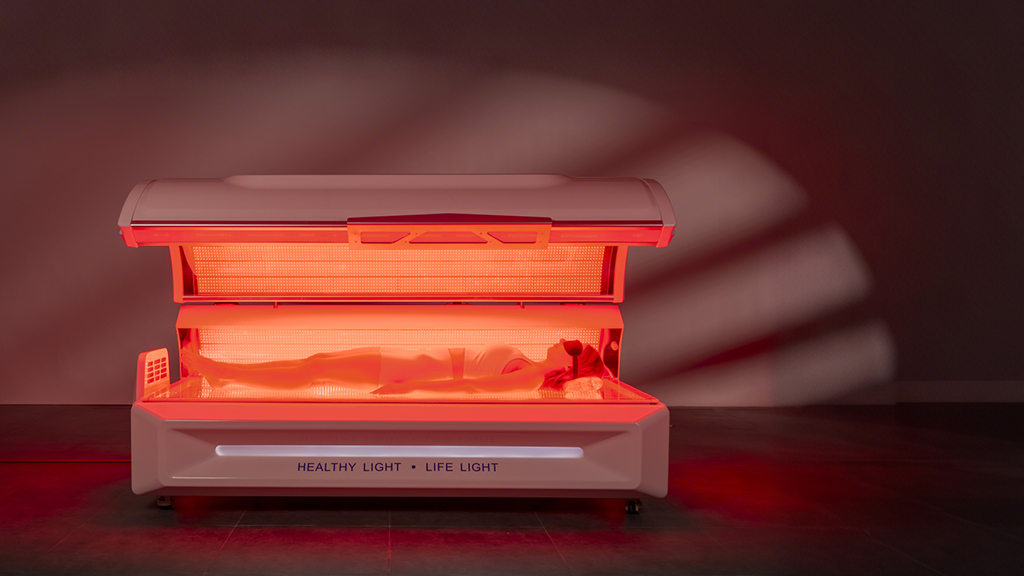
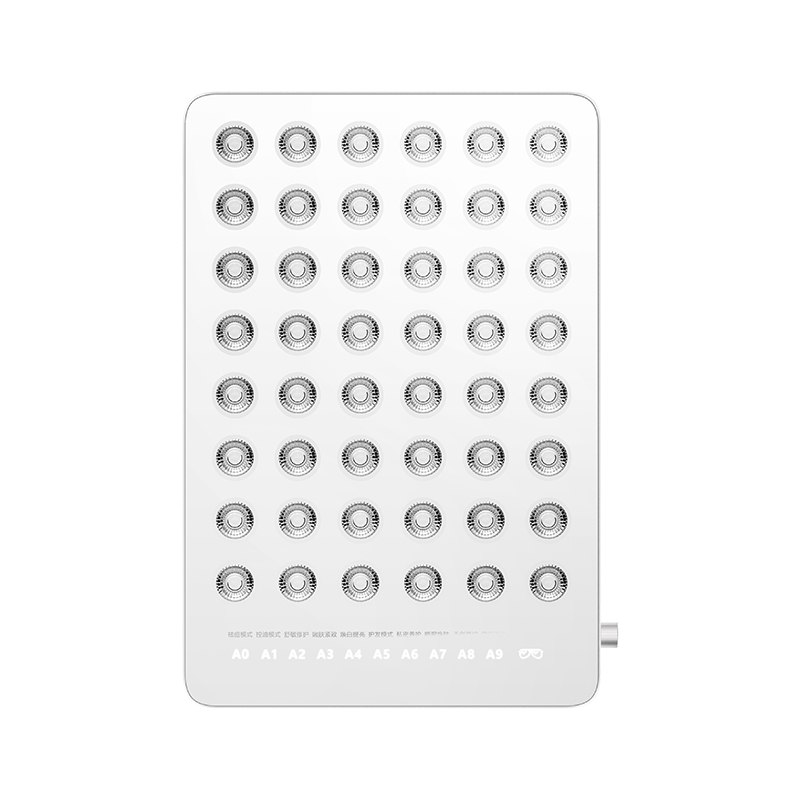
Cama de terapia de luz LED M6N: 5-wavelength coverage, penetração profunda nos tecidos, tablet control, high output.
Melhor para: Medical or rehab centers treating neurological migraines.
Diretrizes de uso
- Comece devagar: 5–10 minutos por sessão, once a day.
- Observe effects: Improvement may appear after 2–4 weeks of consistent use.
- Avoid eye exposure: Always wear protective glasses.
- Sensitive skin or light sensitivity? Start with shorter sessions and monitor carefully.
- Track progress: Use a headache diary to correlate therapy with symptom relief.
Terapia com luz vermelha vs. Other Natural Migraine Treatments
Comparing red light therapy with other non-pharmacological migraine interventions provides insight into its relative effectiveness and positioning within a broader treatment strategy.
| Treatment Modality | Mecanismo | Nível de evidência | Limitações |
| Terapia com luz vermelha | Cellular energy enhancement, anti-inflamatório, neurovascular modulation | Growing (clinical + preclinical) | Requires regular use; cost barrier for high-end devices |
| Acupuntura | Modulation of nerve pathways and endogenous opioids | Moderado | Practitioner-dependent |
| Magnesium Supplementation | NMDA receptor modulation, mitochondrial support | Strong for deficiency-related migraine | Limited effect if magnesium levels are normal |
| Biofeedback | Autonomic nervous system regulation | Moderado | Requires training and time investment |
| Cold/Heat Therapy | Temporary sensory distraction | Baixo | Symptomatic relief only |
Unlike surface-level interventions, red light therapy potentially addresses deeper mitochondrial and neurovascular dysfunction in the brain. It is non-pharmacological, can be self-administered at home, and has a favorable safety profile, making it suitable for integration into multimodal migraine prevention strategies.
Is Red Light Therapy Worth Trying for Your Migraines
Preliminary clinical evidence suggests RLT may benefit select patients through multiple brain-related mechanisms. A critical evaluation is outlined below:
Evidência clínica: Promising but Preliminary
- Early studies show red/near-infrared light (630–850nm) may reduce migraine frequency and severity.
- Recent studies, such as those reviewed in this publication on photobiomodulation and the central nervous system (NCBI), have shown that red light for migraines may help modulate trigeminovascular activation.
- No entanto, Evidence is still limited; red light therapy remains an experimental, low-risk adjunct—not a primary treatment.
Safety and Side Effect Profile
- RLT is generally considered safe. No entanto, some users report headache after red light therapy, typically linked to excessive exposure or inappropriate device settings.
- Initial use should be conservative, especially in home settings without medical supervision.
Quem pode se beneficiar
- Ideal for those intolerant to migraine medications.
- Suitable for patients with mitochondrial issues or neuroinflammation.
- Avoid in epilepsy or photosensitivity; consult a professional.
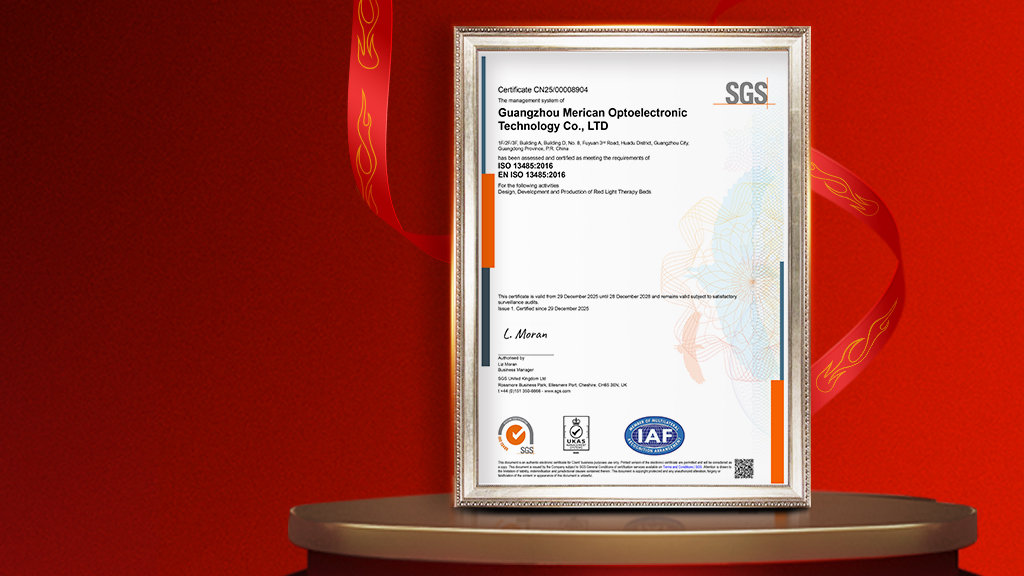
Explore Merican’s certified red light devices to get started today.
Perguntas frequentes:
Why is red light therapy good for migraines?
It enhances mitochondrial function, reduz a neuroinflamação, and improves cerebral blood flow.
What is the best light therapy for migraines?
Near-infrared light therapy (810–850nm) is most effective due to its deeper tissue penetration and brain-targeted effects.
What wavelength of red light is most effective for treating migraines?
Wavelengths between 660nm and 850nm are considered most effective for reaching migraine-related tissues in the brain.
Is red light therapy safe to use on the head and brain area?
Sim, quando usado corretamente, it’s generally safe with low risk.