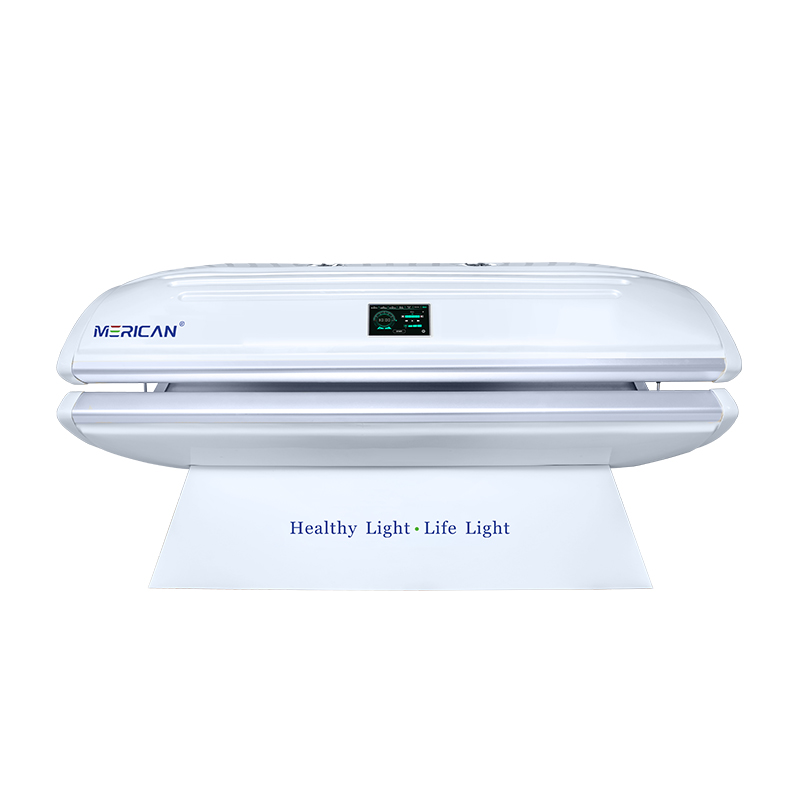
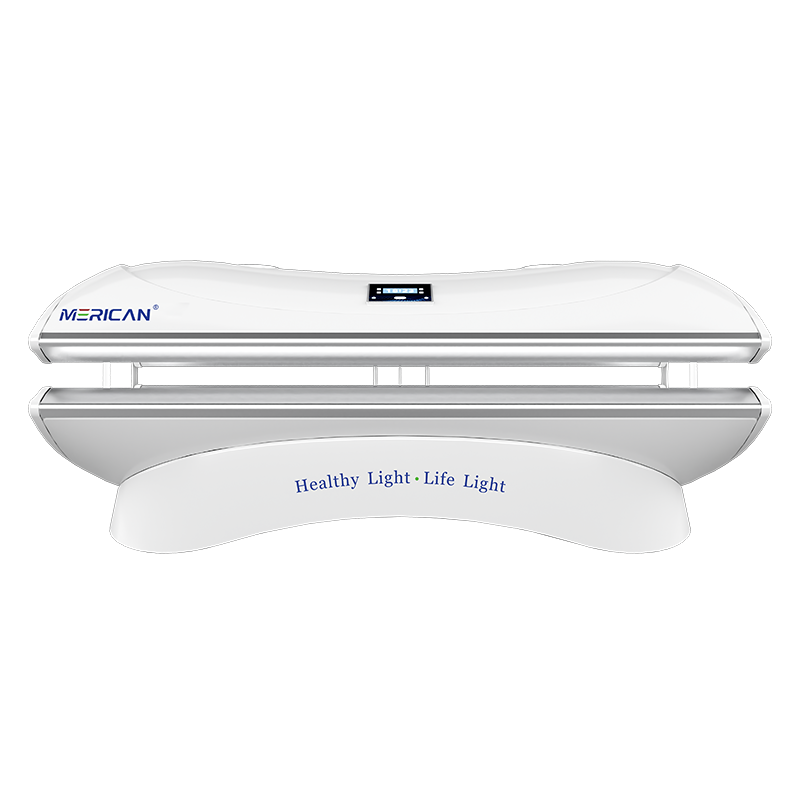
근본적인 과학적 메커니즘에 대한 심층 분석.
상처 치유는 복잡한 생물학적 과정입니다, 적색광 및 청색광 요법이 유망한 보조 치료법으로 떠오르고 있습니다.. 평범한 빛이 아니네요, 오히려 특정 파장의 저에너지 빛을 활용하여 인체 조직을 비침습적으로 조절합니다..
핵심 과학적 메커니즘은 미토콘드리아 흡수에 있습니다.. 미토콘드리아 때 (에너지 공장) in cells absorb these photons, their efficiency increases, producing more adenosine triphosphate (ATP). Abundant ATP provides sufficient energy for repairing cells (such as fibroblasts and epithelial cells), enhancing their ability to proliferate, migrate, and synthesize collagen.
뿐만 아니라, this therapy can:
염증 감소: Regulate cytokines to prevent excessive inflammatory responses.
Promote angiogenesis: Improve blood supply and oxygen delivery to the wound area.
Reduce oxidative stress: Help eliminate harmful free radicals and protect healthy cells.
Studies have shown positive effects on acute and chronic wounds such as diabetic foot ulcers, 욕창, surgical incisions, minor burns, and abrasions. 물론, it is usually used as an adjunct therapy to standard debridement, care, and nutritional support, rather than the sole treatment.