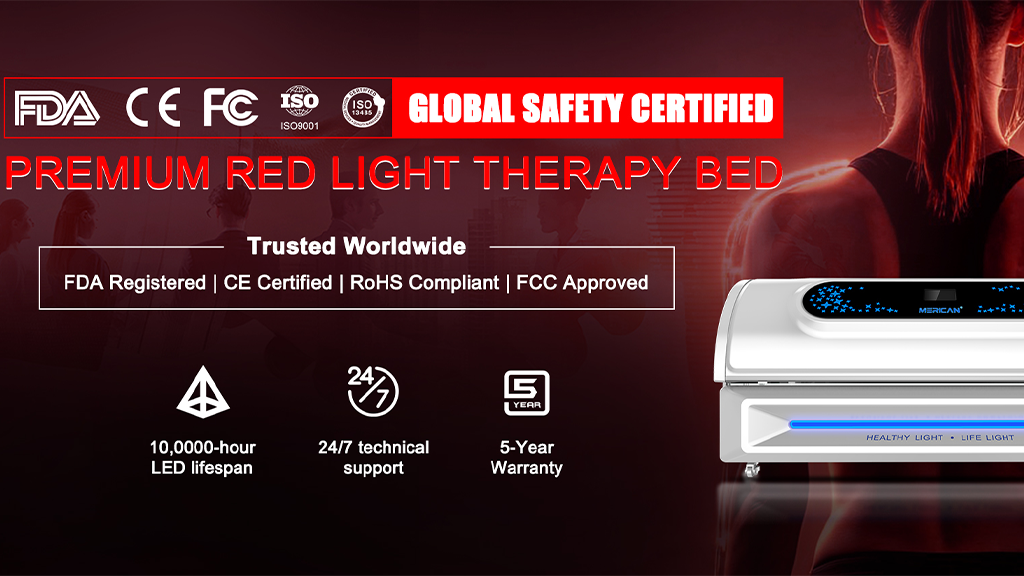
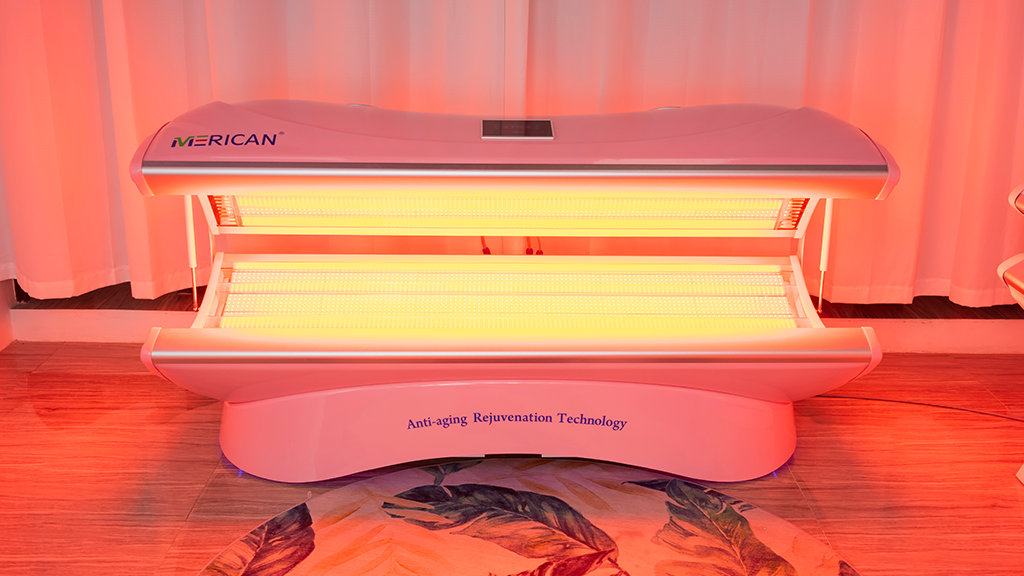
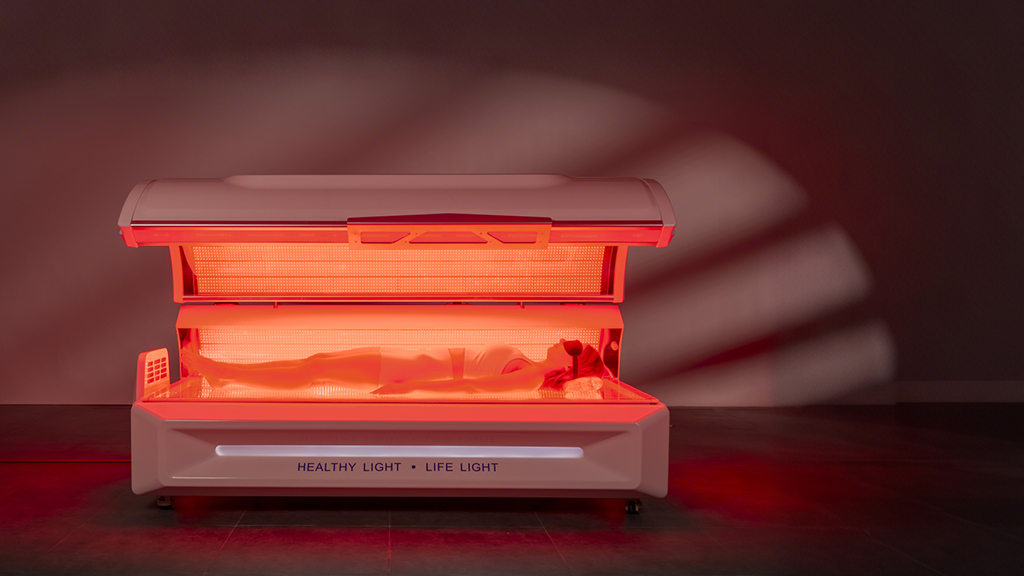
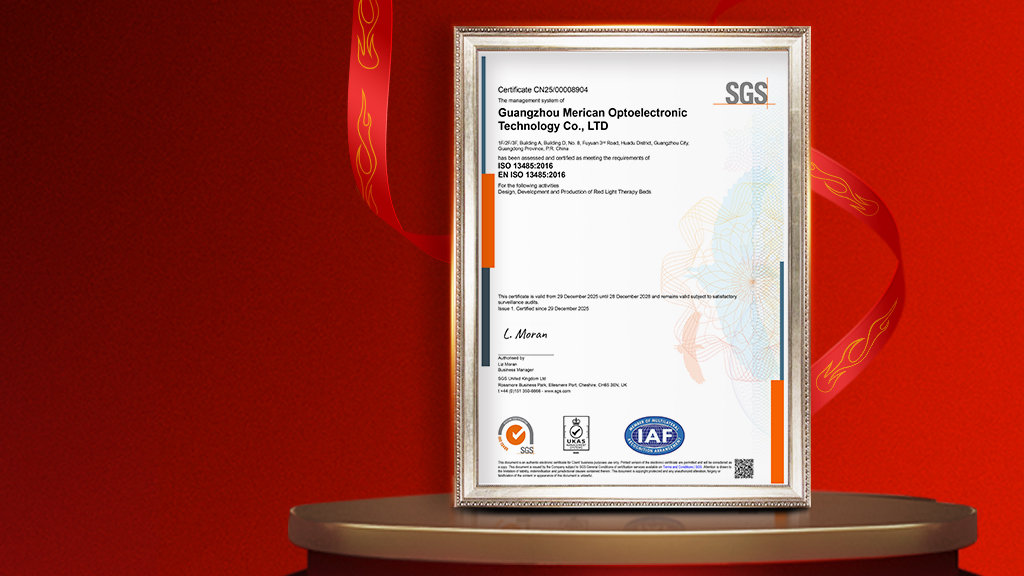
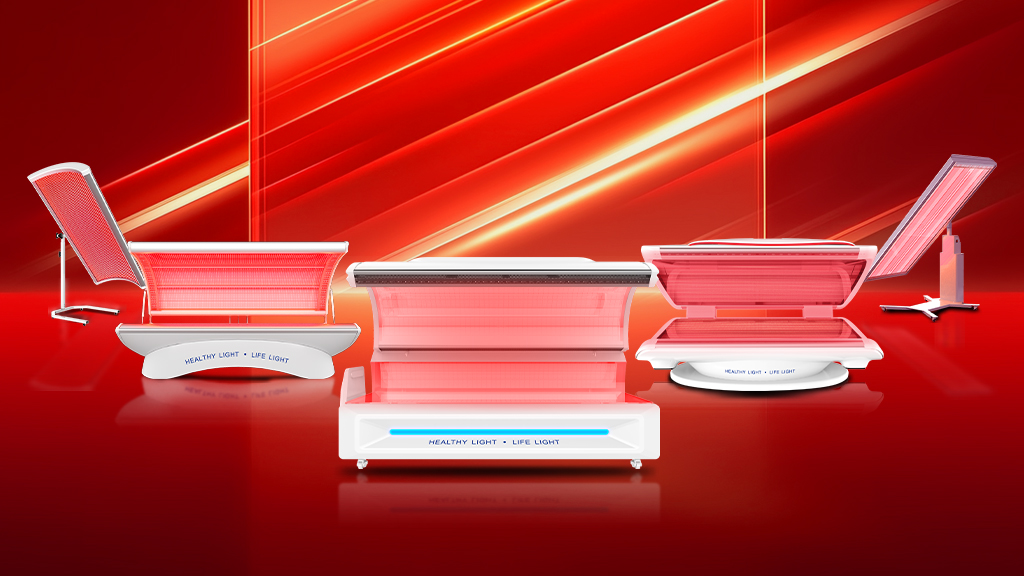
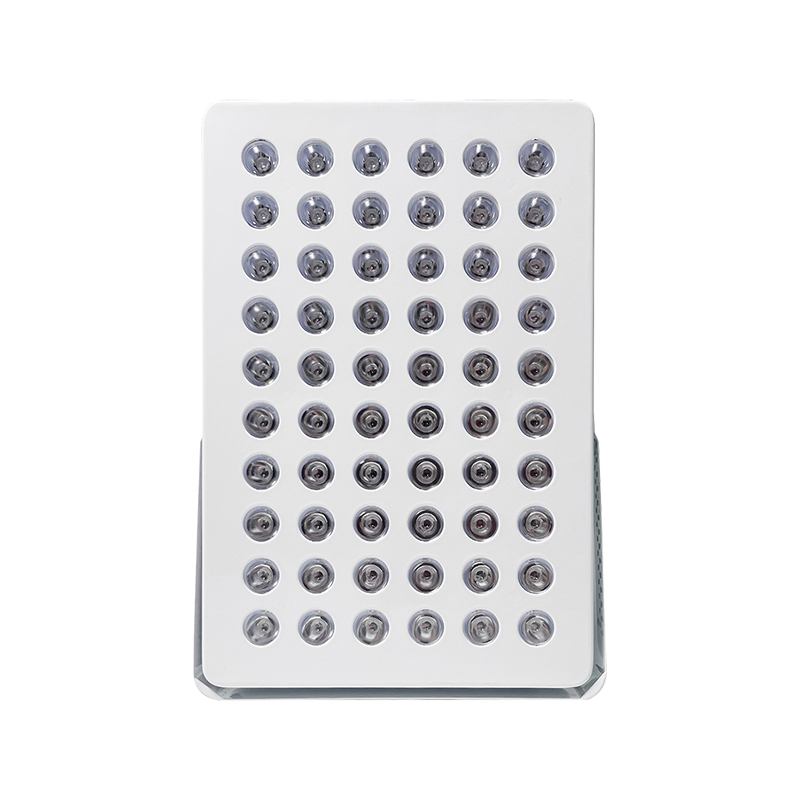
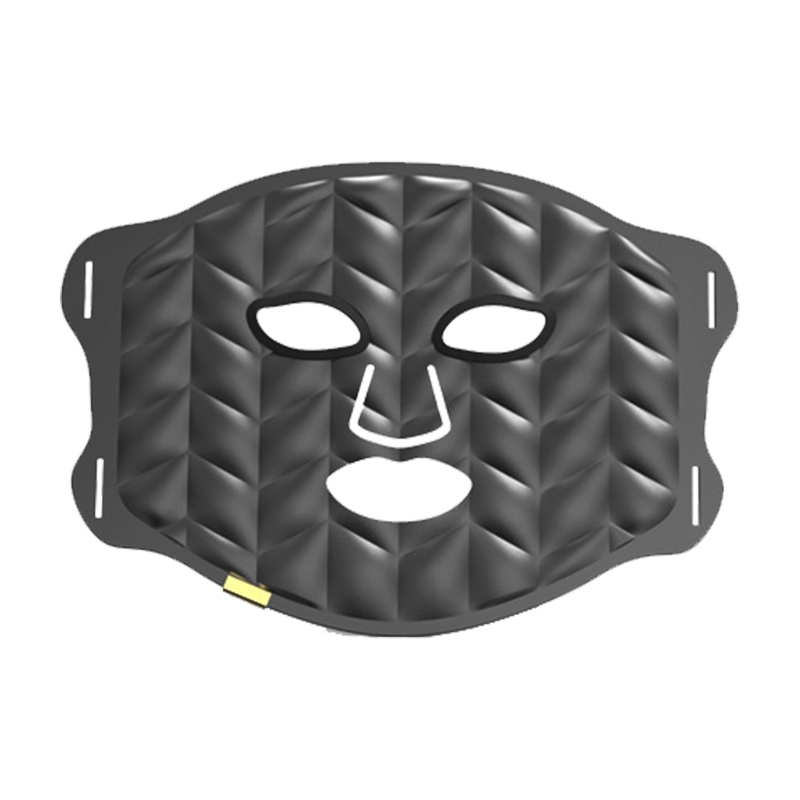
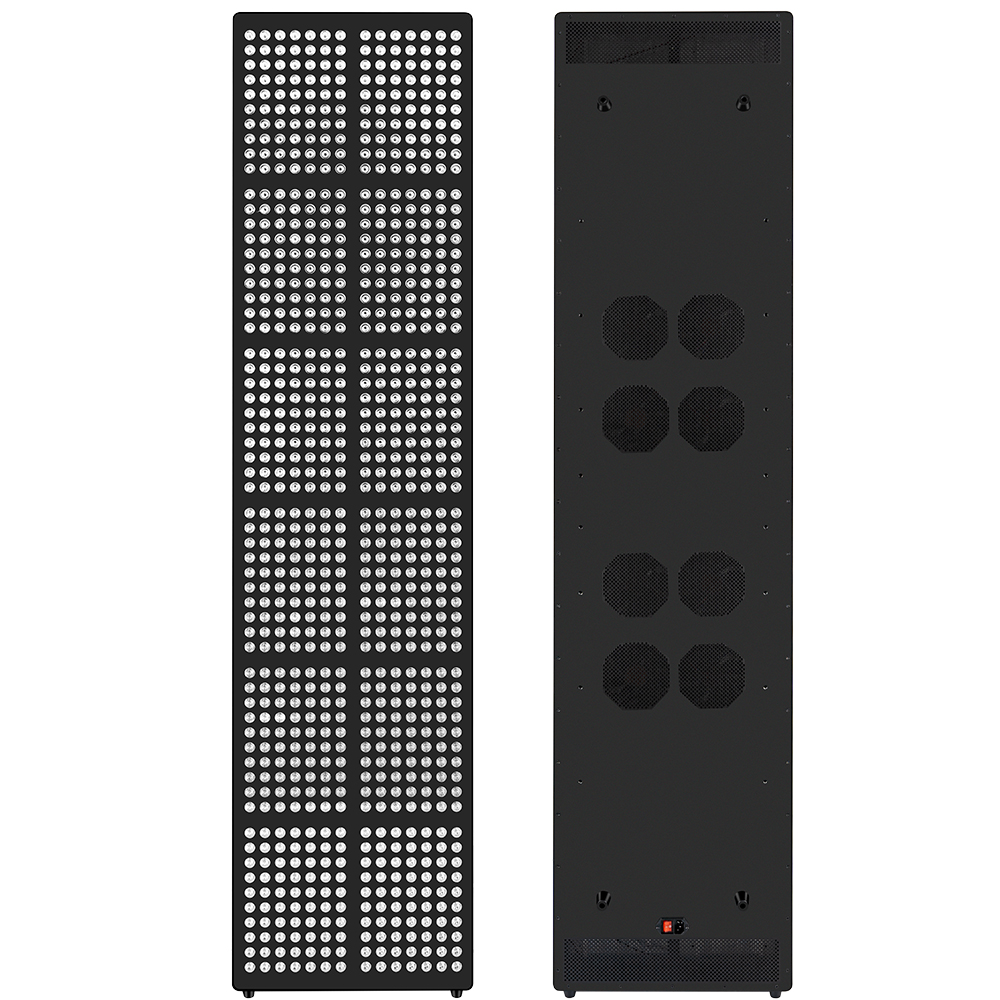
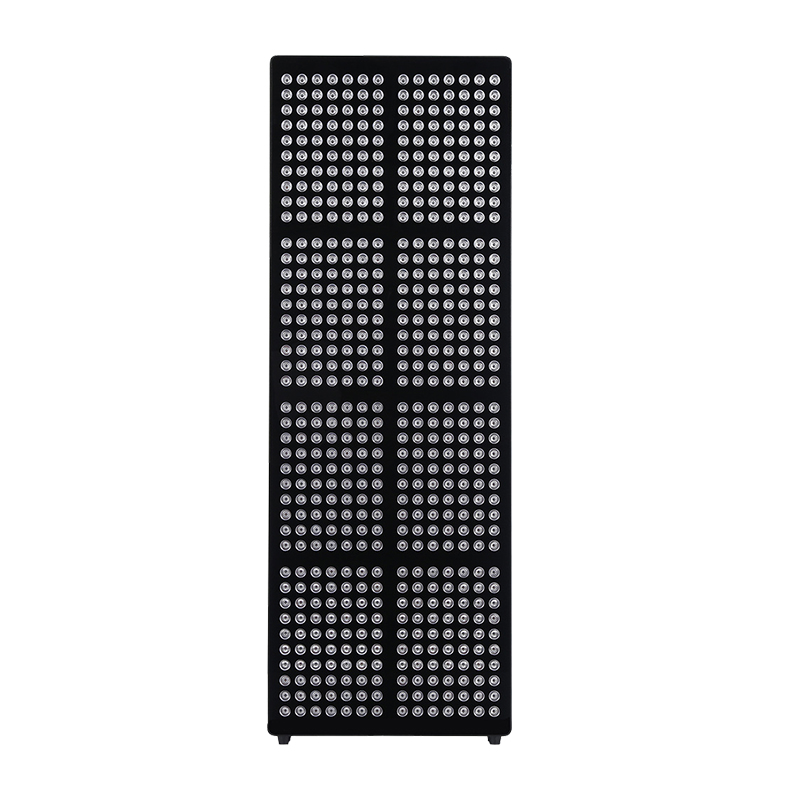
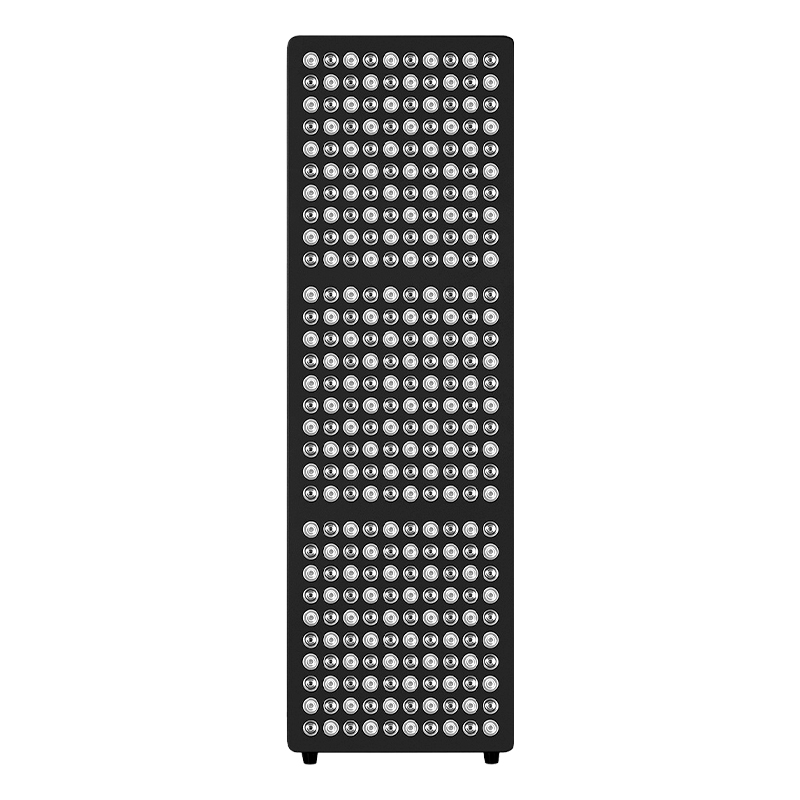
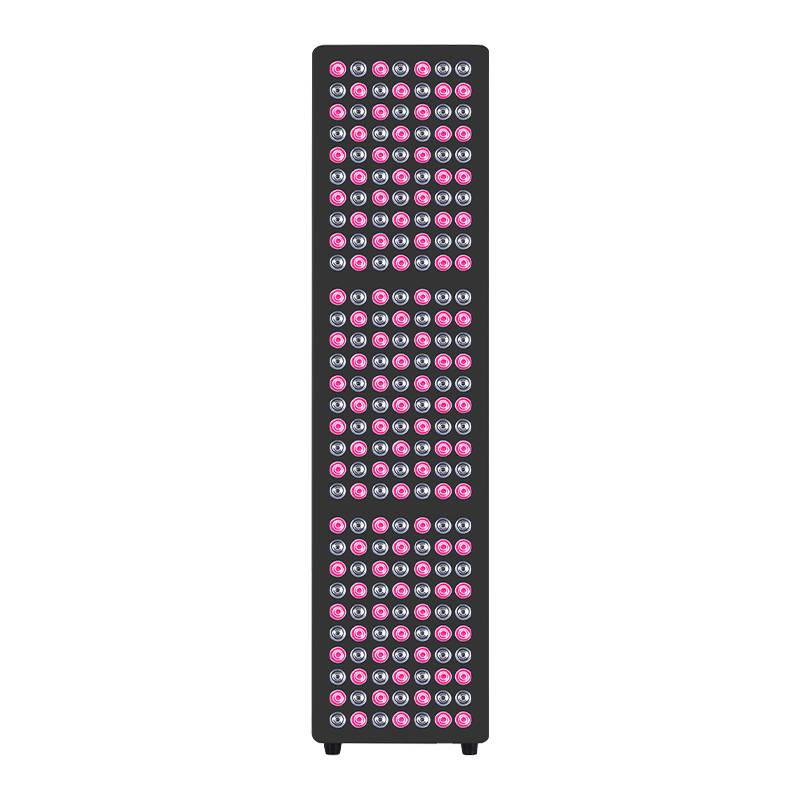
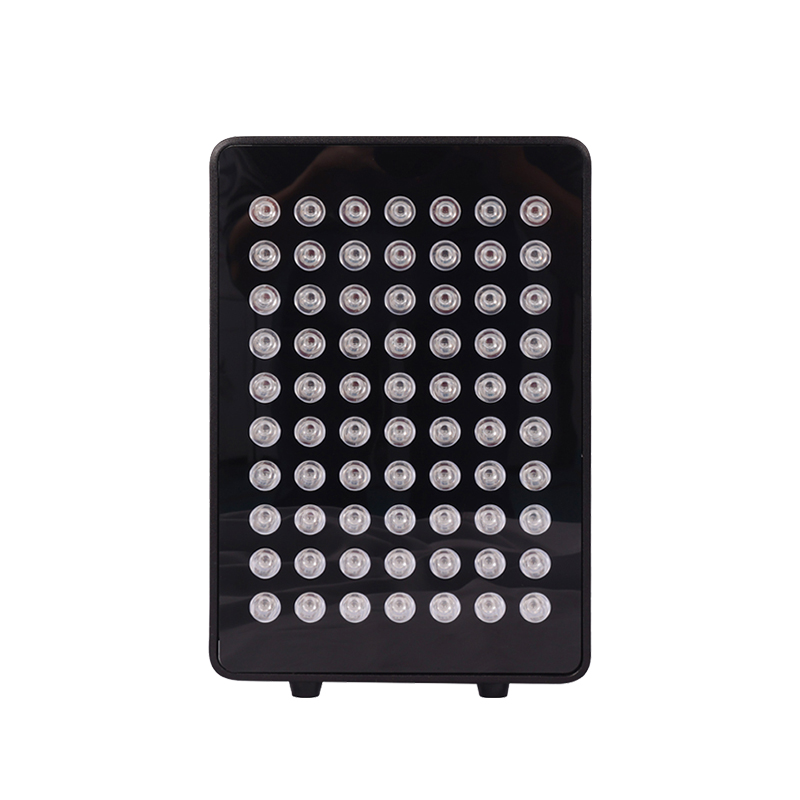
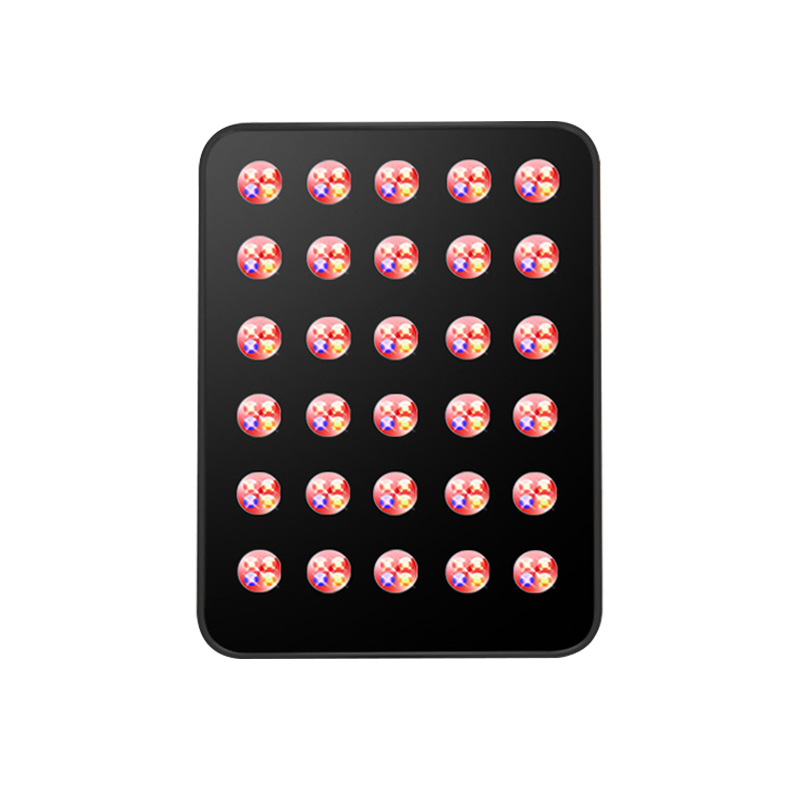
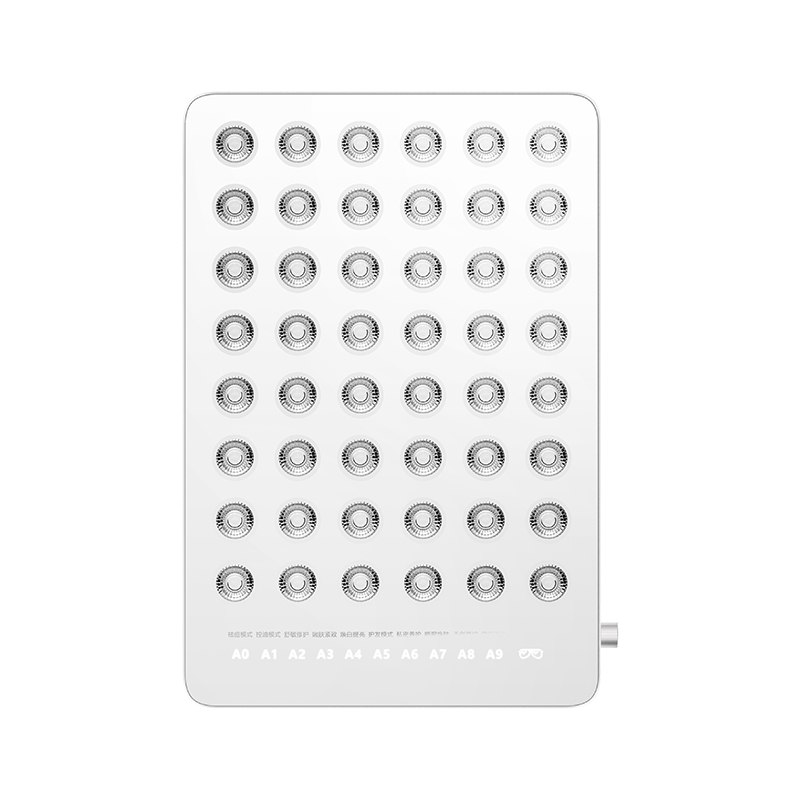
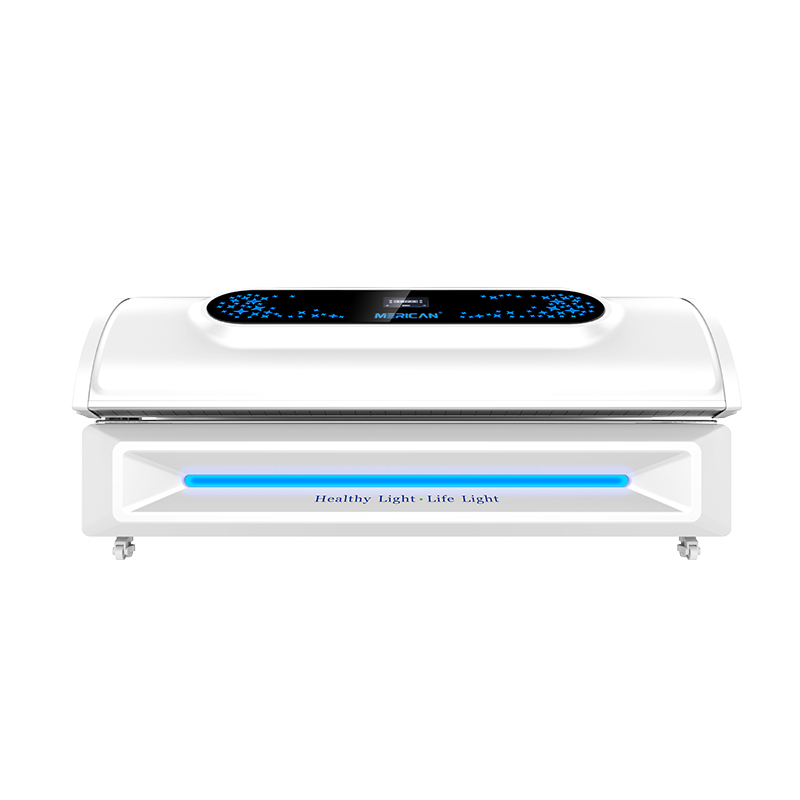
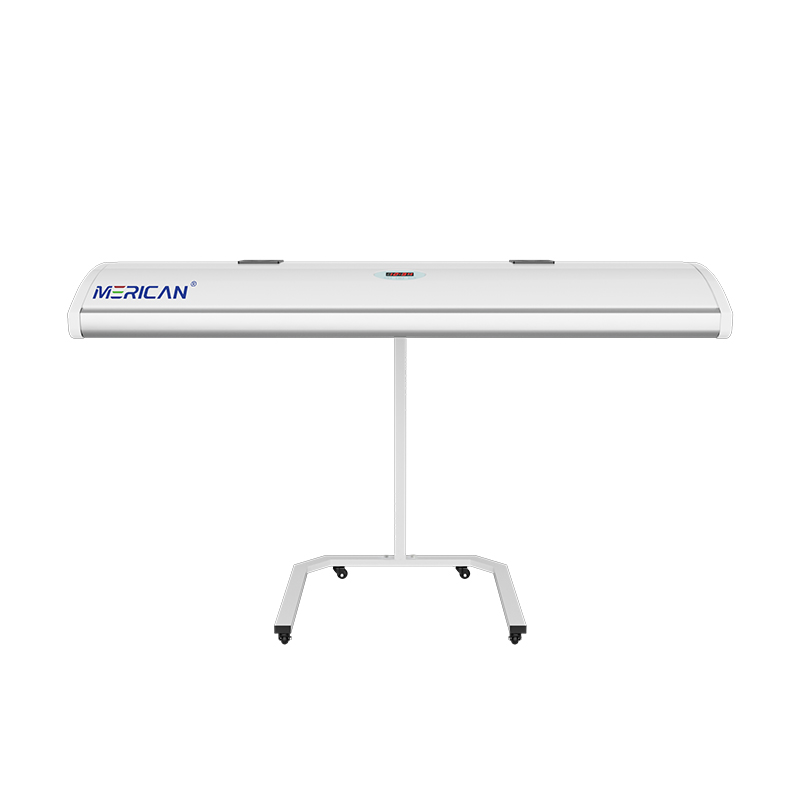
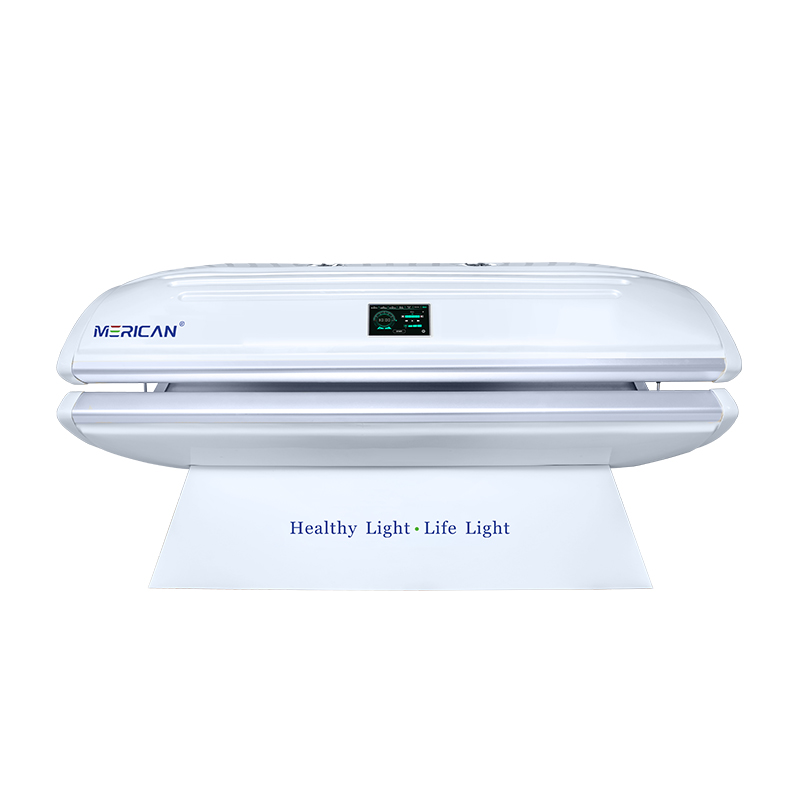
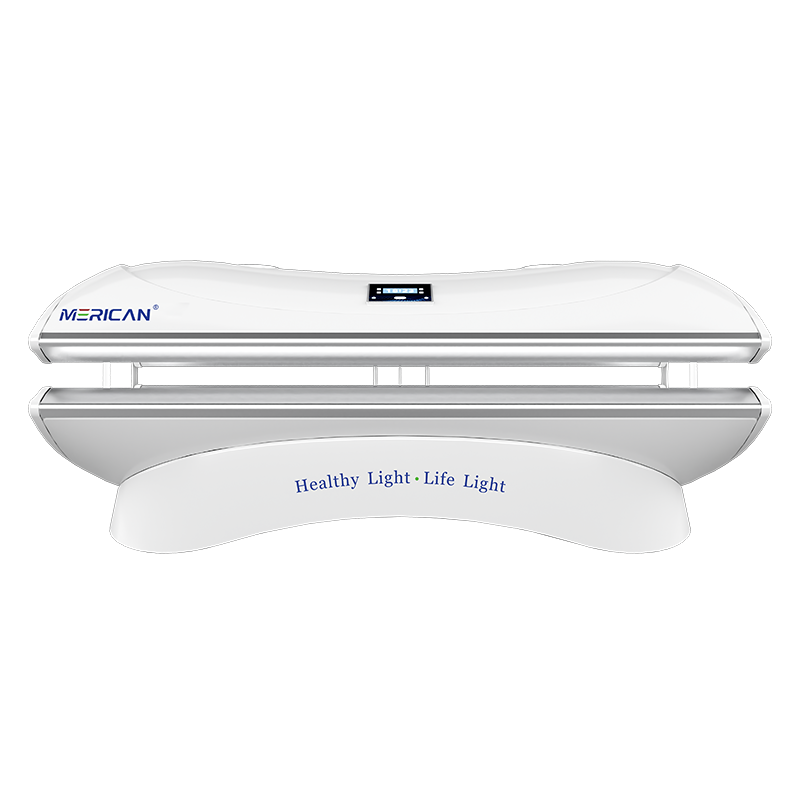
자궁내막증에 대한 인식이 계속 높아지면서, 많은 사람들이 자신의 건강과 삶의 질을 지원하는 추가적인 방법을 모색하고 있습니다.. 점점 더 많은 관심을 끌고 있는 치료법 중 하나는 적색 광선 요법입니다., 웰빙 및 회복 환경에서 널리 사용되는 비침습적 기술.
자궁내막증 이해
자궁내막증은 자궁 내막과 유사한 조직이 자궁 밖에서 자라는 것이 특징입니다.. 이는 만성 염증과 통증을 유발할 수 있습니다., 특히 월경 중.
증상은 종종 다음과 같습니다.:
- 골반통
- 심한 월경통
- 허리 불편함
- 피로
- 팽만감
- 소화 문제
자궁내막증은 복잡한 질환이기 때문에, 관리에는 종종 의학적 치료와 지지적인 생활 방식 전략의 조합이 필요합니다..
적색광 요법이 연구되는 이유
광생체변조(Photobiomodulation)는 다음에 미치는 영향에 대해 조사되었습니다.:
- 세포 에너지 생산
- 염증 과정
- 조직 회복
- 통증 관리
- 전반적인 웰빙 지원
이러한 잠재적 효과로 인해 연구자들은 다양한 만성 염증성 질환에 대한 적용을 탐구하게 되었습니다..
자궁내막증 환자를 위한 잠재적 이점
전반적인 복구 지원
적색광 요법은 미토콘드리아 기능을 지원하여 세포 효율성을 향상시키는 데 도움이 될 수 있습니다.
불편함을 줄이는 데 도움이 될 수 있음
자궁내막증에 대한 구체적인 증거는 여전히 제한적이지만, 다른 만성 통증 상태와 관련된 연구에 따르면 광생체 변조는 일부 개인의 편안함 수준을 향상시키는 데 도움이 될 수 있습니다..
비침습적이며 약물이 필요하지 않음
약물이나 수술적 개입과는 달리, 적색 광선 요법은 일반적으로 비침습적 건강 양식으로 간주됩니다..
한계는 무엇입니까?
적색 광선 요법은 자궁내막증의 치료법이 아니라는 점을 이해하는 것이 중요합니다..
현재 연구:
- 상대적으로 제한적으로 남아 있음
- 치료 프로토콜에 따라 다름
- 더 큰 규모의 임상 연구가 필요함
- 적색 광선 요법을 1차 치료법으로 확립하지 않음
결과적으로, 이는 전문적인 의료와 함께 보완적인 접근 방식으로 간주되어야 합니다..
누가 빨간불 치료를 고려할 수 있습니까??
전체적인 건강 전략에 관심이 있는 개인은 다음을 포함하는 보다 광범위한 건강 계획의 일환으로 적색 광선 요법을 탐색할 수 있습니다.:
- 의료
- 규칙적인 운동
- 영양지원
- 스트레스 관리
- 적절한 수면
자격을 갖춘 의료 전문가와 협력하면 적절한 접근 방식을 보장하는 데 도움이 될 수 있습니다..
최종 생각
적색 광선 요법은 자궁내막증 환자를 위한 건강 지원 도구로서의 잠재력을 보여줍니다., 특히 세포 건강 및 염증 관리와 관련된 분야에서. 과학적 관심이 계속 높아지는 가운데, 자궁내막증 치료에서 자궁내막증의 역할을 완전히 이해하려면 더 많은 임상 연구가 필요합니다.. 그때까지, 독립적인 치료법보다는 보완적인 치료법으로 보는 것이 가장 좋습니다..