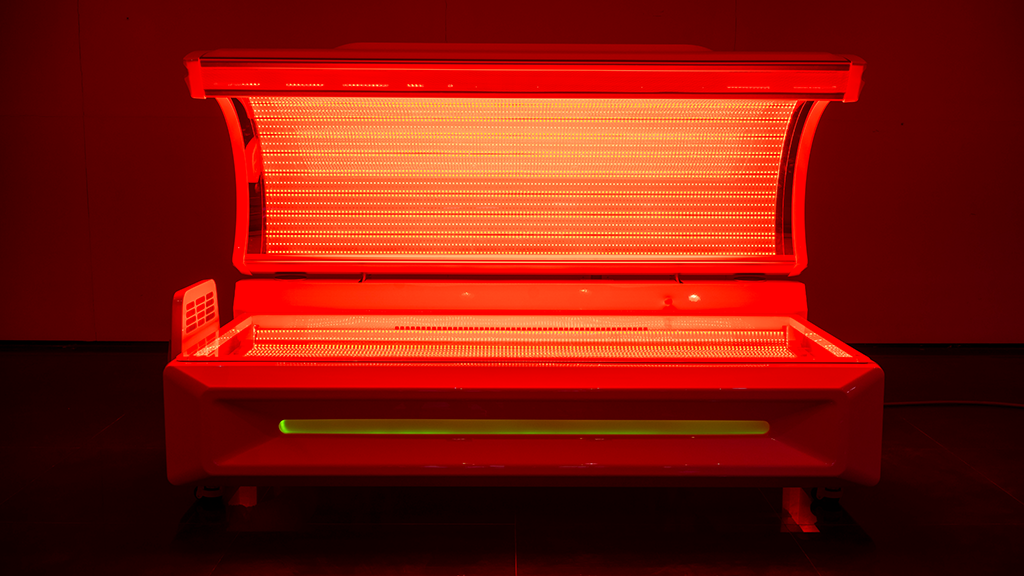
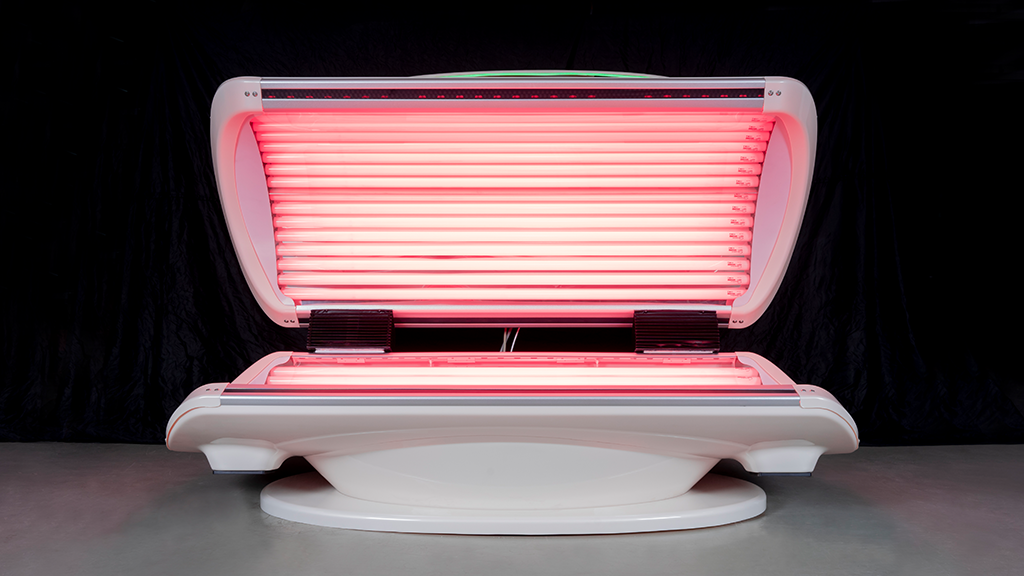
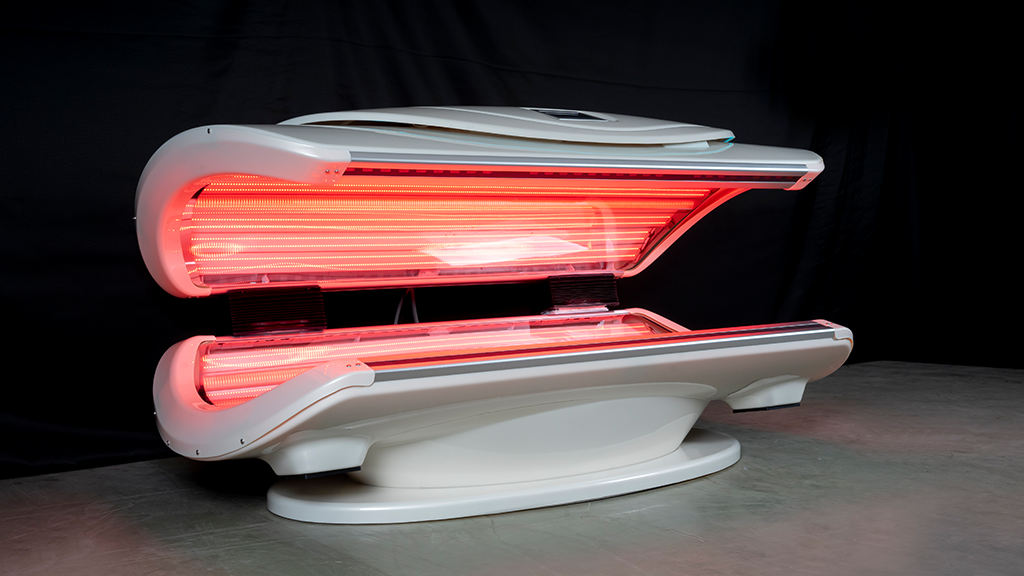
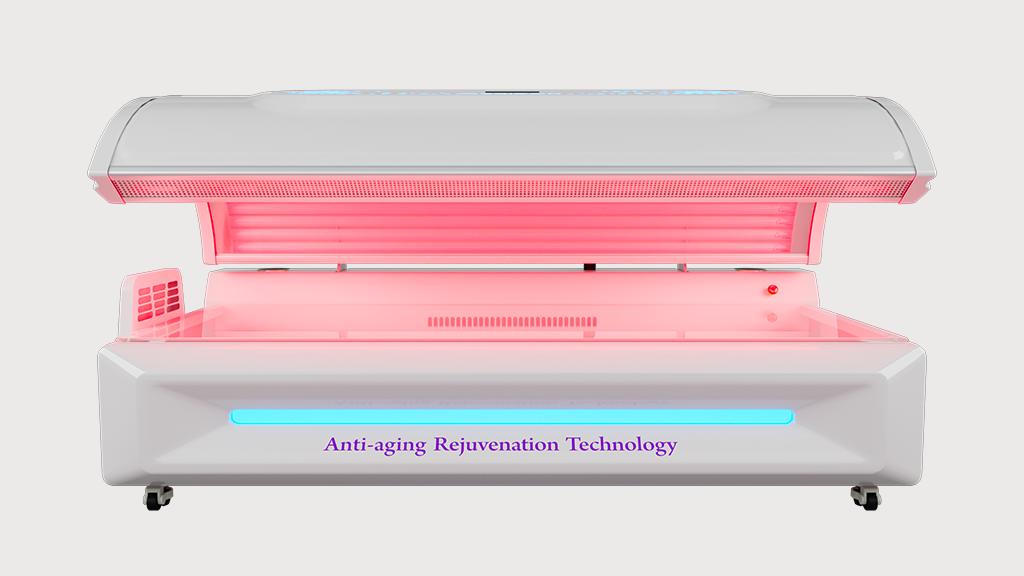
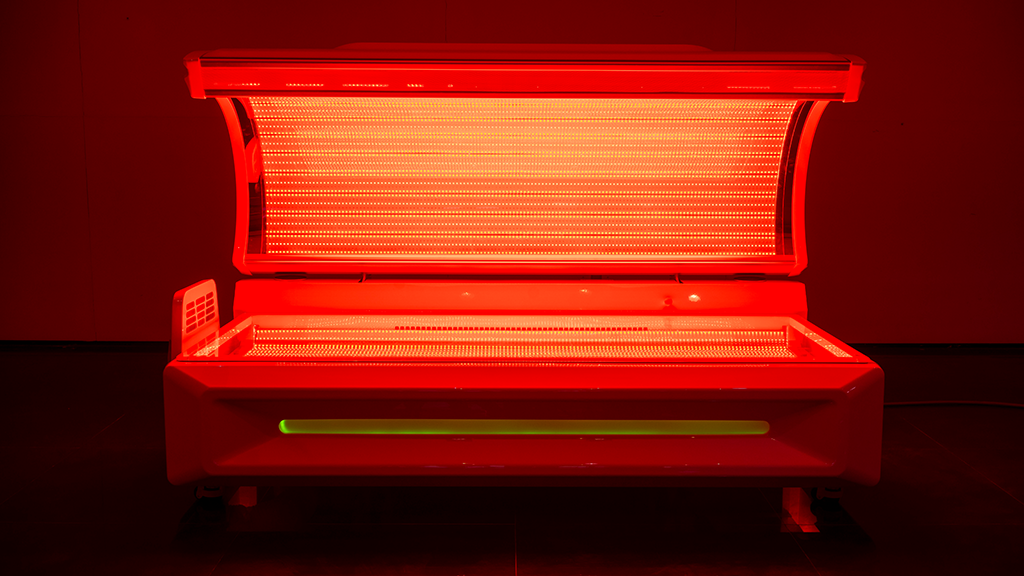
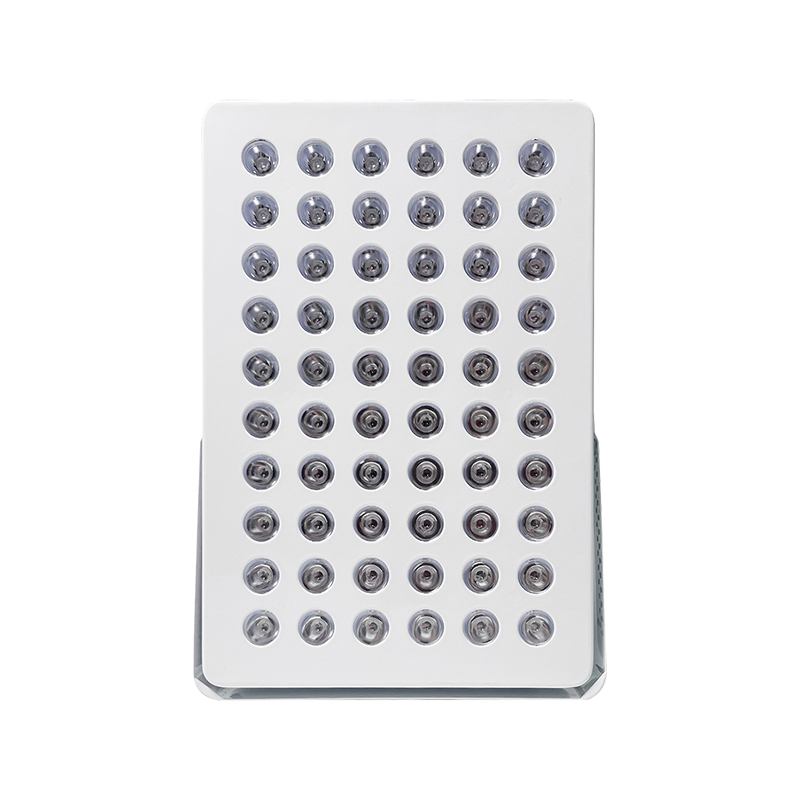
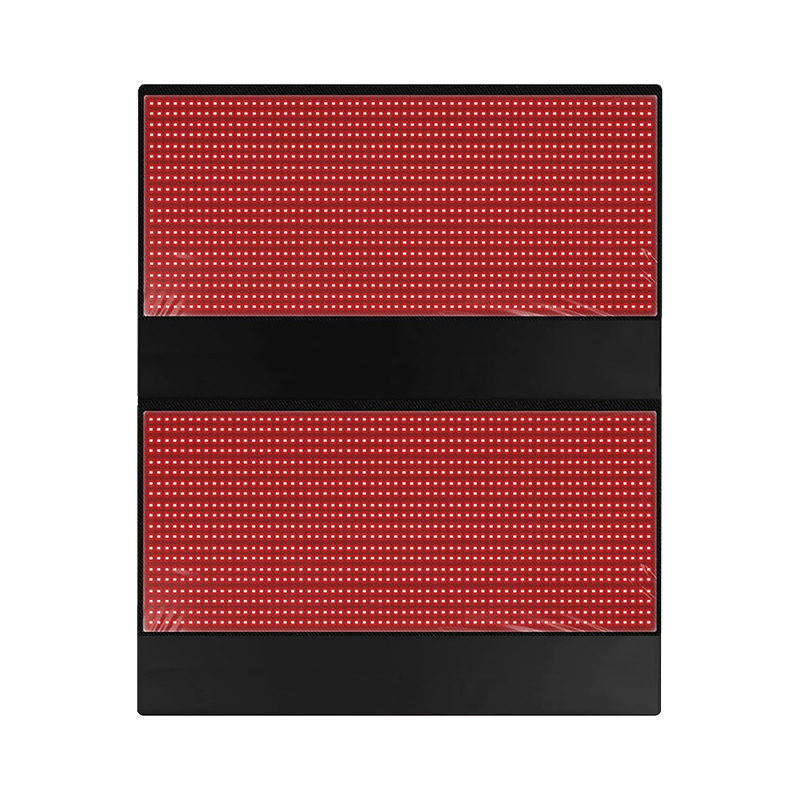
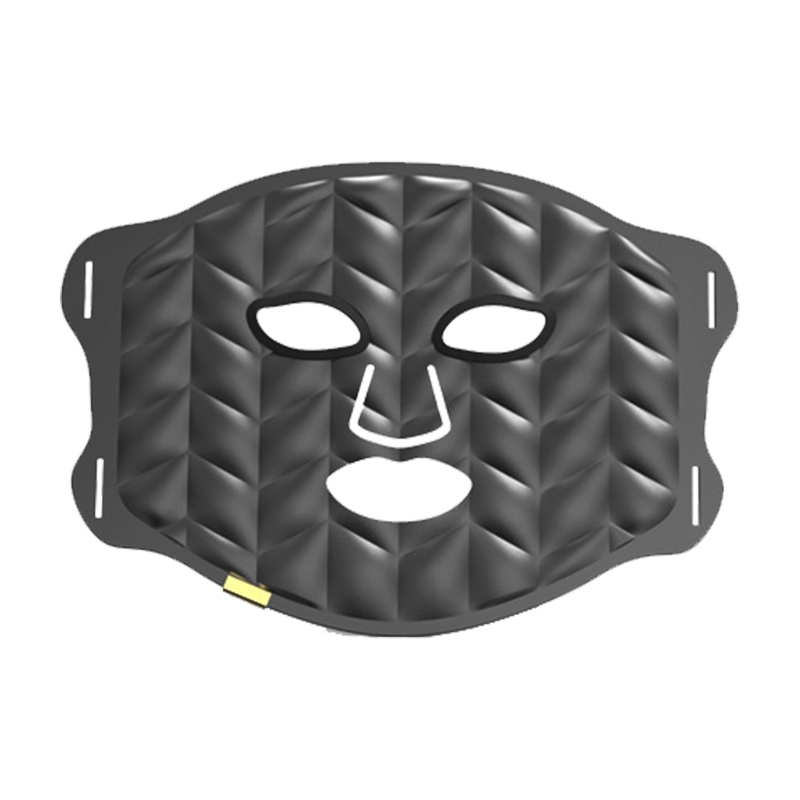
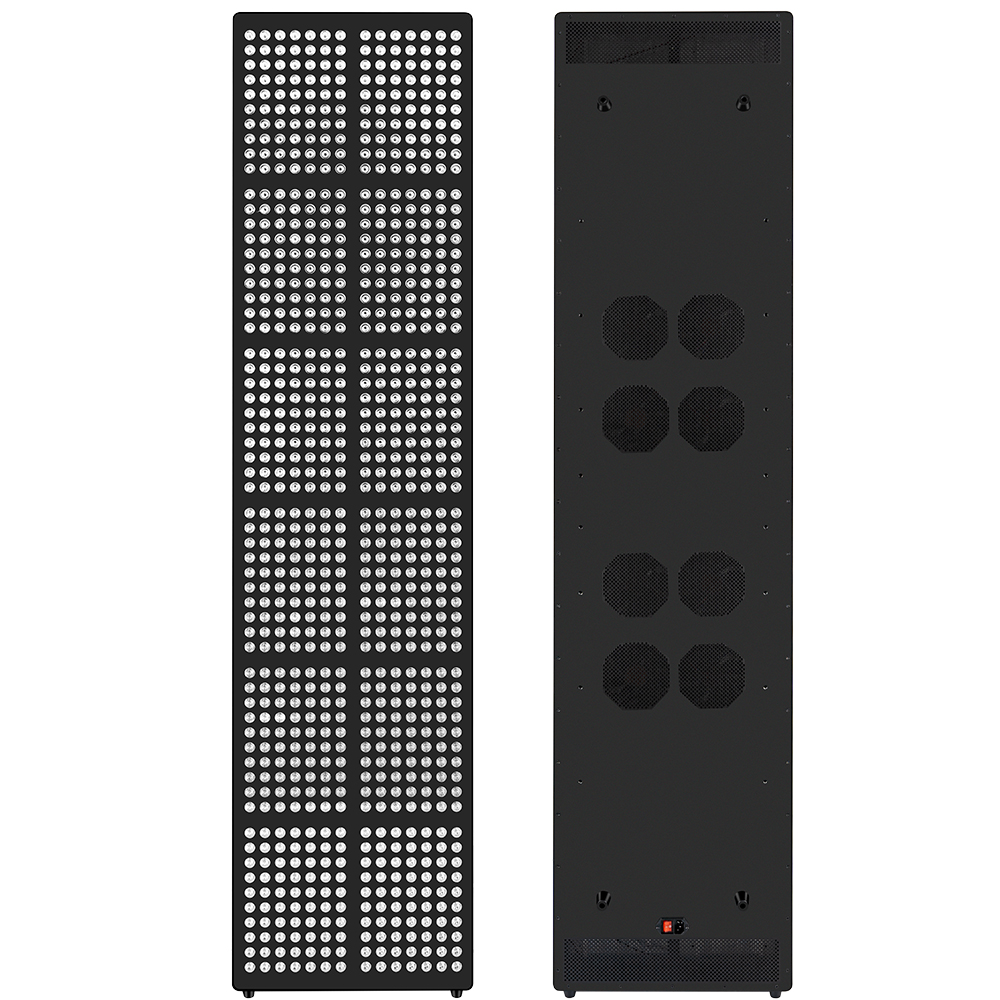
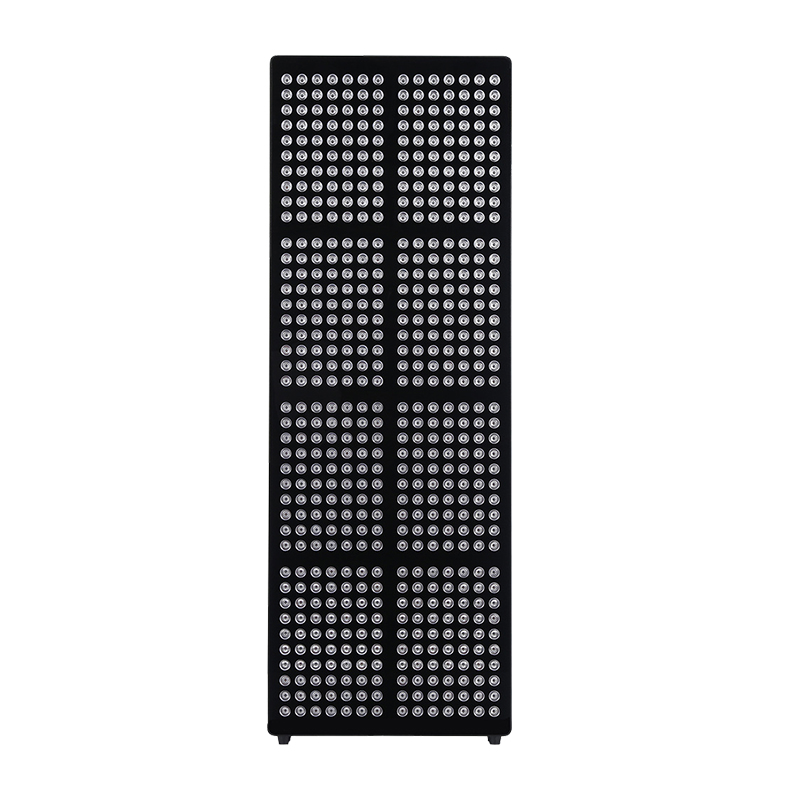
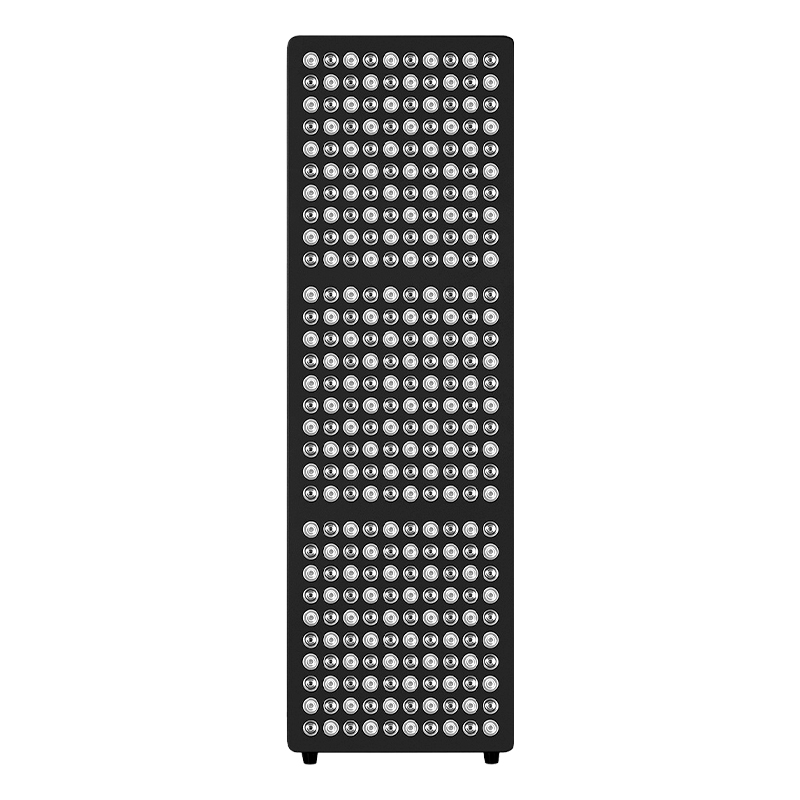
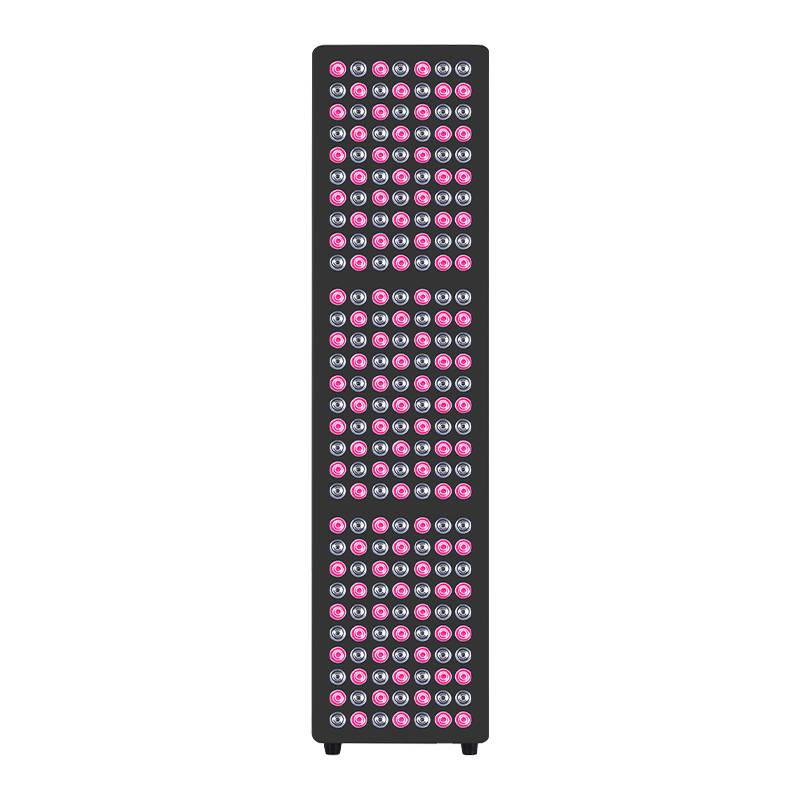
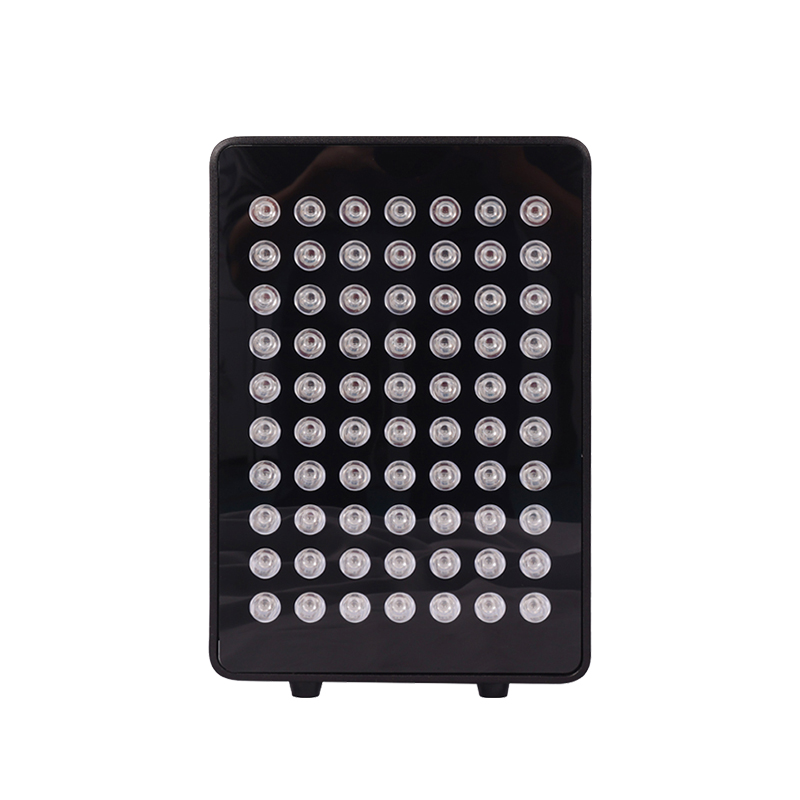
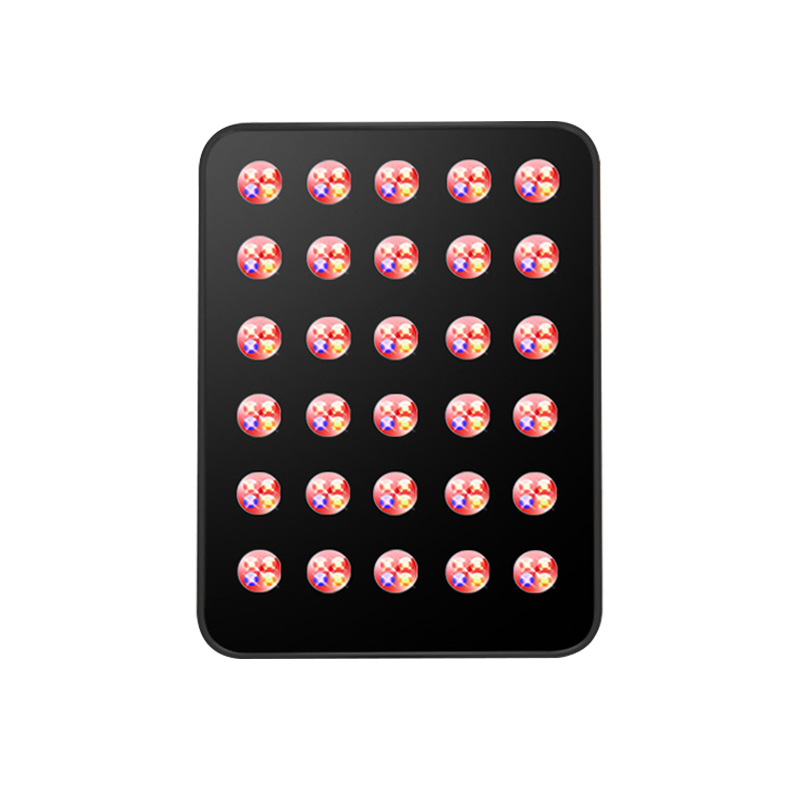
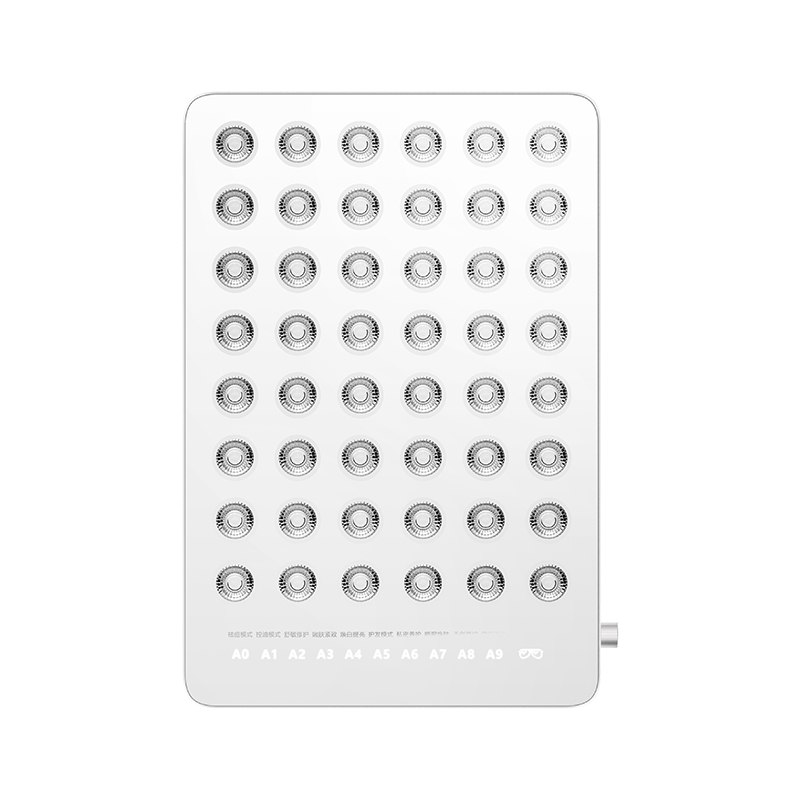
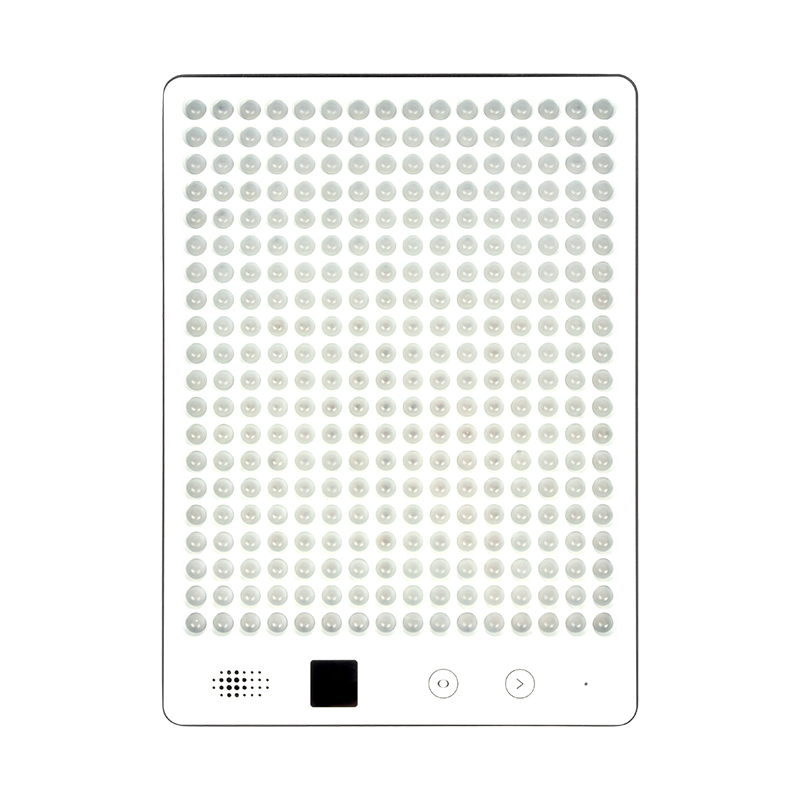
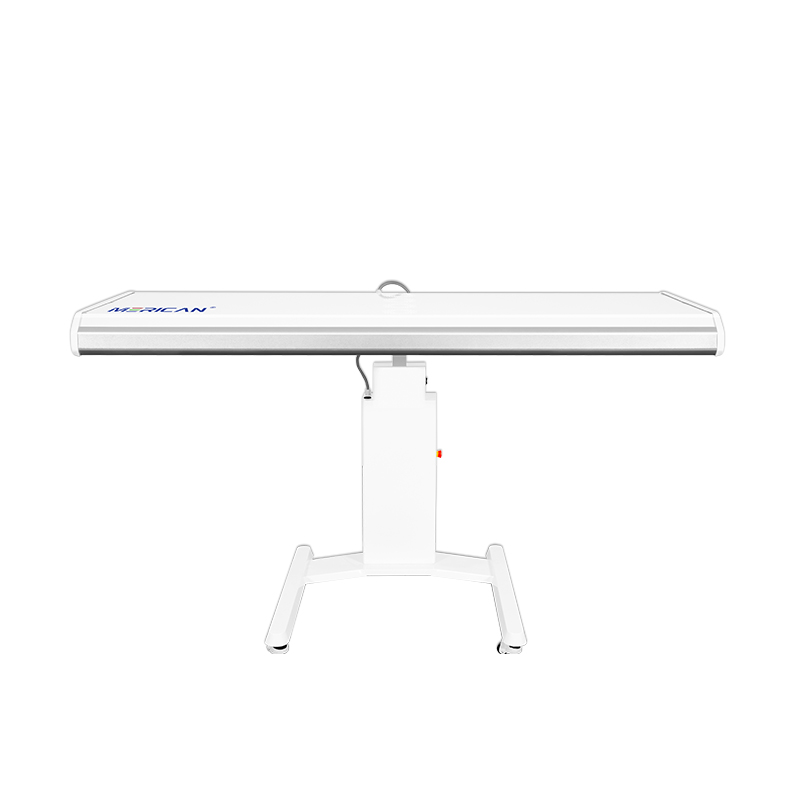
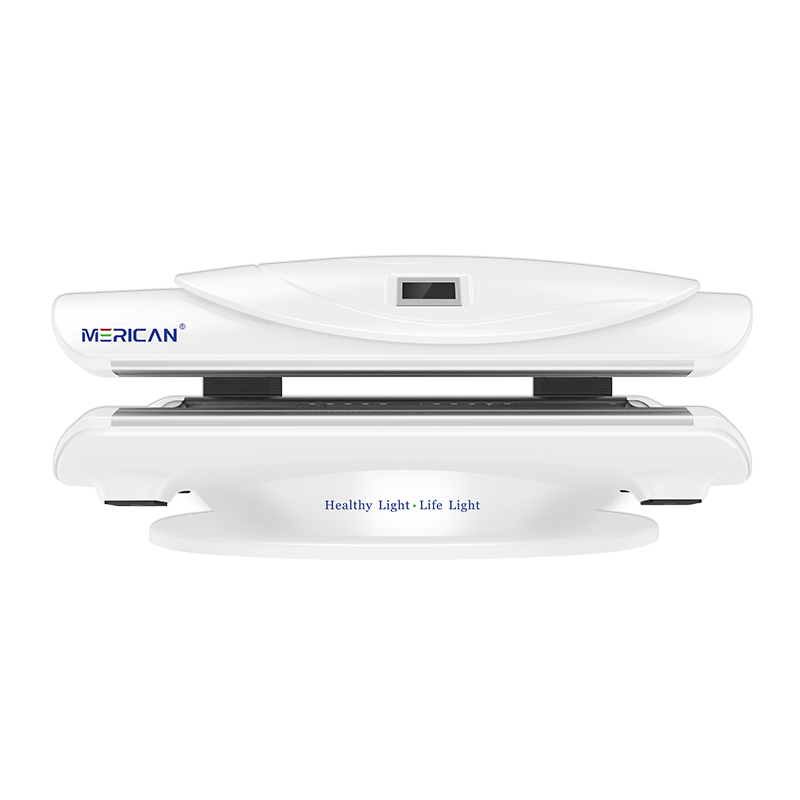
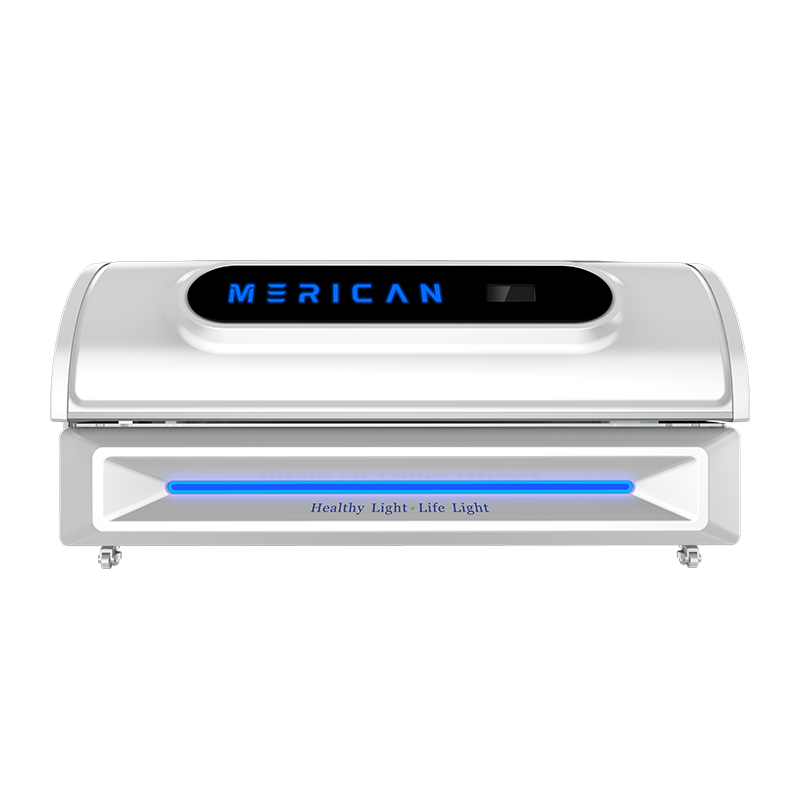
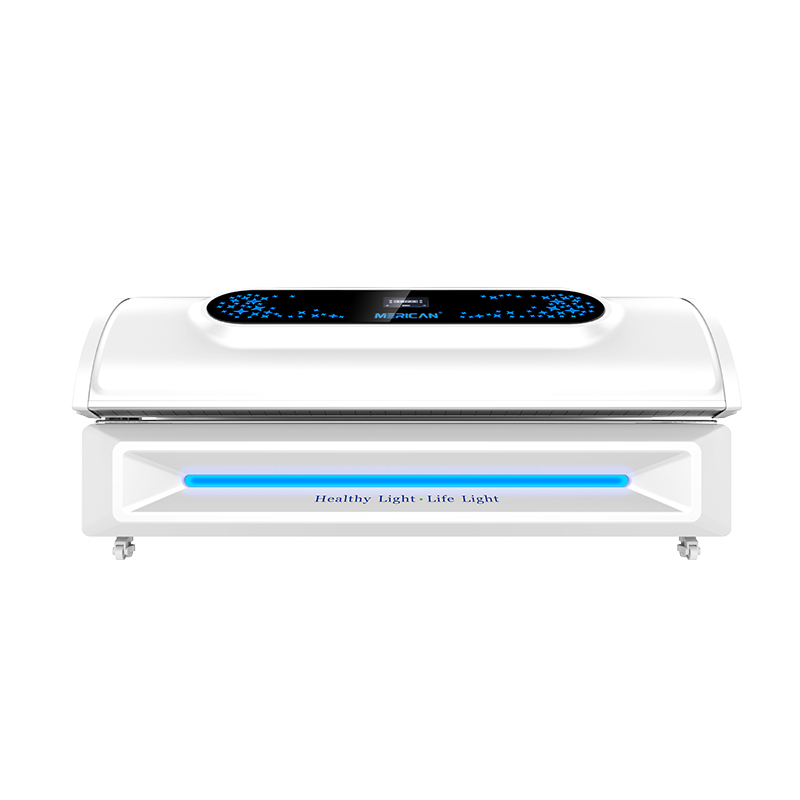
Living with kidney disease often means managing fatigue, 염증, 그리고 삶의 질 저하. Red light therapy is increasingly used as a non-invasive wellness modality that may support comfort and recovery when used responsibly.
잠재적인 지원 혜택
While individual responses vary, red light therapy is commonly used to support:
- Muscle and joint comfort
- Circulation and relaxation
- Reduced inflammation response
- Overall physical recovery
These benefits may be indirectly helpful for people managing chronic kidney-related symptoms.
Important Safety Considerations
For individuals with kidney disease:
- Red light therapy should never replace dialysis, 약물, or medical supervision
- Consultation with a healthcare provider is strongly recommended
- Extra caution is needed for those with:
- Advanced CKD
- Implanted medical devices
- Photosensitivity conditions
- Active infections or fever
Sessions should follow conservative guidelines:
- Short session duration
- Moderate frequency
- Avoid direct application over sensitive or medically compromised areas unless approved by a physician
What Red Light Therapy Cannot Do
It’s important to set realistic expectations:
- It cannot reverse kidney damage
- It cannot improve kidney filtration rates
- It cannot replace medical treatment
Its role is supportive only, focused on comfort and general wellness.
최종 생각
Red light therapy may help support overall comfort, 순환, and inflammation balance for some individuals with kidney disease. When used carefully and with medical guidance, it can be part of a broader wellness routine—but not a medical solution.
FAQ
Is red light therapy FDA-approved for kidney disease?
아니요. It is not approved as a treatment for kidney conditions.
How often can red light therapy be used safely?
Common wellness protocols suggest 3–5 sessions per week, depending on the device and individual tolerance.