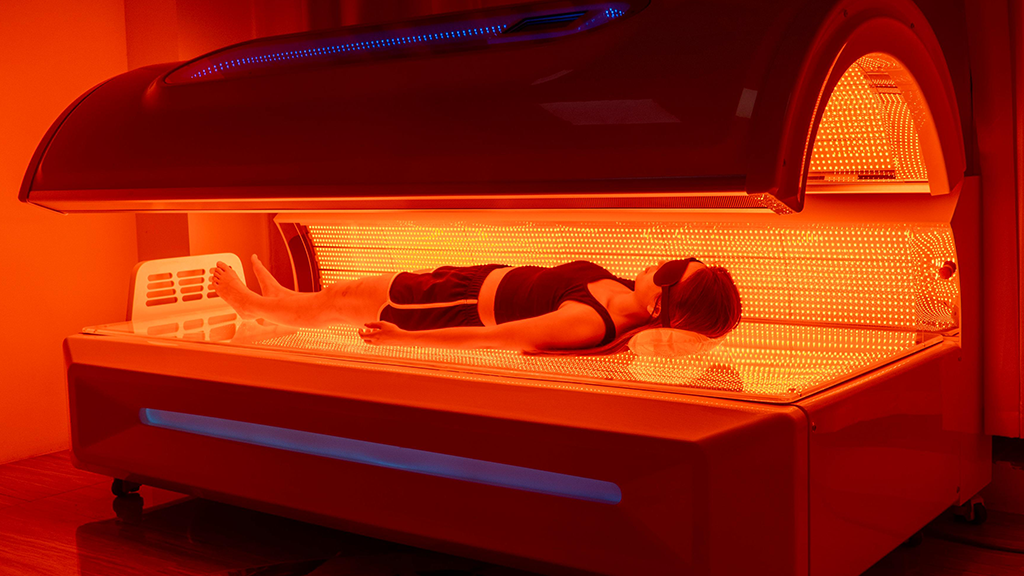
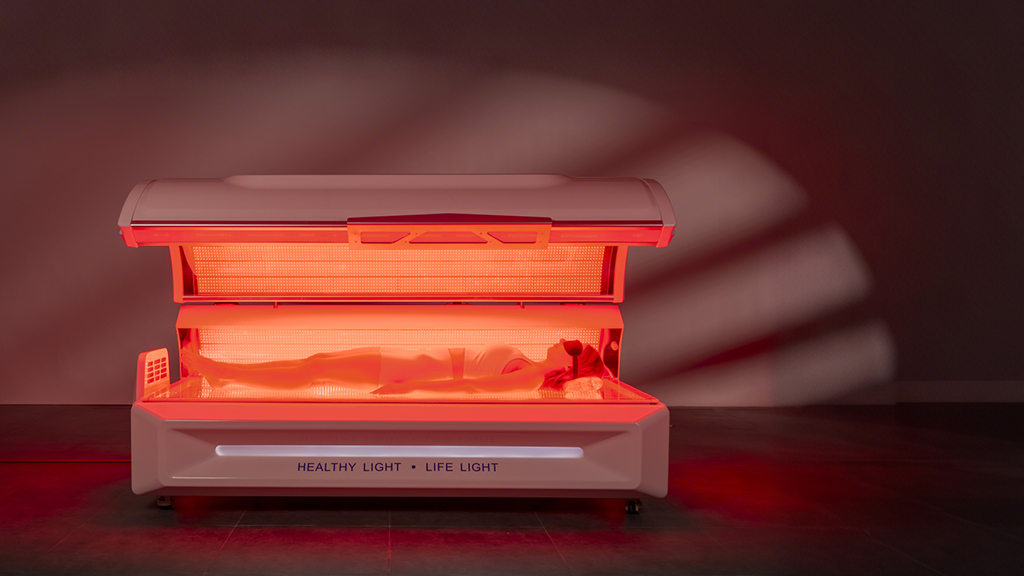
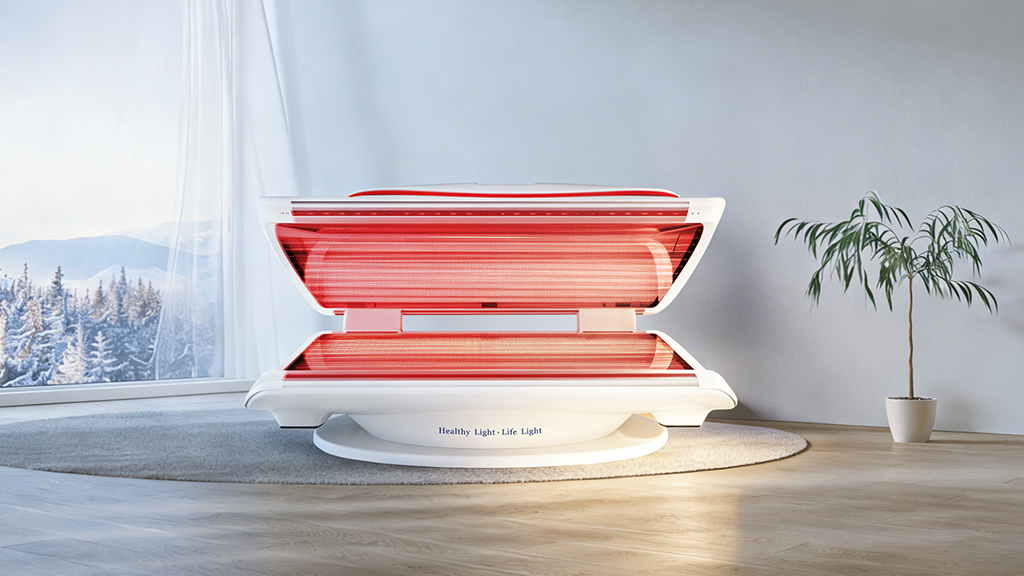
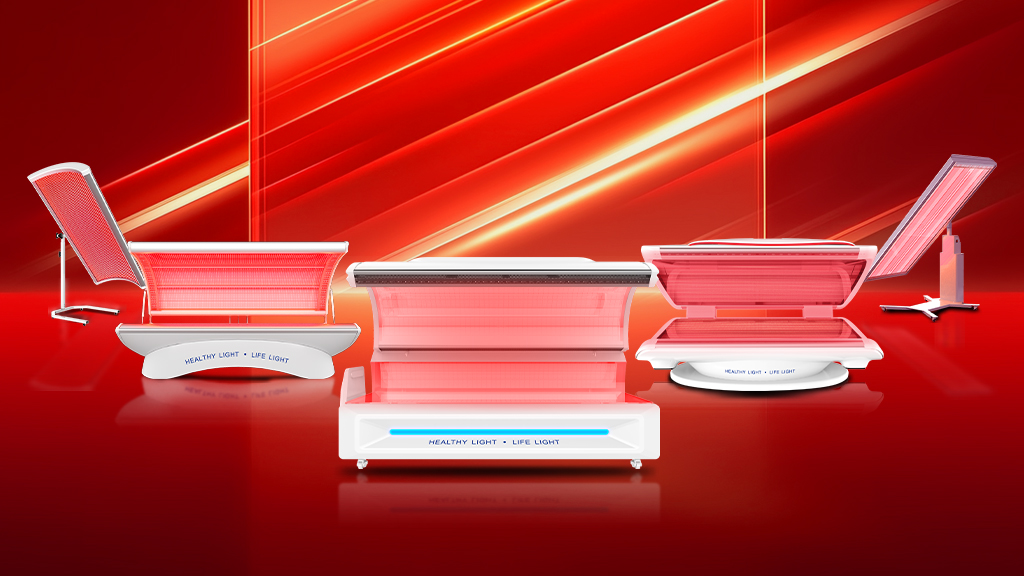
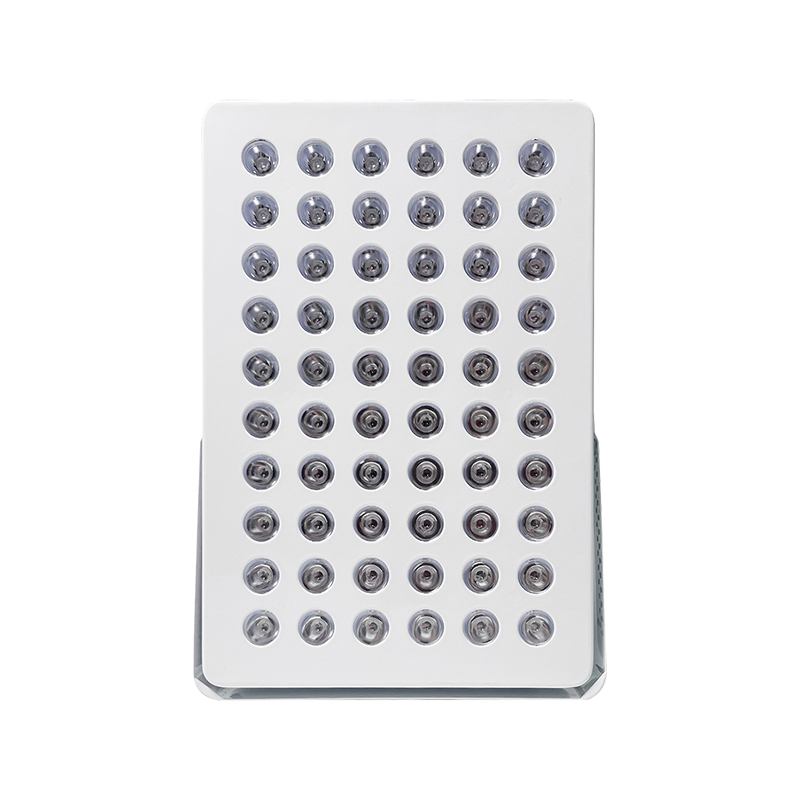
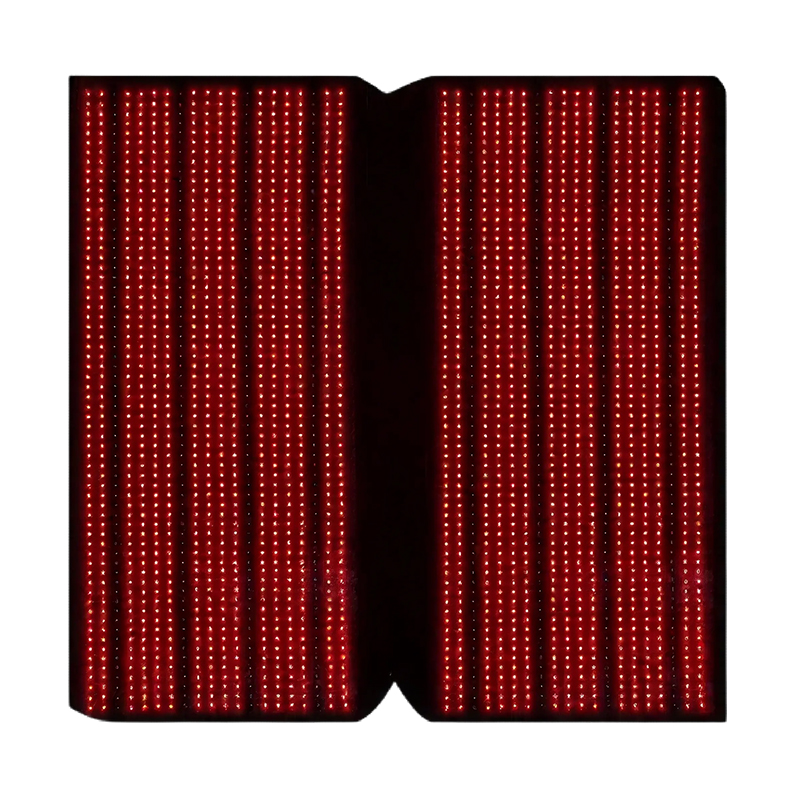
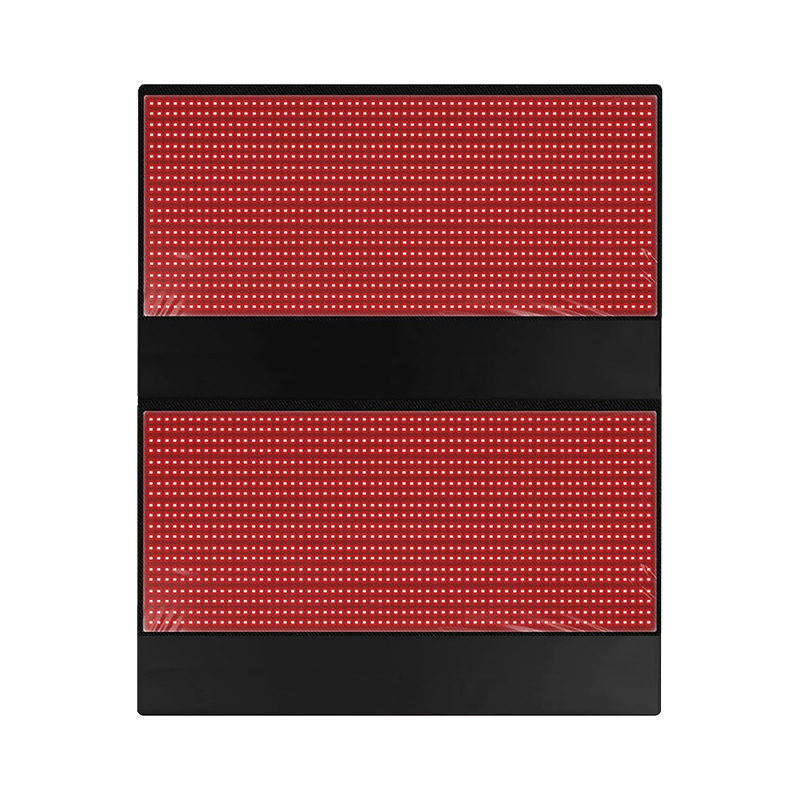
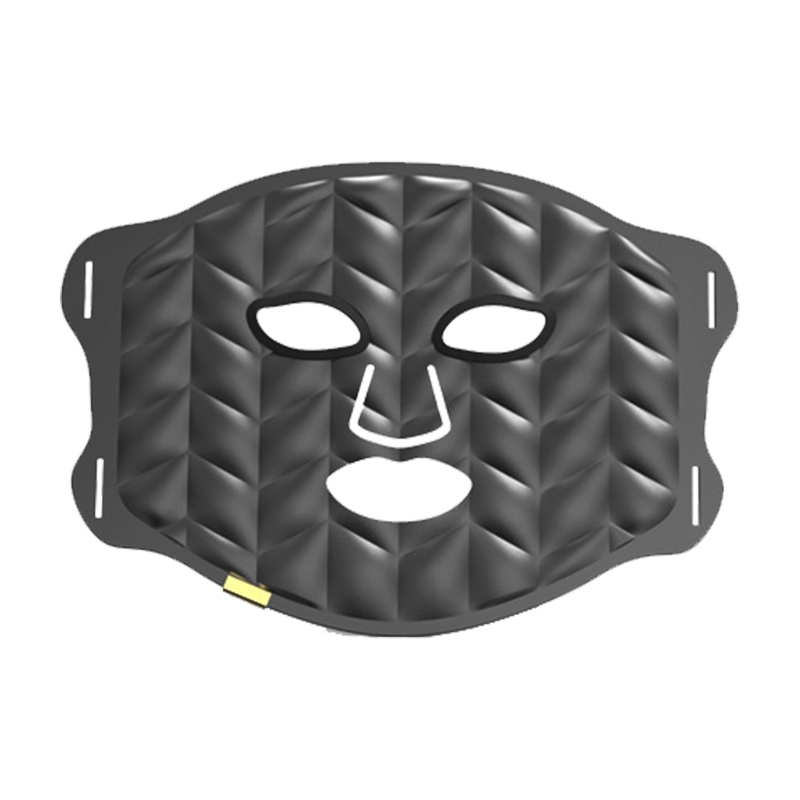
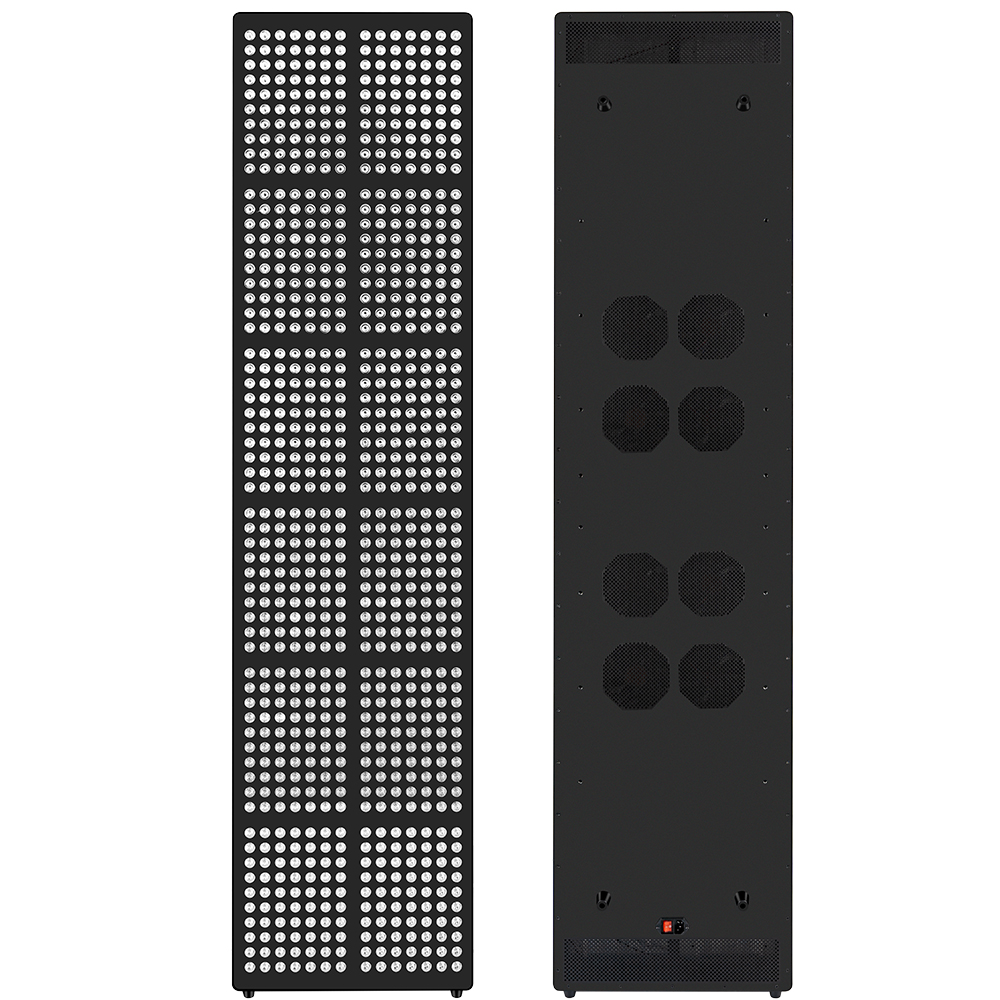
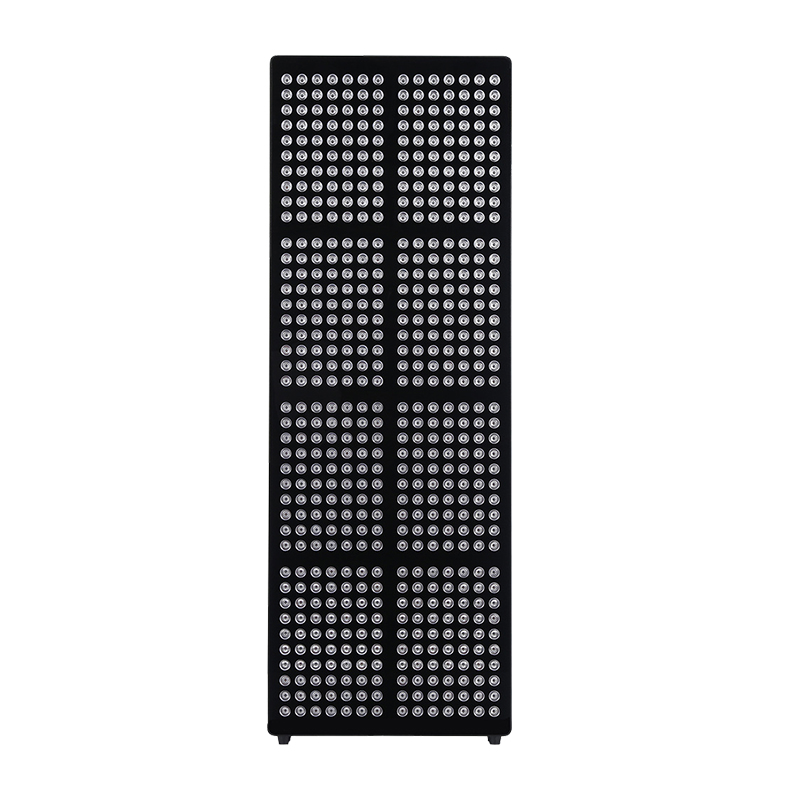
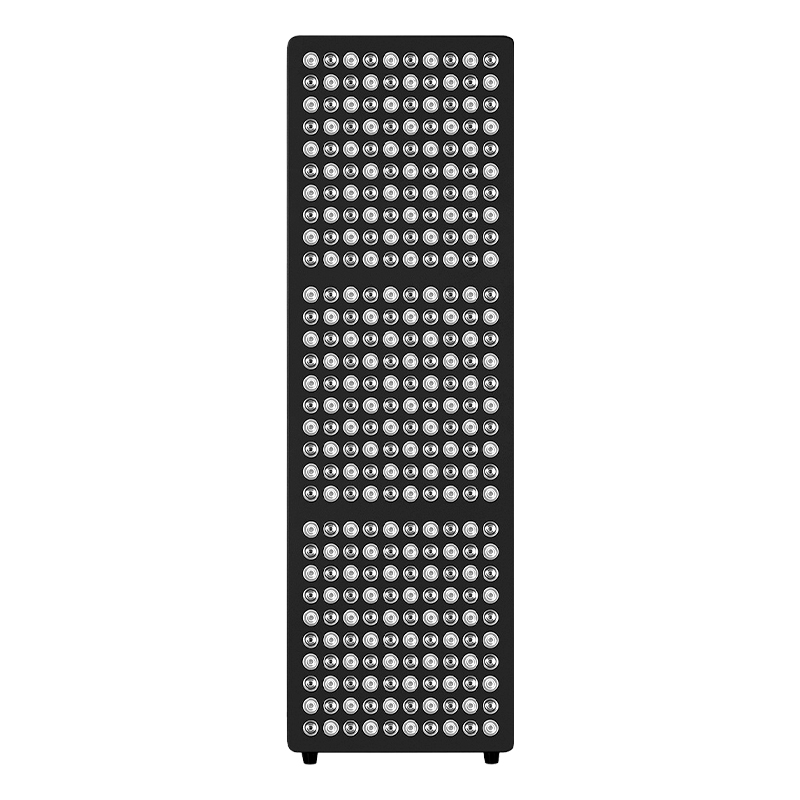
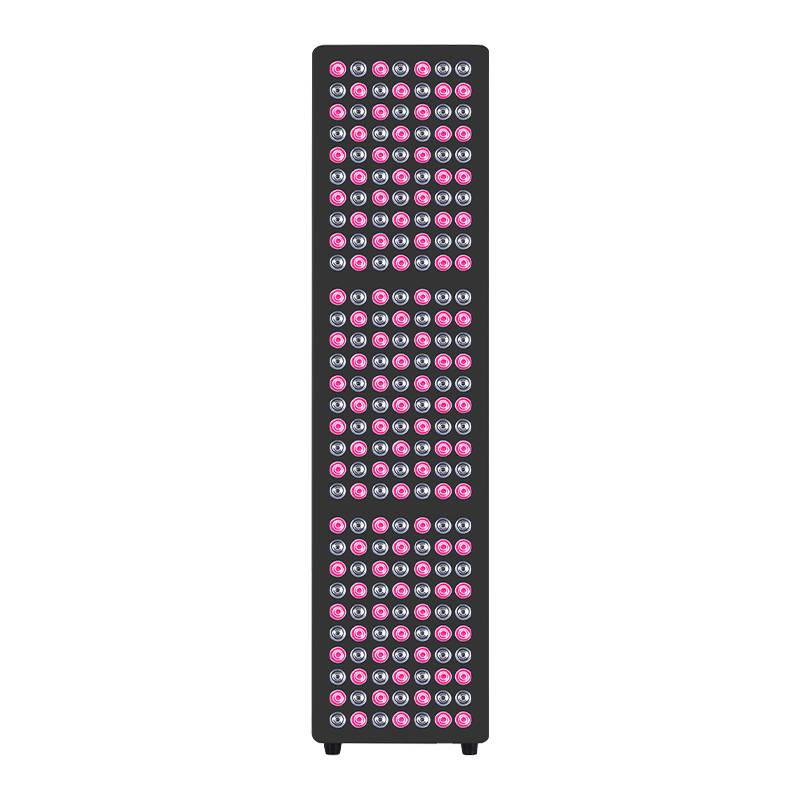
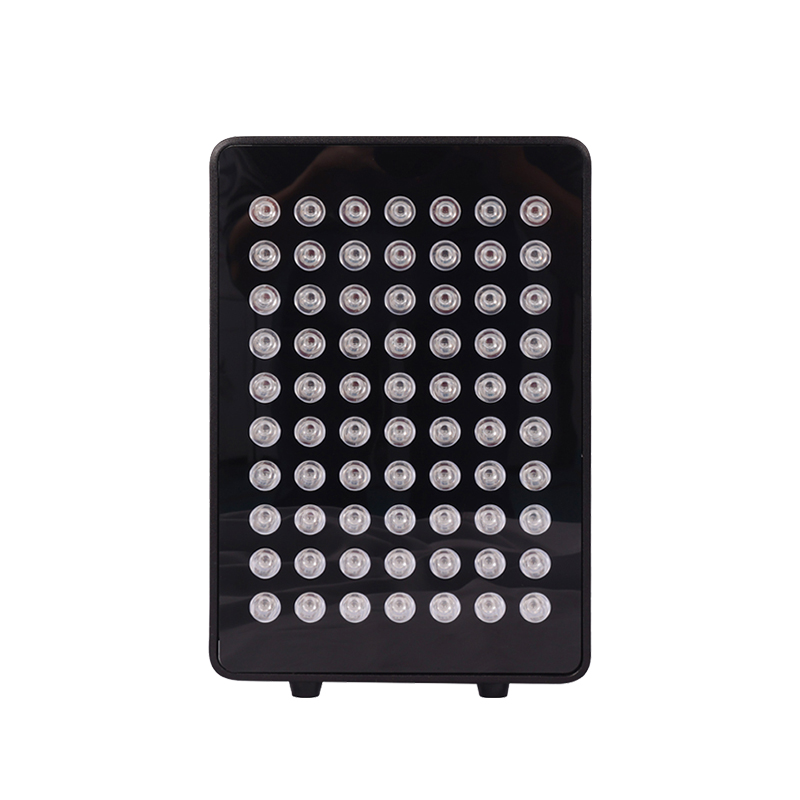
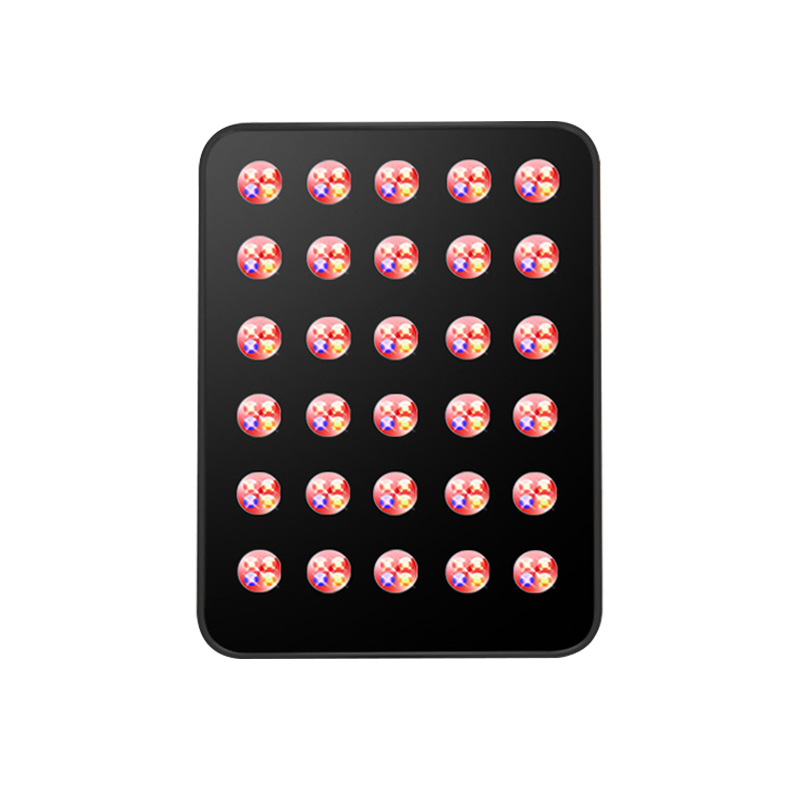
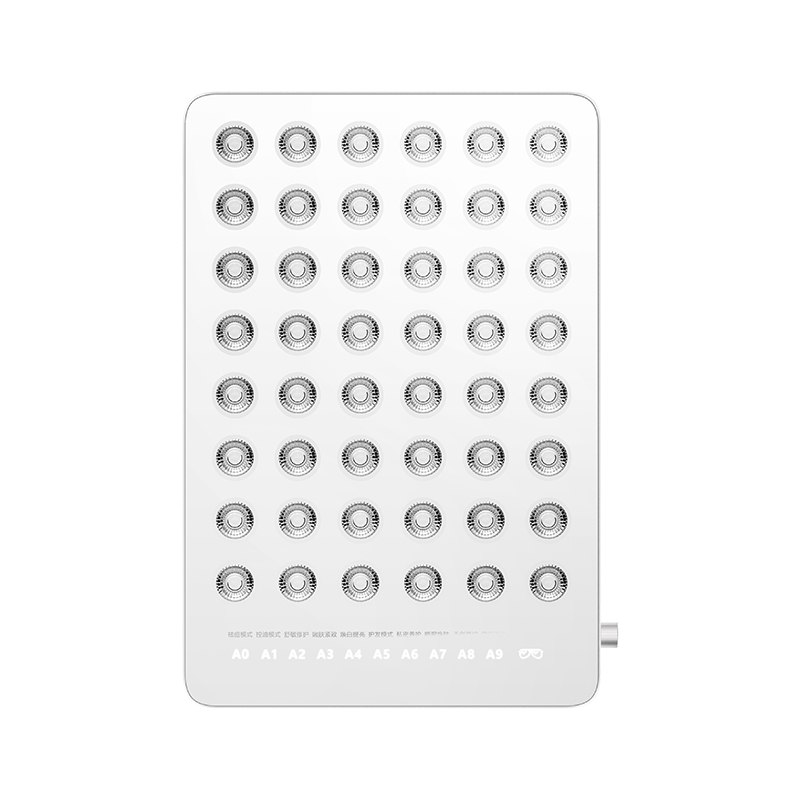
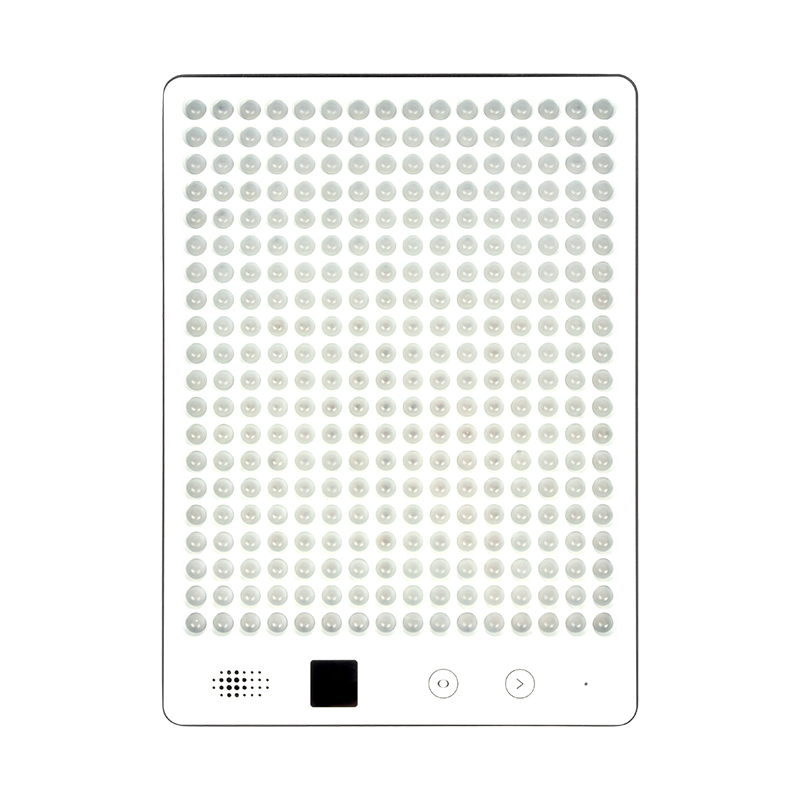
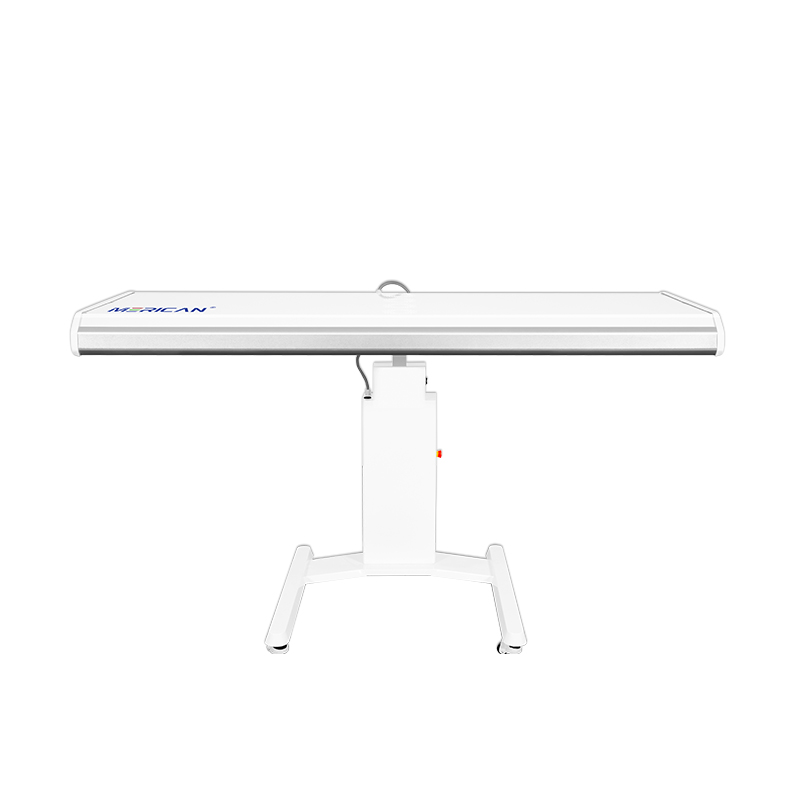
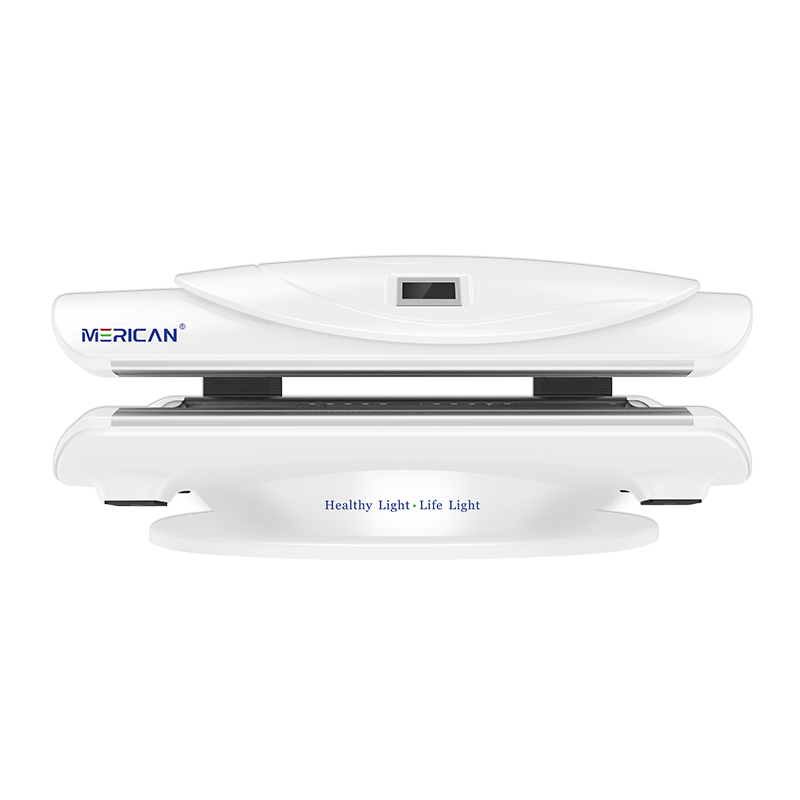
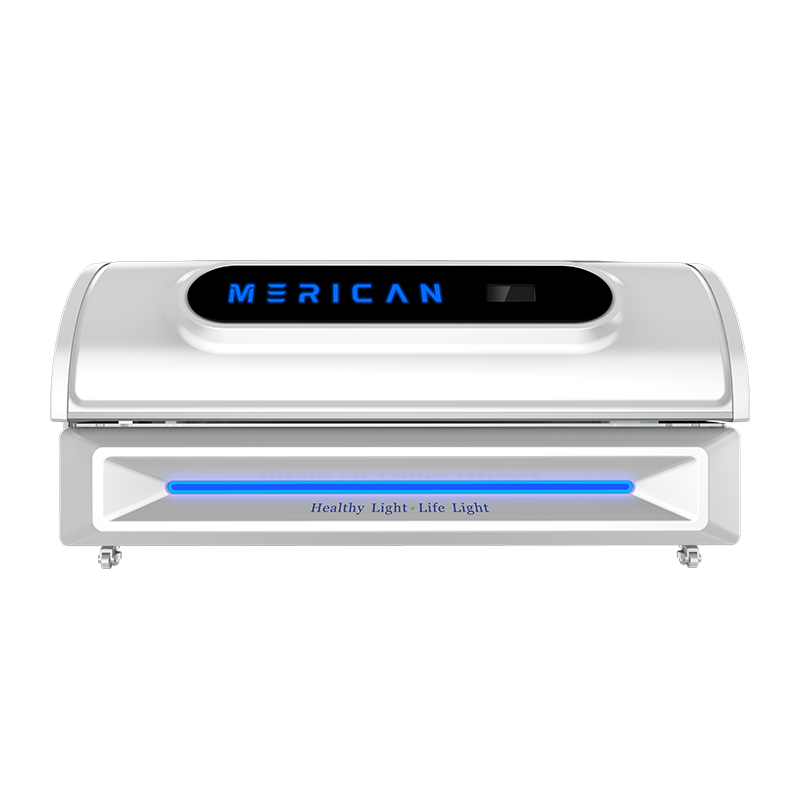
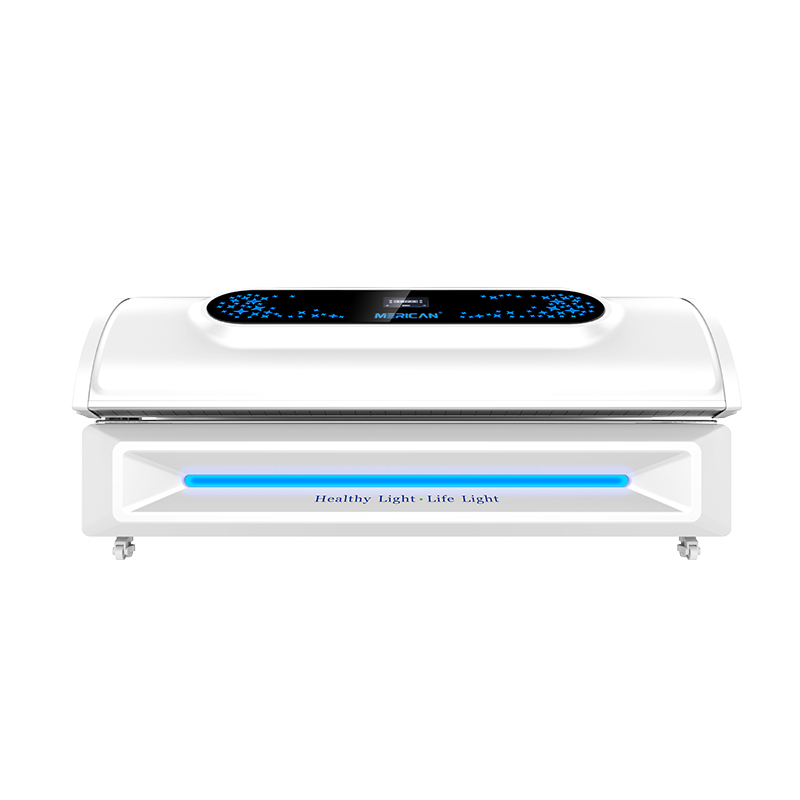
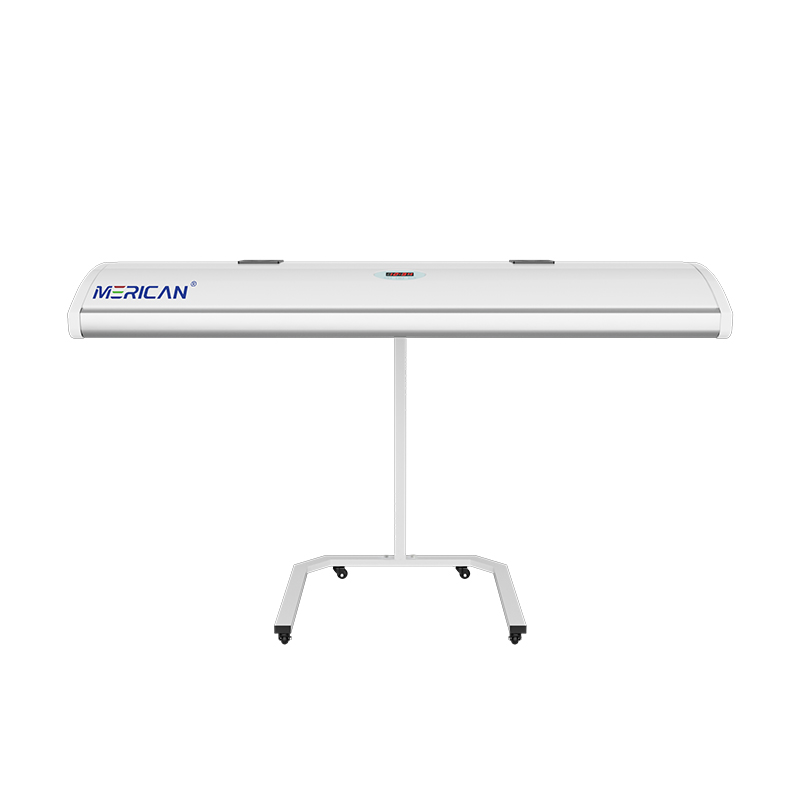
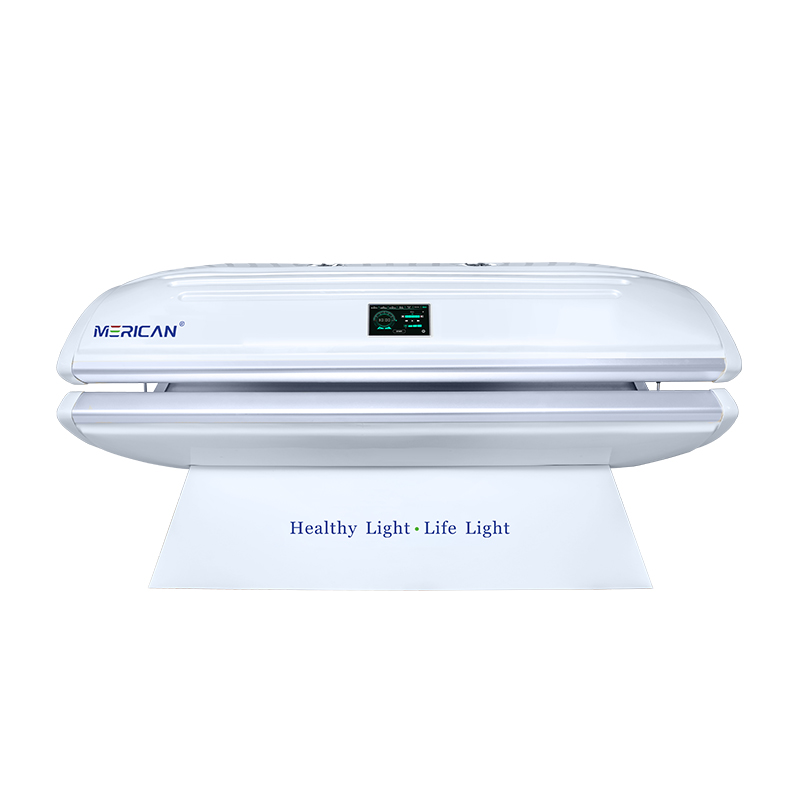
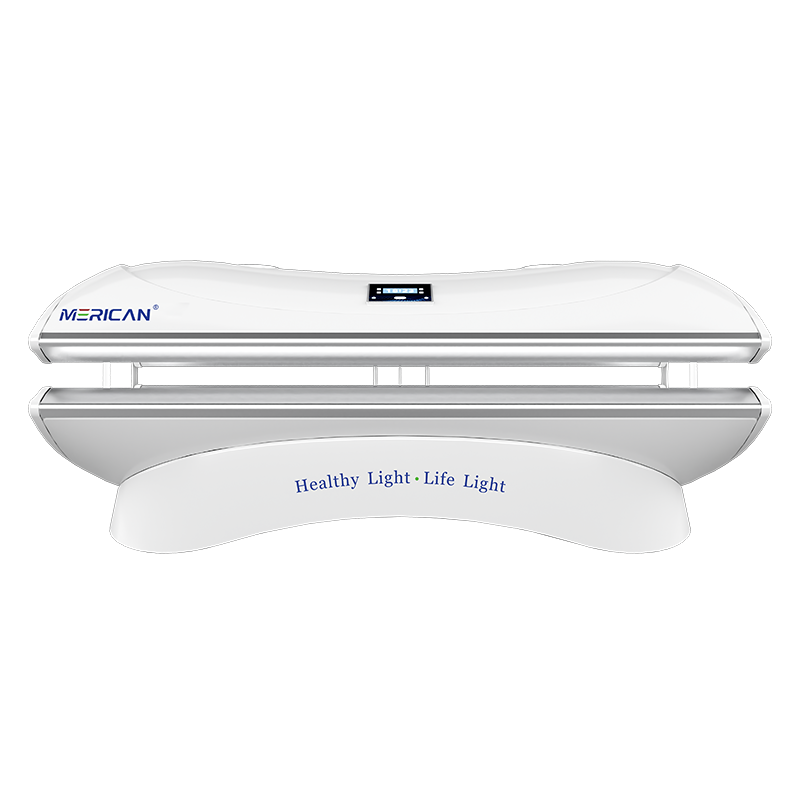
Viver com doença renal muitas vezes significa controlar a fadiga, inflamação, e redução da qualidade de vida. A terapia da luz vermelha é cada vez mais utilizada como modalidade de bem-estar não invasiva que pode apoiar o conforto e a recuperação quando usado com responsabilidade.
Potenciais benefícios de suporte
Embora as respostas individuais variem, terapia de luz vermelha é comumente usada para apoiar:
- Conforto muscular e articular
- Circulação e relaxamento
- Resposta inflamatória reduzida
- Recuperação física geral
Esses benefícios podem ser indiretamente úteis para pessoas que controlam sintomas crônicos relacionados aos rins.
Considerações importantes de segurança
Para indivíduos com doença renal:
- Red light therapy should nunca substitua a diálise, medicamento, ou supervisão médica
- A consulta com um profissional de saúde é fortemente recomendada
- Cuidado extra é necessário para aqueles com:
- DRC avançada
- Dispositivos médicos implantados
- Condições de fotossensibilidade
- Infecções ativas ou febre
As sessões devem seguir diretrizes conservadoras:
- Curta duração da sessão
- Frequência moderada
- Evite a aplicação direta sobre áreas sensíveis ou clinicamente comprometidas, a menos que seja aprovado por um médico
O que a terapia da luz vermelha não pode fazer
É importante definir expectativas realistas:
- Não pode reverter danos renais
- It cannot improve kidney filtration rates
- It cannot replace medical treatment
Its role is supportive only, focused on comfort and general wellness.
Pensamentos finais
A terapia da luz vermelha pode ajudar a apoiar overall comfort, circulação, and inflammation balance for some individuals with kidney disease. When used carefully and with medical guidance, it can be part of a broader wellness routine—but not a medical solution.
Perguntas frequentes
Is red light therapy FDA-approved for kidney disease?
Não. It is not approved as a treatment for kidney conditions.
How often can red light therapy be used safely?
Common wellness protocols suggest 3–5 sessions per week, depending on the device and individual tolerance.