Kupu Whakataki
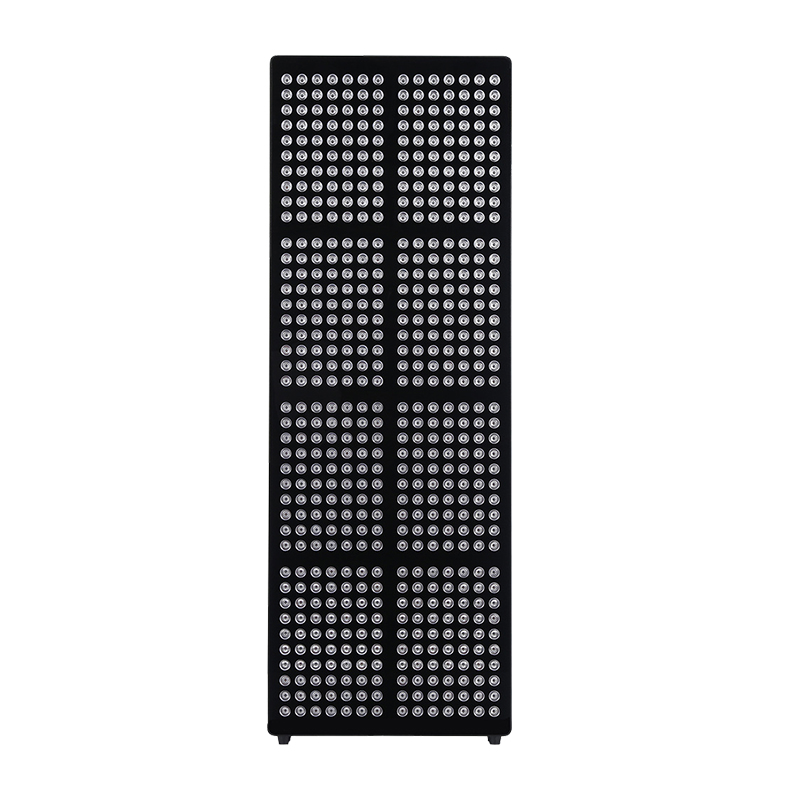
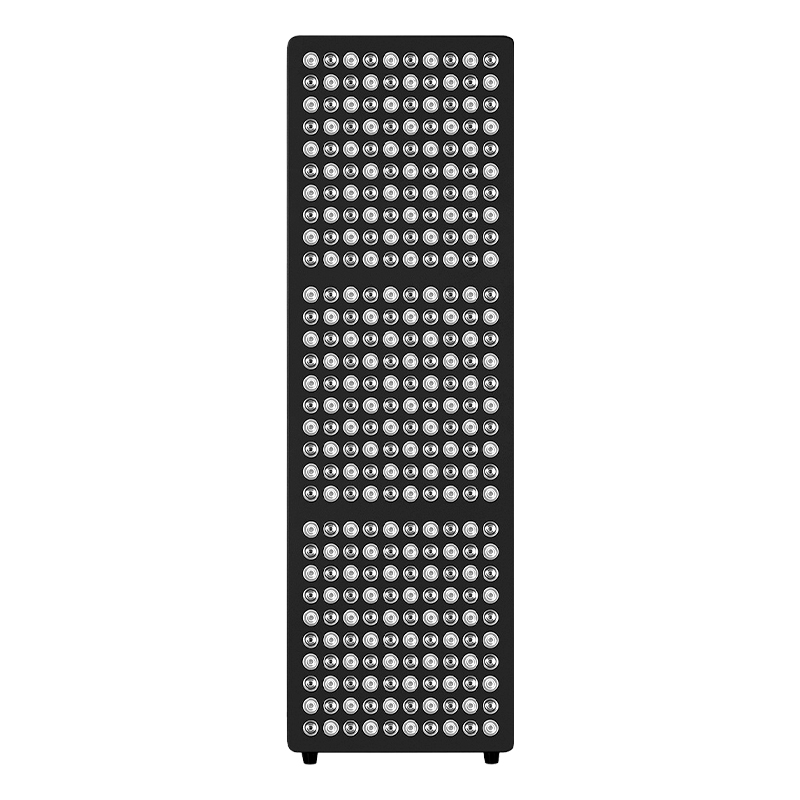
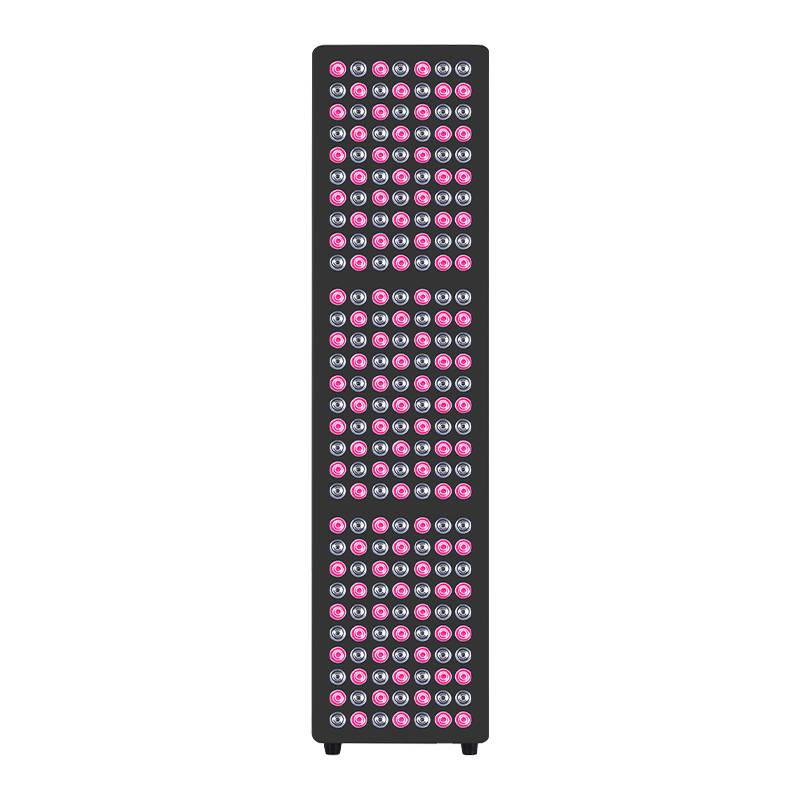
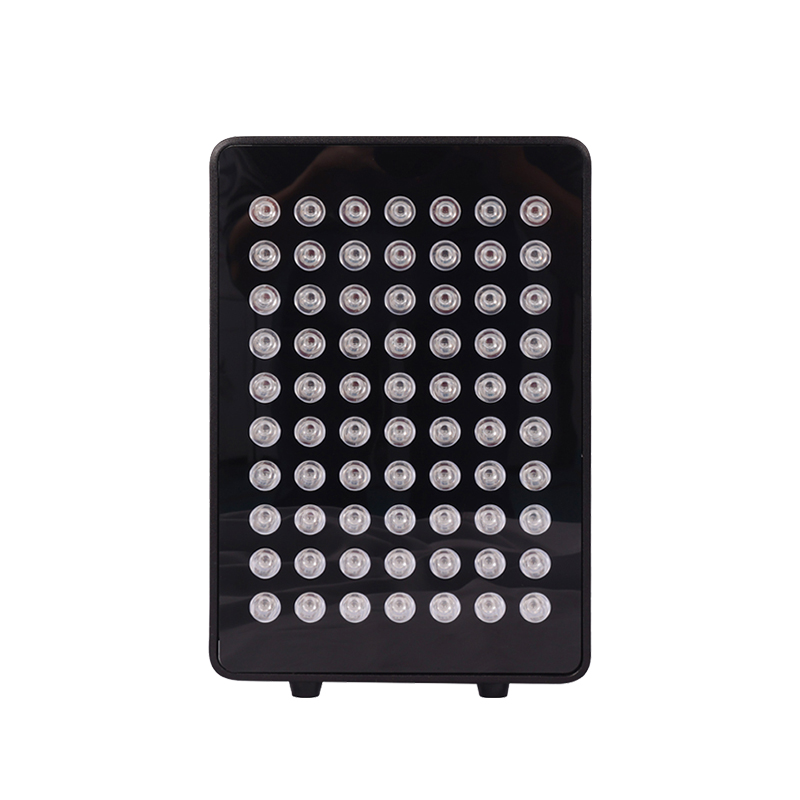
Te paheketanga, e mohiotia ana ko te dysmenorrhea, ka pa ki nga miriona wahine ia marama. Mo te hunga e rapu ana ki te whakaora mamae kore raau taero, ka puta tetahi patai noa: He pai te rongoa rama whero mo te paheketanga?
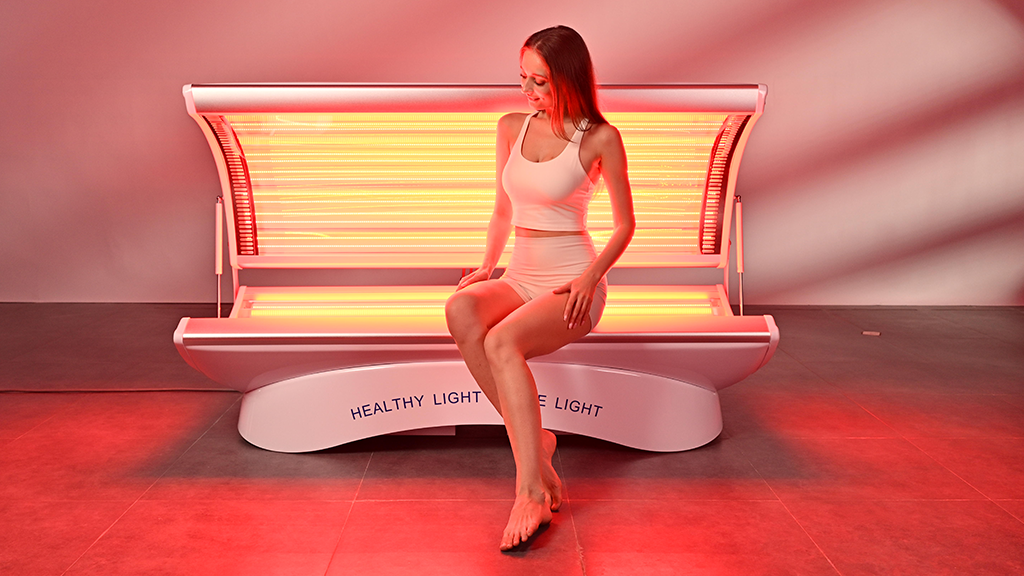
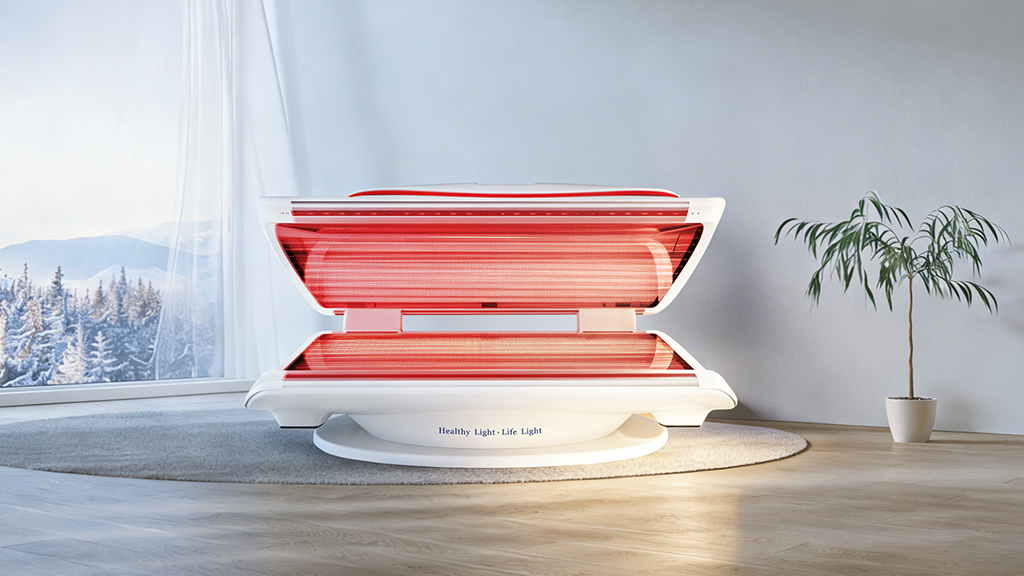
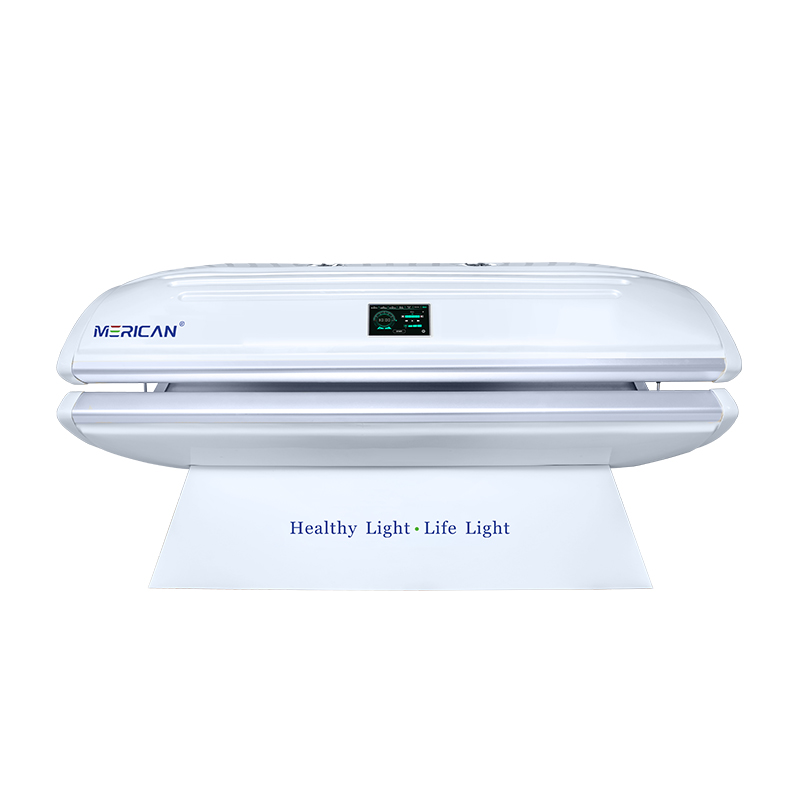
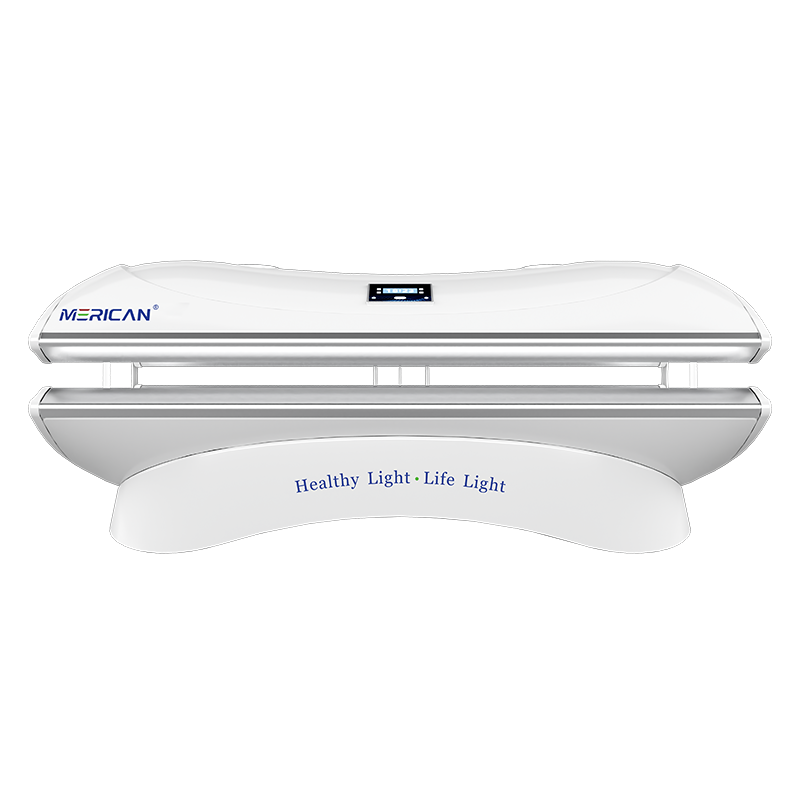
Te rongoa rama whero (RLT), ka kiia hoki ko te photobiomodulation, Kei te whakamahia nuitia mo te whakaora uaua me te whakaheke mumura. Ko nga taunakitanga ka puta ake e kii ana tera pea ka awhina i te mamae o te waa.
He aha te take e paheke ai te paheketanga?
Ka puta te paheketanga i te wa e kirimana ana te kōpū ki te whakaheke i tona arai. Ko enei whakahekenga ka puta mai i nga matū rite-hormone e kiia nei ko te prostaglandins. Ko nga taumata prostaglandin teitei ake ka arahi:
- He kaha ake te whakaheke o te uterine
- Te whakaheke i te rere o te toto ki te kiko uterine
- Te piki ake o te mumura
- Te mamae o te puku o raro me te tuara o raro
Ko te whakahaere i te mumura me te whakapai ake i te tohanga he mea nui ki te whakaiti i te mamae - ma reira ka awhina te rongoa rama whero..
Me pehea te Maama Whero ka whakaiti i te mamae o te wa
Ka whakamahia e te rongoa rama whero nga roangaru i waenga i te 630-850nm ki te kuhu ki te kiko me te whakaihiihi i te hanga pūngao pūtau. (ATP). Ka taea e tenei tukanga:
- Whakapai ake i te tohanga toto o te rohe
- Whakaitihia te mumura
- Whakangia te kiko uaua
- Tautokohia te whakatika pūkoro
Ina pa ana ki te puku o raro, ki muri ranei, Ka taea e te rama whero te awhina ki te whakamama i te uaua o te uterine me te whakaiti i nga urupare mumura e hono ana ki te kowhao.
He aha ta te Rangahau e whakaaro ana?
He maha nga rangahau haumanu iti mo te whakamaarama rama taumata iti kua whakaatuhia:
- Te whakaheke i te kaha o te mamae i roto i nga wahine whai dysmenorrhea tuatahi
- Te whakaiti i te whakawhirinaki ki te rongoa mamae
- He pai ake te whakamarie i te wa e paheke ana
Ahakoa e hiahiatia ana etahi atu rangahau nui, Ko nga kitenga o naianei e kii ana he huarahi pai te whakamaarama rama whero.
Me pehea te Whakamahi i te Maama Whero Whero mo te Ngau
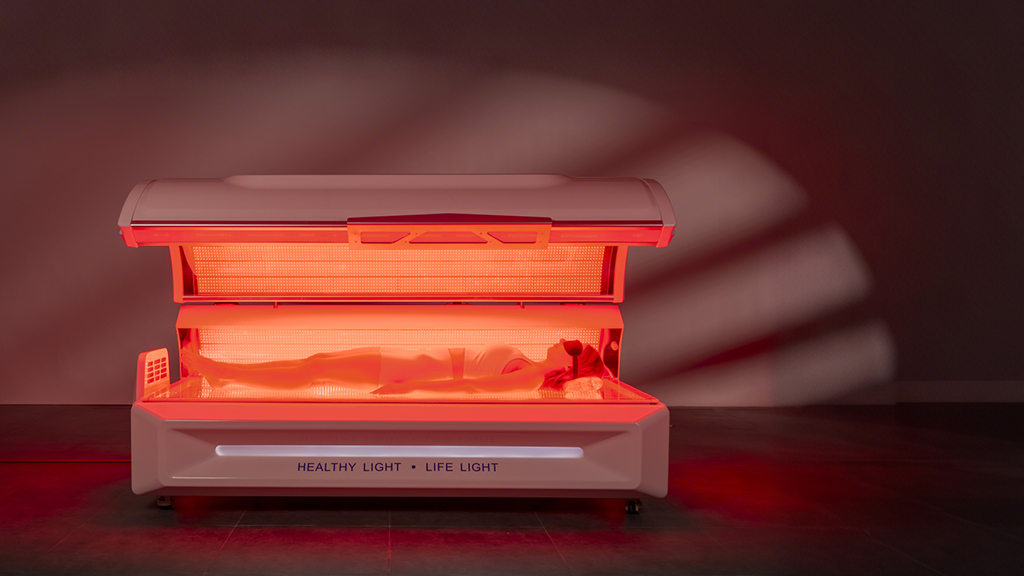
Mo te paheketanga o te paheketanga, Ka whakamahia te rongoa rama whero:
- 10–20 meneti mo ia wahanga
- Kotahi ia ra i nga wahanga mamae
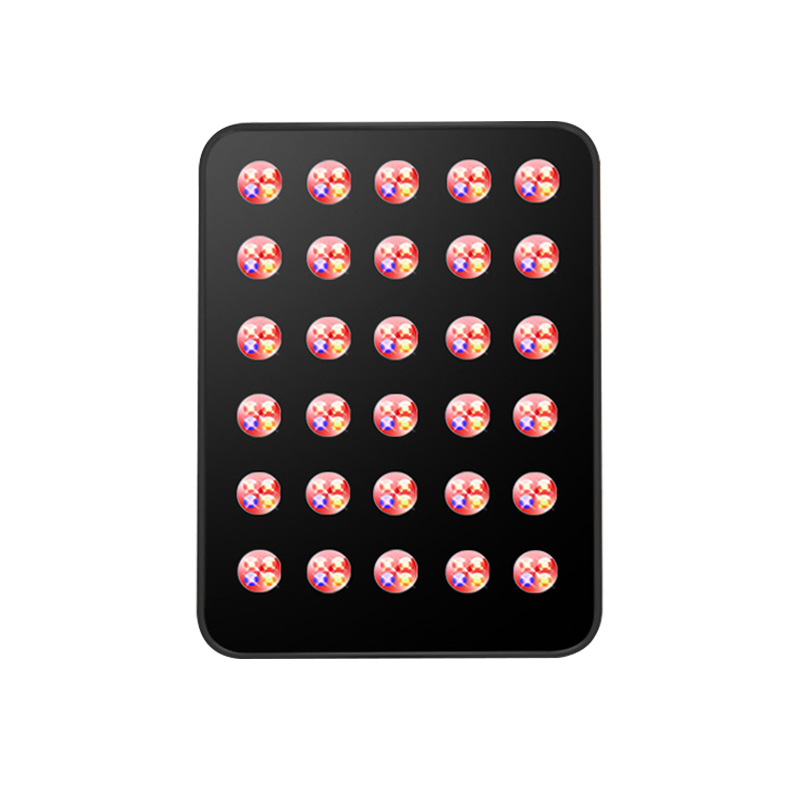
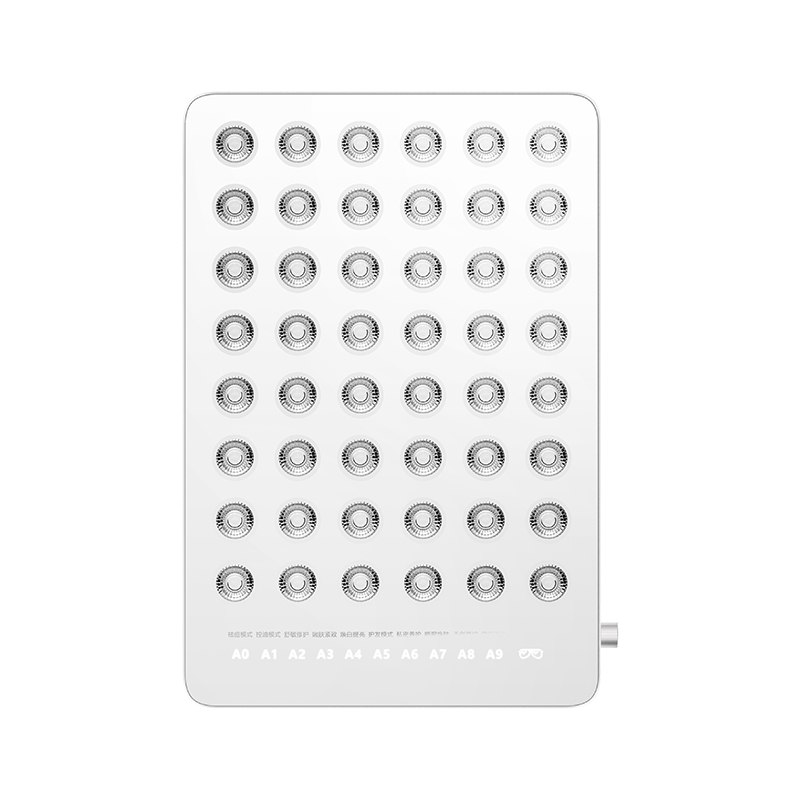
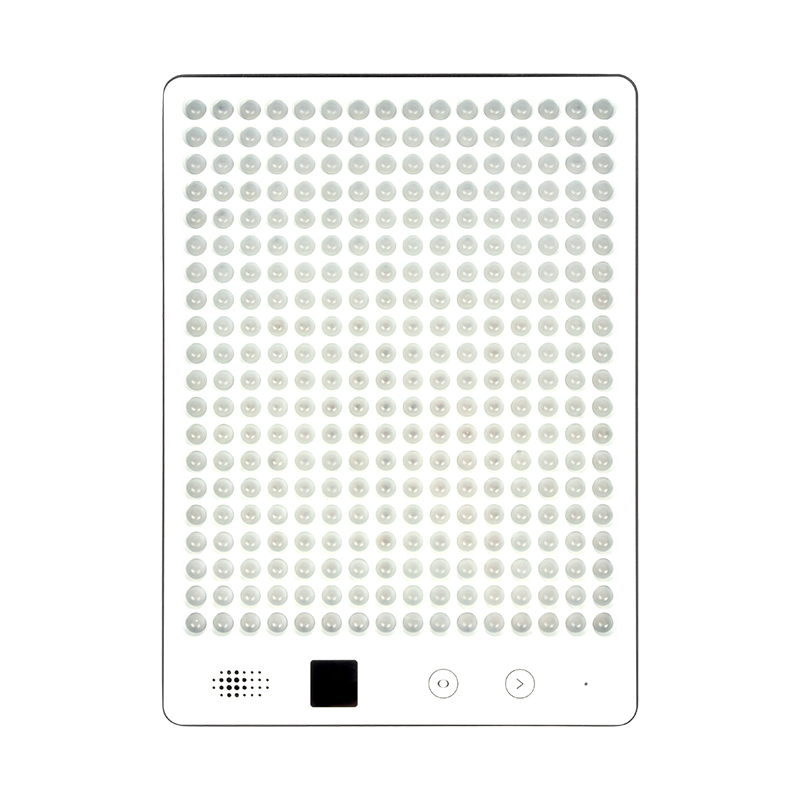
- Kei runga tika i te puku o raro, te rohe lumbar ranei
Ma te riterite ka pai ake nga hua i roto i nga huringa maha.
Whakatau Whakamutunga
He pai te rongoa rama whero mo te paheketanga?
Ka tuku mai pea, te awhina kore-ahuru ma te whakapai ake i te tohanga me te whakaiti i te mumura. Ahakoa ehara i te whakakapi mo te maimoatanga hauora i nga keehi kino, ka waiho hei taputapu oranga oranga mo te whakahaere i te mamae o ia marama.