Introduktion
Mensvärk, medicinskt känd som dysmenorré, drabbar miljontals kvinnor varje månad. För dig som söker drogfri smärtlindring, en vanlig fråga uppstår: Är rödljusterapi bra mot mensvärk?
Rödljusterapi (RLT), även kallad fotobiomodulering, används flitigt för muskelåterställning och inflammationsminskning. Nya bevis tyder på att det också kan hjälpa till att lindra mensvärk naturligt.
Varför händer mensvärk?
Menstruationsvärk uppstår när livmodern drar ihop sig och tappar slemhinnan. Dessa sammandragningar utlöses av hormonliknande ämnen som kallas prostaglandiner. Högre prostaglandinnivåer kan leda till:
- Starkare livmodersammandragningar
- Minskat blodflöde till livmodervävnaden
- Ökad inflammation
- Smärta i nedre delen av magen och nedre delen av ryggen
Att hantera inflammation och förbättra cirkulationen är nyckeln till att minska obehag - det är där rödljusterapi kan hjälpa.
Hur rött ljusterapi kan minska mensvärk
Rödljusterapi använder våglängder vanligtvis mellan 630–850 nm för att penetrera vävnad och stimulera cellulär energiproduktion (ATP). Denna process kan:
- Förbättra den lokala blodcirkulationen
- Minska inflammation
- Slappna av muskelvävnaden
- Stöd cellulär reparation
When applied to the lower abdomen or lower back, red light may help ease uterine muscle tension and reduce inflammatory responses linked to cramps.
Vad tyder forskning på?
Several small clinical studies on low-level light therapy have shown:
- Decreased pain intensity in women with primary dysmenorrhea
- Reduced reliance on pain medication
- Improved comfort during menstruation
While more large-scale studies are needed, current findings suggest red light therapy may be a promising complementary approach.
How to Use Red Light Therapy for Cramps
For menstrual discomfort, red light therapy is typically applied:
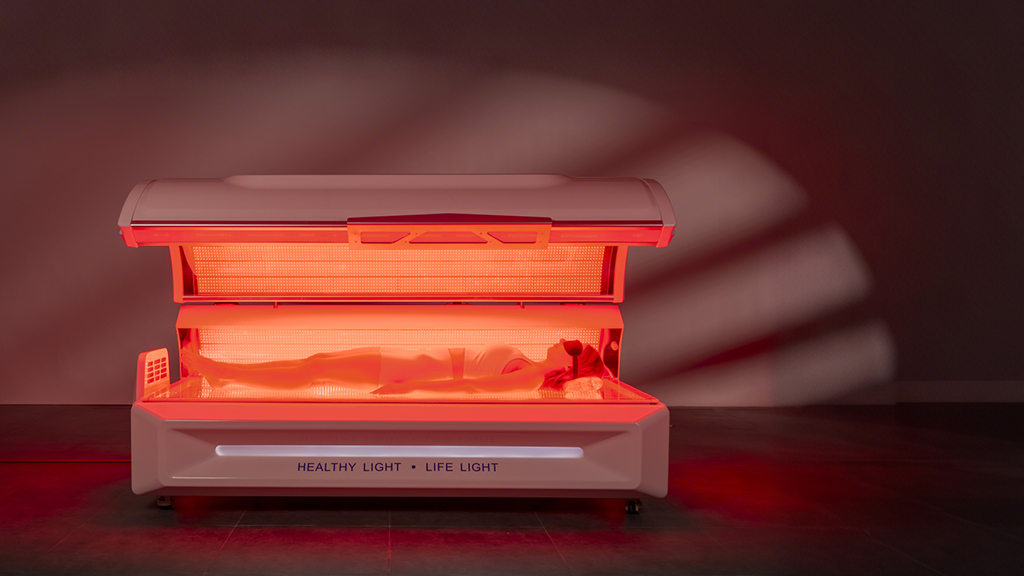
- 10–20 minuter per pass
- Once daily during pain episodes
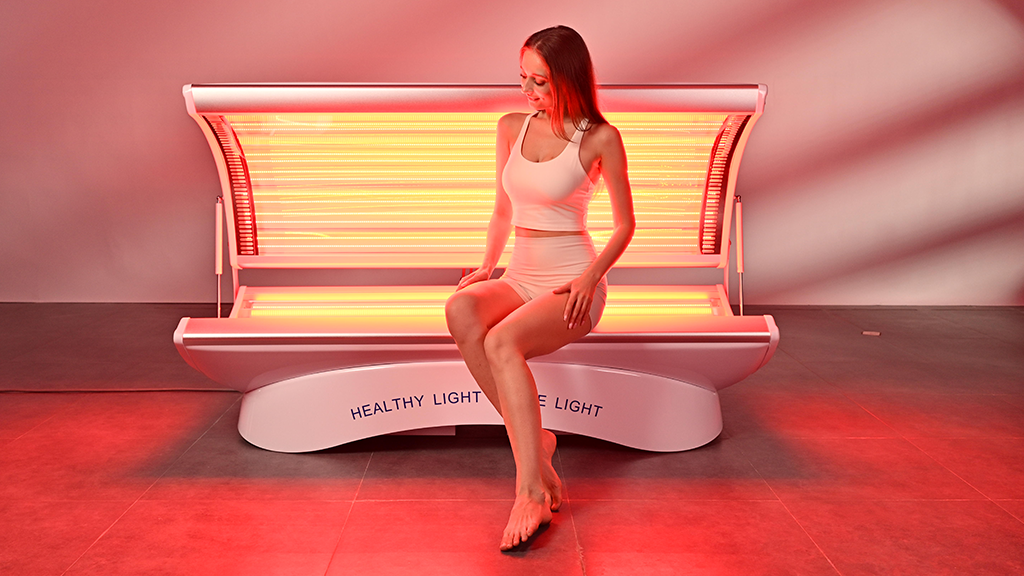
- Directly over the lower abdomen or lumbar region
Consistency may improve outcomes over several cycles.
Slutlig dom
Är rödljusterapi bra mot mensvärk?
It may provide natural, non-invasive relief by improving circulation and reducing inflammation. Även om det inte ersätter medicinsk behandling i svåra fall, det kan vara ett stödjande hälsoverktyg för att hantera månatliga obehag.