He Kōwhiringa Kore-Ahumahi mo te Whakaora mamae
Kupu Whakataki
Tuke Tennis, e mohiotia ana ko te epicondylitis lateral, he whara kino noa e pa ana ki nga uaua o waho o te tuke. Ahakoa tona ingoa, kaore e pa ana ki nga kaitakaro - nga kaimahi tari, miihini, a ka taea e te tangata e mahi ana i nga nekehanga ringa tukurua.
He maha nga tangata e patai ana inaianei: He pai te whakamaarama rama whero mo te tuke tennis? Kia tirotirohia te putaiao kei muri i tenei waahanga maimoatanga tipu.
He aha te Take Tennis Elbow?
Ka puta te tuke Tennis ina ka puta te riaka tukurua:
- Ngaroiti i roto i nga uaua toronga
- Te mumura huri noa i te epicondyle lateral
- Te mamae i te wa e mau ana, e hiki ana ranei
- Kua heke te kaha o te ringa
He puhoi te whakaora na te mea he iti te tuku toto ki nga uaua.
Me pehea te awhina o te Marama Whero
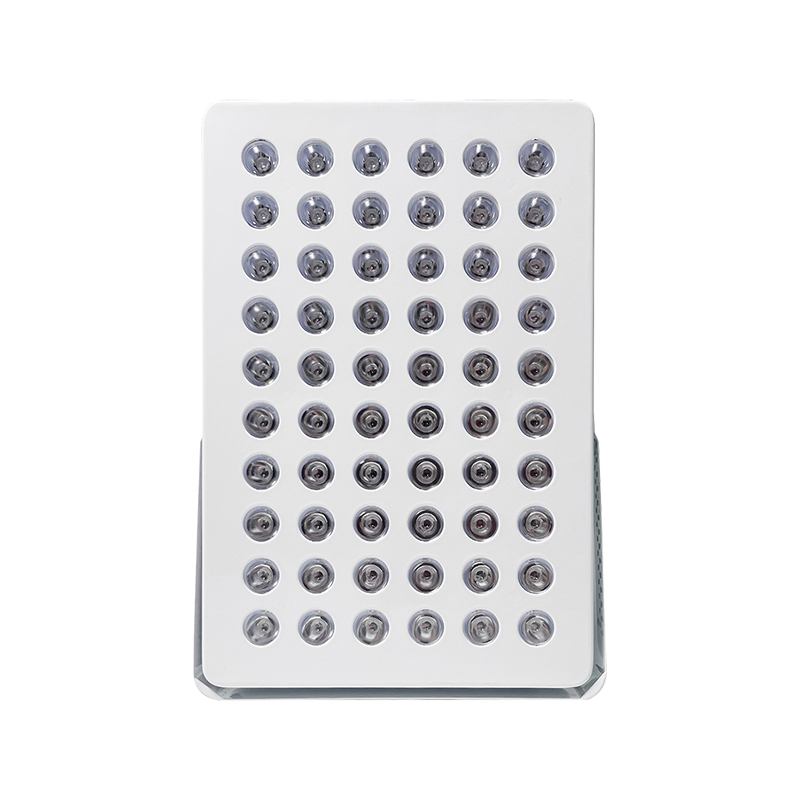
Te rongoa rama whero (RLT), ka kiia hoki ko te photobiomodulation, ka whakamahi i nga roangaru i waenga i te 630–850nm ki te kuhu ki nga kiko ngohe. Ina horomia e te mitochondria, ka piki ake te hanga ATP, tera pea:
- Whakaterehia te whakatika uaua
- Whakaitihia nga tohu mumura
- Whakapai ake te tohanga rohe
- Whakahekea te mamae mamae
- Tautokohia te whakahiato collagen
Na te mea ko te tuke tenehi he paheketanga tendon me te mumura, ka aro tika enei paanga ki te ahotea o te kiko.
He aha te Rangahau e whakaaro ana
Nga rangahau haumanu mo te whakamaarama laser taumata iti (LLLT) mo te epicondylitis lateral tohu:
- Kua whakaitihia te mamae mamae
- Kua pai ake te kaha mau
- He tere ake te whakaora mahi
- Te whakaheke i te whakawhirinaki ki te rongoa mamae
Ahakoa he rereke nga hua, He maha nga rangahau e tautoko ana i te photobiomodulation hei whakamaarama taapiri mo te mamae o te uaua.
Me pehea te Whakamahi Maama Whero Whero mo te Tuke Tennis
Kei roto i nga kawa angamaheni:
- 10–15 meneti mo ia wahanga
- 3–5 wahanga ia wiki
- Tono tika ki te rohe tuke o waho
- Ka honoa ki te okiokinga me nga mahi whakamaarama tinana
Ko te riterite te mea matua, ina koa mo nga keehi tawhito.
Whakatau Whakamutunga
He pai te whakamaarama rama whero mo te tuke tennis?
Ae - ka whakaiti pea i te mumura, whakapai ake i te whakaora uaua, me te whakaora i te mamae ina whakamahia tonutia. He pai ake te mahi hei waahanga o te mahere whakatikatika matawhānui, kaua ko te rongoa motuhake.