Pilihan Bukan Invasif untuk Melegakan Sakit
pengenalan
Siku tenis, dari segi perubatan dikenali sebagai lateral epicondylitis, adalah kecederaan berlebihan biasa yang menjejaskan tendon di bahagian luar siku. Walaupun namanya, ia bukan sahaja menjejaskan atlet - pekerja pejabat, mekanik, dan sesiapa yang melakukan pergerakan lengan yang berulang-ulang boleh mengembangkannya.
Ramai orang sekarang bertanya: Adakah terapi lampu merah bagus untuk tennis elbow? Mari kita terokai sains di sebalik pilihan rawatan yang semakin berkembang ini.
Apa yang Menyebabkan Tennis Elbow?
Siku tenis berlaku apabila ketegangan berulang membawa kepada:
- Koyak mikro dalam tendon extensor
- Keradangan di sekitar epikondilus sisi
- Sakit semasa mencengkam atau mengangkat
- Kekuatan lengan bawah berkurangan
Penyembuhan boleh menjadi perlahan kerana tendon menerima bekalan darah yang terhad berbanding dengan tisu otot.
Bagaimana Terapi Lampu Merah Boleh Membantu
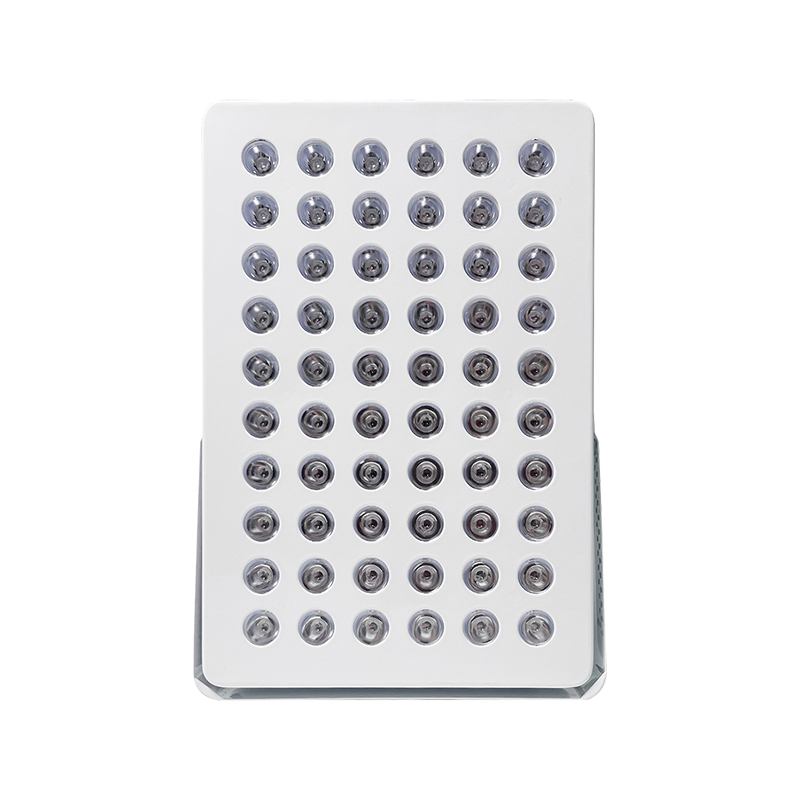
Terapi lampu merah (RLT), juga dipanggil fotobiomodulasi, menggunakan panjang gelombang biasanya antara 630–850nm untuk menembusi tisu lembut. Apabila diserap oleh mitokondria, ia meningkatkan pengeluaran ATP, yang mungkin:
- Mempercepatkan pembaikan tendon
- Kurangkan penanda keradangan
- Meningkatkan peredaran tempatan
- Kurangkan sensitiviti kesakitan
- Menyokong sintesis kolagen
Kerana tennis elbow melibatkan degenerasi tendon dan keradangan, kesan ini secara langsung menyasarkan tekanan tisu asas.
Apa yang Dicadangkan Penyelidikan
Kajian klinikal mengenai terapi laser peringkat rendah (LLLT) untuk epicondylitis sisi menunjukkan:
- Mengurangkan intensiti kesakitan
- Kekuatan cengkaman yang lebih baik
- Pemulihan fungsi yang lebih cepat
- Mengurangkan pergantungan pada ubat sakit
Walaupun keputusan berbeza-beza, banyak kajian menyokong photobiomodulation sebagai terapi pelengkap untuk sakit tendon kronik.
Cara Menggunakan Terapi Lampu Merah untuk Siku Tenis
Protokol biasa termasuk:
- 10–15 minit setiap sesi
- 3-5 sesi seminggu
- Sapuan terus ke kawasan siku luar
- Digabungkan dengan rehat dan latihan terapi fizikal
Konsisten adalah kunci, terutamanya untuk kes kronik.
Keputusan Akhir
Adakah terapi lampu merah bagus untuk tennis elbow?
Ya - ia boleh mengurangkan keradangan, meningkatkan penyembuhan tendon, dan melegakan kesakitan apabila digunakan secara konsisten. Ia berfungsi paling baik sebagai sebahagian daripada pelan pemulihan yang komprehensif dan bukannya penawar kendiri.