Μια μη επεμβατική επιλογή για ανακούφιση από τον πόνο
Εισαγωγή
Tennis elbow, ιατρικά γνωστή ως πλευρική επικονδυλίτιδα, είναι ένας συνηθισμένος τραυματισμός κατάχρησης που επηρεάζει τους τένοντες στο εξωτερικό του αγκώνα. Παρά το όνομά του, δεν επηρεάζει μόνο τους αθλητές - τους υπαλλήλους γραφείου, μηχανική, και όποιος εκτελεί επαναλαμβανόμενες κινήσεις των χεριών μπορεί να το αναπτύξει.
Πολλοί ρωτούν τώρα: Is red light therapy good for tennis elbow? Let’s explore the science behind this growing treatment option.
What Causes Tennis Elbow?
Tennis elbow occurs when repetitive strain leads to:
- Microtears in the extensor tendons
- Inflammation around the lateral epicondyle
- Pain during gripping or lifting
- Reduced forearm strength
Healing can be slow because tendons receive limited blood supply compared to muscle tissue.
Πώς μπορεί να βοηθήσει η θεραπεία με κόκκινο φως
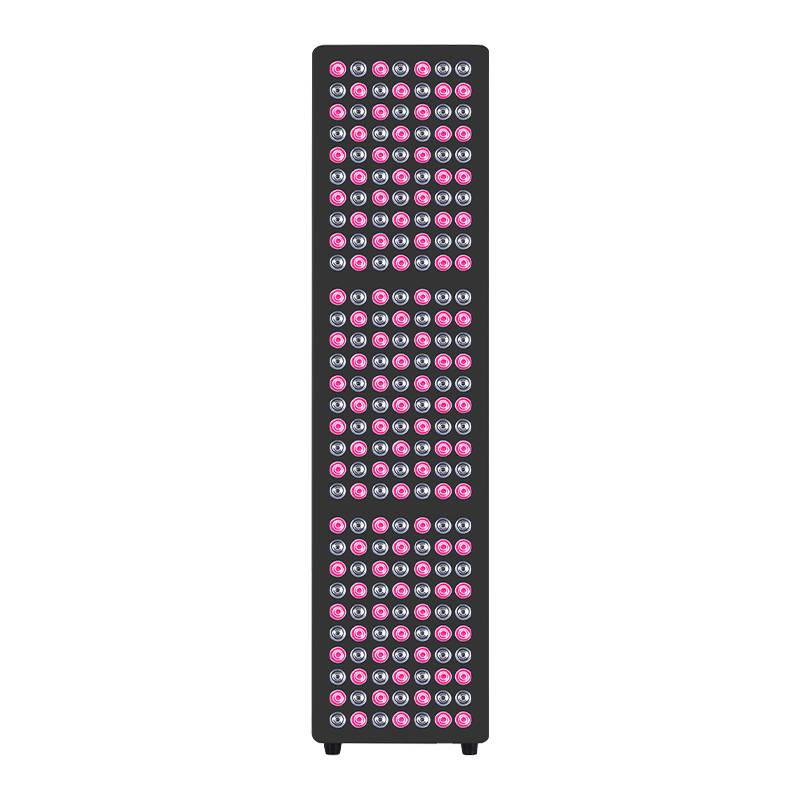
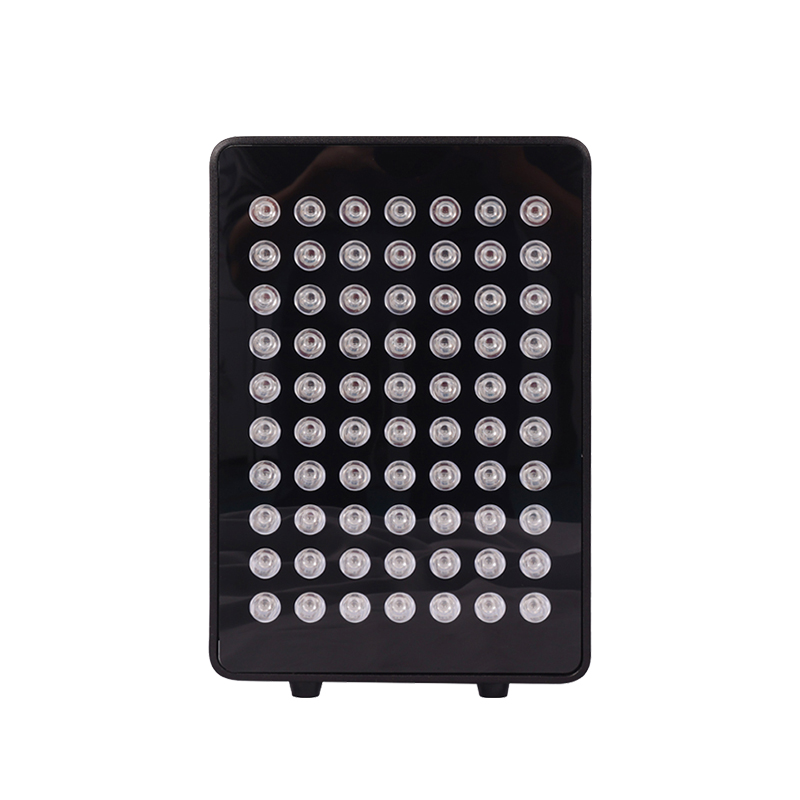
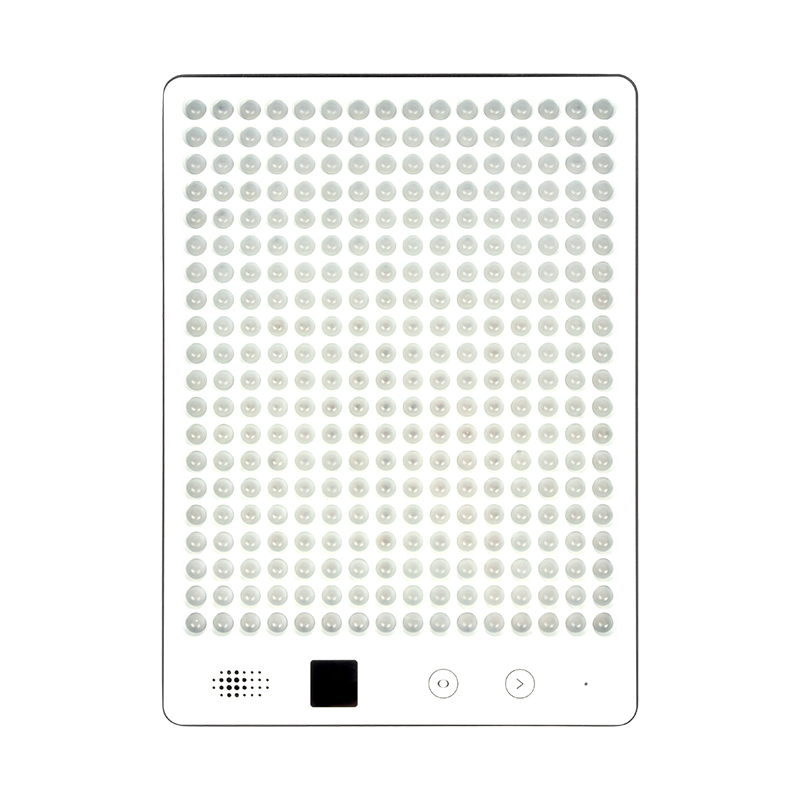
Θεραπεία με κόκκινο φως (RLT), ονομάζεται επίσης φωτοβιοτροποποίηση, uses wavelengths typically between 630–850nm to penetrate soft tissue. Όταν απορροφάται από τα μιτοχόνδρια, it increases ATP production, which may:
- Accelerate tendon repair
- Μειώστε τους δείκτες φλεγμονής
- Improve local circulation
- Decrease pain sensitivity
- Support collagen synthesis
Because tennis elbow involves tendon degeneration and inflammation, these effects directly target underlying tissue stress.
Τι προτείνει η έρευνα
Clinical studies on low-level laser therapy (LLLT) for lateral epicondylitis indicate:
- Reduced pain intensity
- Improved grip strength
- Faster functional recovery
- Decreased dependence on pain medication
While results vary, many studies support photobiomodulation as a complementary therapy for chronic tendon pain.
How to Use Red Light Therapy for Tennis Elbow
Typical protocols include:
- 10– 15 λεπτά ανά συνεδρία
- 3– 5 συνεδρίες την εβδομάδα
- Direct application to the outer elbow area
- Combined with rest and physical therapy exercises
Η συνέπεια είναι το κλειδί, especially for chronic cases.
Τελική ετυμηγορία
Is red light therapy good for tennis elbow?
Yes — it may reduce inflammation, improve tendon healing, and relieve pain when used consistently. It works best as part of a comprehensive rehabilitation plan rather than a standalone cure.