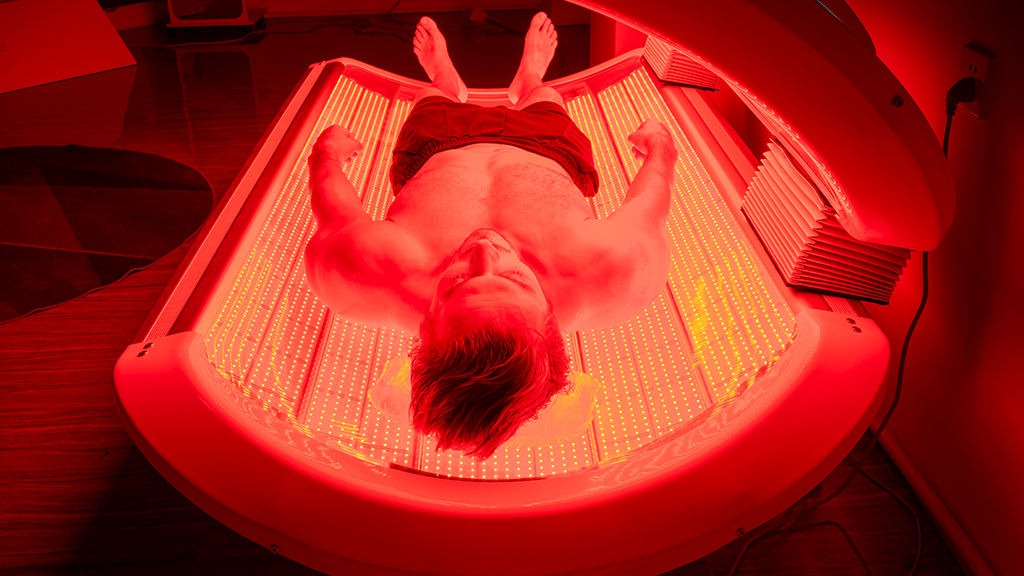
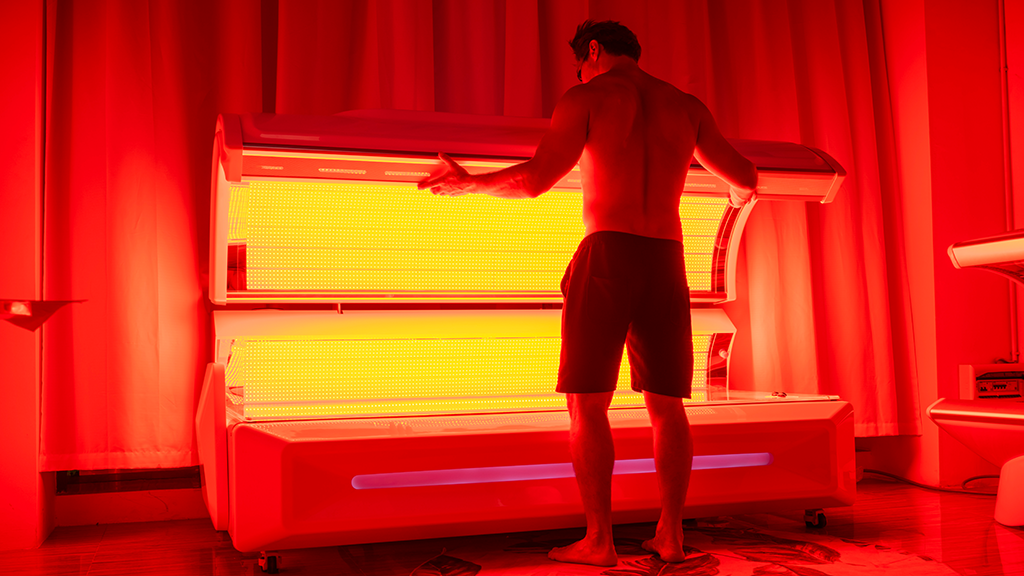
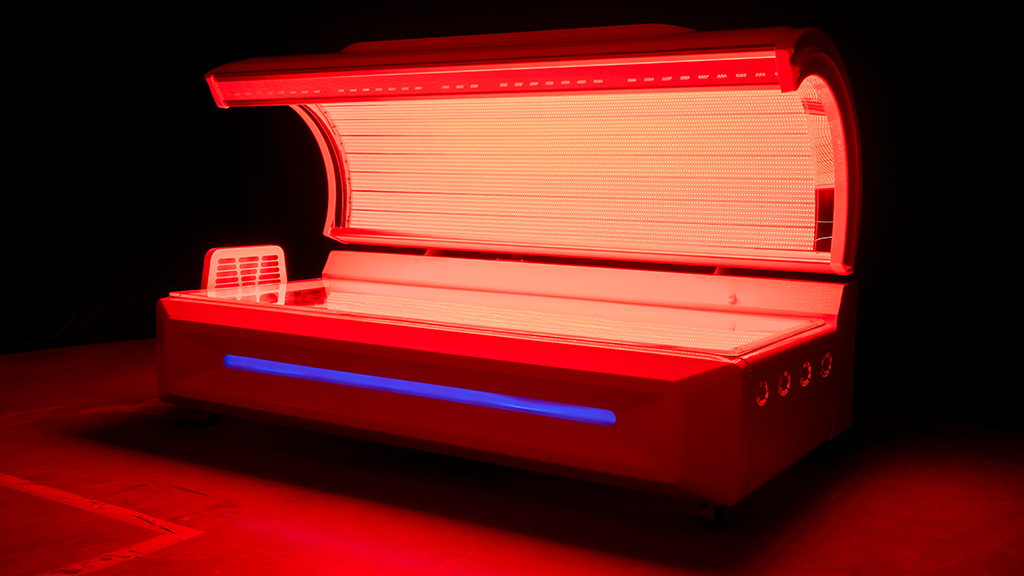
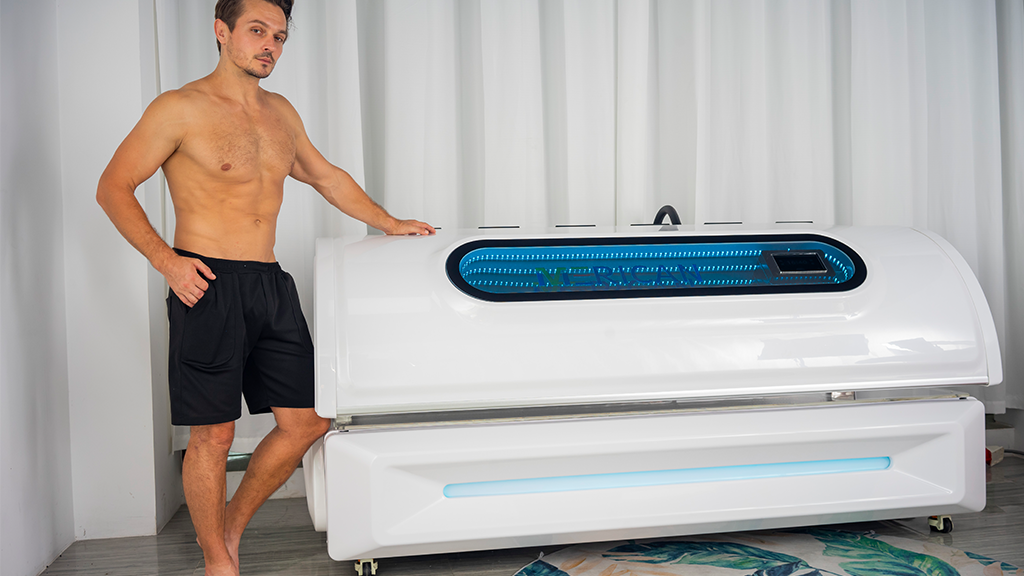
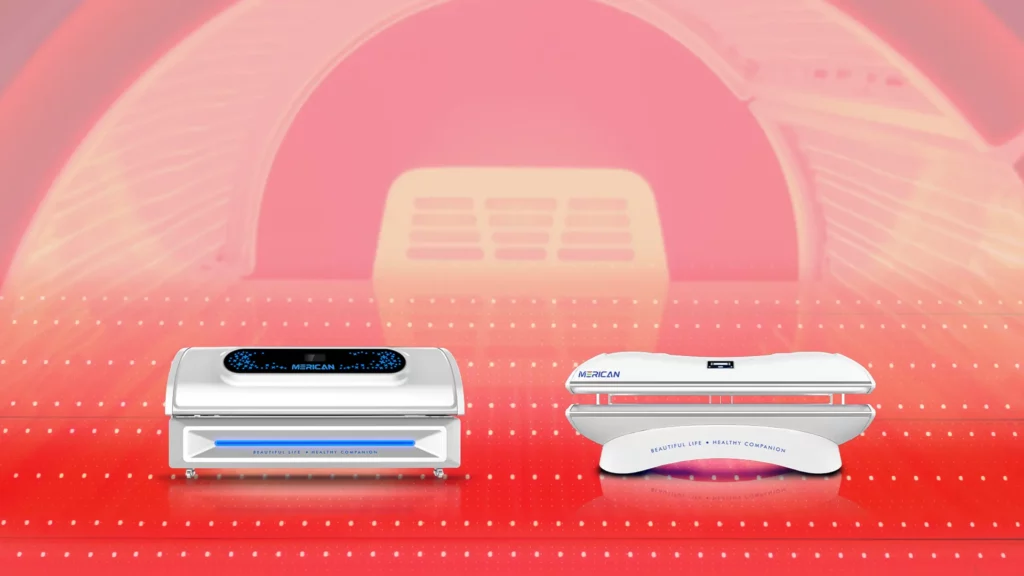
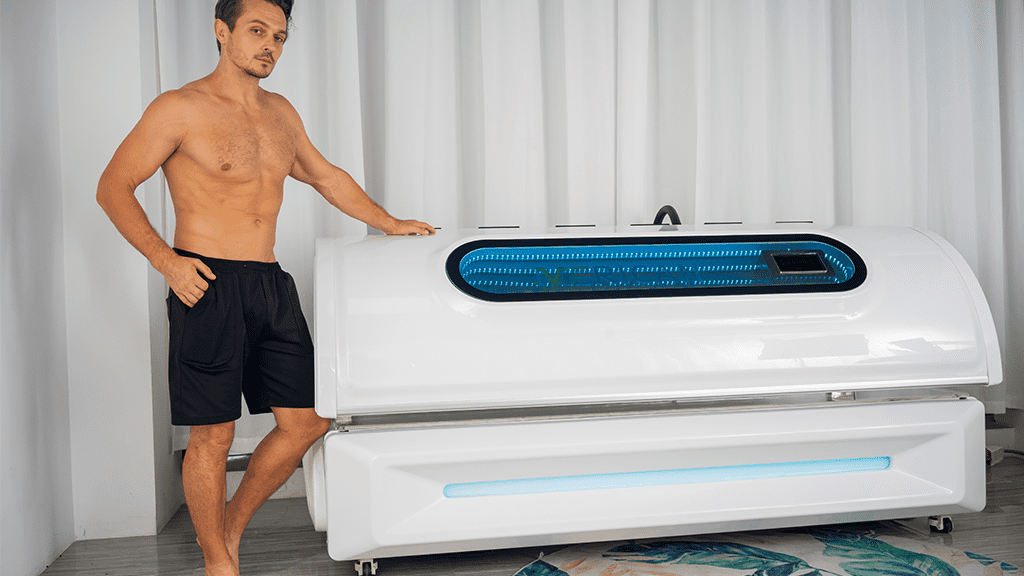
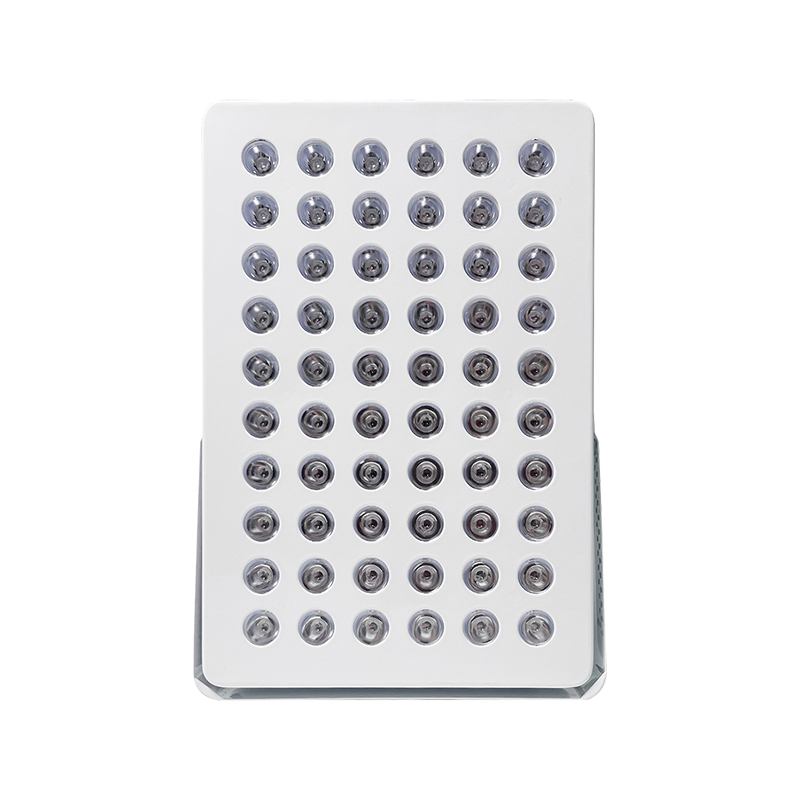
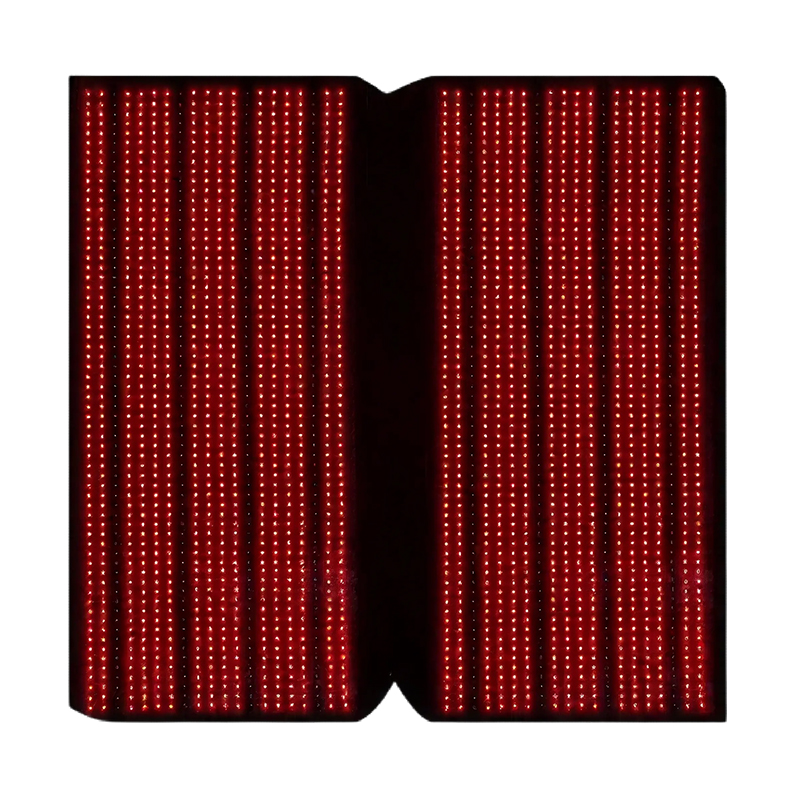
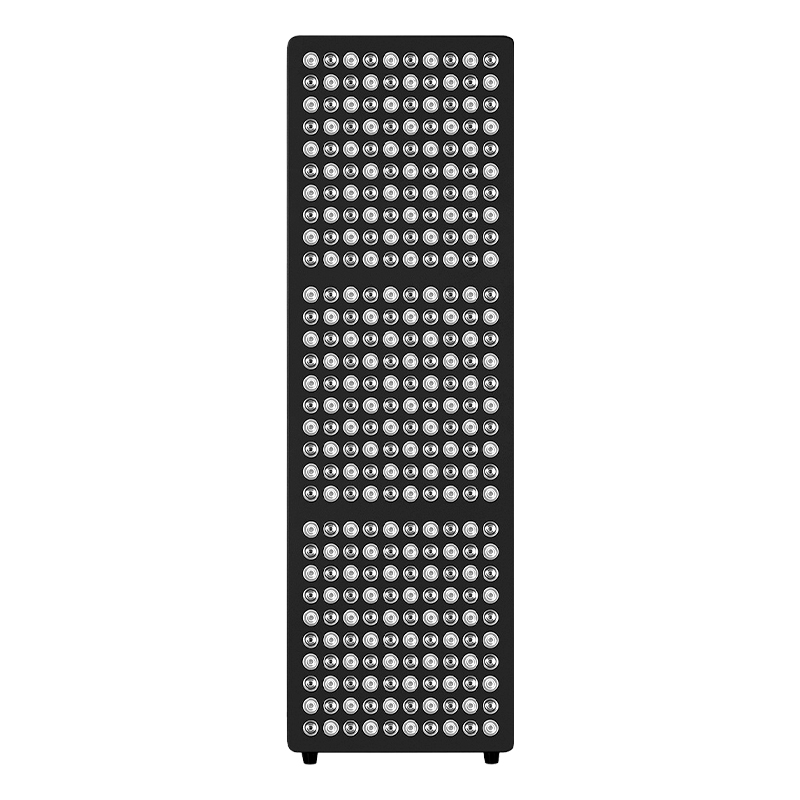
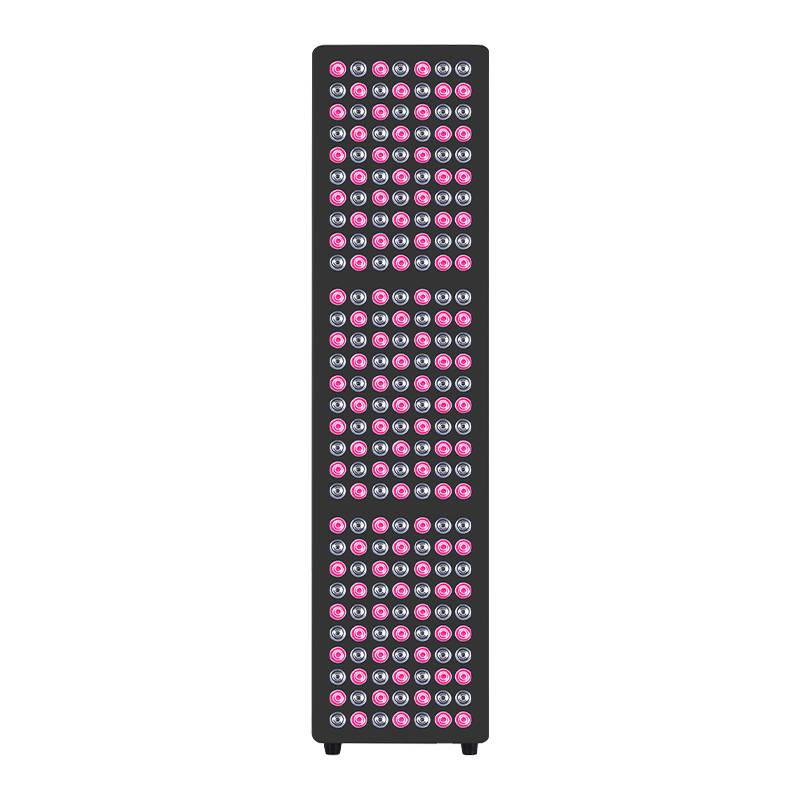
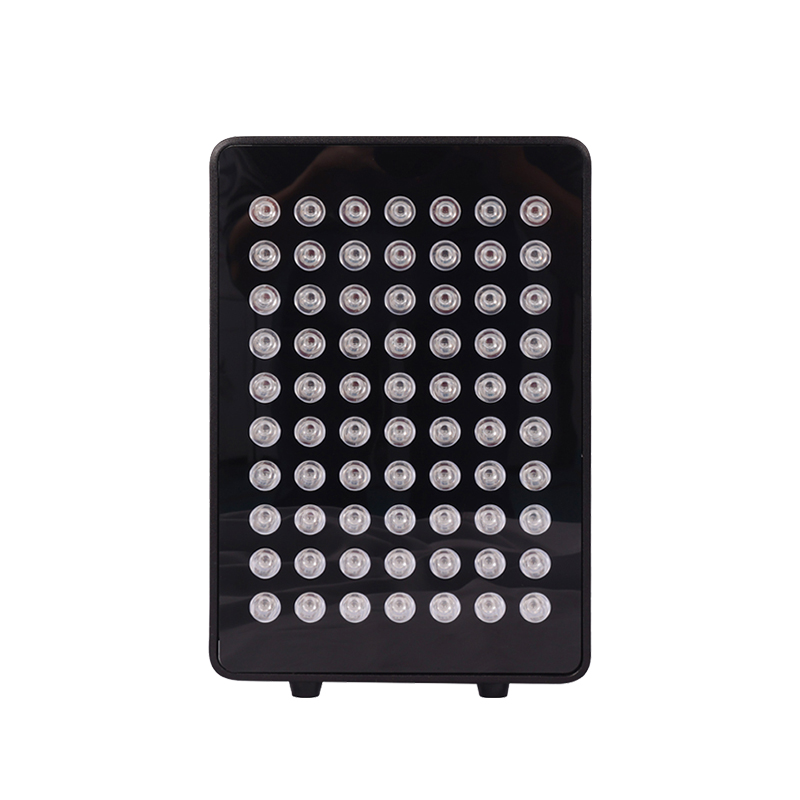
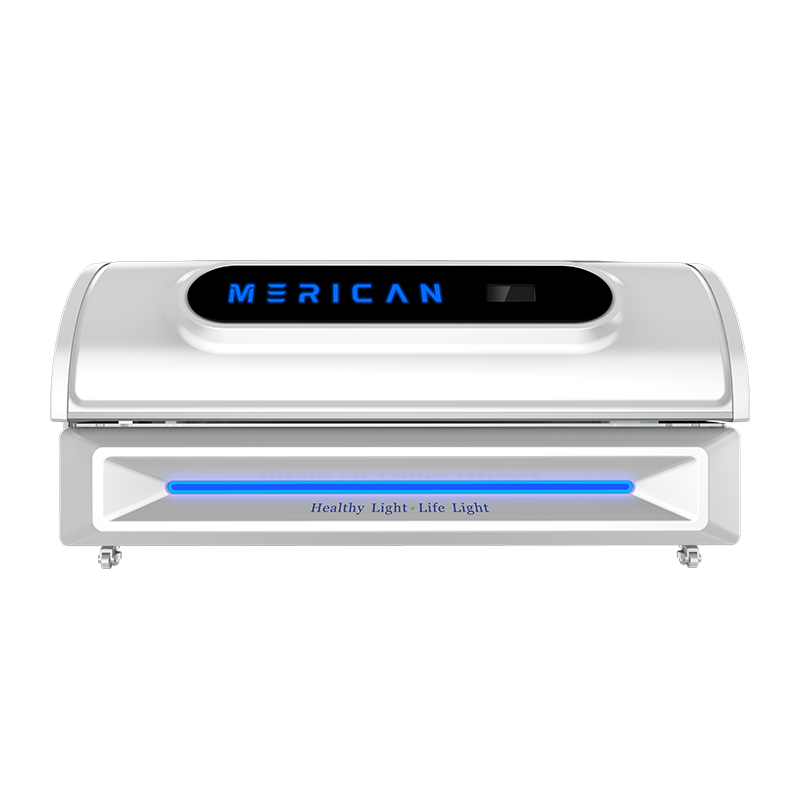
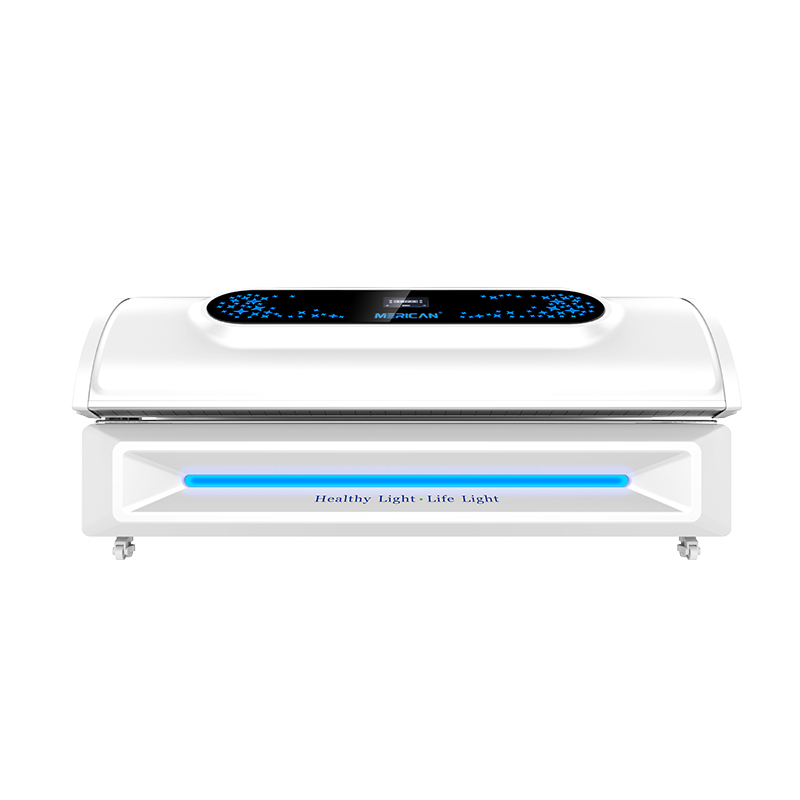
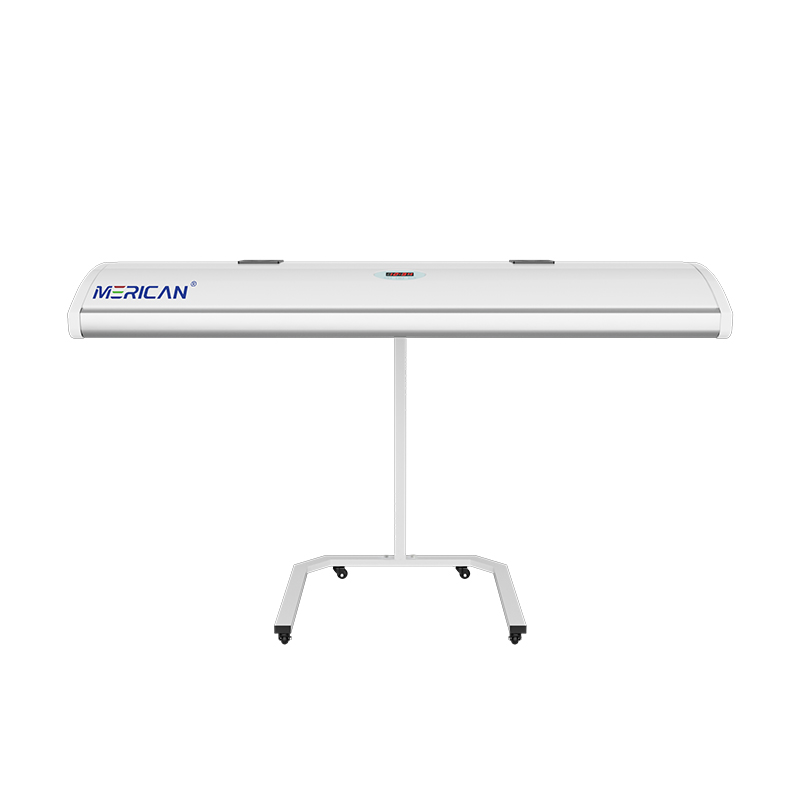
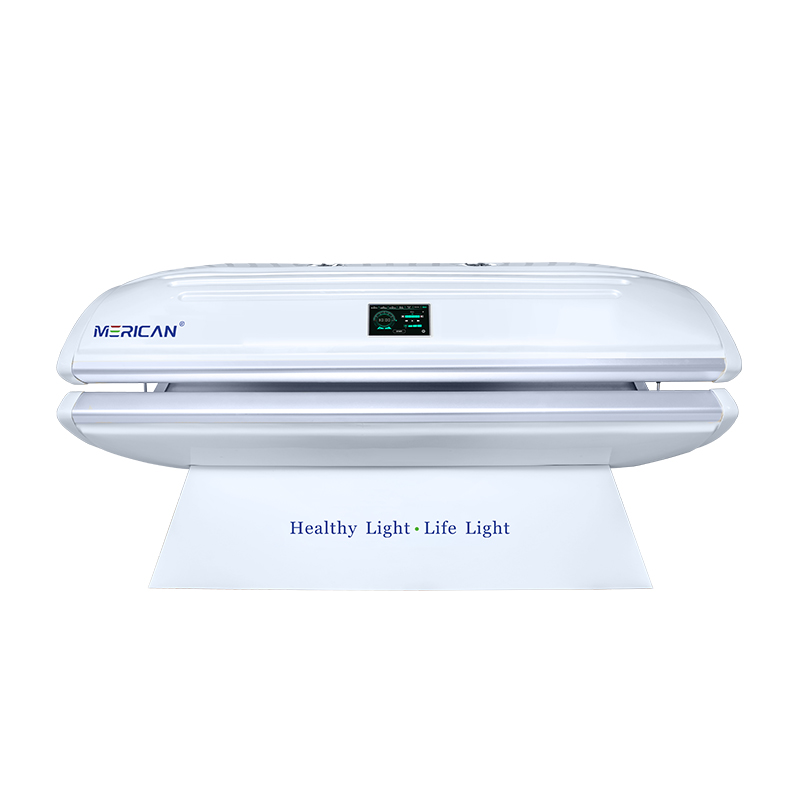
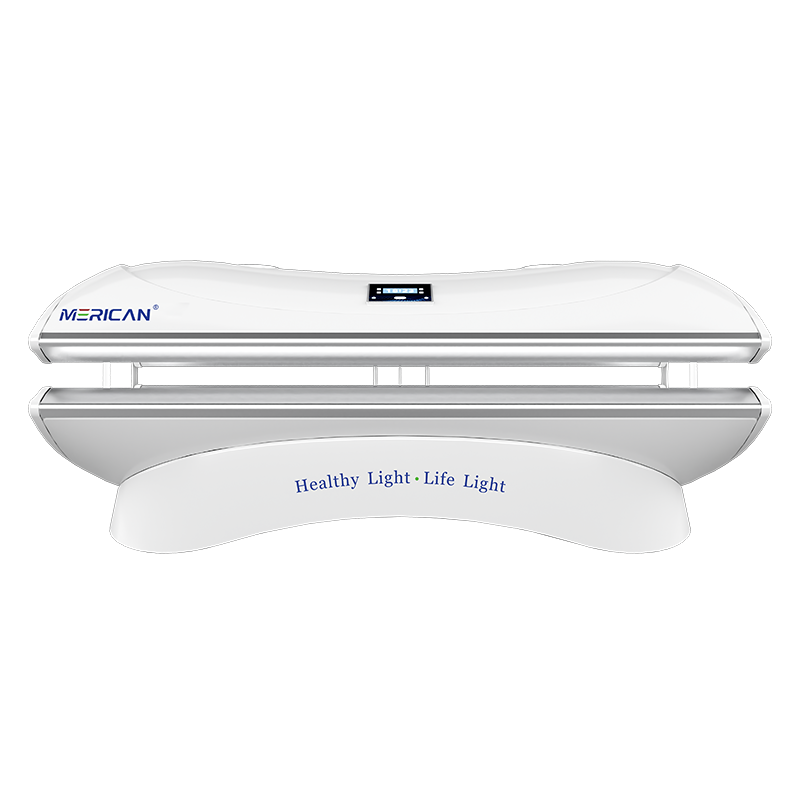
Tuatahi:He Whakataki mo te Maama Whero
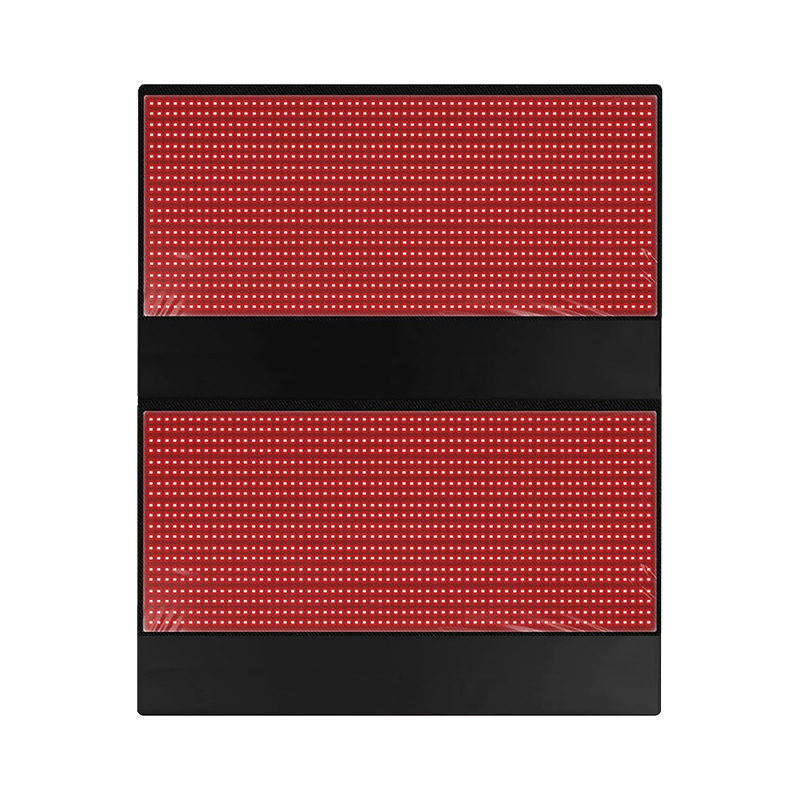
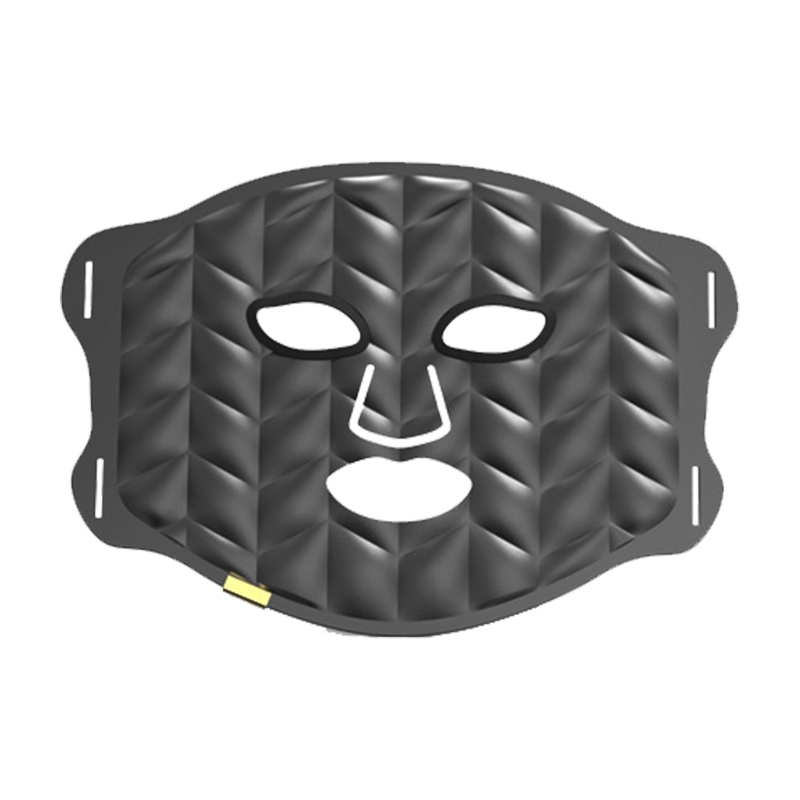
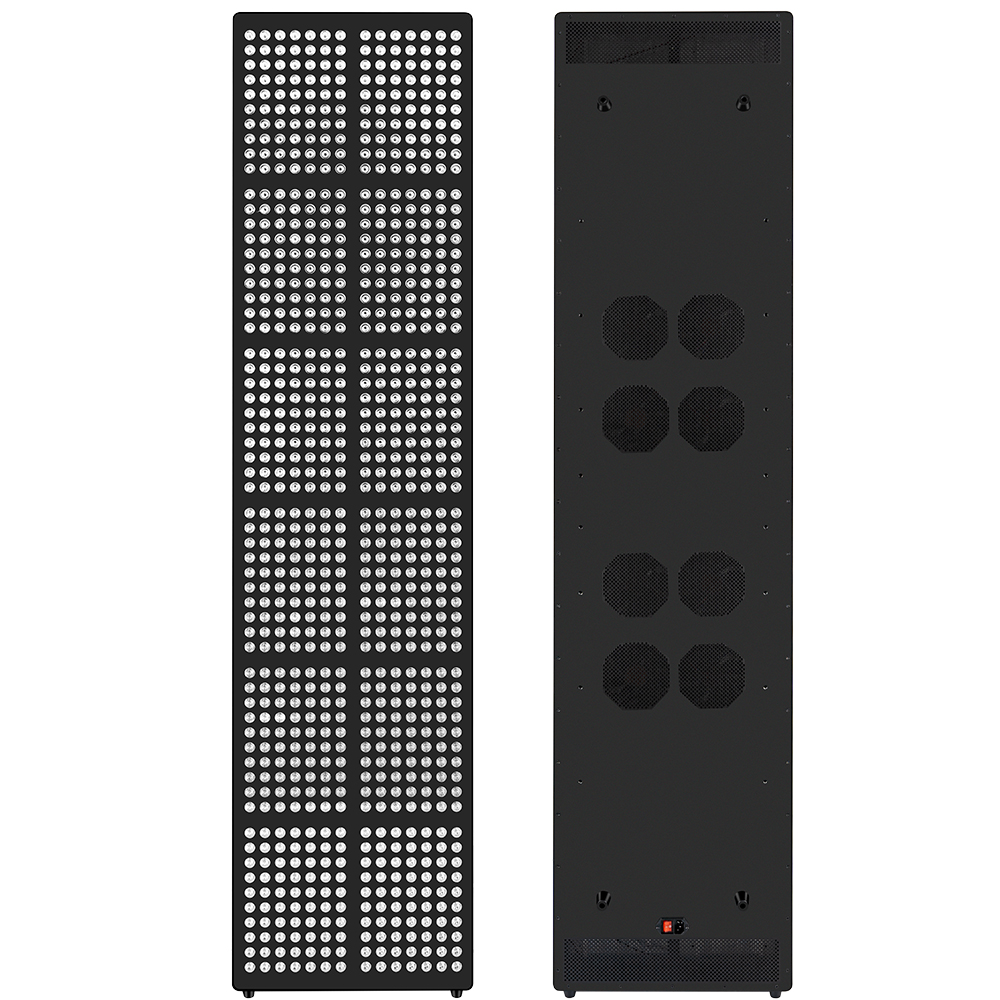
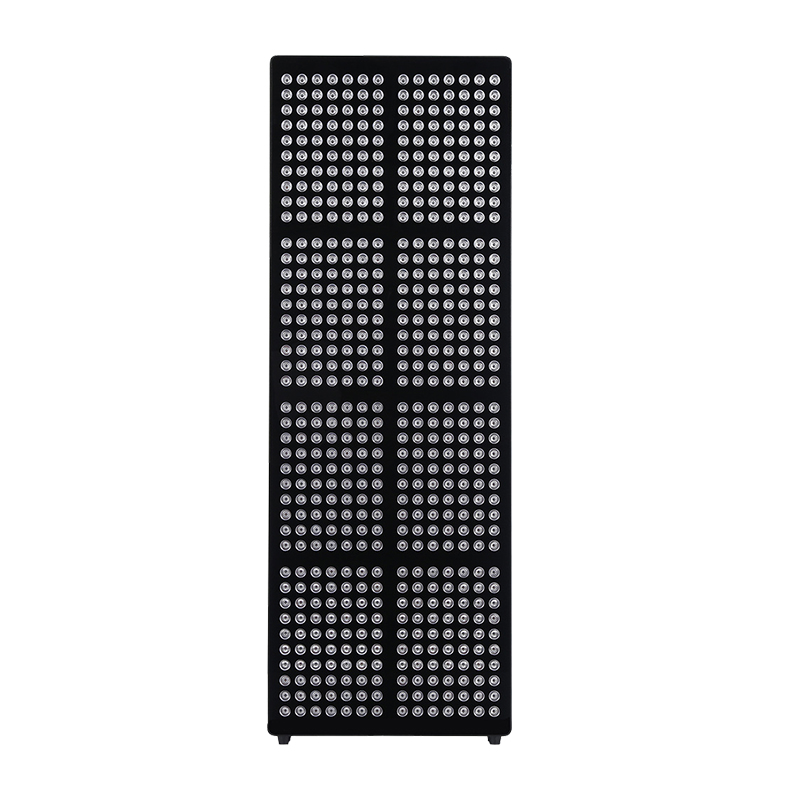
Te rongoa rama whero (RLT), he rongoa rama whero ranei, he tikanga rongoa e whakamahi ana i nga roangaru iti-mana o te rama whero, tata-infrared ranei hei rongoa i nga momo raru kiri me etahi atu ahuatanga tinana..
Ko te rongoa rama whero e mahi ana ma te mahi i runga i te mitochondria, ko nga "nga tipu hiko" i roto i nga ruma o te tinana. Me te kaha ake, ka taea e etahi atu ruma te mahi pai ake, penei i te whakatikatika i te kiri, te whakatairanga i te tipu o nga pūtau hou, me te whakanui ake i te kaha o te kiri ki te whakahou. Ko nga pūtau tauwhāiti ka mimiti i nga roangaru o te marama, ka whakahihikohia kia timata te mahi. Ka awhina pea te rongoa rama whero ki te whakaihiihi i te hanga o te collagen, e hoatu ana ki te kiri tona hanganga, te kaha me te elasticity. Ka nui ake pea te hanga o te fibroblasts, e hanga collagen. Ko te Collagen tetahi waahanga o te kiko hono e hanga ana i te kiri. I tua atu, ka nui ake pea te rere o te toto ki nga kopa me te whakaiti i te mumura o te pūtau.
Ko te RLT he maimoatanga kua whakaaetia e te FDA hei awhina i te whakapai kiri, te kiko uaua me etahi atu wahanga o te tinana. Ka whakamahia e ia te rama whero iti-kaha hei whakahohe i te mitochondria me te whakanui i nga tukanga metabolic pūkoro hei whakaora me te whakapai ake i te tinana.. He haumaru me te whai hua, Ko tenei maimoatanga kua whakamatauhia e te haumanu e whakatairanga ana i te hanga collagen taiao me te whakaatu he whai hua ki te whakapai ake i te hauora kiri, te whakakore i te mamae o nga hononga, te whakatairanga i te whakaora uaua, whakaongaonga i te tipu o nga makawe, me te whakatere i te whakaora patunga.
Tuarua:Te mahi me nga painga o te rongoa rama whero
(i) Te whakatairanga i te hanga collagen
Kua whakaatuhia e nga rangahau ka taea e te rongoa rama whero te whakanui i te hanga collagen. He rangahau mo 50 wahine i waenganui i nga tau o 40 a 60 kitea e muri 8 wiki o te whakamaarama rama whero, nga kaiuru’ ka piki ake nga taumata collagen kiri i te toharite o 30%. Ko te tikanga ka iti haere nga weriweri me nga nawe. Ko te Collagen te hanga kiri, te kaha me te elasticity, me te whakaihiihi i nga fibroblasts ki te whakaputa collagen, red light therapy gives skin a youthful and healthy appearance.
(ii) Improvement of skin health
Red light therapy has positive therapeutic effects on skin problems such as acne, psoriasis and rosacea. It promotes the growth of new healthy skin tissue and reduces inflammation. Hei tauira, in a study of 100 acne patients, acne symptoms were significantly reduced after 4 weeks of treatment with Red Light Therapy. Red light therapy improves various skin problems by regulating the metabolism of skin cells and strengthening the skin’s immunity.
(iii) Relief of joint pain
Red light therapy reduces inflammation and arthritis pain. It improves the repair of cartilage between joints and reduces inflammation by stimulating cellular energy production. Many patients suffering from arthritis experience pain relief and increased joint mobility after receiving red light therapy. One study showed that after 6 weeks of Red Light Therapy, arthritis patients experienced an average 40% reduction in pain.
(iv) Promoting muscle recovery
Red light therapy helps reduce delayed muscle soreness and prevent sports-related muscle injuries, and improves muscle fatigue resistance. Athletes using red light therapy after training can speed up muscle recovery and reduce muscle fatigue. Studies have shown that athletes who received red light therapy had a 30% shorter recovery time after high-intensity training than those who did not receive the treatment.
(v) Promoting hair growth
Red light therapy has potential benefits for hair. It can increase blood flow and oxygen supply, promote hair growth and prevent hair loss. Some studies have found that the use of red light therapy to treat patients with hair loss significantly increased the density of their hair after several months of treatment. Red light therapy supports healthy hair growth by stimulating the growth and metabolism of hair follicle cells.
(vi) Accelerating wound healing
Red light therapy can speed up the recovery time of wounds. Many studies have shown that it is also very effective on the wounds of diabetic patients. Red light therapy can promote cell proliferation and collagen synthesis, accelerating the wound healing process. In a study of diabetic wounds, patients treated with red light therapy had a 50% reduction in wound healing time compared to untreated patients.
Tuatoru: Recommendations for the use of red light therapy
Red light therapy has some feasibility for use at bedtime, but its effects and side effects need to be carefully considered.
In terms of action, red light therapy promotes recovery and repair of the body. If you have performed intense exercise or work during the day, your body may experience symptoms such as fatigue and muscle soreness. Using red light therapy before bedtime can promote muscle recovery, whakaiti i te mamae o te uaua kua roa, improve muscle fatigue resistance, and help the body recover better during sleep. I tua atu, red light therapy can promote collagen production and improve skin health, and for those concerned with skin care, using it before bedtime may offer some benefits. Ano hoki, red light therapy has potential benefits for the hair, increasing blood flow and oxygen supply, promoting hair growth and preventing hair loss. For those with hair loss issues, using red light therapy before bed may be helpful.
Heoi ano, there are some issues to be aware of in terms of side effects. If used incorrectly, red light therapy may cause symptoms such as eyestrain, te whakakitenga, headaches and skin tightness. When using it before bedtime, it is especially important to avoid direct light to the eyes to avoid eye discomfort. If you are sensitive to red light, skin irritation and allergic reactions may occur. I tua atu, prolonged exposure to red light may lead to uncomfortable symptoms such as fatigue and headache, which may affect the quality of sleep.
No reira, the following measures are recommended when using red light therapy before bedtime:
1. under the guidance of a professional to ensure proper use of the device and avoid side effects.
2. Avoid direct exposure of light to the eyes, either by wearing an eye mask or using a light-blocking device.
3. If you are sensitive to red light, you can conduct a local skin test before use to observe whether there is any allergic reaction.
4. Control the time of use, avoid too long exposure to red light. Generally speaking, each use should not exceed 30 meneti.
5. Observe the body’s reaction after use, if there are symptoms of discomfort, you should stop using it in time and take appropriate treatment measures.
Hei whakatau, whether to use red light therapy before bedtime needs to be considered according to individual circumstances. If it can be used correctly and care is taken to avoid side effects, red light therapy may bring some benefits to the body before bedtime. Heoi ano, if there are doubts or uncertainties, it is best to consult a professional first.
Summary of the use of red light therapy
Red light therapy is a non-invasive and often safe way to help prepare your body for restful sleep.
Red light therapy works by applying specific wavelengths of red light to the body’s cells to promote cellular metabolism and energy production. By using red light therapy before bedtime, you can take advantage of its ability to promote your body’s recovery and repair, creating the conditions for a good night’s sleep.
In terms of improving blood circulation, red light therapy dilates microvessels and increases the rate of blood circulation. This helps deliver nutrients to all parts of the body, including the brain and muscle tissue. Before bedtime, good blood circulation can help the body relax, reduce fatigue and prepare it for sleep. E ai ki nga rangahau, red light therapy dilates blood vessels, ka whakanui i te rere toto, and improves oxygen saturation and nutrient supply to localized tissues, which helps relieve pain and promote wound healing. Hei tauira, in some clinical studies, patients with diabetic foot ulcers who were treated with red light therapy experienced a significant reduction in the size of their ulcers and healed much faster than with traditional treatments. This suggests that red light therapy has a significant effect on improving blood circulation, and good blood circulation is essential for physical relaxation and quality of sleep before bedtime.
Mo te whakatairanga i te whakatikatika me te whakahou, Ka awhina te whakamaarama rama whero ki te tere ake i te whakawhitinga o nga pūtau me te whakapai ake i te whakaoranga o nga pūtau. I muri i te ra mahi, kei te tinana etahi whara iti, penei i te pakaru moroiti o te uaua. Ma te whakamahi i te whakamaarama rama whero i mua i te haere ki te moenga ka tere ake te whakatika o enei pakaru, kia pai ake te ora o te tinana i te wa e moe ana. Ka whai hua ano ki te whakatikatika i te kiri, te awhina ki te pupuri i te ahua hauora.
Heoi ano, kei reira etahi mea hei maumahara i te wa e whakamahi ana i te whakamaarama rama whero. Tuatahi o nga mea katoa, kia mohio kei raro koe i te awhina a te tohunga ngaio e mohio ana ki te whakamahi tika me nga mahi whakatupato. Hei tauira, i mua i te mahi maimoatanga rama whero, ka horoi, ka whakahoroa e te taote te kiri o te turoro kia pai ai te ma me te akuaku o te waahi maimoatanga. I taua wa ano, ka whakatauhia e te taote nga tawhā o te taputapu whakamaarama rama whero kia rite ki nga tikanga motuhake o te manawanui, penei i te wa maimoatanga, te kaha marama me te auau maimoatanga. Tuarua, he mea nui kia karohia te marama ki nga kanohi kia kore ai e pakaru. Kare e taea e te taputapu whakamaori rama whero te whakaraerae i nga kanohi me te puku o nga wahine hapu, rawa te rama ultraviolet, Ka taea e te rama kikorangi te kino ki te arotahi mata me te retina, Ko te whakamaaramatanga o te taputapu whakamaori rama whero o te kopu o nga wahine hapu ka pa ki te whanaketanga hauora o te kopu. I tua atu, Ko nga wahine hapu me nga wahine e u ana me whakamahi te whakamaarama rama whero me te tupato. Mo nga tangata e aro ana ki te rama whero, Ka taea e koe te whakahaere i tetahi whakamatautau kiri o te rohe i mua i te whakamahi ki te kite mena he mate mate mate. Mena ka puta te pouri, mutu te whakamahi me te tango i nga tikanga maimoatanga tika.
Hei whakatau, maimoatanga rama whero, hei tikanga kore-kino me te tikanga haumaru, ka taea te whakarite i te tinana mo te moe okioki ina whakamahia tika. Heoi ano, Ko nga tohutohu ngaio me nga mahi tupato me tino whai kia taea ai te whakanui ake i ona paanga pai i te wa e karohia ana nga paanga taha.