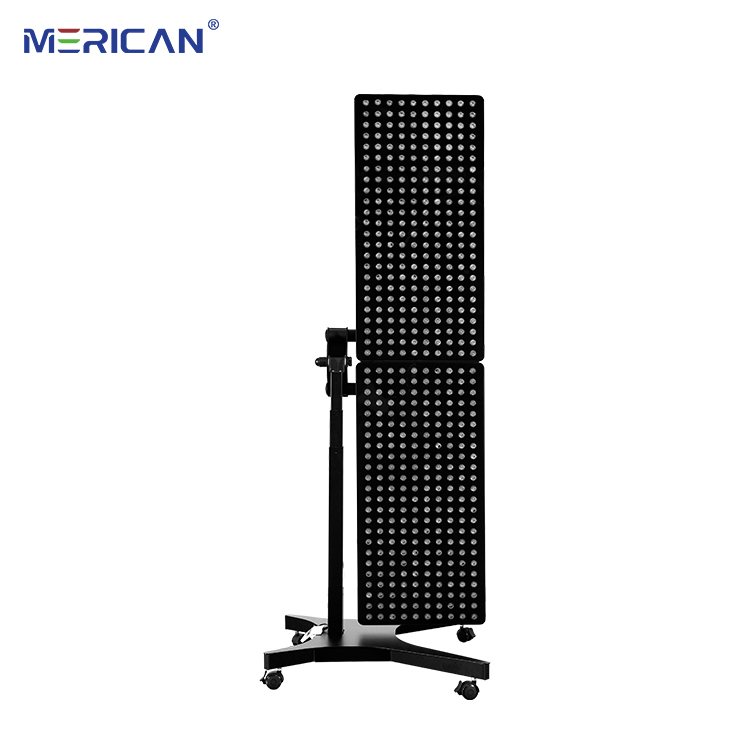
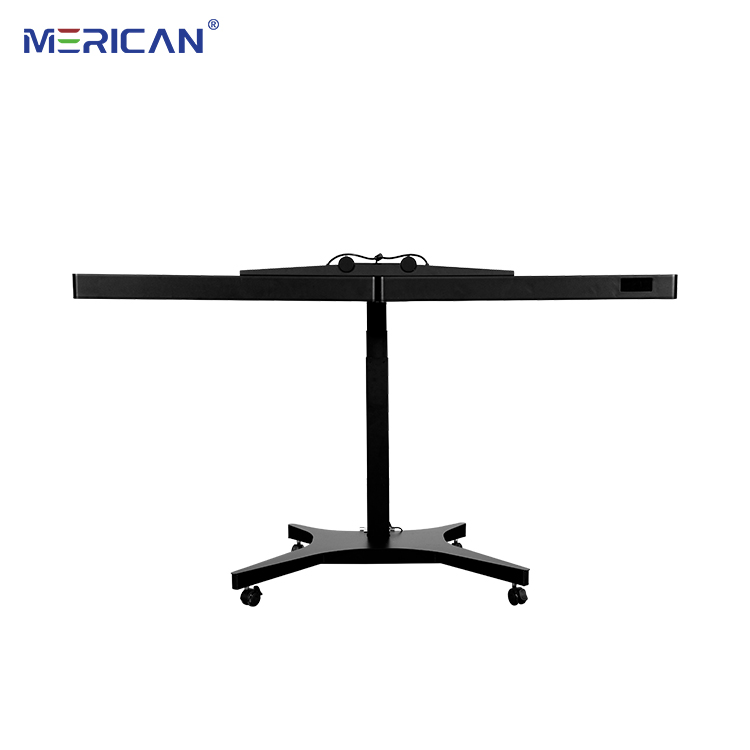
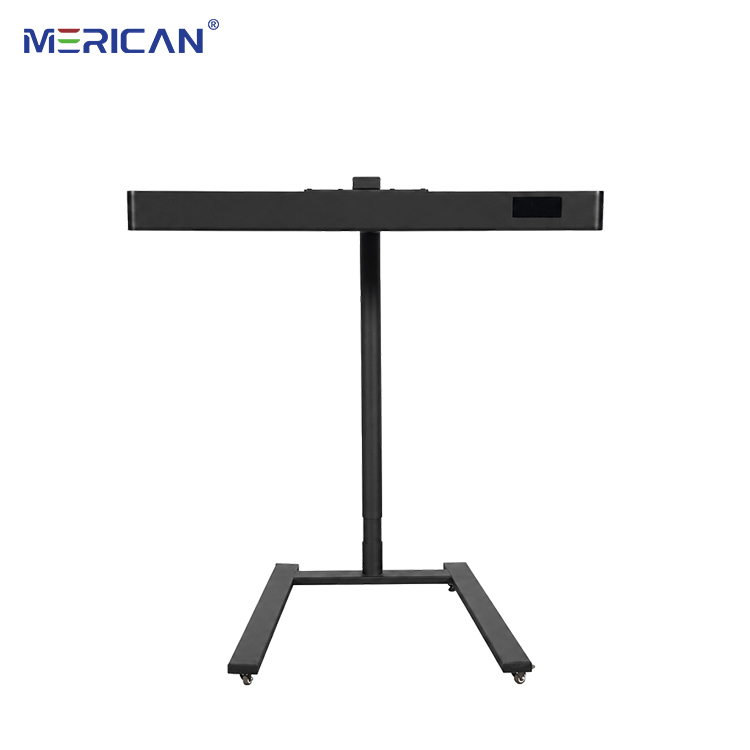
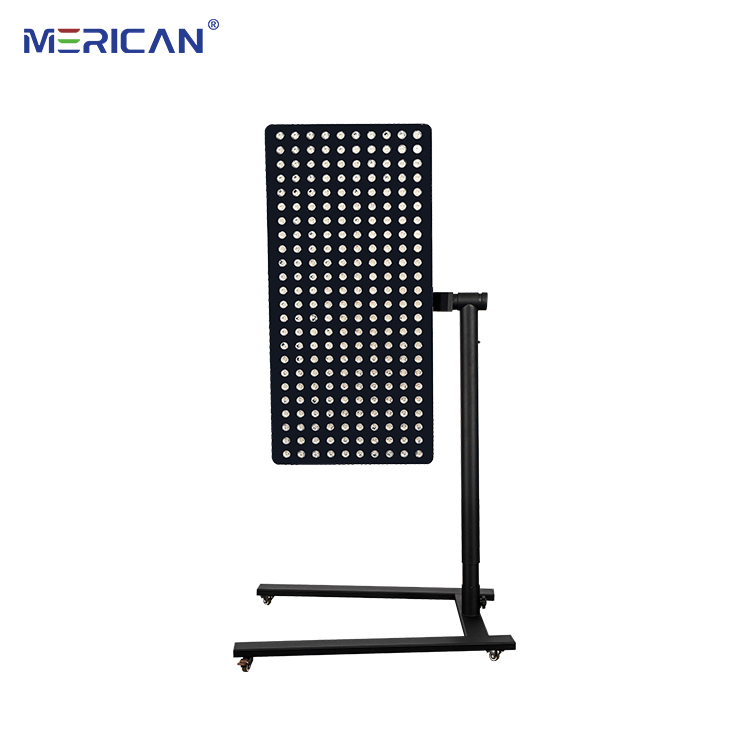
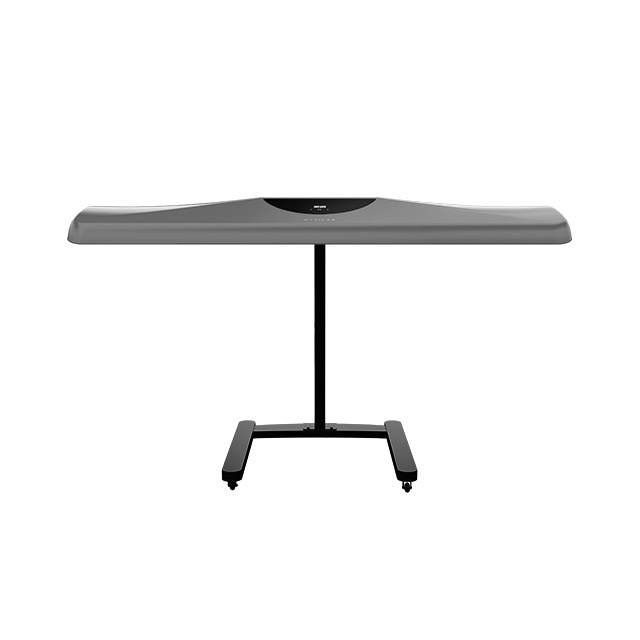
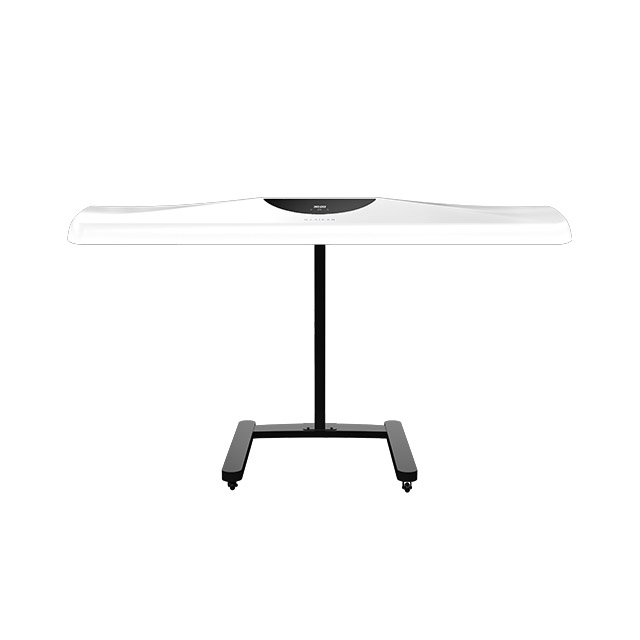
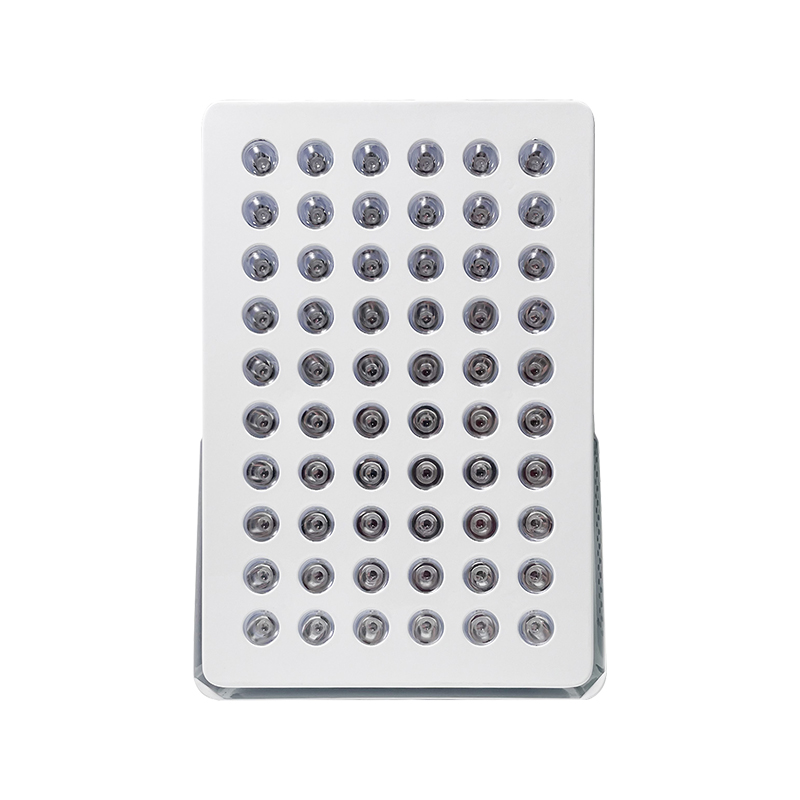
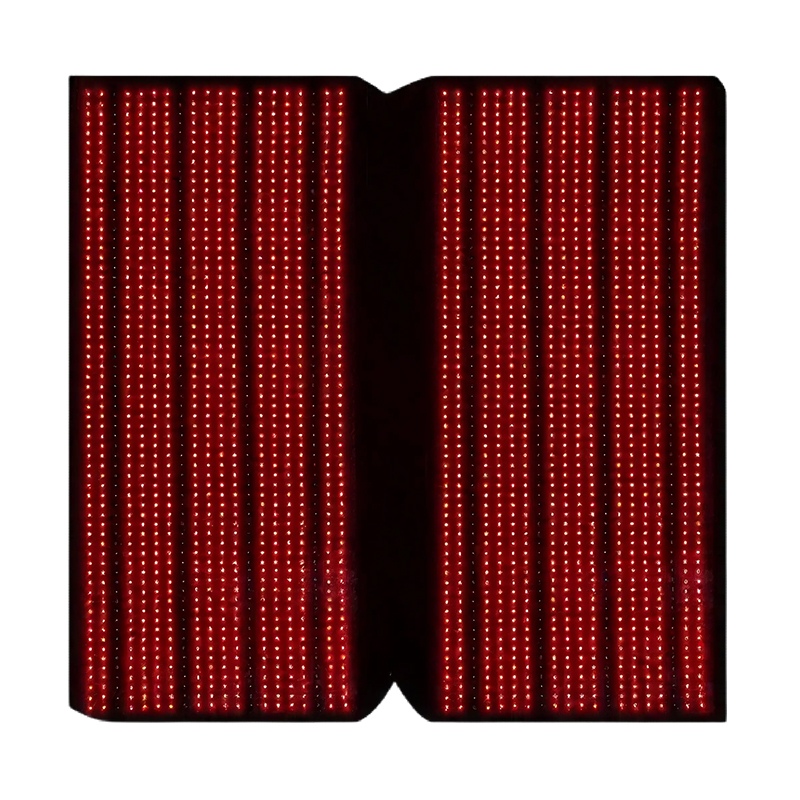
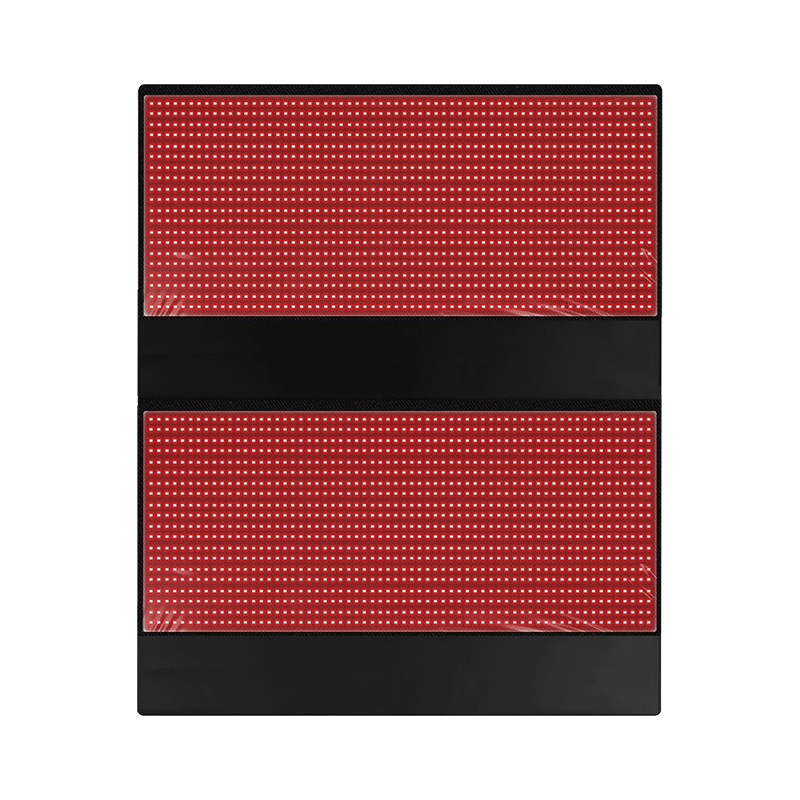
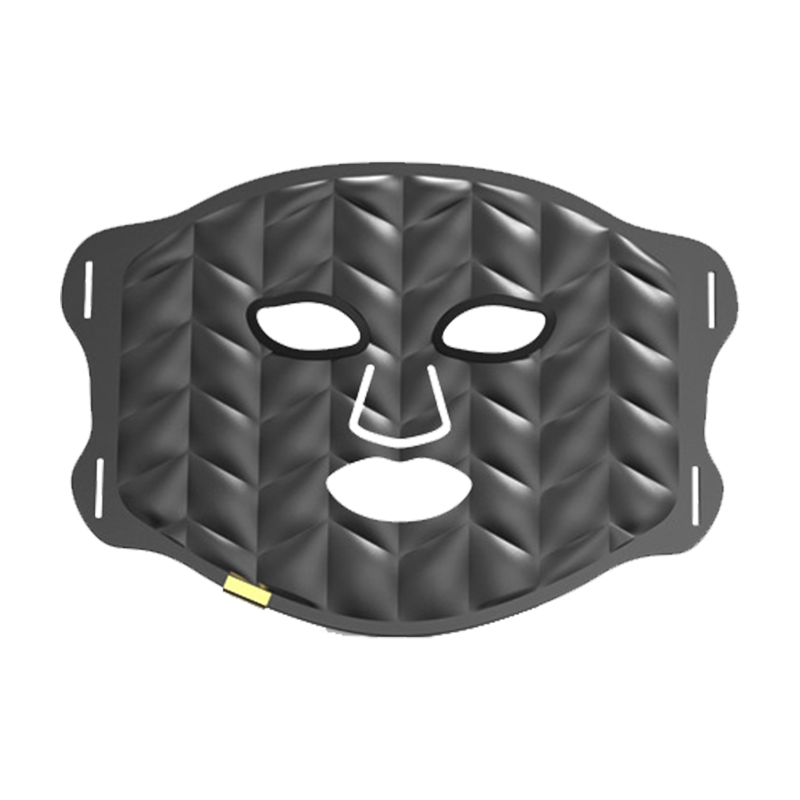
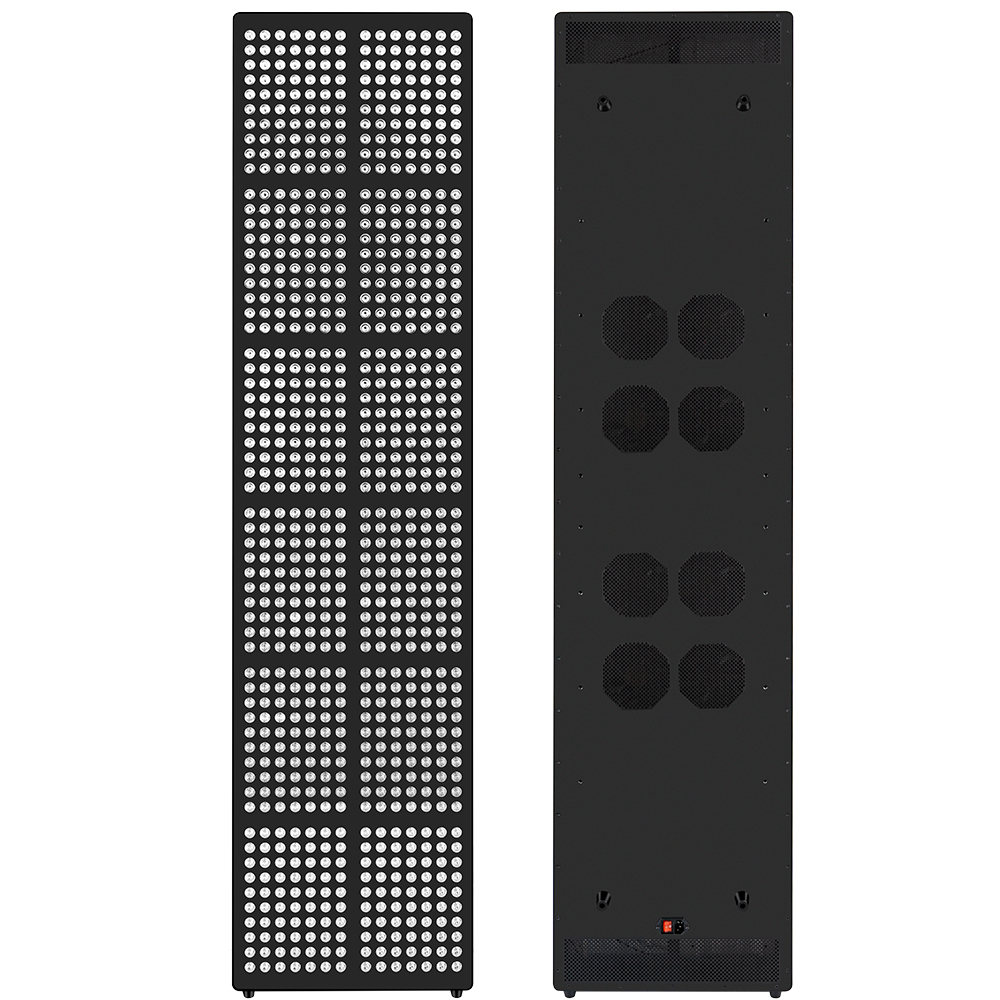
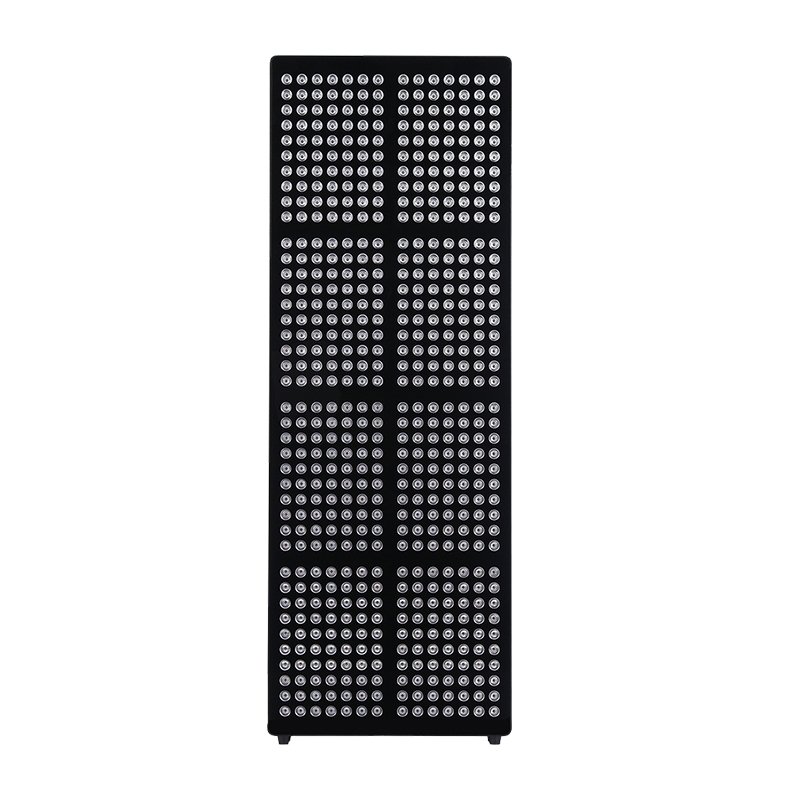
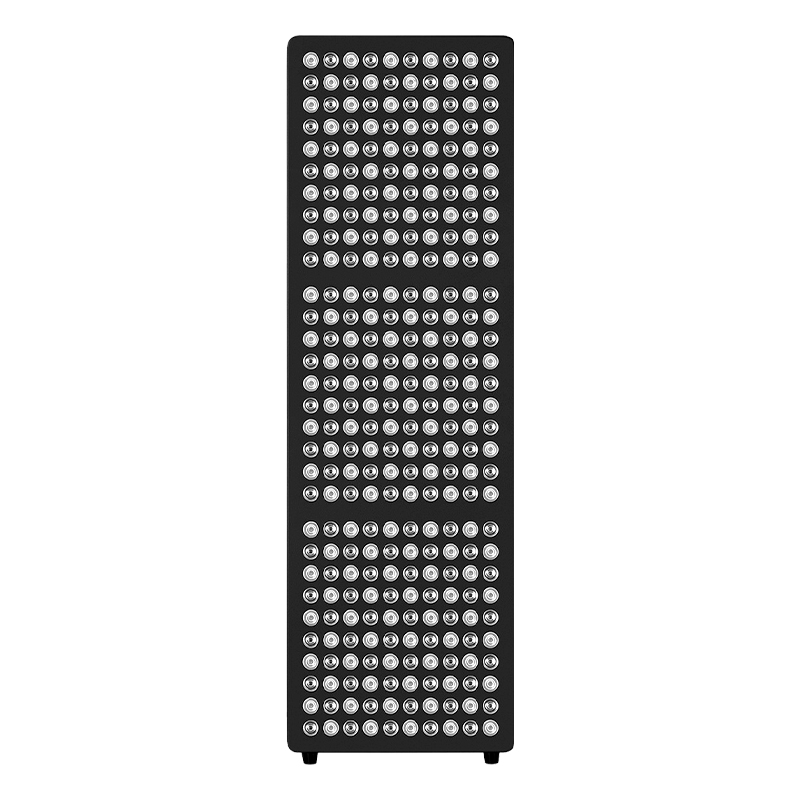
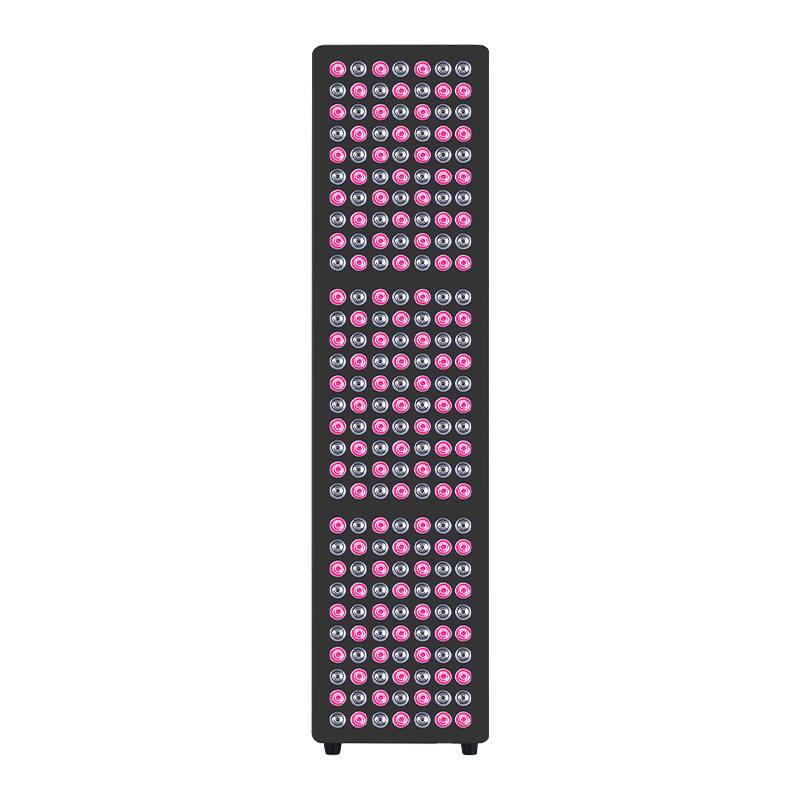
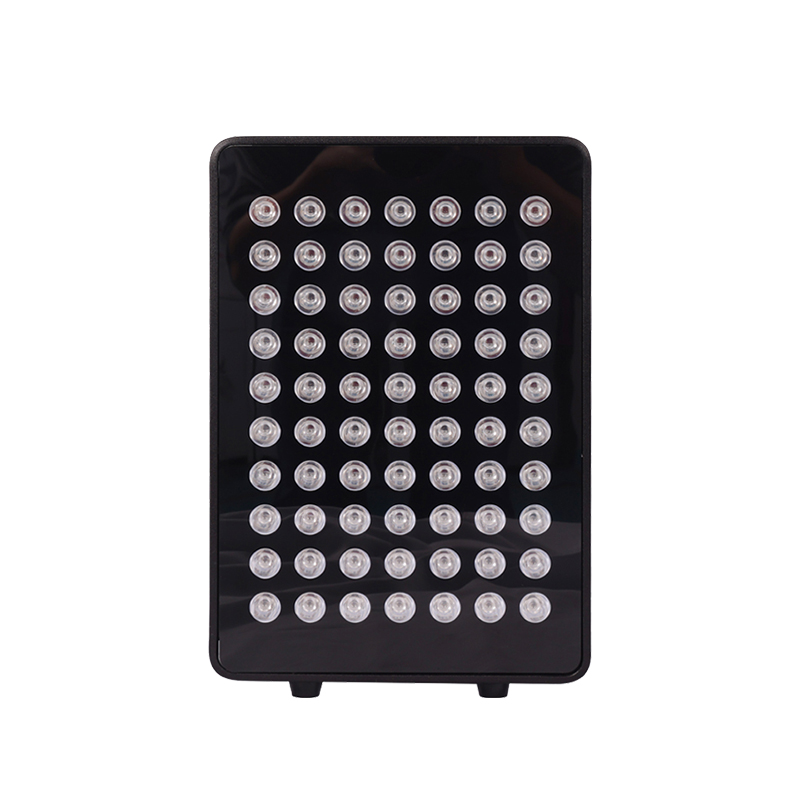
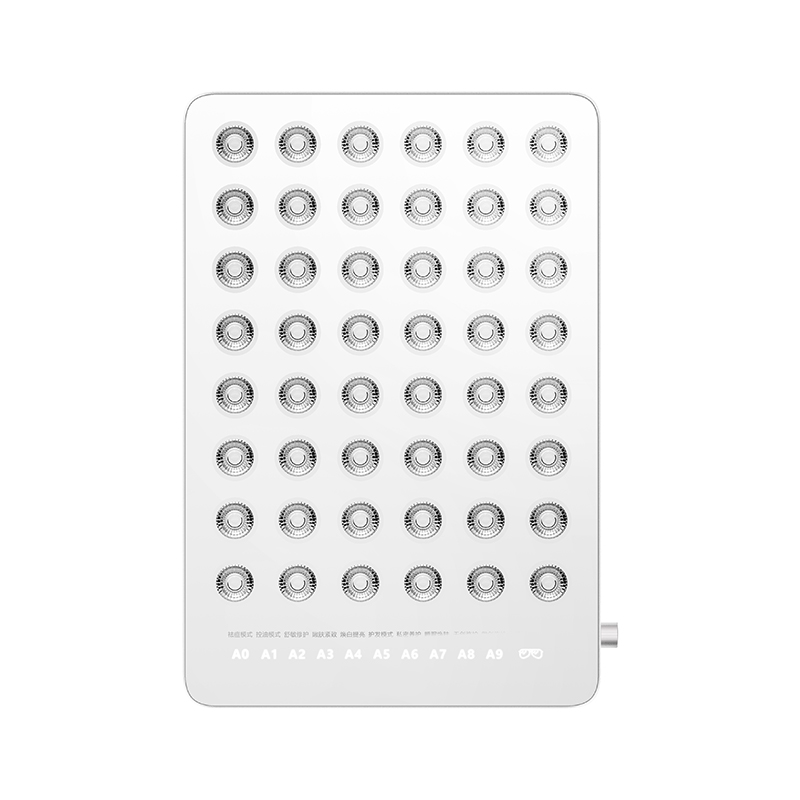
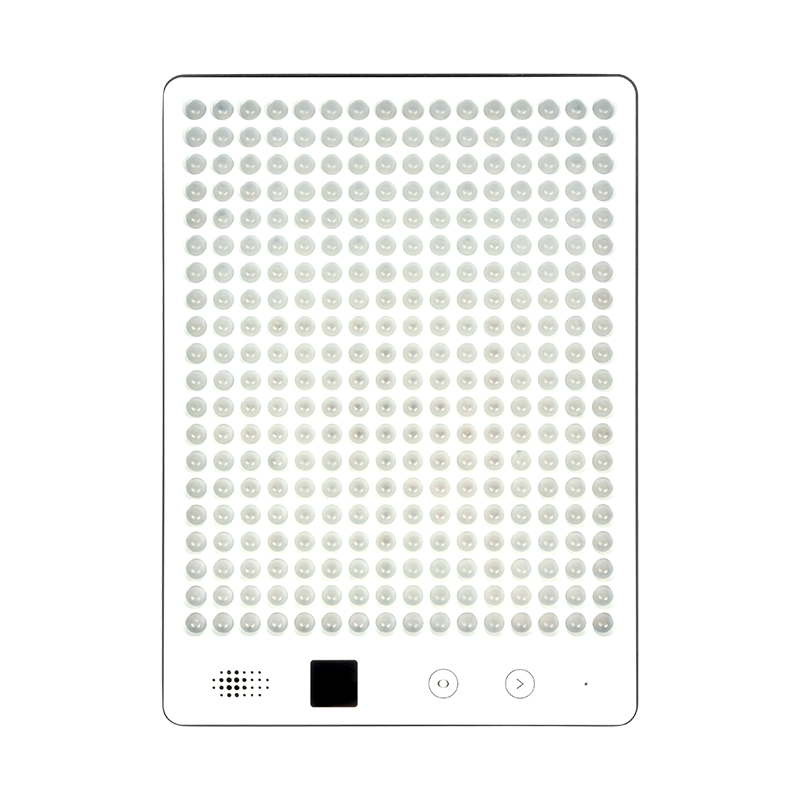
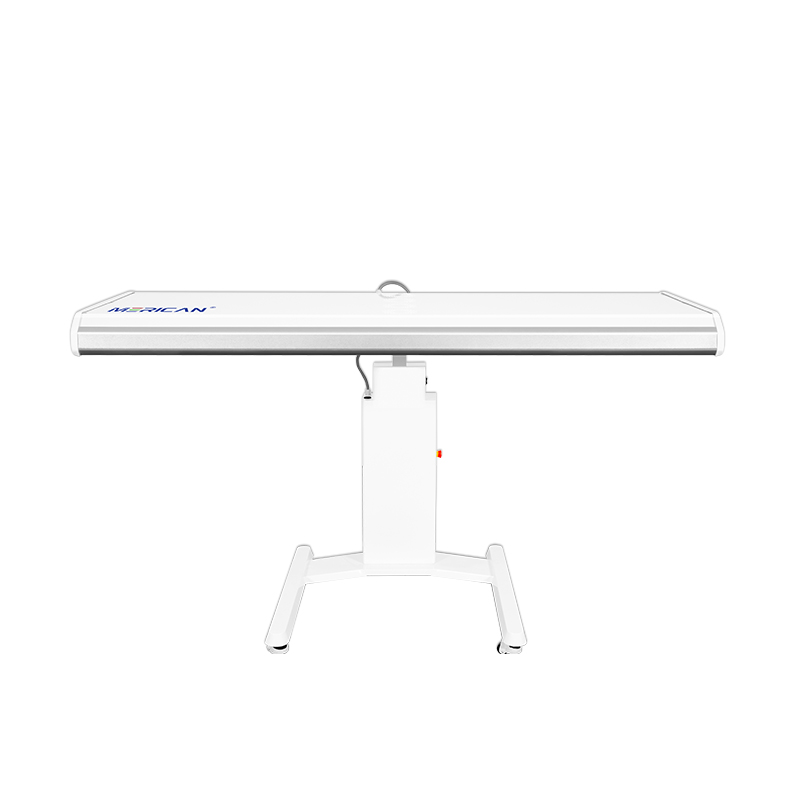
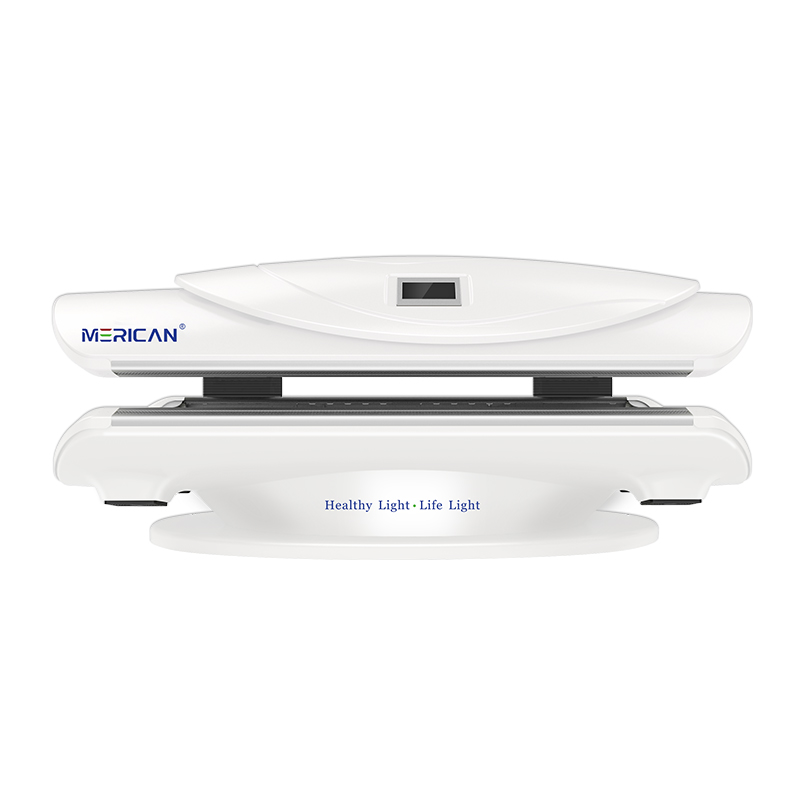
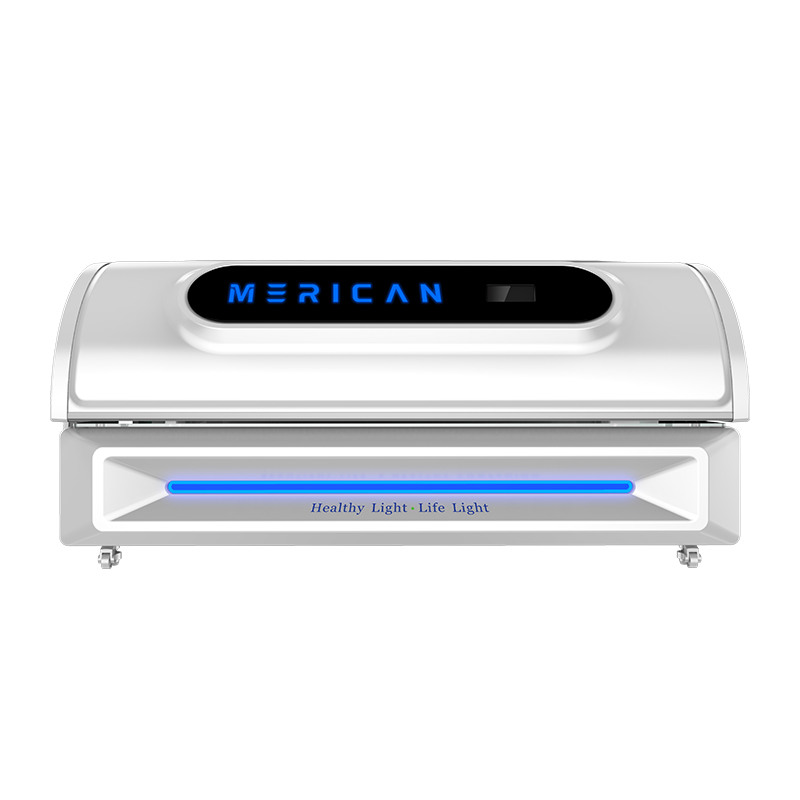
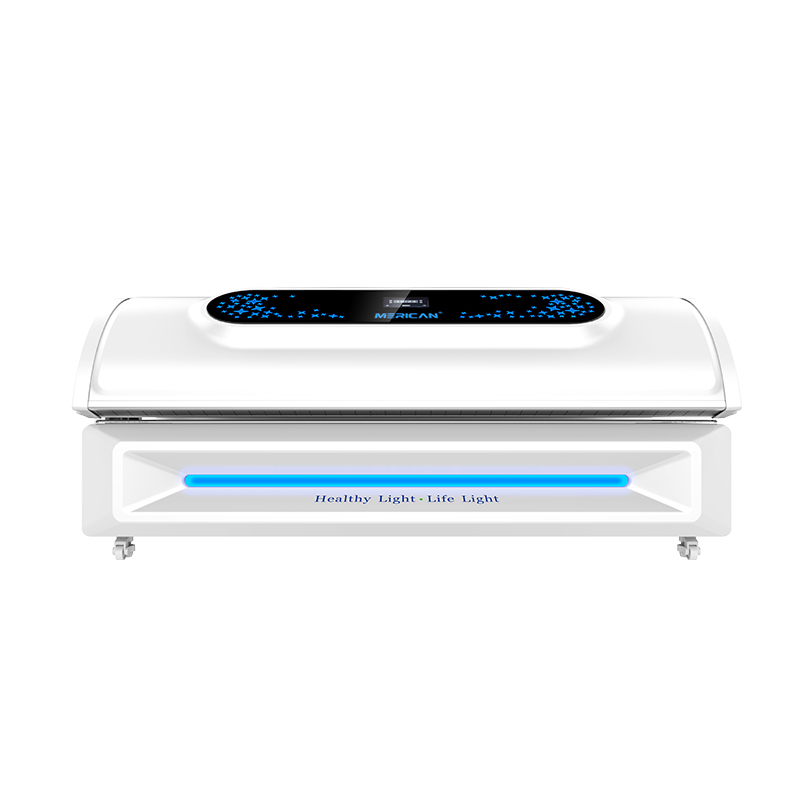
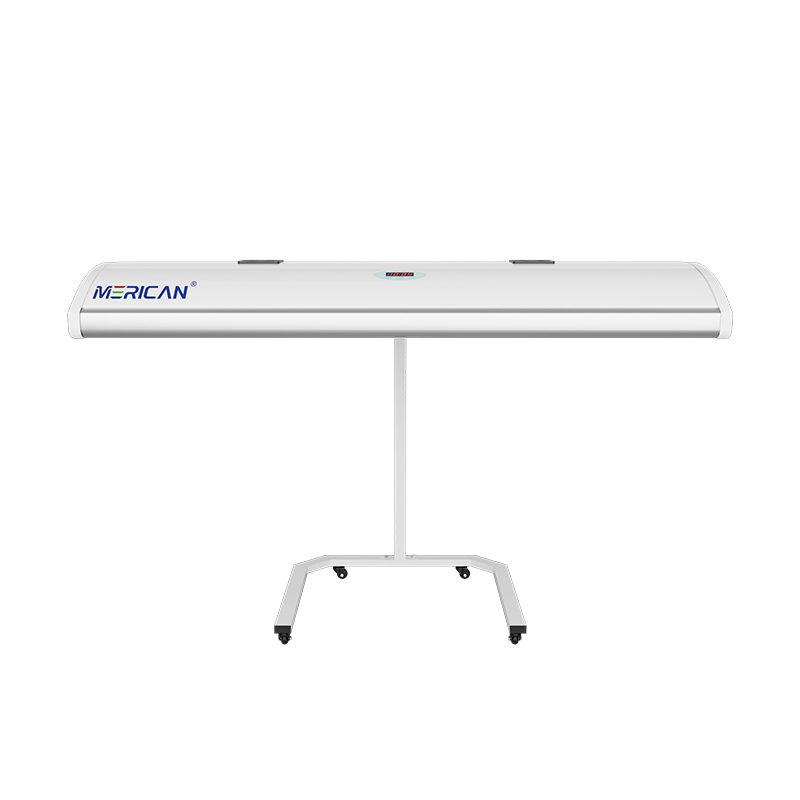
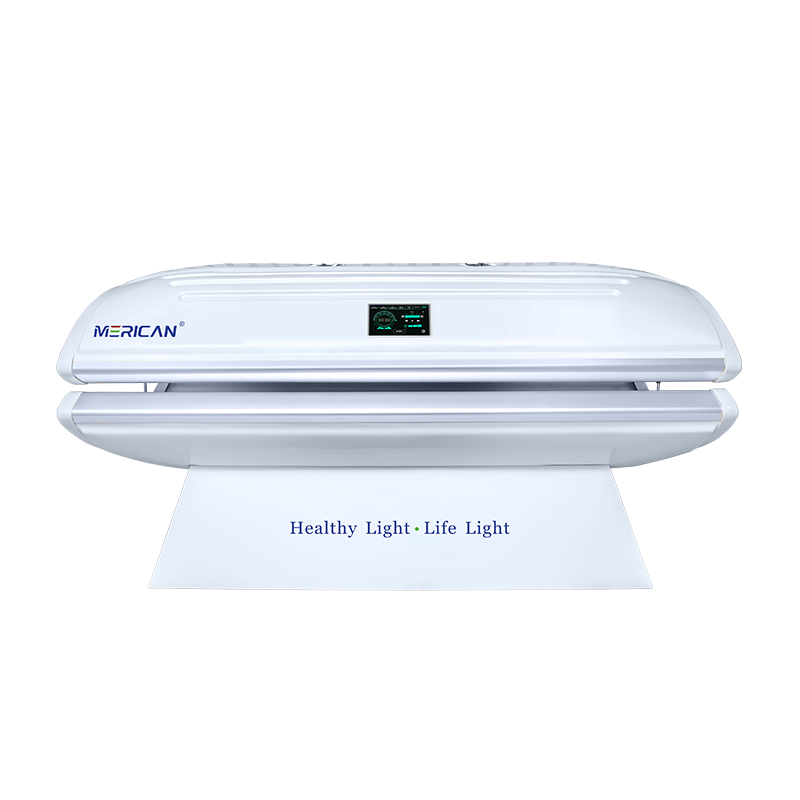
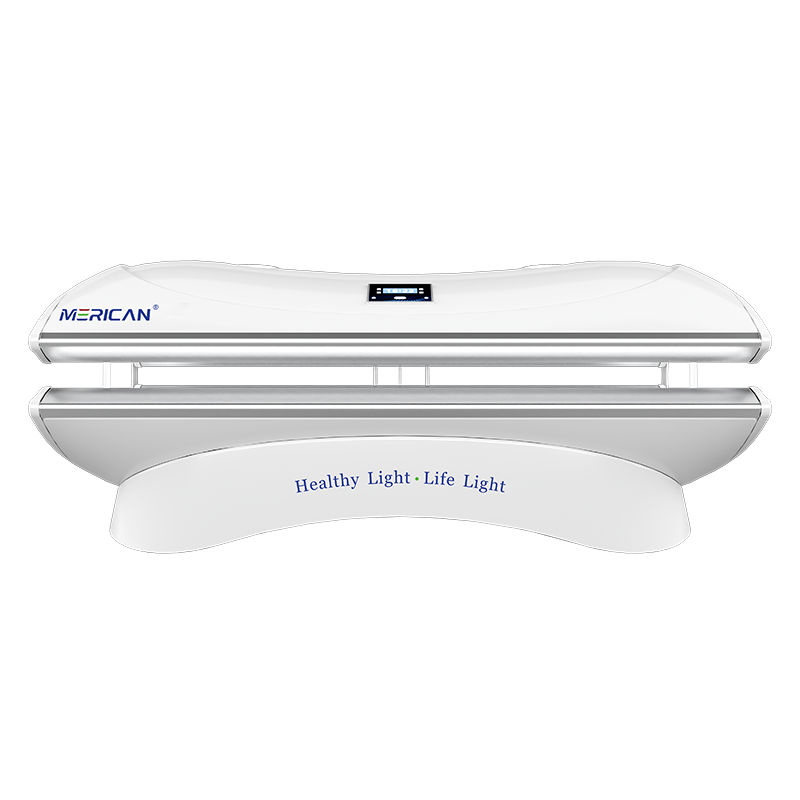
Directly over the areas of subcutaneous fat you want to treat: the abdomen, the flanks, the front and outer thighs, and sometimes the upper arms. That is the short answer, and it is also where the useful part of the answer ends, because placement is only one of three variables and it is not the one that decides whether anything changes. The light has to be close enough to deliver a meaningful dose, the area has to be covered rather than partly missed, and the exposure has to be repeated on a schedule. With a red light therapy bed, placement is largely handled by the device: the panels sit above and below the body, so the abdomen and thighs are illuminated whether or not you aim anything. What a bed cannot do is reach visceral fat around the organs, change energy balance, or substitute for the things that actually produce weight loss.
What placement means with a bed
A bed differs from a pad, a laser, or a handheld device in one important way: it does not require you to aim it. The panels cover the body surface, so the question becomes how you lie rather than where you point.
That is convenient and also less precise. A clinician using a laser can concentrate output on one flank; a bed spreads its output across everything inside the enclosure.
For a whole-body device, placement therefore means body position, distance from the panels, and whether the target area is fully inside the illuminated zone rather than at the edge.
Users who treat a bed like a targeted device tend to be disappointed, because the device was never designed to concentrate light on a single pocket of fat.
A useful way to think about it is a sunbed versus a torch. The bed warms everything inside it; the torch lights one spot. Neither is better in the abstract, but they answer different questions.
Where the treatable fat usually sits
Subcutaneous fat lies just beneath the skin and is the layer these devices are intended to address. It is most visible on the abdomen, flanks, peha, and upper arms.
Visceral fat sits deeper, around the organs, and is not accessible to light from the surface. It is also the fat most associated with metabolic risk, which is why it belongs in a medical conversation rather than a device protocol.
The two often coexist, and a waist measurement cannot tell you which is which. That distinction matters because a device marketed for “gemuk” is usually describing the superficial layer only.
Body shape also affects placement. The same protocol that covers an abdomen comfortably may leave a gap at the inner thigh, where surfaces curve away from flat panels.
That gap is worth checking physically rather than assuming. Lie in the bed, then look for areas where light is blocked by the contour of the body or by an arm resting against a flank.
Why light cannot reach deep fat
Light scatters and is absorbed as it passes through tissue. The deeper the target, the less of the original output arrives with enough intensity to matter.
This is why protocols describe close contact or a short distance. Every additional centimetre of air, pakaian, or tissue reduces what reaches the intended layer.
It is also why a thicker subcutaneous layer responds less predictably than a thin one: more tissue sits between the panel and the deeper part of the layer being discussed.
Claims that a device “melts” deep fat ignore this physics. A red light therapy bed is a surface device, and its reach is a surface reach.
This has a practical consequence for expectations. If the layer of fat is thick, the proportion of the light reaching the deeper part of it is smaller, and the visible change is likely to be smaller too.
Clothing has the same effect as distance. A thick waistband or a folded towel reduces the light arriving at the skin, which is one reason protocols often specify direct exposure or a single thin layer.
What the evidence actually supports
Studies of low-level light for body contouring exist, and some report small reductions in circumference or in fat-layer thickness measured by imaging.
The studies tend to be short, kecil, and conducted with specific devices at specific doses. Results do not automatically transfer to a different bed in a different room.
Reported changes are usually modest and measured in centimetres rather than kilograms. A scale is a poor instrument for judging this kind of outcome.
Nothing in that literature supports light as a treatment for obesity, and no device should be sold as a substitute for medical care when weight is a health issue.
Read the methods before the conclusion. Where was the device placed, at what distance, for how long, and who measured the result? Those details decide whether a finding could ever apply to your routine.
It is also worth noting what the studies did not measure. A change in a fat-layer thickness is not the same outcome as a change in body weight, and neither is the same as a change in metabolic health.
How placement interacts with dose
Placement and dose are linked, because moving closer increases the light reaching the skin while also increasing heat.
Coverage is the second link. A target area at the edge of the illuminated zone receives less than the centre, even when the panel looks uniformly bright.
Time is the third. Doubling the duration at the same distance doubles the delivered dose in principle, but it also doubles the heat, and heat is usually what limits a comfortable session first.
Overlap is the third. If two panels both illuminate the same flank at an angle, the effective exposure in that spot may be higher than the published figure for a flat surface.
This is why the manual’s distance and position instructions matter more than any general advice about “where to put it”. They are the only numbers calibrated to that specific device.
Apabila ragu-ragu, choose the stated distance and the stated duration together. Changing one without the other turns a documented protocol into an experiment with no comparison.
Positioning your body in the bed
Lie flat with the target area centred rather than at the edge of the panel array. The abdomen is straightforward; the outer thigh may require a slight rotation.
Keep arms away from the sides if the goal includes the flanks, because arms resting against the body block light and create shadowed strips.
If the red light therapy bed has separate upper and lower sections, confirm both are active for the areas you intend to treat, and check that the knees and feet are not pressing against hot surfaces.
For a single-panel device, turning halfway through the session covers the second side, provided the timer accounts for both halves rather than doubling the exposure on one.
Notice where the panels are closest as well. Most beds are brighter in the middle than at the head and foot ends, so a target area near the edge may need a slight shift rather than a longer timer.
If you are treating a specific area rather than the whole body, mark the position with a towel or pillow so the next session starts from the same place. Consistency is what makes a comparison possible.
What placement cannot fix
It cannot change energy balance. Fat loss requires a deficit over time, and no amount of positioning alters that arithmetic.
It cannot build muscle, which shapes the body far more than a modest reduction in a fat layer.
It cannot tighten loose skin, and it cannot remove visceral fat or improve the metabolic markers associated with it.
It also cannot compensate for a protocol that is too short, too far away, or too infrequent. Good placement with a weak dose is still a weak dose.
And it cannot tell you whether anything is happening. Only measurement does that, which is why a circumference tape and a fixed photo setup are more useful than a strong impression after the session.
It is worth saying plainly: placement is the easiest part of this protocol to get right and the least likely to determine the outcome. Position the body sensibly, then spend your attention on consistency and measurement.
What actually drives weight loss
A sustained calorie deficit is the mechanism, achieved through diet, aktiviti, or both, and supported by enough protein to preserve muscle.
Resistance training preserves and builds the tissue that gives the body its shape, which is why it matters more than any surface device for appearance.
Sleep and stress affect appetite and adherence, and both are more powerful than a twenty-minute session in a bed.
When weight is affecting health, a medical review is the appropriate starting point. A device can be an addition to that plan, never a replacement for it.
The order matters more than the effort. A routine built on a device and nothing else will produce disappointment regardless of placement, while a routine built on the fundamentals will produce change even without the device.
That is not an argument against using light. It is an argument for putting it third on the list instead of first.
How to evaluate the result honestly
Measure the same point on the waist at the same time of day, ideally in the morning, and record it weekly rather than daily.
Take photographs from the front, side, and back under the same light, at the same distance, with the same posture.
Do not judge by how the skin looks immediately after a session. Warmth and flushing change appearance for an hour or two and say nothing about fat.
Set a review point in advance, such as eight to twelve weeks, and decide then whether the change is worth the time. Without a review point, a routine can drift for a year without ever being assessed.
Record the protocol alongside the measurements. If the waist changes, you want to know whether the change coincided with a new training block, a different diet, or a different session length.
Two numbers are enough to start: waist circumference and body weight. Add photographs if appearance is the goal, because weight alone will not describe a change in shape.
Safety and who should be cautious
Use the eye protection specified for the device, particularly in a full-body enclosure where the face is also illuminated.
Orang yang mengambil ubat fotosensitisasi, those with a photosensitivity disorder, and anyone pregnant should seek individualized advice before starting.
Berhenti untuk membakar, haba yang ketara, pening kepala, or a skin reaction, and do not extend the timer to compensate for a session you missed.
Anyone with a medical condition affecting weight, peredaran, or the skin should discuss the plan with their clinician rather than relying on a device manual.
Check the surface temperature of the red light therapy bed before each session and keep vents clear. A bed that runs hot near the hips or back is a bed that needs its cooling checked rather than a session extended.
Jika anda berkongsi peranti, wipe the contact surfaces between users and keep the eye protection assigned to individuals rather than passed around.
Anyone with reduced skin sensation should be especially careful with heat, because the warning that would normally prompt someone to move may not arrive in time.
Kawasan sasaran, realistic role, and limits
The table pairs each commonly treated area with a realistic role for light and the limit that is most often ignored in marketing. It describes placement, not a promise.
A bed sits at the whole-body row by design. If your goal is one specific area, a bed still works, but it spends most of its output on tissue you did not ask about.
| Kawasan sasaran | What light can plausibly do | What it cannot do |
|---|---|---|
| Perut | Modest change in the superficial fat layer | Reduce visceral fat |
| Flanks | Small circumference change in some studies | Reshape the waistline alone |
| Peha | Surface coverage with a bed | Build muscle or tighten skin |
| Upper arms | Limited coverage, often at panel edges | Replace resistance training |
| Seluruh badan | Convenient routine, pendedahan yang konsisten | Produce weight loss by itself |
Peraturan praktikal: Place the target area close to the panels, keep it fully inside the illuminated zone, and treat the result as a modest cosmetic addition to a plan built on nutrition, latihan, dan tidur.
Bawa Pulang Akhir
Aim the light at subcutaneous fat on the abdomen, flanks, and thighs, and position the body so those areas are close to the panels and fully covered.
A red light therapy bed illuminates broadly, so placement is mostly about position and gaps rather than aiming.
The evidence supports modest cosmetic change at best. Weight loss still comes from energy balance, and a device is an addition to that work rather than a shortcut around it.
If you use a bed, use it for what it can do: a consistent, comfortable routine that may soften the appearance of an area over months. Judge it on measurement, keep the protocol stable, and let the fundamentals do the heavy work.
If a seller promises visible fat loss from placement alone, that promise is the clearest signal in the whole conversation.
Everything else about the routine can be adjusted later. That sentence cannot.
Place the light well, measure honestly, and keep the plan simple enough to repeat on a bad week.