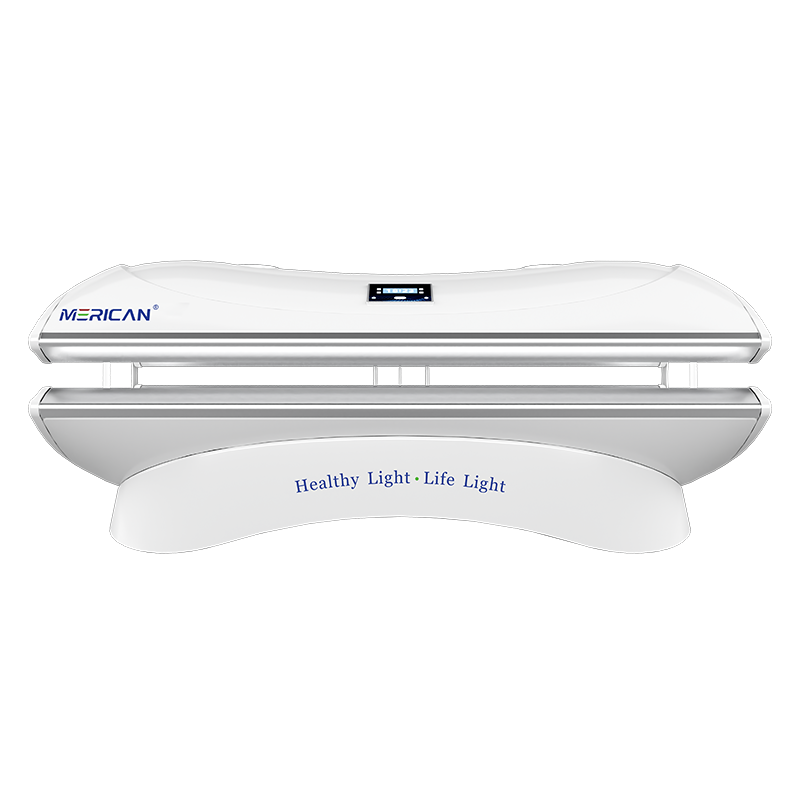
Invoering
Roodlichttherapie is steeds populairder geworden voor de gezondheid van de huid, herstel, en algeheel welzijn. Maar er zijn zoveel producten beschikbaar, vragen consumenten vaak: Welke roodlichttherapie werkt eigenlijk??
Het goede nieuws is dat wetenschappelijk onderzoek suggereert dat bepaalde vormen van roodlichttherapie natuurlijke cellulaire processen kunnen ondersteunen wanneer ze worden toegediend met behulp van de juiste golflengten en behandelingsprotocollen..
Waarom sommige apparaten voor roodlichttherapie beter werken dan andere
Therapeutische golflengten zijn belangrijk
De meest bestudeerde golflengten omvatten doorgaans::
- 660nm Rood licht
- 850nm Nabij-infraroodlicht
Deze golflengten worden vaak gebruikt in professionele welzijns- en herstelomgevingen omdat ze zorgen voor effectieve weefselpenetratie en cellulaire interactie.
Apparaatkwaliteit is belangrijk
Een hoogwaardig roodlichttherapiesysteem zou daarvoor moeten zorgen:
- Nauwkeurige golflengte-uitvoer
- Consistente lichtintensiteit
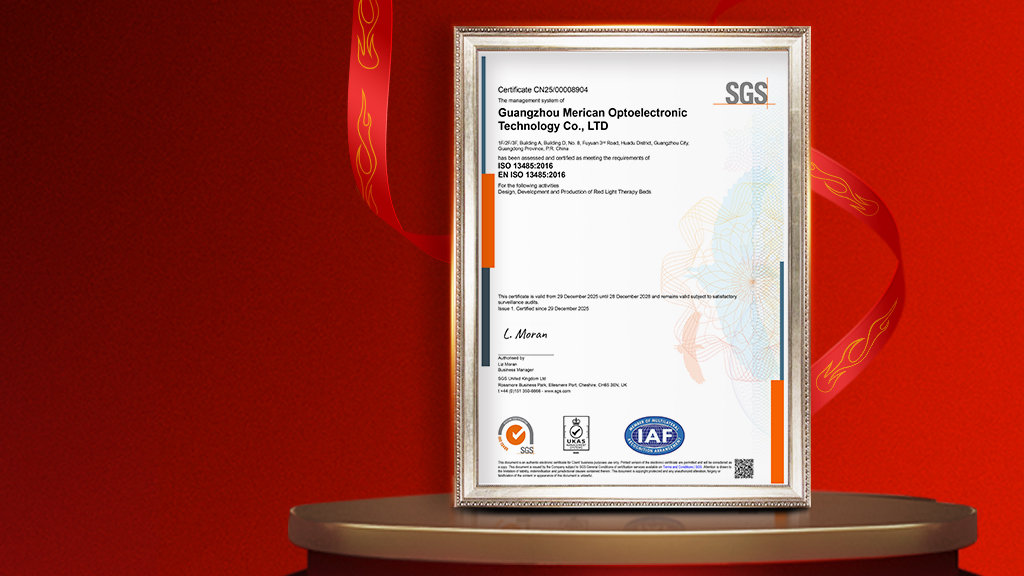
- Betrouwbare constructie
- Uniforme behandeldekking
Poor-quality devices may not deliver sufficient therapeutic light to achieve the desired effect.
Welke resultaten kunt u verwachten?
Users commonly seek red light therapy for:
Skin Appearance
- Supporting collagen production
- Improving skin texture
- Enhancing overall skin vitality
Recovery and Wellness
- Supporting muscle recovery
- Promoting circulation
- Encouraging overall wellness routines
Results vary depending on treatment frequency, kwaliteit van het apparaat, and individual factors.
Hoe u de effectiviteit kunt maximaliseren
To improve your chances of success:
- Choose a device with clinically recognized wavelengths.
- Volg de aanbevelingen van de fabrikant.
- Maintain a consistent treatment schedule.
- Give treatments time to work, as benefits often develop gradually.
Conclusie
Red light therapy can be effective when the right wavelengths, sufficient light output, and consistent treatment protocols are used. Understanding these factors can help consumers identify devices that are more likely to deliver meaningful results.