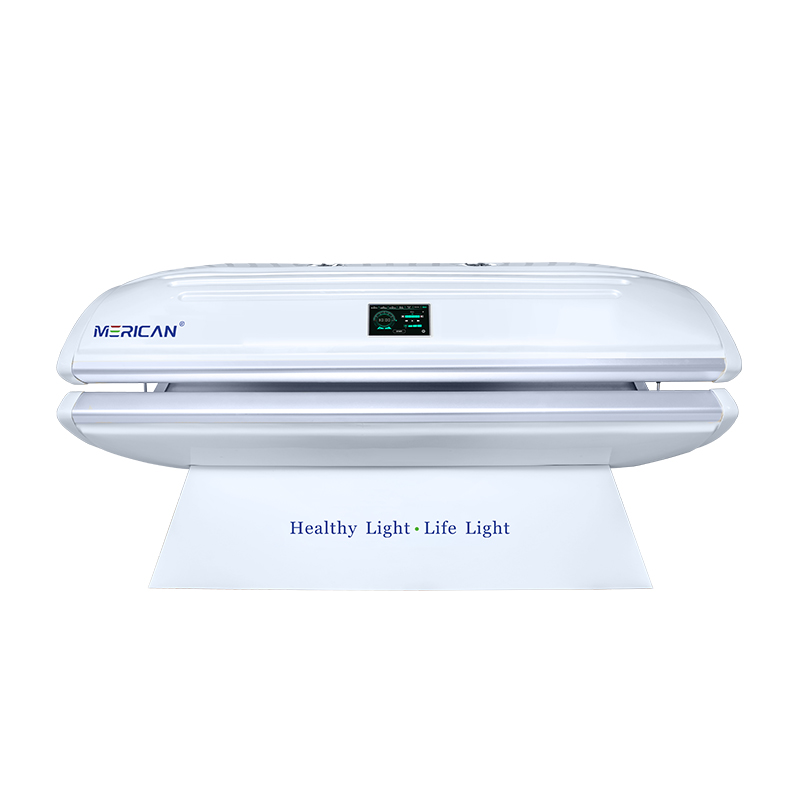
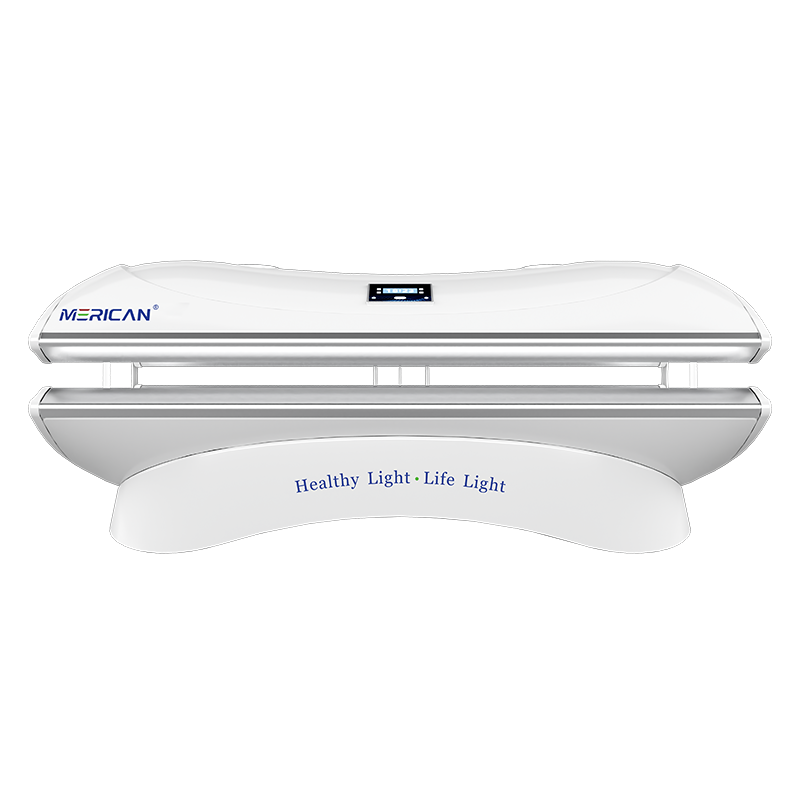
Réamhrá
Red light therapy has become increasingly popular for skin health, téarnamh, agus folláine foriomlán. Ach leis an oiread sin táirgí atá ar fáil, is minic a iarrann tomhaltóirí: Cad a oibríonn teiripe solas dearg i ndáiríre?
The good news is that scientific research suggests certain forms of red light therapy can support natural cellular processes when delivered using the correct wavelengths and treatment protocols.
Why Some Red Light Therapy Devices Work Better Than Others
Therapeutic Wavelengths Matter
The most studied wavelengths typically include:
- 660nm Solas Dearg
- 850nm Near-Infridhearg Light
These wavelengths are frequently used in professional wellness and recovery settings because they provide effective tissue penetration and cellular interaction.
Cúrsaí Cáilíochta Gléas
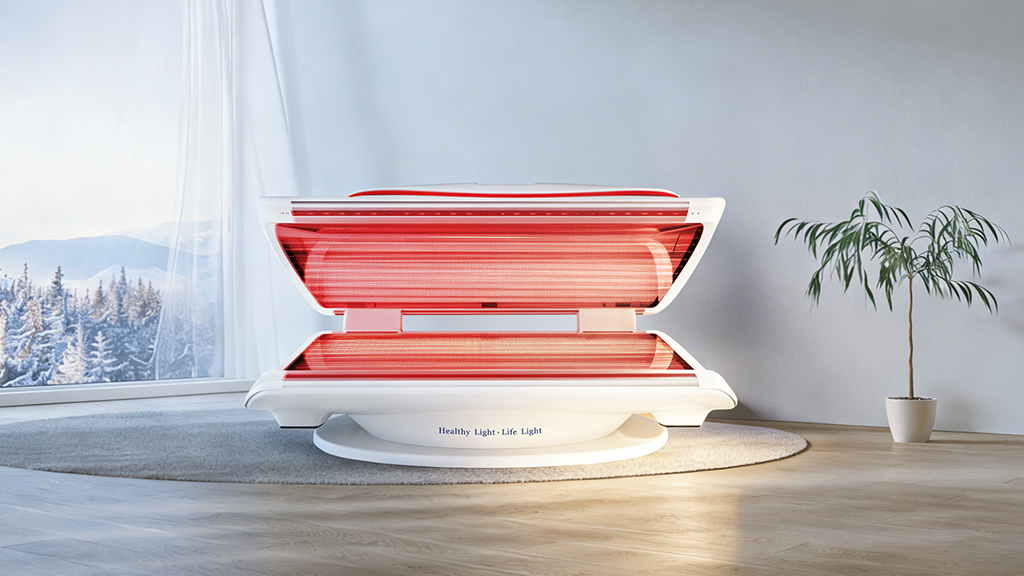
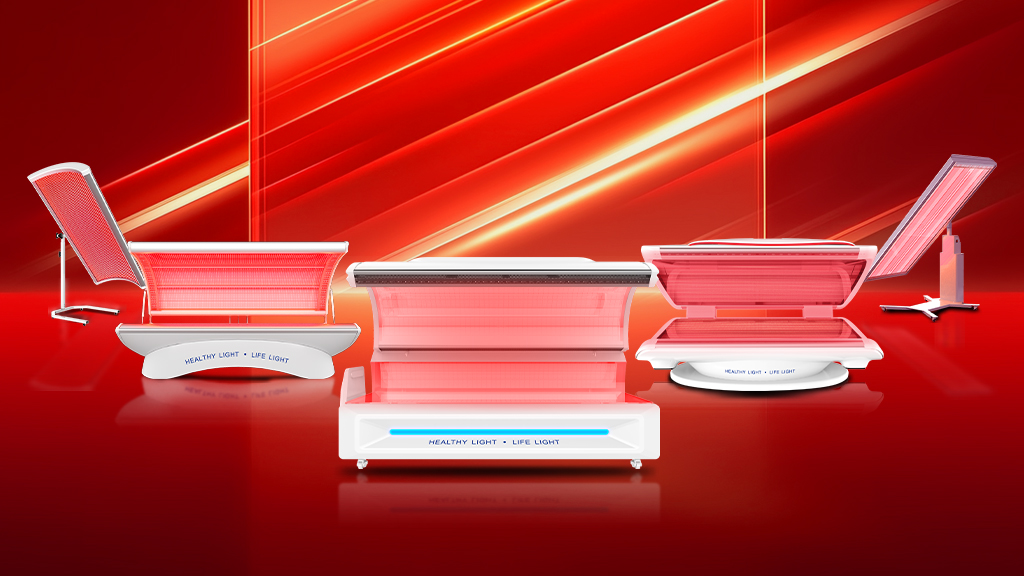
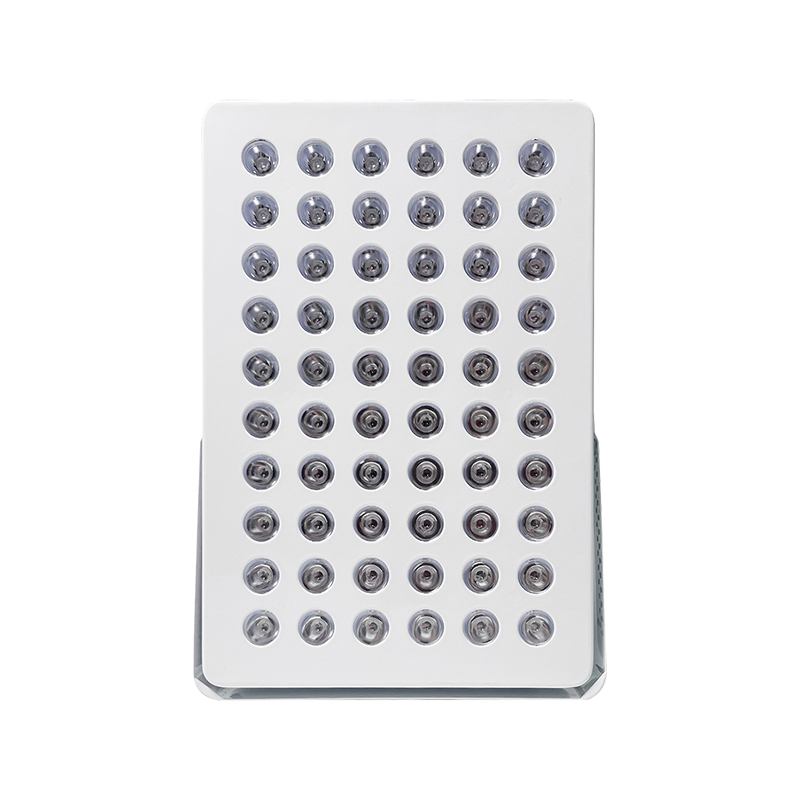
A high-quality red light therapy system should provide:
- Accurate wavelength output
- Consistent light intensity
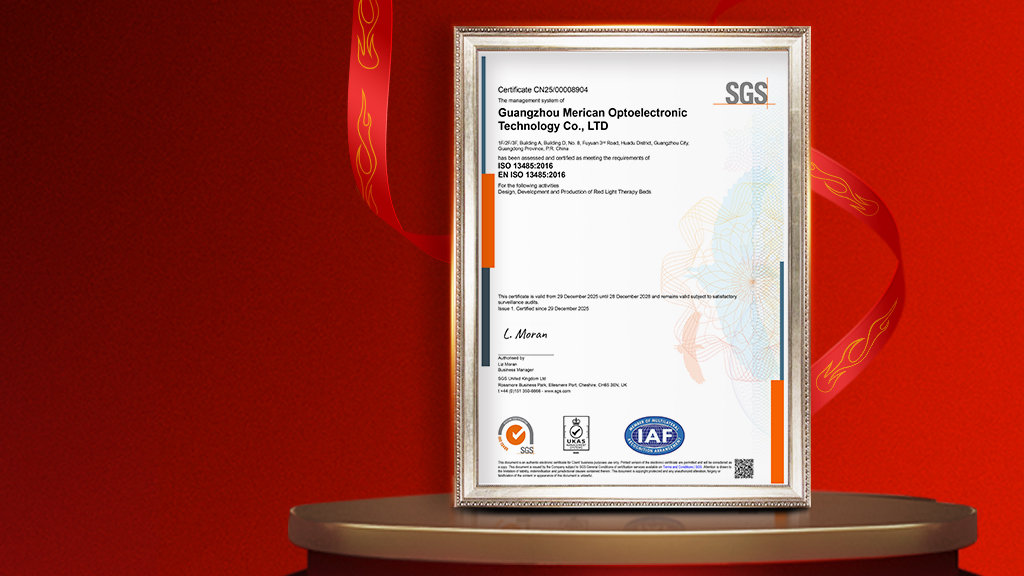
- Reliable construction
- Clúdach cóireála aonfhoirmeach
Poor-quality devices may not deliver sufficient therapeutic light to achieve the desired effect.
Cad iad na Torthaí ar Féidir Leat a Shúil?
Users commonly seek red light therapy for:
Skin Appearance
- Supporting collagen production
- Improving skin texture
- Enhancing overall skin vitality
Recovery and Wellness
- Supporting muscle recovery
- Scaipeadh a chur chun cinn
- Encouraging overall wellness routines
Results vary depending on treatment frequency, caighdeán gléas, and individual factors.
Conas Éifeachtúlacht a Uasmhéadú
To improve your chances of success:
- Choose a device with clinically recognized wavelengths.
- Follow manufacturer recommendations.
- Maintain a consistent treatment schedule.
- Give treatments time to work, as benefits often develop gradually.
Conclúid
Red light therapy can be effective when the right wavelengths, sufficient light output, and consistent treatment protocols are used. Understanding these factors can help consumers identify devices that are more likely to deliver meaningful results.