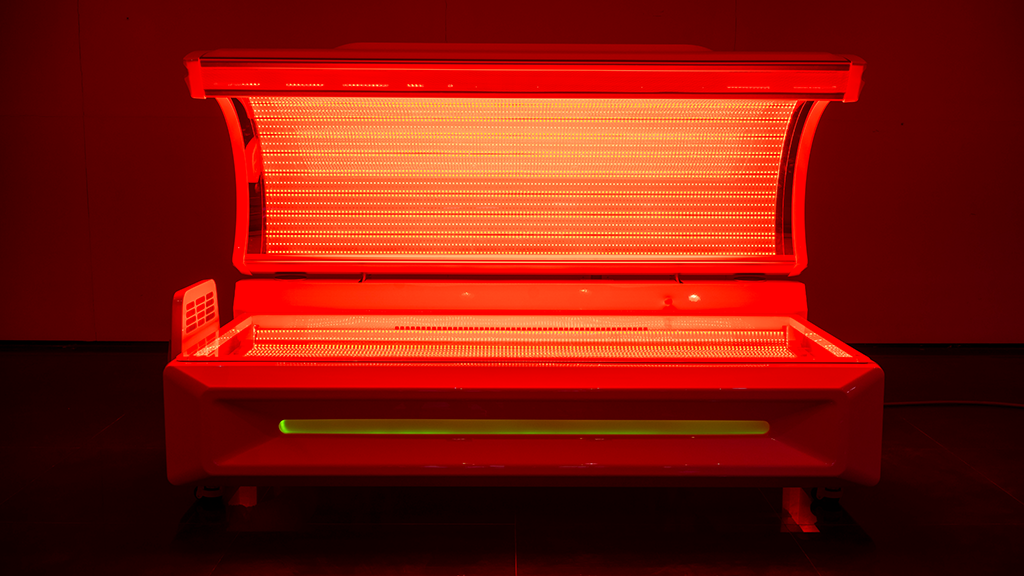
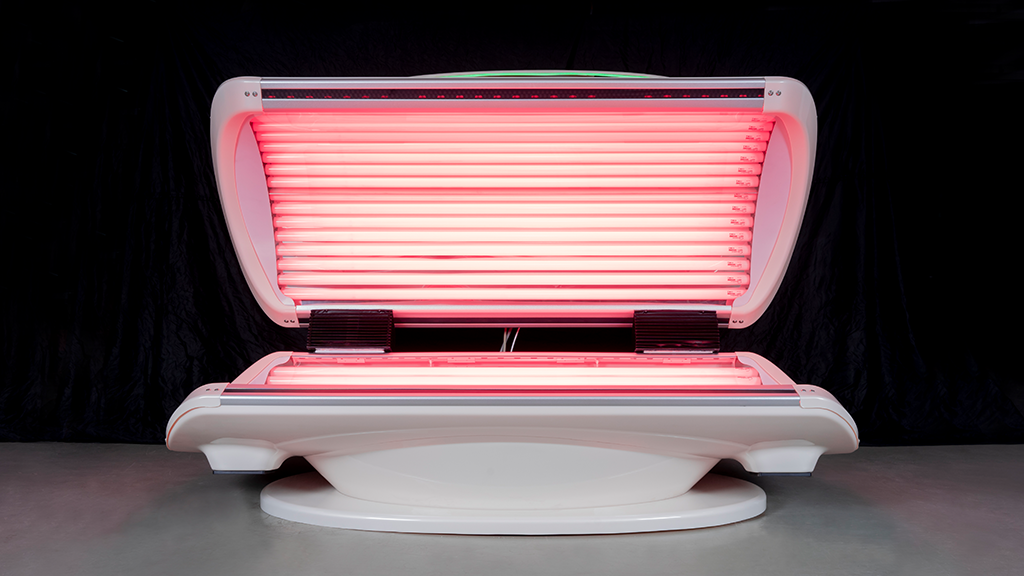
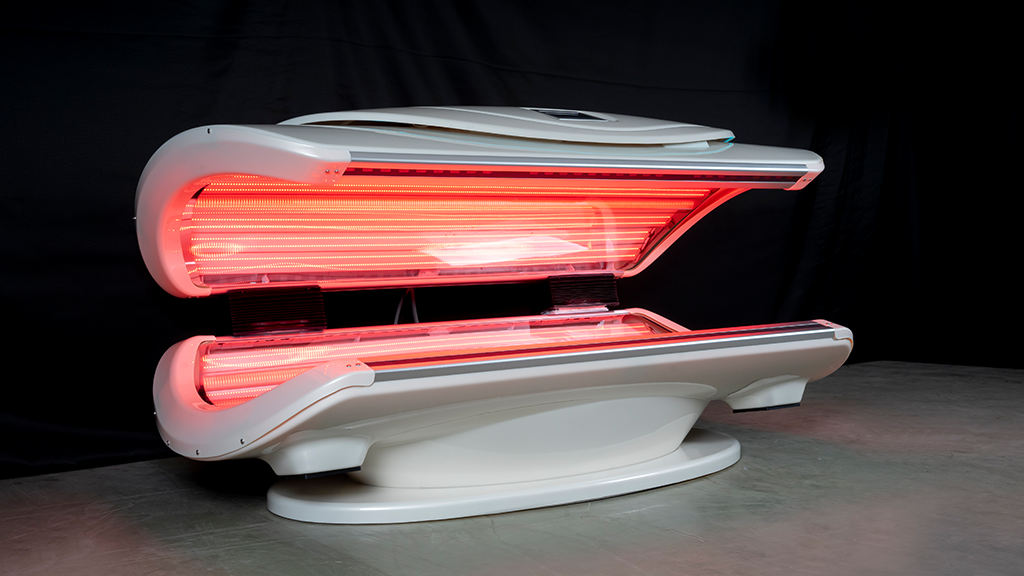
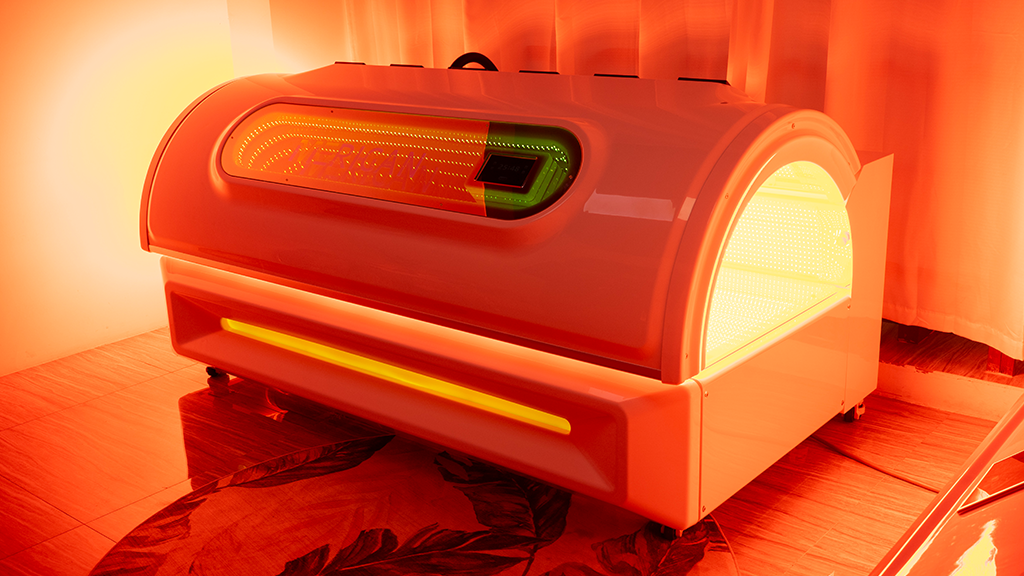
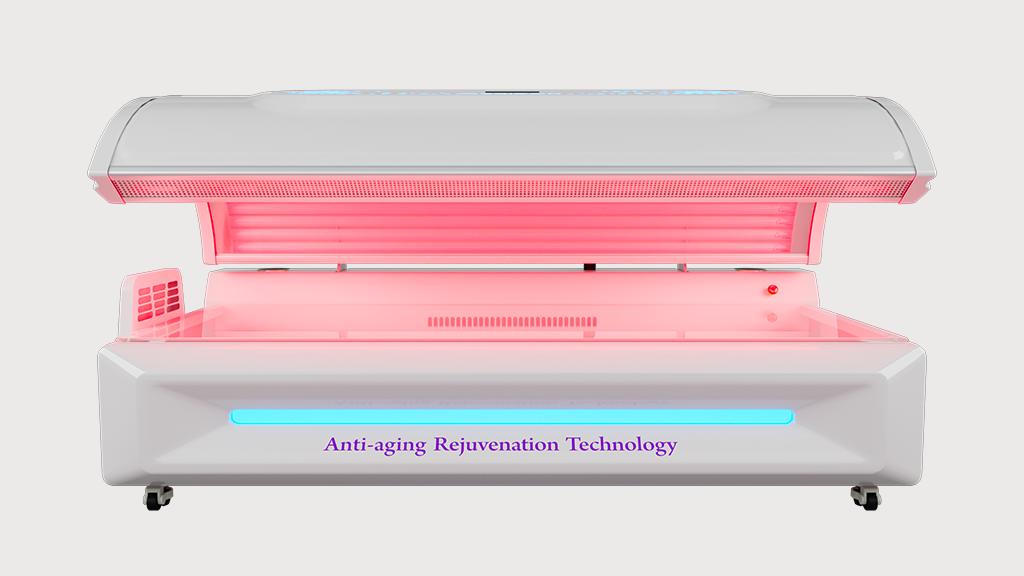
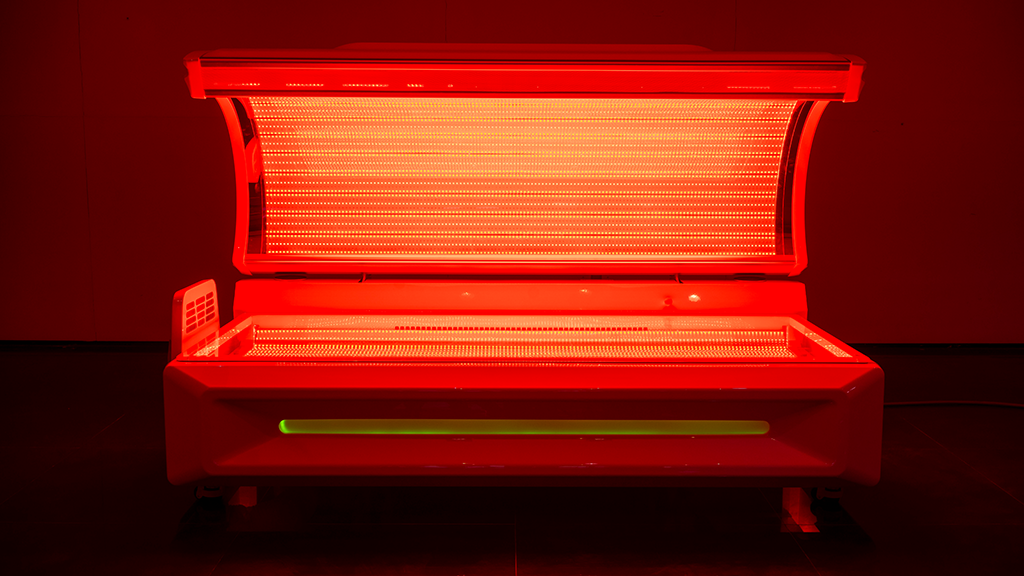
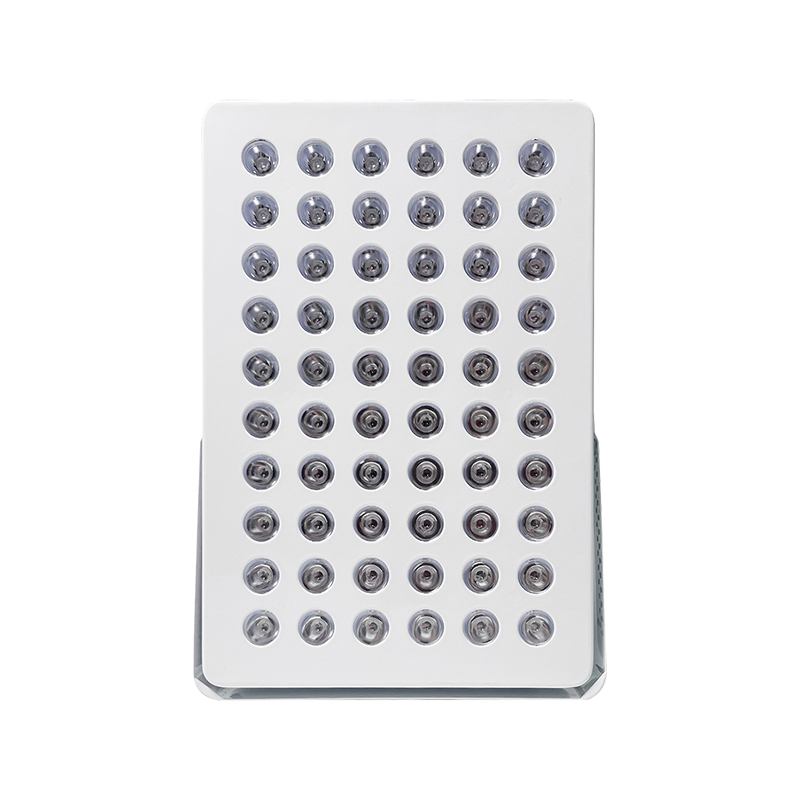
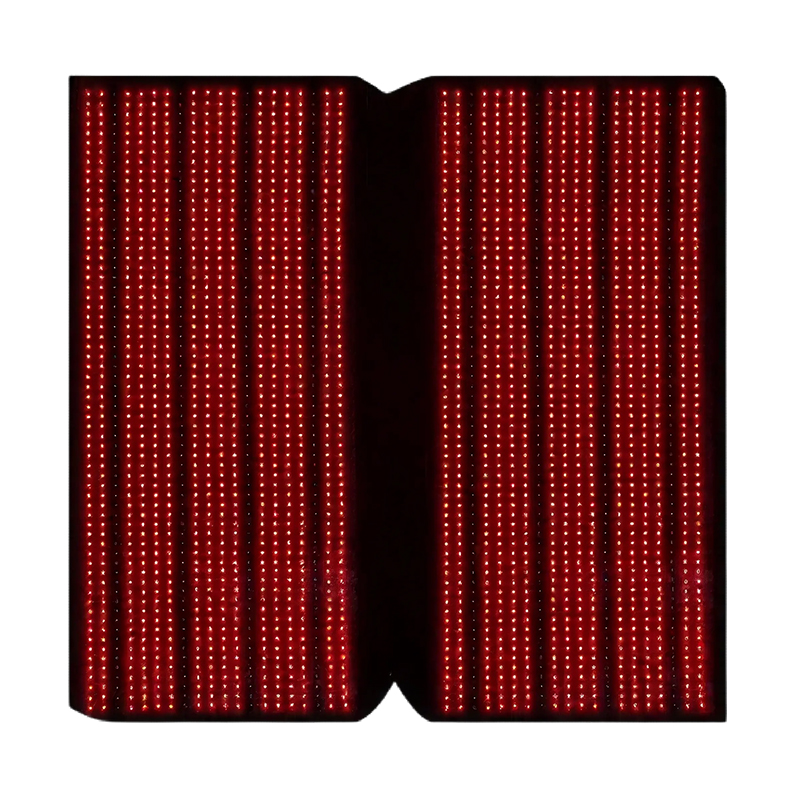
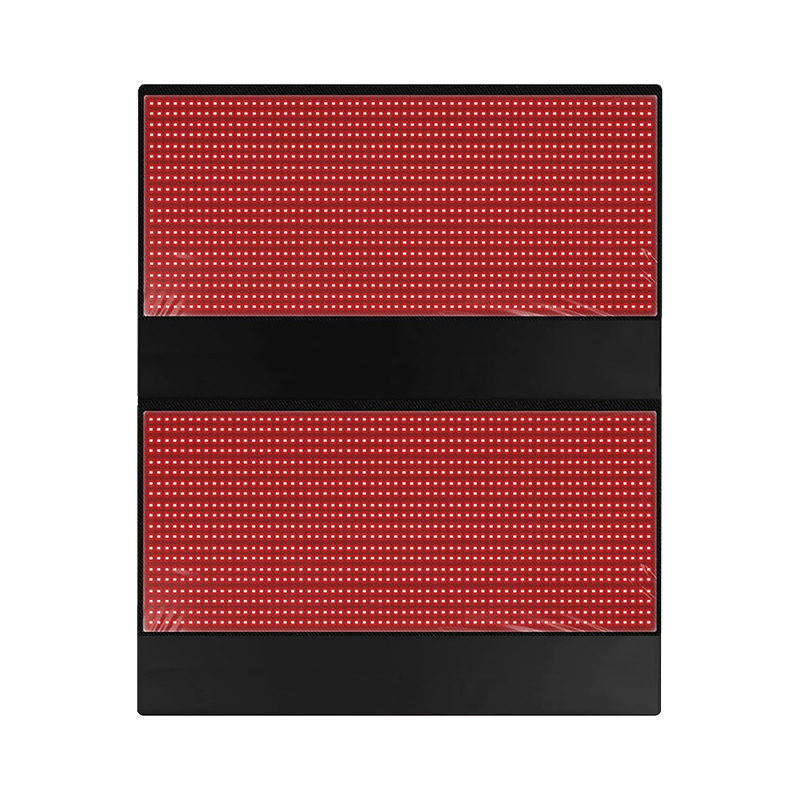
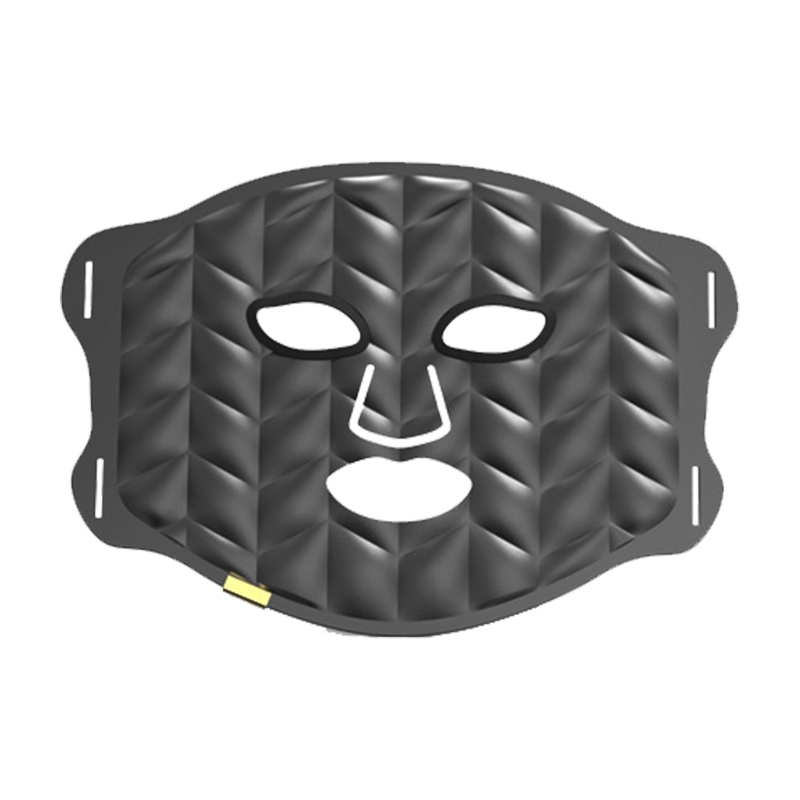
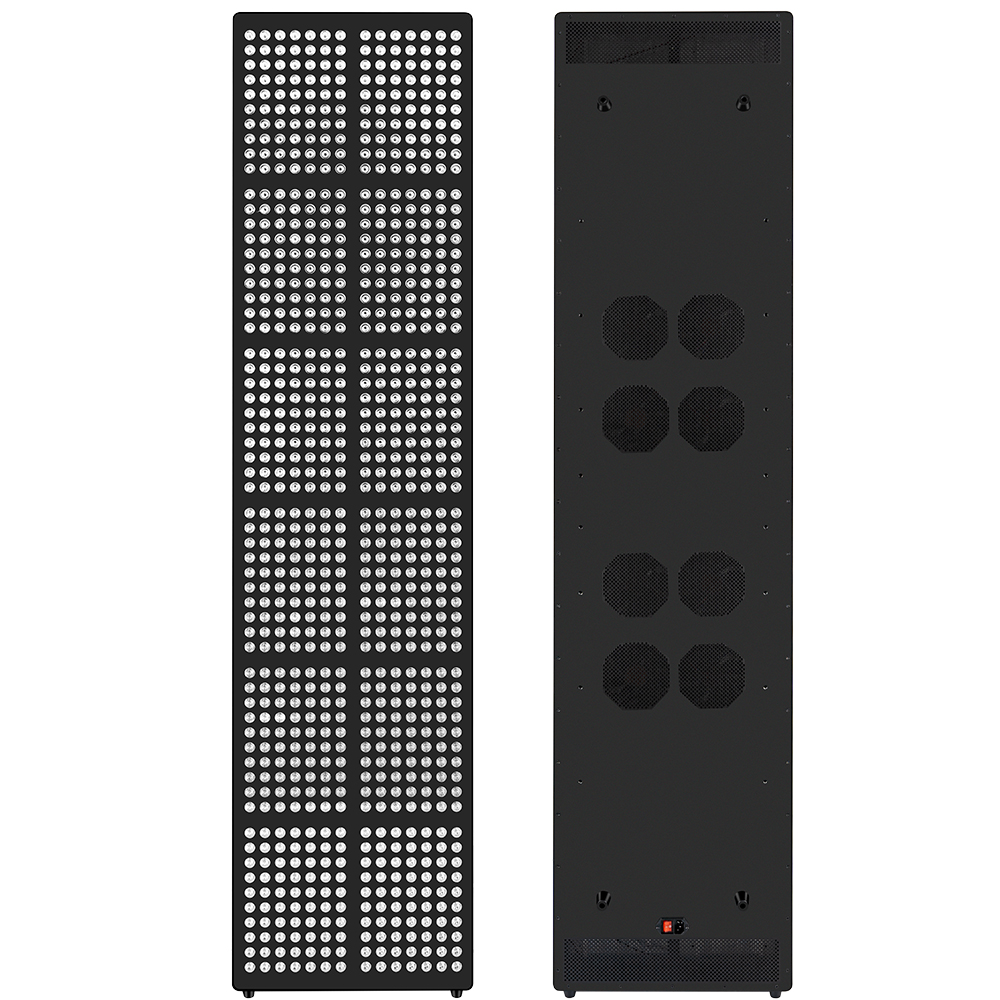
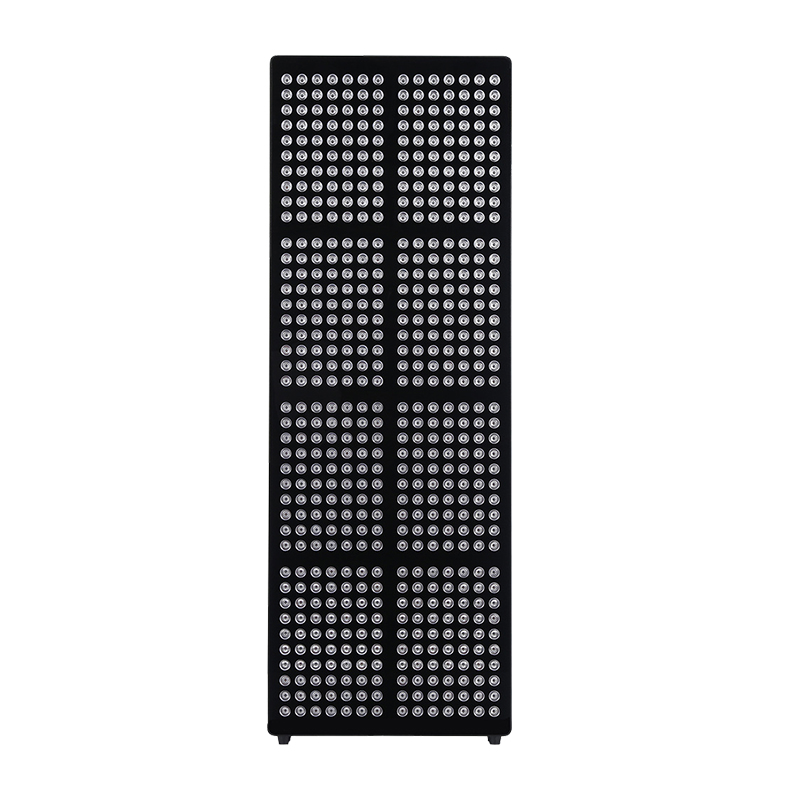
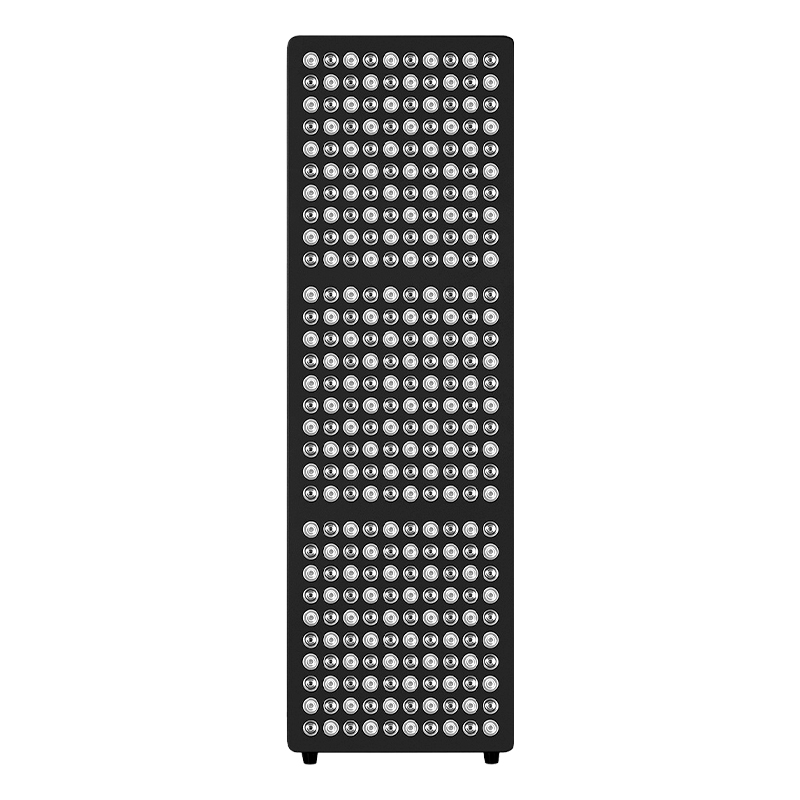
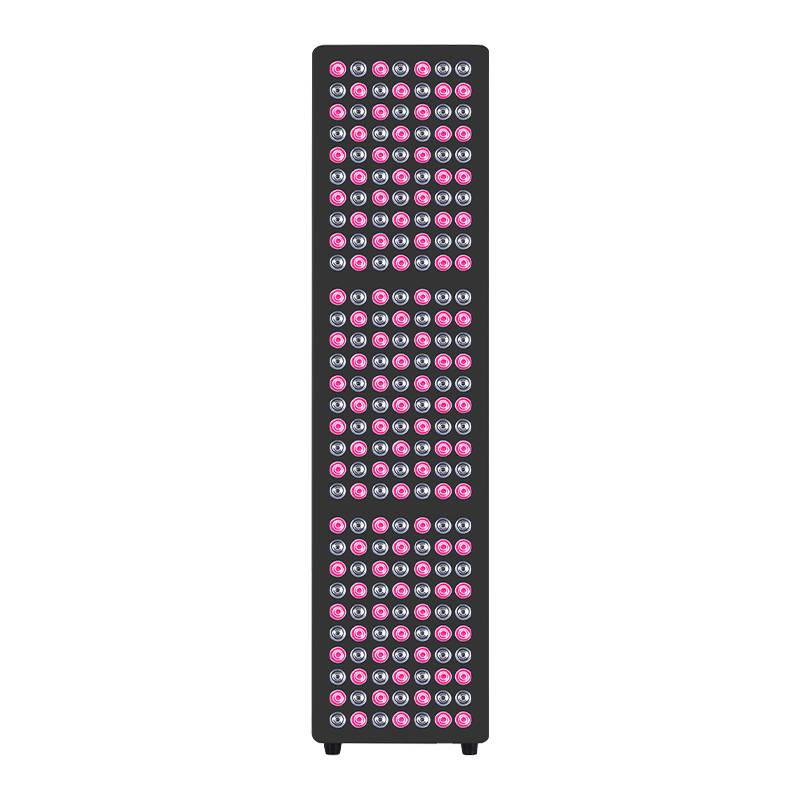
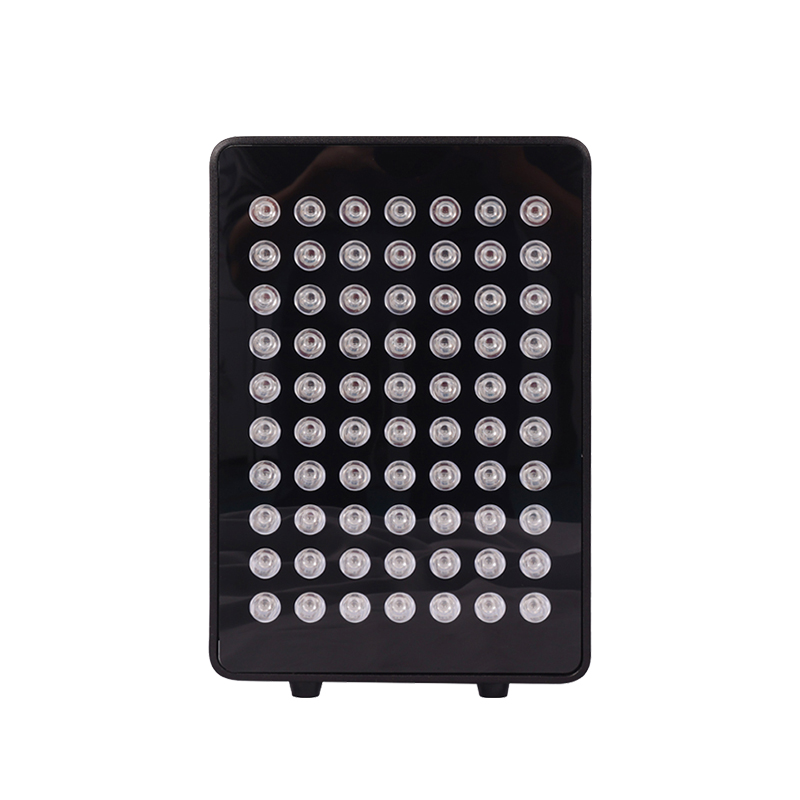
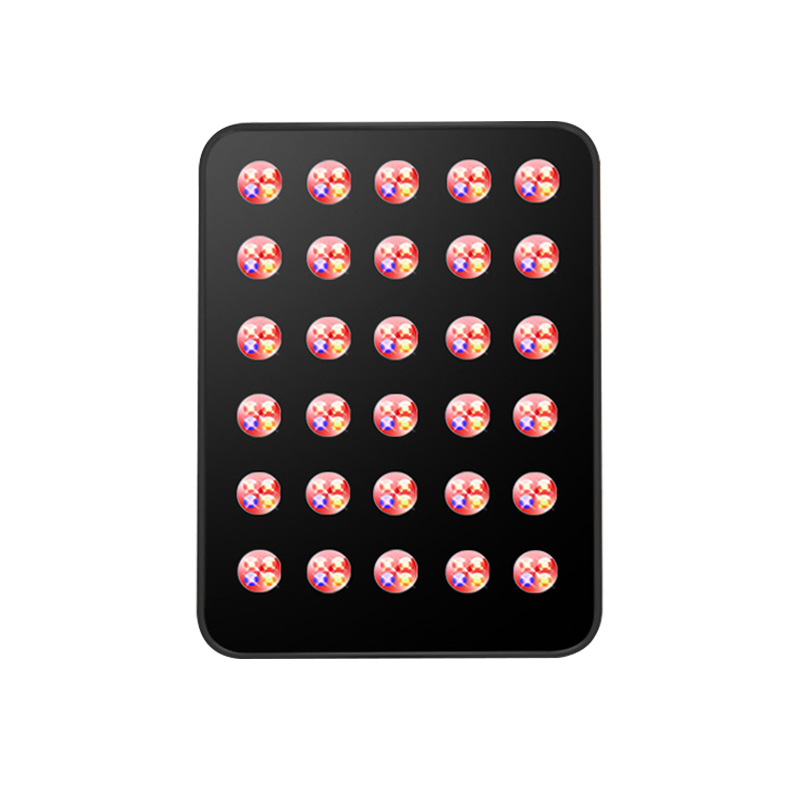
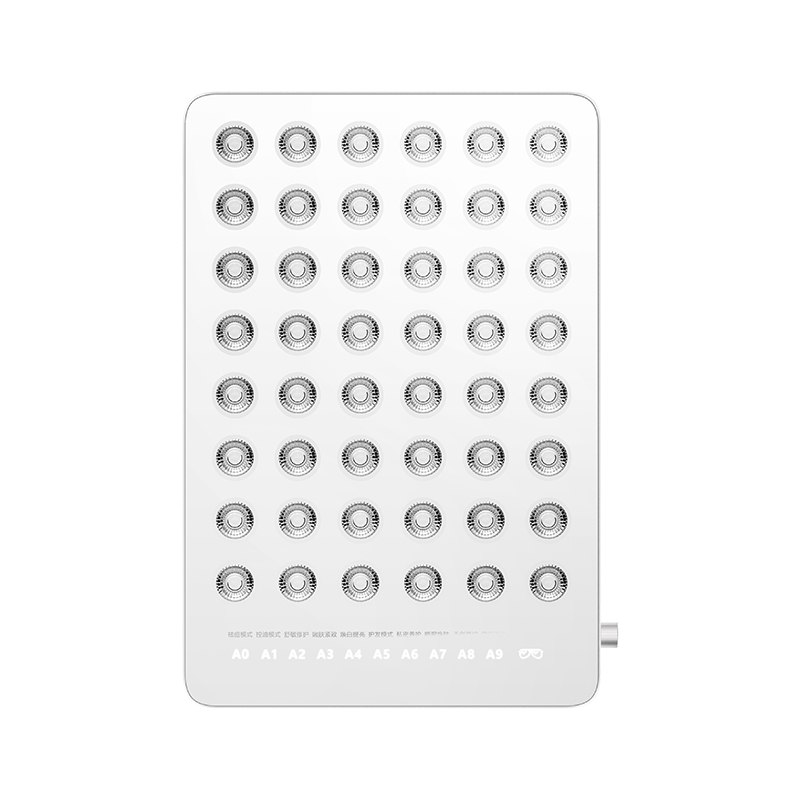
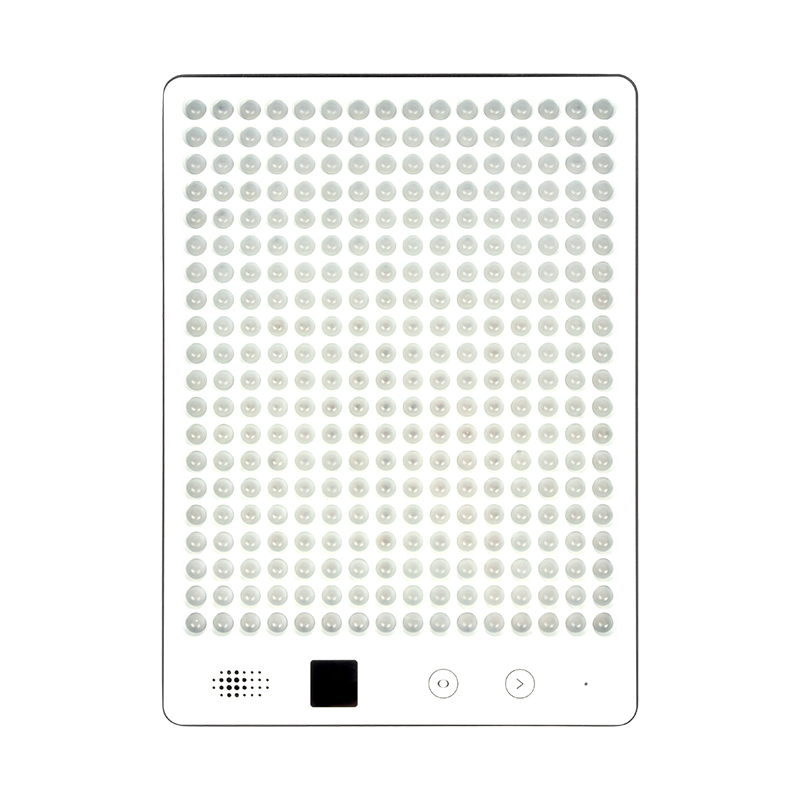
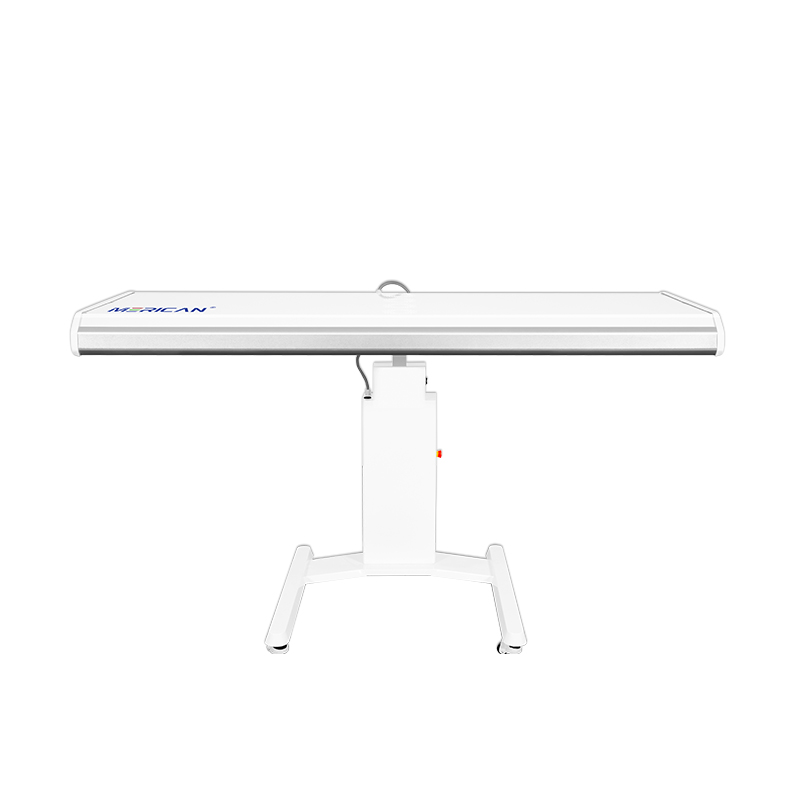
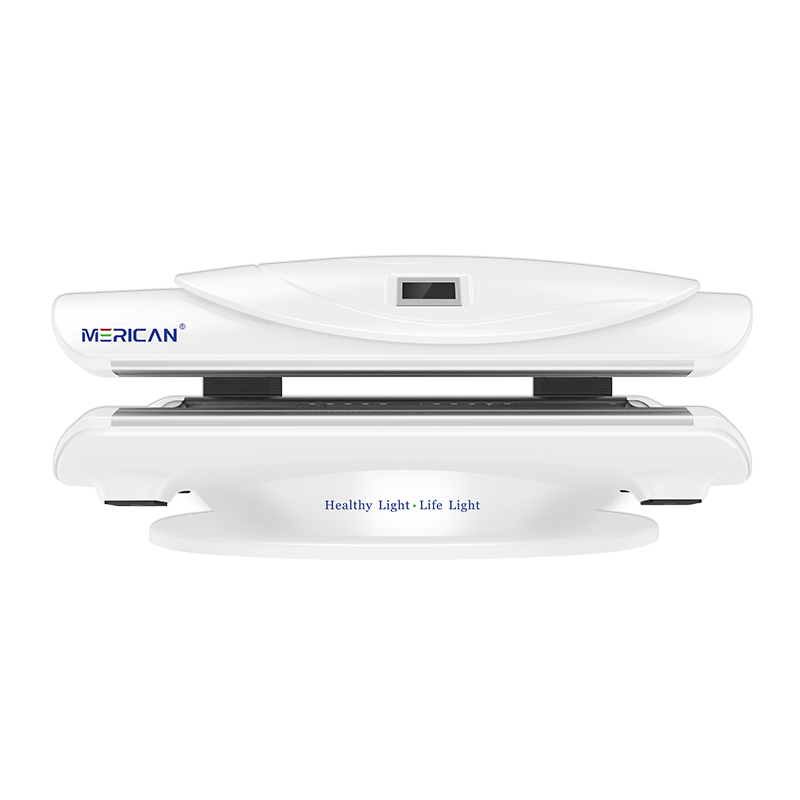
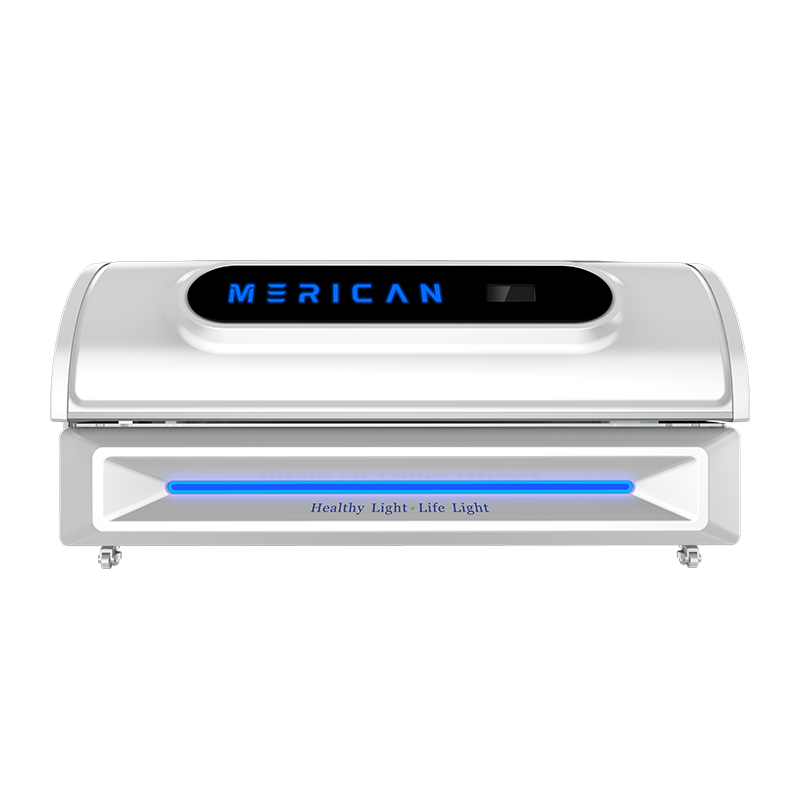
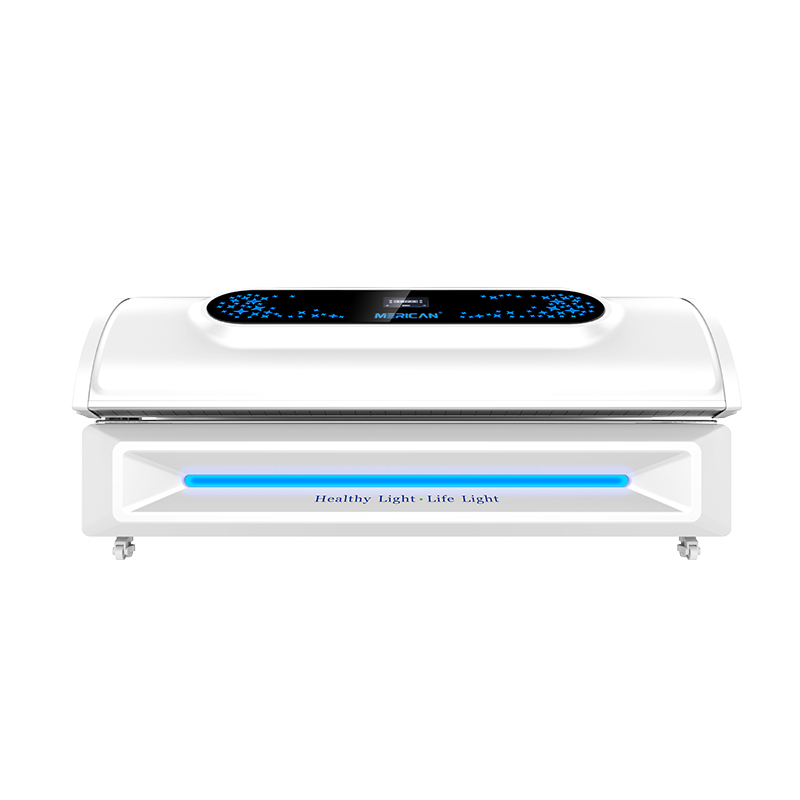
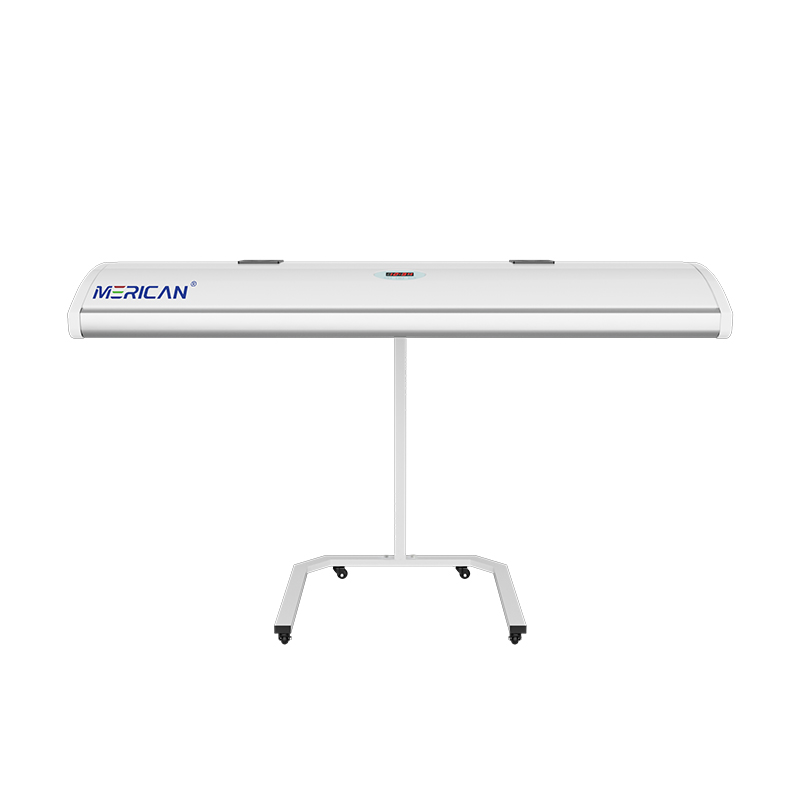
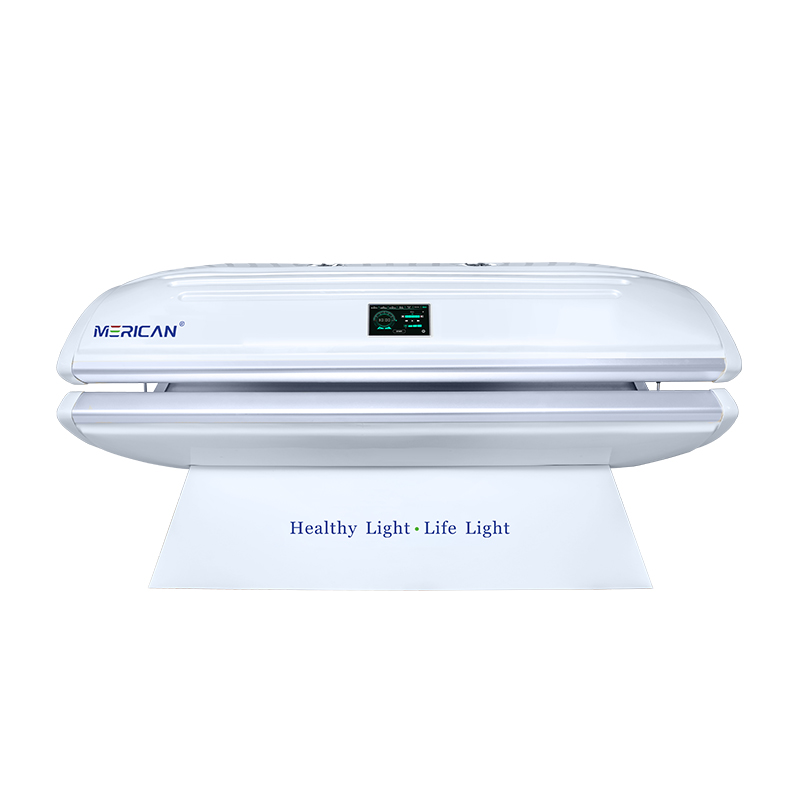
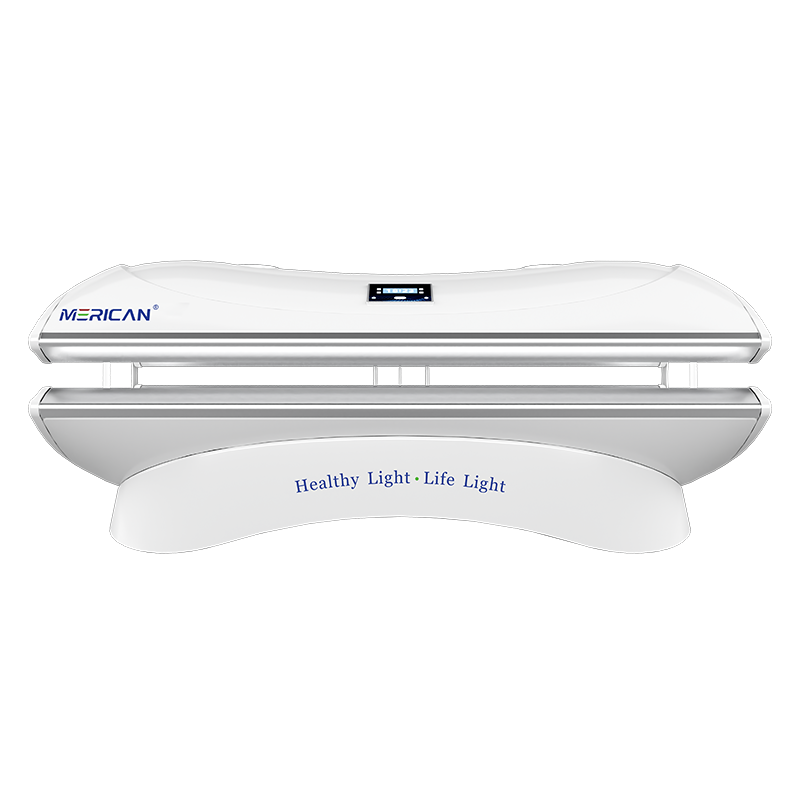
A terapia com luz LED tornou-se um tratamento não invasivo popular para vários problemas de saúde e bem-estar, incluindo controle da dor, rejuvenescimento da pele, e até melhora do humor. Cores diferentes (ou comprimentos de onda) da luz penetram na pele em diferentes profundidades e têm efeitos terapêuticos únicos. Abaixo está um guia para compreender as várias cores da terapia de luz LED e seus benefícios potenciais para o alívio da dor e o bem-estar geral..
- Luz Vermelha (630-650 nm)
Profundidade de penetração: Médio (na camada dérmica)
Benefícios terapêuticos:
Alívio da dor: A luz vermelha ajuda a reduzir a inflamação e promover o fluxo sanguíneo, que pode aliviar a dor, particularmente nos músculos e articulações. É especialmente eficaz para condições de dor crônica, como artrite ou dores musculares..
Recuperação Muscular: A luz vermelha é conhecida por estimular a produção de ATP (Trifosfato de adenosina), a molécula de energia que auxilia no reparo celular, acelerando a recuperação muscular.
Rejuvenescimento da pele: Estimula a produção de colágeno, reduzindo a aparência de linhas finas e rugas, e melhorando o tom e a textura geral da pele.
Cicatrização de feridas: Incentiva a cicatrização mais rápida de cortes, abrasões, e outras lesões de pele.
- Luz do infravermelho próximo (850-880 nm)
Profundidade de penetração: Profundo (nos músculos, articulações, e ossos)
Benefícios terapêuticos:
Gerenciamento da dor: A luz infravermelha próxima pode penetrar mais profundamente nos tecidos, tornando-o altamente eficaz no tratamento de dores musculares profundas, dor nas articulações, e condições como tendinite ou fibromialgia. Ajuda a reduzir a inflamação e estimular a circulação sanguínea nas áreas afetadas.
Reparação de tecidos: Ao aumentar o fluxo sanguíneo e a regeneração celular, a luz infravermelha próxima promove uma cicatrização mais rápida de lesões nos tecidos moles e reduz o inchaço.
Circulação Melhorada: Melhora a microcirculação e o fornecimento de oxigênio aos tecidos, melhorando a saúde geral dos tecidos e acelerando os processos de cicatrização.
- Luz azul (405-470 nm)
Profundidade de penetração: Raso (afeta a camada superficial da pele)
Benefícios terapêuticos:
Tratamento de acne: A luz azul é mais comumente usada por suas propriedades antibacterianas, visando as bactérias que causam acne. Pode ajudar a reduzir a frequência e a gravidade dos surtos.
Saúde da pele: A luz azul ajuda a matar bactérias causadoras de acne e reduzir a inflamação da pele, tornando-o útil no tratamento de doenças como acne e rosácea.
Humor e bem-estar mental: A luz azul foi estudada pelos seus efeitos positivos na regulação do humor, particularmente no tratamento do transtorno afetivo sazonal (TRISTE), pois ajuda a equilibrar os ritmos circadianos.
- Luz Verde (520-570 nm)
Profundidade de penetração: Raso a médio
Benefícios terapêuticos:
Efeitos calmantes: A luz verde tem um efeito calmante e relaxante no sistema nervoso, o que pode ajudar a reduzir os níveis de ansiedade e estresse.
Pigmentação e tom de pele: A terapia de luz verde é eficaz no tratamento de problemas de pigmentação, como manchas senis e hiperpigmentação, promovendo um tom de pele uniforme..
Anti-inflamatório: Pode ajudar a reduzir a vermelhidão e a inflamação, tornando-o útil para peles sensíveis ou irritadas.
- Luz Amarela (570-590 nm)
Profundidade de penetração: Raso
Benefícios terapêuticos:
Saúde da pele: A luz amarela é suave para a pele e é usada para melhorar o tom da pele, textura, e elasticidade. Pode reduzir o aparecimento de vermelhidão e linhas finas.
Drenagem Linfática: Ajuda a estimular a drenagem linfática, que ajuda a desintoxicar o corpo e reduzir o inchaço.
Anti-inflamatório: Tem efeitos antiinflamatórios leves, tornando-o útil para irritações gerais da pele e condições como rosácea.
- Luz roxa (380-420 nm)
Profundidade de penetração: Raso
Benefícios terapêuticos:
Regeneração Celular: A luz roxa combina os benefícios da luz vermelha e azul. Ajuda a promover a regeneração celular, melhorar a circulação, e reduzir a dor.
Tratamento de acne: As propriedades antibacterianas da luz azul combinadas com os efeitos antiinflamatórios da luz vermelha fazem da luz roxa uma boa opção para tratar a acne e promover a cura..
- Luz âmbar ou laranja (590-620 nm)
Profundidade de penetração: Raso a médio
Benefícios terapêuticos:
Reparo e cura de tecidos: Amber light can stimulate the production of collagen and elastin, promoting skin healing and reducing the appearance of scarring.
Muscle Relaxation: Helps relax muscles and relieve tension, reducing pain in muscles and joints.
Energy and Mood Boost: Amber light is thought to help improve mood and energy levels, particularly in individuals experiencing low energy or depression.
Choosing the Right LED Light Color for Your Needs
Para alívio da dor:
Luz Vermelha (630-650 nm) and Near-Infrared Light (850-880 nm) are the most effective for relieving muscle and joint pain.
Near-Infrared Light is ideal for deeper tissues, while Red Light is better suited for more superficial muscle or skin issues.
For Skin Health and Beauty:
Red Light is excellent for collagen stimulation and skin rejuvenation.
Blue Light is perfect for acne treatment and reducing skin inflammation.
Green Light is ideal for reducing pigmentation and improving skin tone.
Yellow or Amber Light is useful for skin healing and relaxation.
For Mental Wellness:
Blue Light has been found effective in improving mood and regulating sleep cycles.
Green Light can help relieve stress and promote relaxation.
For General Wellness:
Yellow Light promotes lymphatic drainage and reduces swelling.
Amber Light can improve energy levels and overall mood.
Combining Light Colors:
For enhanced results, many LED devices use a combination of different light colors to target multiple issues at once. Por exemplo, combining Red Light for muscle recovery with Blue Light for acne treatment can address both skin and muscle concerns simultaneously.
Conclusão:
LED light therapy is a versatile, seguro, and non-invasive treatment option that can be customized to your specific needs. Whether you are seeking pain relief, Saúde da pele melhorada, or mental wellness benefits, different LED light colors offer a wide range of therapeutic possibilities. Always ensure you’re using the right wavelength for your desired outcome, and for optimal results, consider using a combination of light therapies tailored to your condition.