Tinnitus is the perception of ringing, buzzing, hissing, or humming sounds in the ears without an external source. It affects millions of people worldwide and can range from mild and occasional to chronic and disruptive. Common causes include noise-induced hearing damage, age-related hearing loss, ear infections, circulatory issues, estresse, and neurological factors.
À medida que cresce o interesse em tecnologias de bem-estar não invasivas, many people ask: Can red light therapy help tinnitus? Embora a terapia da luz vermelha seja not a cure for tinnitus, pesquisas emergentes sugerem que pode oferecer supportive benefits for certain individuals, depending on the underlying cause.
O que é terapia com luz vermelha?
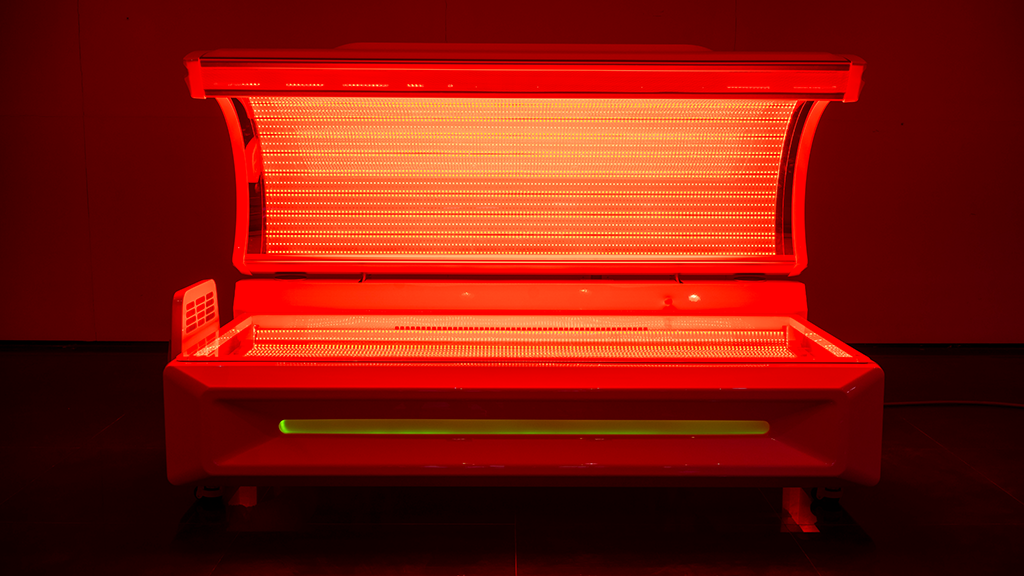
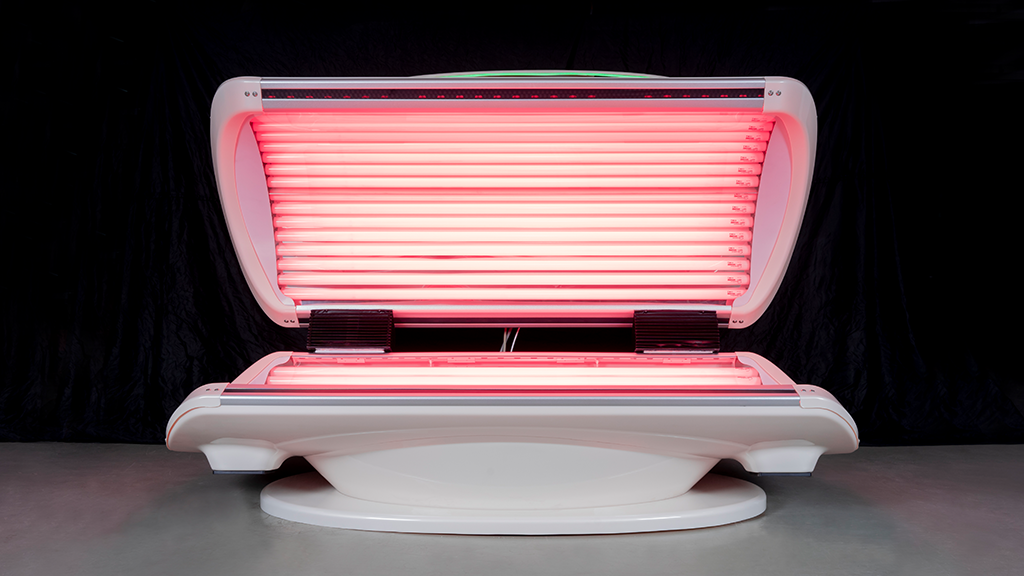
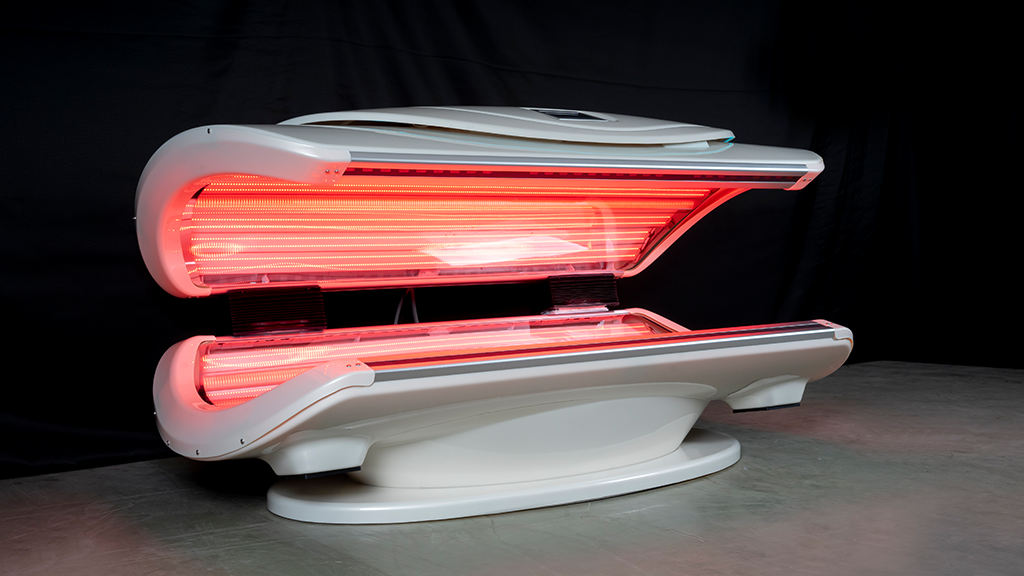
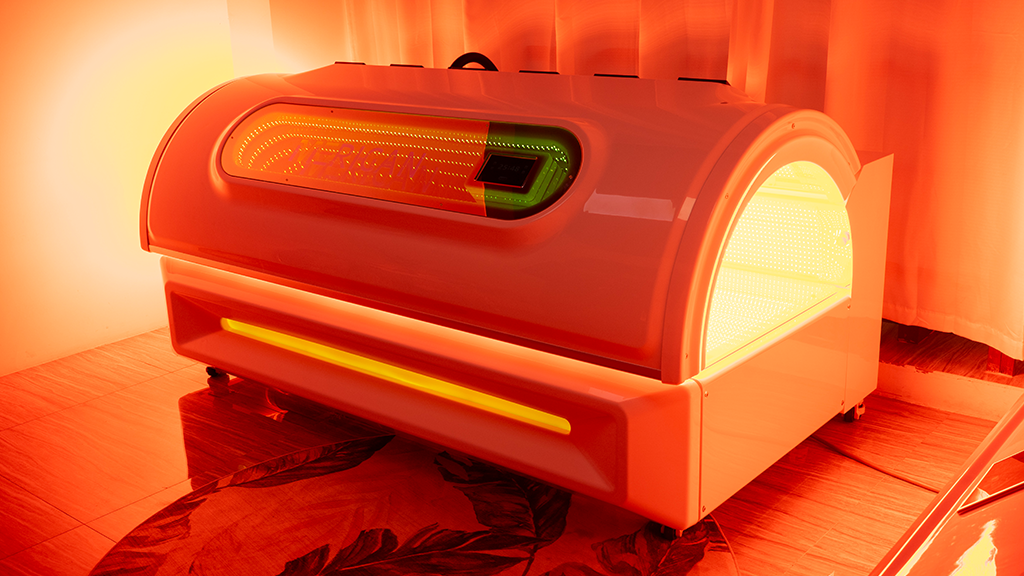
Terapia com luz vermelha, também conhecida como fotobiomodulação (PBM), usa luz vermelha de baixo nível e luz infravermelha próxima - normalmente entre 630 nm e 880 nm - para estimular a atividade celular.
Unlike sound-based or drug therapies, red light therapy works by influencing cellular energy production, circulação, e regulação da inflamação. It is non-invasive and does not damage tissue when used correctly.
How Red Light Therapy May Support Tinnitus Management
Red light therapy does not directly eliminate tinnitus sounds, but it may help address contributing factors through several mechanisms:
1. May Improve Inner Ear Circulation
Some forms of tinnitus are linked to reduced blood flow in the cochlea and auditory pathways. Red light therapy may support microcirculation, helping deliver oxygen and nutrients to sensitive inner ear structures.
2. Supports Cellular Energy in Auditory Cells
Photobiomodulation stimulates mitochondrial ATP production, which may support the function and resilience of auditory hair cells and surrounding tissues.
3. Helps Reduce Inflammation
Inflammation in the auditory system or surrounding tissues may contribute to tinnitus. Red light therapy has been studied for its anti-inflammatory and antioxidant effects, which may help reduce irritation.
4. May Support Nervous System Regulation
Tinnitus is often associated with heightened nervous system activity and stress. Red light therapy has been explored for its calming effects on the nervous system, which may help reduce tinnitus-related distress.
O que a pesquisa diz?
Research on photobiomodulation for tinnitus is still evolving. Some small clinical studies and pilot trials have explored low-level laser or red light therapy applied around the ear or mastoid area, with mixed results. Certain individuals reported reduced tinnitus intensity or improved quality of life, while others experienced minimal change.
Geral, evidence remains limited and inconsistent, and red light therapy should be considered a complementary approach, não é um tratamento primário.
How Red Light Therapy Is Typically Used for Tinnitus Support
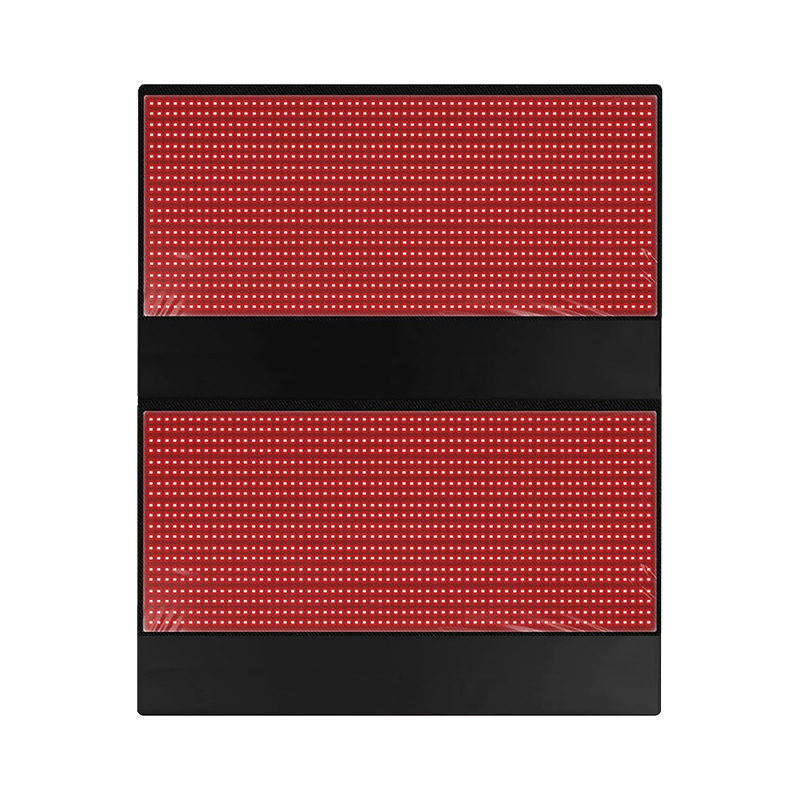
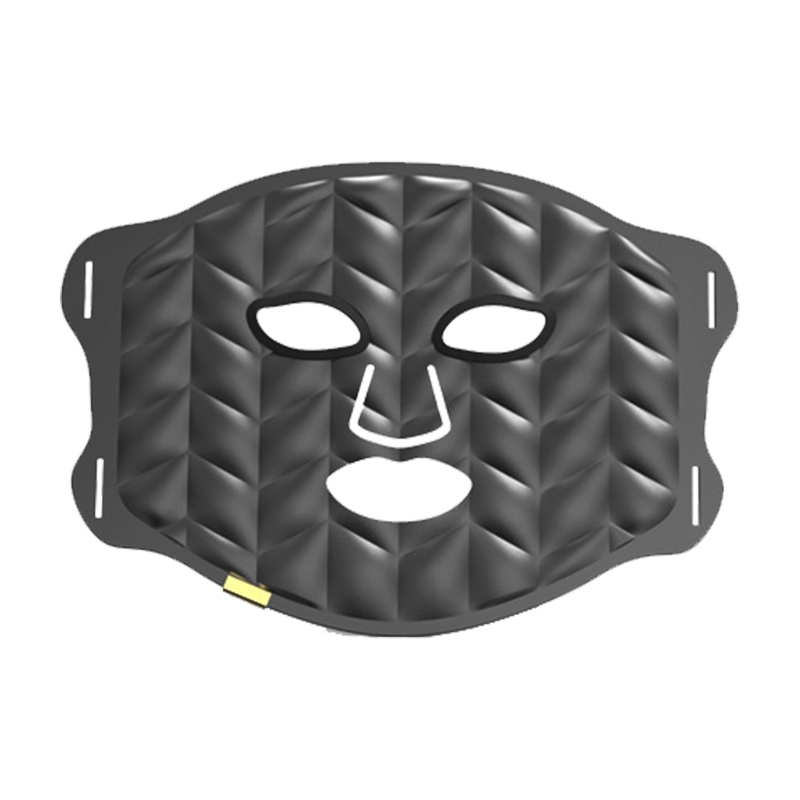
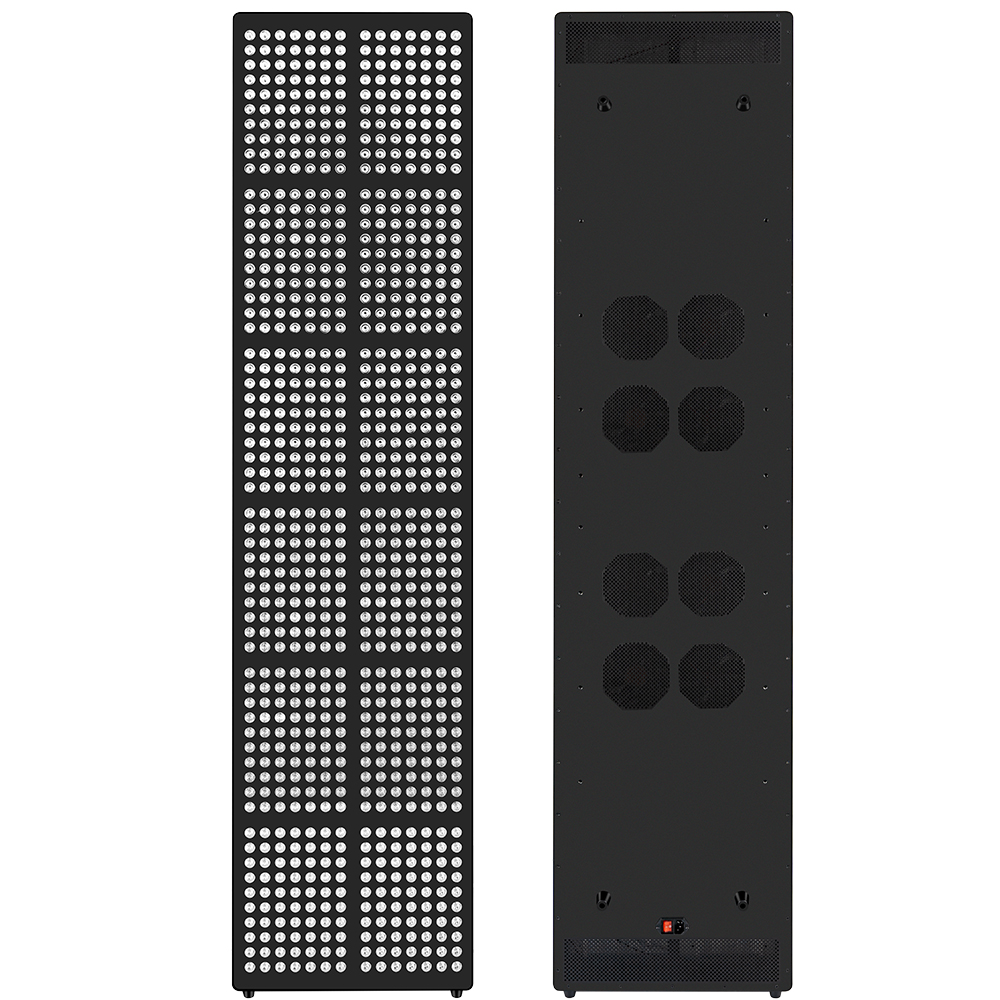
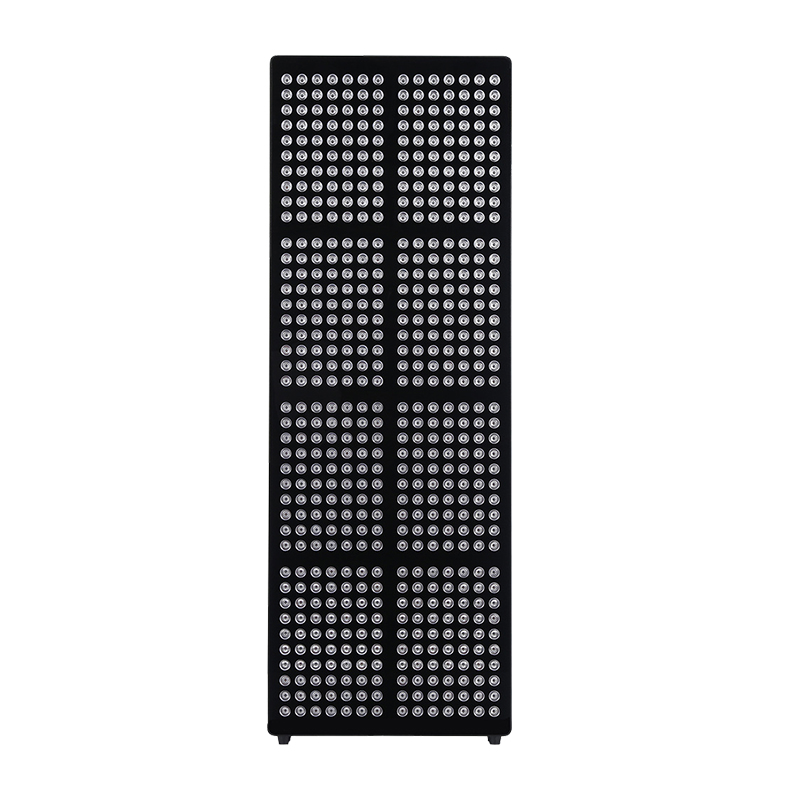
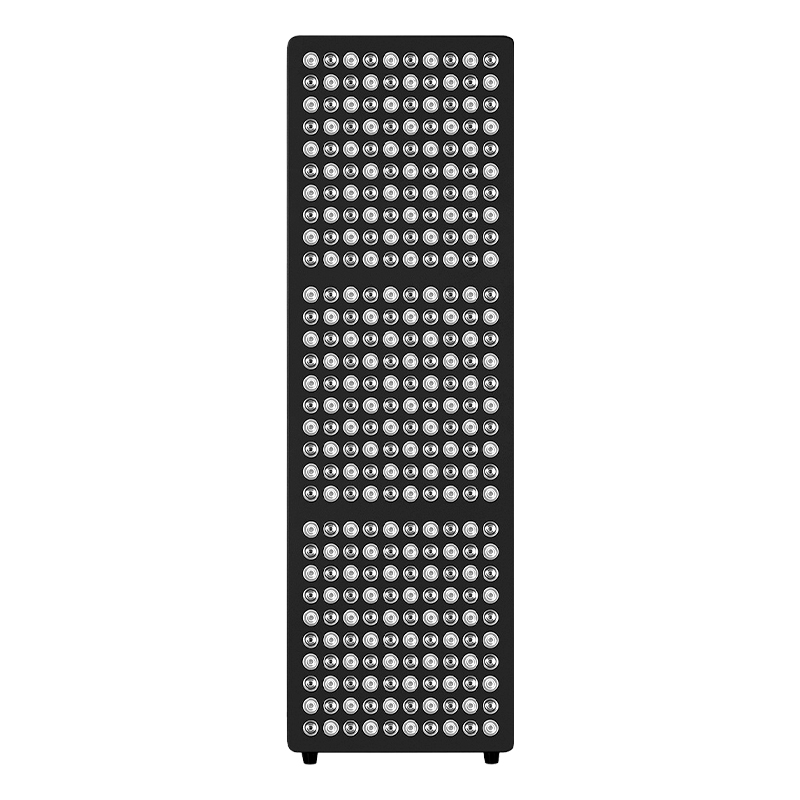
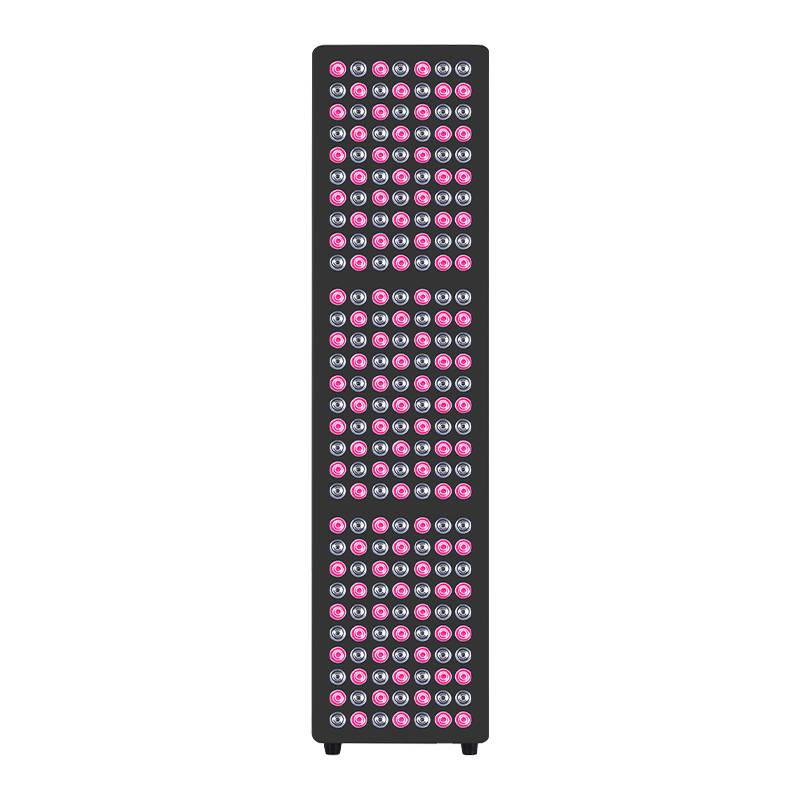
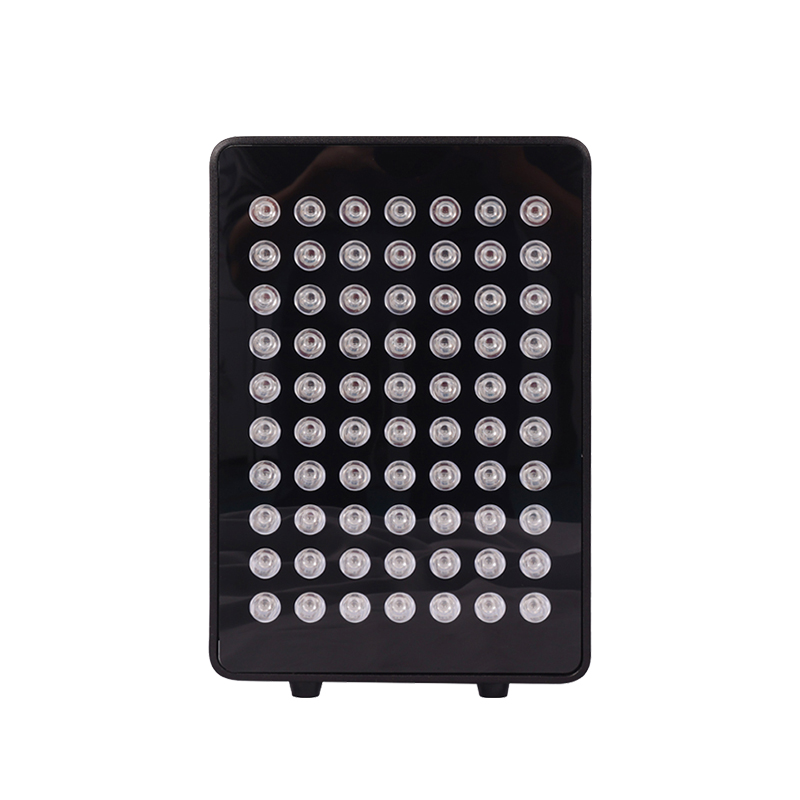
Em ambientes de pesquisa ou bem-estar, red light therapy may be applied externally near the ear, jaw, or mastoid bone using low-power, targeted devices.
As diretrizes gerais orientadas para o bem-estar incluem:
- Comprimentos de onda: 630–660nm (vermelho) and/or 810–850 nm (infravermelho próximo)
- Duração da sessão: 5–10 minutes per area
- Freqüência: 2–4 sessions per week
- Áreas de aplicação: Around the ear or mastoid region (never inside the ear canal)
Professional guidance is strongly recommended due to the sensitivity of the auditory system.
Segurança e considerações importantes
- A terapia da luz vermelha faz not repair hearing loss or nerve damage
- Sudden-onset tinnitus, one-sided tinnitus, tontura, or hearing loss requires medical evaluation
- Avoid directing light into the ear canal
- Red light therapy should not delay diagnosis or treatment of underlying conditions
Always consult an ENT specialist or audiologist before starting any new therapy for tinnitus.
Pensamentos finais
Então, can red light therapy help tinnitus? Evidências atuais sugerem que may offer supportive benefits for some individuals by improving circulation, supporting cellular health, reduzindo a inflamação, and calming nervous system responses—but it is não é uma cura and does not work for everyone.
For those seeking a gentle, non-invasive way to support overall ear and nervous system wellness, red light therapy may be considered as part of a comprehensive tinnitus management plan that includes hearing evaluation, sound therapy, gerenciamento de estresse, and medical guidance.
Perguntas frequentes
Q: Can red light therapy cure tinnitus?
UM: Não. Tinnitus has many causes, and red light therapy cannot cure it.
Q: Is red light therapy safe near the ears?
UM: When used externally and properly, geralmente é considerado seguro, but professional guidance is advised.
Q: How long before results may appear?
UM: Some users report changes within several weeks, while others may not notice improvement.