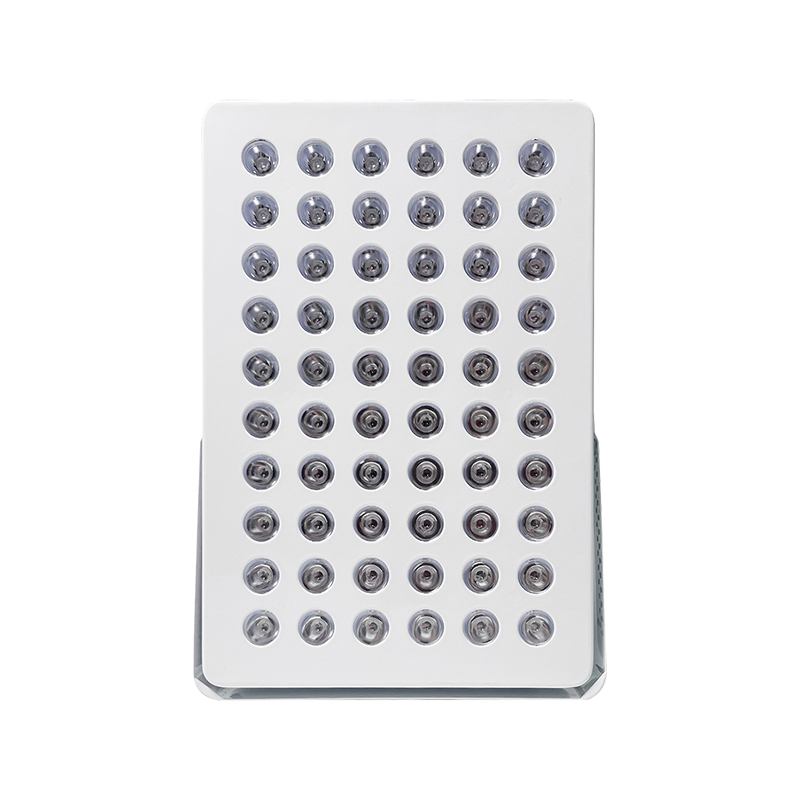
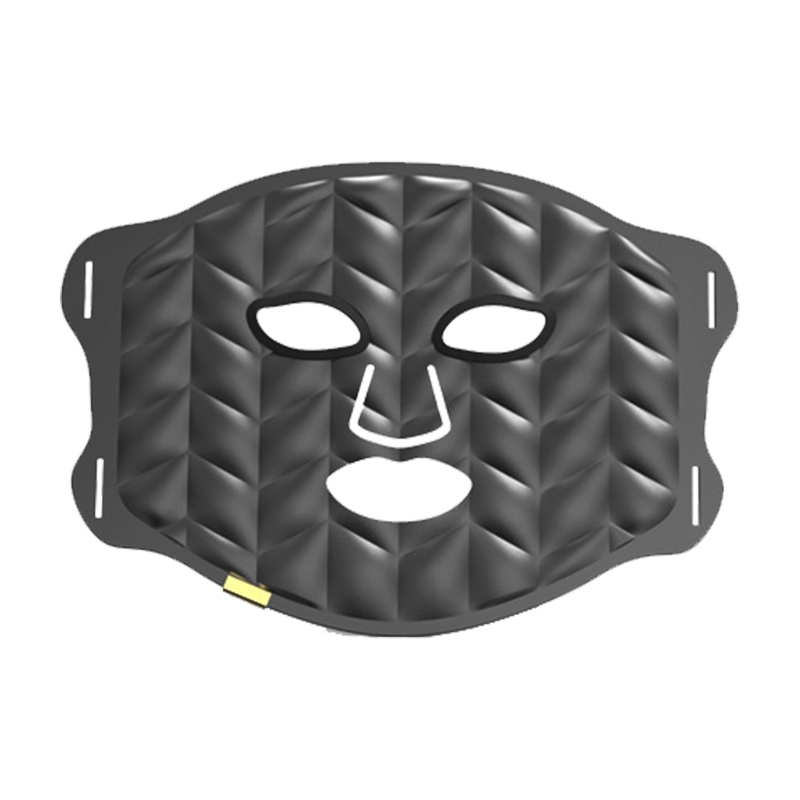
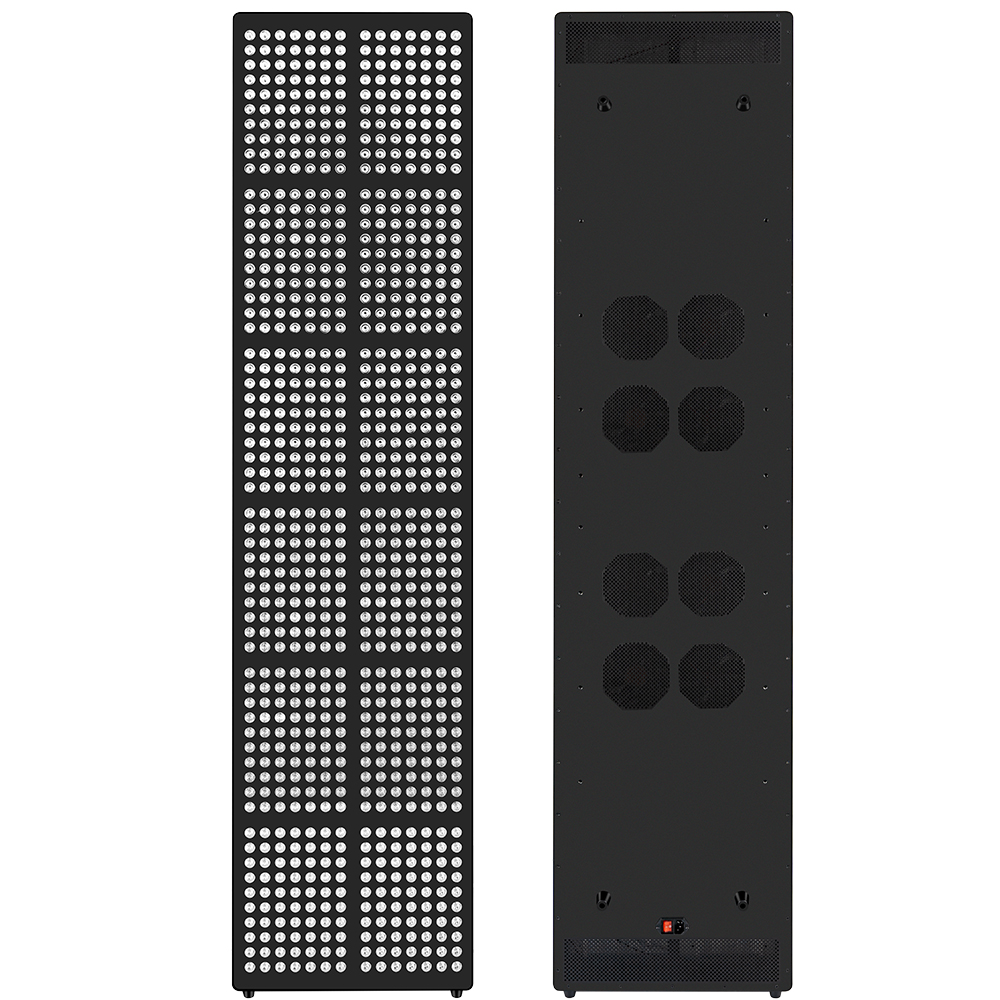
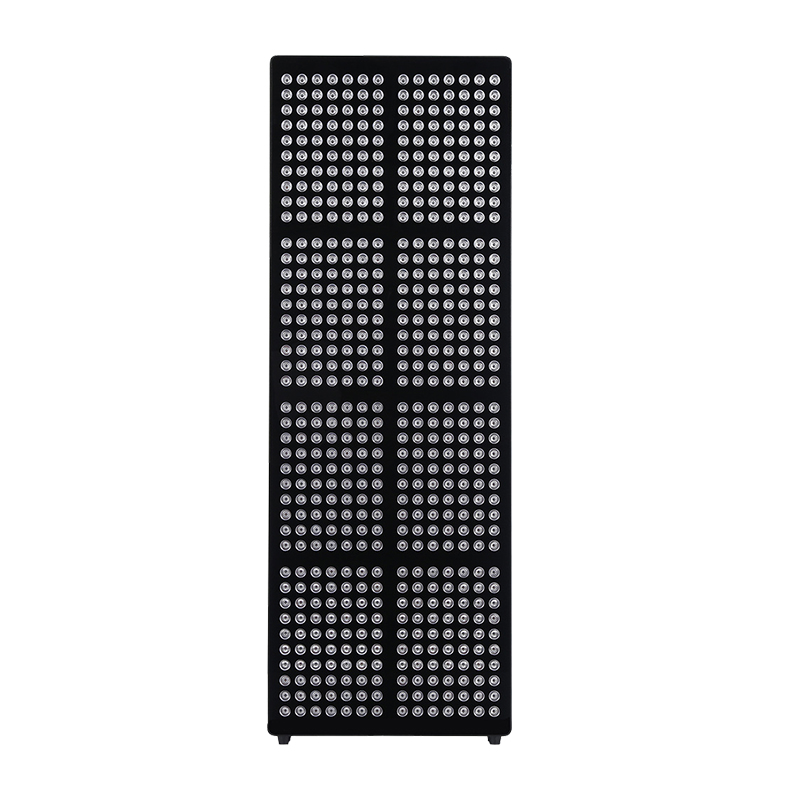
L'acufene è la percezione di un ronzio, ronzio, sibilando, o suoni ronzanti nelle orecchie senza una fonte esterna. Colpisce milioni di persone in tutto il mondo e può variare da lieve e occasionale a cronica e distruttiva. Le cause più comuni includono danni all’udito indotti dal rumore, perdita dell’udito legata all’età, infezioni dell'orecchio, problemi circolatori, stress, e fattori neurologici.
Man mano che cresce l’interesse per le tecnologie del benessere non invasive, chiedono in molti: La terapia con luce rossa può aiutare l’acufene?? Mentre la terapia con la luce rossa lo è non è una cura per l'acufene, la ricerca emergente suggerisce che potrebbe offrire benefici di sostegno per determinati individui, a seconda della causa sottostante.
Cos'è la terapia della luce rossa?
Terapia con la luce rossa, noto anche come fotobiomodulazione (PBM), utilizza luce rossa e del vicino infrarosso di basso livello, in genere compresa tra 630 nm e 880 nm: per stimolare l'attività cellulare.
A differenza delle terapie basate sul suono o sui farmaci, la terapia con luce rossa agisce influenzando la produzione di energia cellulare, circolazione, e regolazione dell'infiammazione. Non è invasivo e non danneggia i tessuti se usato correttamente.
In che modo la terapia con luce rossa può supportare la gestione dell'acufene
La terapia con luce rossa non elimina direttamente i suoni dell’acufene, ma può aiutare ad affrontare i fattori che contribuiscono attraverso diversi meccanismi:
1. Può migliorare la circolazione dell'orecchio interno
Alcune forme di acufene sono legate alla riduzione del flusso sanguigno nella coclea e nelle vie uditive. La terapia con luce rossa può supportare la microcircolazione, aiutando a fornire ossigeno e sostanze nutritive alle strutture sensibili dell'orecchio interno.
2. Supporta l'energia cellulare nelle cellule uditive
La fotobiomodulazione stimola la produzione di ATP mitocondriale, che può supportare la funzione e la resilienza delle cellule ciliate uditive e dei tessuti circostanti.
3. Aiuta a ridurre l'infiammazione
L’infiammazione del sistema uditivo o dei tessuti circostanti può contribuire all’acufene. La terapia con luce rossa è stata studiata per i suoi effetti antinfiammatori e antiossidanti, che può aiutare a ridurre l'irritazione.
4. Può supportare la regolazione del sistema nervoso
L’acufene è spesso associato ad un’intensificata attività del sistema nervoso e allo stress. La terapia con luce rossa è stata esplorata per i suoi effetti calmanti sul sistema nervoso, che può aiutare a ridurre il disagio legato all’acufene.
Cosa dice la ricerca?
La ricerca sulla fotobiomodulazione per l’acufene è ancora in evoluzione. Alcuni piccoli studi clinici e sperimentazioni pilota hanno esplorato il laser a basso livello o la terapia con luce rossa applicata intorno all’orecchio o all’area mastoidea, con risultati contrastanti. Alcuni individui hanno riportato una riduzione dell’intensità dell’acufene o un miglioramento della qualità della vita, mentre altri hanno sperimentato cambiamenti minimi.
Complessivamente, le prove rimangono limitate e incoerenti, e la terapia con luce rossa dovrebbe essere considerata a approccio complementare, non un trattamento primario.
Come viene generalmente utilizzata la terapia con luce rossa per il supporto dell'acufene
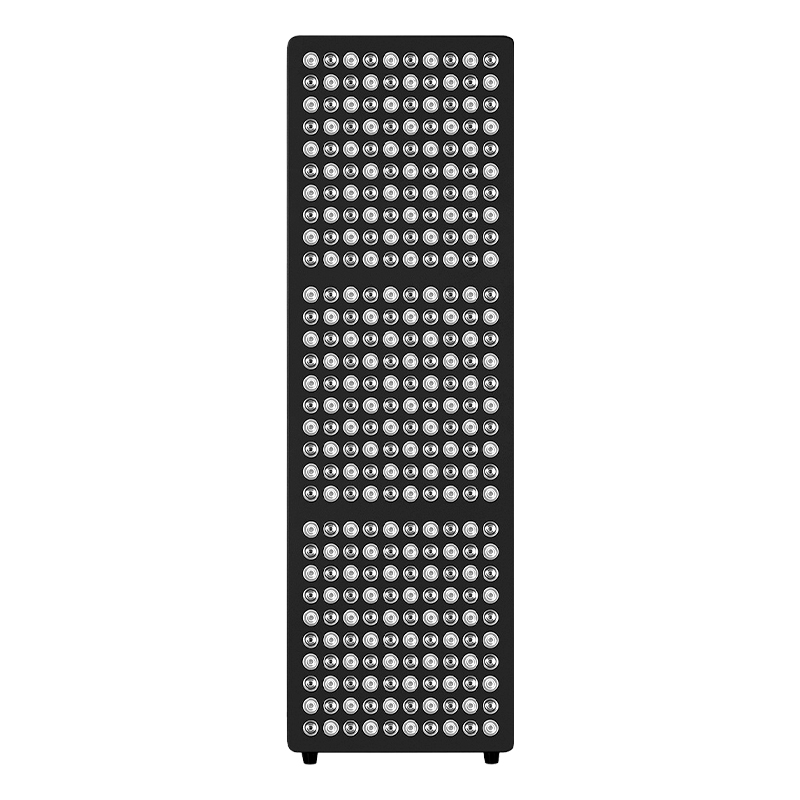
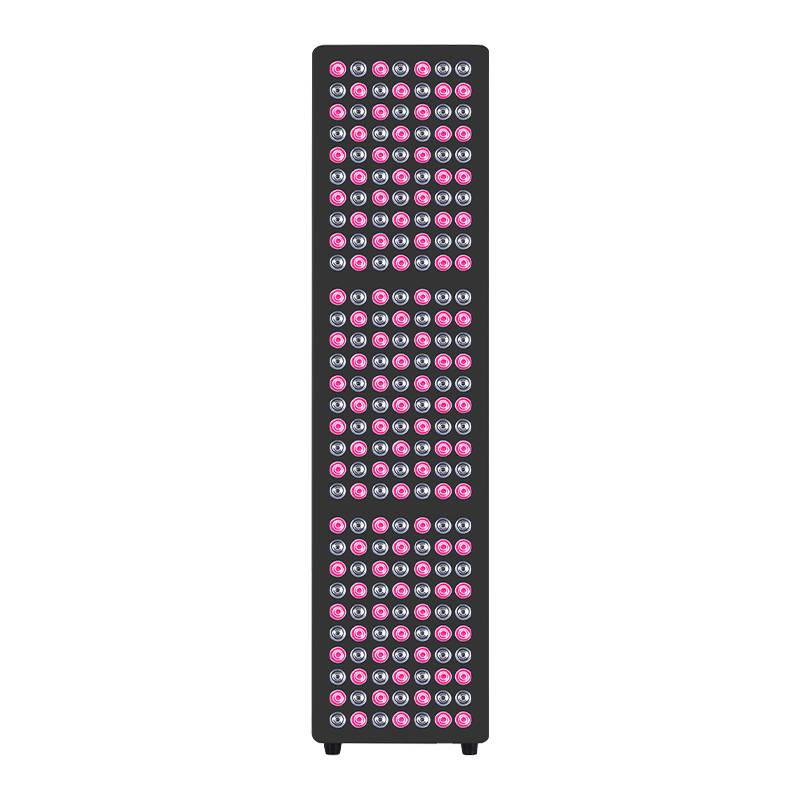
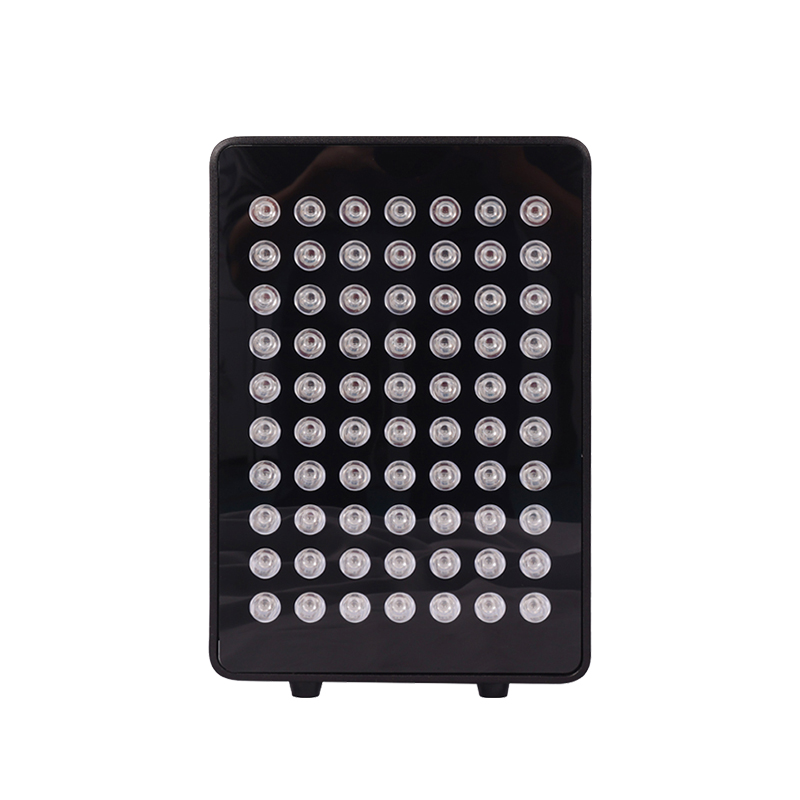
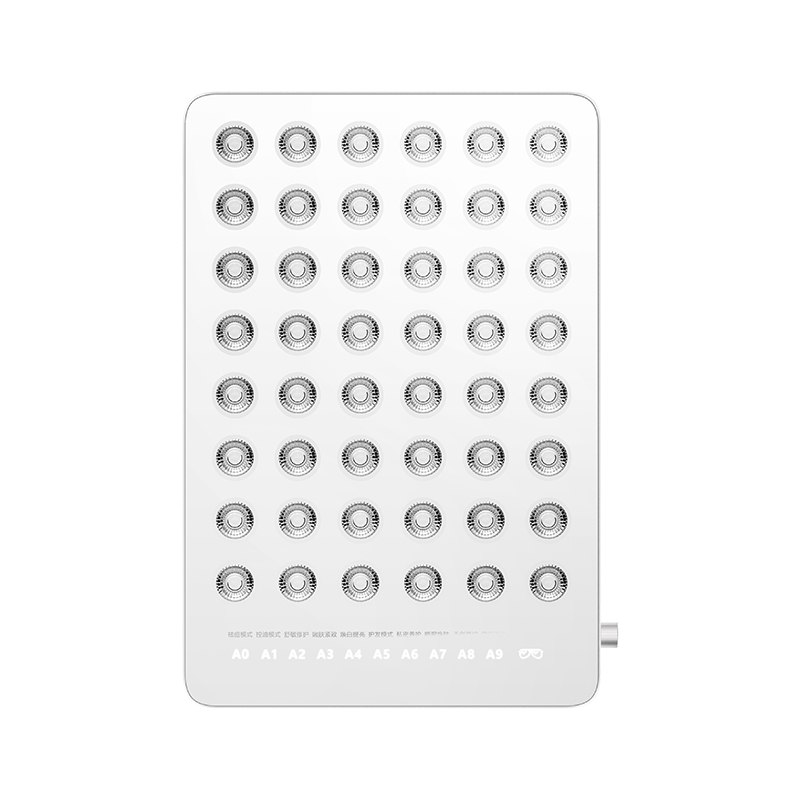
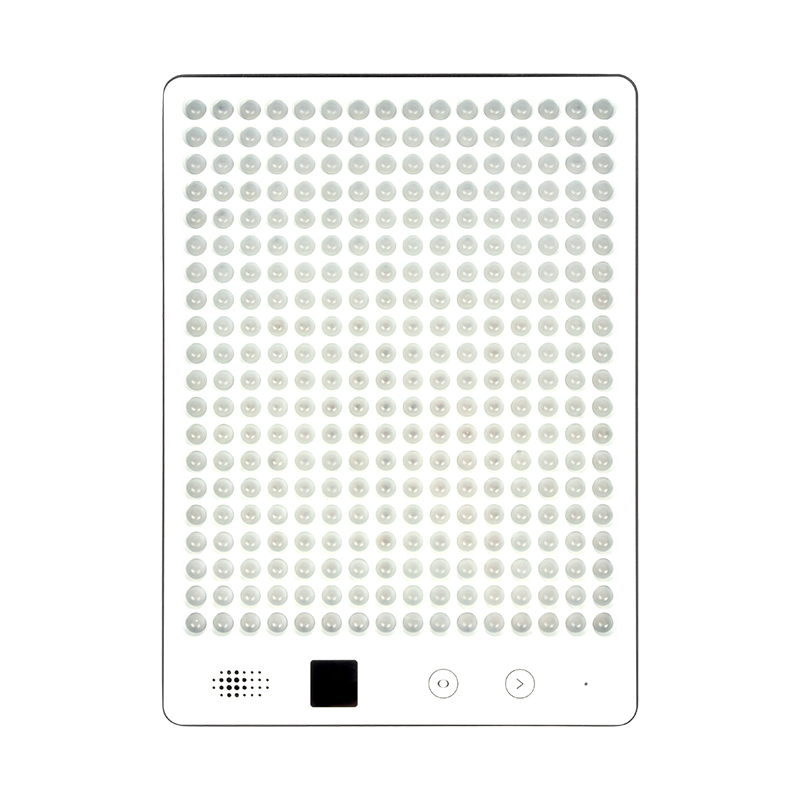
In contesti di ricerca o di benessere, la terapia con luce rossa può essere applicata esternamente vicino all'orecchio, mascella, o osso mastoideo utilizzando bassa potenza, dispositivi mirati.
Le linee guida generali orientate al benessere includono:
- Lunghezze d'onda: 630–660 nm (rosso) e/o 810–850 nm (vicino infrarosso)
- Durata della sessione: 5–10 minuti per zona
- Frequenza: 2–4 sessioni a settimana
- Aree di applicazione: Intorno all'orecchio o alla regione mastoidea (mai all'interno del condotto uditivo)
Una guida professionale è fortemente raccomandata a causa della sensibilità del sistema uditivo.
Sicurezza e considerazioni importanti
- La terapia con la luce rossa fa non riparare la perdita dell’udito o i danni ai nervi
- Acufene a insorgenza improvvisa, acufene unilaterale, vertigini, o la perdita dell'udito richiede una valutazione medica
- Evitare di dirigere la luce nel condotto uditivo
- La terapia con luce rossa non dovrebbe ritardare la diagnosi o il trattamento delle condizioni sottostanti
Consultare sempre uno specialista otorinolaringoiatra o un audiologo prima di iniziare qualsiasi nuova terapia per l'acufene.
Pensieri finali
COSÌ, la terapia con luce rossa può aiutare l'acufene? Le prove attuali lo suggeriscono può offrire benefici di supporto per alcuni individui migliorando la circolazione, sostenere la salute cellulare, riducendo l'infiammazione, e calmare le risposte del sistema nervoso– ma lo è non una cura e non funziona per tutti.
Per chi cerca una dolcezza, modo non invasivo per supportare il benessere generale dell’orecchio e del sistema nervoso, la terapia con luce rossa può essere considerata parte di un piano completo di gestione dell’acufene che include la valutazione dell’udito, terapia del suono, gestione dello stress, e guida medica.
FAQ
Q: La terapia con luce rossa può curare l’acufene??
UN: NO. L'acufene ha molte cause, e la terapia con la luce rossa non può curarlo.
Q: La terapia con luce rossa è sicura vicino alle orecchie?
UN: Se usato esternamente e correttamente, è generalmente considerato sicuro, ma si consiglia una guida professionale.
Q: Quanto tempo prima che i risultati possano apparire?
UN: Alcuni utenti segnalano cambiamenti entro diverse settimane, mentre altri potrebbero non notare miglioramenti.