Depression is a multifaceted condition that affects mood, níveis de energia, qualidade do sono, e bem-estar geral. À medida que cresce o interesse pelos produtos não-drogas, soluções de bem-estar não invasivas, Terapia com luz vermelha (Rlt) is increasingly discussed as a supportive option. Below, we answer the most frequently asked questions about red light therapy and depression from a science-based, educational perspective.
Perguntas frequentes 1: Can red light therapy help with depression?
Terapia com luz vermelha may help support mood regulation, but it is not a treatment or cure for depression. Research suggests that red and near-infrared light can support cellular energy production, circulação, and nervous system balance—factors that are often disrupted in people experiencing depressive symptoms.
Muitos usuários relatam melhorias em:
- Mood stability
- Energy levels
- Qualidade do sono
These indirect benefits may contribute to better emotional well-being when used as part of a holistic lifestyle approach.
Perguntas frequentes 2: How does red light therapy affect mood?
A terapia da luz vermelha funciona fornecendo comprimentos de onda específicos de luz (commonly 630–880nm) that stimulate mitochondrial activity. This may help:
- Improve ATP (energia celular) produção
- Reduzir a inflamação
- Support brain and nervous system function
Since depression has been linked to fatigue, neuroinflammation, and impaired brain energy metabolism, red light therapy may help address some underlying physiological contributors to low mood.
Perguntas frequentes 3: Is there scientific research on red light therapy and depression?
Several preliminary studies and clinical observations have explored Fotobiomodulação (the scientific term for red light therapy) in relation to mental health. Findings suggest potential benefits such as:
- Reduced depressive symptom scores
- Improved cognitive function
- Better sleep patterns
No entanto, large-scale clinical trials are still limited. Current evidence supports red light therapy as a complementary wellness tool, não é um tratamento médico independente.
Perguntas frequentes 4: Is red light therapy safe for people with depression?
Quando usado corretamente, red light therapy is generally considered safe and well-tolerated. Isto:
- Does not involve UV radiation
- Is non-invasive and drug-free
- Has minimal reported side effects
Dito isto, individuals with diagnosed depression should consulte um profissional de saúde before adding any new wellness technology to their routine.
Perguntas frequentes 5: Can red light therapy replace antidepressant medication?
Não. Terapia com luz vermelha should not replace antidepressants, psychotherapy, or medical care. Em vez de, it may be used as:
- A complementary wellness practice
- Part of a broader self-care and lifestyle strategy
It is most effective when combined with professional treatment, healthy sleep habits, physical activity, and stress management.
Perguntas frequentes 6: Does red light therapy help with seasonal depression (TRISTE)?
Red light therapy may be particularly appealing for individuals experiencing seasonal mood changes. Unlike traditional bright light therapy, luz vermelha:
- Does not strain the eyes
- Does not suppress melatonin
- Can be used at different times of day
While white light therapy remains the standard for SAD, red light therapy may offer a gentler alternative for mood and energy support.
Perguntas frequentes 7: Whole-body vs localized red light therapy—does it matter?
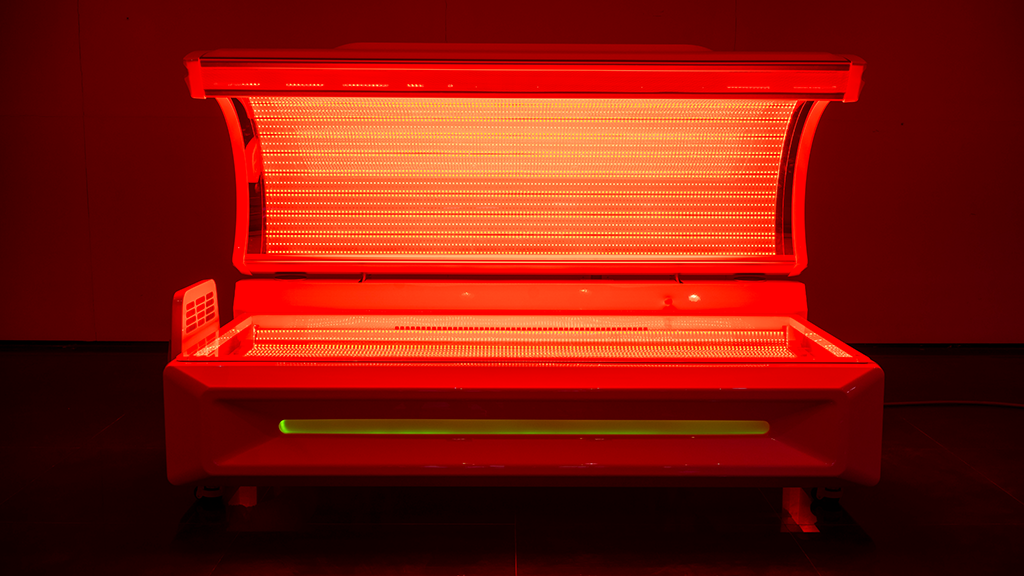
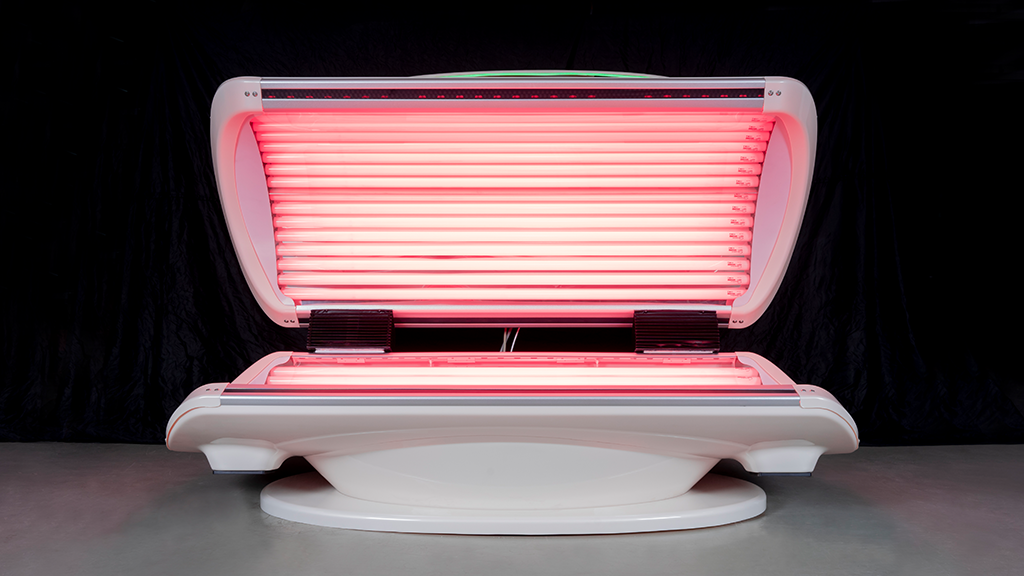
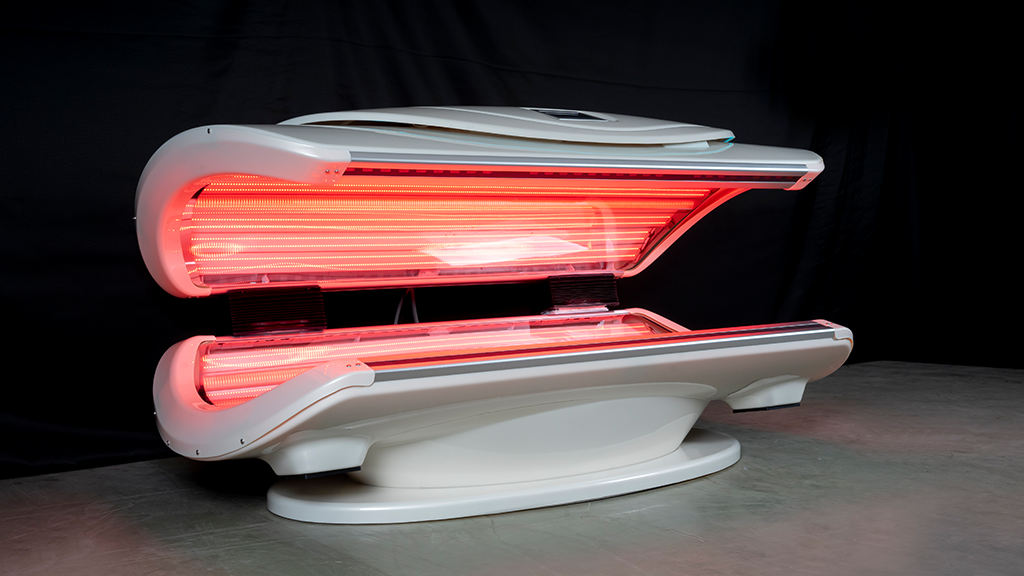
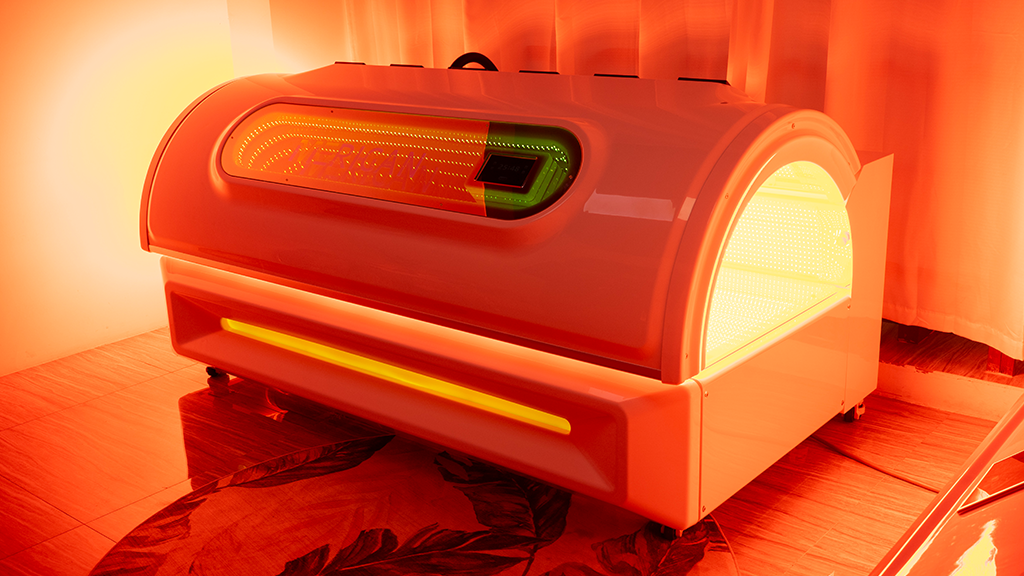
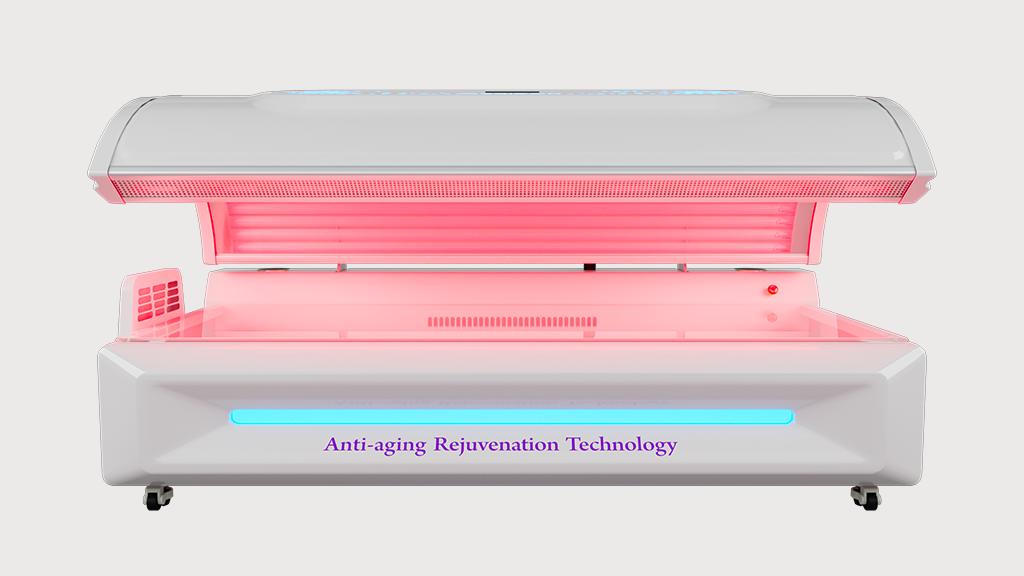
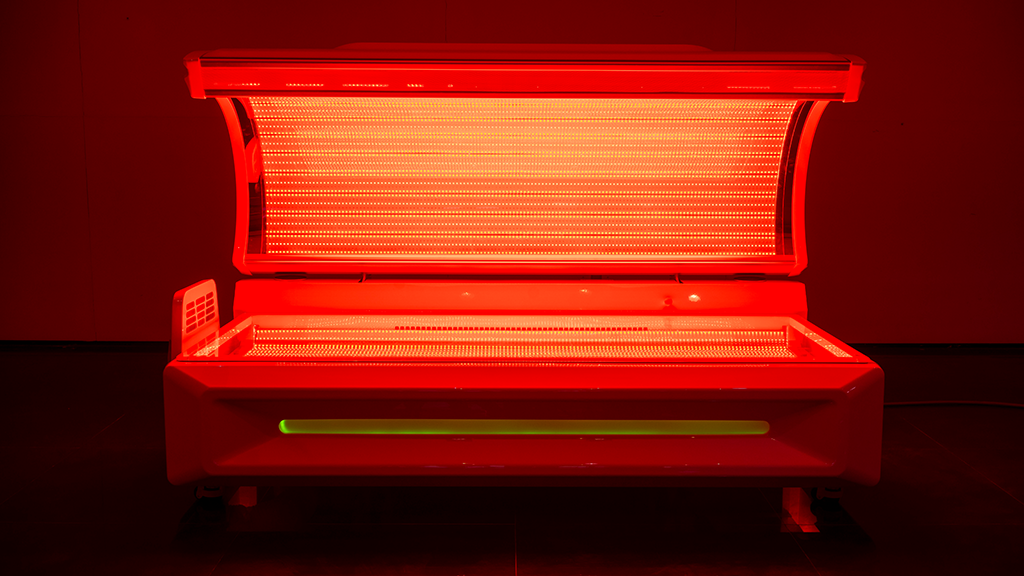
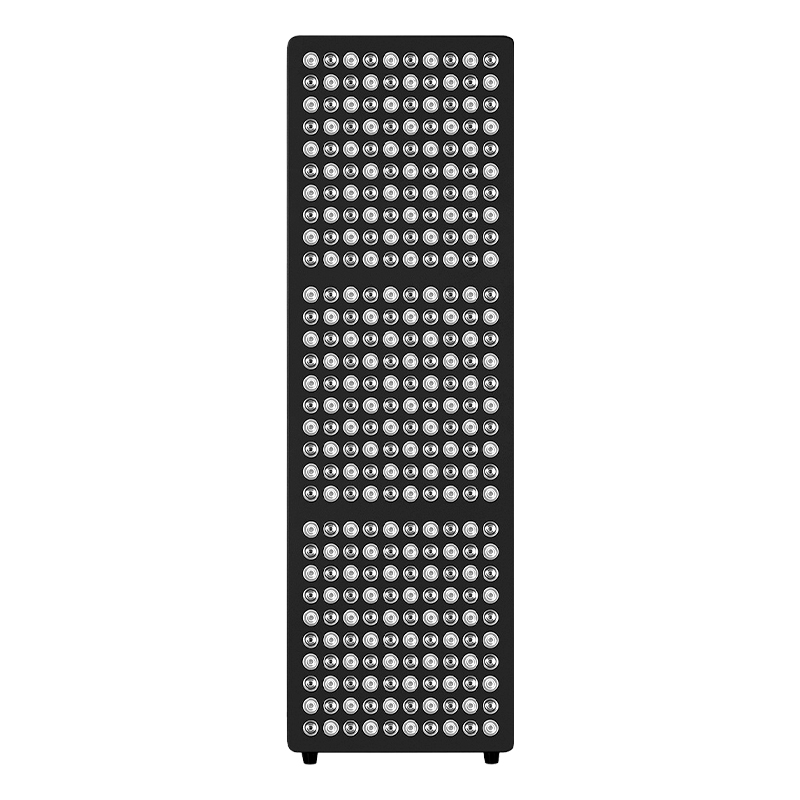
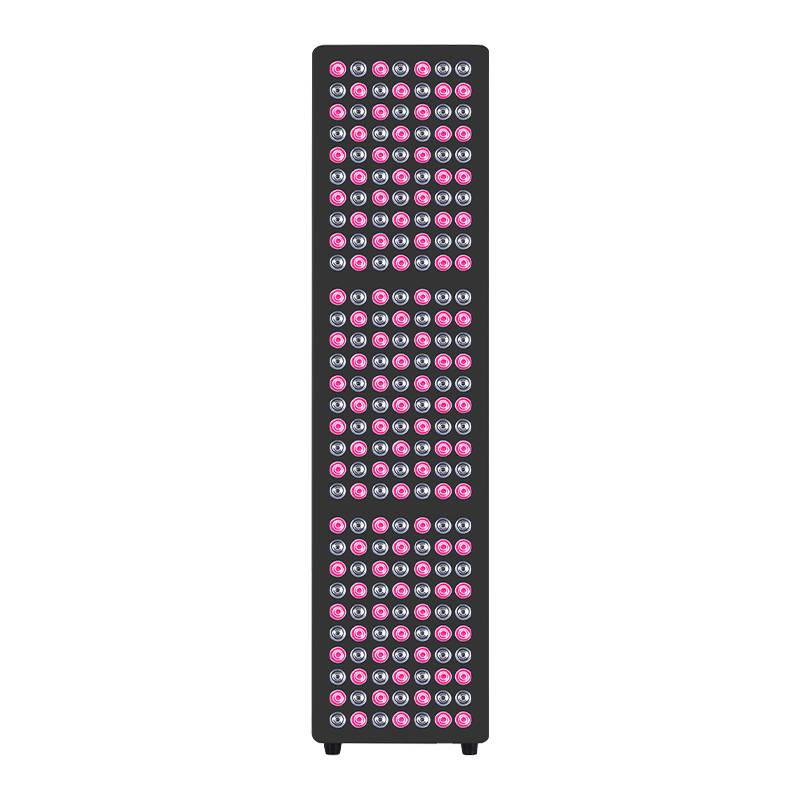
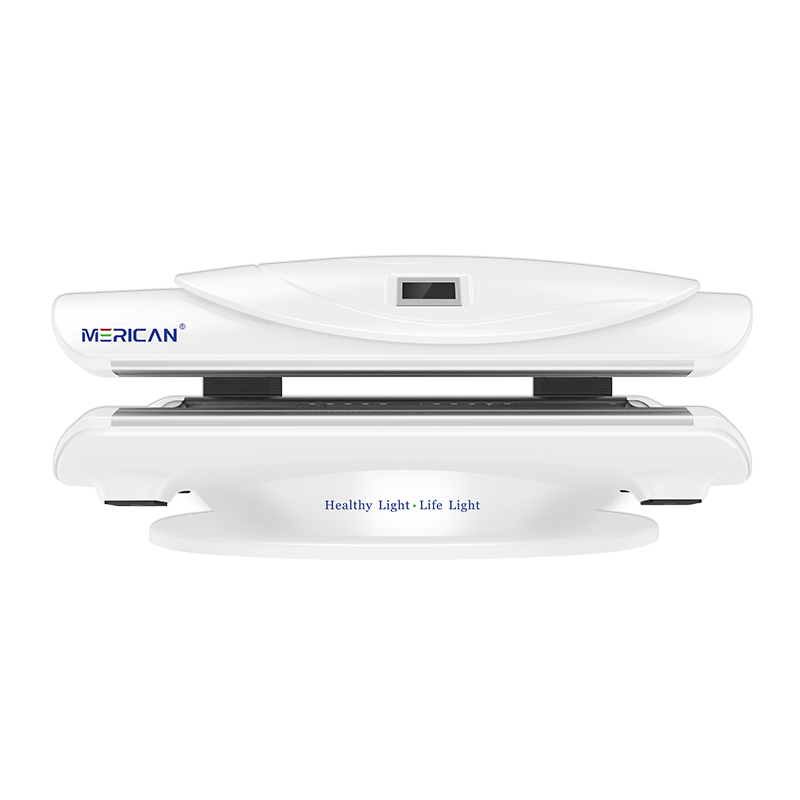
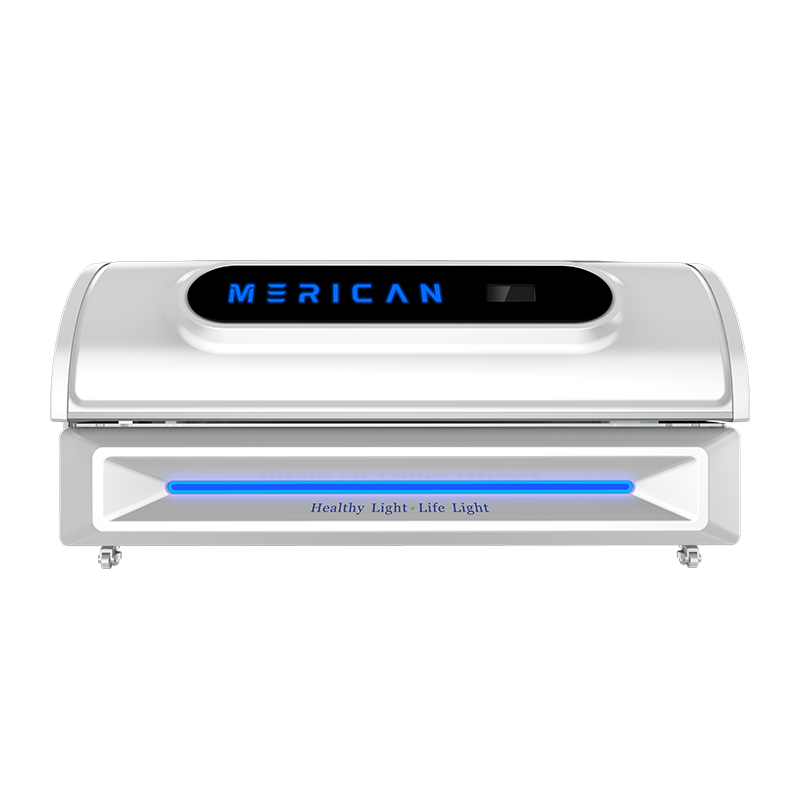
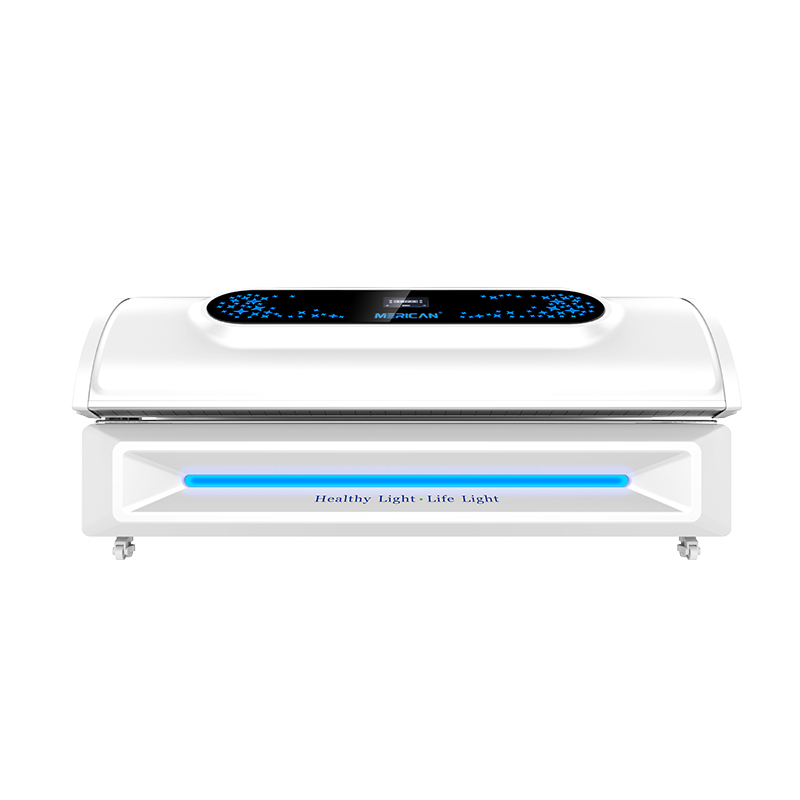
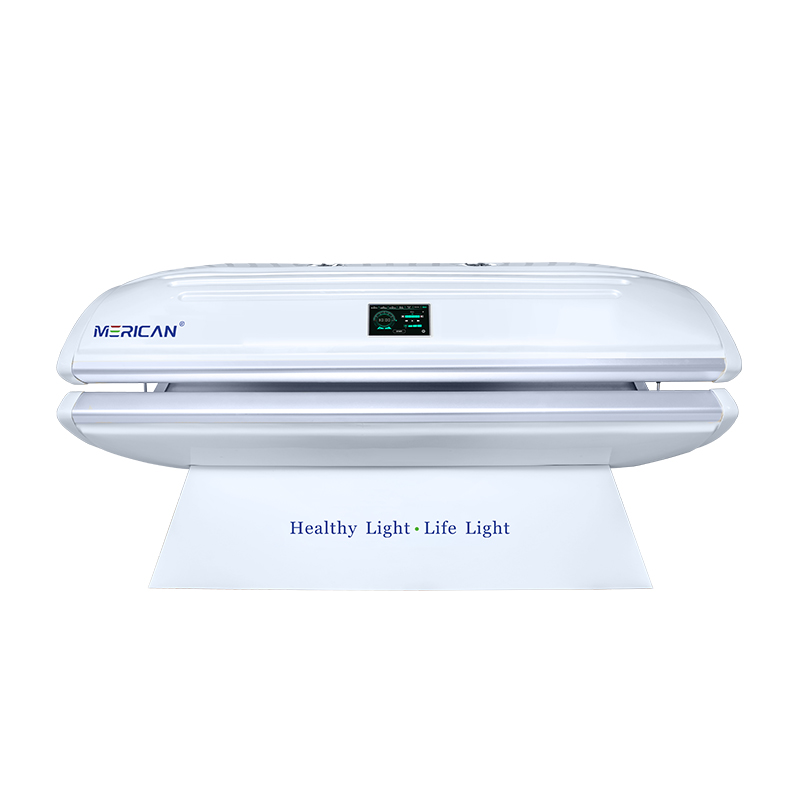
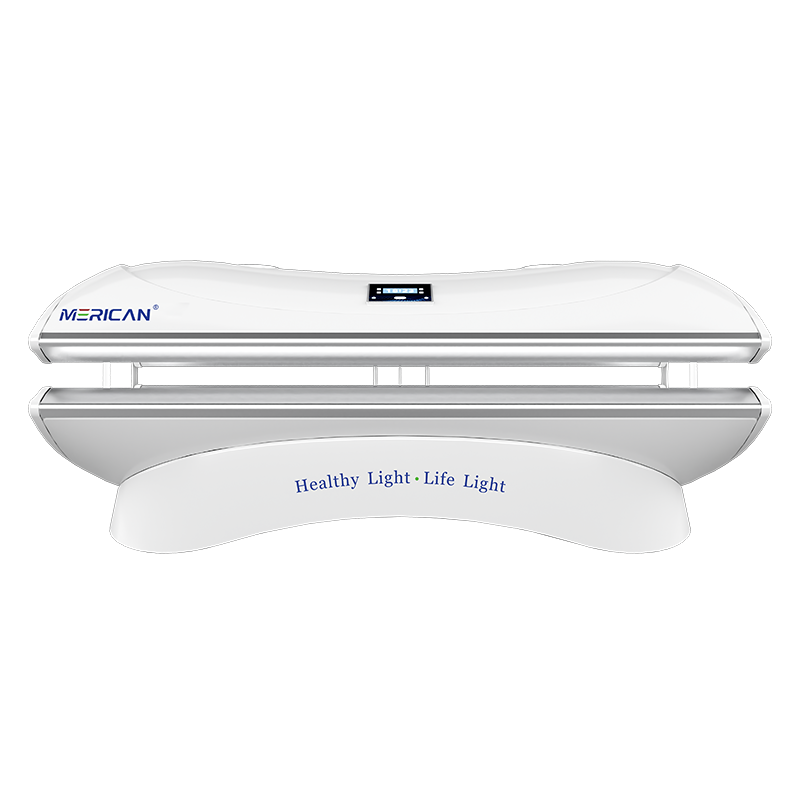
Whole-body red light therapy beds provide até, full-body exposure, which may help support:
- Nervous system relaxation
- Physical fatigue recovery
- Overall energy balance
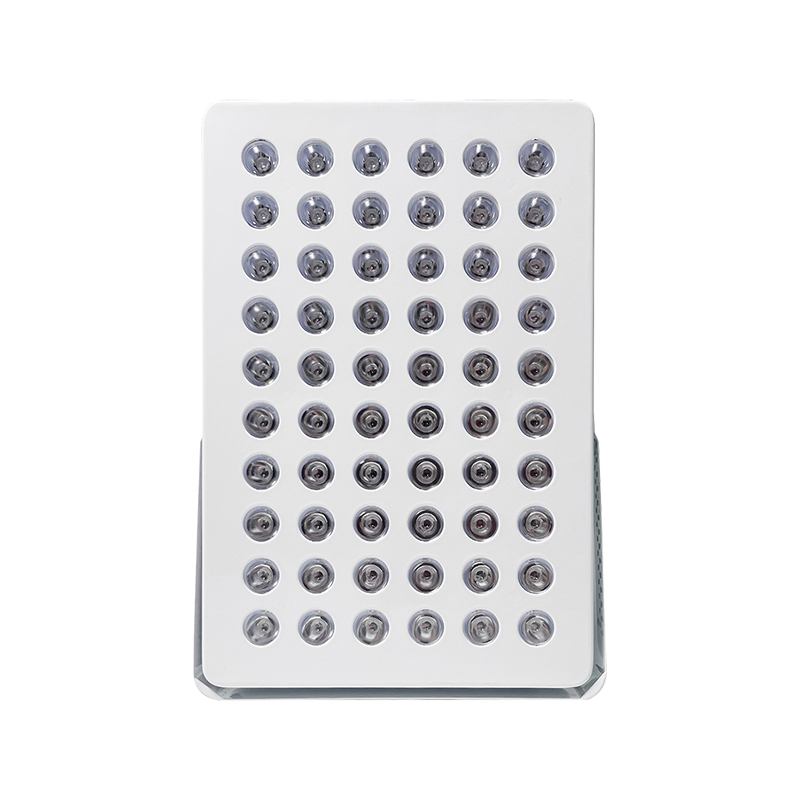
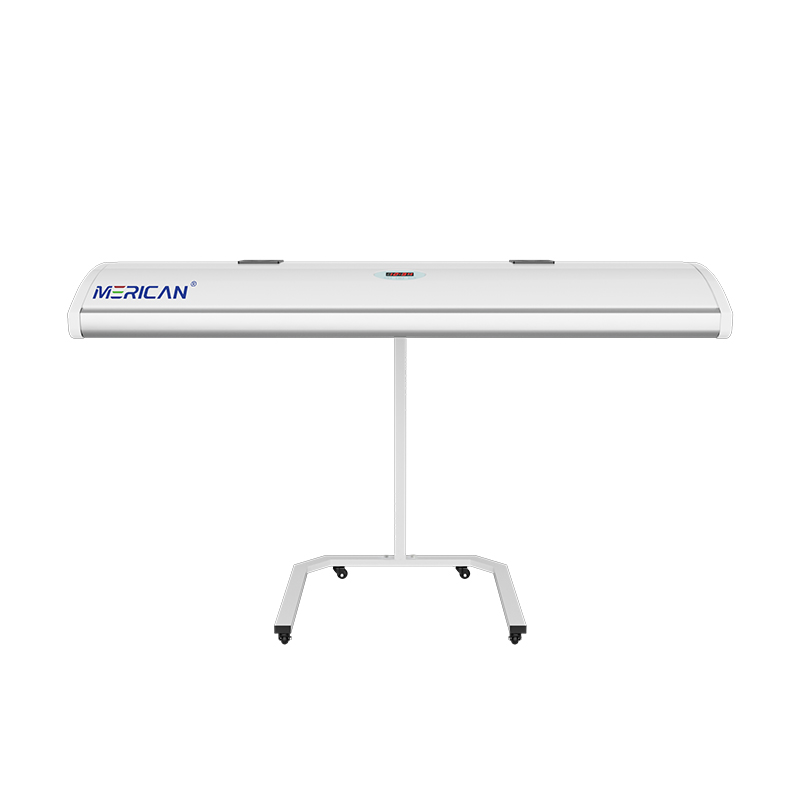
Because depression often coexists with chronic pain, tensão muscular, and sleep disturbances, whole-body exposure may offer broader wellness benefits compared to localized devices.
Perguntas frequentes 8: How often should red light therapy be used for mood support?
Usage varies depending on the device and intensity, but general wellness guidelines often suggest:
- 3–5 sessões por semana
- 10–20 minutos por sessão
Consistency is more important than intensity. Overuse does not necessarily produce better results.
Perguntas frequentes 9: Quem deve evitar a terapia da luz vermelha?
Red light therapy may not be suitable for:
- Indivíduos com condições fotossensíveis
- Those taking photosensitizing medications
- People with unmanaged psychiatric conditions without medical supervision
Professional guidance is always recommended in these cases.
Perguntas frequentes 10: Is red light therapy clinically proven for depression?
Atualmente, terapia de luz vermelha é not clinically approved as a medical treatment for depression. It is best described as an emerging, research-supported wellness technology with potential mood-supportive benefits.
Takeaway final
Red light therapy offers a promising, non-invasive approach to supporting mood, energia, and sleep—key factors linked to depression. While it is not a cure or replacement for medical treatment, it may play a valuable role in integrative mental wellness strategies when used responsibly.