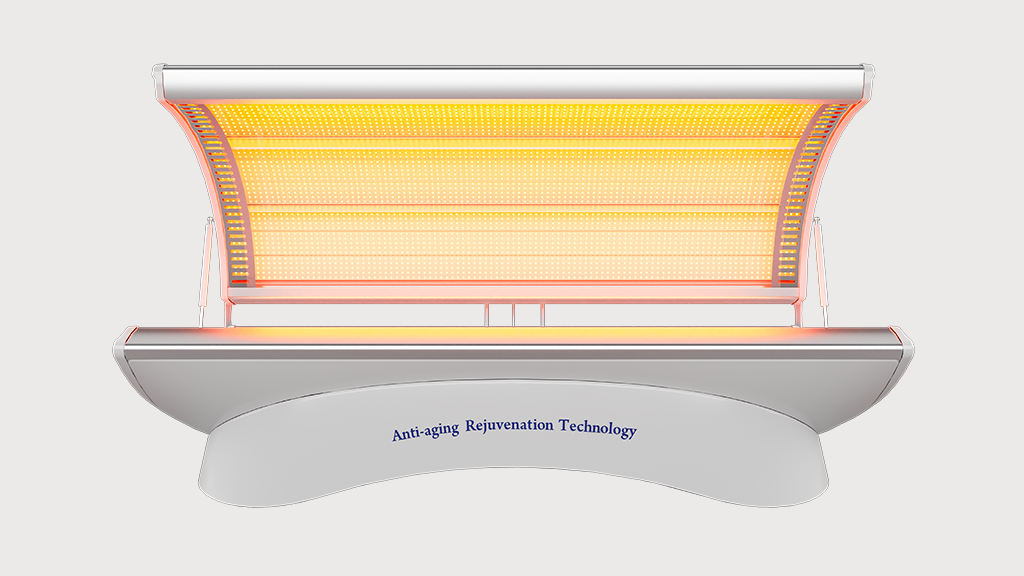
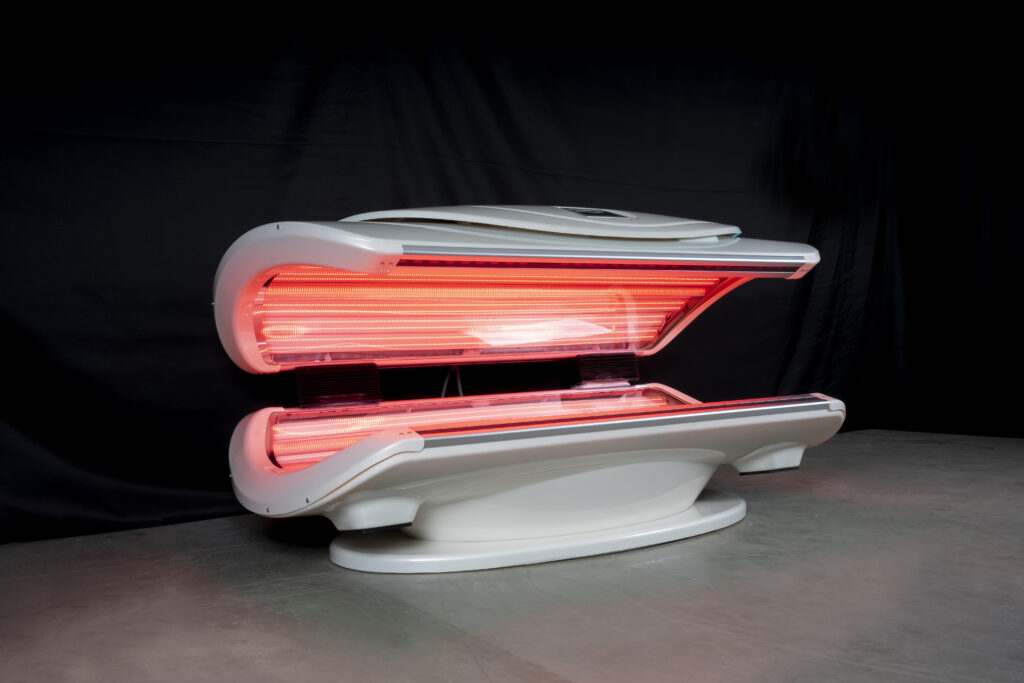
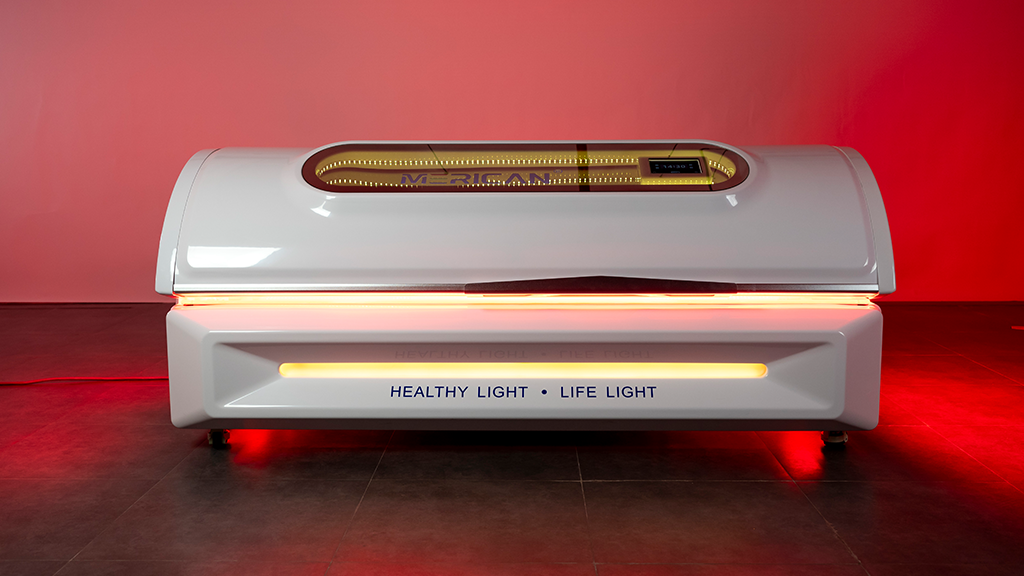
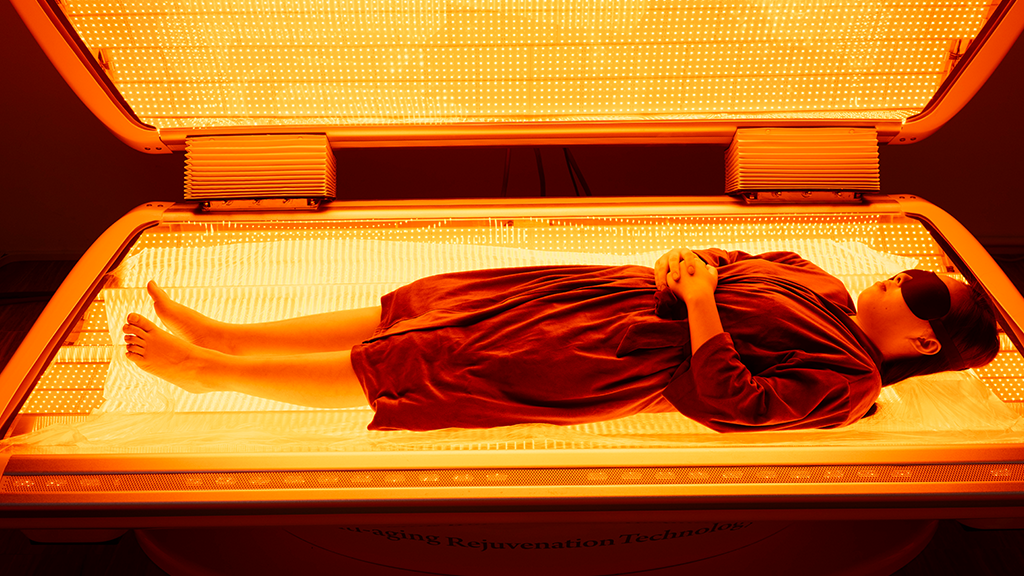
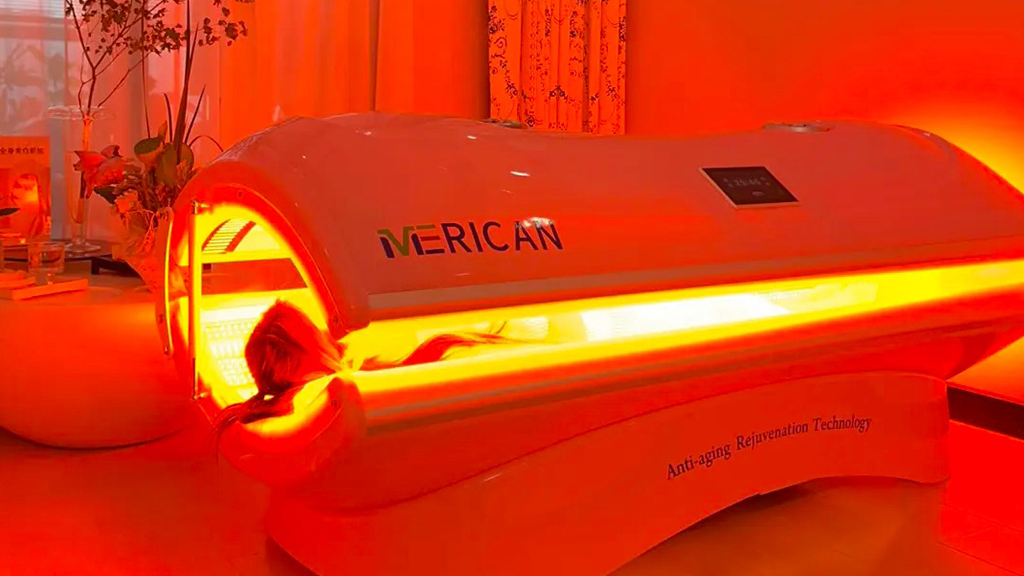
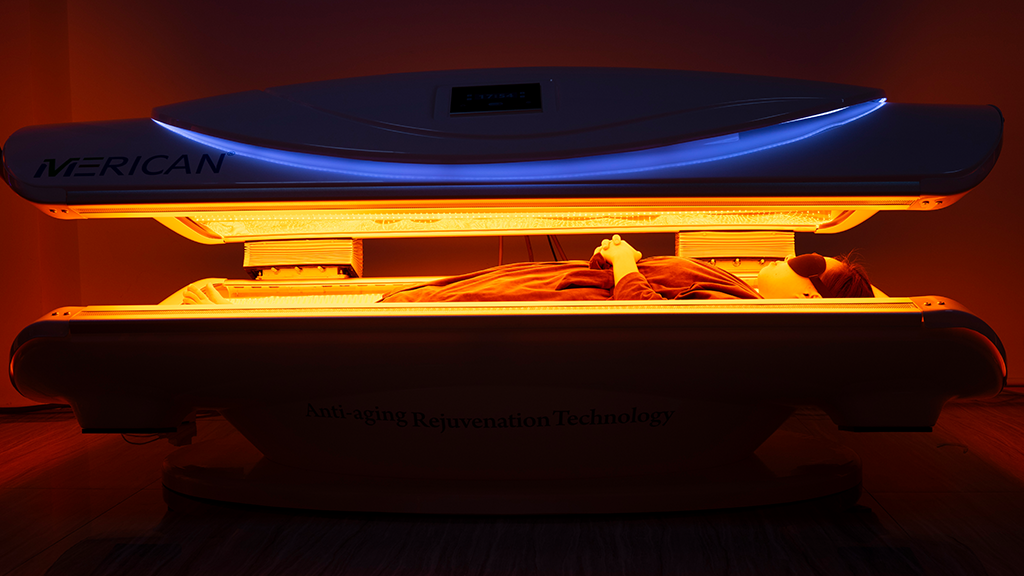
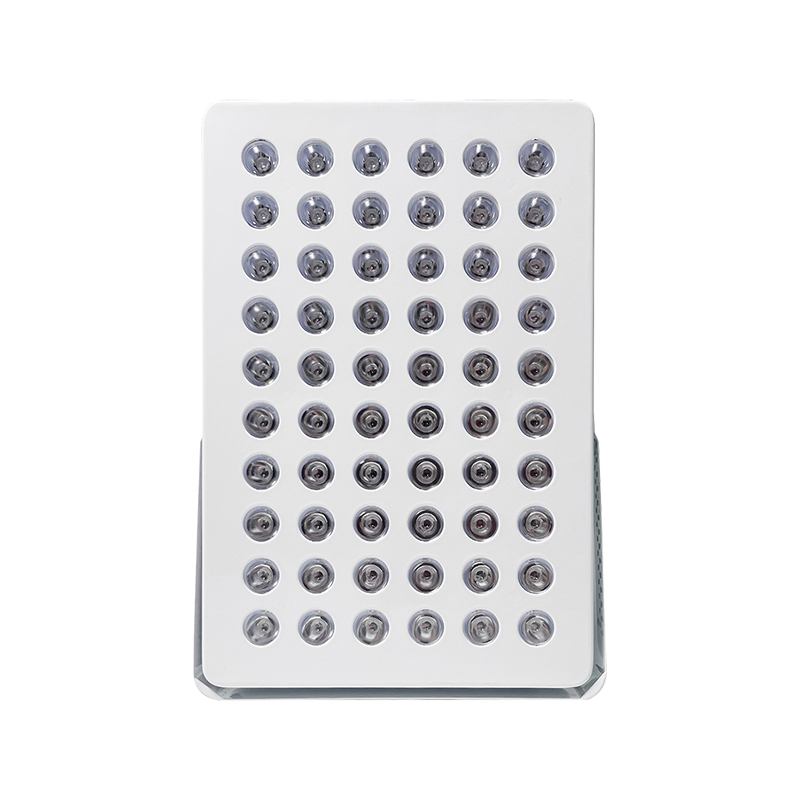
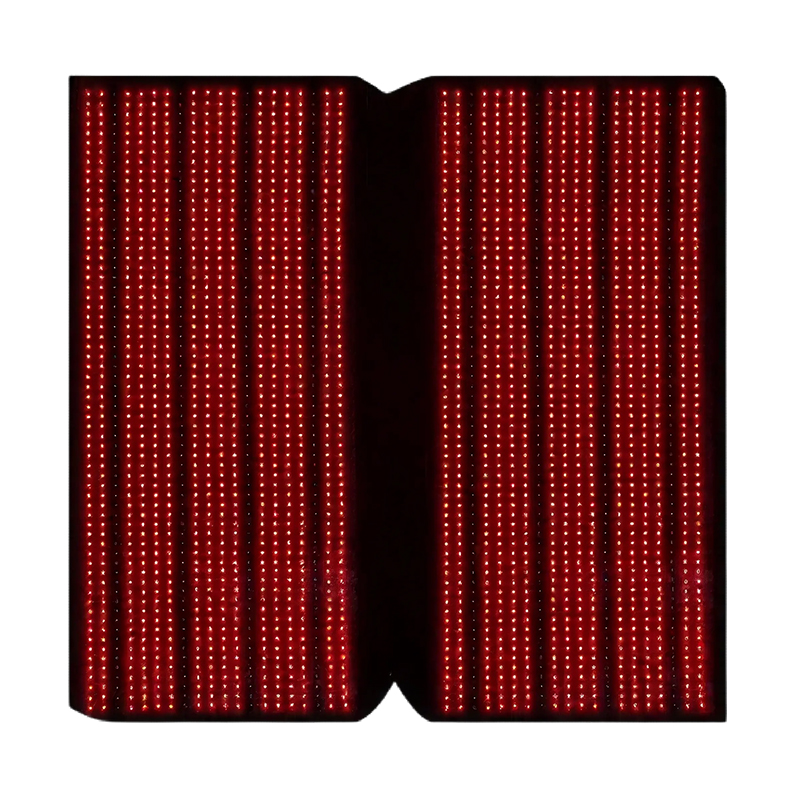
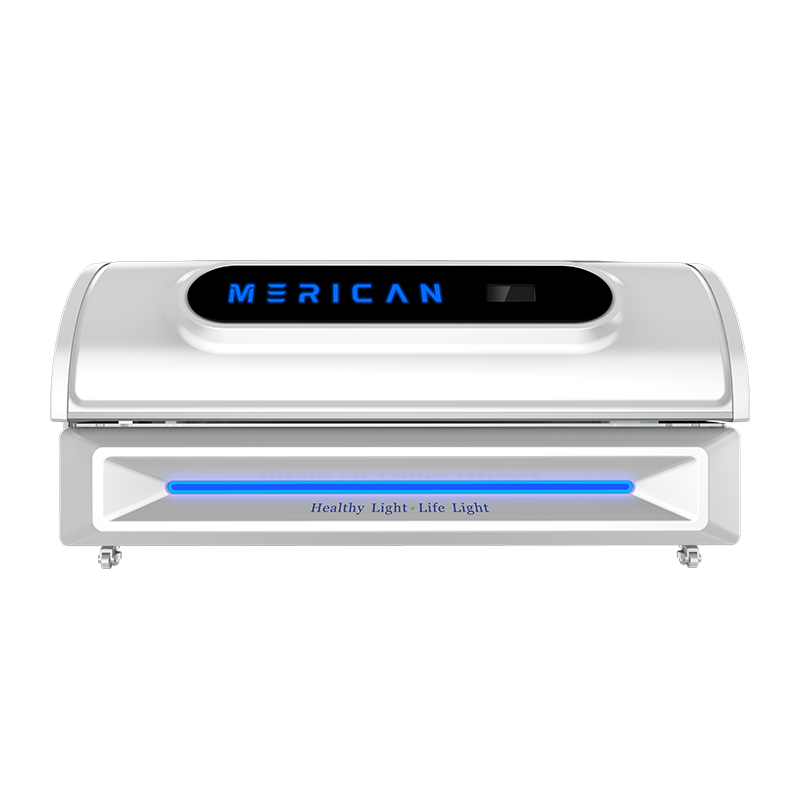
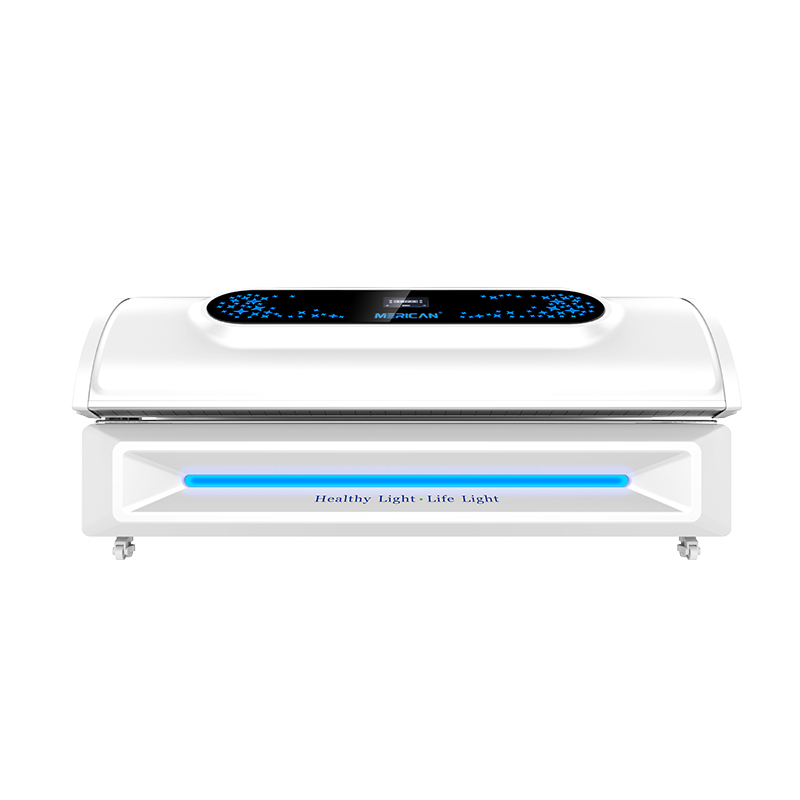
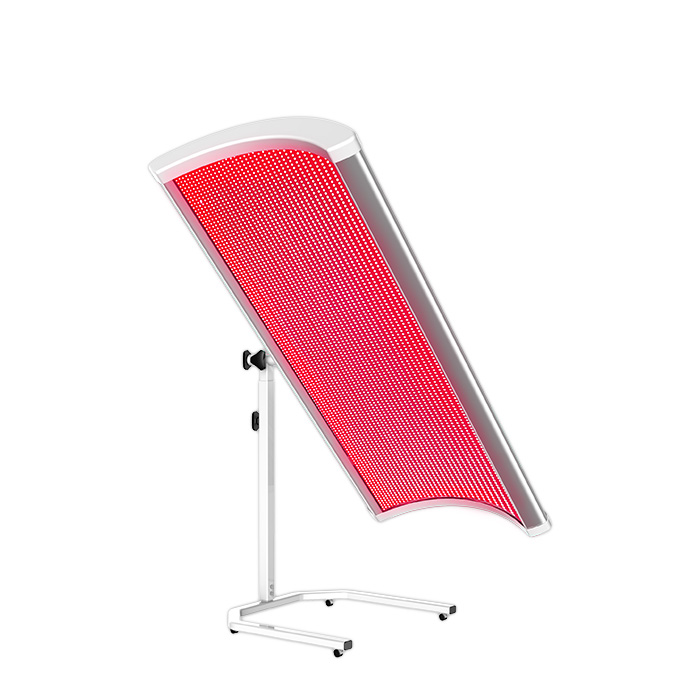
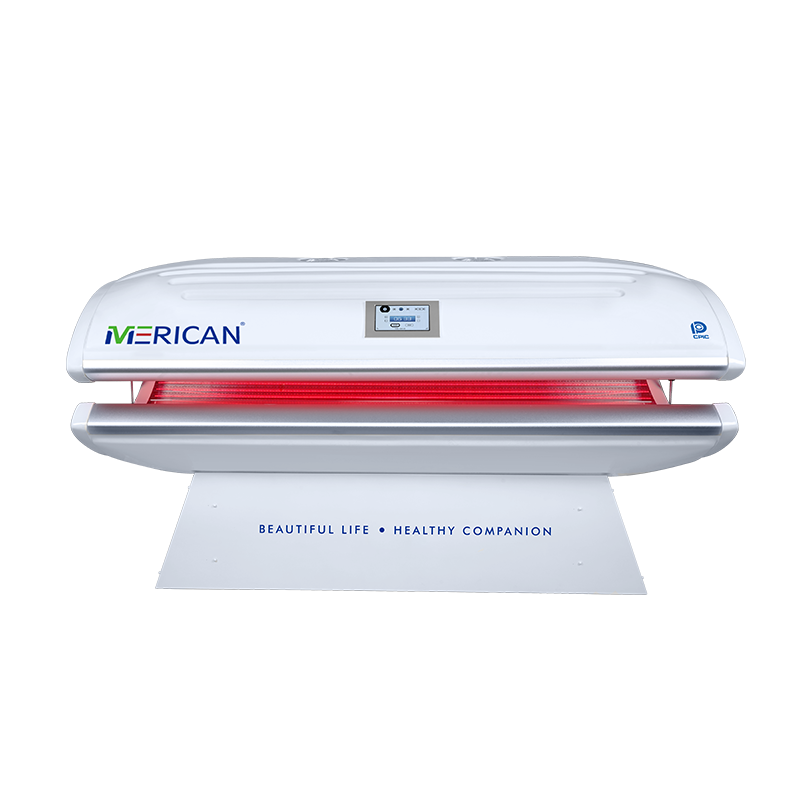
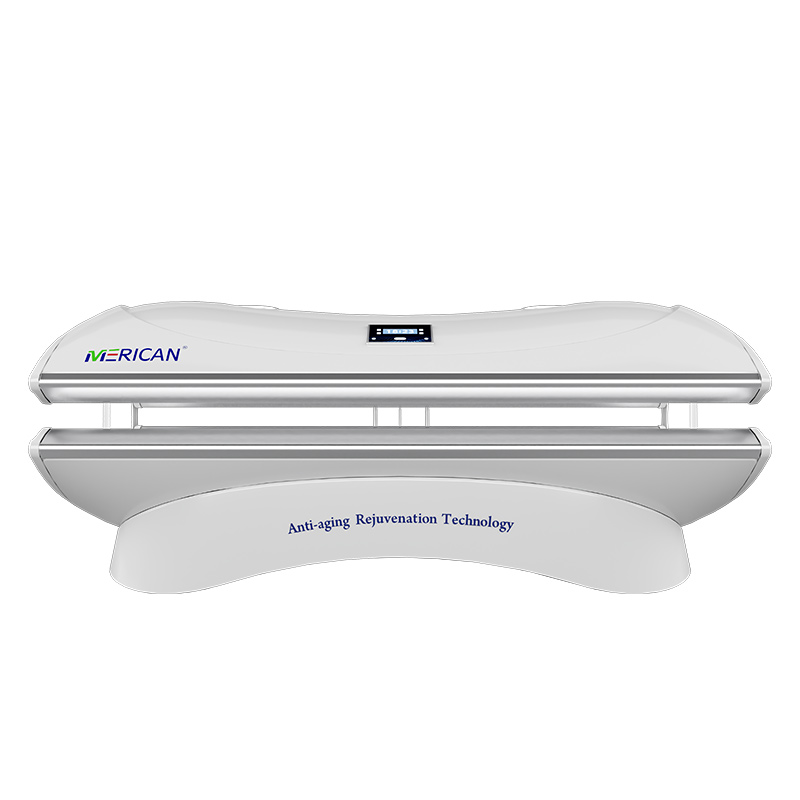
As terapias à base de luz são cada vez mais populares no bem-estar, cuidados com a pele, e manejo da dor. Two common types are Terapia com luz vermelha (Rlt) e terapia infravermelha (TRI). Embora possam parecer semelhantes, eles têm mecanismos diferentes, benefícios, e usos ideais.
Compreendendo a diferença
- Terapia com luz vermelha (Rlt)
- Usos comprimentos de onda de luz vermelha visível (normalmente 630–660 nm).
- Penetra shallow layers of the skin, estimulante colágeno, elastina, e reparo celular.
- Commonly used for:
- Rejuvenescimento da pele
- Reduzindo linhas finas e rugas
- Treating acne and redness
- Improving wound healing
- Terapia infravermelha (TRI)
- Usos comprimentos de onda do infravermelho próximo (cerca de 800–1000nm).
- Penetra deeper into tissues and muscles, generating heat and improving circulation.
- Commonly used for:
- Alívio de dores musculares e articulares
- Increasing blood flow and oxygen delivery
- Reduzindo a inflamação
- Promoting relaxation and recovery
Key Differences in Benefits
| Recurso | Terapia com luz vermelha | Terapia infravermelha |
|---|---|---|
| Comprimento de onda | 630–660nm | 800–1000nm |
| Penetration | Superficial (camadas da pele) | Profundo (muscle and joint tissues) |
| Main Effects | Produção de colágeno, skin healing, antienvelhecimento | Alívio da dor, circulação, reparação de tecidos profundos |
| Ideal para | Rejuvenescimento da pele, vermelhidão, rugas | Dor muscular, inflamação das articulações, deep tissue recovery |
Qual é melhor?
- Para problemas de pele: Red light therapy is more effective for improving textura, elasticidade, e linhas finas.
- For pain and deep tissue issues: Infrared therapy is superior for Doridade muscular, dor nas articulações, e circulação.
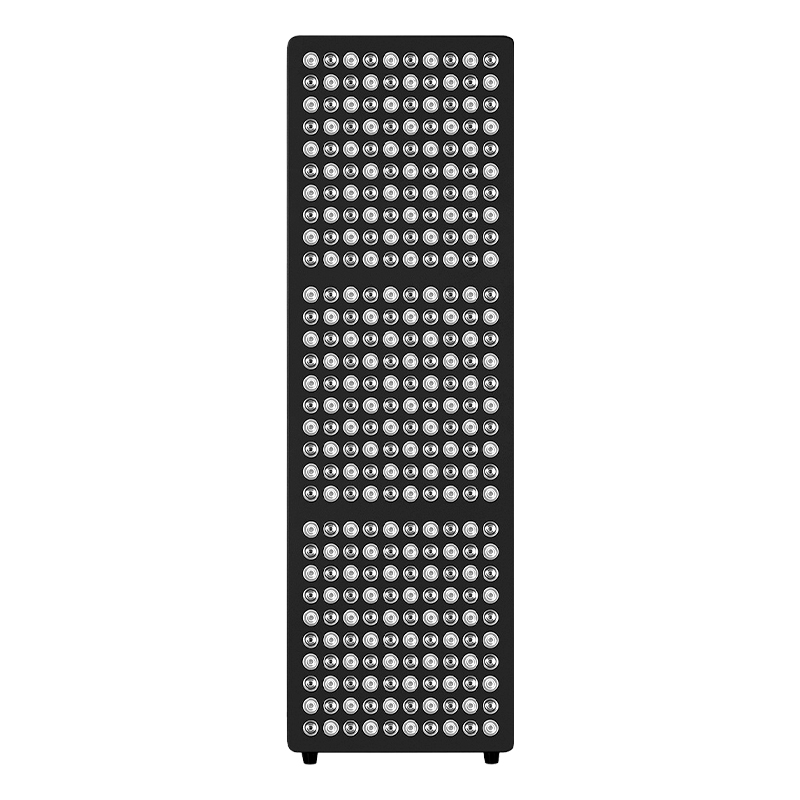
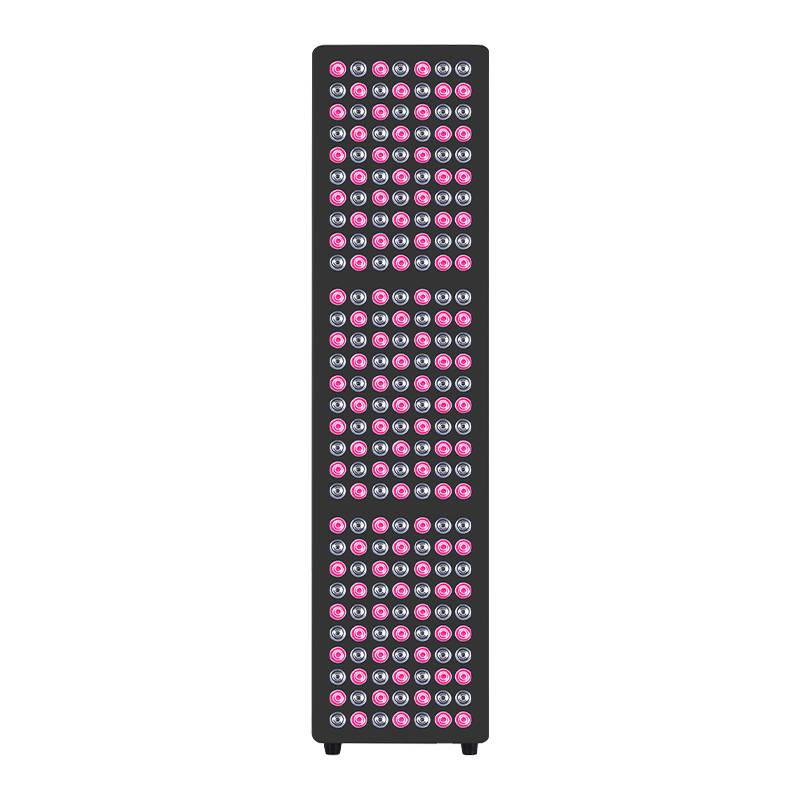
- Combination therapy: Some devices combine red and near-infrared light to address both skin and deep tissue health.
Conclusão
Neither therapy is universally “better”—it depends on your goals. Terapia com luz vermelha excels at skin rejuvenation and superficial healing, enquanto terapia infravermelha is ideal for pain relief and deep tissue repair. For comprehensive wellness, a combined approach may provide the best results.
10 Perguntas frequentes (Perguntas frequentes)
- A terapia da luz vermelha é igual à terapia infravermelha??
Não, a luz vermelha atinge as camadas superficiais da pele, enquanto o infravermelho penetra nos tecidos mais profundos. - Which is better for anti-aging skin benefits?
Red light therapy is more effective for skin firmness, produção de colágeno, and reducing wrinkles. - Which is better for pain relief?
Infrared therapy is more effective for muscle soreness, dor nas articulações, e inflamação. - Posso usar as duas terapias juntas?
Sim, many devices combine red and near-infrared wavelengths for comprehensive benefits. - How often should I use red or infrared therapy?
Typically 3–5 sessions per week, 10–20 minutos cada, depending on the device and goal. - Are these therapies safe?
Sim, both are non-invasive and generally safe, but follow device instructions to avoid overuse. - A terapia infravermelha produz calor?
Sim, near-infrared light penetrates deeply and generates gentle warmth. - Can red light therapy help with inflammation?
Sim, it can reduce superficial inflammation, while infrared targets deeper tissues. - Do I need special equipment for each therapy?
Sim, devices are designed specifically for either red light or infrared light, though some combine both. - How soon can I see results?
Skin improvements may appear after 4–8 weeks with RLT; pain relief from infrared can sometimes be felt immediately or after a few sessions.