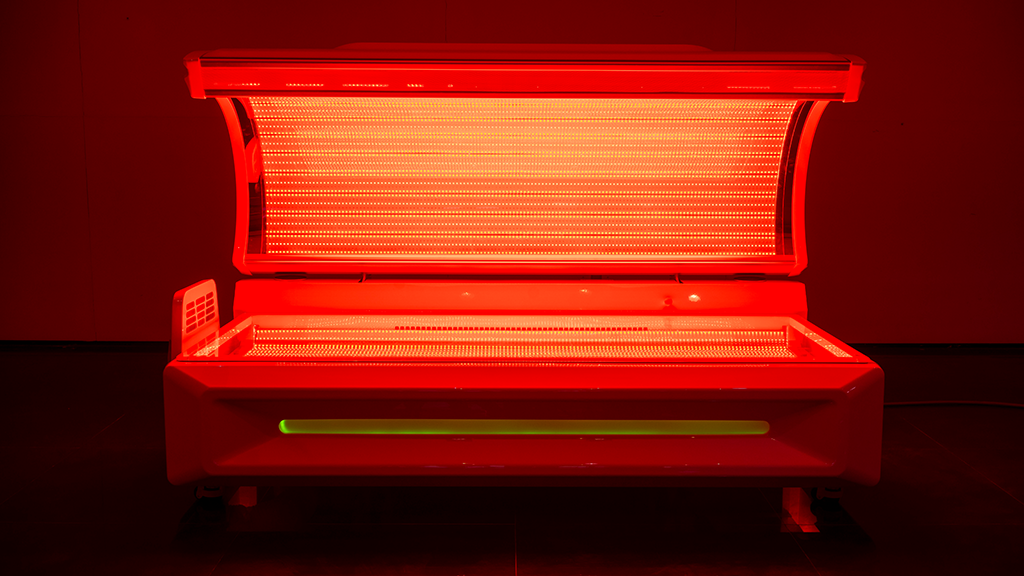
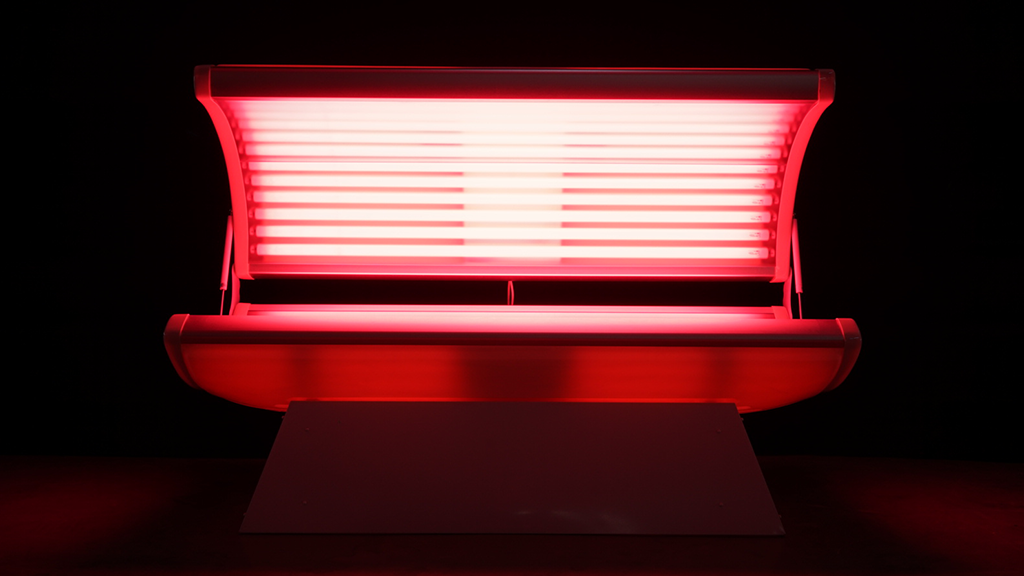
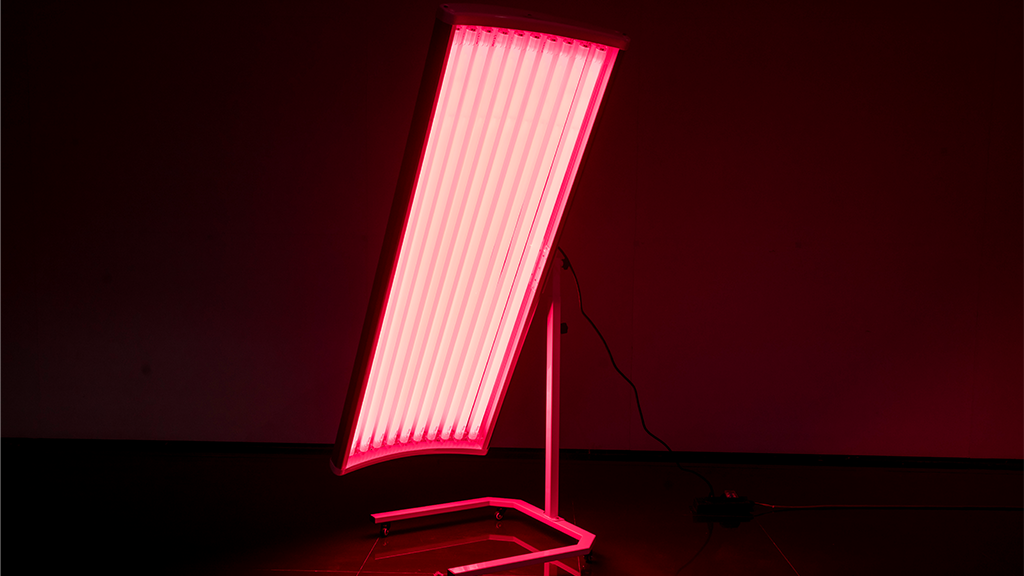
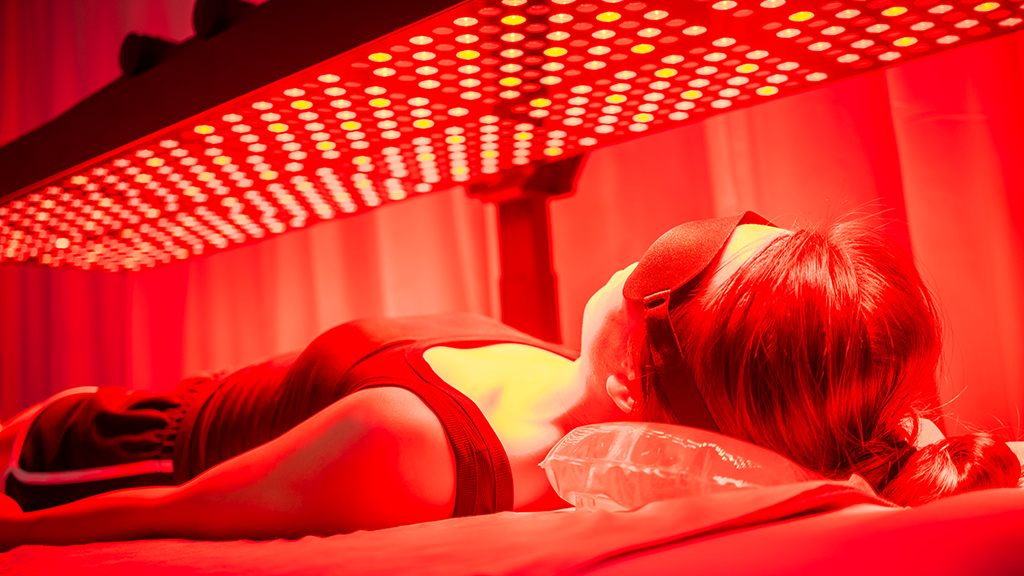
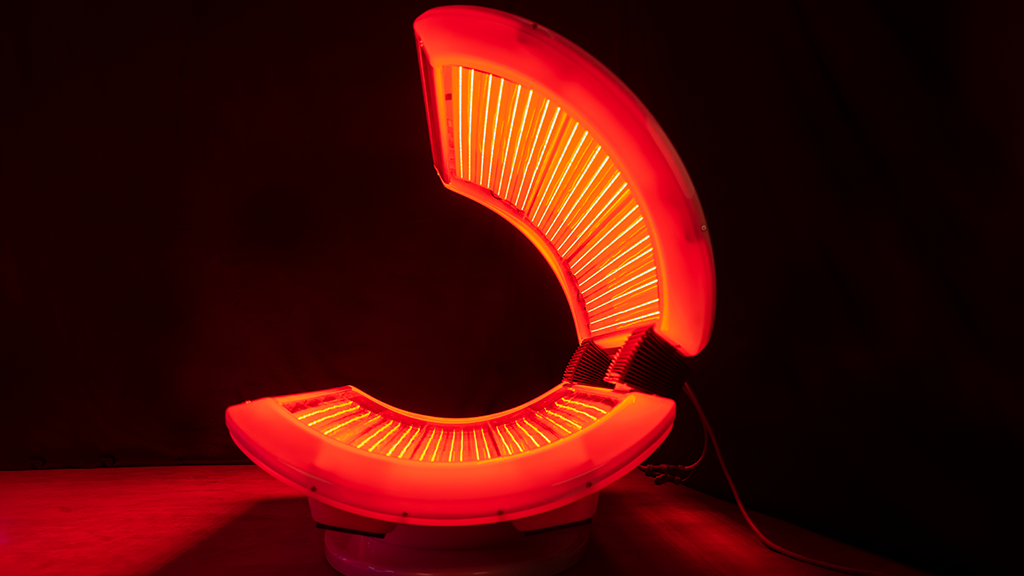
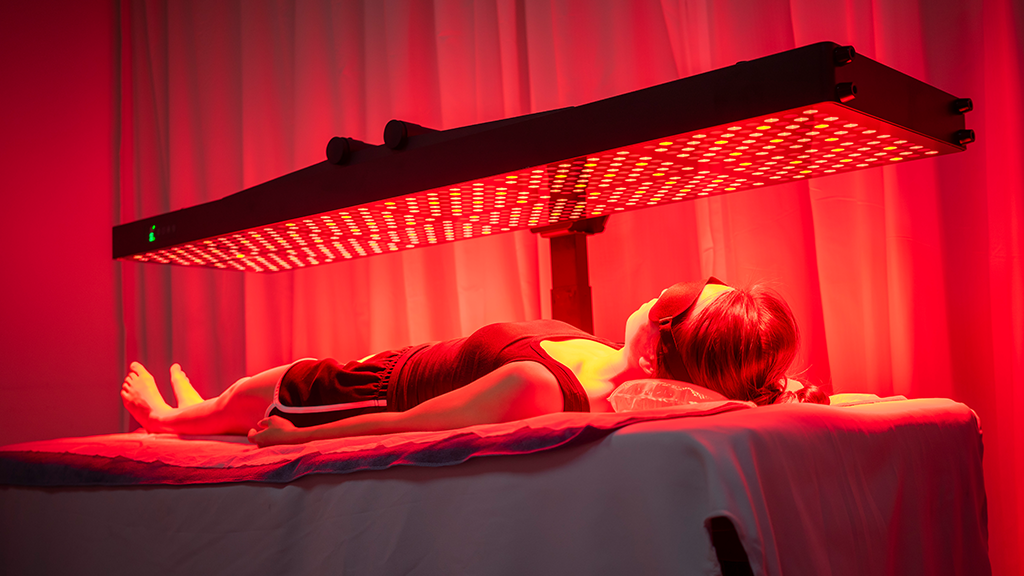
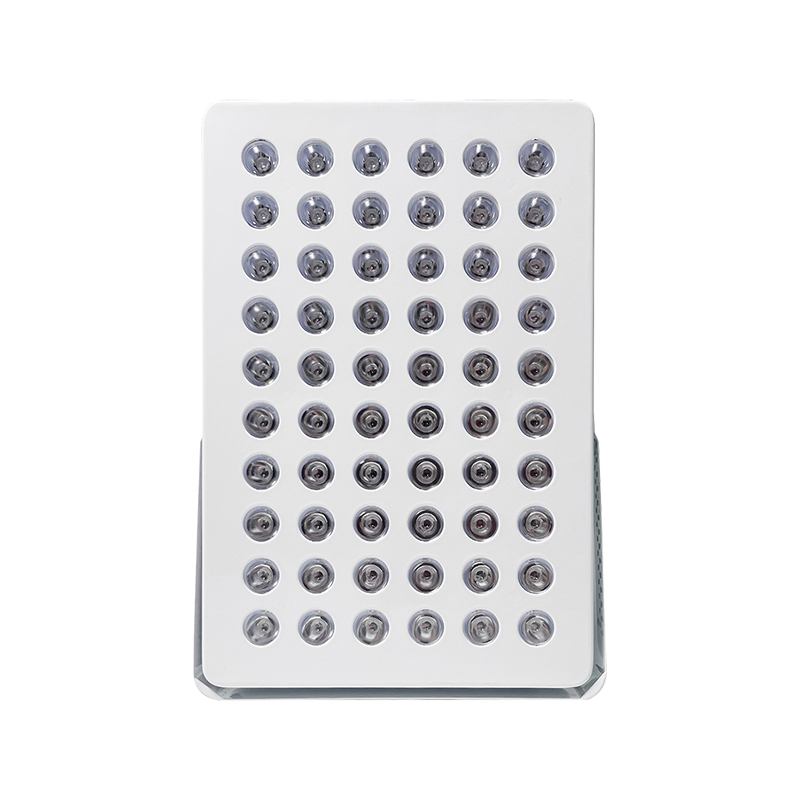
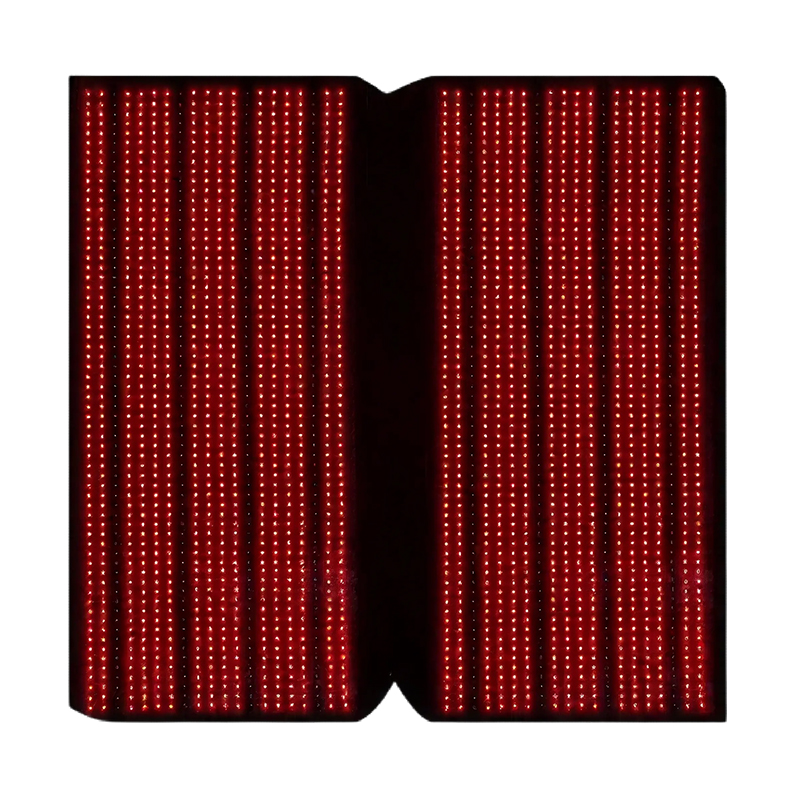
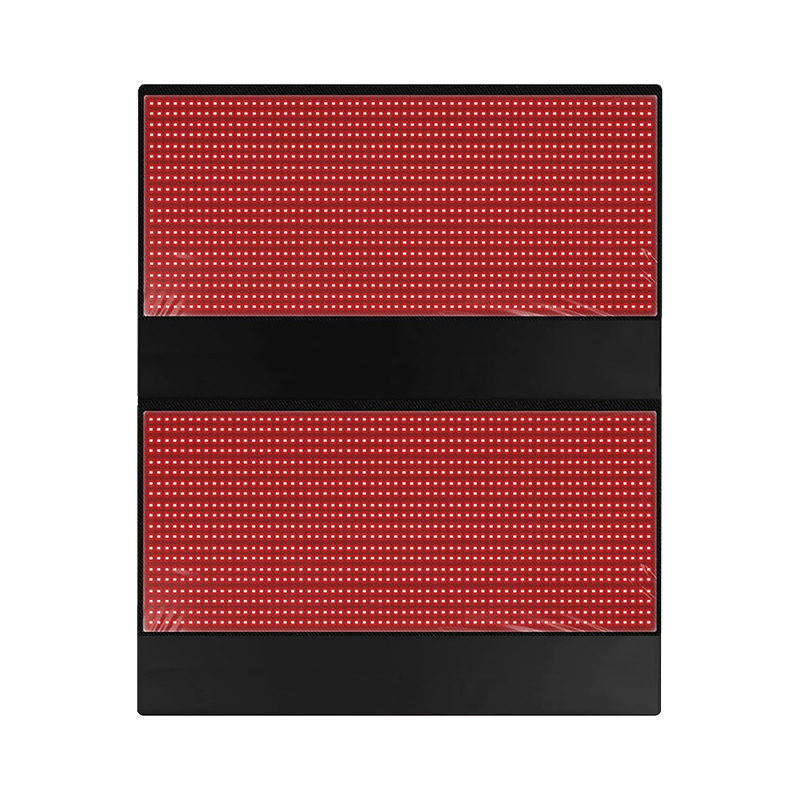
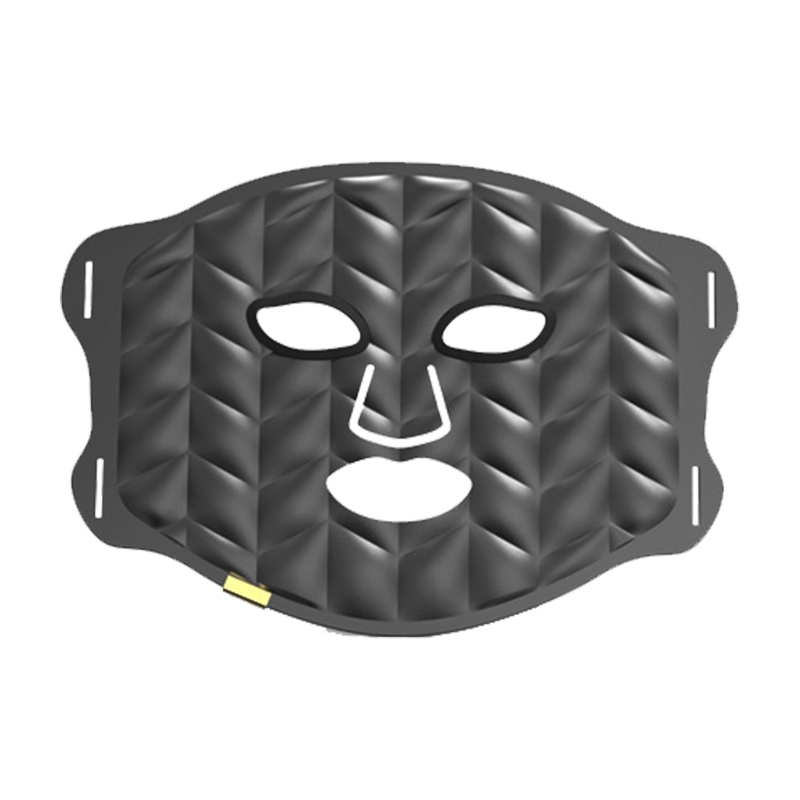
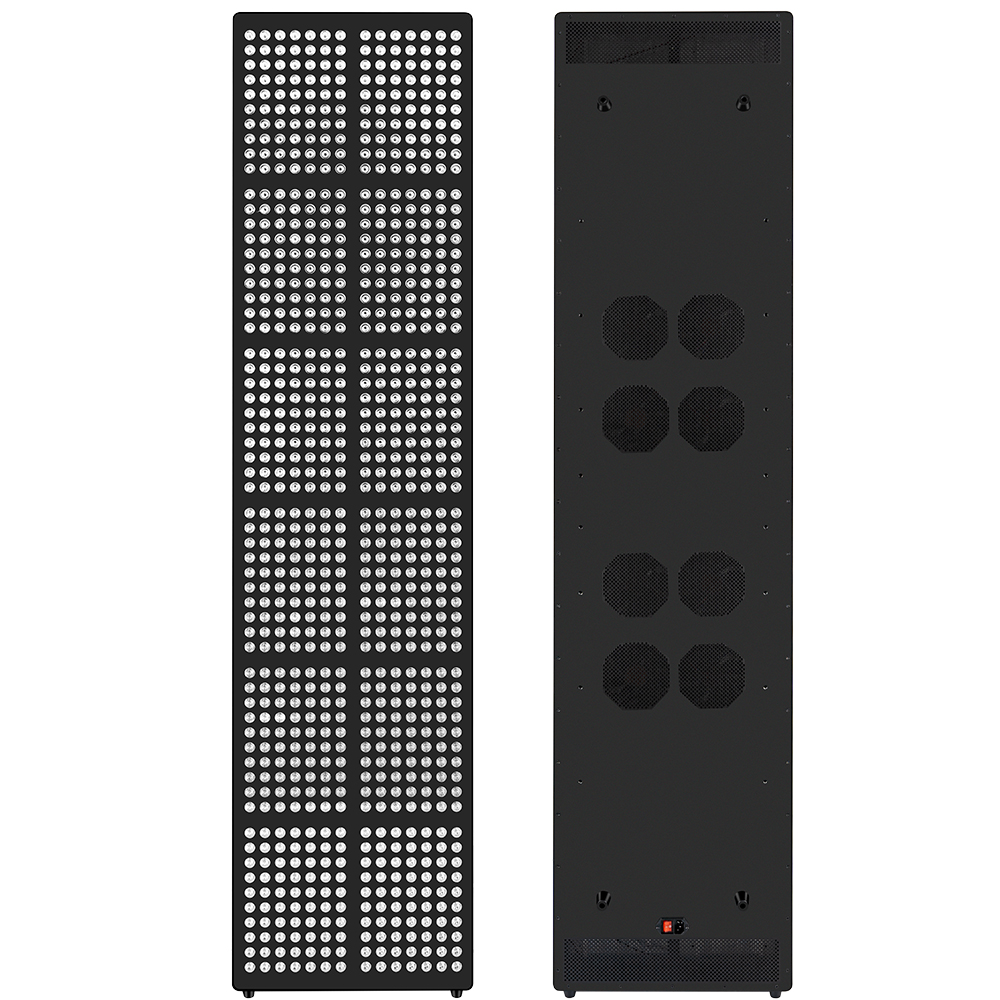
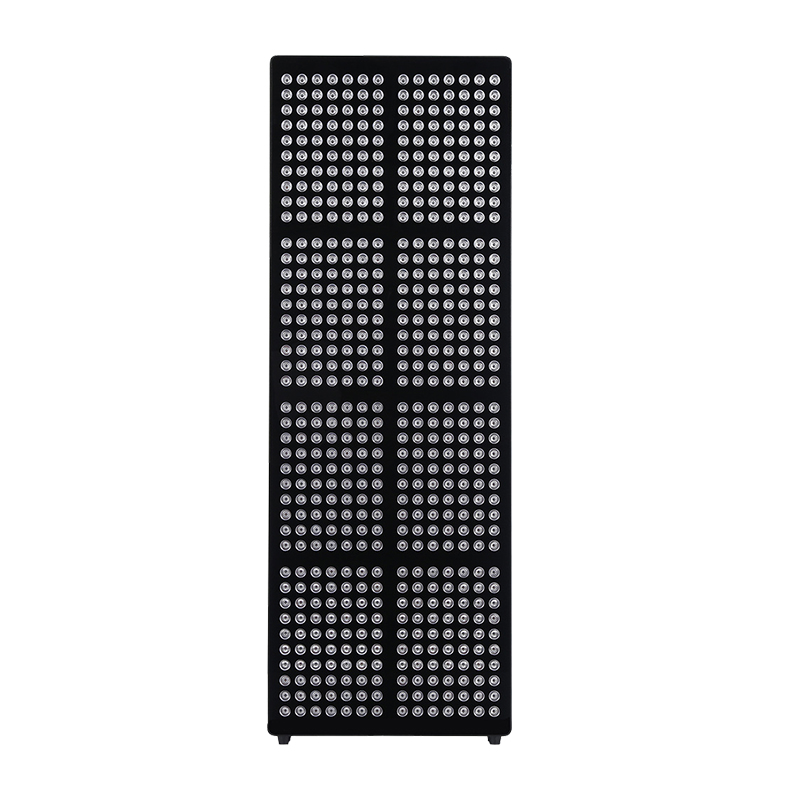
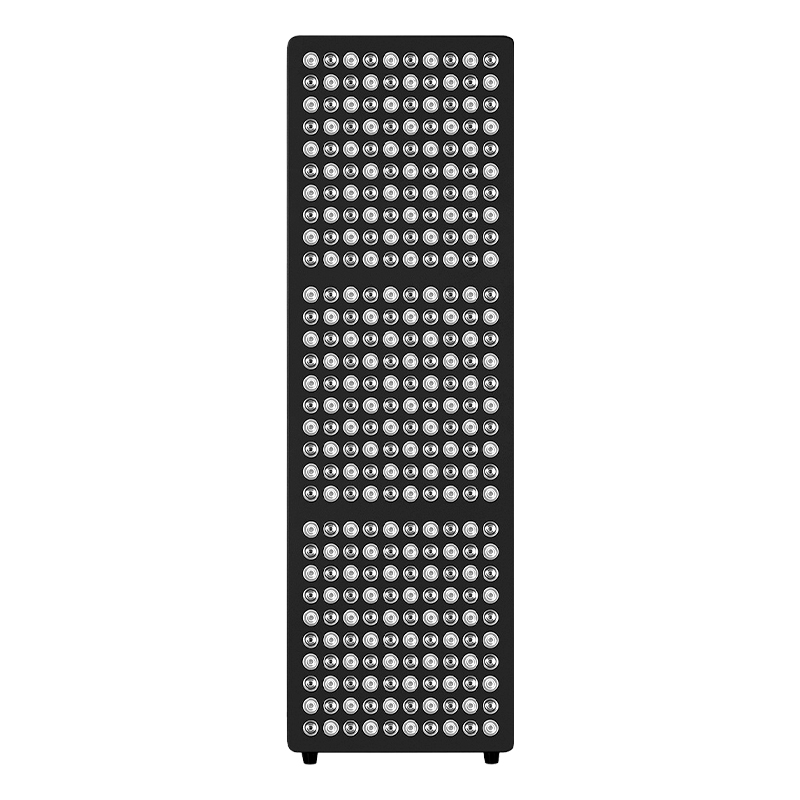
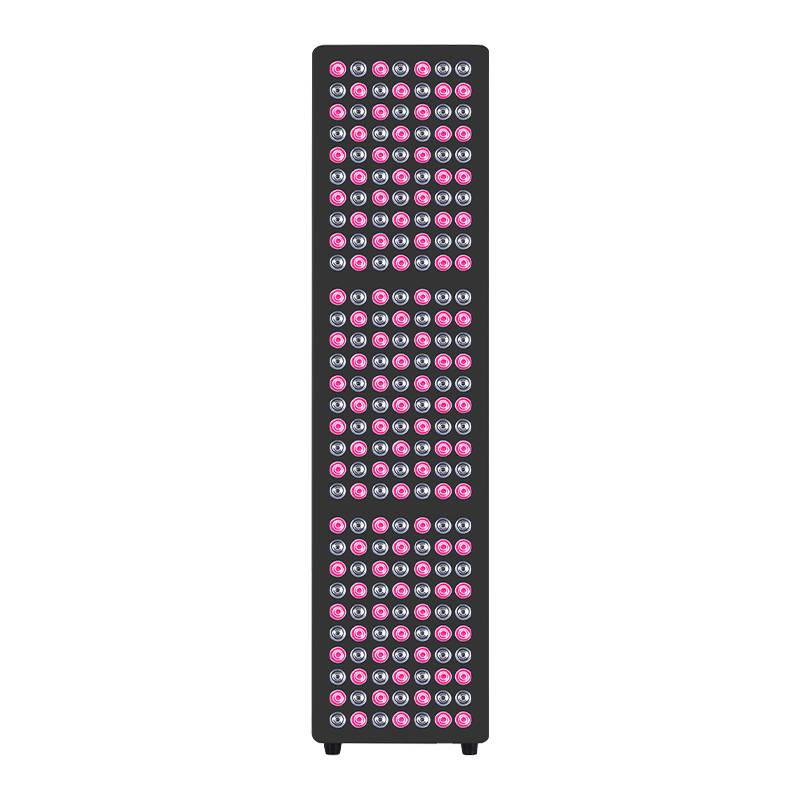
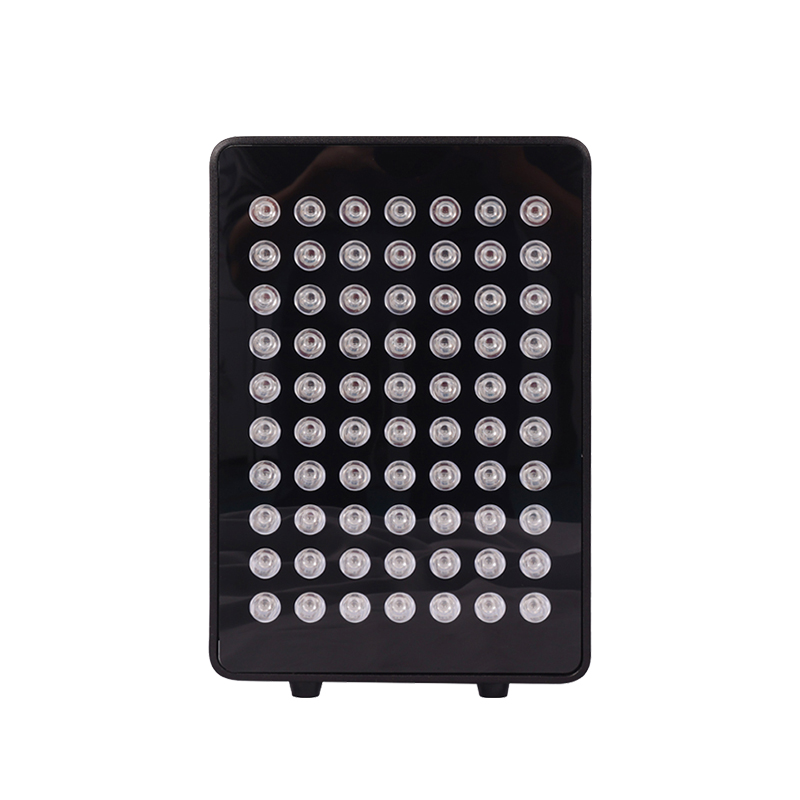
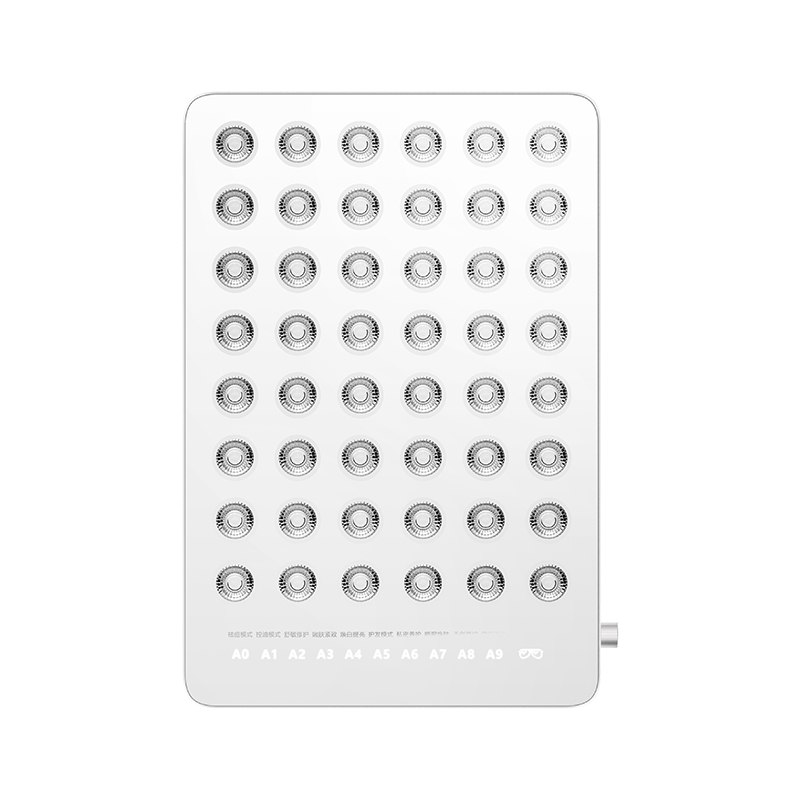
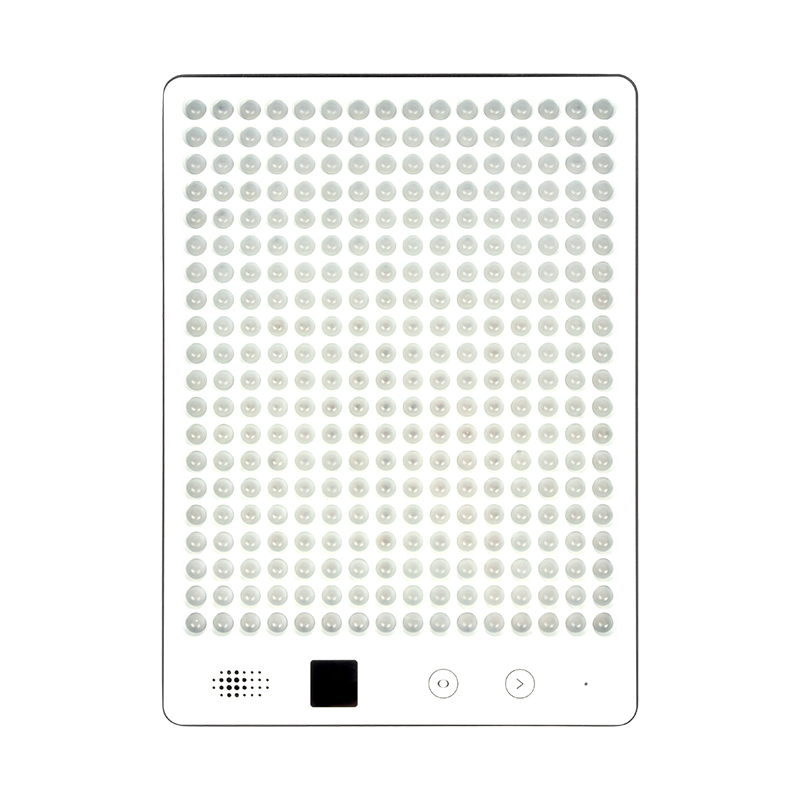
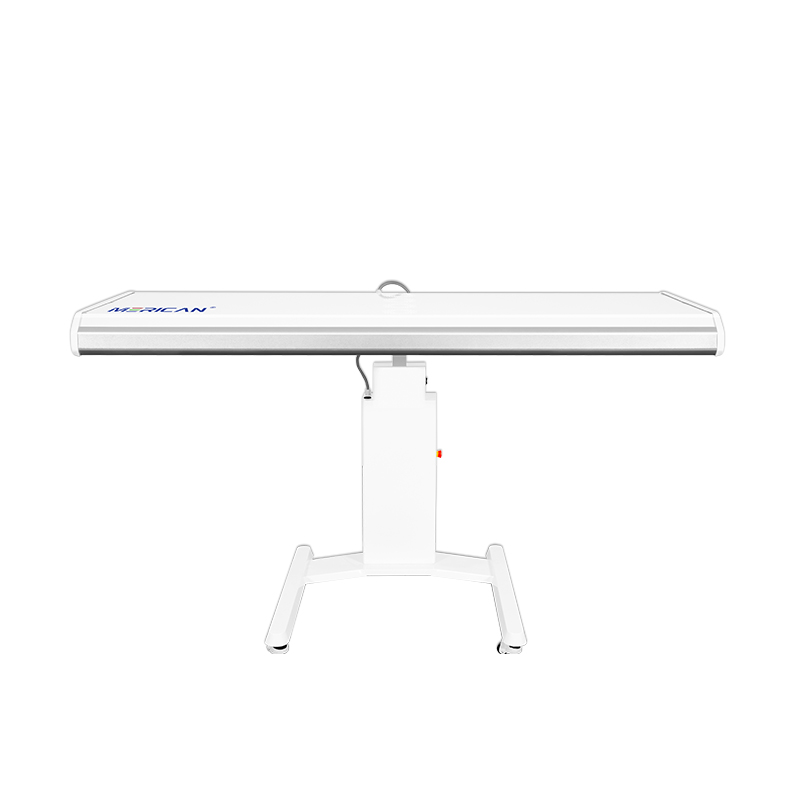
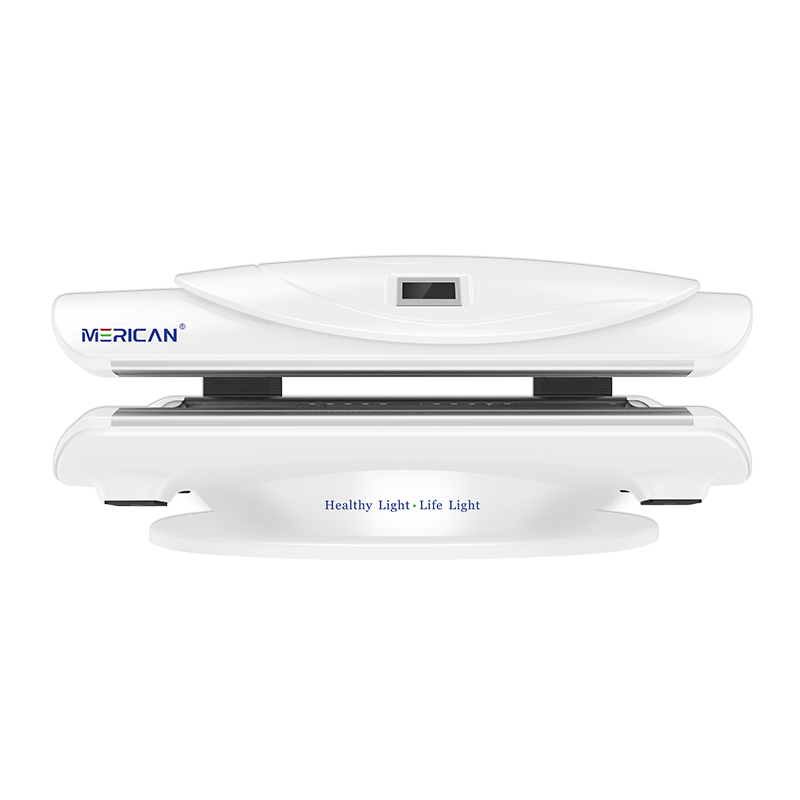
Muitas pessoas perguntam: Que tipo de luz é a terapia da luz vermelha, e isso realmente faz diferença? A resposta é sim—o tipo de luz e o comprimento de onda afetam diretamente a profundidade do tratamento, resultados, e segurança.
1. A terapia da luz vermelha não é apenas “luz vermelha”
Embora o nome sugira uma única cor, a terapia da luz vermelha normalmente combina:
- Luz LED vermelha (em volta 630 nm & 660 nm)
- Luz LED infravermelha próxima (em volta 850 nm)
Esta combinação permite o tratamento de ambos preocupações com a pele ao nível da superfície e desconforto muscular ou articular mais profundo em uma sessão.
2. Por que esses tipos de luz são usados em vez de UV
Ao contrário das camas de bronzeamento tradicionais que emitem luz UV para estimular a melanina, dispositivos de terapia de luz vermelha:
- Fazer não escurecer a pele
- Fazer não danificar o ADN
- São comumente usados para o bem-estar, recuperação, e suporte estético
É por isso que muitos centros de bem-estar modernos oferecem agora camas de terapia de luz vermelha como opção separada ou combinada juntamente com serviços de bronzeamento ou spa.
3. Combinando o tipo de luz com os objetivos do tratamento
Diferentes comprimentos de onda servem a propósitos diferentes:
- 630–660nm (Luz Vermelha)
Melhor para:- Melhoria do tom da pele
- Tratamentos antienvelhecimento
- Aplicações faciais e cosméticas
- 850 nm (Luz do infravermelho próximo)
Melhor para:- Recuperação esportiva
- Voltar, articulação, e desconforto muscular
- Programas de bem-estar para todo o corpo
Os sistemas profissionais de corpo inteiro geralmente integram ambos para máxima versatilidade.
4. Camas Profissionais vs.. Dispositivos domésticos
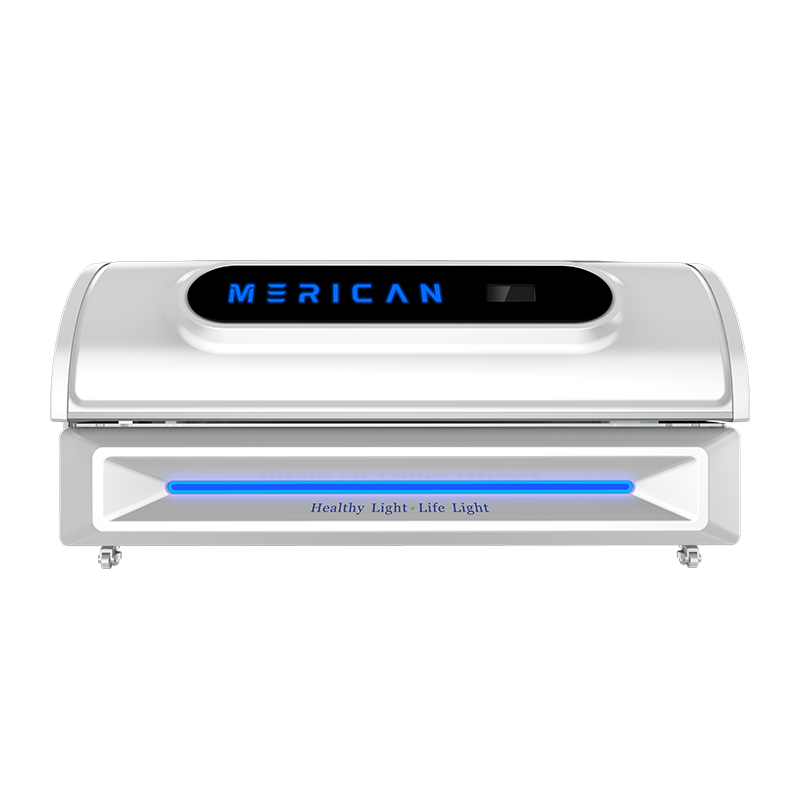
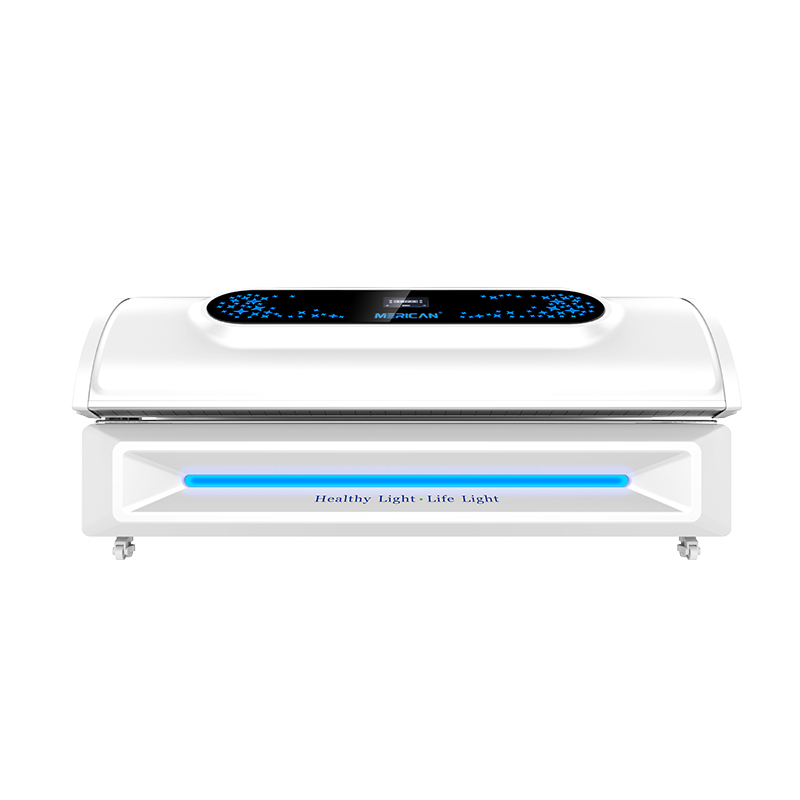
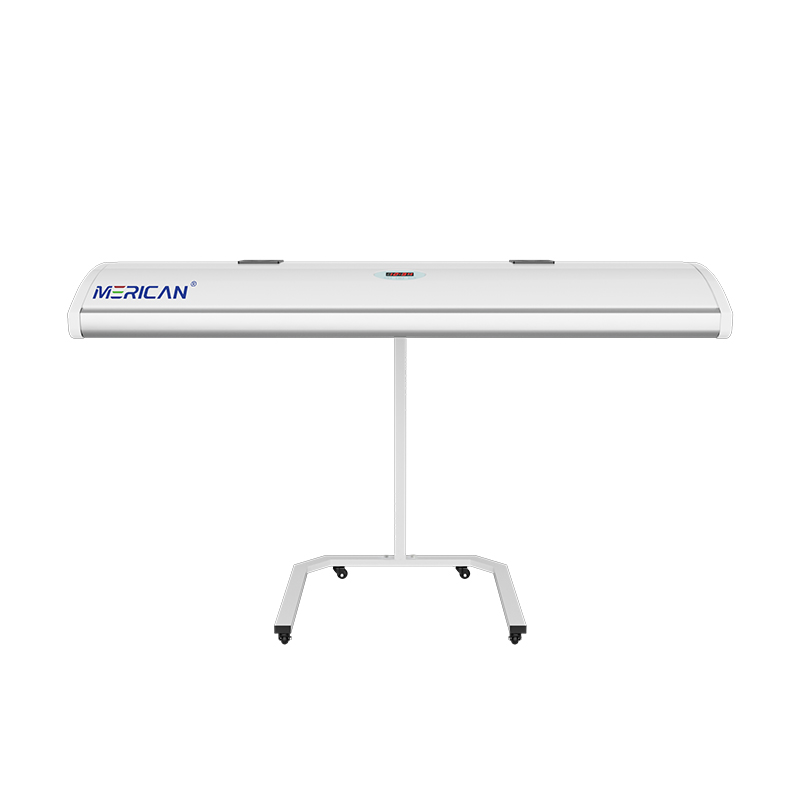
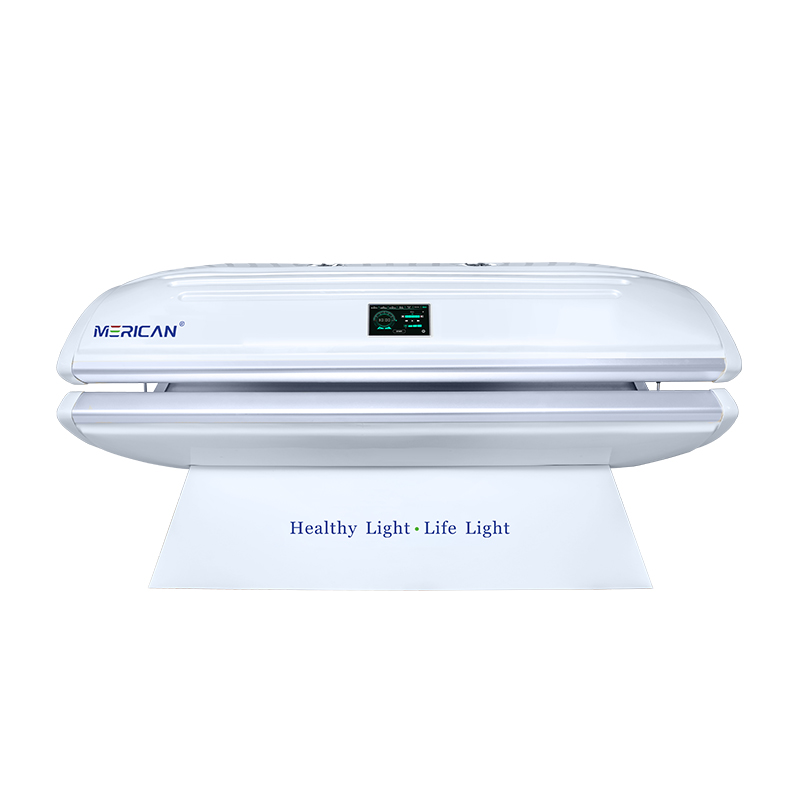
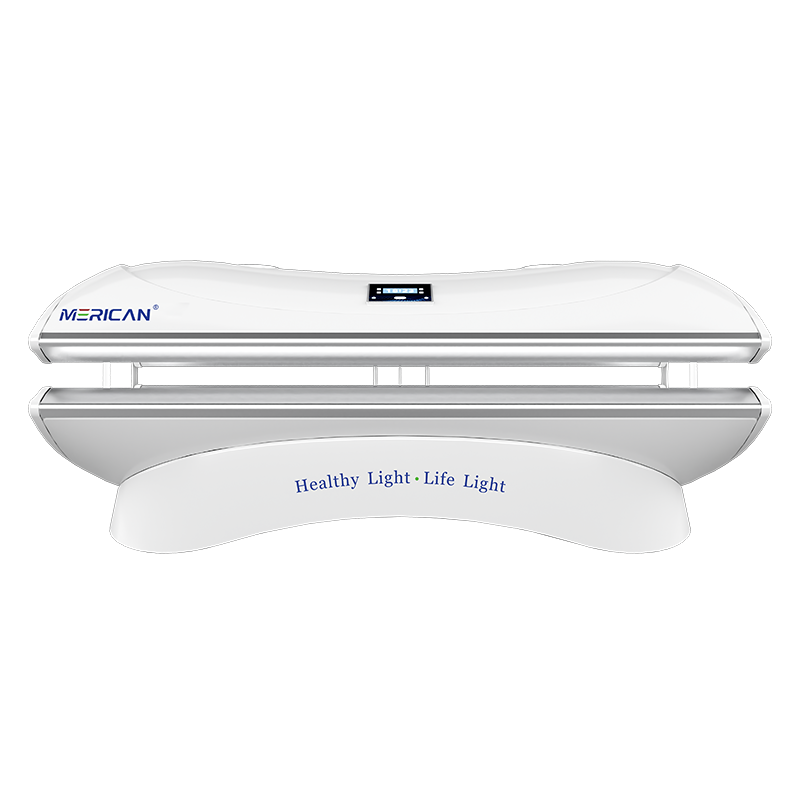
Embora os painéis residenciais geralmente usem o mesmo tipo de luz, camas profissionais de terapia de luz vermelha normalmente oferecem:
- Maior consistência de saída
- Cobertura de corpo inteiro
- Tempos de sessão mais curtos
- LEDs de nível comercial testados quanto à longevidade
Isso os torna adequados para clínicas, academias, centros de bem-estar, e distribuidores que buscam soluções escaláveis.
5. A terapia da luz vermelha é segura??
Porque ele usa luz vermelha não ionizante e luz infravermelha próxima, a terapia da luz vermelha é geralmente considerada segura quando os dispositivos seguem padrões estabelecidos para comprimento de onda e tempo de exposição.
Conclusão
Terapia da luz vermelha usa comprimentos de onda específicos do vermelho e do infravermelho próximo, não é luz UV ou baseada em calor. Escolher o tipo certo de luz – e o dispositivo certo – desempenha um papel fundamental na obtenção de resultados consistentes., resultados eficazes para uso pessoal e profissional.