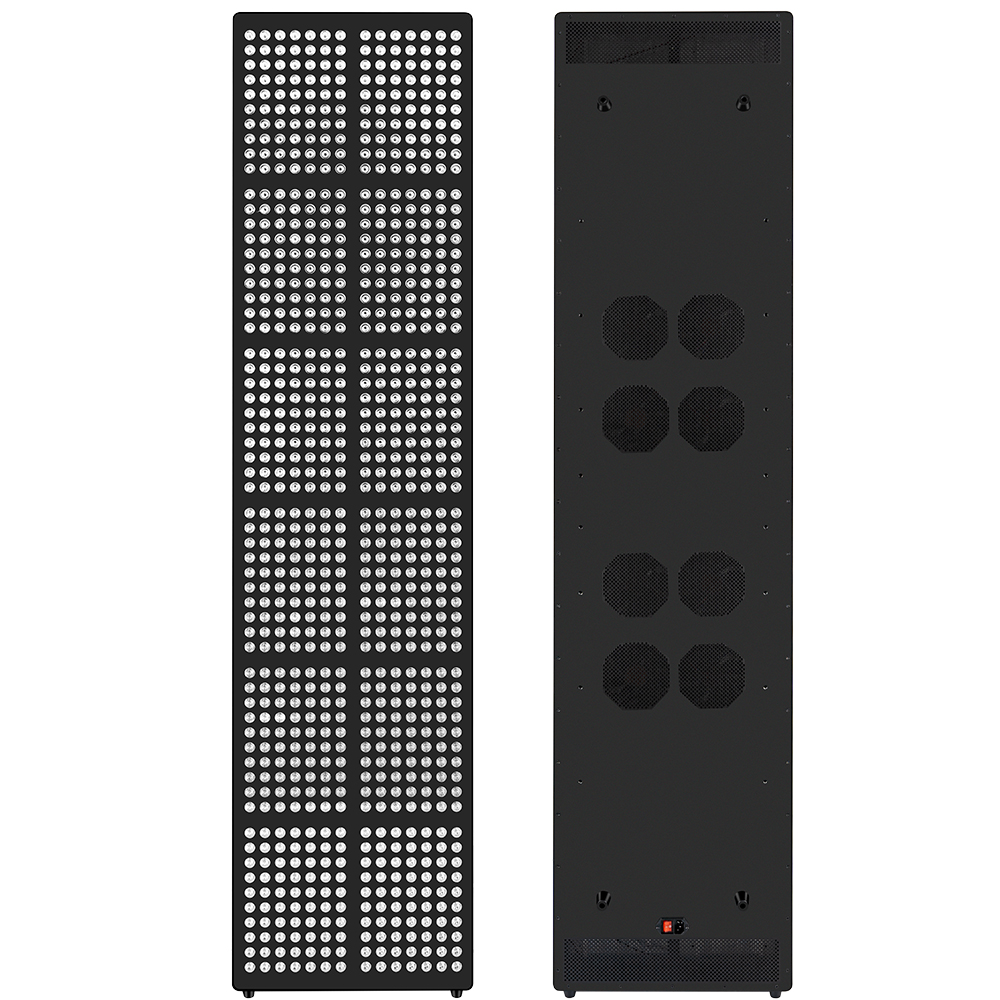
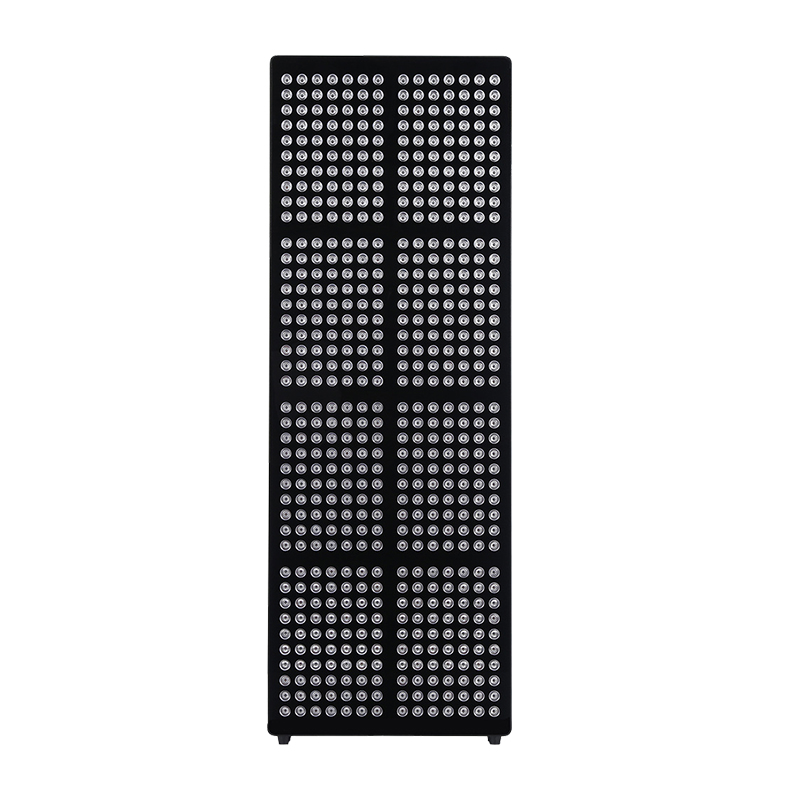
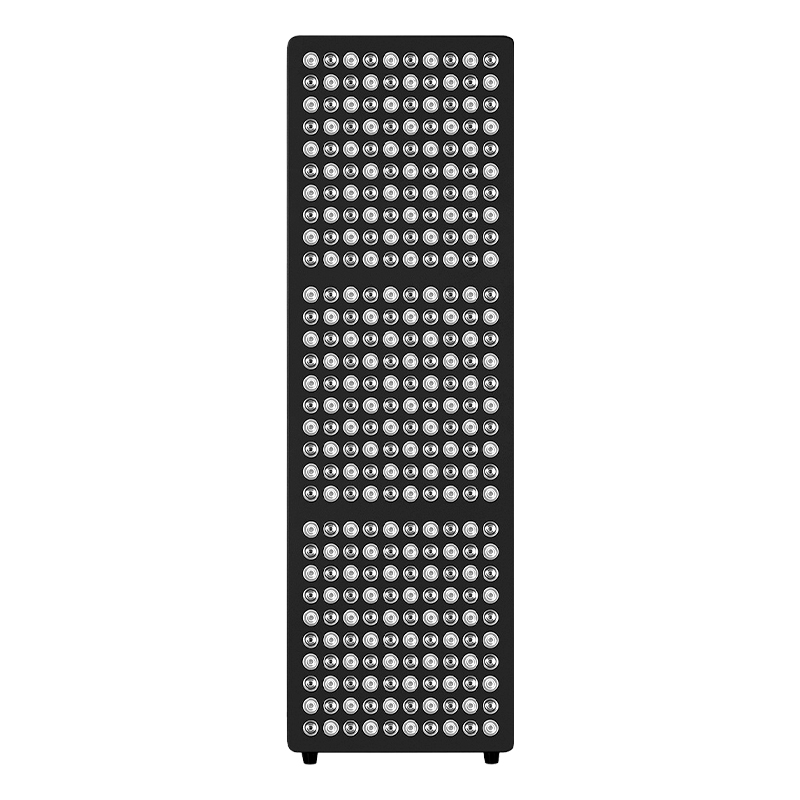
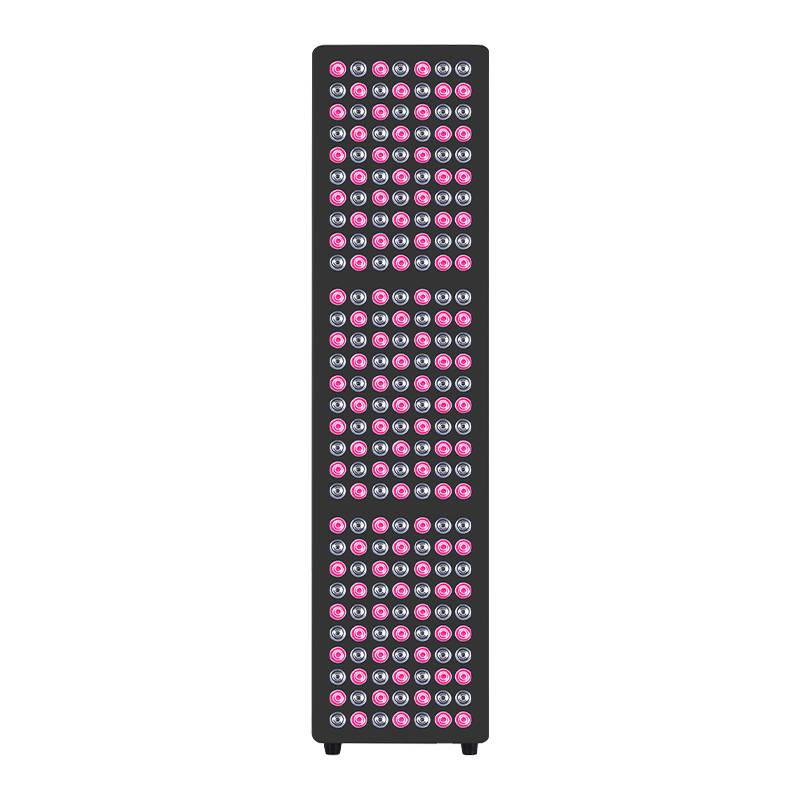
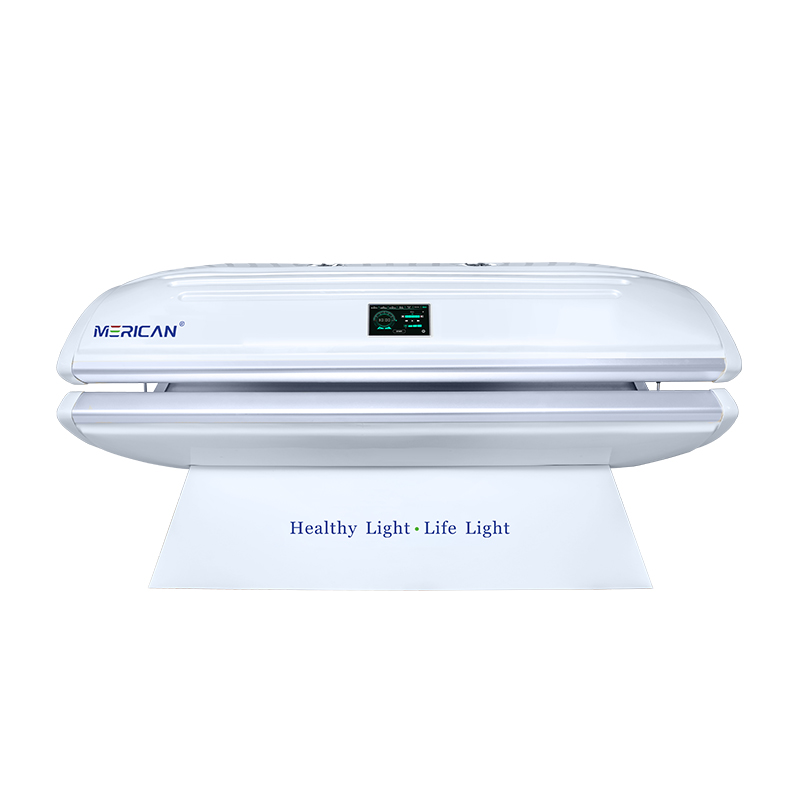
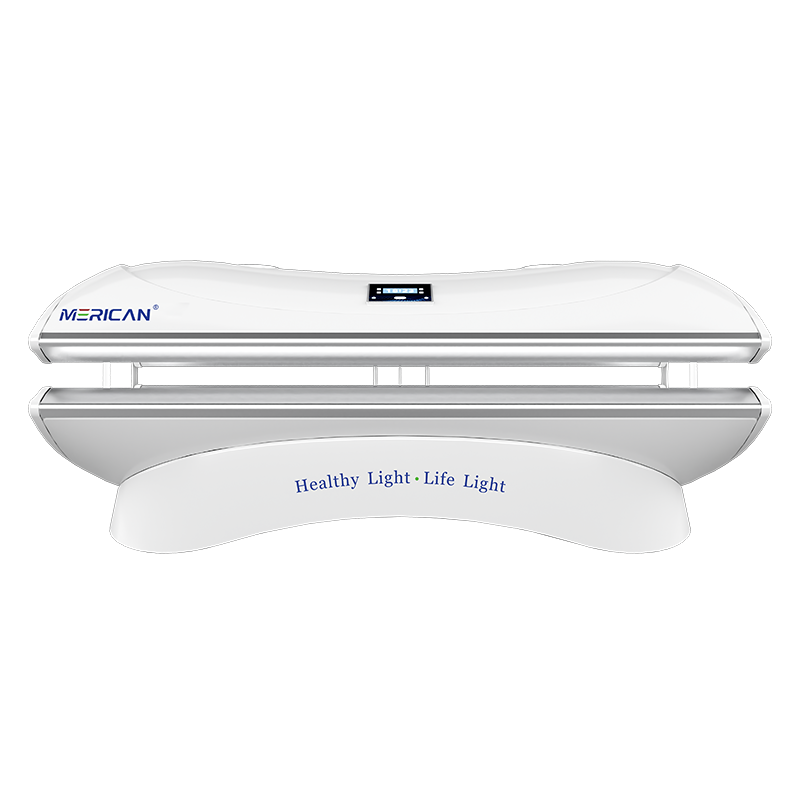
Rödljusterapi (RLT) ökar intresset för näthinnehälsa och restaurering. Forskning har visat att rött ljus, speciellt vid våglängder mellan 600-700 nanometer, kan hjälpa till att återställa näthinnans funktion och förbättra synens hälsa.
Hur föryngrar rödljusterapi näthinnan?
- Stimulerar mitokondriell funktion
Näthinneceller är beroende av mitokondrier för att producera energi (ATP), och rött ljus kan absorberas av cytokrom C-oxidas, som förbättrar mitokondriell energiproduktion och förbättrar cellulär vitalitet och reparation.
- Minskar oxidativ stress
Rött ljus minskar skador på oxidativ stress i näthinnan, bromsa ner åldersinducerad retinal degeneration.
- Antiinflammatorisk effekt
Rött ljus minskar det inflammatoriska svaret i näthinnan, hjälper till att skydda retinala celler från skador.
- Förbättrar mikrocirkulationen
Förbättrar blodcirkulationen till ögat, främjar tillförsel av syre och näringsämnen, och hjälper till med cellreparation och regenerering.
Vilka problem med näthinnan är Red Light Therapy indicerat för?
- Åldersrelaterad makuladegeneration (AMD)
- Syntrötthet och synförlust
- Diabetisk retinopati
- Fotoreceptordegeneration
Hur används rödljusterapi för att skydda näthinnan?
- Ljusets våglängd: Rött ljus med en våglängd på 650-670 nanometer används främst.
- Varaktighet: Cirka 3-5 minuter per session, 2-3 gånger per vecka, beroende på den specifika utrustningen och studieprotokollet.
- Avstånd från ljuskälla: Det rekommenderas att använda en ljuskälla med låg intensitet och hålla ett säkert avstånd från ljuskällan för att undvika skador på ögonen orsakade av för mycket ljus.
- Varningar.
- Rödljusterapi är inte en ersättning för professionell oftalmologisk behandling och är lämplig för att hjälpa till att hantera synens hälsa.
- Det rekommenderas att konsultera en ögonläkare före användning, speciellt för patienter med befintliga ögonsjukdomar.
Sammanfattning
Genom att stimulera mitokondriell funktion, minskar oxidativ stress och förbättrar blodcirkulationen, rött ljusterapi hjälper till att föryngra näthinnan och är lämplig för att lindra syntrötthet och åldersrelaterad synförlust. Dock, mer forskning behövs för att ytterligare validera dess långsiktiga effekter och säkerhet.