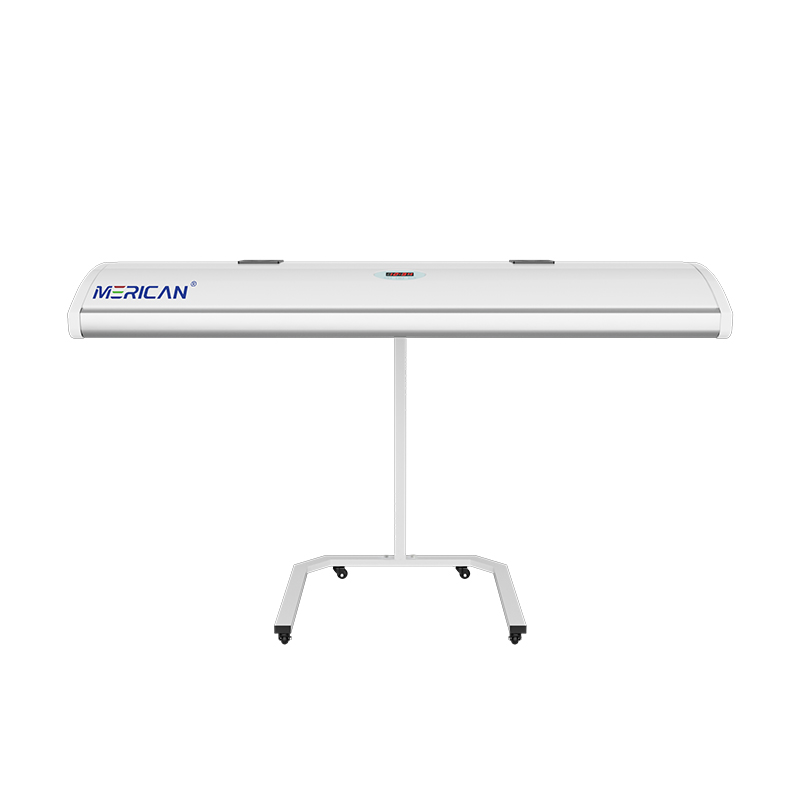
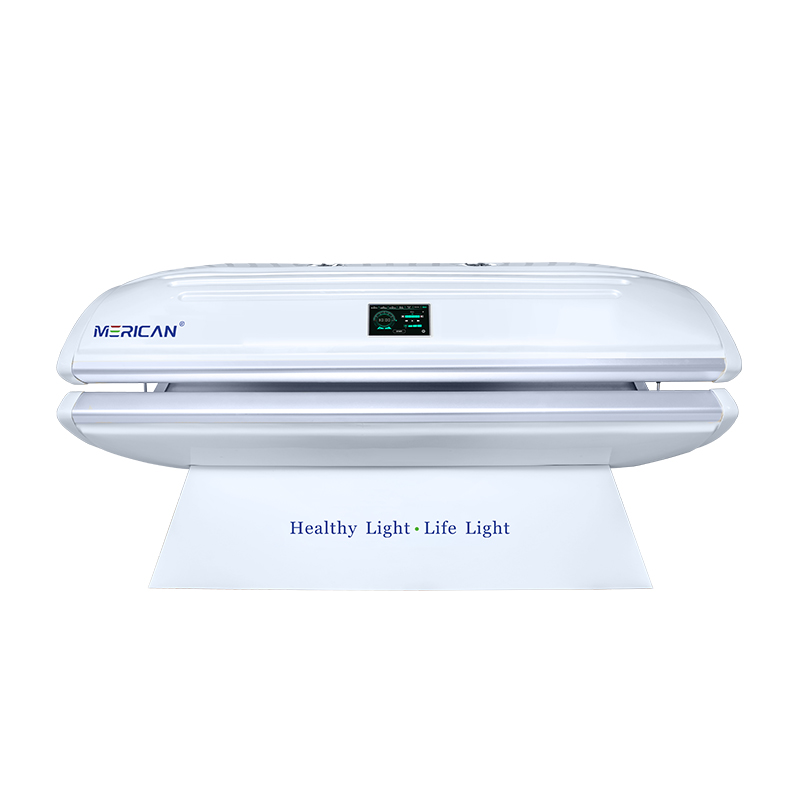
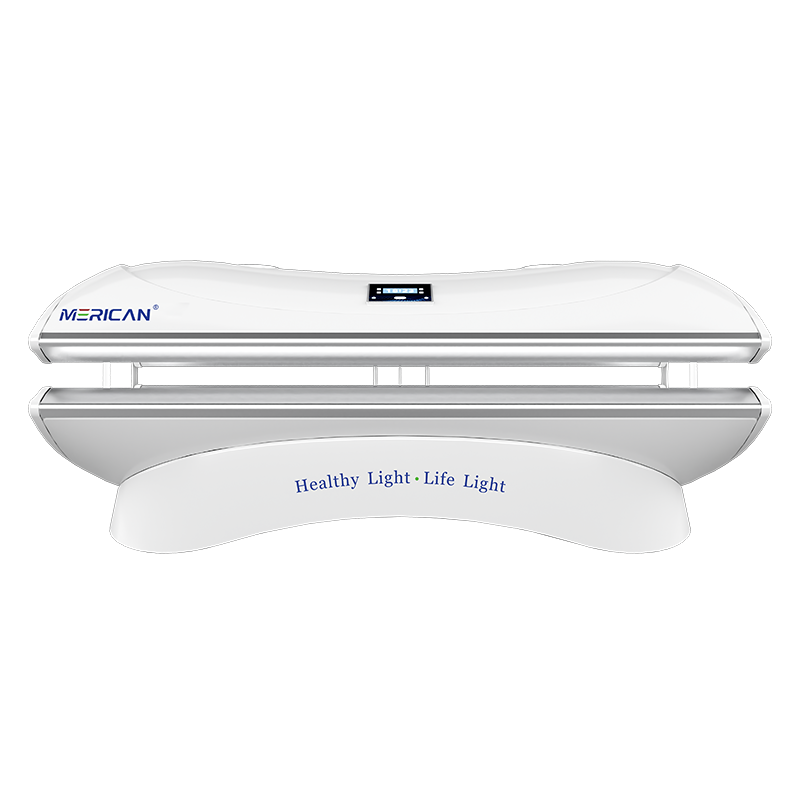
Terapie červeným světlem (RLT) získává zájem o zdraví a obnovu sítnice. Výzkum ukázal, že červené světlo, zejména na vlnových délkách mezi 600-700 nanometrů, může pomoci obnovit funkci sítnice a zlepšit zdraví zraku.
Jak terapie červeným světlem omlazuje sítnici?
- Stimulates mitochondrial function
Buňky sítnice se při výrobě energie spoléhají na mitochondrie (ATP), and red light can be absorbed by cytochrome C oxidase, which enhances mitochondrial energy production and improves cellular vitality and repair.
- Snižuje oxidační stres
Red light reduces oxidative stress damage in the retina, slowing down age-induced retinal degeneration.
- Protizánětlivý účinek
Red light reduces the inflammatory response in the retina, helping to protect retinal cells from damage.
- Zlepšuje mikrocirkulaci
Enhances blood circulation to the eye, promotes oxygen and nutrient delivery, and helps in cell repair and regeneration.
What retinal health problems is Red Light Therapy indicated for?
- Věkem podmíněná makulární degenerace (AMD)
- Visual fatigue and vision loss
- Diabetická retinopatie
- Photoreceptor degeneration
How is red light therapy used to protect the retina?
- Vlnová délka světla: Red light with a wavelength of 650-670 nanometers is mainly used.
- Trvání: Přibližně 3-5 minut na relaci, 2-3 krát za týden, depending on the specific equipment and study protocol.
- Distance from light source: It is recommended to use a low intensity light source and keep a safe distance from the light source to avoid damage to the eyes caused by too much light.
- Upozornění.
- Red light therapy is not a substitute for professional ophthalmology treatment and is suitable for assisting vision health management.
- It is recommended to consult an ophthalmologist before use, especially for patients with existing eye diseases.
Shrnutí
By stimulating mitochondrial function, reducing oxidative stress and improving blood circulation, red light therapy helps to rejuvenate the retina and is suitable for relieving visual fatigue and age-related vision loss. Však, more research is needed to further validate its long-term effects and safety.