When choosing a red light therapy device, wattage is often one of the first specifications people look at. However, wattage alone does not determine how effective red light therapy will be. What truly matters is how that power is delivered to the body.
1. What Does “Wattage” Mean in Red Light Therapy?
Wattage refers to the total electrical power consumption of a device—not the amount of therapeutic light your body actually receives. Two devices with the same wattage can produce very different results depending on:
- LED efficiency
- Optical lens design
- Distance from the body
This is why wattage should never be evaluated in isolation.
2. The More Important Metric: Irradiance (mW/cm²)
In clinical and professional settings, irradiance (power density) is considered far more important than total wattage.
Typical effective ranges:
- Skin & superficial tissue: 10–40 mW/cm²
- Muscle & joint support: 20–60 mW/cm²
- Deep tissue / whole-body therapy: 30–100 mW/cm²
Devices that advertise extremely high wattage but fail to deliver consistent irradiance at treatment distance may not provide better results.
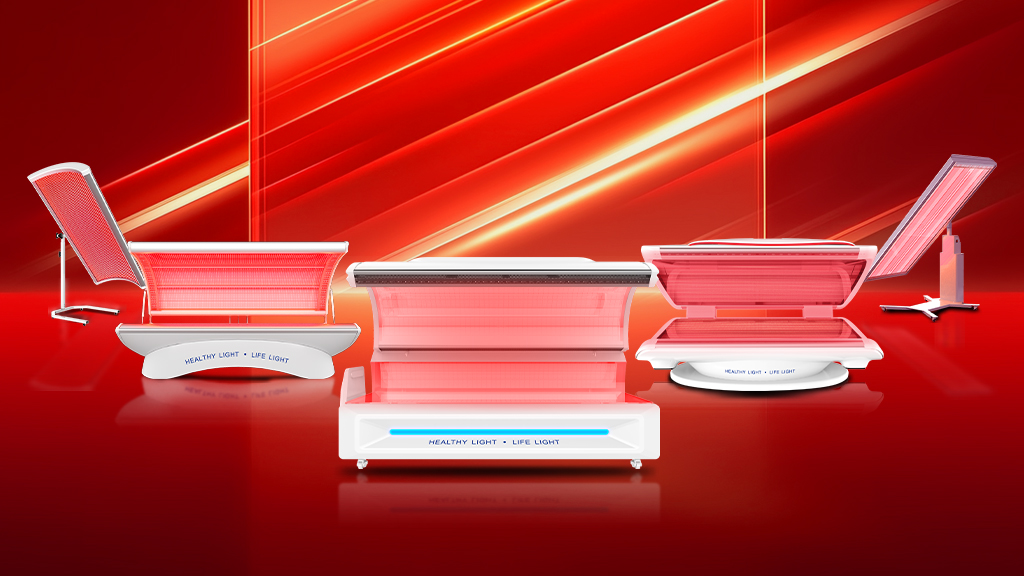
3. Typical Wattage Ranges by Device Type
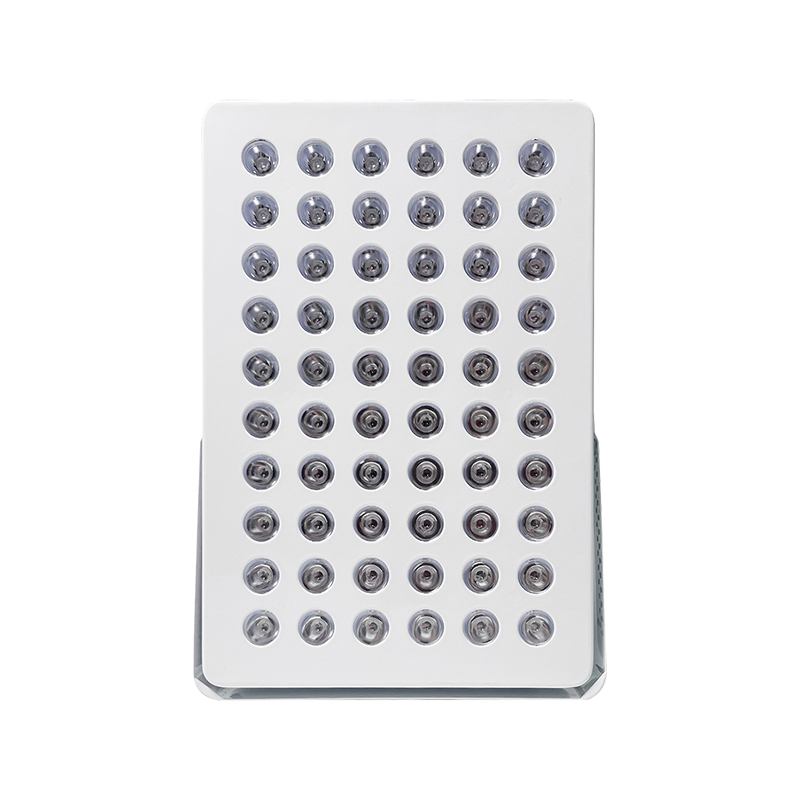
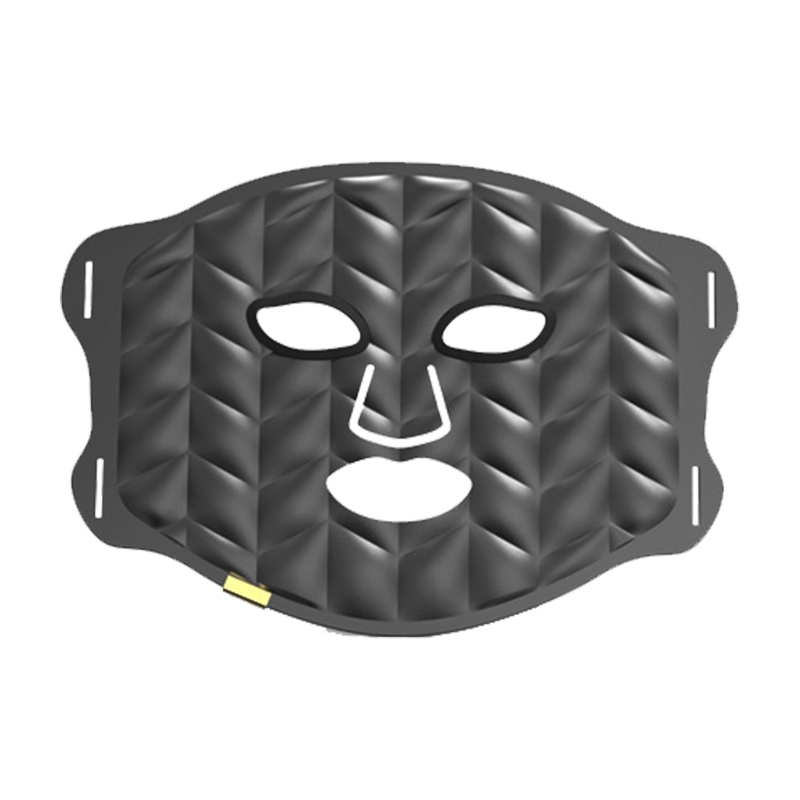
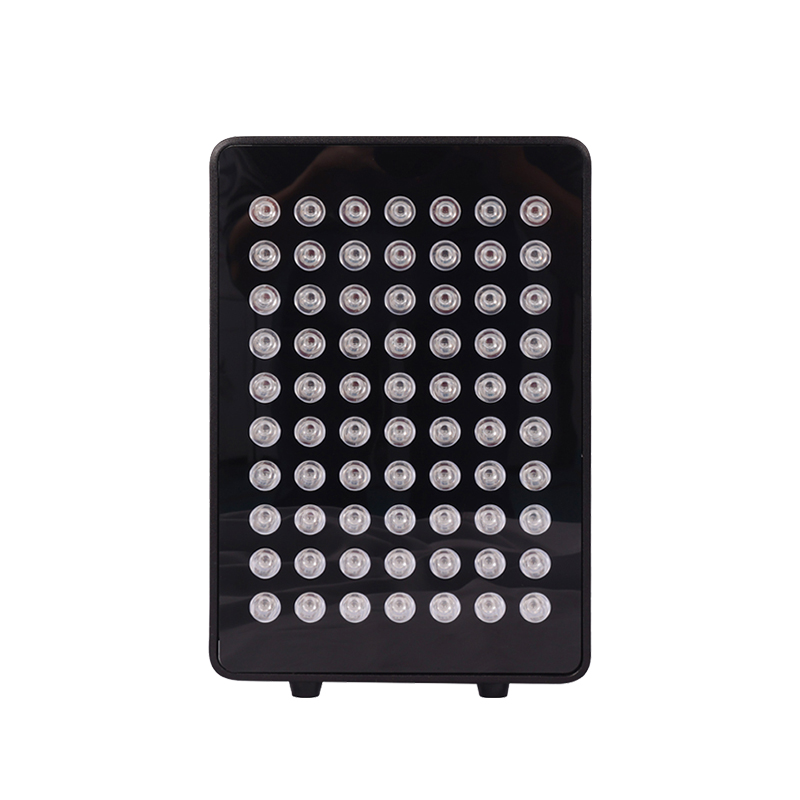
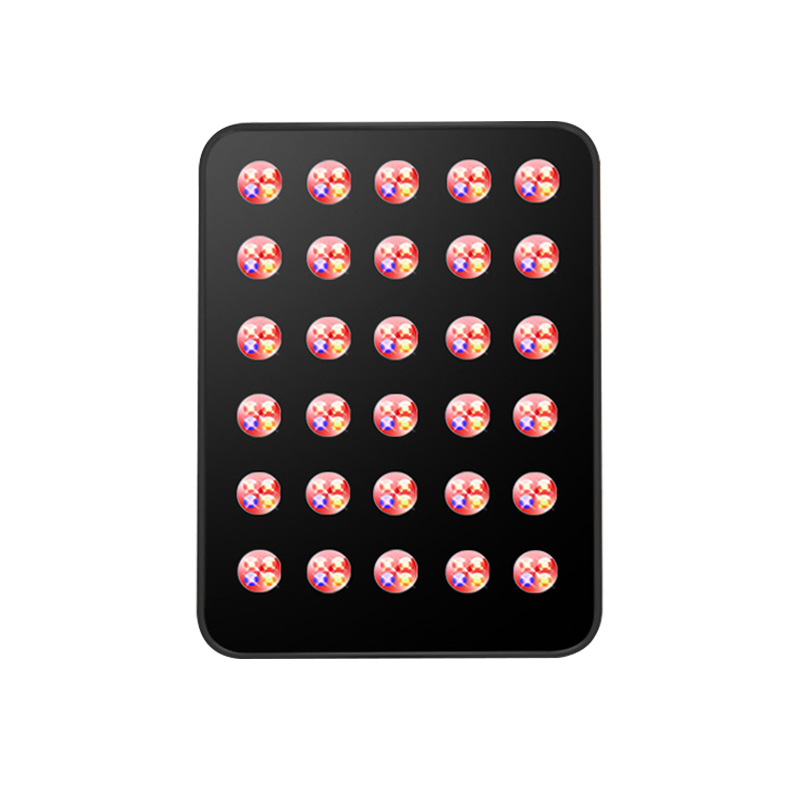
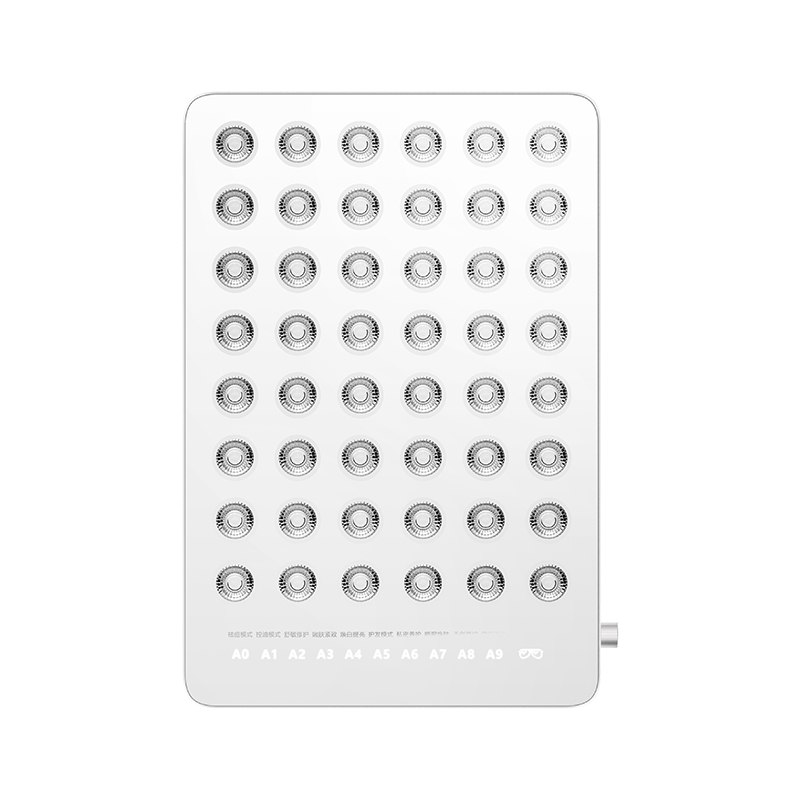
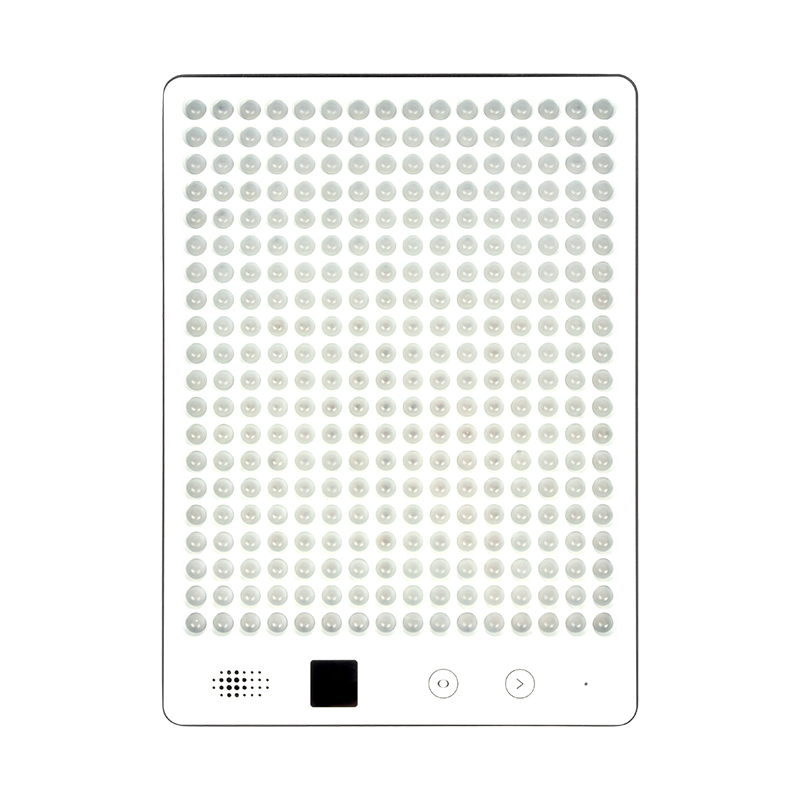
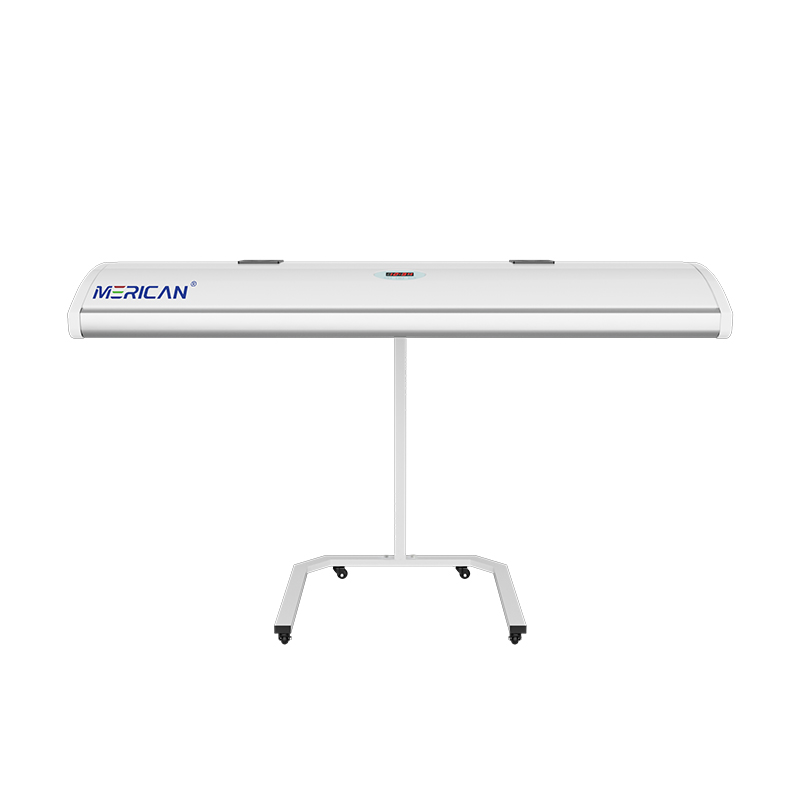
- Handheld / small panels: 25–150 W
- Medium home panels: 150–300 W
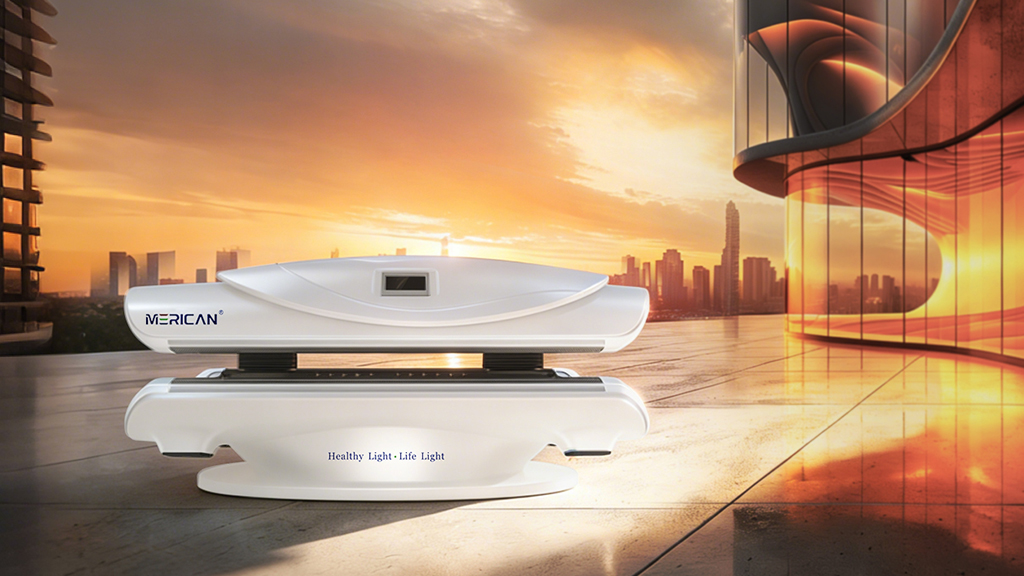
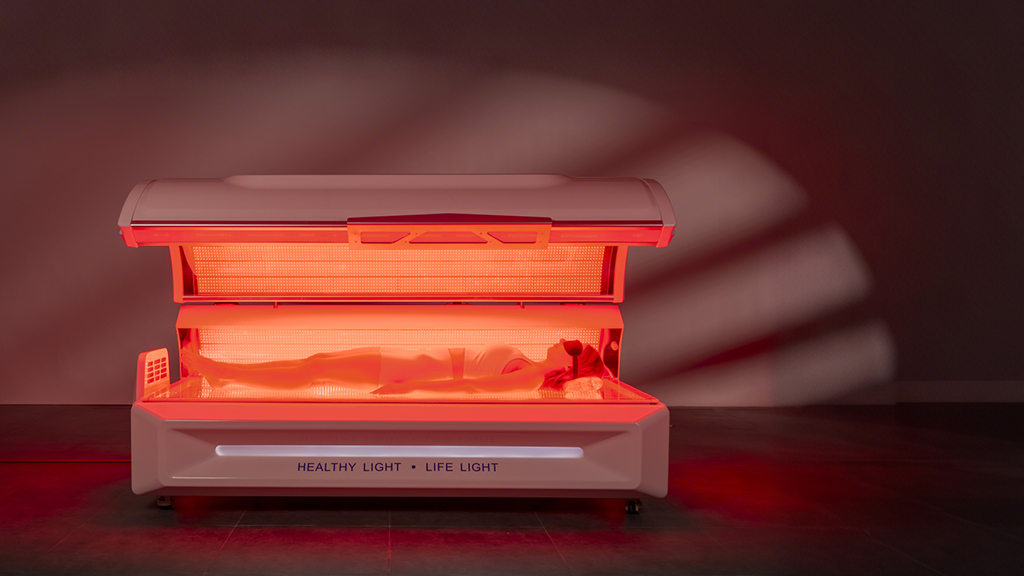
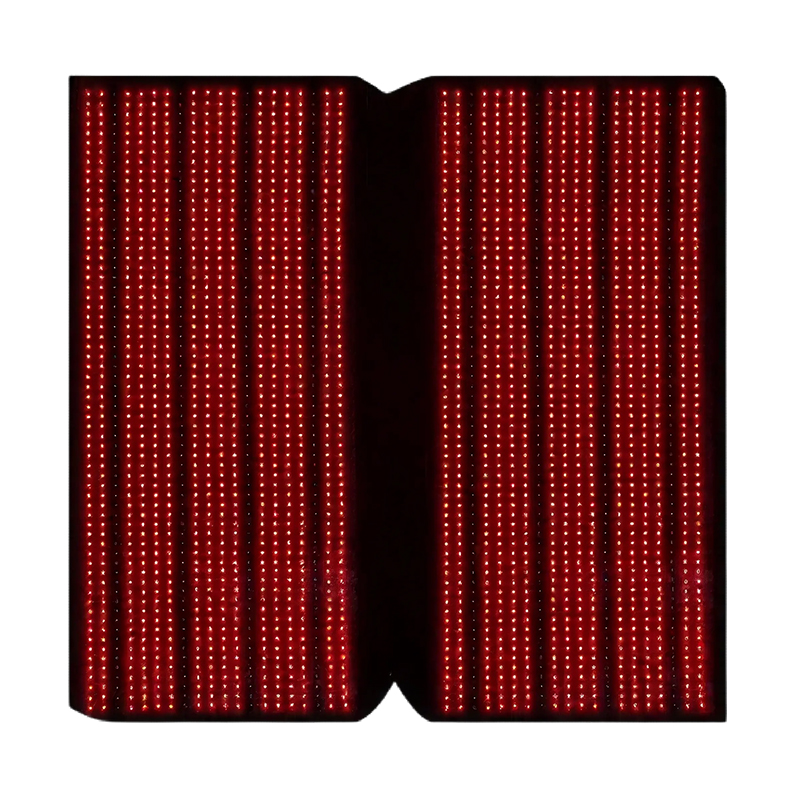
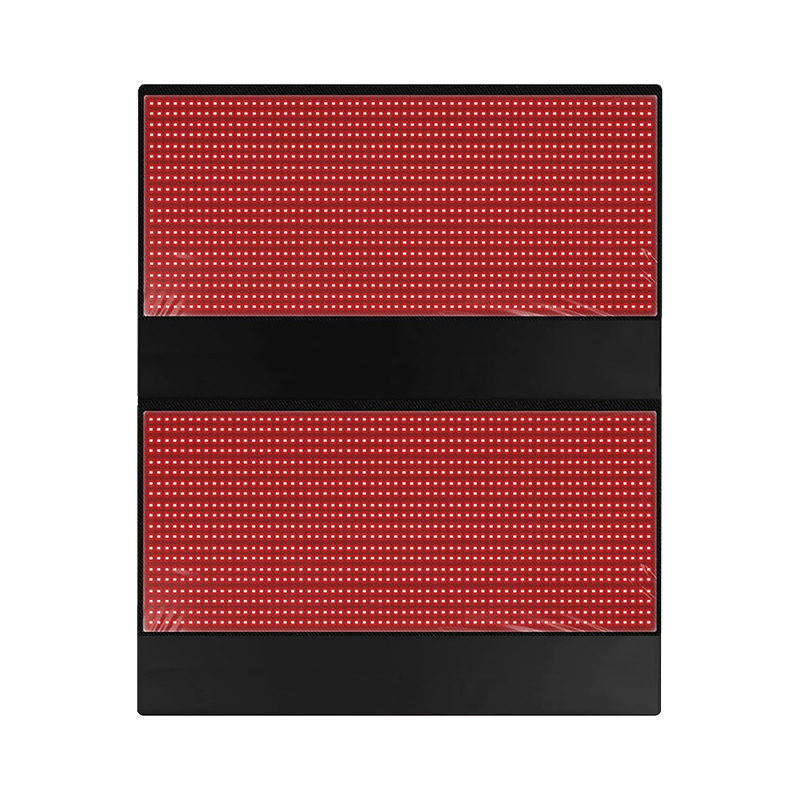
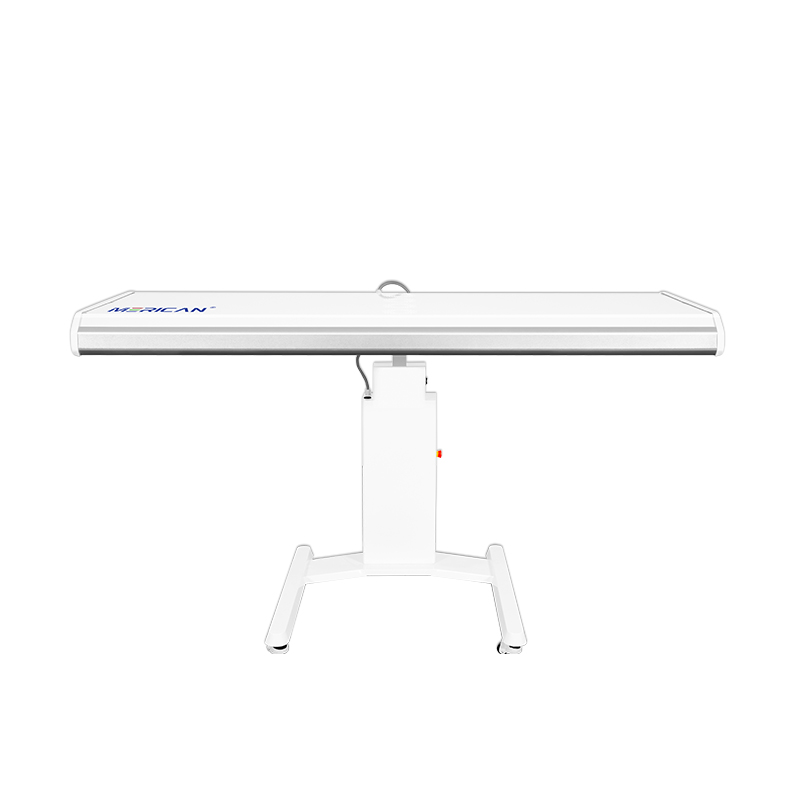
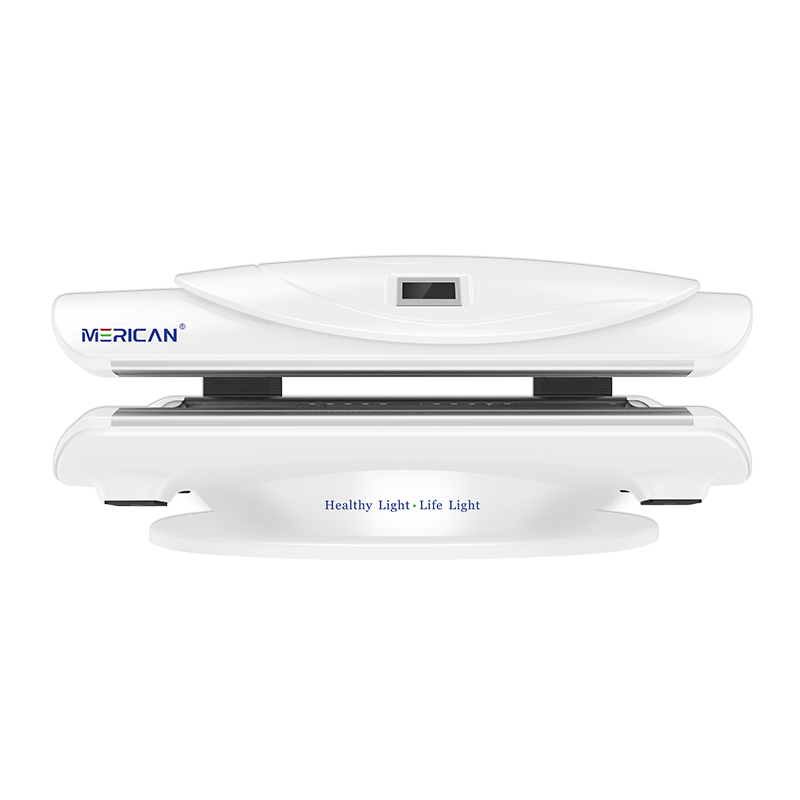
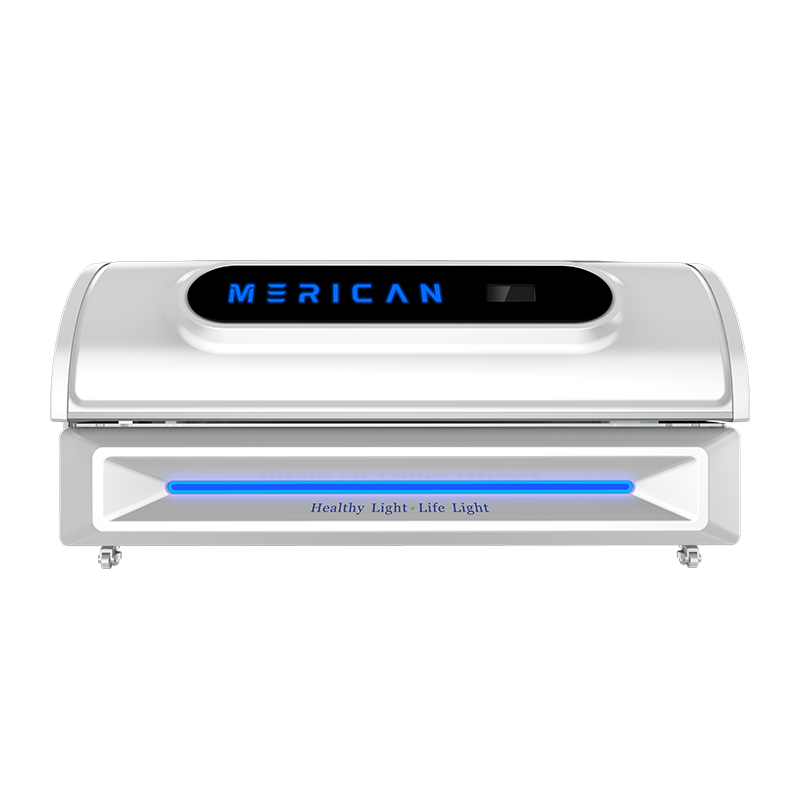
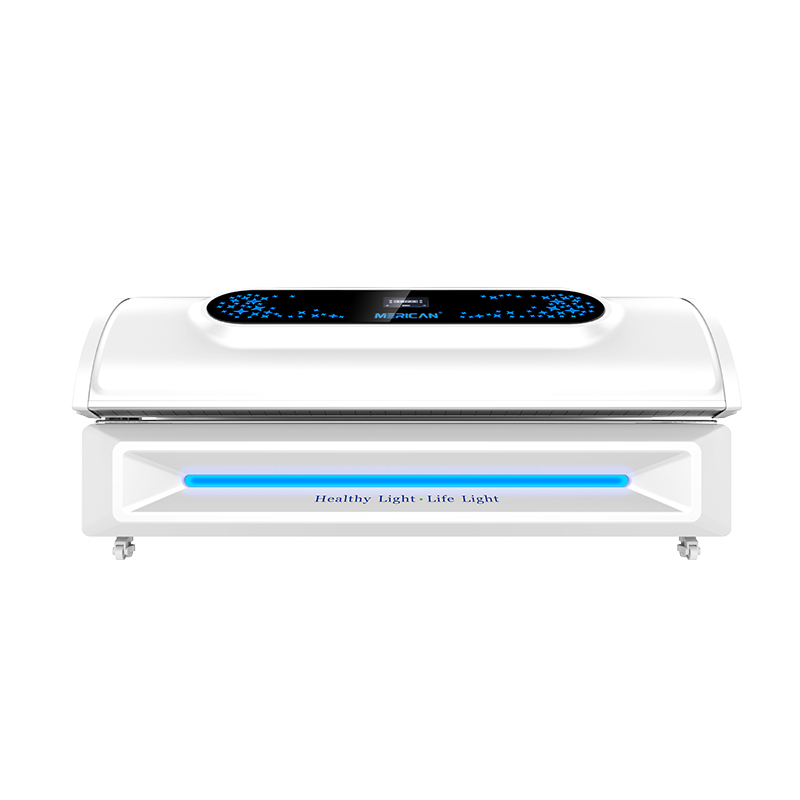
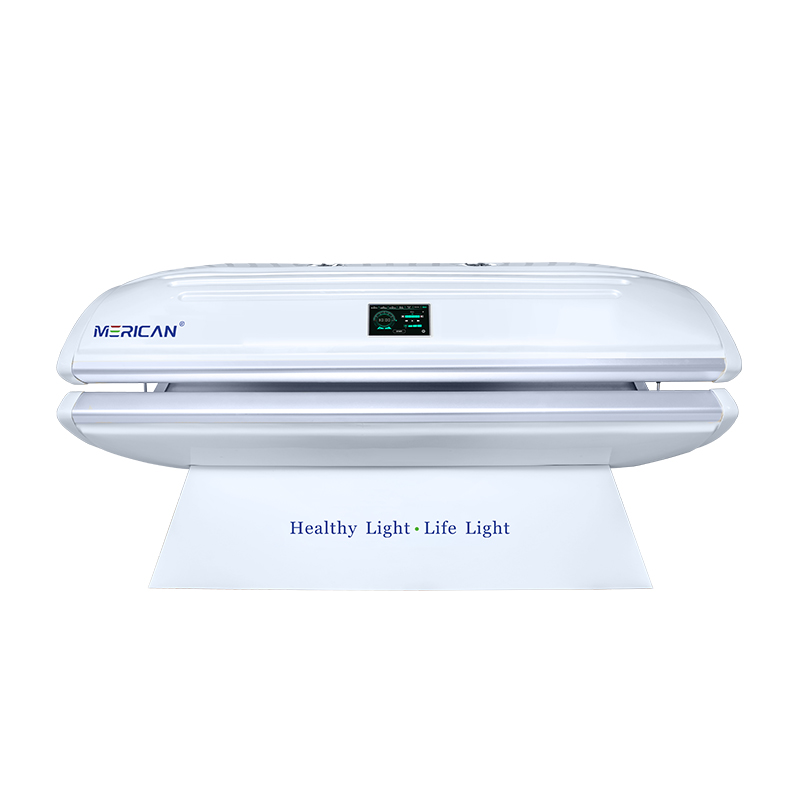
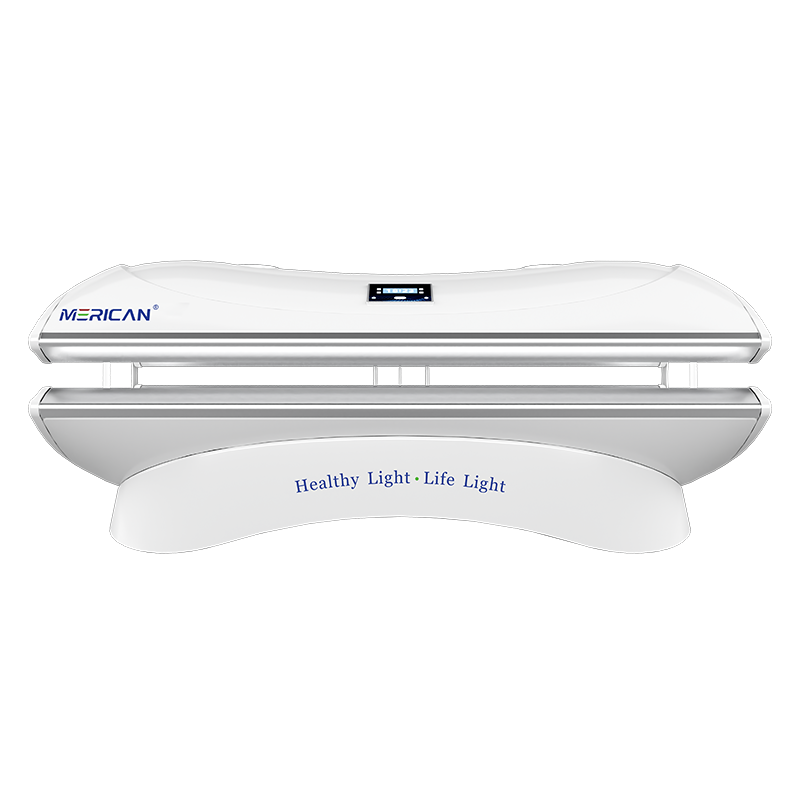
- Professional full-body beds: 1,000–3,000+ W
Higher wattage in professional beds is mainly used to ensure uniform full-body coverage, not excessive intensity.
4. Can Wattage Be Too High?
Yes—if not properly controlled. Excessive irradiance may:
- Cause temporary skin warmth
- Reduce treatment comfort
- Offer diminishing returns
Well-designed systems balance wattage, wavelength accuracy, and exposure time.
5. Why Professional Systems Use Higher Wattage
Commercial red light therapy beds use higher total wattage to:
- Maintain stable output across large treatment areas
- Reduce session time
- Deliver consistent energy dose from head to toe
This approach prioritizes precision and safety, not raw power.
Conclusion
There is no single “best wattage” for red light therapy. Instead, the ideal setup depends on irradiance, treatment distance, and application goal. Wattage is only meaningful when paired with proper engineering and controlled delivery.