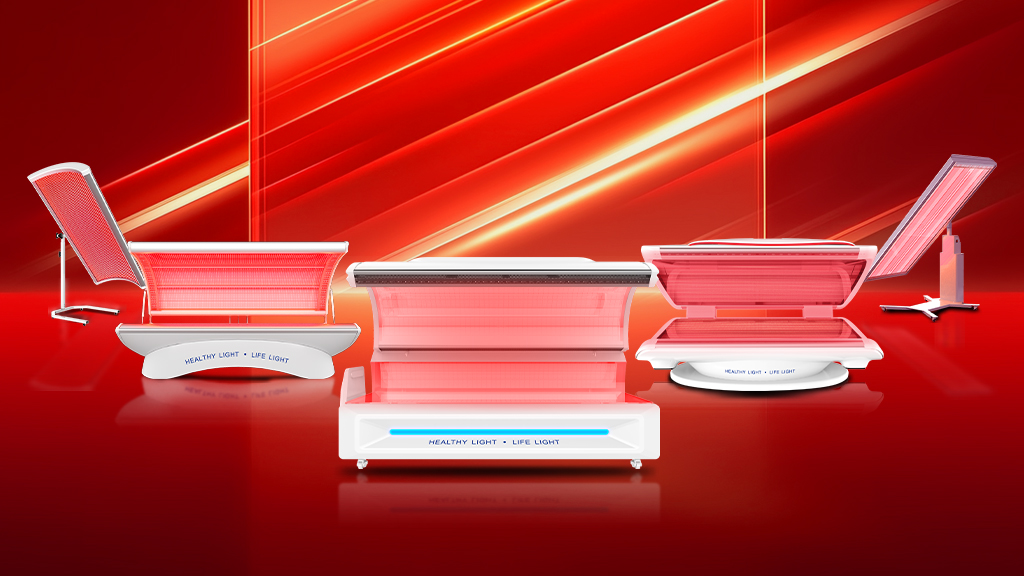
If you’re shopping for a red light therapy device, you may wonder: What wattage is best for red light therapy? The answer depends on how and where you plan to use it.
1. Best Wattage for Home Red Light Therapy
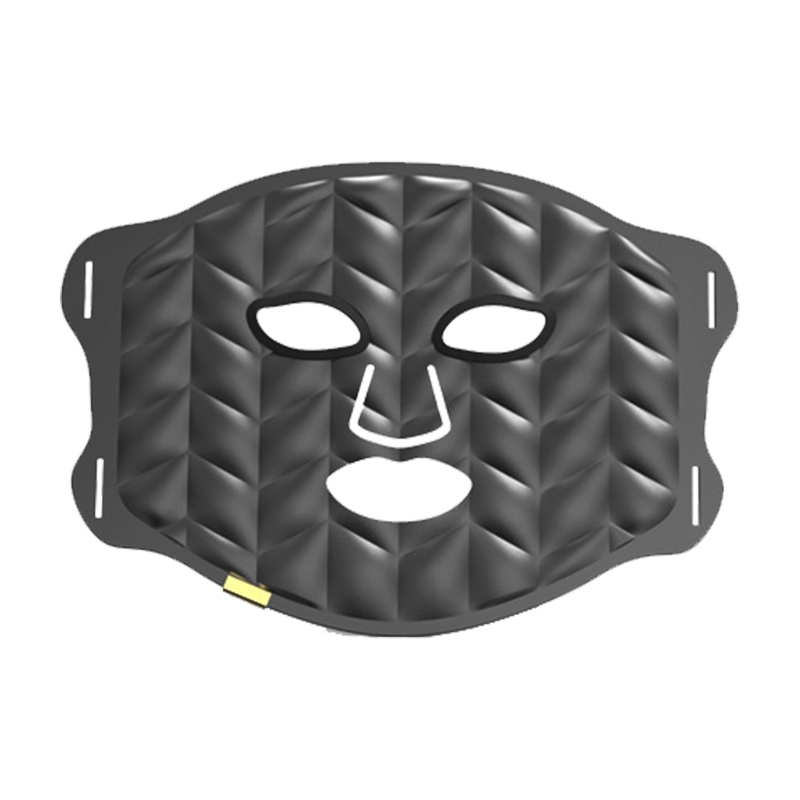
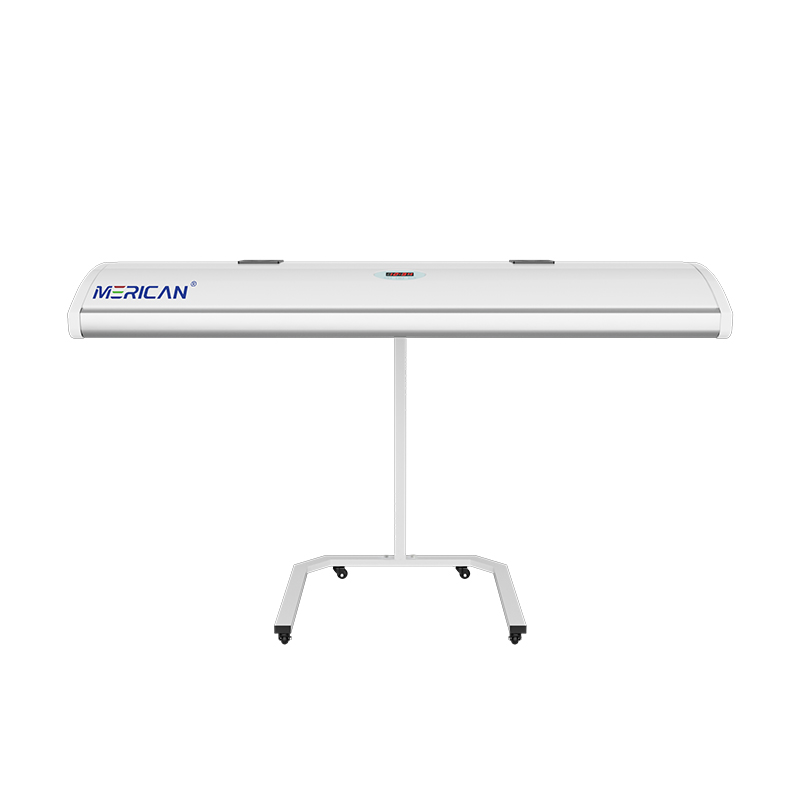
For personal or home use:
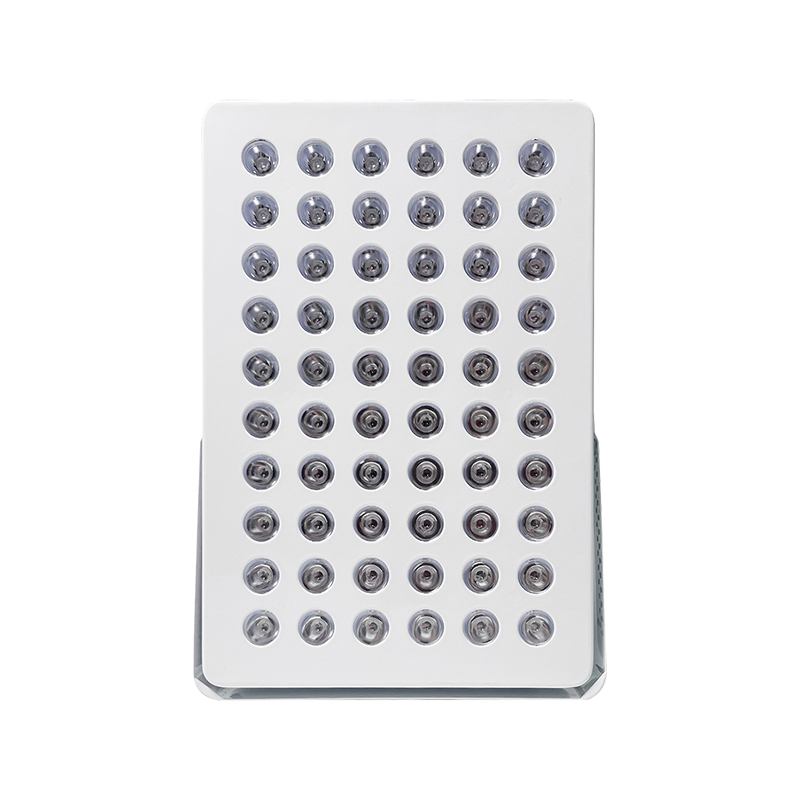
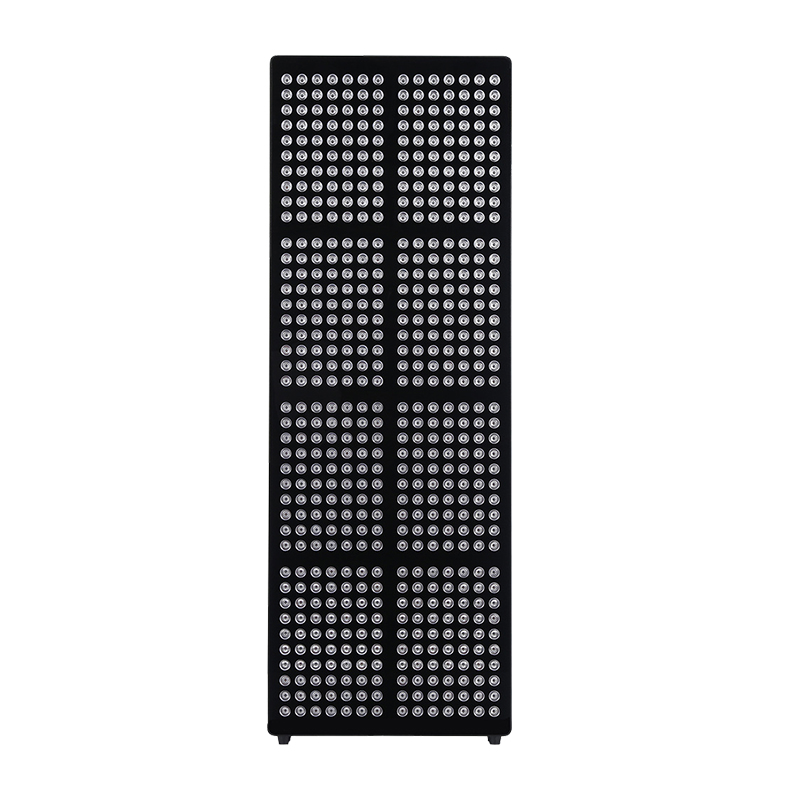
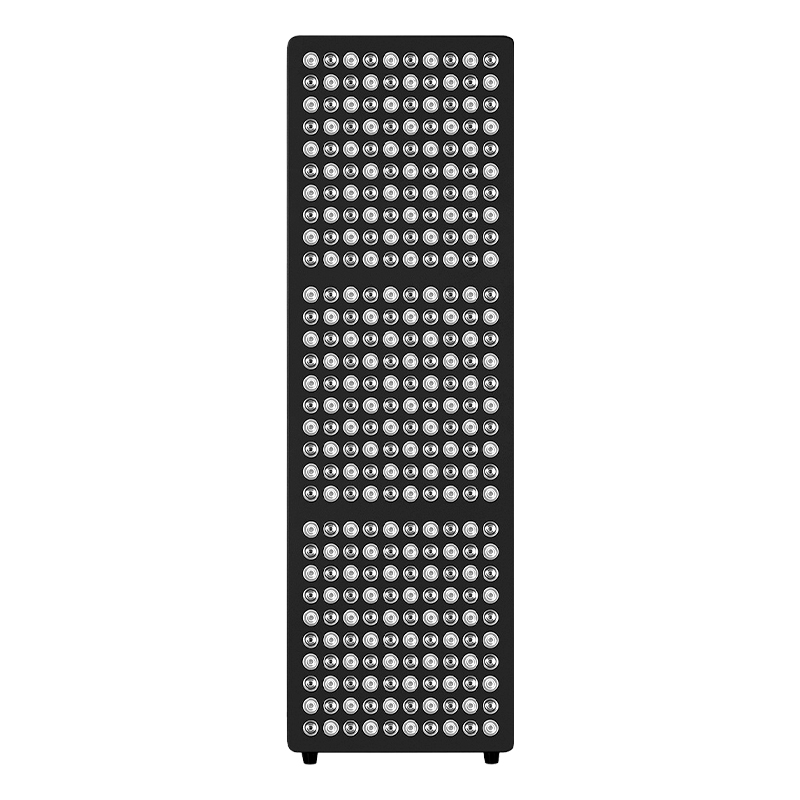
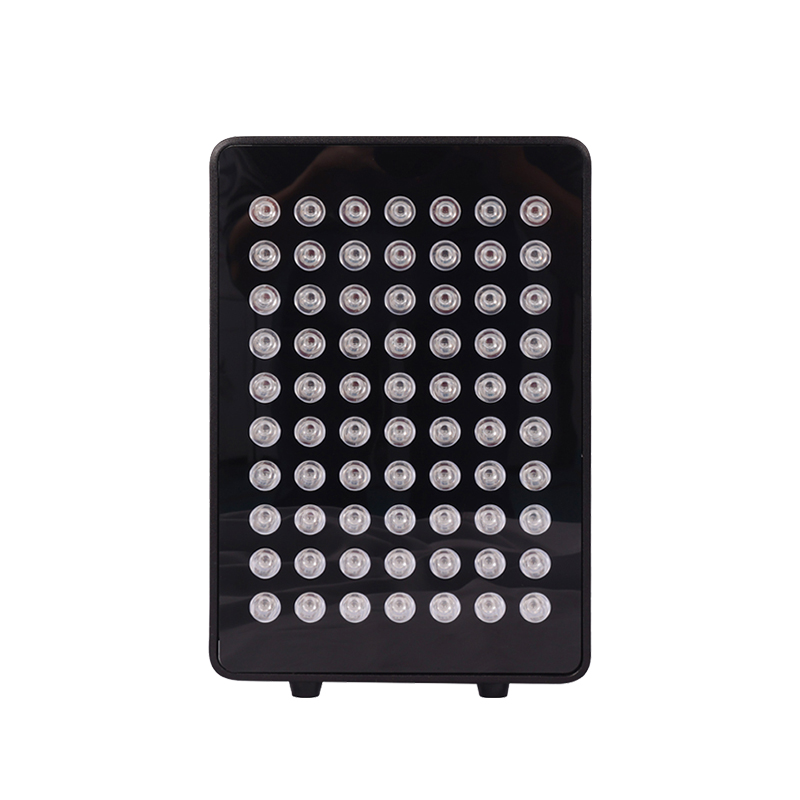
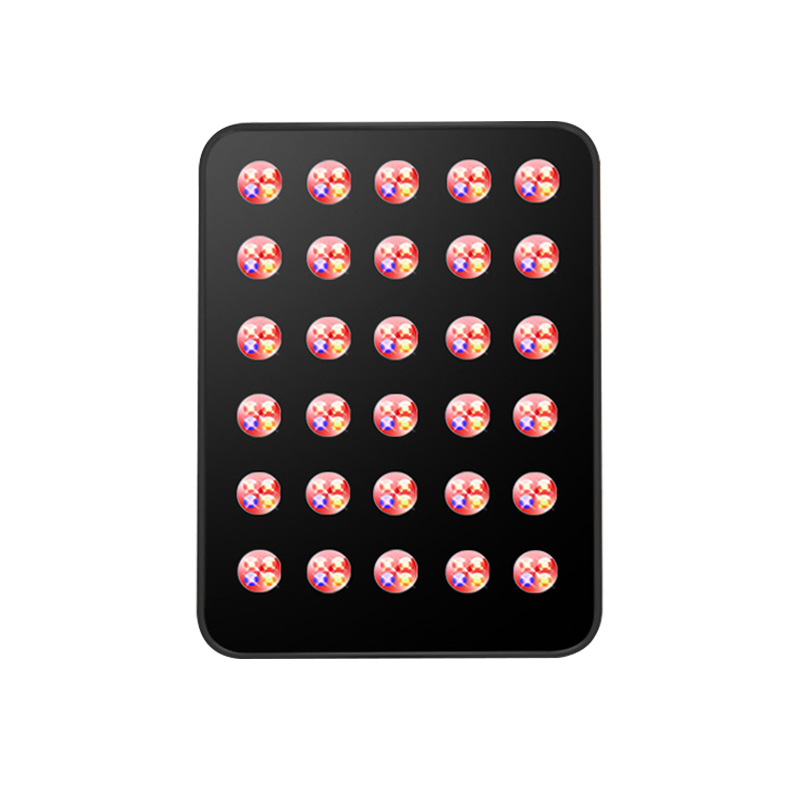
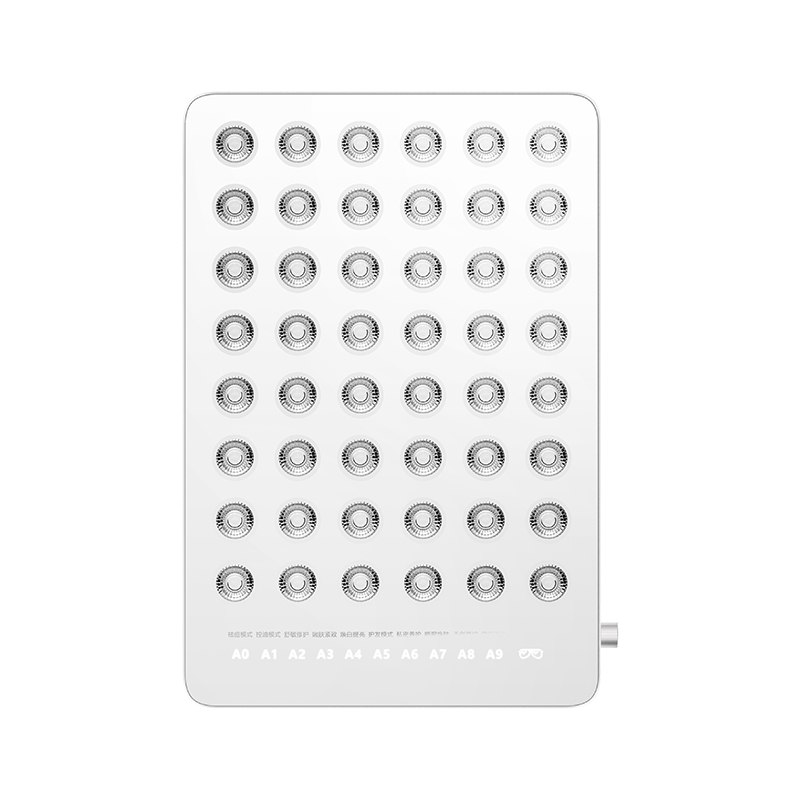
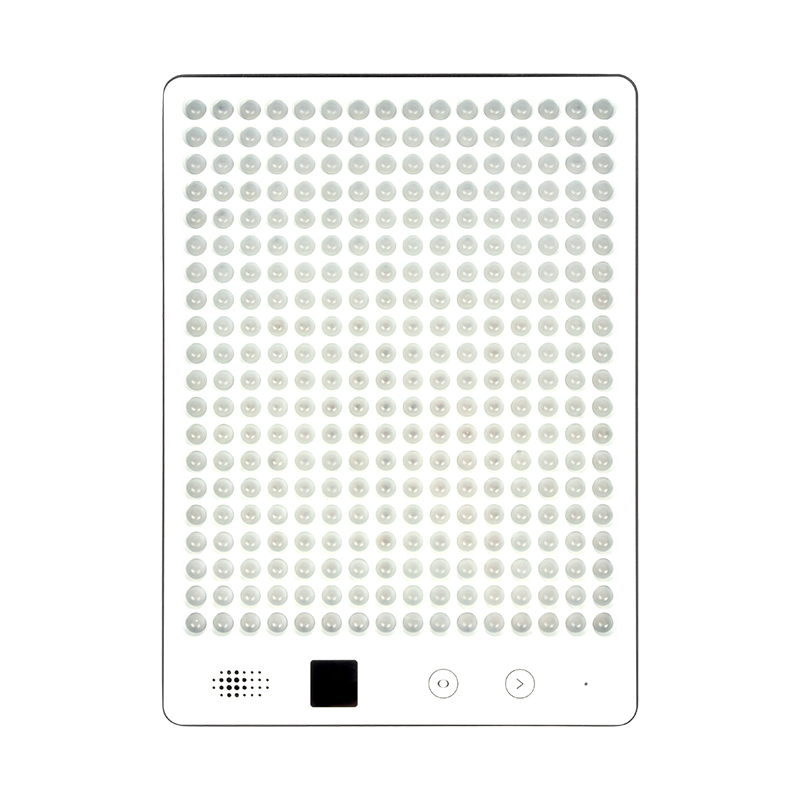
- 100–300 W panels are usually sufficient
- Suitable for localized treatment (face, back, knees, shoulders)
- Longer session times may be required
These devices use the same red (630/660 nm) and near-infrared (850 nm) wavelengths as professional systems, just at lower total output.
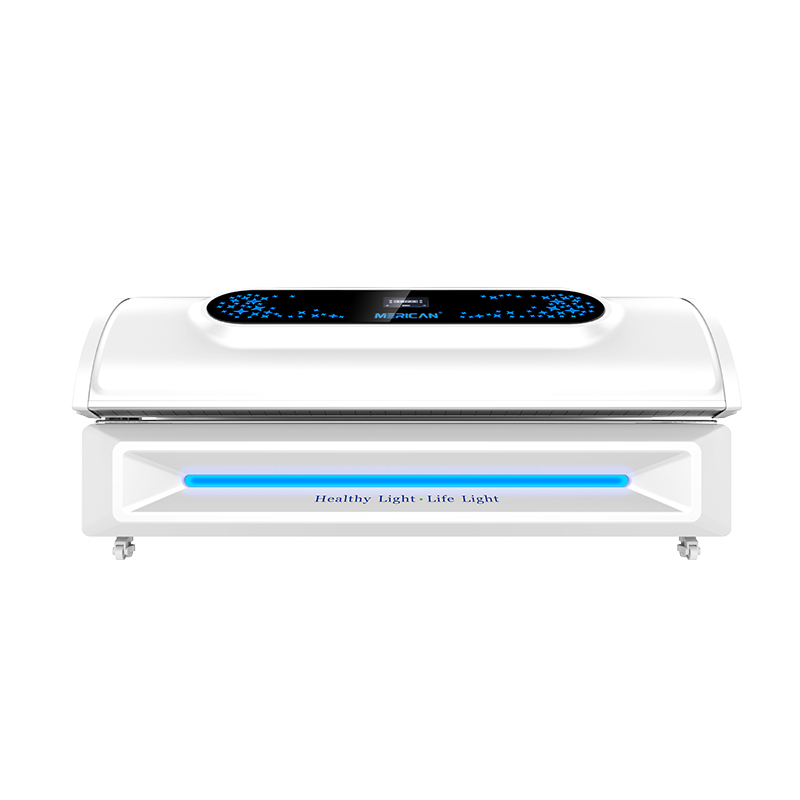
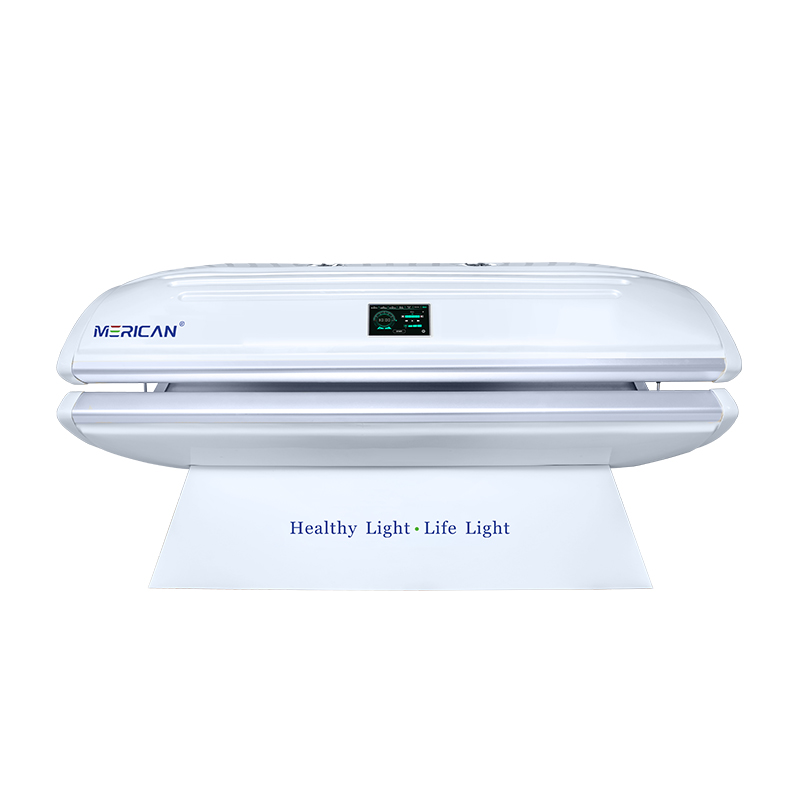
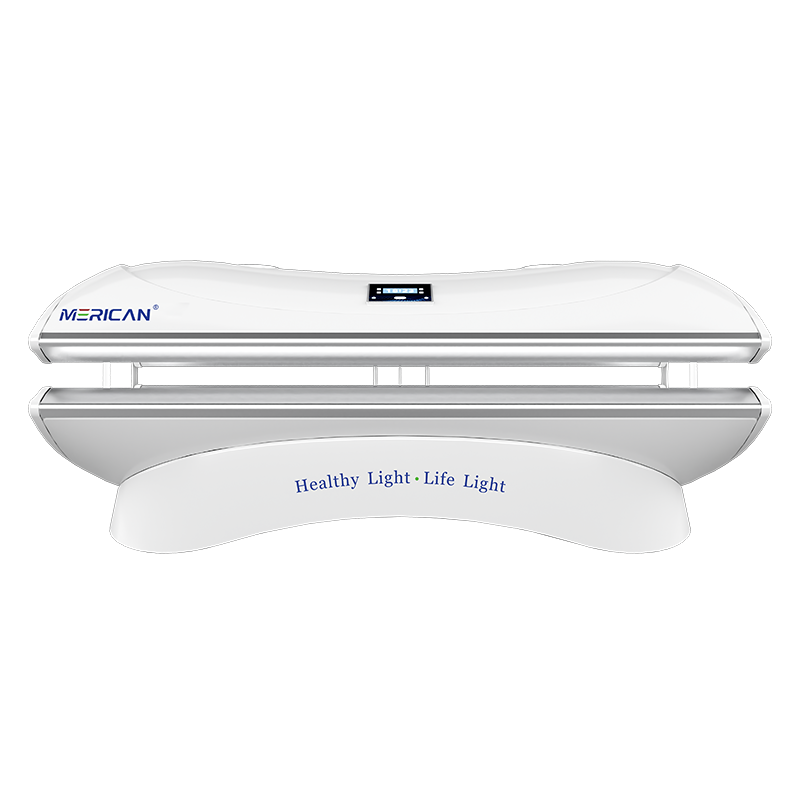
2. Best Wattage for Full-Body & Commercial Use
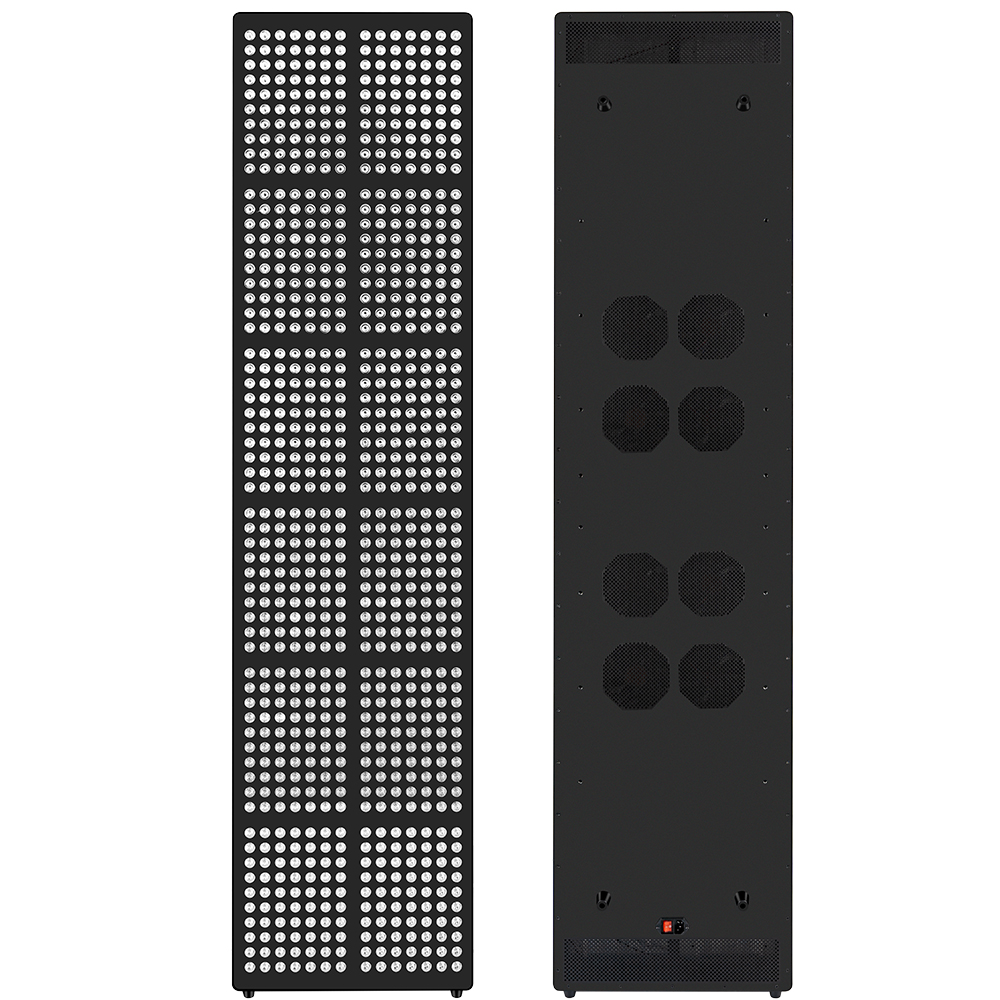
For gyms, wellness centers, clinics, and spas:
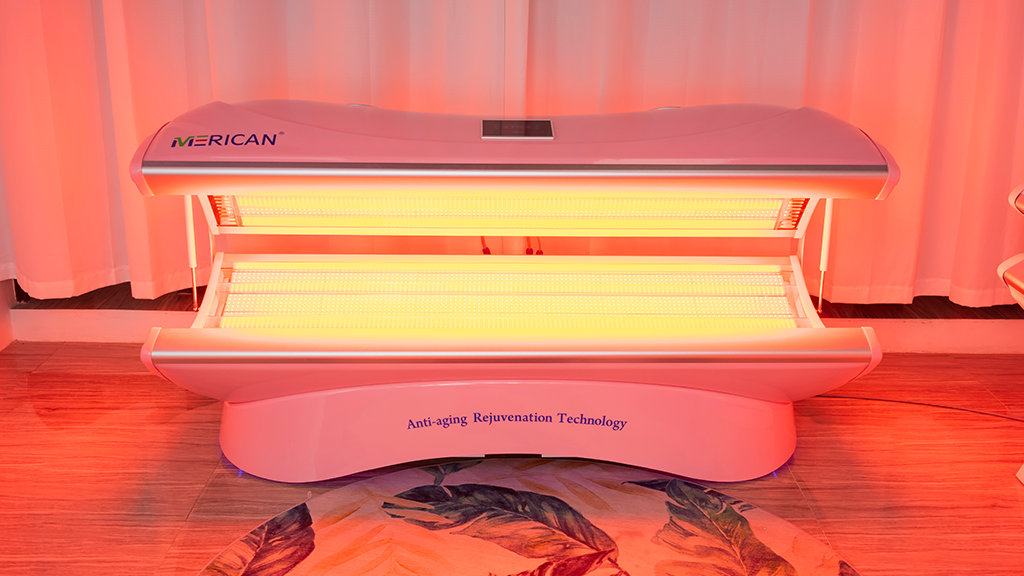
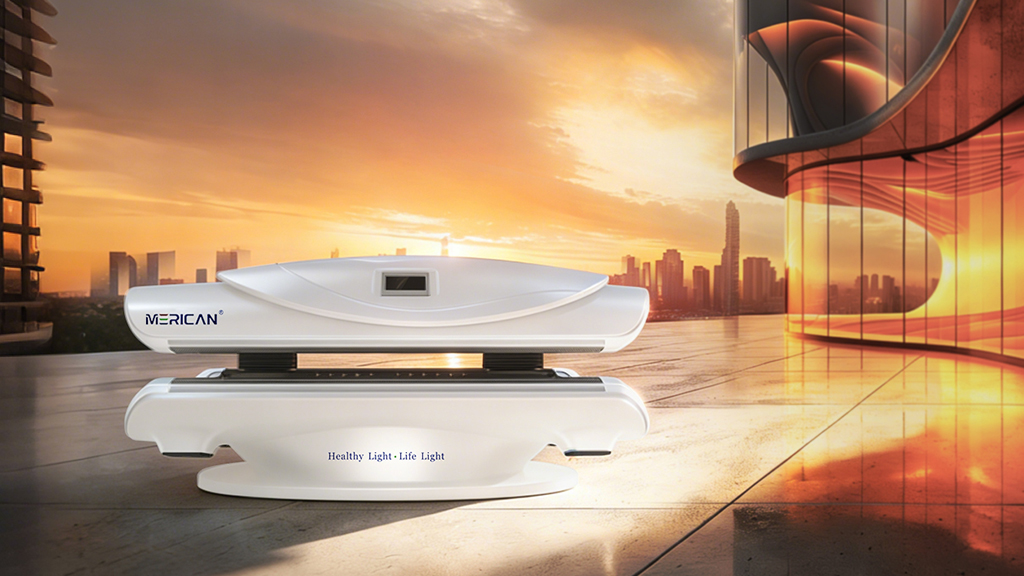
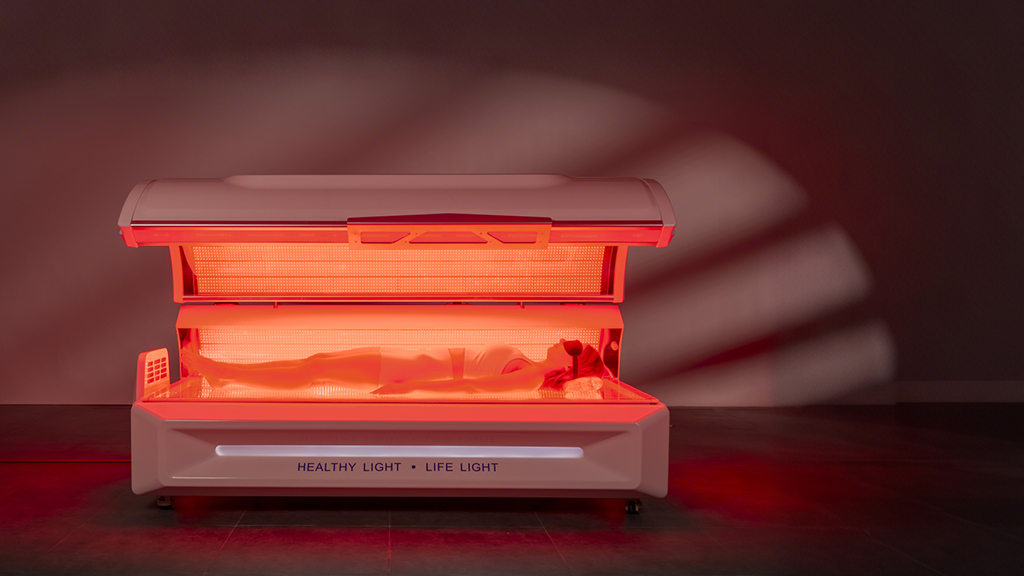
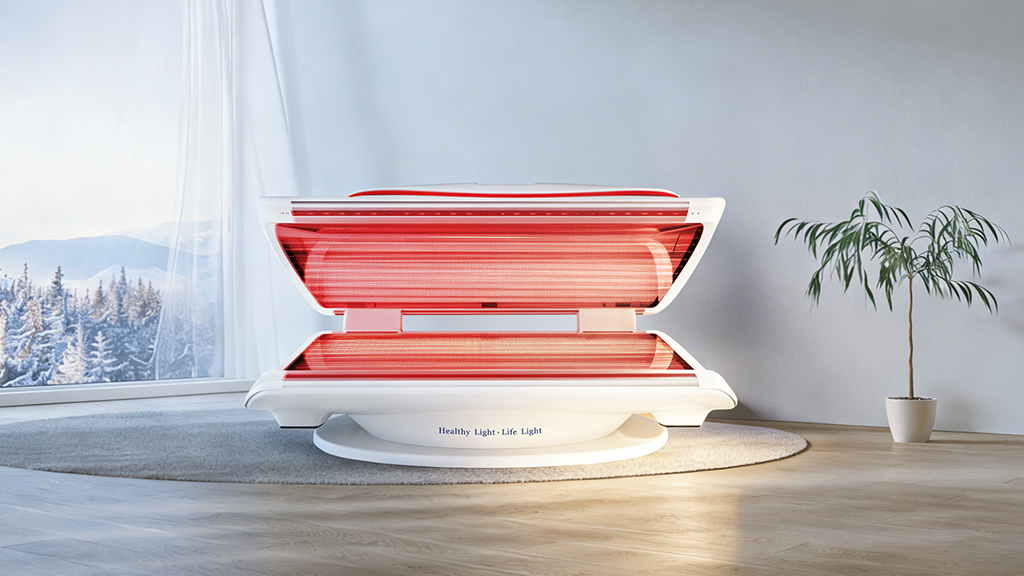
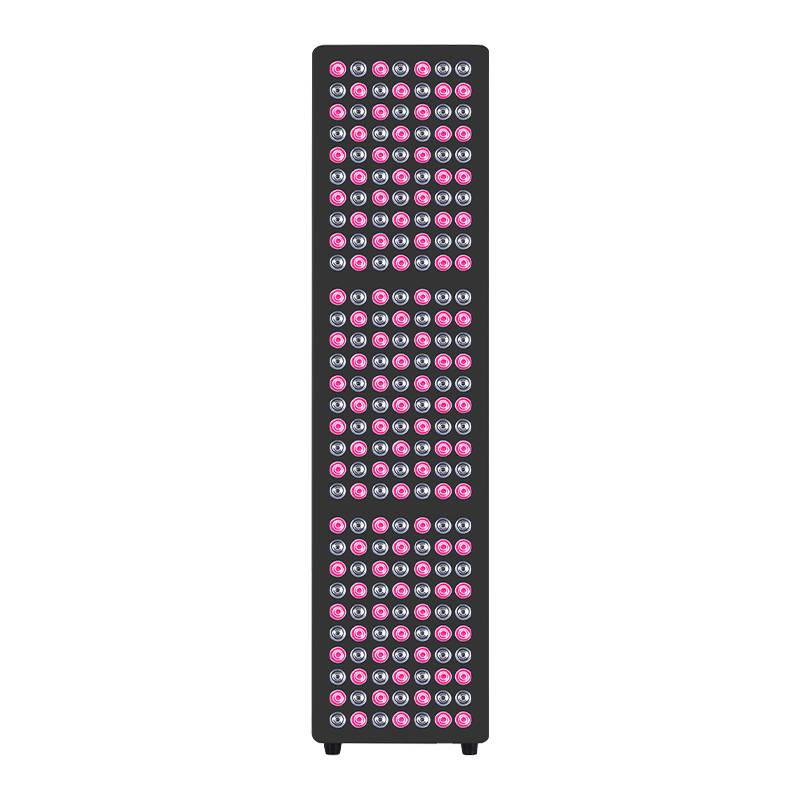
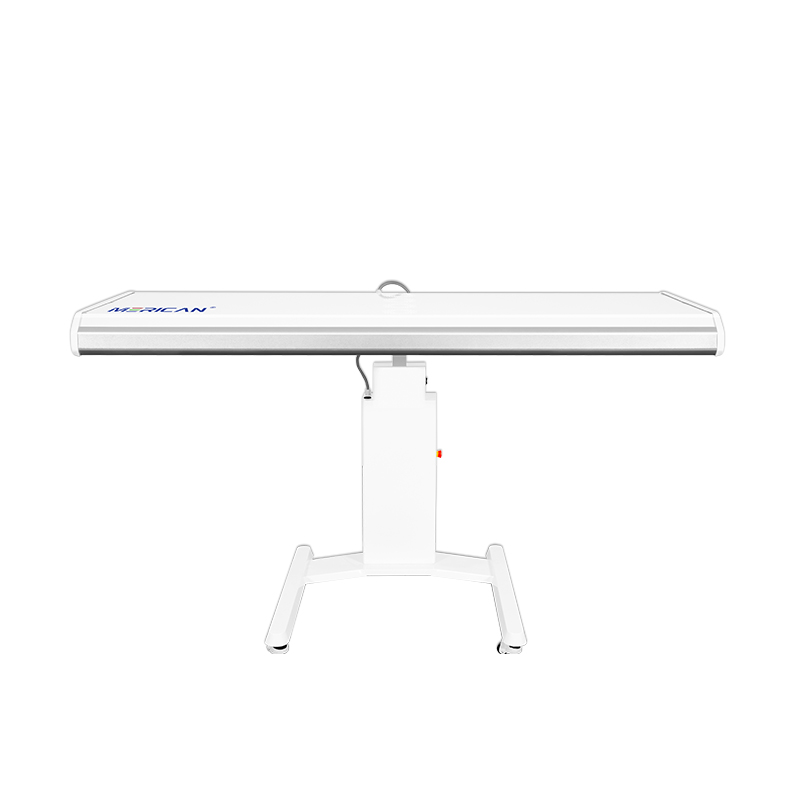
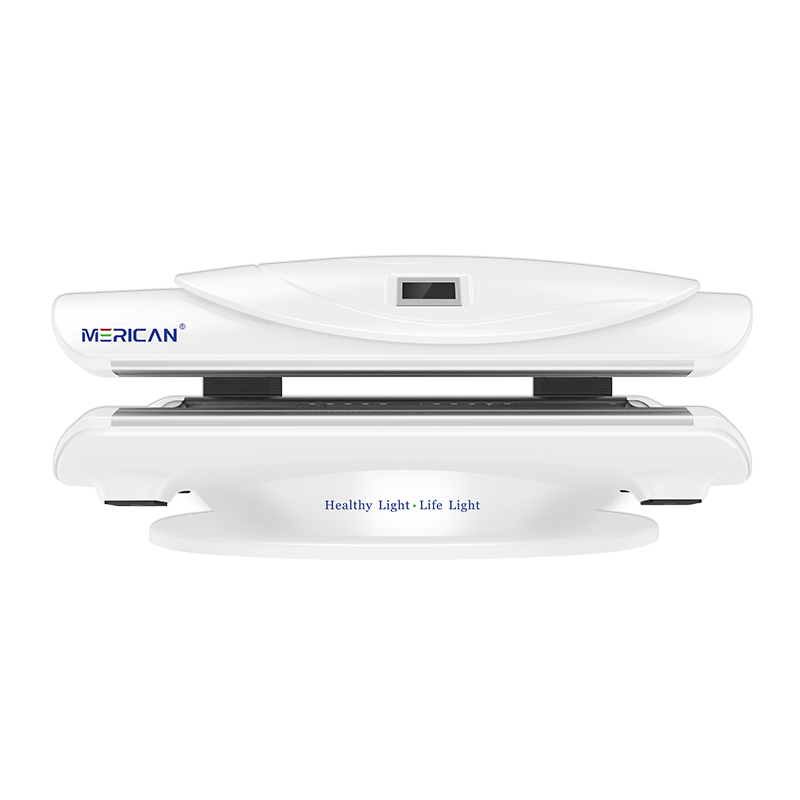
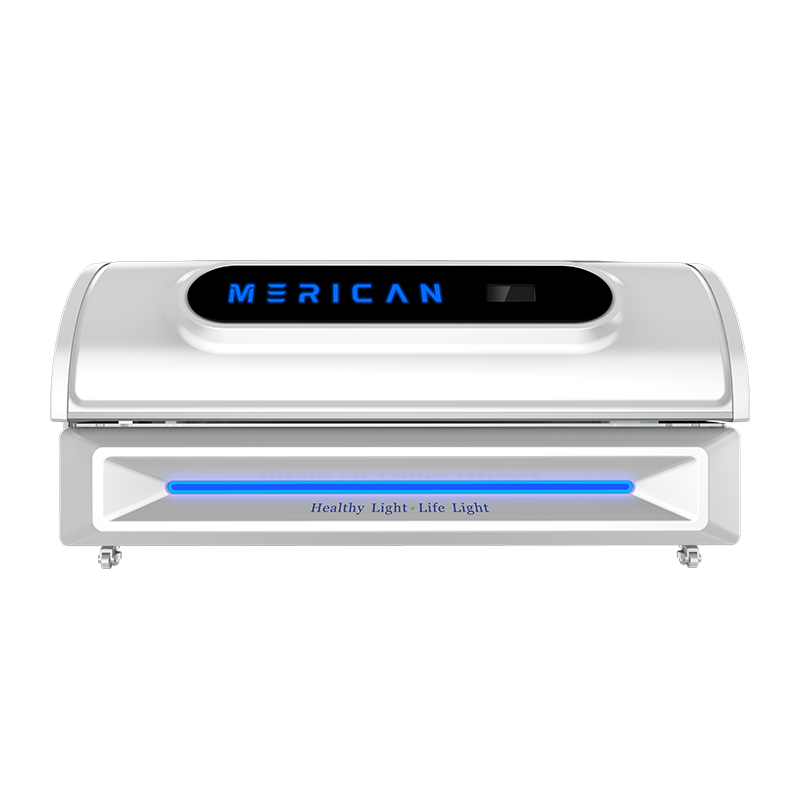
- 1,500–3,000+ W full-body systems are commonly used
- Designed for short, efficient sessions
- Deliver even coverage across the entire body
Higher wattage ensures consistent irradiance without forcing users to stand too close to the LEDs.
3. Why Higher Wattage Doesn’t Always Mean “Stronger”
A well-designed device focuses on:
- Proper wavelength accuracy
- Optimal treatment distance
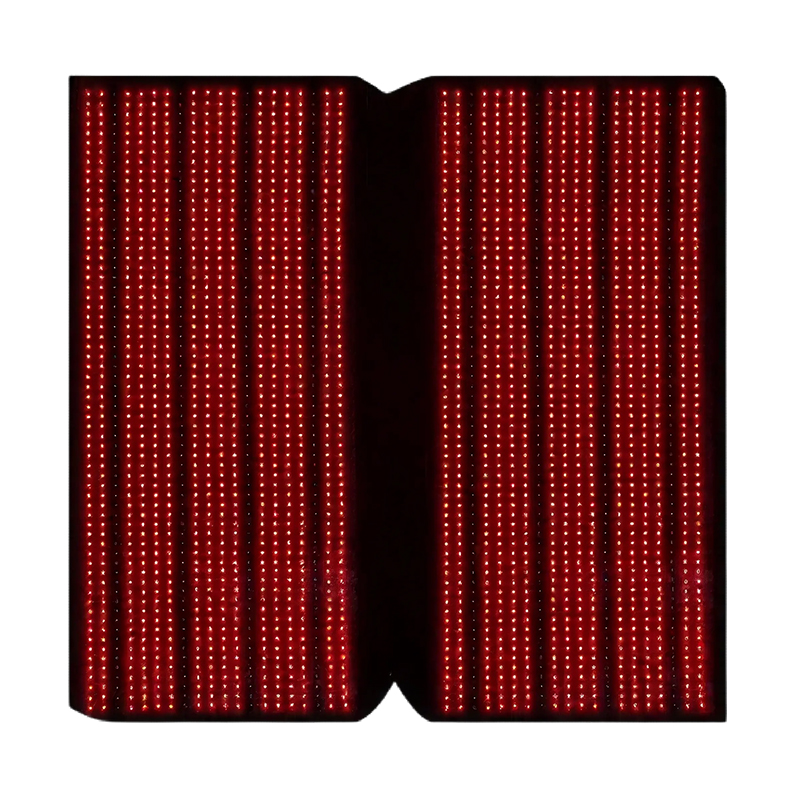
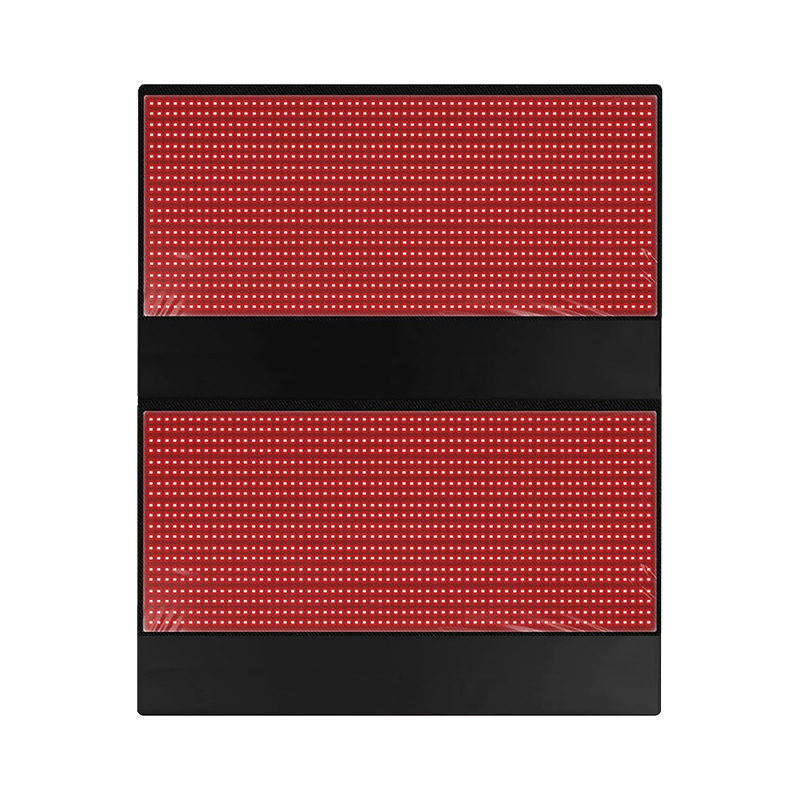
- Uniform light distribution
This is why professional manufacturers emphasize engineering quality over exaggerated wattage claims.
4. Matching Wattage to Treatment Goals
- Anti-aging & skin care: Moderate wattage, controlled irradiance
- Muscle recovery & pain support: Medium to high output with near-infrared light
- Whole-body wellness programs: High total wattage with balanced exposure
Choosing the right wattage helps ensure comfort, efficiency, and repeatable results.
5. Safety and Efficiency Considerations
Red light therapy uses non-ionizing light, but responsible devices still limit exposure through:
- Timed sessions
- Optimized LED spacing
- Medical-grade component testing
This ensures that higher wattage translates into better usability, not unnecessary intensity.
Conclusion
The best wattage for red light therapy depends on your usage scenario. Home users benefit from moderate wattage panels, while professional environments rely on higher wattage systems for full-body efficiency. Ultimately, output quality matters more than the number on the spec sheet.