The best red light therapy depends on who is using it and why. Different goals require different setups, even when the same light technology is used.
1. Best Red Light Therapy for Skin Health
For anti-aging and skin appearance:
- Red light in the 630–660 nm range is most relevant
- Moderate irradiance with consistent exposure is preferred
- Overly intense sessions do not improve results
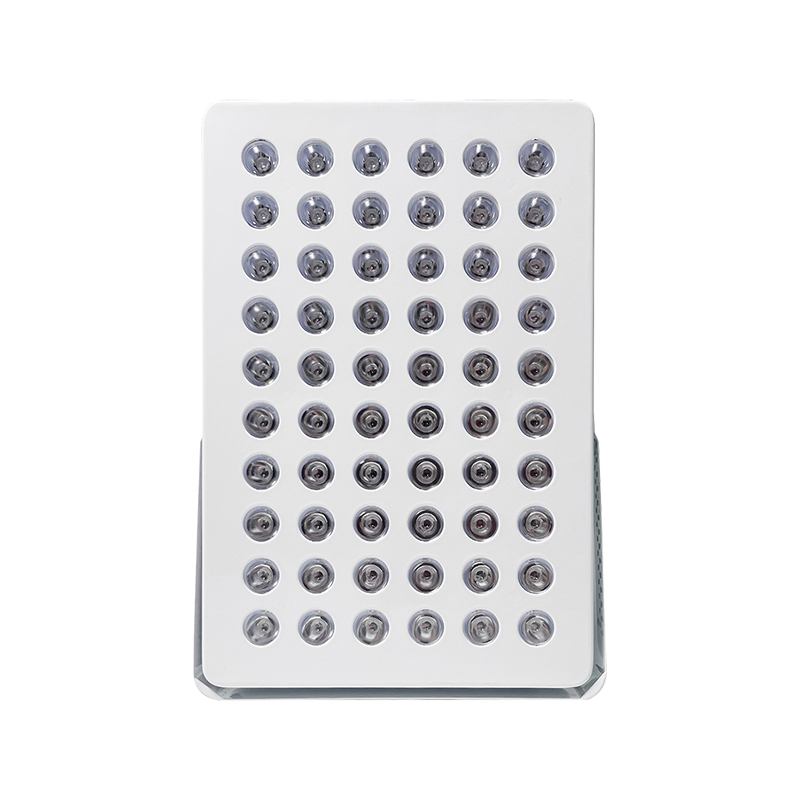
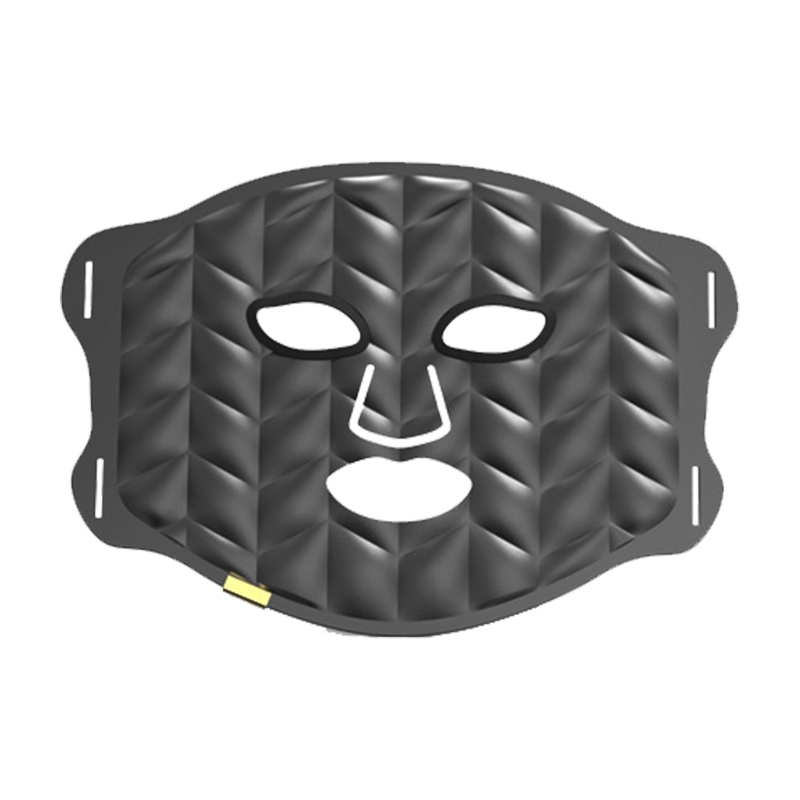
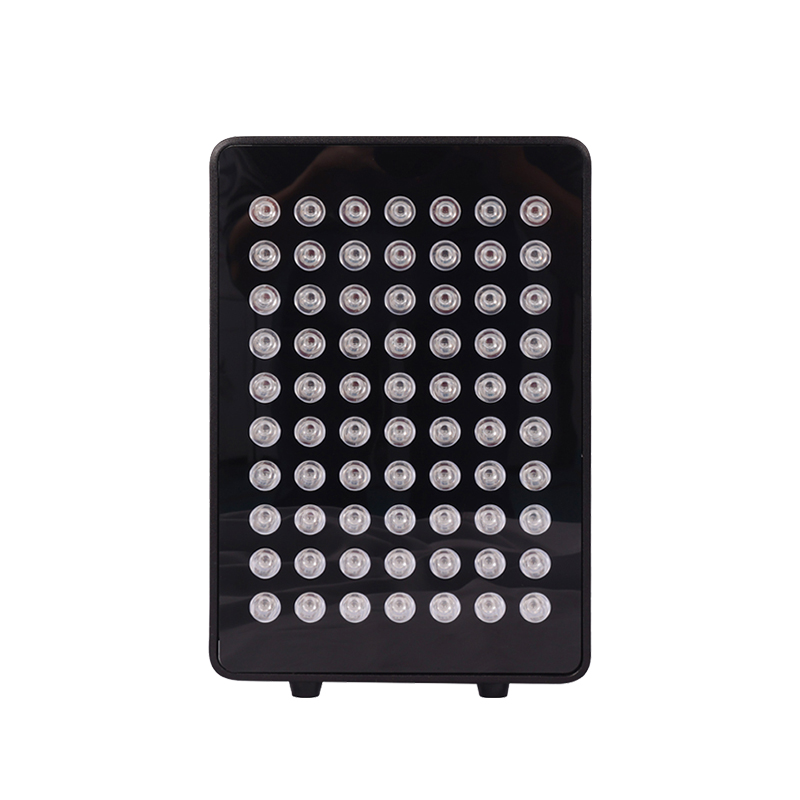
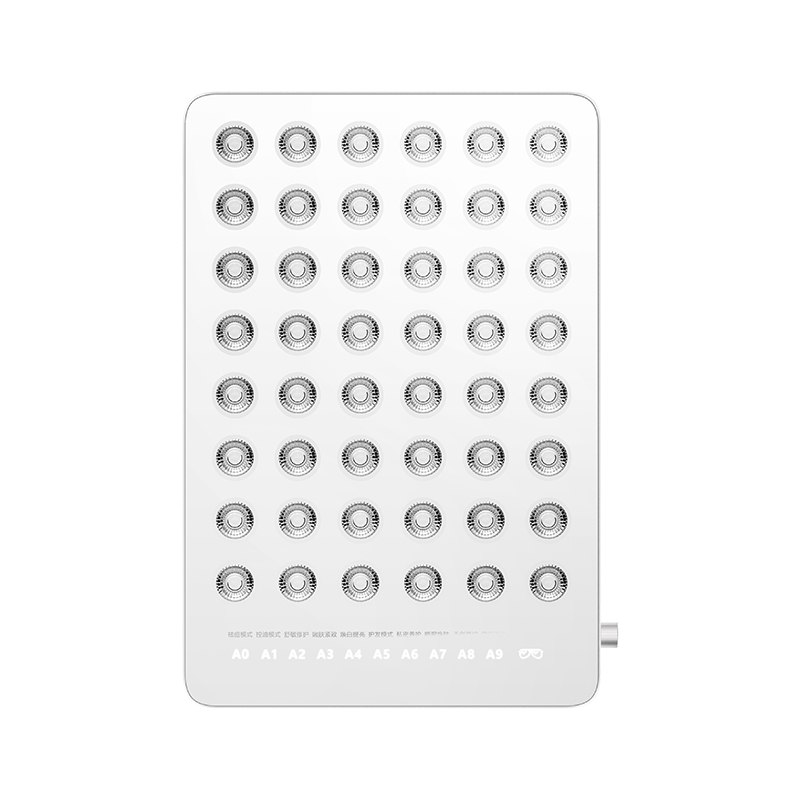
Facial-focused devices or professional aesthetic systems are commonly used in these cases.
2. Best Red Light Therapy for Muscle Recovery and Pain Support
For athletes and active individuals:
- Near-infrared light (around 850 nm) penetrates deeper
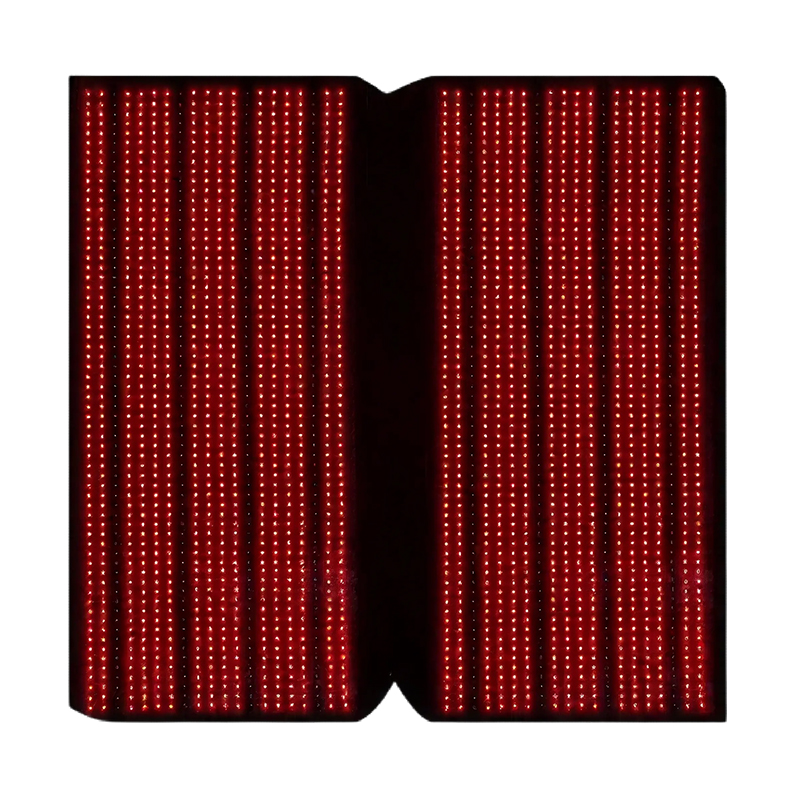
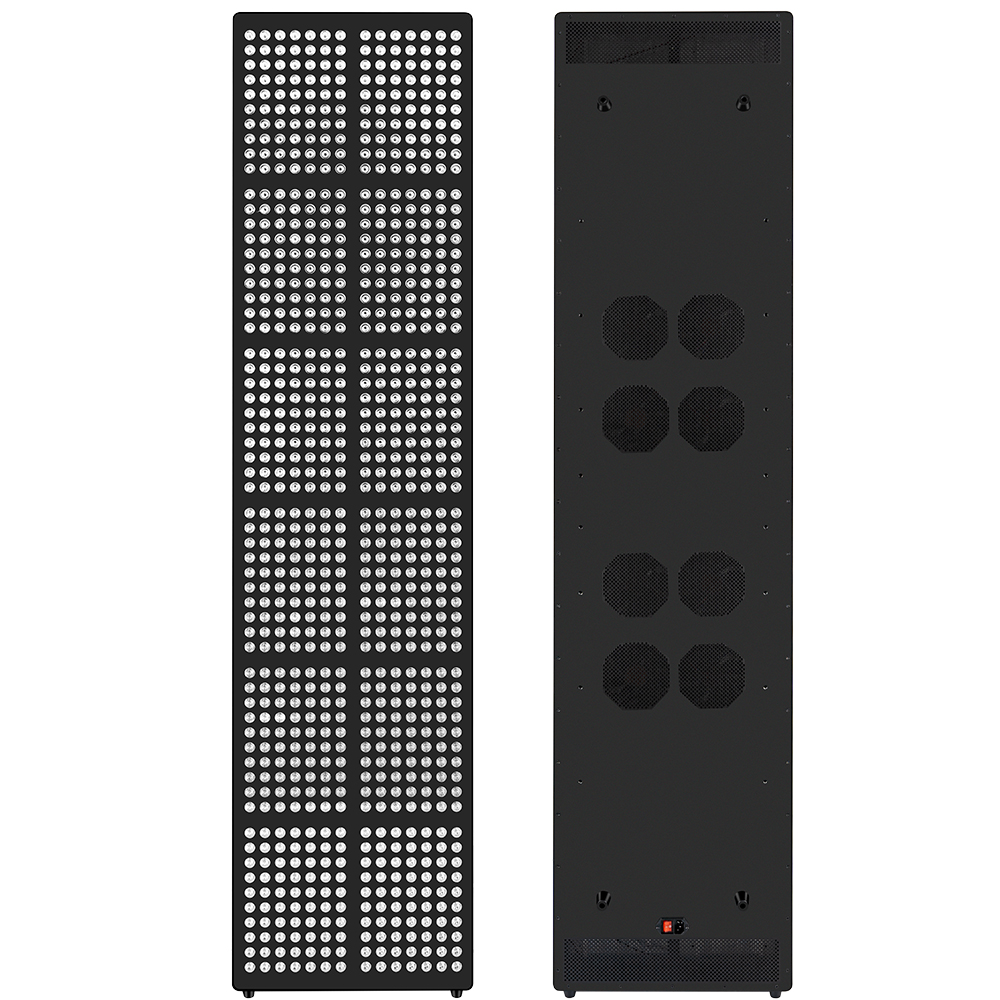
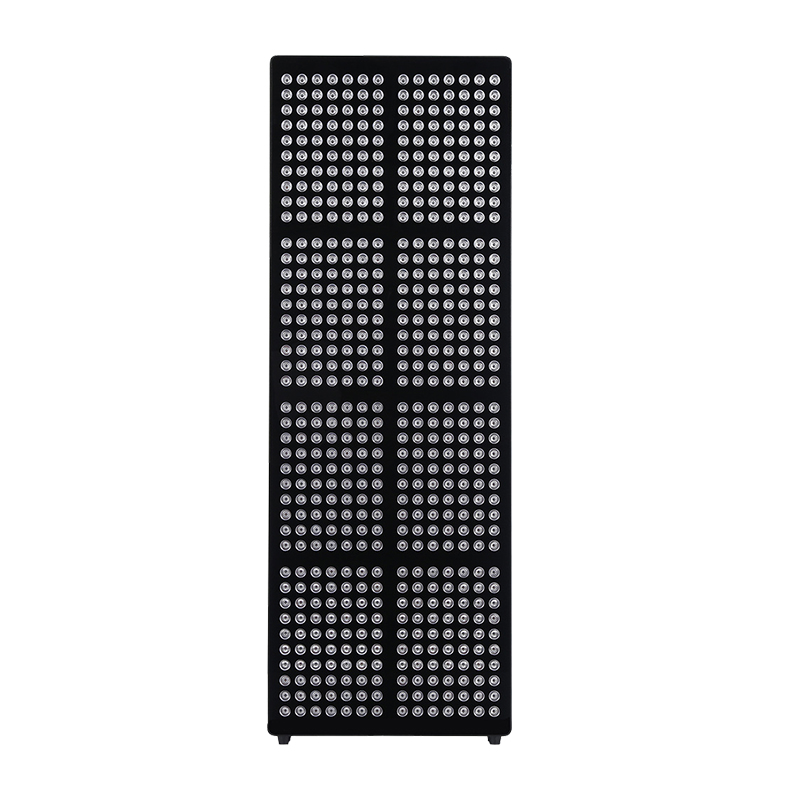
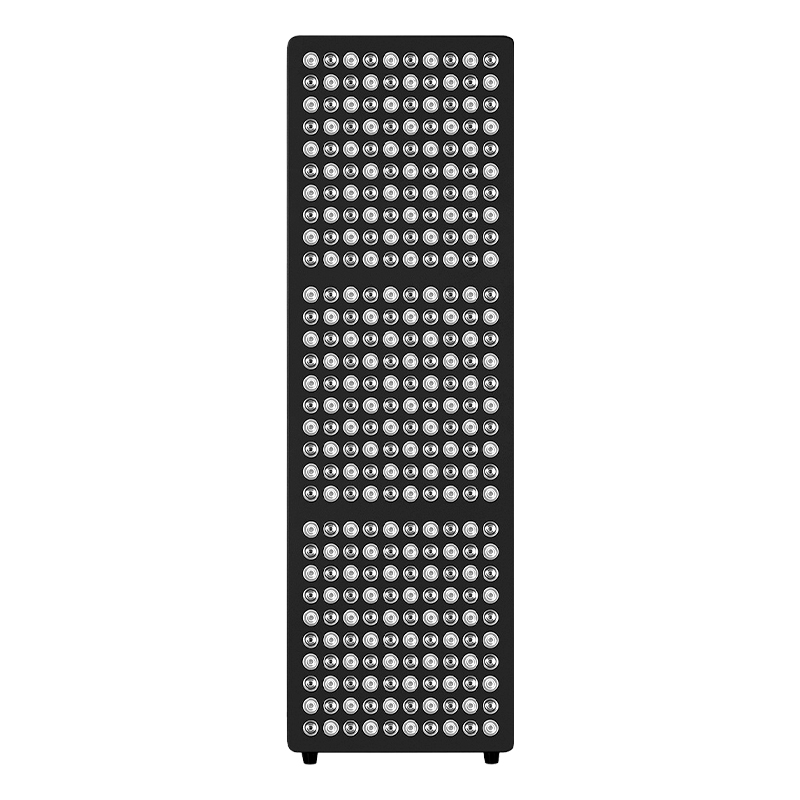
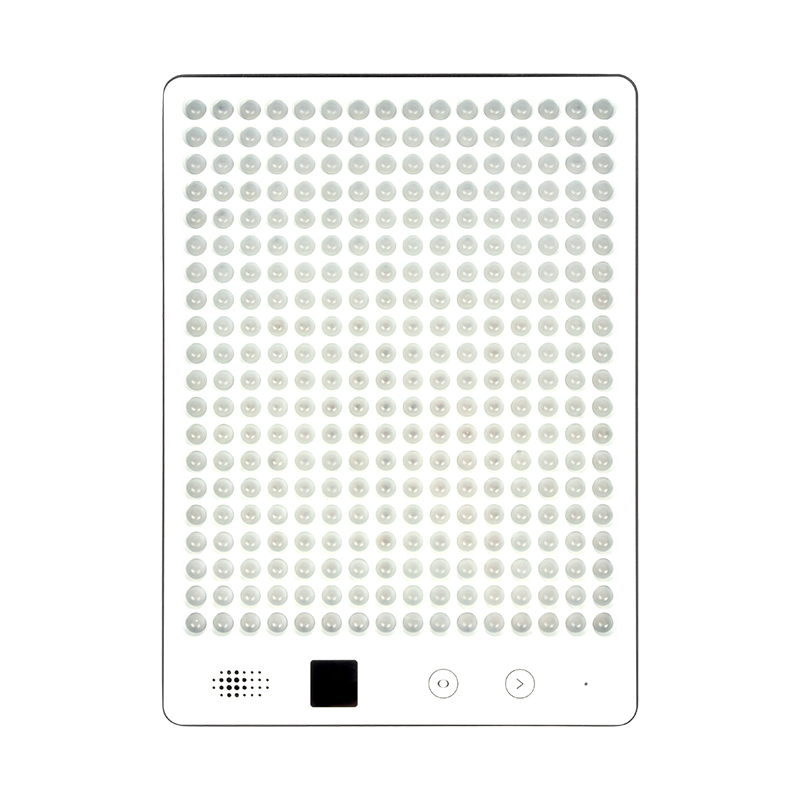
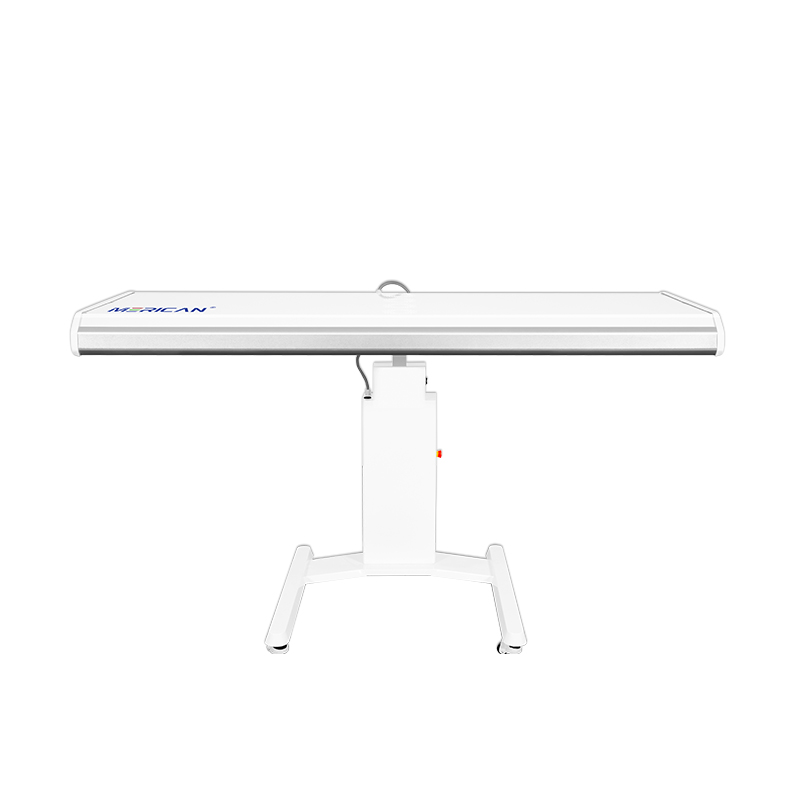
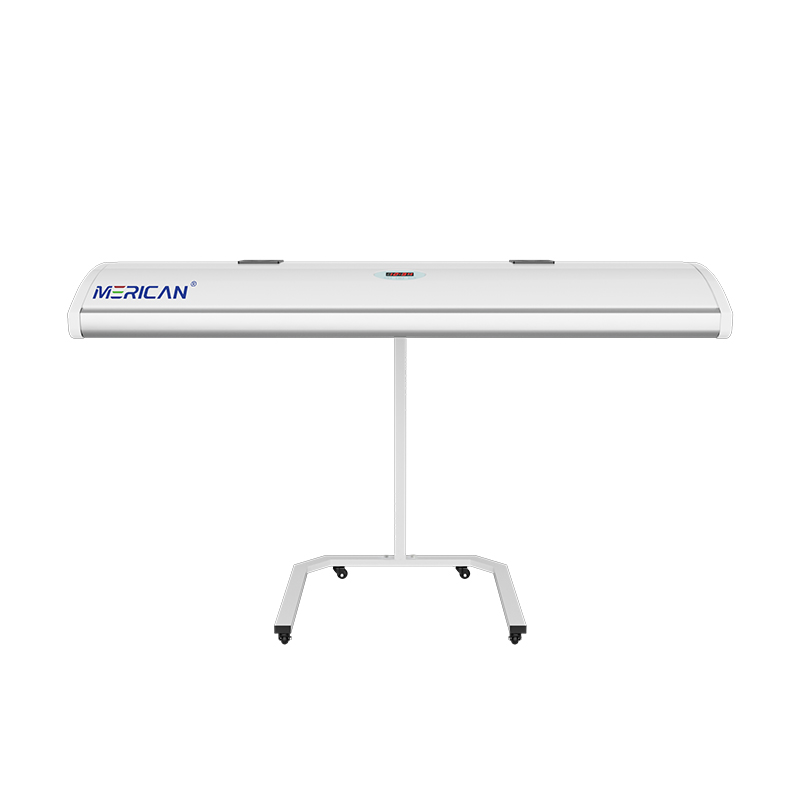
- Larger panels or body systems provide better coverage
- Even distribution reduces the need for long sessions
This approach is widely used in sports recovery and physical therapy environments.
3. Best Red Light Therapy for Whole-Body Wellness
For systemic wellness routines:
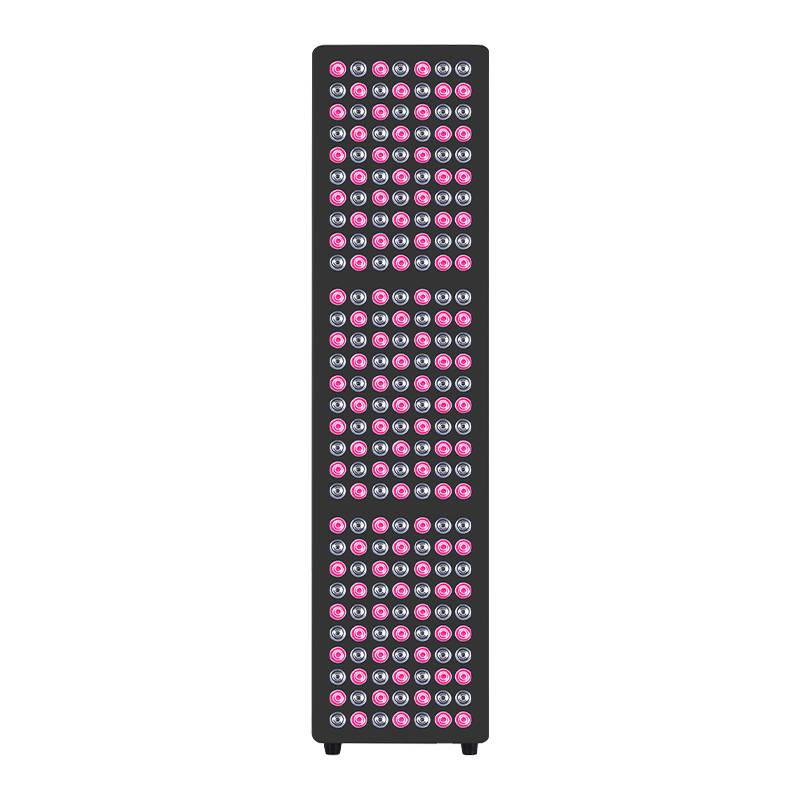
- Combination of red + near-infrared wavelengths
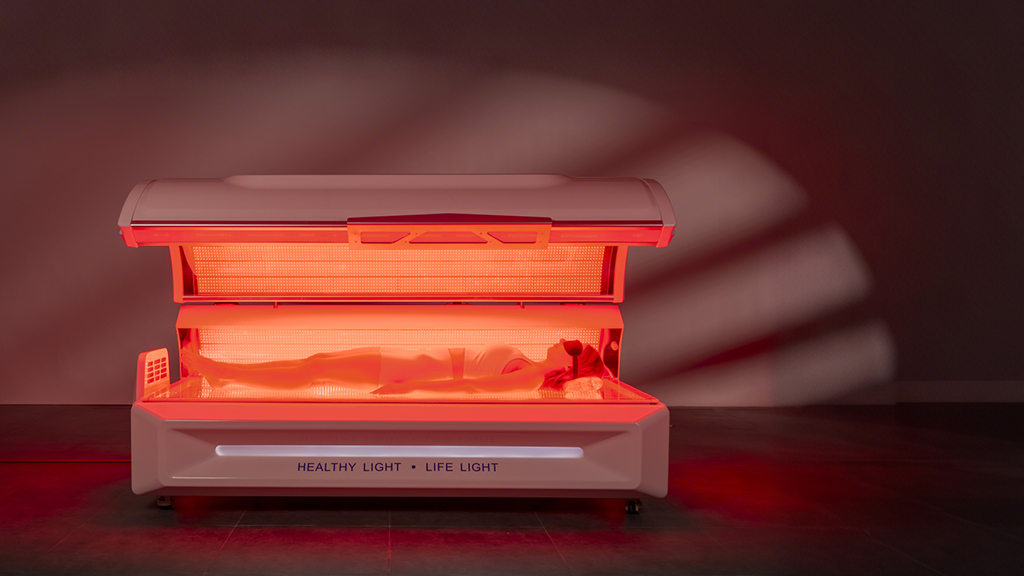
- Full-body exposure improves consistency and efficiency
- Short, regular sessions are more effective than sporadic high-intensity use
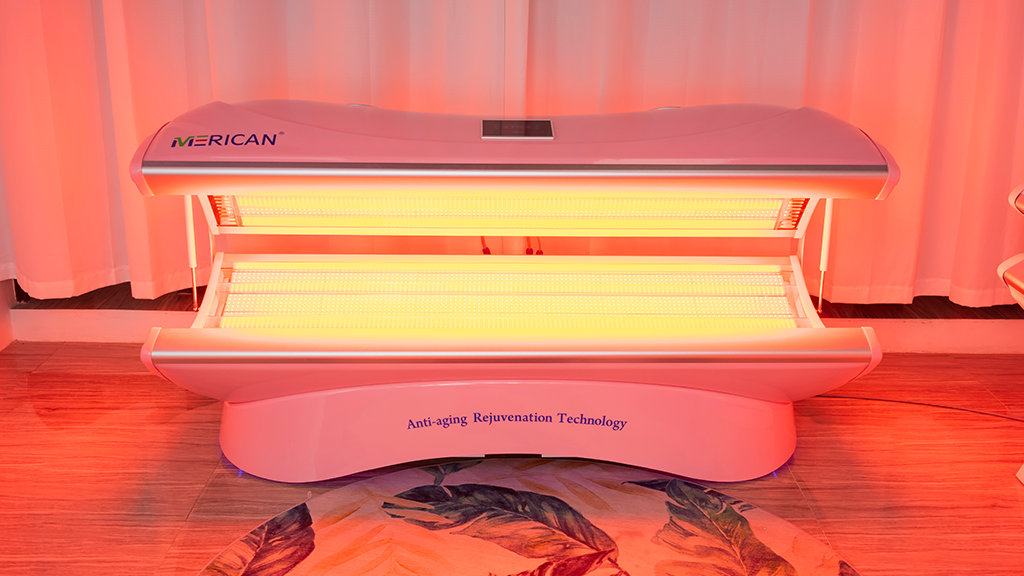
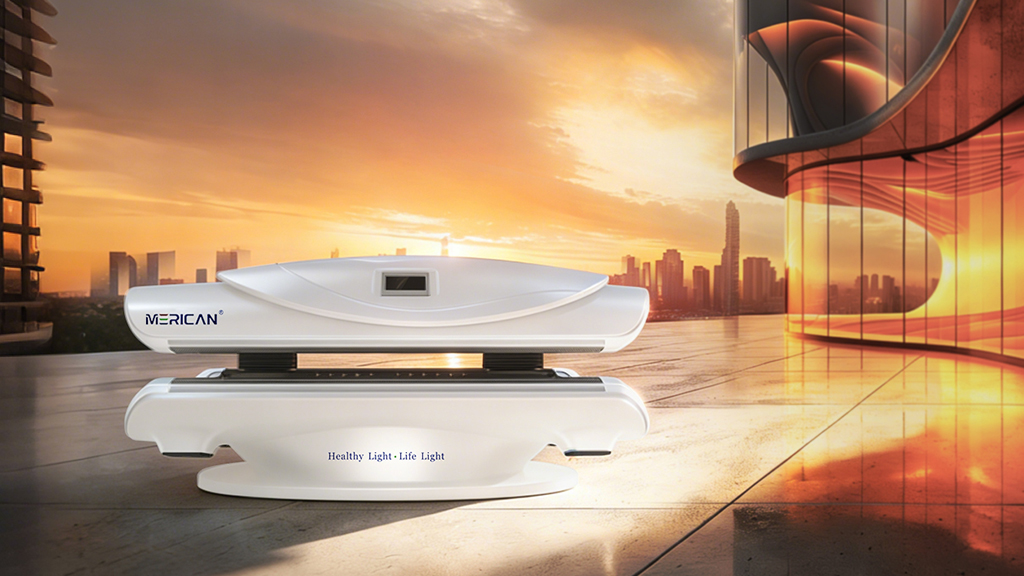
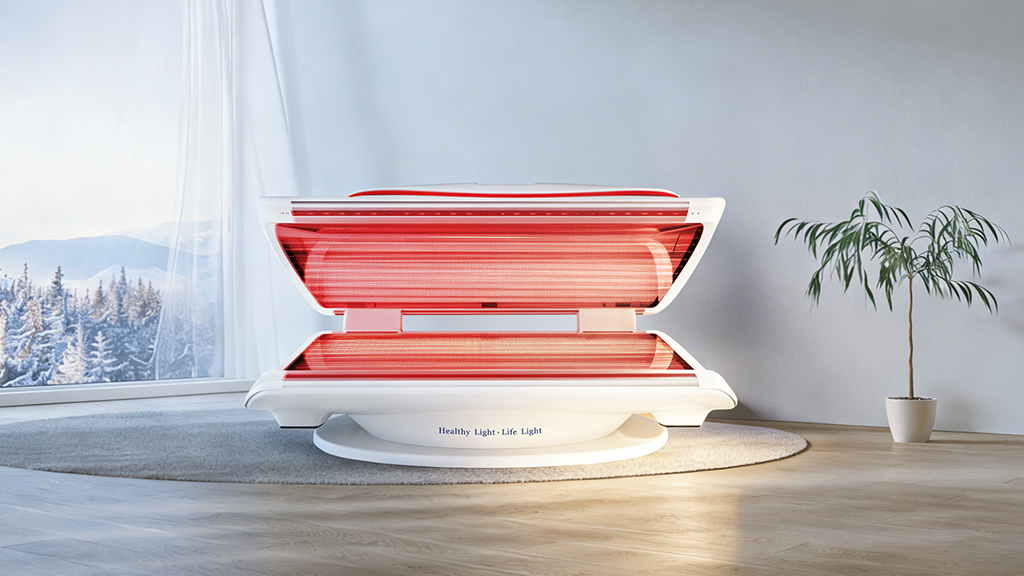
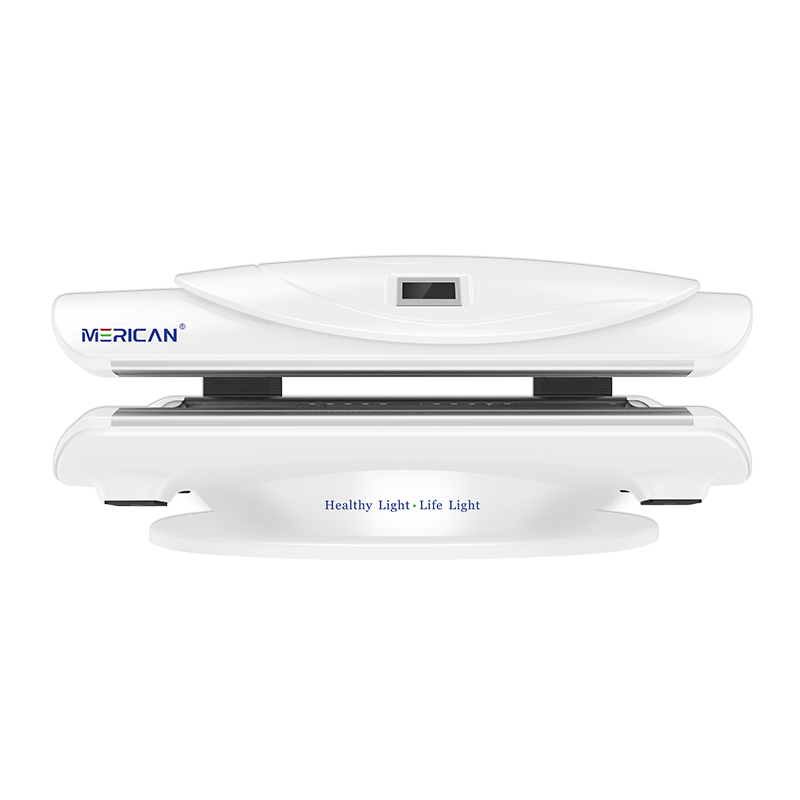
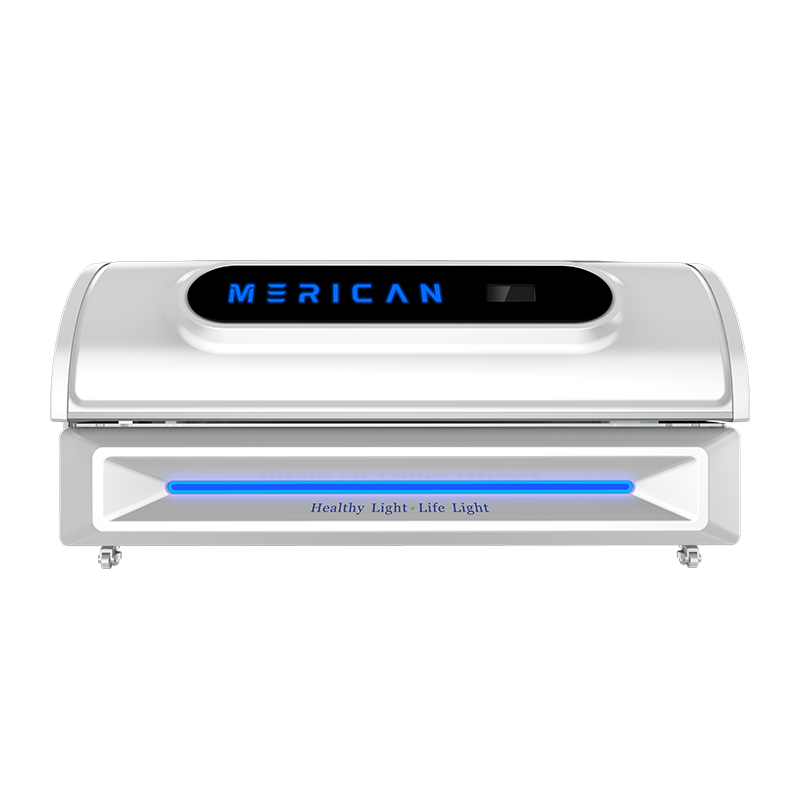
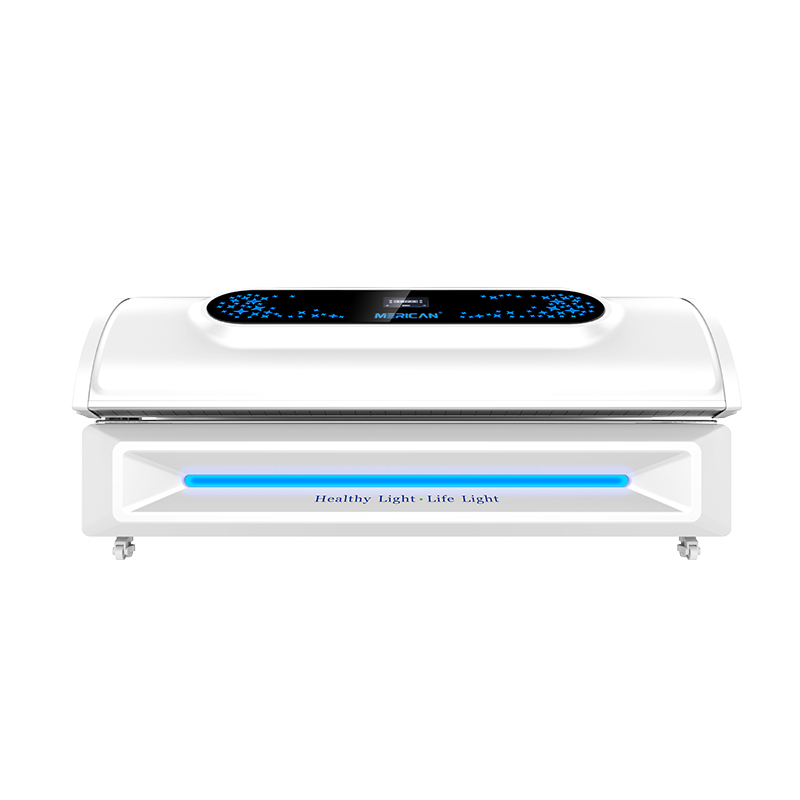
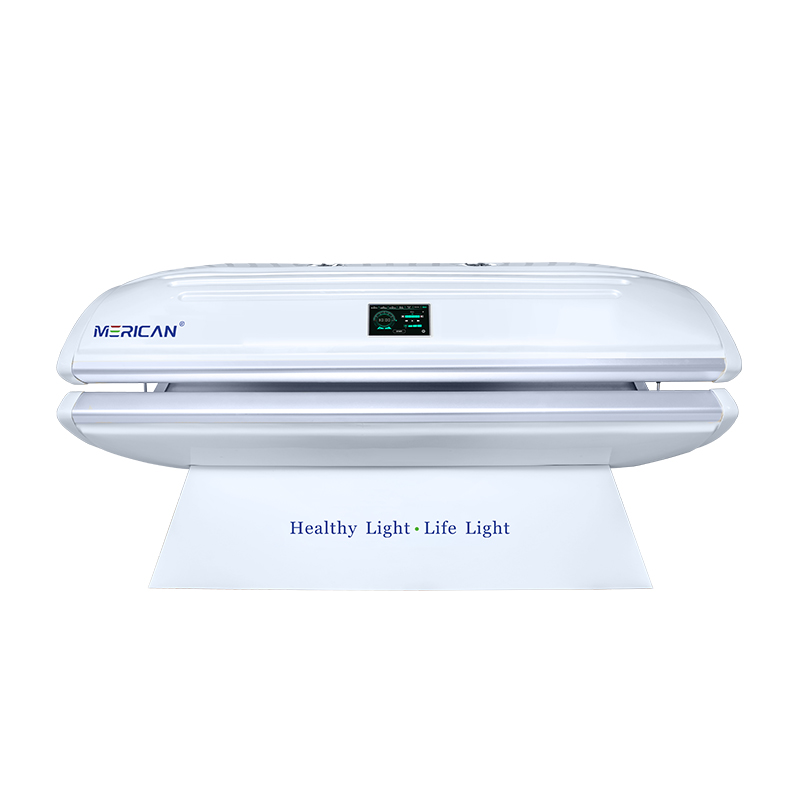
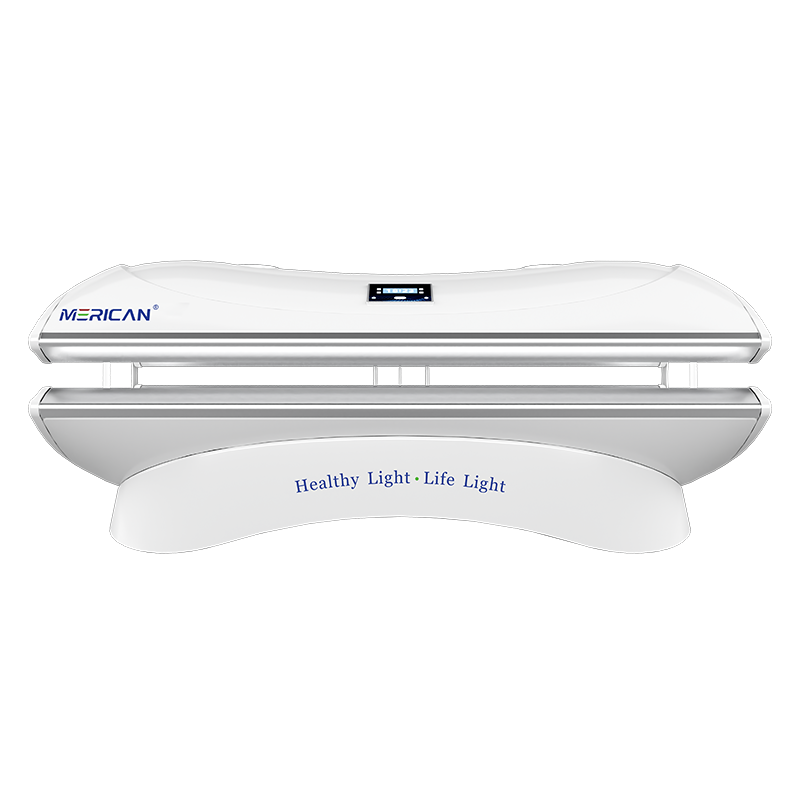
This is why full-body red light therapy beds are increasingly found in wellness centers and clinics.
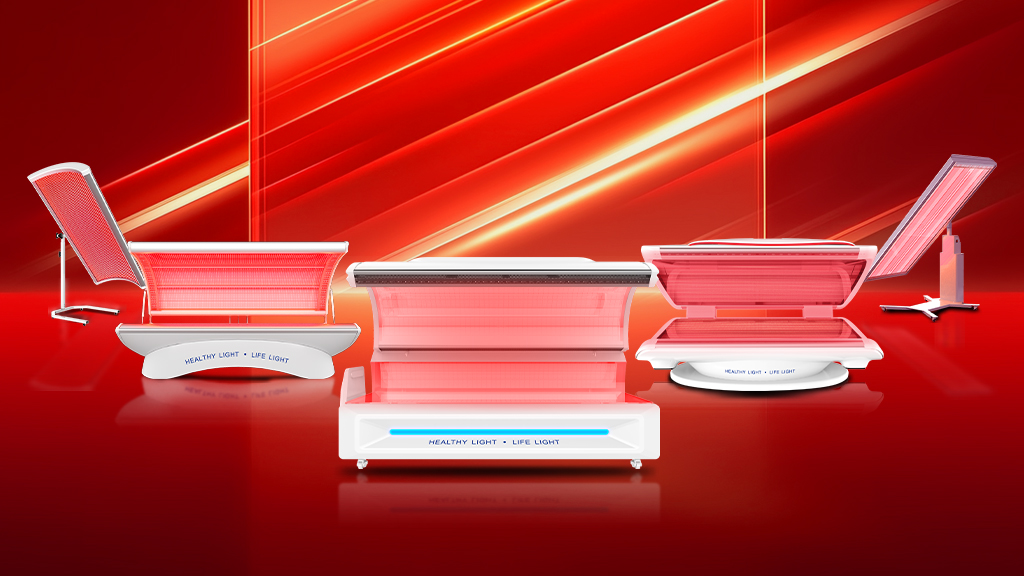
4. Home Use vs. Professional Use
Home devices offer convenience and affordability, while professional systems provide:
- Greater treatment efficiency
- Shorter session times
- More consistent energy delivery
Neither is inherently “better”—they simply serve different needs.
5. What to Avoid When Choosing Red Light Therapy
- Devices that only advertise brightness or wattage
- Lack of wavelength transparency
- Claims that promise instant or exaggerated medical outcomes
Evidence-based red light therapy focuses on consistency, accuracy, and realistic expectations.
Conclusion
The best red light therapy is not a one-size-fits-all solution. It is the option that aligns with your treatment goal, usage environment, and commitment to regular sessions. Understanding how red light therapy works is the first step toward choosing wisely.