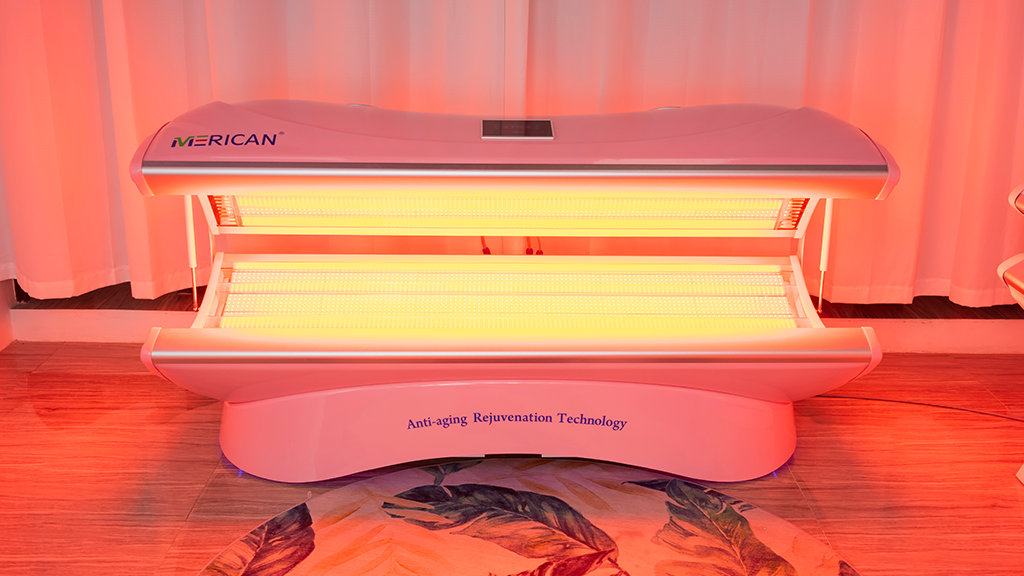
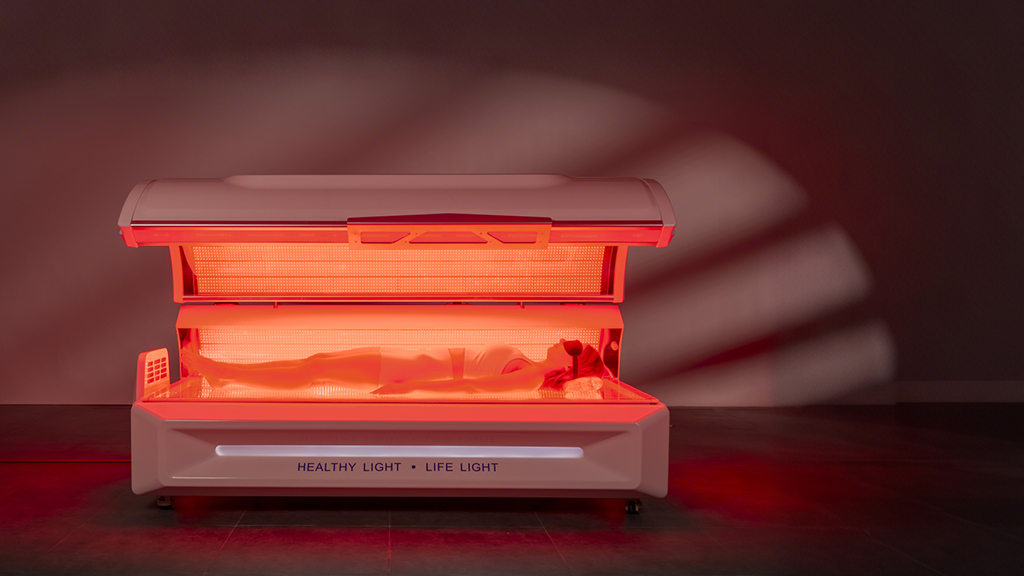
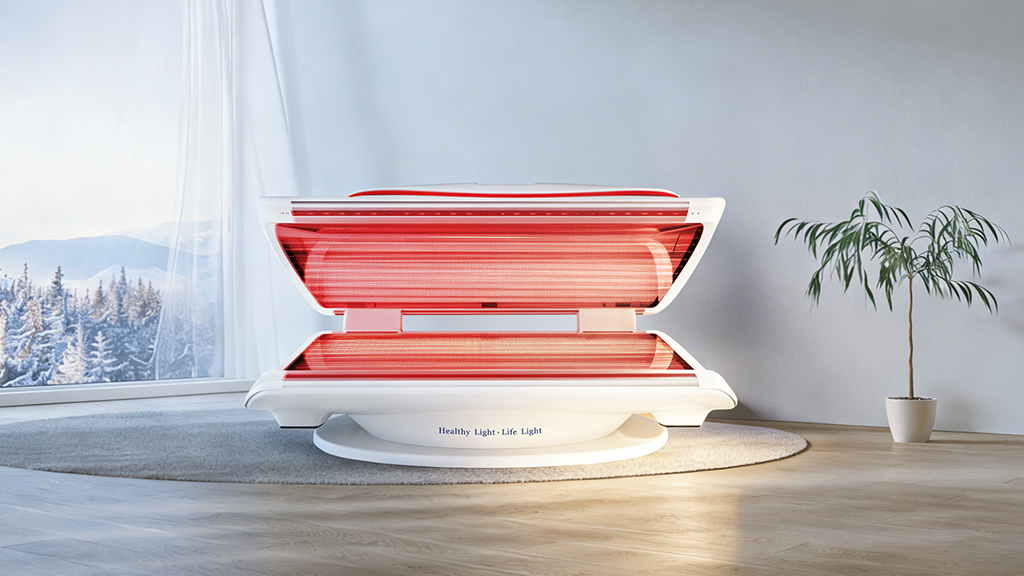
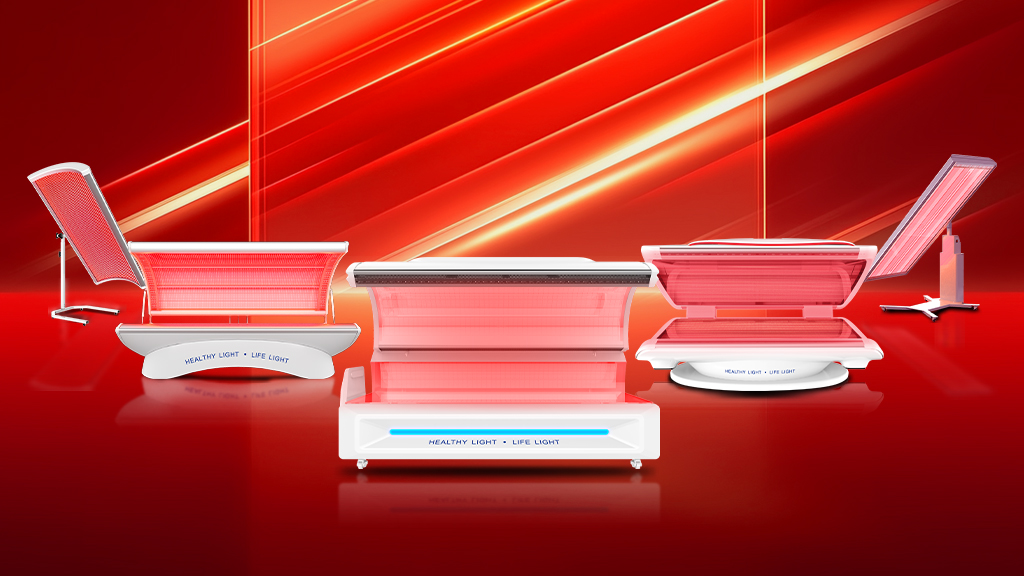
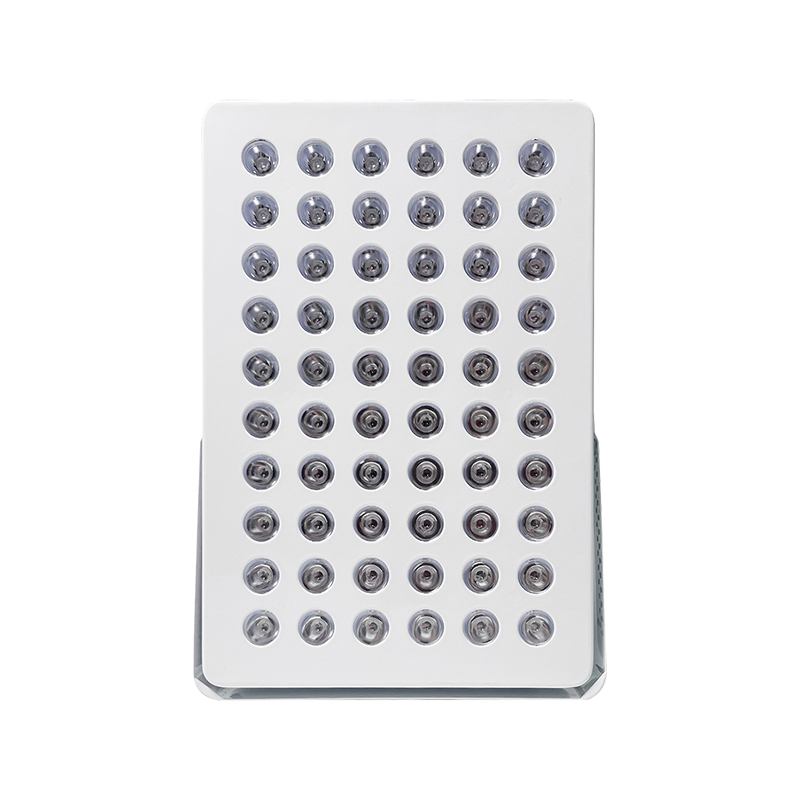
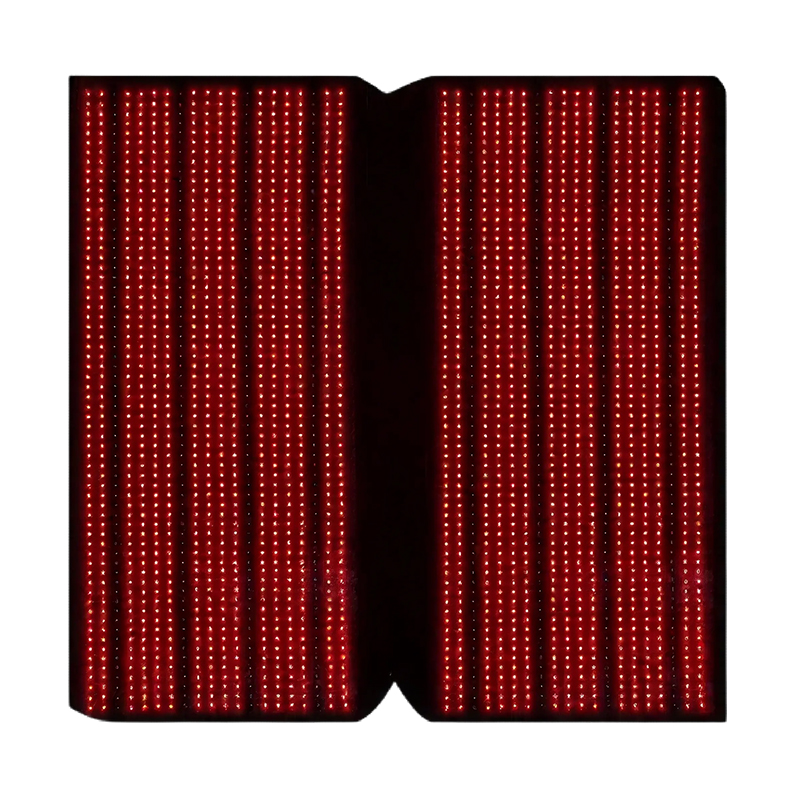
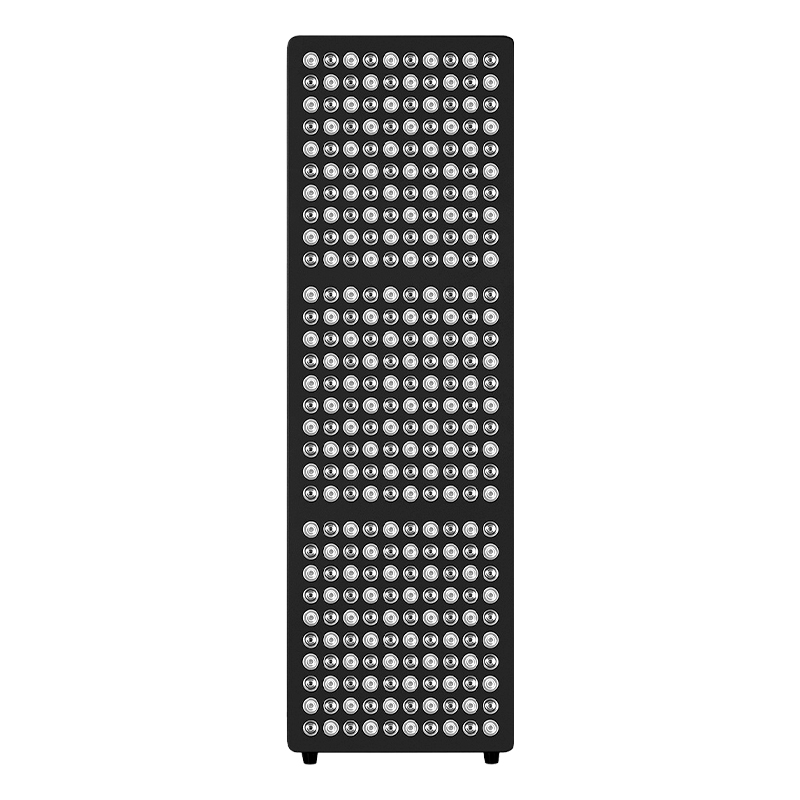
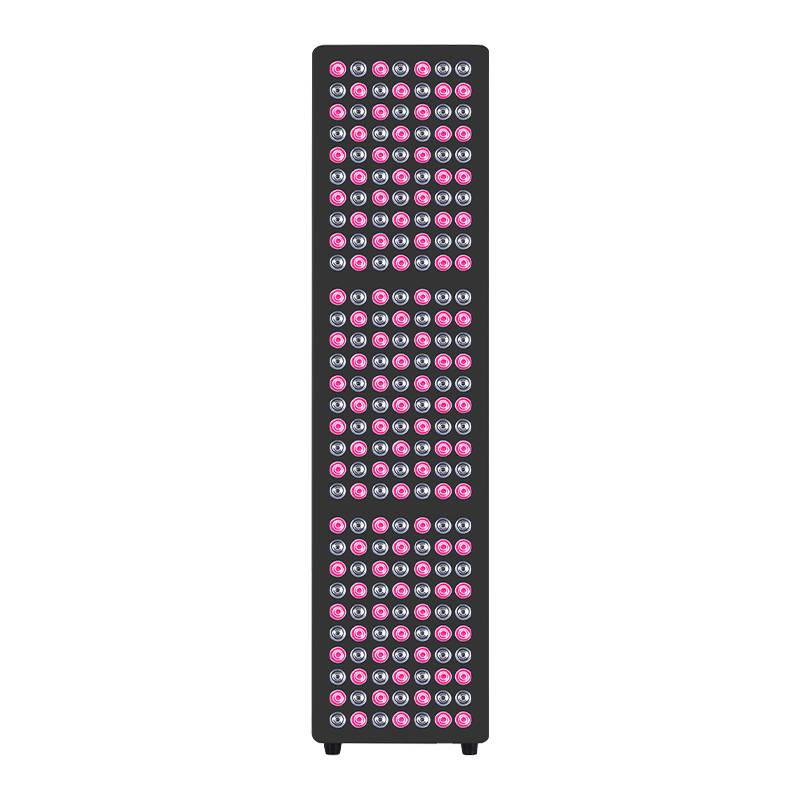
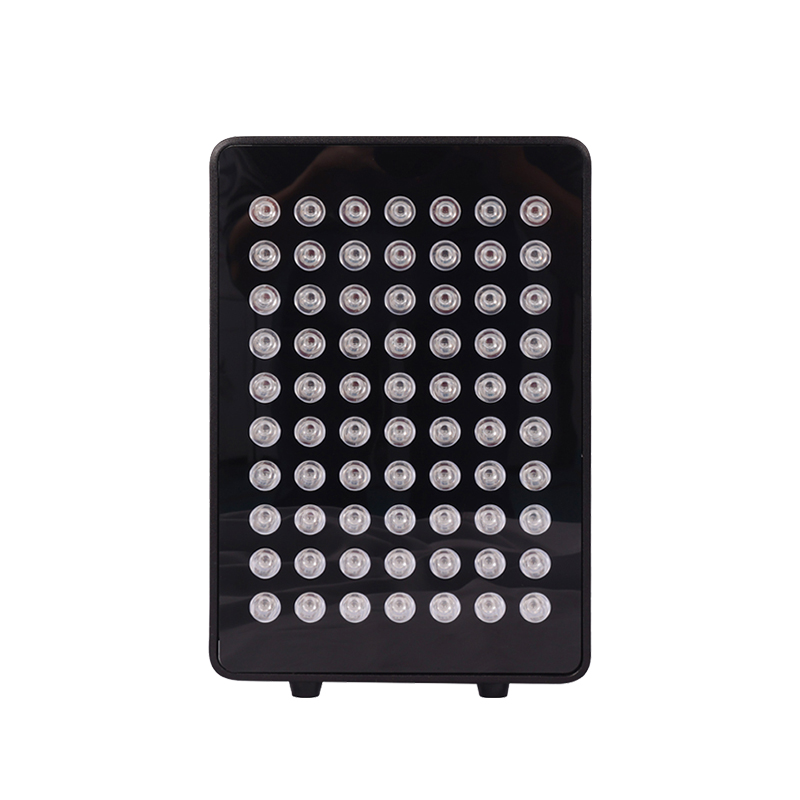
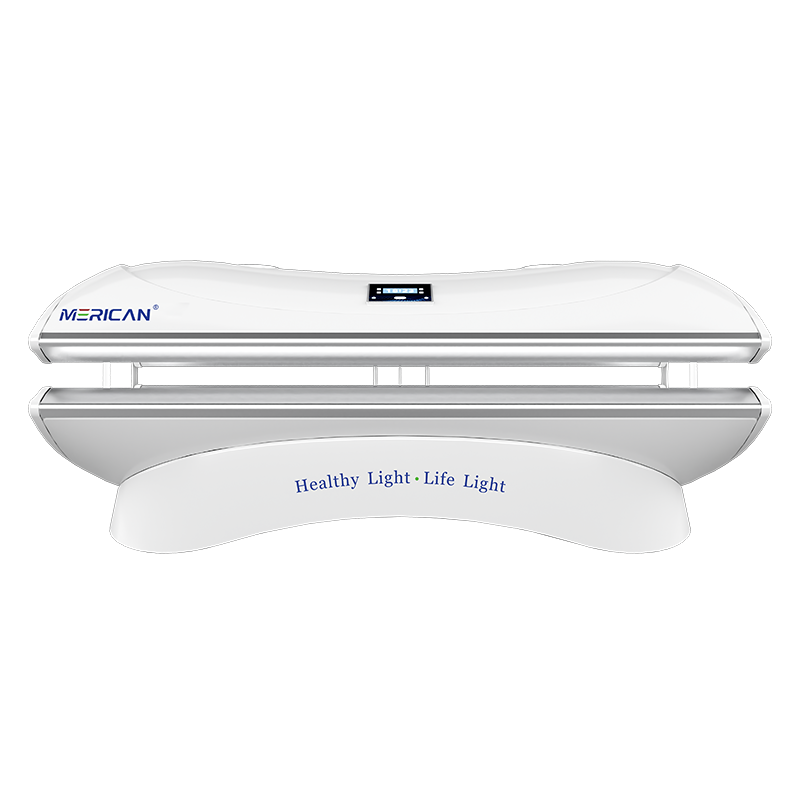
Θεραπεία με κόκκινο φως (RLT) έχει γίνει ένα δημοφιλές εργαλείο για τη μείωση της φλεγμονής, υποστήριξη της θεραπείας, και τη βελτίωση της υγείας του δέρματος. Αλλά για όσους αντιμετωπίζουν αυτήν τη στιγμή τον καρκίνο του μαστού - ή έχουν ιστορικό του - τίθεται το ερώτημα: Είναι ασφαλές?
Τι είναι η θεραπεία με κόκκινο φως?
Η θεραπεία με κόκκινο φως χρησιμοποιεί συγκεκριμένα μήκη κύματος κόκκινου χρώματος (τυπικά 630–660 nm) και εγγύς υπέρυθρο φως (800– 850 nm) to stimulate cellular energy production (ATP), περιορίζω οξειδωτικό στρες, και προωθεί την επισκευή των ιστών. It’s widely used in skincare, διαχείριση του πόνου, and post-surgery recovery.
Concerns with Cancer and Light Stimulation
The core concern is that red light therapy stimulates cellular activity — and in the context of cancer, ειδικά hormone-sensitive types like some forms of breast cancer, this raises caution. While RLT doesn’t use harmful UV rays and is μη ιονίζουσα, its ability to boost cell function makes many oncologists recommend avoiding direct application over known or suspected tumors.
Τι Λέει η Έρευνα?
- There is no strong evidence that red light therapy causes cancer.
- Μερικοί animal and lab studies show red light may support immune function or reduce treatment side effects.
- Ωστόσο, human clinical research on RLT in active cancer patients is limited.
For breast cancer survivors, red light therapy may help with:
- Scar healing μετά την επέμβαση
- Lymphedema management (swelling due to lymph node removal)
- Fatigue and muscle pain caused by chemotherapy or radiation
But always under medical supervision.
Safety Guidelines
- Do not apply red light directly over a tumor or affected breast without doctor approval
- Avoid RLT if you are undergoing active cancer treatment, unless supervised
- Breast cancer survivors can consider RLT for non-cancerous areas (π.χ., πρόσωπο, αρθρώσεις, ουλές), but still should consult their oncologist
Τελικές Σκέψεις
Red light therapy is generally safe for healthy individuals, but for those with current or past breast cancer, caution is essential. Always consult your oncologist or medical team before using red light therapy — especially over the chest area.