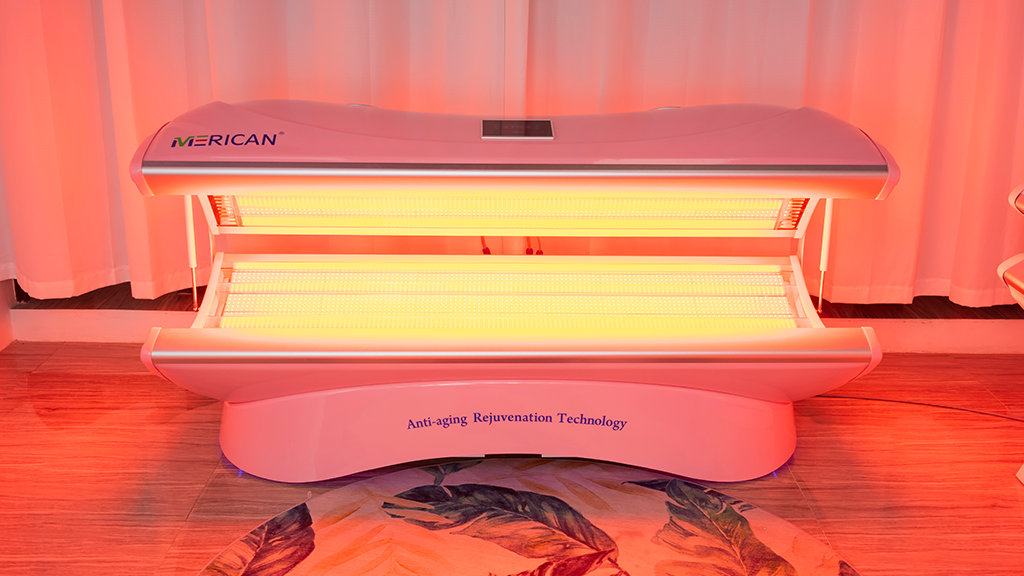
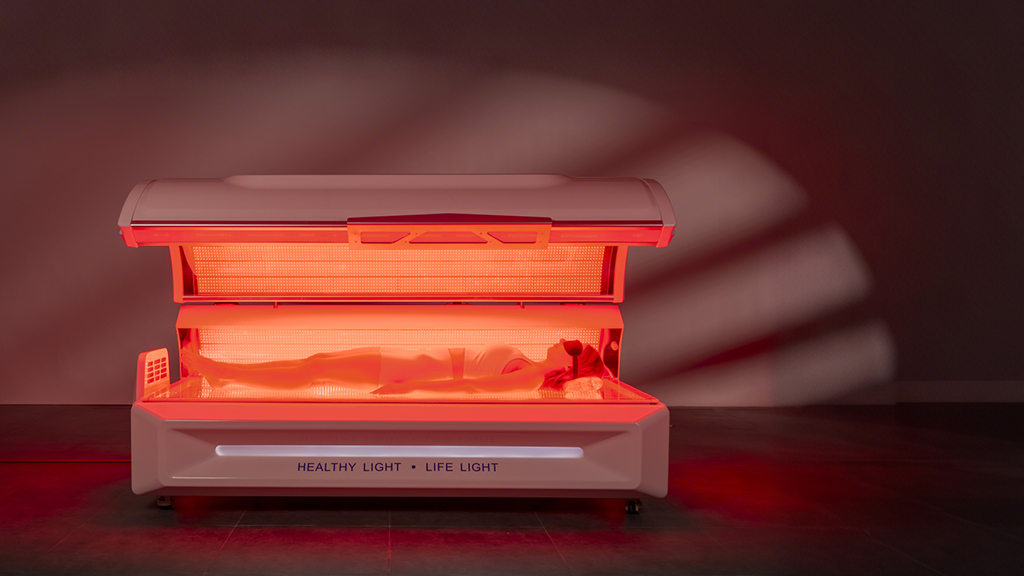
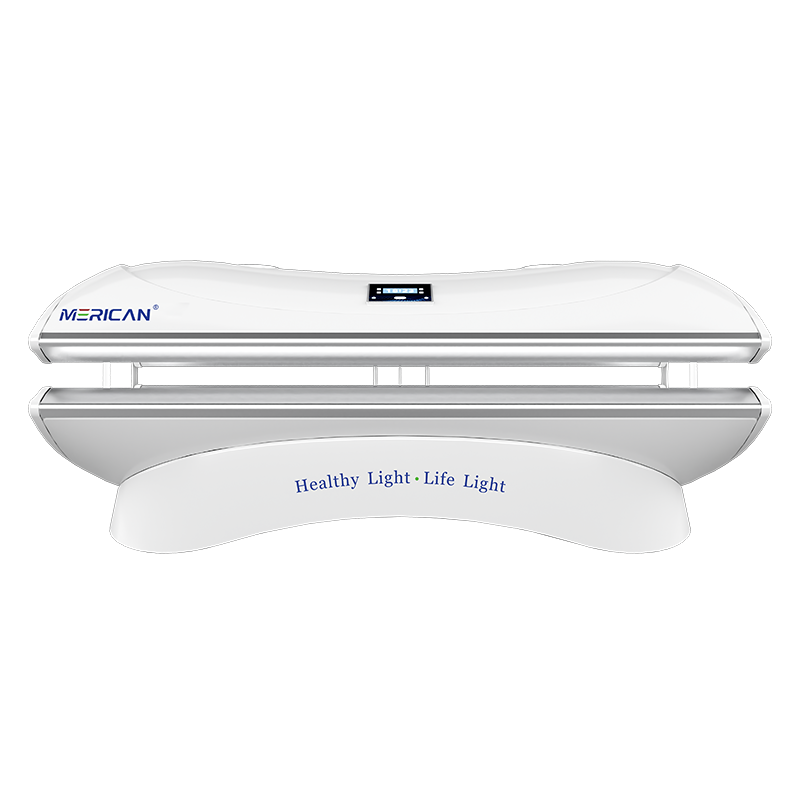
Vörös fény terápia (RLT) a gyulladás csökkentésének népszerű eszközévé vált, a gyógyulás támogatása, és javítja a bőr egészségét. De azok számára, akik jelenleg mellrákkal küzdenek – vagy már korábban is előfordult – felmerül a kérdés: Biztonságos-e?
Mi az a vörös fényterápia?
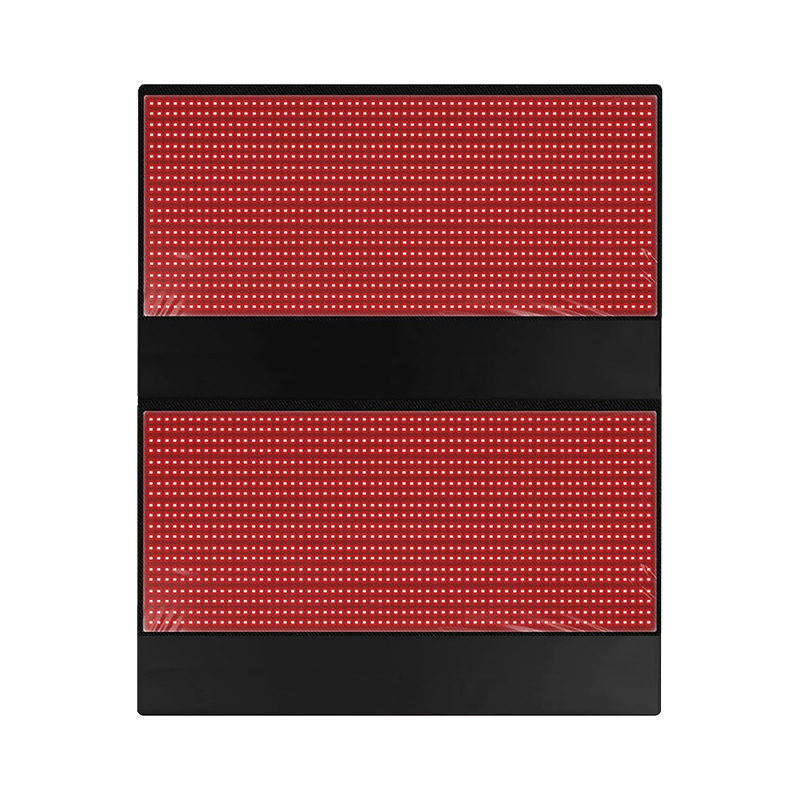
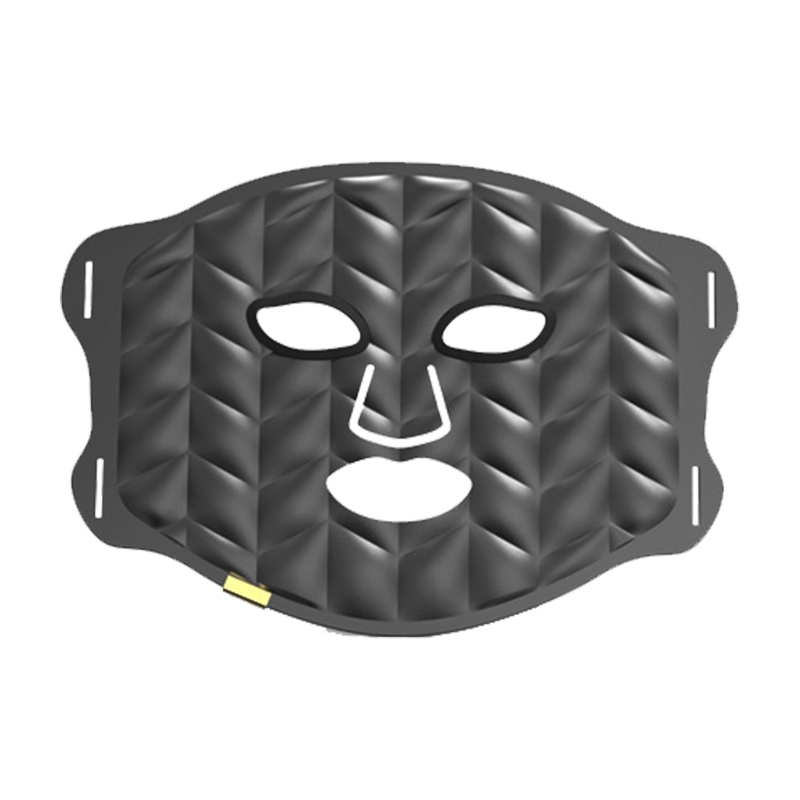
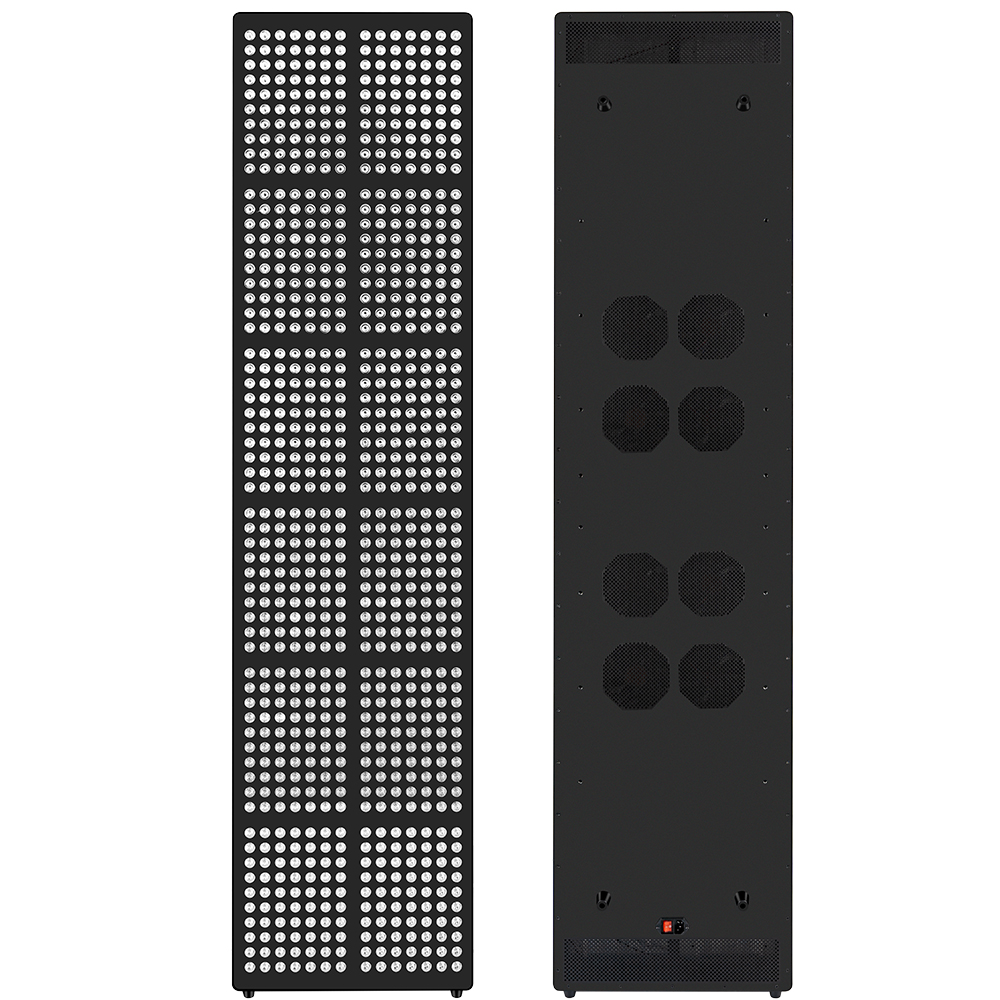
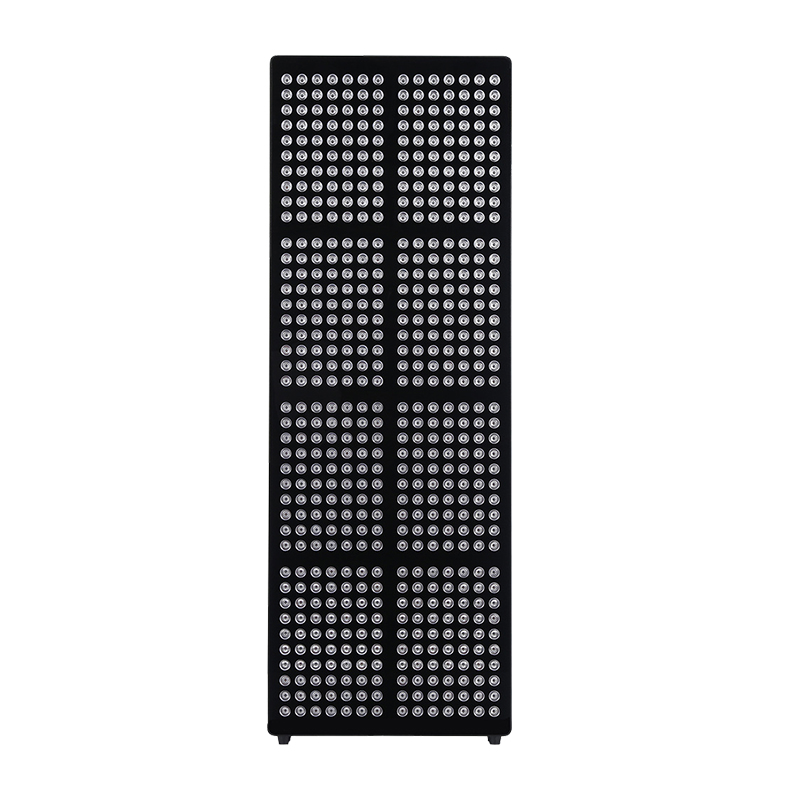
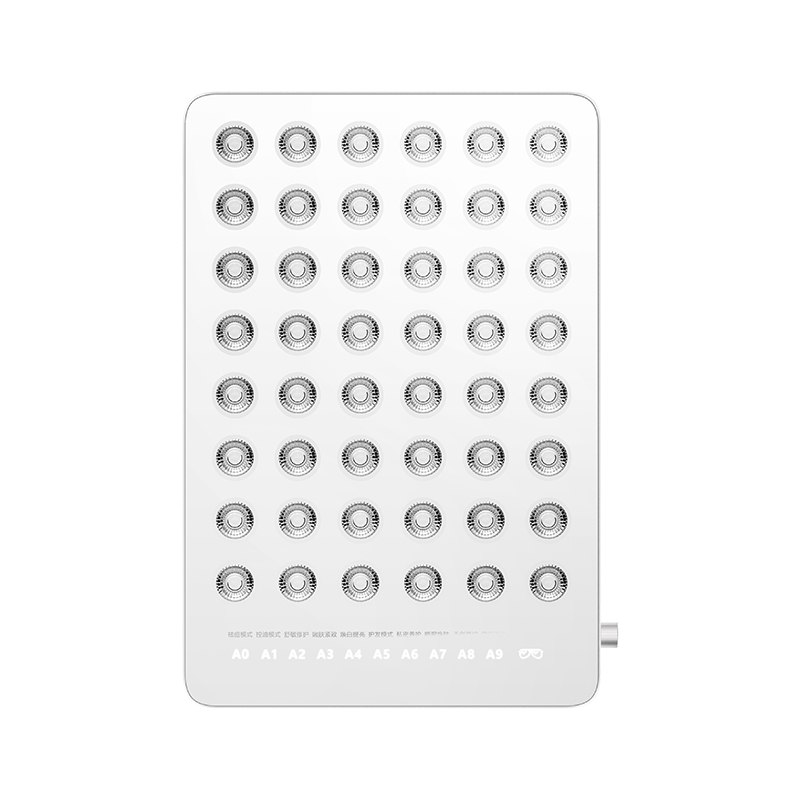
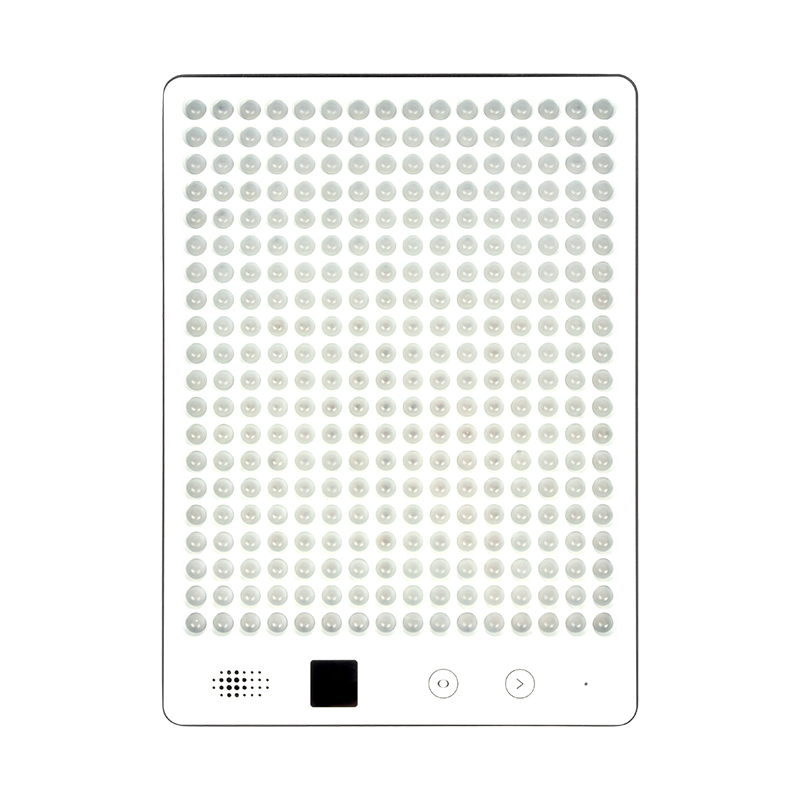
A vörös fényterápia meghatározott hullámhosszú vöröset használ (jellemzően 630-660 nm) és közeli infravörös fény (800-850 nm) to stimulate sejtes energiatermelés (ATP), csökkenteni oxidatív stressz, és elősegíti a szövetek helyreállítását. It’s widely used in skincare, fájdalomkezelés, and post-surgery recovery.
Concerns with Cancer and Light Stimulation
The core concern is that red light therapy stimulates cellular activity — and in the context of cancer, főleg hormone-sensitive types like some forms of breast cancer, this raises caution. While RLT doesn’t use harmful UV rays and is non-ionizing, its ability to boost cell function makes many oncologists recommend avoiding direct application over known or suspected tumors.
Mit mond a kutatás?
- There is no strong evidence that red light therapy causes cancer.
- Néhány animal and lab studies show red light may support immune function or reduce treatment side effects.
- Viszont, human clinical research on RLT in active cancer patients is limited.
Mert breast cancer survivors, red light therapy may help with:
- Scar healing műtét után
- Lymphedema management (swelling due to lymph node removal)
- Fatigue and muscle pain caused by chemotherapy or radiation
But always under medical supervision.
Safety Guidelines
- Do not apply red light directly over a tumor or affected breast without doctor approval
- Avoid RLT if you are undergoing active cancer treatment, unless supervised
- Breast cancer survivors can consider RLT for non-cancerous areas (például, arc, ízületek, hegek), but still should consult their oncologist
Végső gondolatok
Red light therapy is generally safe for healthy individuals, but for those with current or past breast cancer, caution is essential. Always consult your oncologist or medical team before using red light therapy — especially over the chest area.