Is í ailse craicinn an cineál ailse is coitianta ar fud an domhain, lena n-áirítear carcinoma cille basal (BCC), carcinoma cealla squamous (SCC), agus meileanóma. Is é damáiste DNA ó ultraivialait go príomha is cúis leis (UV) radaíochta agus éilíonn diagnóis luath agus cóireáil leighis chuí.
Leis an éileamh atá ag fás ar theicneolaíochtaí folláine, iarrann roinnt daoine: An féidir le teiripe solais dhearg cabhrú le hailse craicinn?
Is é an freagra gearr agus criticiúil: ní chóireáil teiripe solas dearg, leigheas, nó ailse craicinn a chosc.
Mar sin féin, tuiscint a fháil ar cad teiripe solas dearg féidir agus ní féidir Tá déanamh riachtanach le haghaidh úsáide sábháilte agus freagrach.
Cad is Teiripe Solas Dearg ann?
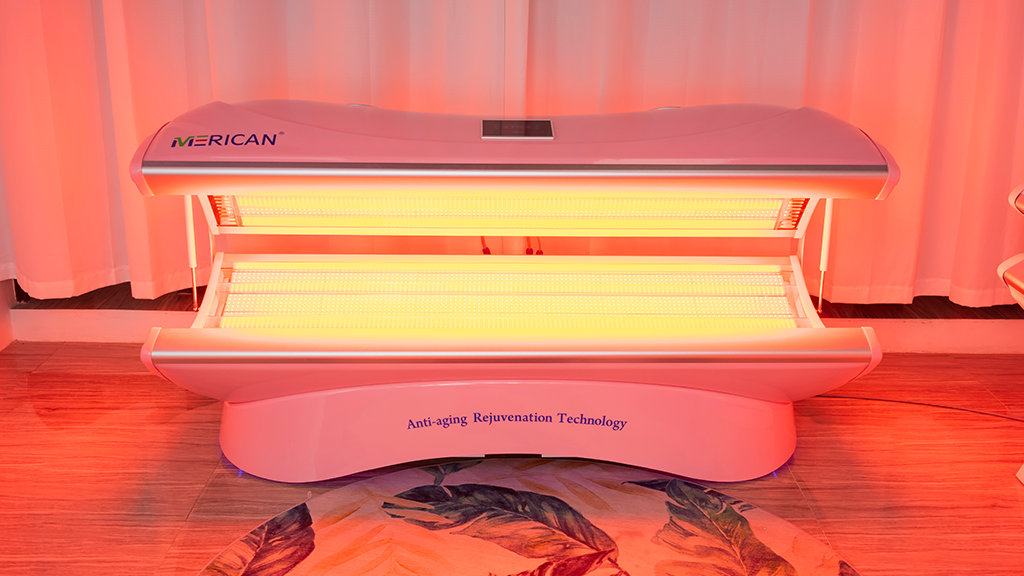
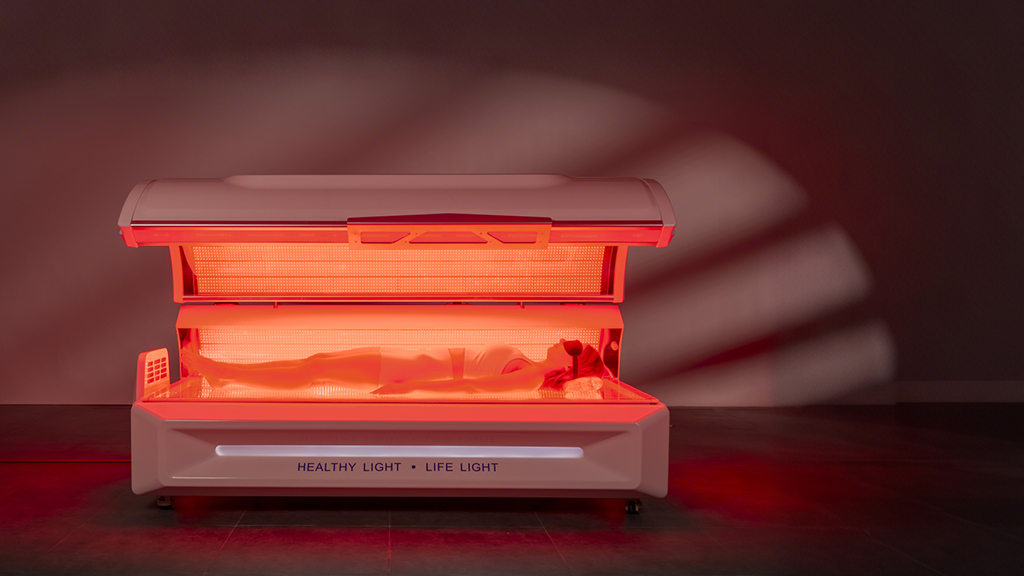
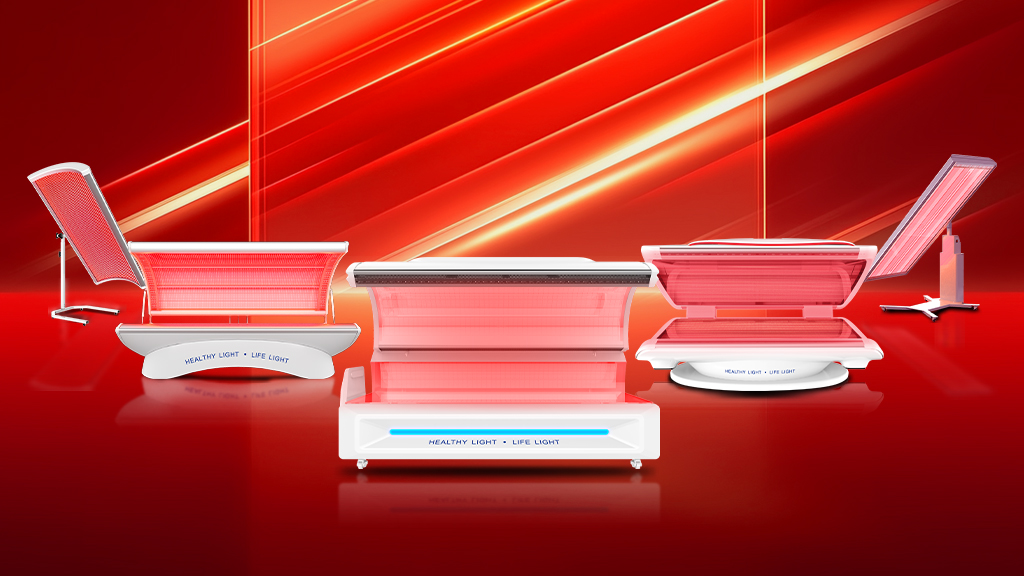
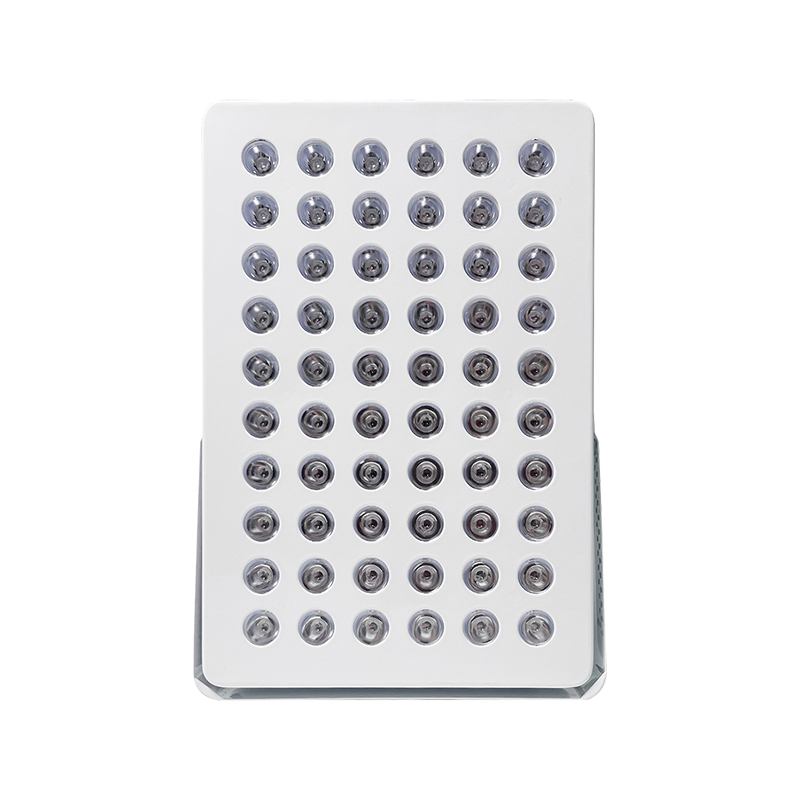
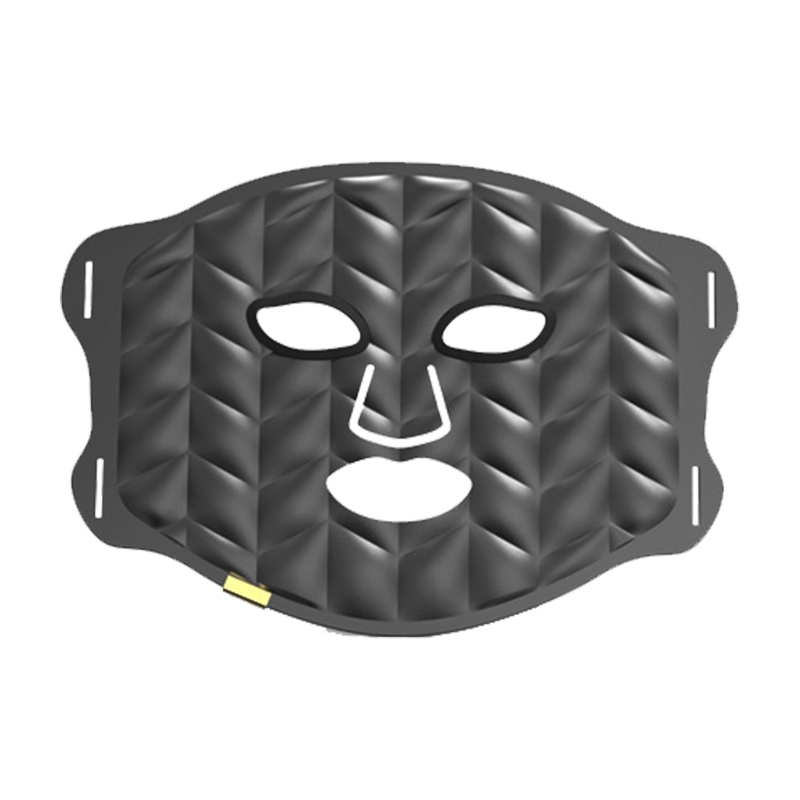
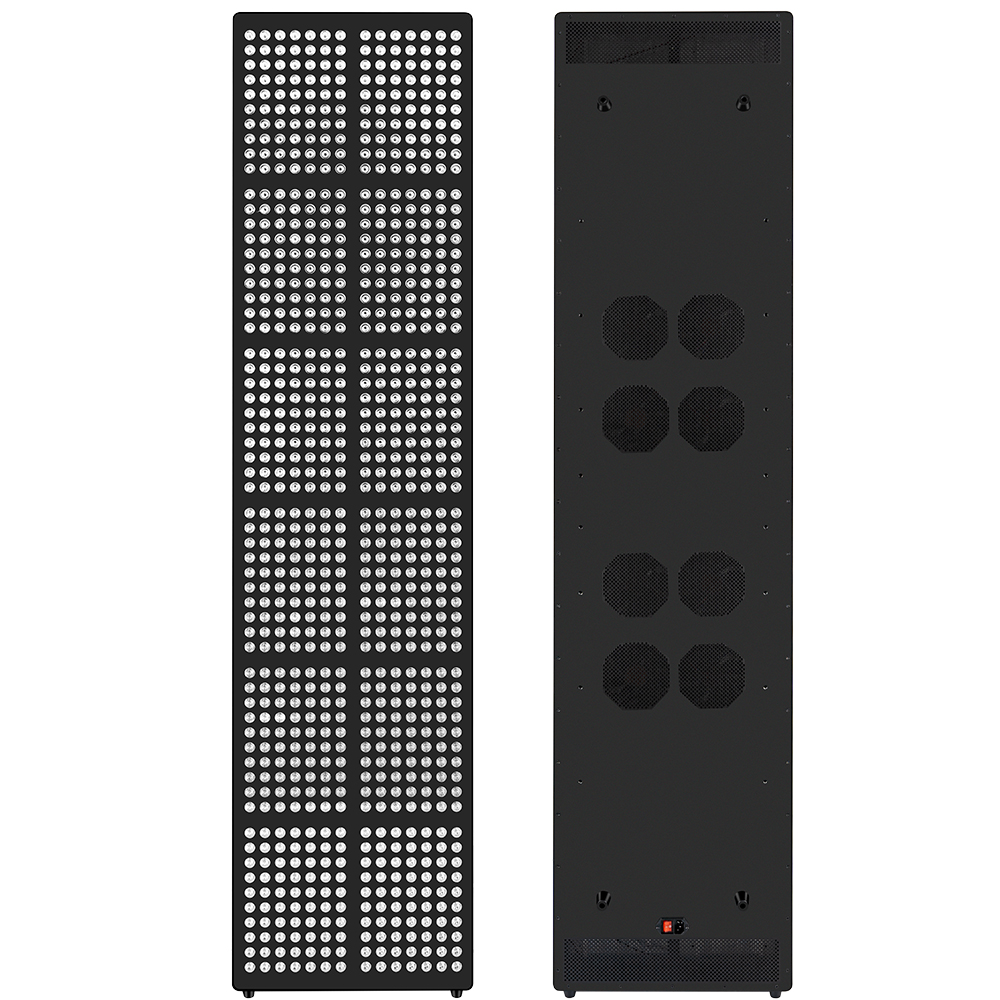
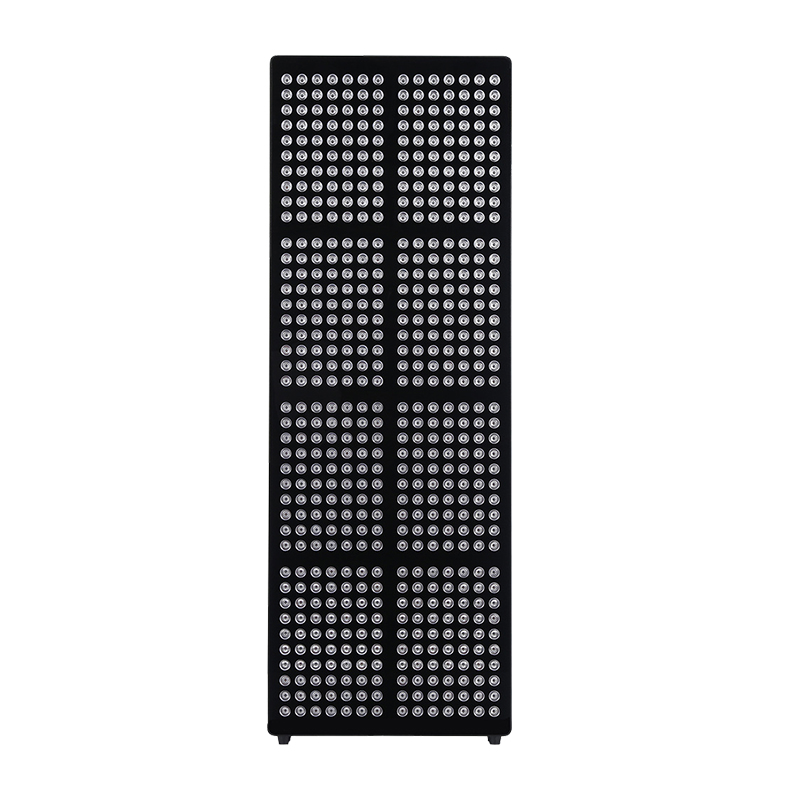
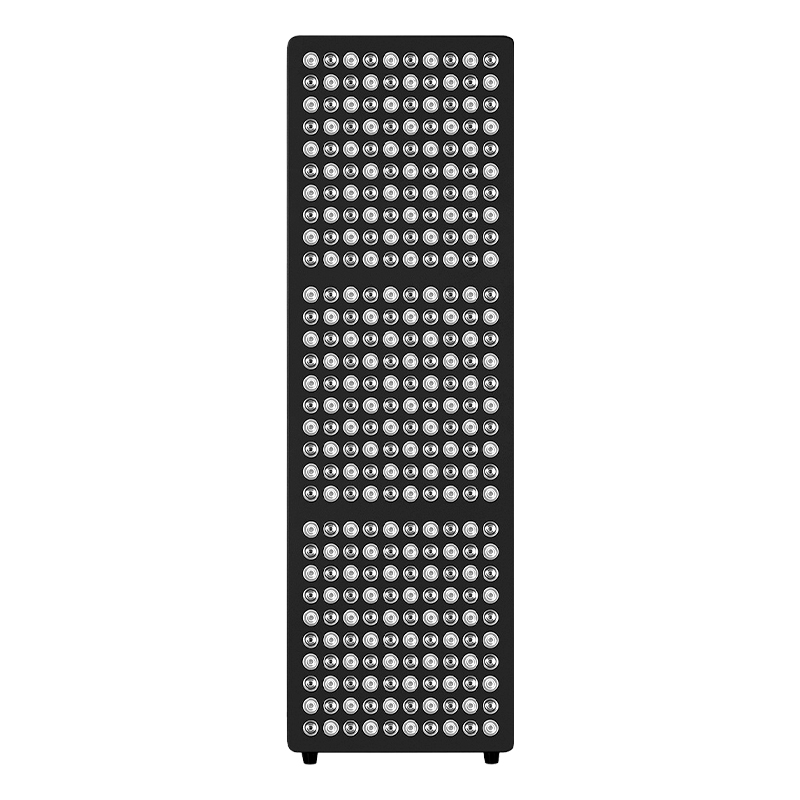
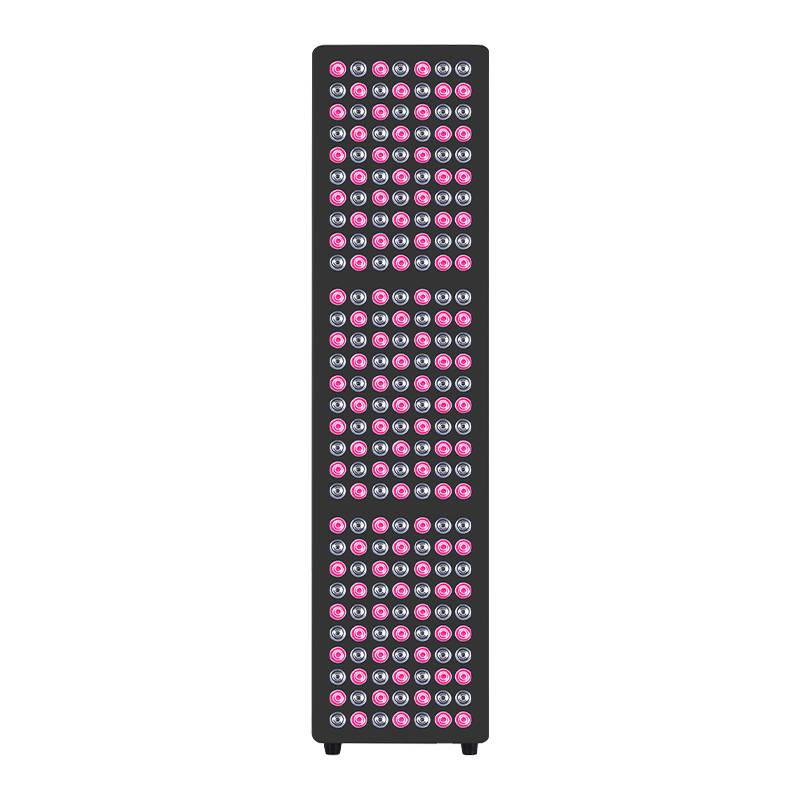
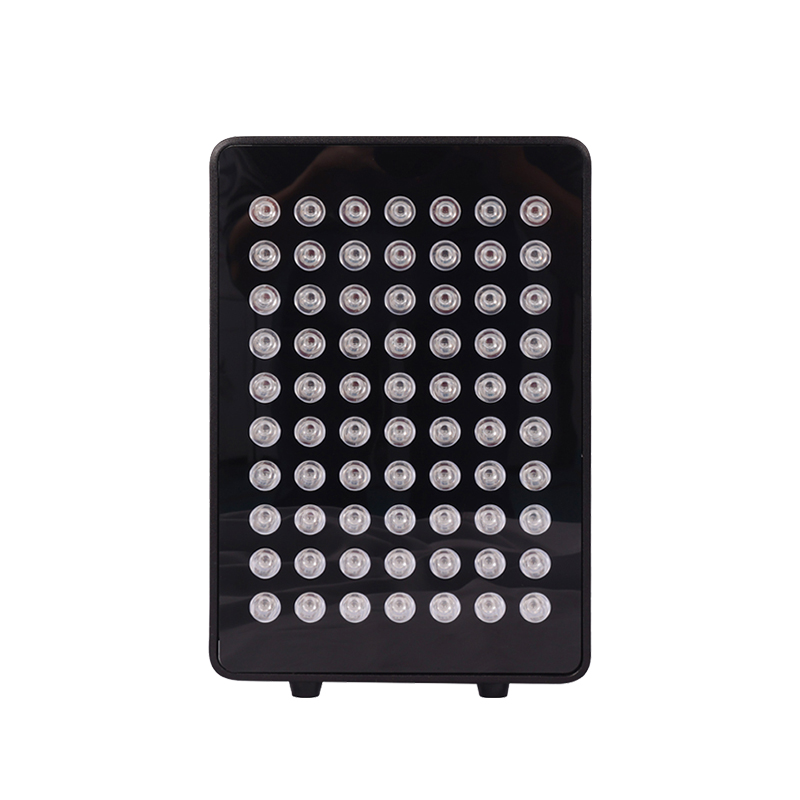
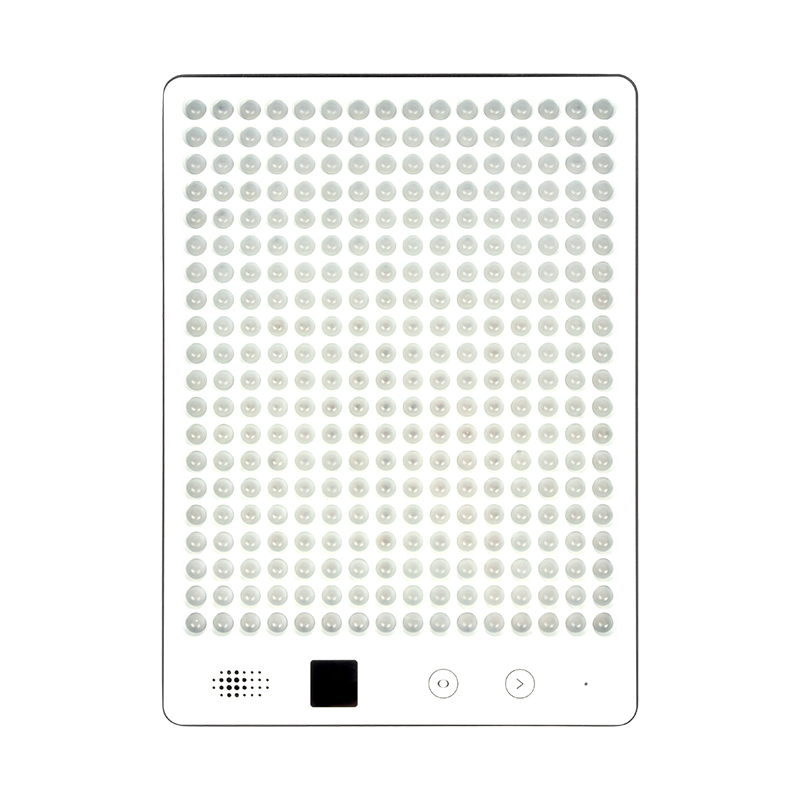
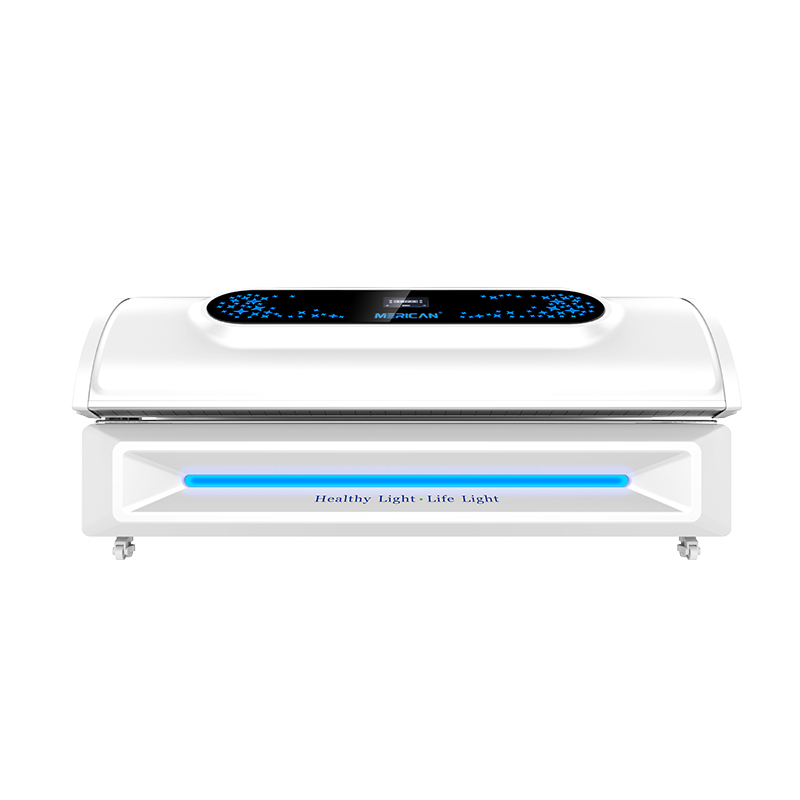
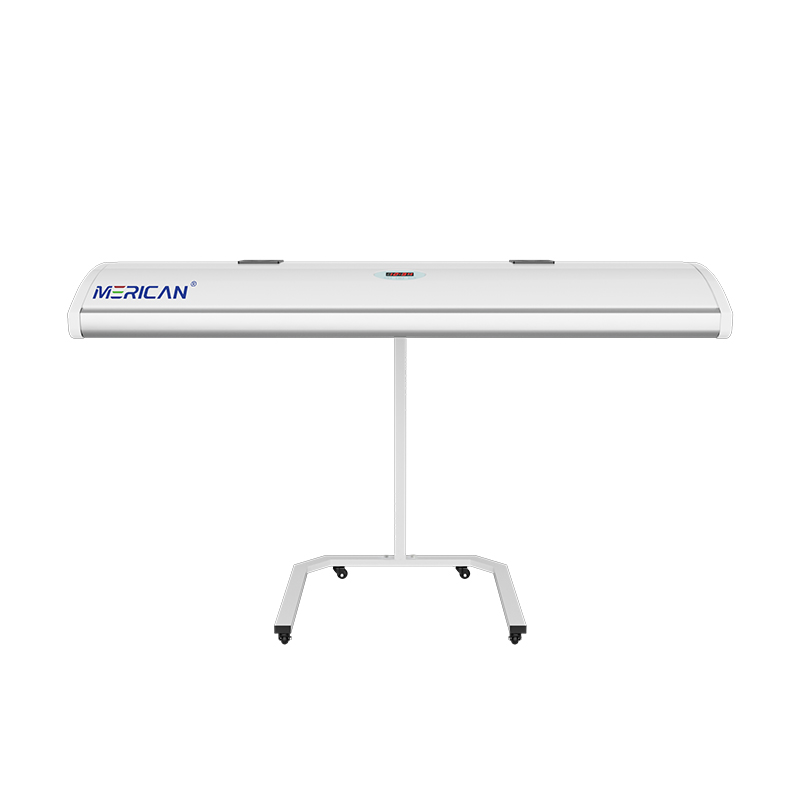
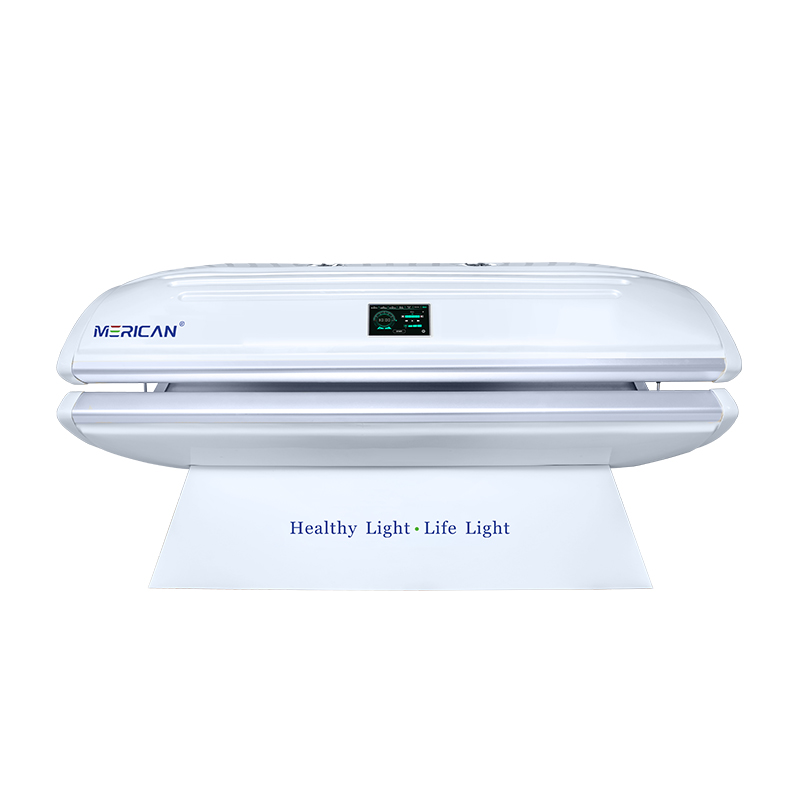
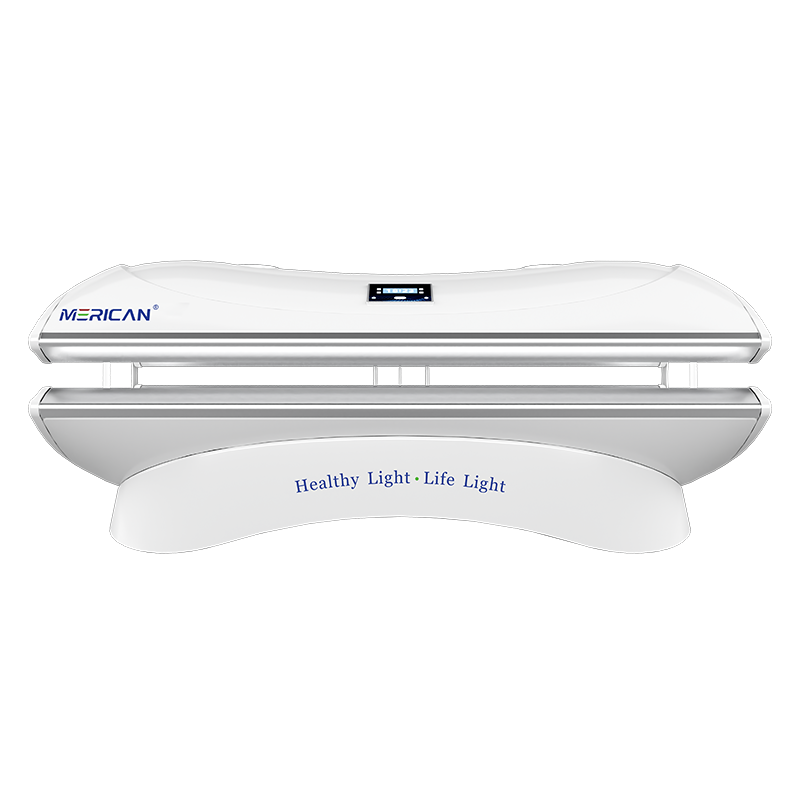
Teiripe solas dearg, ar a dtugtar freisin photobiomodulation (PBM), úsáideann solas dearg leibhéal íseal agus solas gar-infridhearg - go hiondúil idir 630 nm agus 880 nm - chun gníomhaíocht cheallacha a spreagadh.
Murab ionann agus solas UV, dhéanann solas dearg nach bhfuil damáiste DNA nó dó gréine a chur faoi deara. Úsáidtear go coitianta é le haghaidh athnuachan craiceann, tacaíocht leighis fhoirceannadh, laghdú athlasadh, agus aisghabháil muscle.

An ndéileálann Teiripe Solas Dearg le hAilse Skin?
Níl. Ní chóireáil le haghaidh ailse craicinn é teiripe solais dhearg.
Tá aon fhianaise chliniciúil gur féidir teiripe solas dearg:
- Scriosadh cealla ailse
- Stop fás ailse
- Cosc a chur ar fhorbairt ailse craiceann
- máinliacht athsholáthair, ceimiteiripe, radaíocht, nó imdhíonteiripe
Is éard atá i gceist le haon éileamh a thugann le tuiscint gur féidir le teiripe solais dhearg ailse a leigheas nó a chóireáil míchruinn ó thaobh leighis de agus a d’fhéadfadh a bheith contúirteach.
Cén Fáth a Phléitear Teiripe Solas Dearg Uaireanta i gComhthéacsanna a Bhaineann le Ailse
Although red light therapy does not treat cancer itself, research has explored its supportive use in specific, non-cancerous contexts:
1. Post-Treatment Skin Recovery
After surgical removal of skin cancer or dermatological procedures, d'fhéadfadh teiripe solas dearg cabhrú:
- Support wound healing
- Reduce inflammation and redness
- Improve skin comfort and appearance
This use is only appropriate after cancer has been treated and with physician approval.
2. Managing Treatment-Related Skin Irritation
In some clinical research settings, photobiomodulation has been studied for reducing skin irritation caused by radiation therapy or medical treatments—but never applied directly to active cancer lesions.
Cúrsaí Tábhachtacha Sábháilteachta
Red light therapy should be used with extreme caution in anyone with a history of skin cancer:
- ❌ Do NOT use red light therapy on suspicious moles or untreated lesions
- ❌ Do NOT delay medical evaluation or treatment
- ❌ Do NOT use red light therapy as an alternative to cancer care
Always consult a dermatologist or oncologist before using red light therapy if you have:
- A history of melanoma or non-melanoma skin cancer
- Unexplained skin changes or lesions
- Recently treated cancer sites
Red Light Therapy vs UV Therapy: A Critical Difference
It is important not to confuse red light therapy with UV-based treatments:
| Teiripe Solas Dearg | Solas UV |
|---|---|
| Non-ionizing | DNA-damaging |
| No tanning | Causes tanning/burning |
| Does NOT treat cancer | Increases skin cancer risk |
Tá teiripe solas dearg not phototherapy for cancer and should never be promoted as such.
Smaointe Deiridh
Mar sin, can red light therapy help skin cancer?
No—red light therapy does not treat, leigheas, nó ailse craicinn a chosc.
Its potential role is limited to supportive skin recovery after medical treatment, and only under professional guidance. Early detection, dermatological evaluation, and evidence-based medical treatment remain the only safe and effective approaches to skin cancer care.
For anyone concerned about skin changes or cancer risk, consulting a qualified healthcare professional is essential.
CCanna
C: Can red light therapy kill cancer cells?
A: Níl. There is no scientific evidence that red light therapy can kill cancer cells.
C: Is red light therapy safe if I had skin cancer before?
A: Only with medical approval. It should never be used on untreated or suspicious lesions.
C: Can red light therapy prevent skin cancer?
A: Níl. Cosaint ghrian, regular skin checks, and early diagnosis are the only proven preventive strategies.