परिचय
Muscle strains are among the most common sports and workplace injuries. Whether caused by overuse, sudden movement, or improper warm-up, strains can lead to pain, सूजन, और सीमित गतिशीलता. Many people now ask: Is red light therapy good for muscle strains?
लाल प्रकाश चिकित्सा (आरएलटी), इसे फोटोबायोमॉड्यूलेशन के रूप में भी जाना जाता है, has been widely studied for tissue repair and inflammation control. Let’s explore how it may support muscle strain recovery.
What Happens During a Muscle Strain?
A muscle strain occurs when muscle fibers are overstretched or partially torn. Symptoms may include:
- Localized pain
- Swelling and inflammation
- Bruising
- Reduced strength
- Limited range of motion
Healing requires cellular repair, बेहतर परिसंचरण, and inflammation management — all processes influenced by mitochondrial activity.
How Red Light Therapy Supports Tissue Repair
लाल और निकट-अवरक्त प्रकाश (typically 630–850nm) penetrate deep into soft tissue. When absorbed by mitochondria, light energy stimulates ATP production, किसे कर सकते हैं:
- Accelerate muscle fiber regeneration
- Reduce inflammatory markers
- Improve blood flow to injured tissue
- Decrease oxidative stress
- Promote collagen synthesis
Collagen production is particularly important for rebuilding damaged muscle and connective tissue.
What Research Suggests
Clinical studies on photobiomodulation in sports medicine indicate that red light therapy may:
- Shorten recovery time for soft tissue injuries
- Reduce pain intensity
- Improve functional movement
- Support faster return to activity
While severe muscle tears require medical supervision, mild to moderate strains may benefit from consistent red light therapy sessions.
How to Use Red Light Therapy for Muscle Strains
For soft tissue recovery:
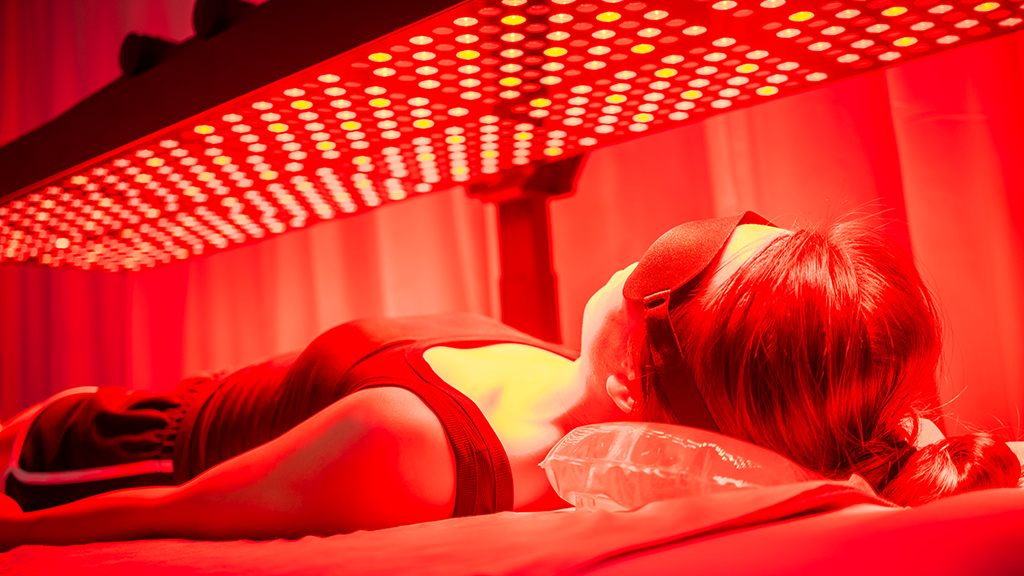
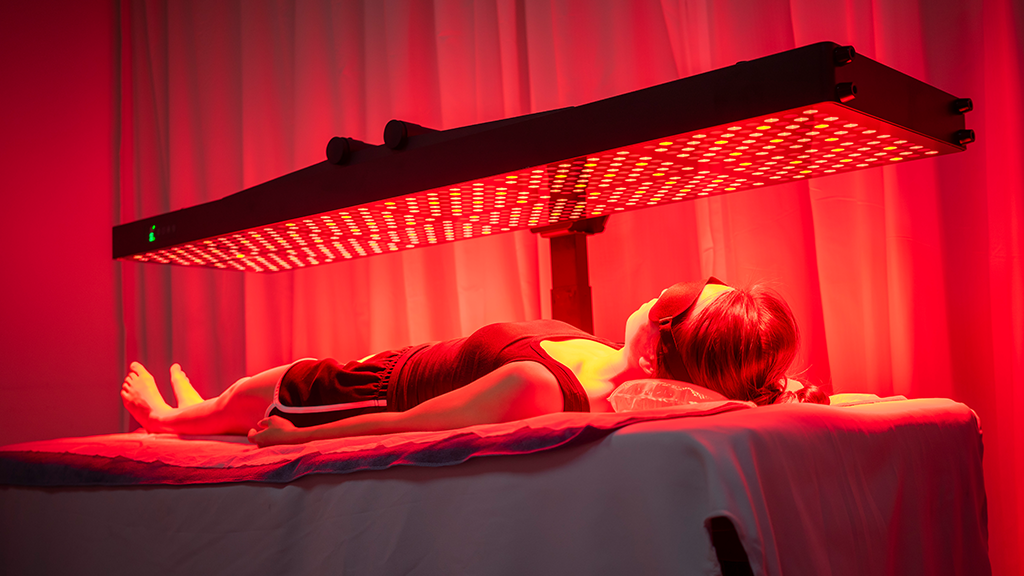
- Apply directly over the injured area
- 10–20 minutes per session
- 3–5 times per week
- Combine with rest, COMPRESSION, and rehabilitation exercises
Early application after injury may help reduce excessive inflammation.
अंतिम फैसला
Is red light therapy good for muscle strains?
Yes — it may accelerate soft tissue healing, सूजन कम करना, and relieve pain when used properly. As a non-invasive therapy, it complements traditional recovery methods without medication or downtime.