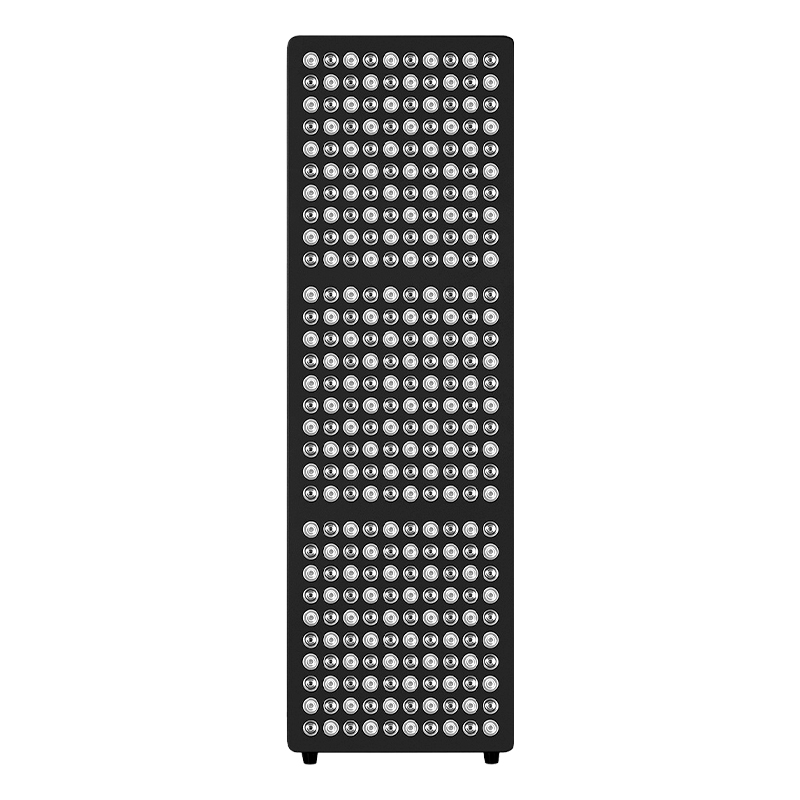
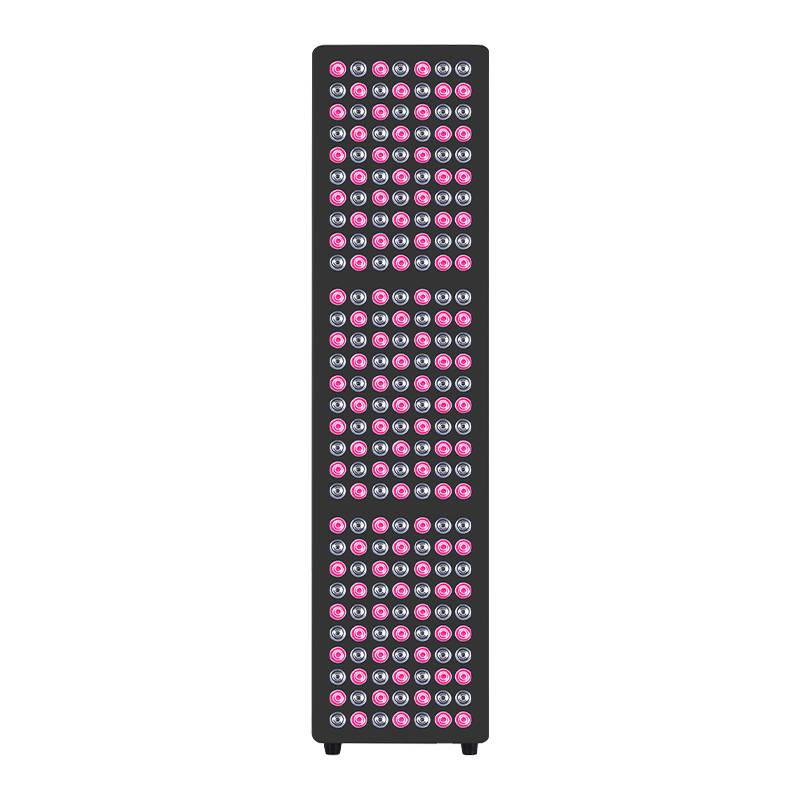
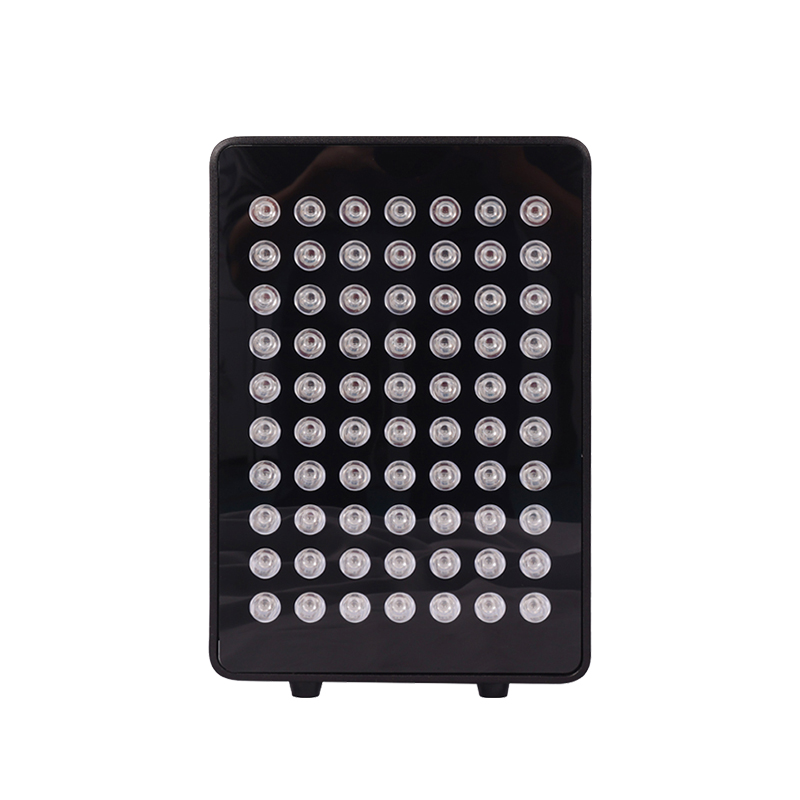
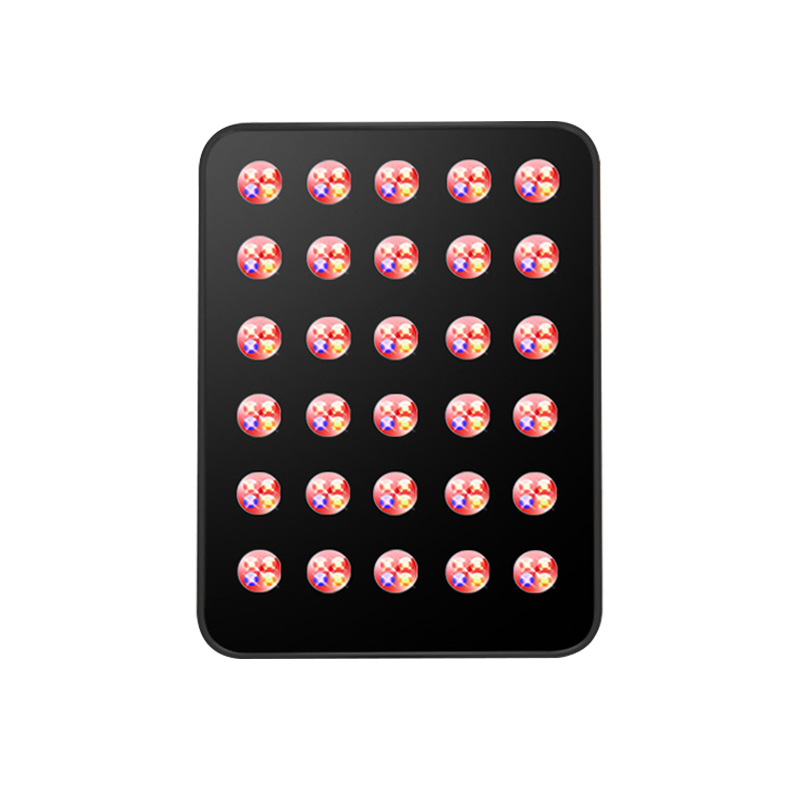
Bevezetés
Az Achilles-íngyulladás gyakori túlterheléses sérülés, amely a futókat érinti, sportolók, és még olyan egyének is, akik hosszú ideig állnak. Fájdalom, merevség, és a sarok közelében lévő duzzanat jelentősen korlátozhatja a mobilitást. Ez sokakat arra késztet, hogy megkérdezzék: A vörös fényterápia jó az Achilles-íngyulladásra??
Vörös fény terápia (RLT), más néven fotobiomoduláció, a sportgyógyászatban tanulmányozták a lágyrészek helyreállításában és a gyulladás szabályozásában betöltött szerepe miatt. Vizsgáljuk meg, hogyan segítheti elő a gyógyulást.
Mi az Achilles-íngyulladás?
Az Achilles-íngyulladás az Achilles-ín gyulladását vagy elfajulását jelenti – a vastag szövetszalag, amely a vádli izmait a sarokcsonthoz köti..
A gyakori tünetek közé tartozik:
- Fájdalom a sarok hátsó részén
- Reggeli merevség
- Duzzanat vagy érzékenység
- Kényelmetlenség járás vagy futás közben
Mivel az inak vérellátása korlátozott, a gyógyulás lassú lehet.
Hogyan segíthet a vörös fényterápia?
Vörös és közeli infravörös hullámhossz (630-850 nm) mélyen behatolnak a lágy szövetekbe. Amikor a mitokondriumok felszívják, növelik az ATP-termelést, amely lehet:
- Az ínsejtek helyreállításának felgyorsítása
- Stimulálja a kollagén szintézist
- Csökkentse a gyulladásos citokinek mennyiségét
- Javítja a helyi vérkeringést
- Csökkentse a fájdalomérzékelést
A kollagén átalakítása különösen fontos az inak helyreállításához.
Amit a kutatás javasol
Studies on low-level laser therapy (LLLT) for tendinopathies indicate potential benefits such as:
- Csökkentett fájdalom intenzitás
- Improved functional movement
- Enhanced tendon healing when combined with exercise therapy
Red light therapy appears most effective when used alongside eccentric strengthening exercises and proper rehabilitation.
How to Use Red Light Therapy for Achilles Tendonitis
Typical supportive protocol:
- 10- foglalkozásonként 20 perc
- 3- heti 5 alkalommal
- Applied directly over the tendon area
- Combined with physical therapy and load management
Consistency and gradual return to activity are critical.
Végső ítélet
A vörös fényterápia jó az Achilles-íngyulladásra??
Yes — it may help reduce inflammation, stimulate collagen repair, and relieve pain when used consistently as part of a structured rehab program.