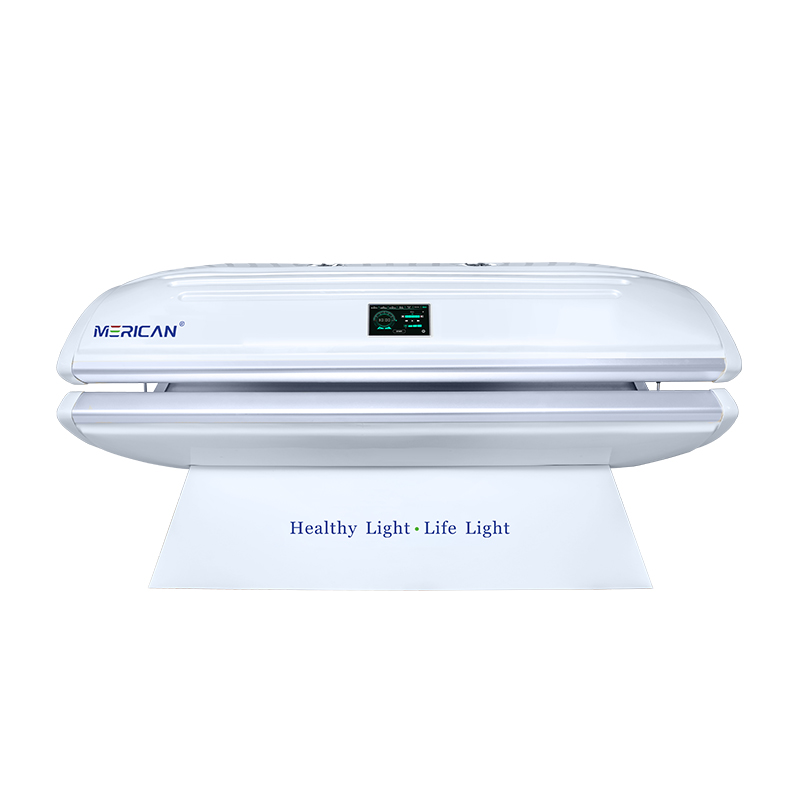
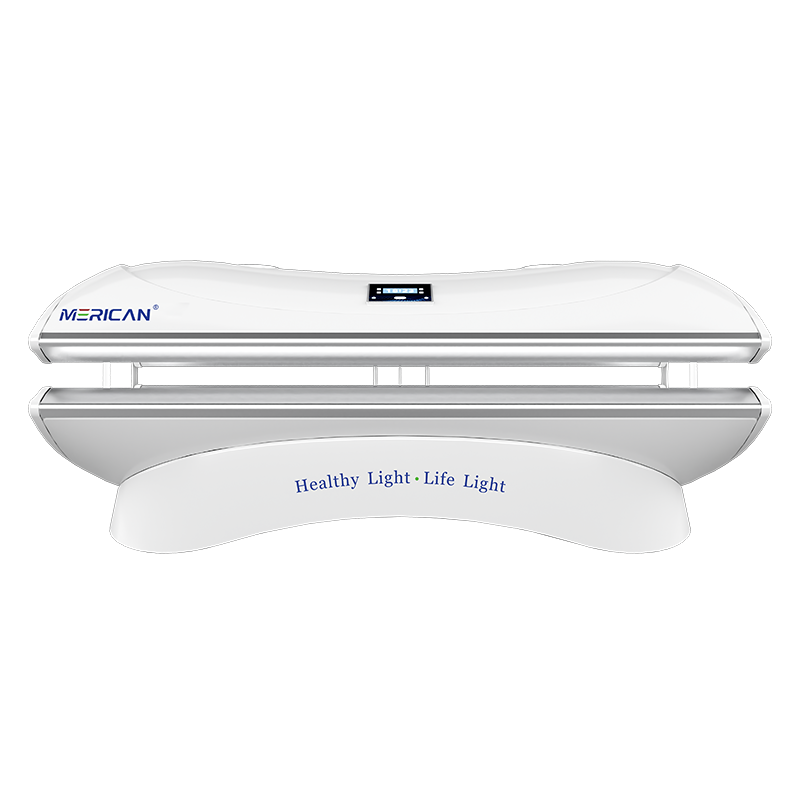
Light-based therapies have been widely studied for their potential role in accelerating wound healing. Tra loro, red light therapy has attracted attention for its ability to stimulate cellular repair. Ma quanto è efficace, and can it really help wounds heal faster?
Understanding how red light therapy interacts with damaged tissue helps explain why it is increasingly used in both medical and wellness settings.
How Wound Healing Works
The body heals wounds through several stages:
- Inflammation phase – the immune system responds to injury
- Proliferation phase – new tissue and blood vessels form
- Remodeling phase – collagen strengthens the repaired skin
Delays in any of these stages can slow healing. Factors such as poor circulation, Infiammazione cronica, or infection often contribute to prolonged recovery.
How Red Light Therapy Supports Healing
Red light therapy interacts with cells at the mitochondrial level. When red and near-infrared wavelengths penetrate the skin, they stimulate energy production and activate biological pathways that support repair.
Several mechanisms may contribute to improved wound healing:
1. Aumento dell'energia cellulare
Red light stimulates mitochondria to produce more ATP, providing cells with the energy needed to repair damaged tissue.
2. Improved Blood Flow
Enhanced circulation delivers oxygen and nutrients to the injured area, supporting faster recovery.
3. Produzione di collagene
Collagen is essential for rebuilding skin structure. Red light therapy encourages fibroblast activity, which plays a key role in tissue formation.
4. Infiammazione ridotta
Excessive inflammation can delay healing. Red light therapy may help regulate inflammatory responses.
Clinical Research on Light Therapy and Wounds
Research in photobiomodulation has explored its effects on several types of wounds, tra cui:
- Incisioni chirurgiche
- Diabetic ulcers
- Pressure sores
- Minor cuts and abrasions
Some studies suggest that controlled light therapy treatments may reduce healing time and improve tissue quality.
Tuttavia, outcomes vary depending on the wavelength, dosage, e frequenza del trattamento.
Limitations and Considerations
Despite promising results, red light therapy should not be viewed as a replacement for proper wound care.
Important limitations include:
- It cannot treat infections on its own
- Deep or severe wounds require medical attention
- Results depend on consistent and controlled use
Who Might Benefit Most
Red light therapy may be helpful for individuals with:
- Slow-healing minor wounds
- Skin injuries during recovery phases
- Post-procedure skin repair
Tuttavia, treatments should always be combined with appropriate medical care and hygiene practices.
Pensieri finali
Scientific research suggests that red light therapy can support the body’s natural wound-healing processes by improving cellular energy, circolazione, e produzione di collagene. While it shows promise as a supportive therapy, it should always be used responsibly and alongside proper wound care.