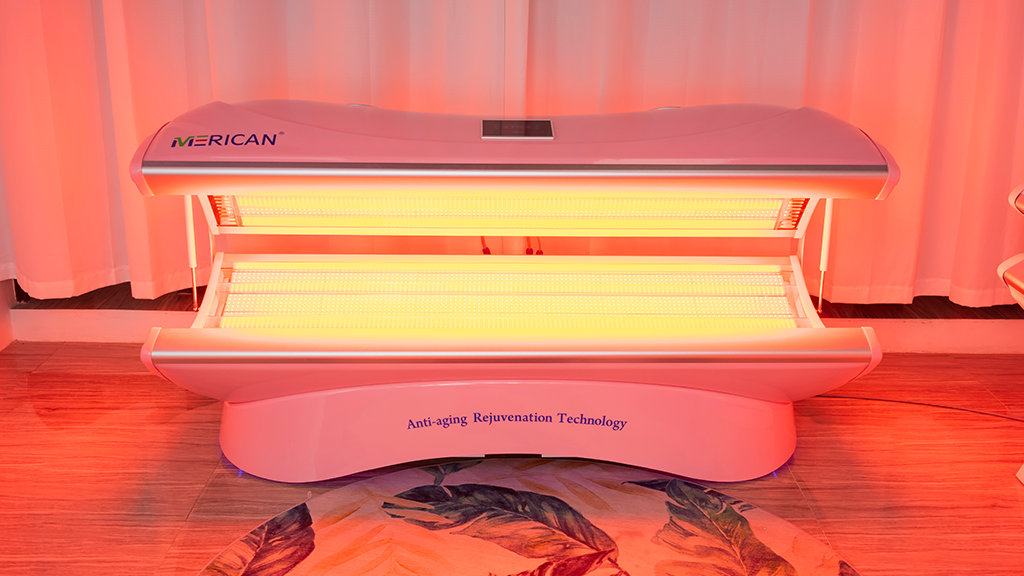
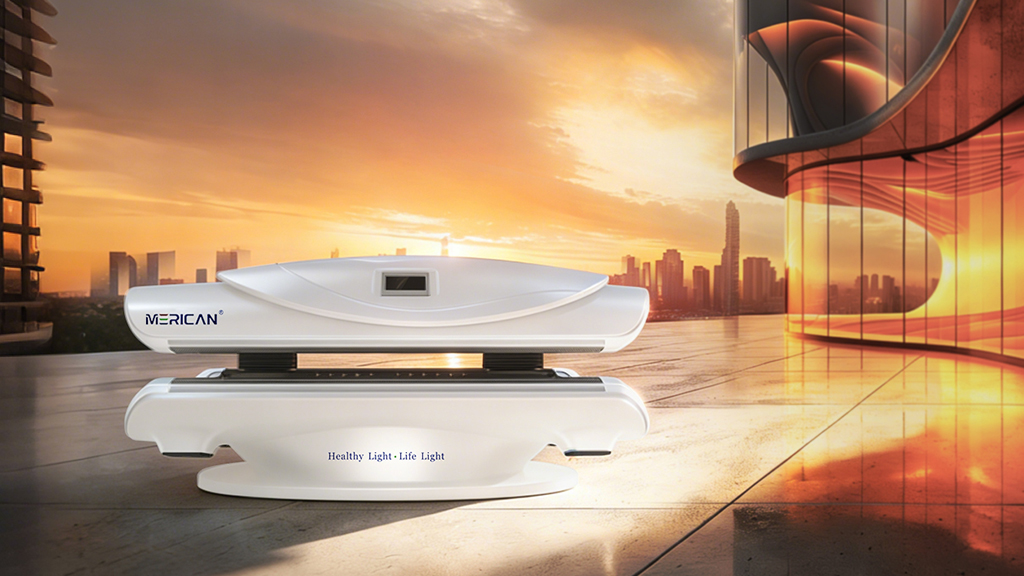
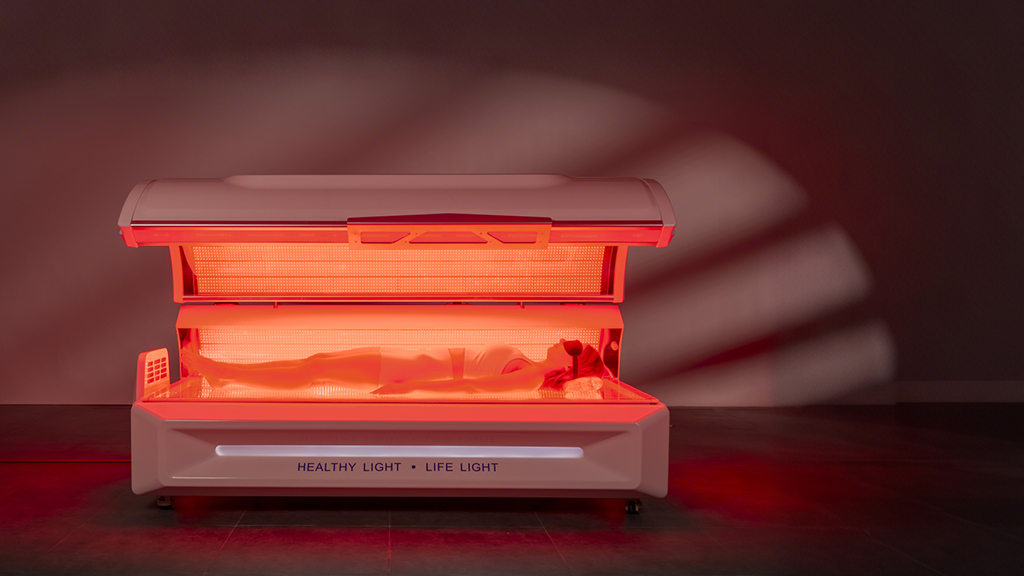
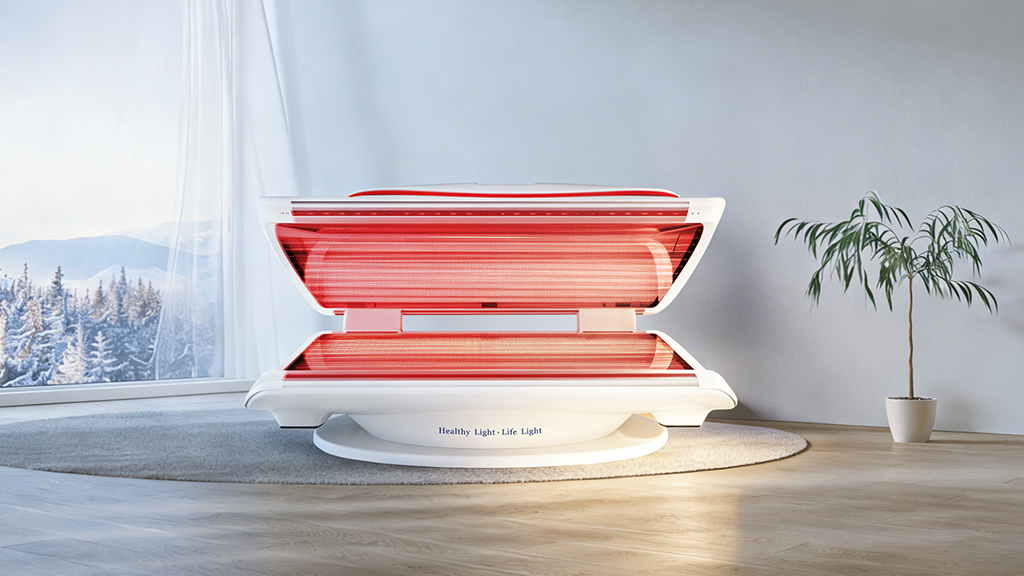
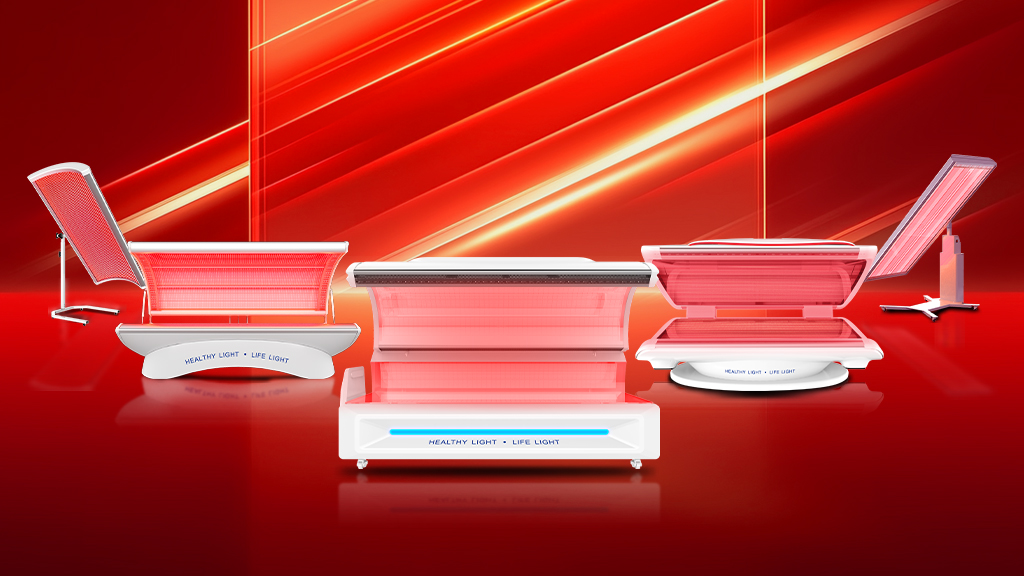
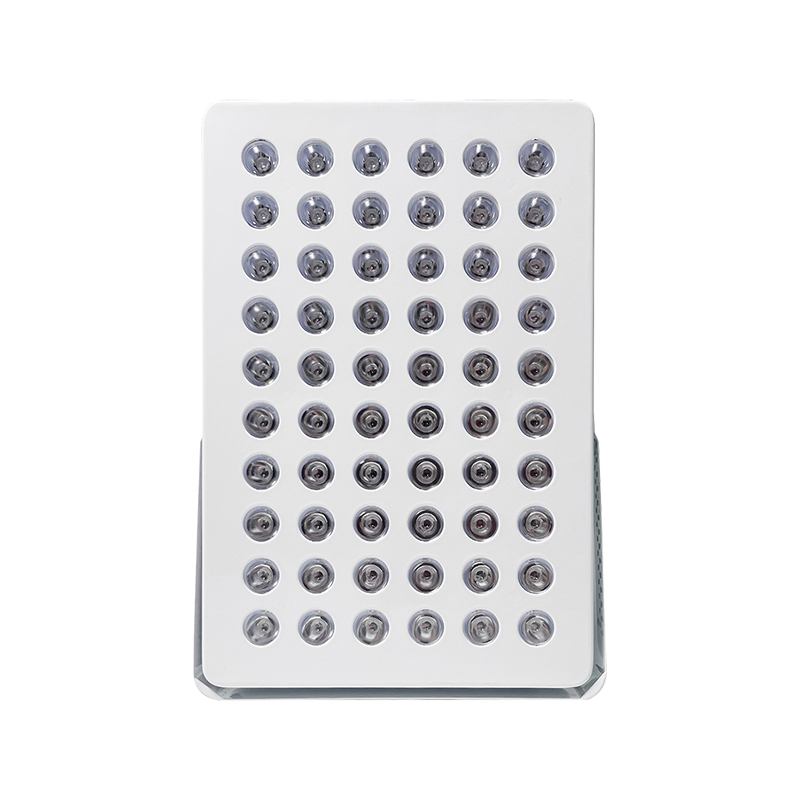
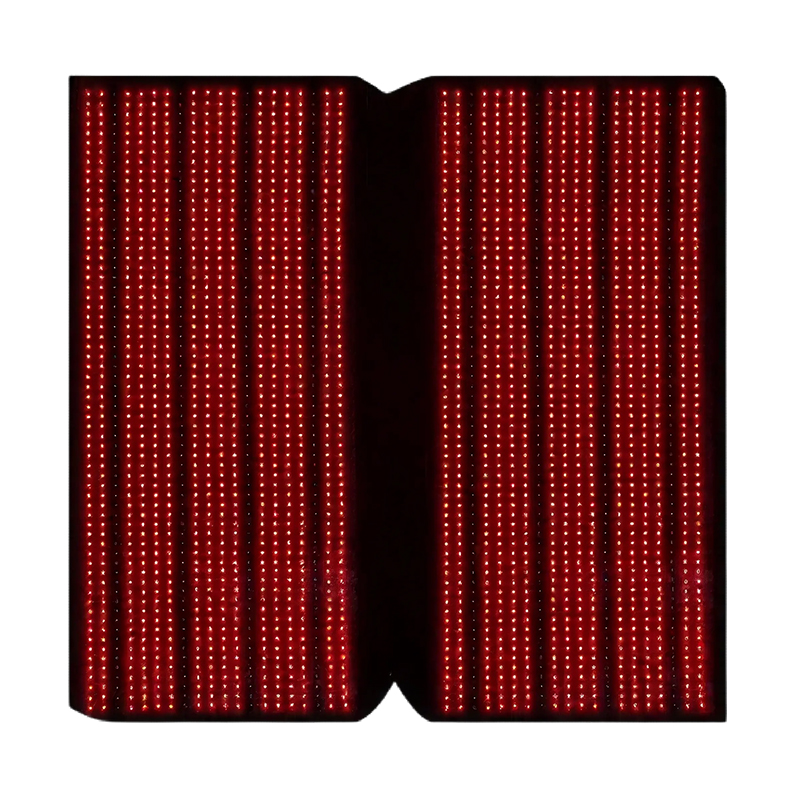
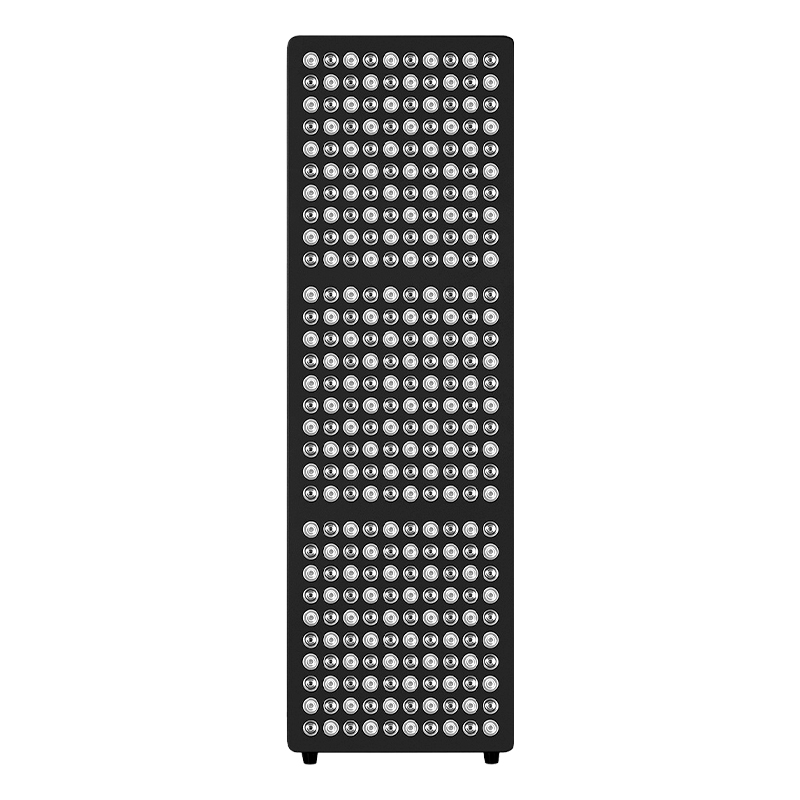
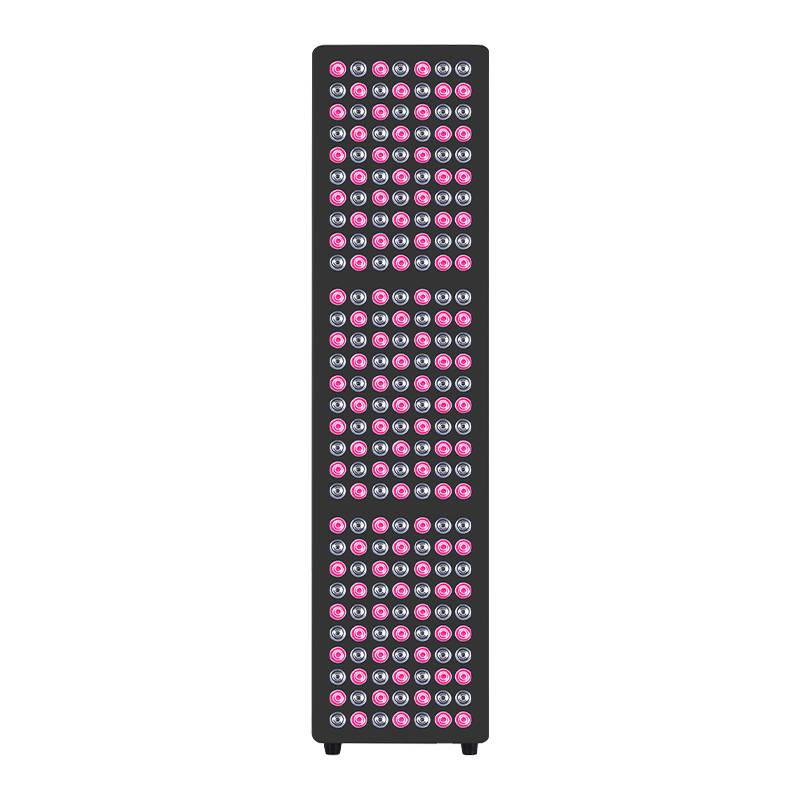
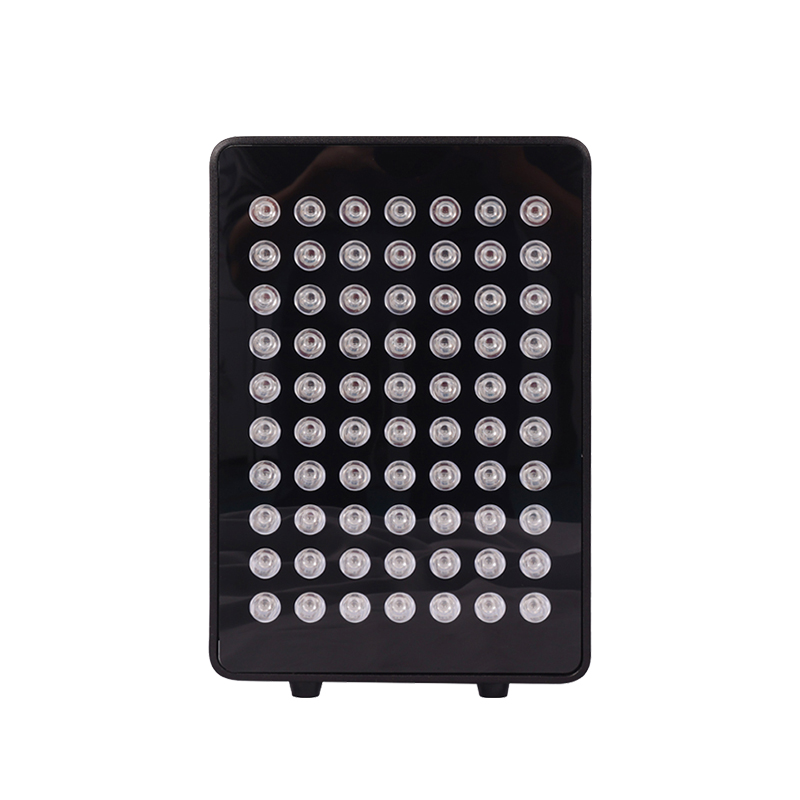
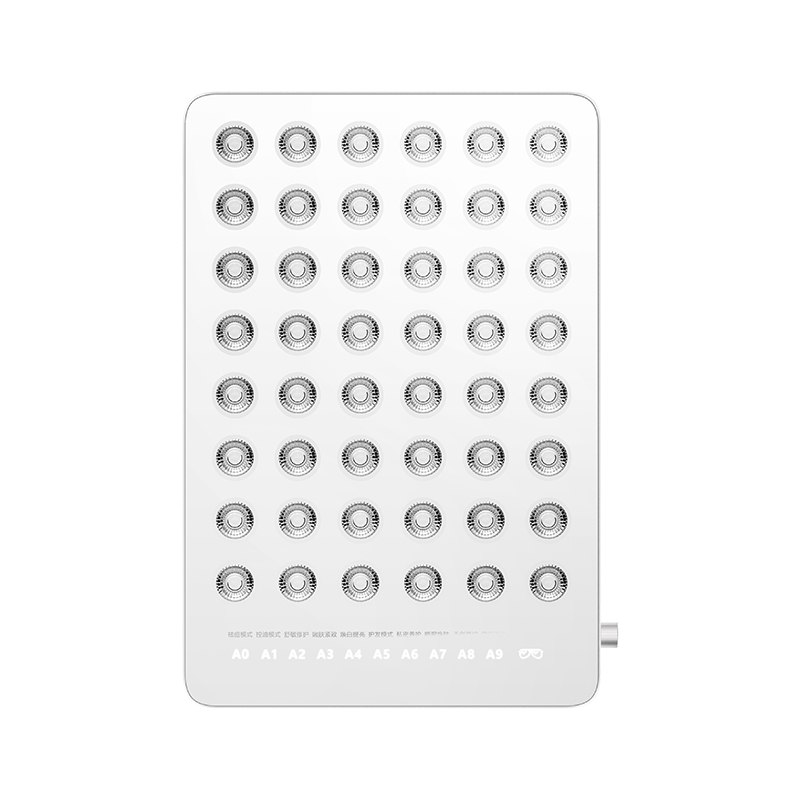
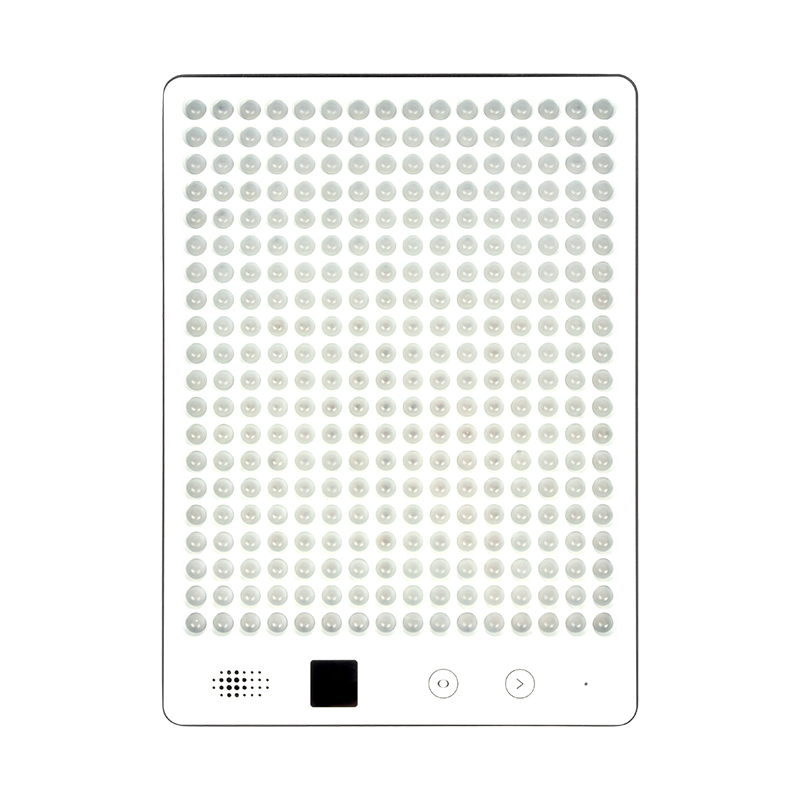
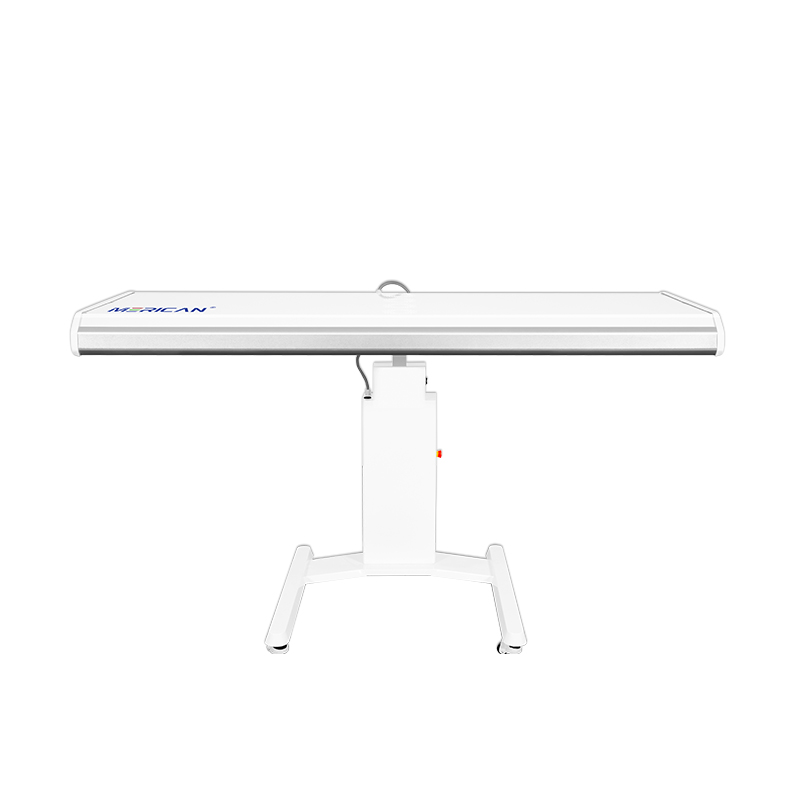
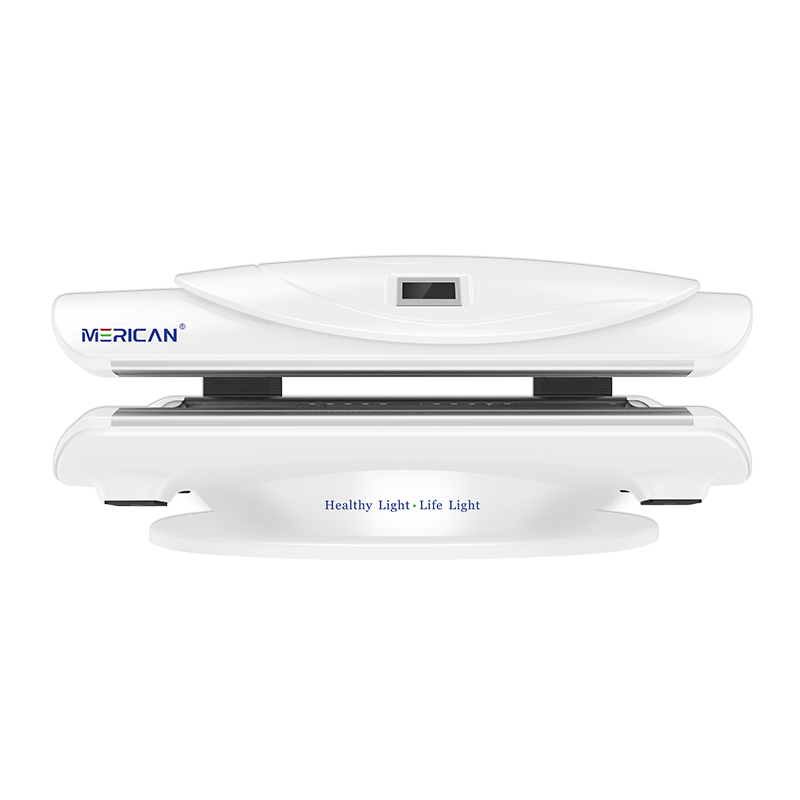
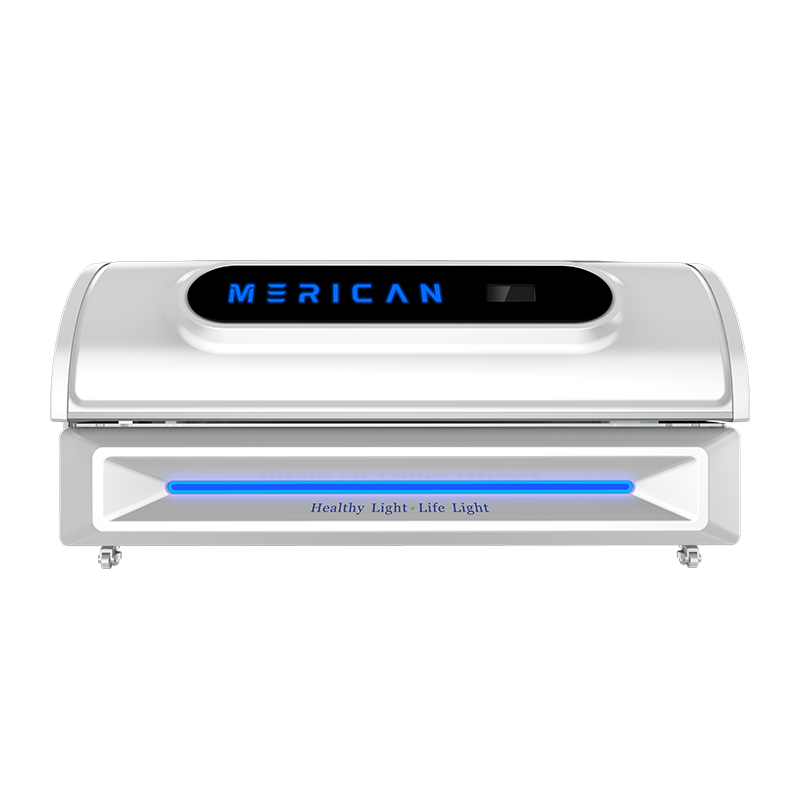
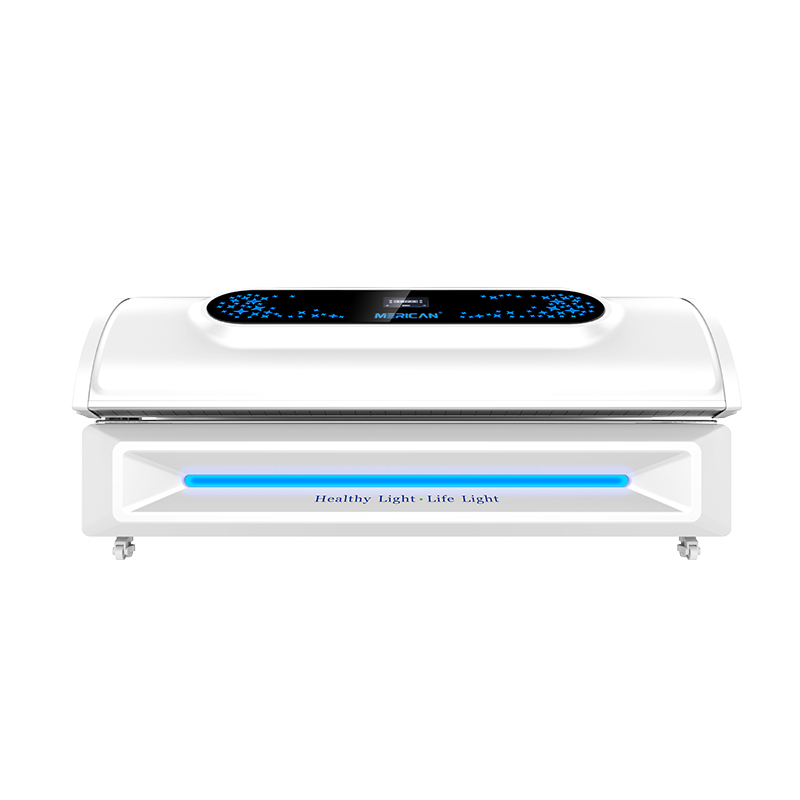
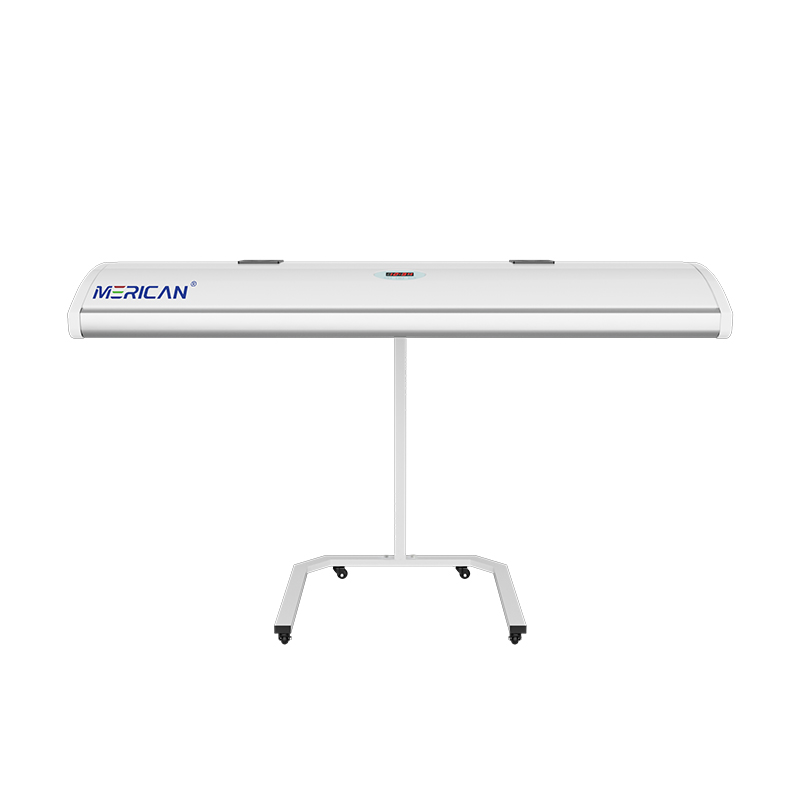
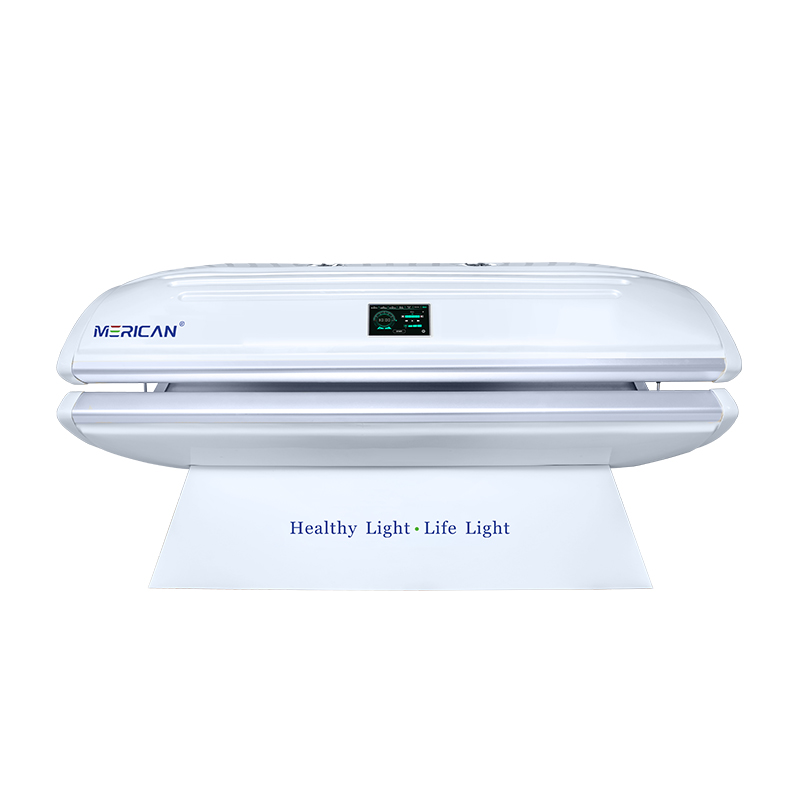
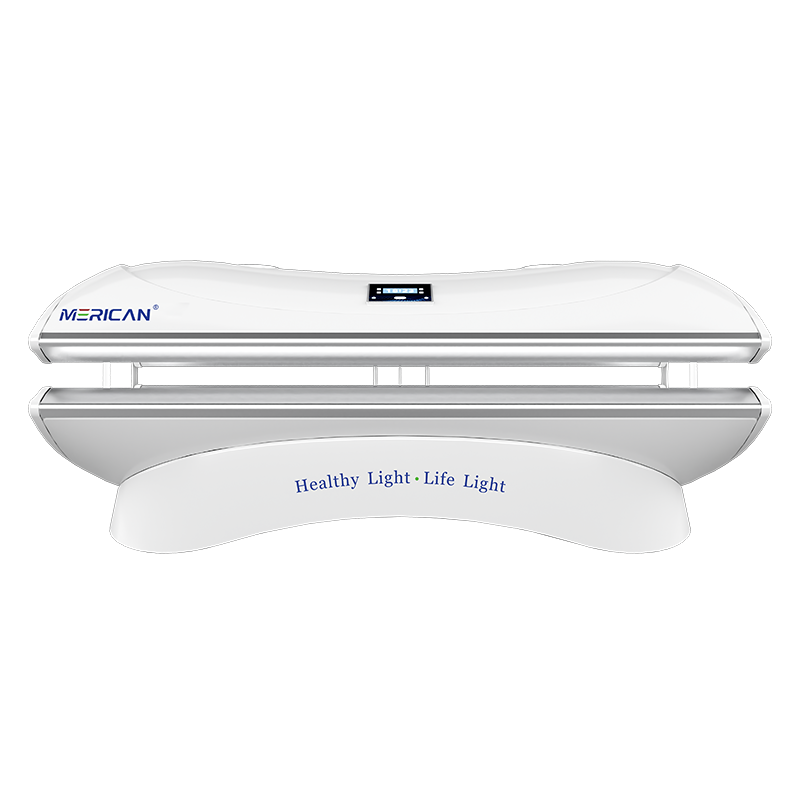
NO, terapia con luce rossa E lettini abbronzanti non sono gli stessi, e servono a scopi molto diversi. Ecco una ripartizione delle differenze principali:
1. Tipo di luce
- Lettini abbronzanti: Vengono utilizzati principalmente lettini abbronzanti ultravioletto (UV) leggero, in particolare i raggi UVA e UVB, per stimolare la produzione di melanina da parte della pelle, che si traduce in un'abbronzatura. L’esposizione prolungata ai raggi UV può aumentare il rischio di danni alla pelle, Invecchiamento prematuro, e cancro della pelle.
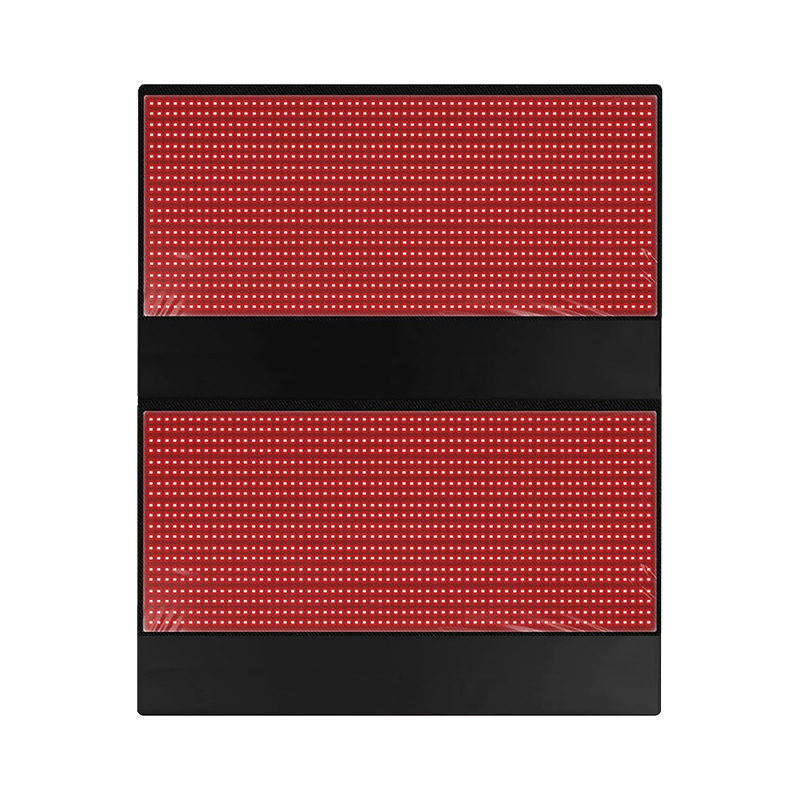
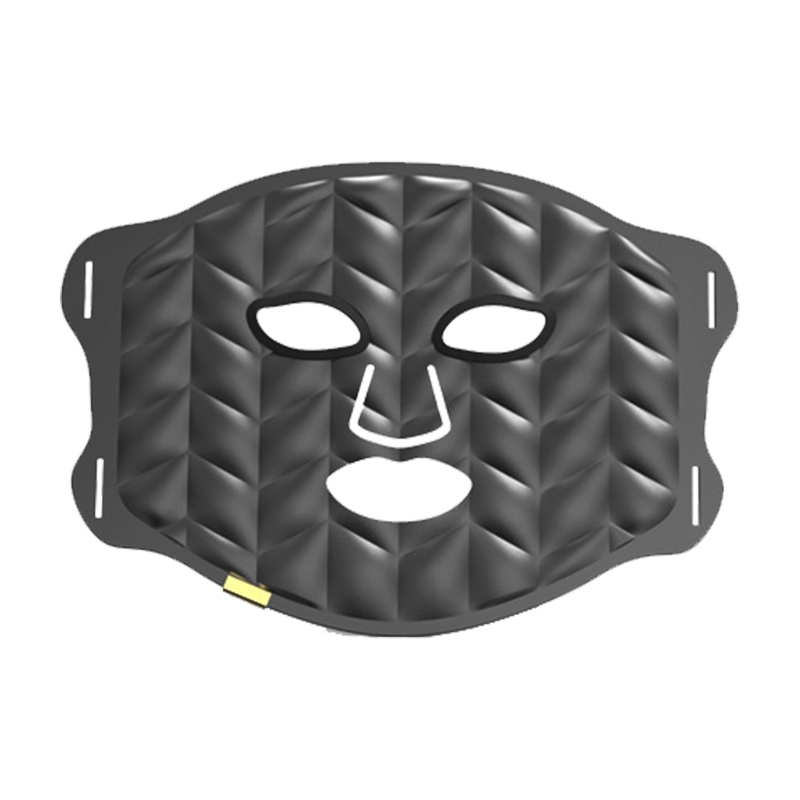
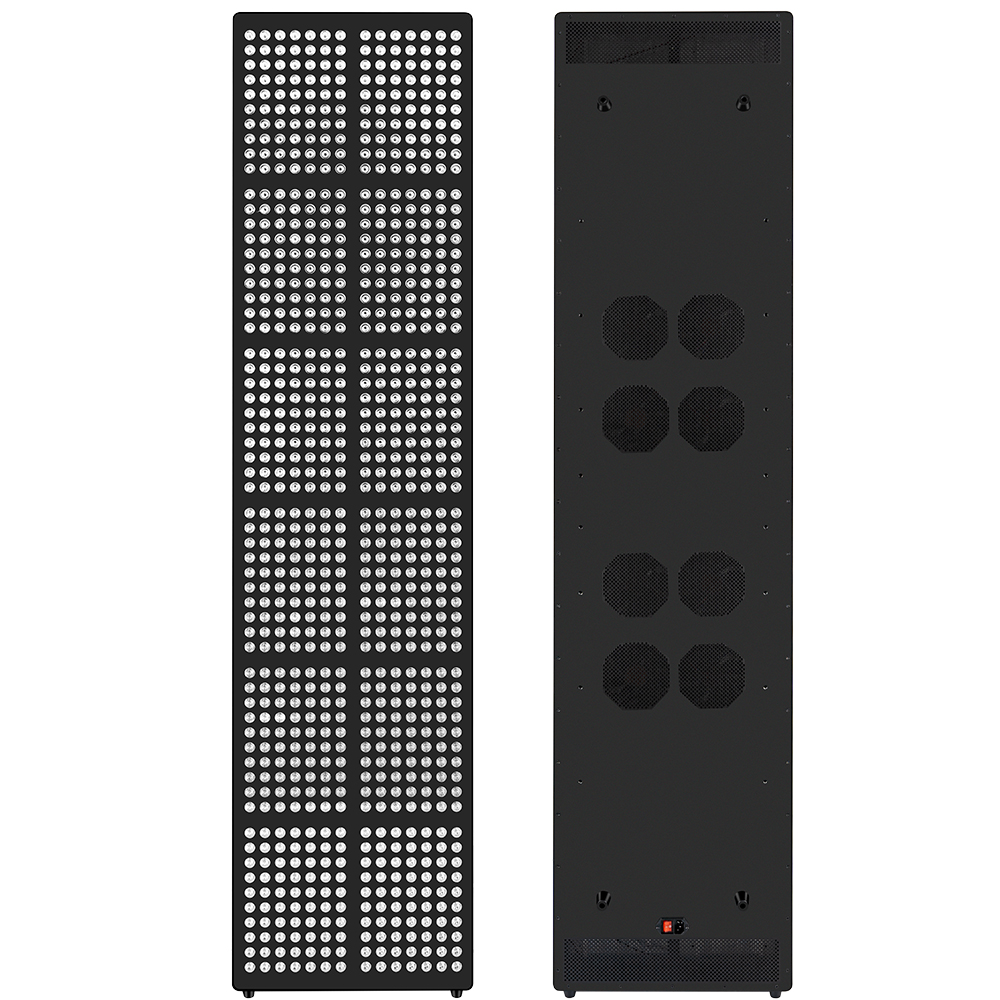
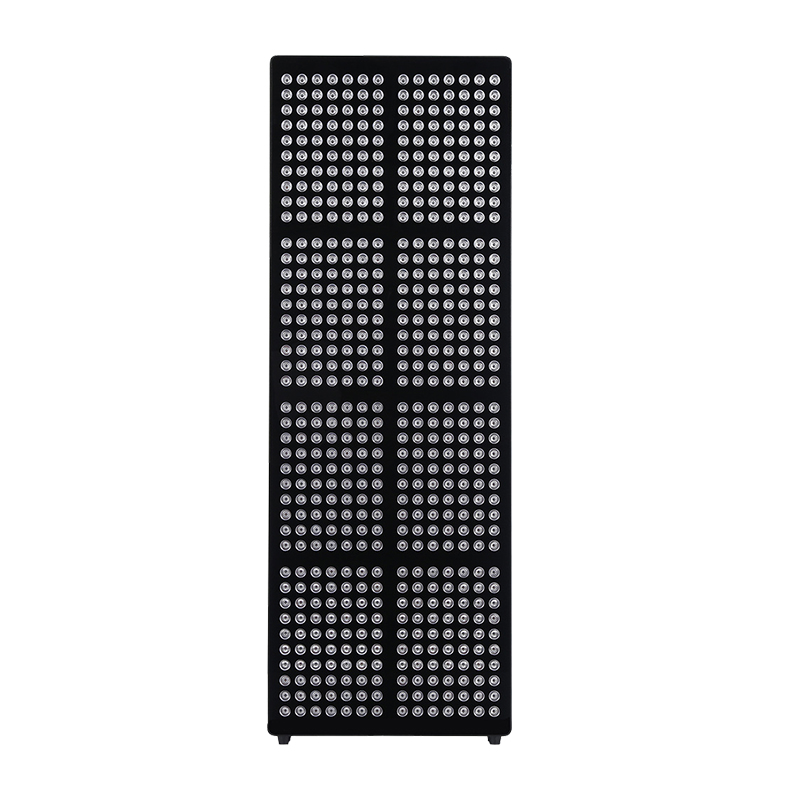
- Terapia della luce rossa: Usi della terapia con luce rossa luce rossa a bassa lunghezza d'onda (tipicamente tra 630 e 700 nm), che non provoca abbronzatura né danneggia la pelle. Questa luce è progettata per penetrare nella superficie della pelle e stimolare processi biologici come produzione di collagene, riparazione cellulare, E guarigione delle ferite.
2. Scopo
- Lettini abbronzanti: Lo scopo principale dei lettini abbronzanti è abbronzare la pelle promuovendo la produzione di melanina. I raggi UV nei lettini abbronzanti stimolano la pigmentazione, scurire la pelle. Alcuni lettini abbronzanti offrono anche una combinazione di Luce UV e rossa per ulteriori benefici come l'anti-età o il ringiovanimento della pelle.
- Terapia della luce rossa: L'obiettivo della terapia con luce rossa non è abbronzare la pelle ma promuoverla salute della pelle, ridurre rughe, migliorare il tono della pelle, aiuto in sollievo dal dolore, e aiutare con guarigione delle ferite. Viene spesso utilizzato per scopi terapeutici come migliorare la circolazione, riducendo l'infiammazione, e accelerare il recupero dagli infortuni.
3. Effetto sulla pelle
- Lettini abbronzanti: I lettini abbronzanti espongono la pelle ai raggi UV, che nel tempo possono causare danni, compreso l’invecchiamento precoce (rughe, linee sottili, e iperpigmentazione), aumento del rischio di scottature solari, e un rischio più elevato di svilupparsi cancro della pelle (soprattutto in caso di uso eccessivo o non protetto).
- Terapia della luce rossa: La terapia con luce rossa è generalmente considerata sicura per la pelle e non provoca scottature o abbronzatura. Invece, favorisce la guarigione, produzione di collagene, e riparazione dei tessuti. È comunemente usato per trattare acne, cicatrici, E linee sottili e si ritiene che abbia effetti ringiovanenti sulla pelle.
4. Rischio
- Lettini abbronzanti: I lettini abbronzanti comportano rischi significativi per la salute perché utilizzano la luce UV. La sovraesposizione ai raggi UV aumenta il rischio di cancro della pelle, particolarmente melanoma, e può portare ad un invecchiamento precoce della pelle. I lettini abbronzanti non sono generalmente raccomandati dai dermatologi.
- Terapia della luce rossa: Viene presa in considerazione la terapia con luce rossa sicuro, con rischi molto bassi di effetti collaterali se usato correttamente. Non comporta gli stessi rischi dell’esposizione ai raggi UV, e la maggior parte delle persone può utilizzare la terapia con luce rossa senza problemi significativi. Tuttavia, alcune persone potrebbero manifestare effetti collaterali minori come lieve arrossamento o irritazione, soprattutto se utilizzato per troppo tempo.
5. Durata e frequenza
- Lettini abbronzanti: Le sessioni in un lettino abbronzante possono durare da 5 A 20 minuti, a seconda del tipo di letto e dell'intensità dei raggi UV. Un uso eccessivo può causare danni alla pelle.
- Terapia della luce rossa: Le sessioni di terapia con luce rossa in genere durano da 5 A 20 minuti anche, a seconda del dispositivo e dell'area di trattamento prevista. Per risultati ottimali, le sessioni vengono spesso eseguite più volte alla settimana per un periodo di tempo.
In sintesi:
- Lettini abbronzanti utilizzo Luce UV per abbronzare la pelle, che comporta rischi come danni alla pelle, invecchiamento, e cancro.
- Terapia con la luce rossa usi luce rossa non UV per il ringiovanimento della pelle, guarigione, e altri benefici terapeutici, senza abbronzatura o effetti collaterali dannosi.
Se il tuo obiettivo è quello abbronzatura, dovrai usare a lettino abbronzante con luce UV. Se stai cercando guarigione della pelle, anti-invecchiamento, O sollievo dal dolore, Poi terapia con luce rossa è l'opzione giusta.