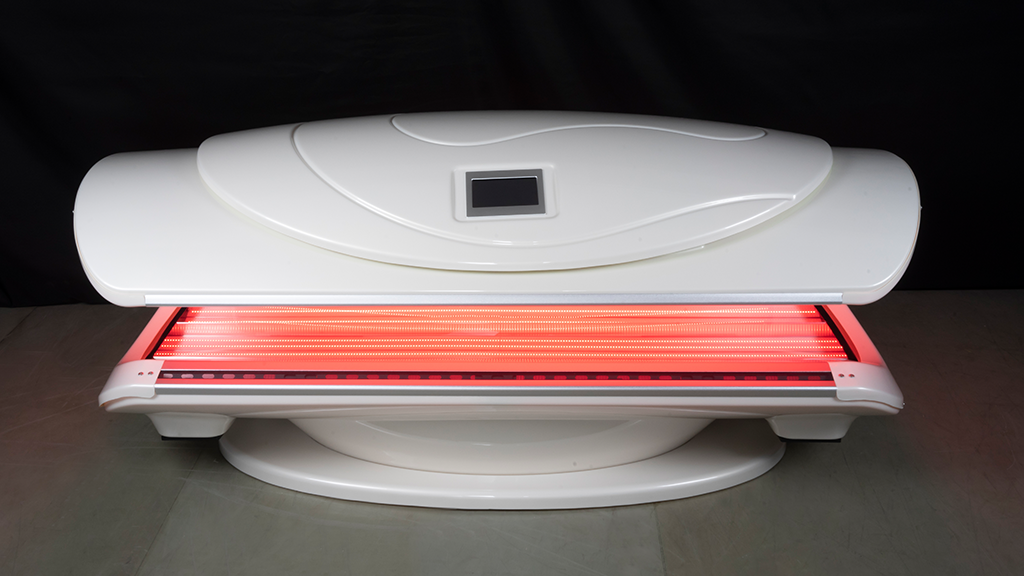
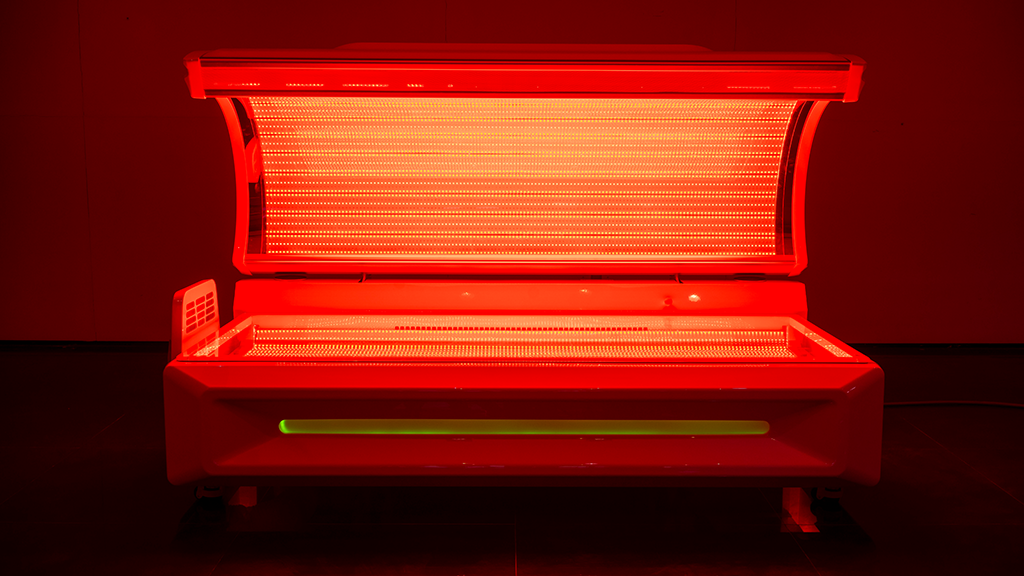
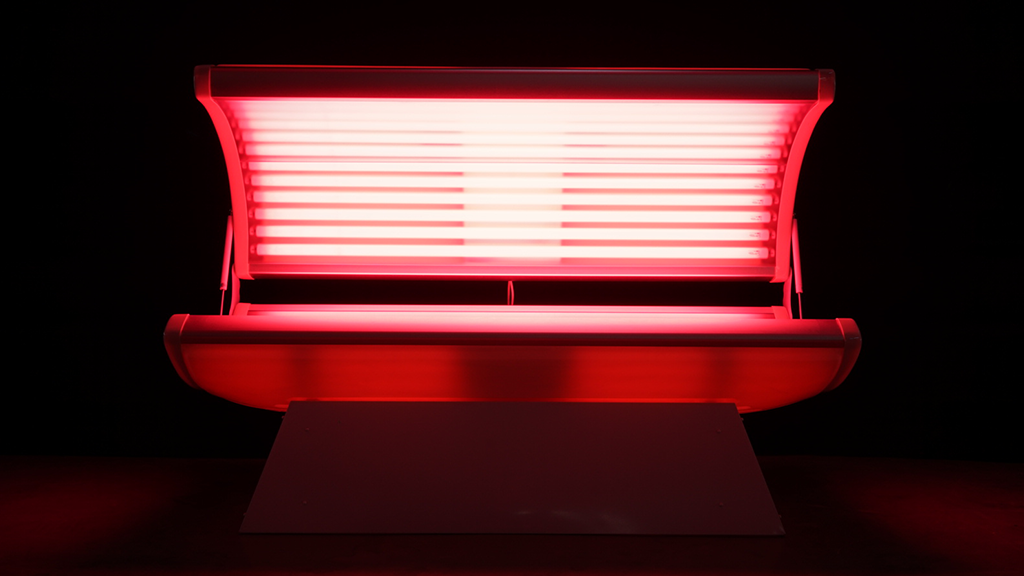
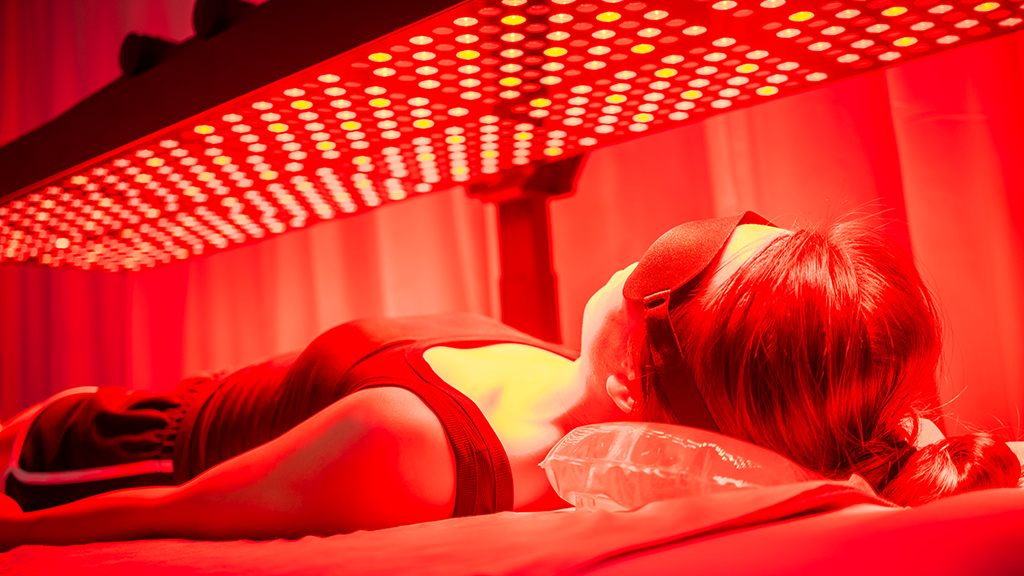
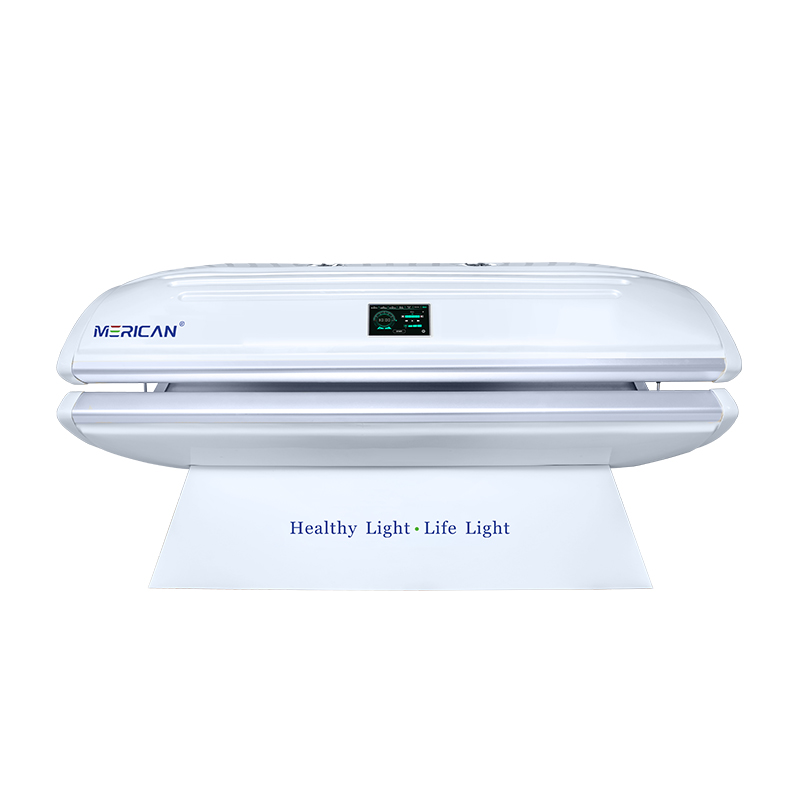
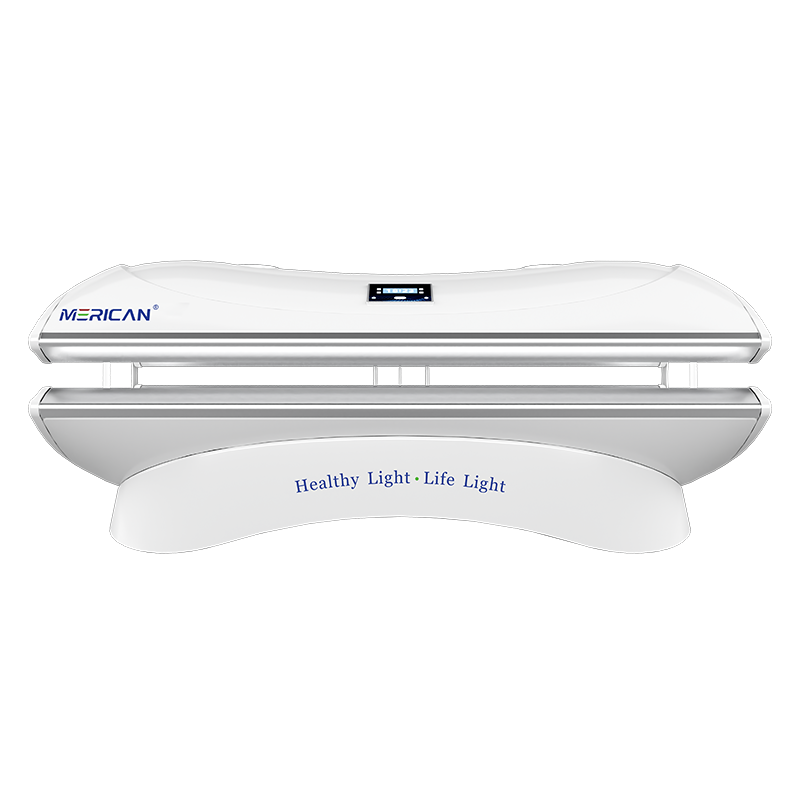
La terapia con luce rossa è ampiamente riconosciuta come sicura, trattamento non invasivo per la salute della pelle, sollievo dal dolore, e recupero. Tuttavia, despite its growing popularity, it is not suitable for everyone. Understanding the contraindications of red light therapy is essential to ensure safe and effective use.
COSÌ, who should avoid red light therapy—and when should extra caution be taken?
Cos'è la terapia della luce rossa?
Terapia con la luce rossa (RLT), noto anche come fotobiomodulazione, uses wavelengths typically between 630–850nm to stimulate cellular activity. It can help improve circulation, ridurre l'infiammazione, e supportare la riparazione dei tessuti.
Sebbene generalmente sicuro, certain medical conditions and situations may increase the risk of adverse effects.
Major Contraindications of Red Light Therapy
1. Photosensitive Conditions
People with light-sensitive conditions should avoid or use extreme caution. Per esempio:
- Lupus
- Porphyria
These conditions can cause abnormal reactions to light, even at non-UV wavelengths.
2. Uso di farmaci fotosensibilizzanti
Certain medications increase sensitivity to light, tra cui:
- Some antibiotics
- Retinoidi
- Farmaci chemioterapici
Using red light therapy while on these medications may lead to irritation or adverse skin reactions.
3. Gravidanza (Especially Early Stages)
Although red light therapy is non-ionizing, there is limited research on its safety during pregnancy—particularly in the first trimester.
As a precaution:
- Avoid using it on the abdomen
- Consult a healthcare provider before use
4. Active Cancer or Suspicious Lesions
Individuals with cancer or unexplained skin lesions should avoid red light therapy unless approved by a doctor.
This is because:
- Light may influence cellular activity
- The effects on tumor growth are not fully understood
5. Eye Conditions or Lack of Eye Protection
Direct exposure to bright light can affect the eyes. Persone con:
- Retinal conditions
- Recent eye surgery
should avoid exposure or always use protective eyewear.
6. Open Wounds or Infections
While red light therapy may support healing, it should not be used on:
- Infected wounds
- Deep or untreated injuries
Improper use may increase the risk of complications.
7. Severe Skin Conditions or Active Inflammation
Avoid treatment on areas with:
- Severe irritation
- Brucia
- Active rashes
These conditions may worsen with improper light exposure.
Situations Requiring Extra Caution
Even if not strictly contraindicated, use caution if you:
- Have very sensitive skin
- Are using strong skincare treatments (per esempio., peeling chimici)
- Are recovering from medical procedures
Start with low intensity and monitor your response.
General Safety Tips
To reduce risks:
- Seguire le linee guida del produttore
- Limit session time (typically 10–20 minutes)
- Evitare l'esposizione diretta degli occhi
- Use certified, dispositivi di alta qualità
- Consult a healthcare provider if unsure
Pensieri finali
Red light therapy is safe for many people, but it is not risk-free. Understanding contraindications—such as photosensitive conditions, alcuni farmaci, and pregnancy—can help you avoid complications and use the therapy responsibly.
In caso di dubbio, always seek professional medical advice before starting any new treatment.