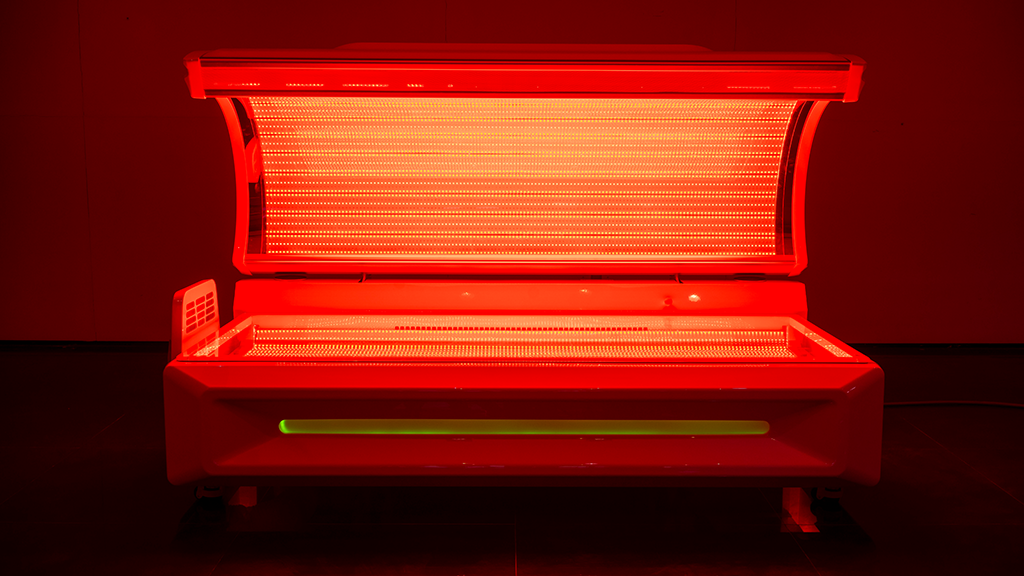
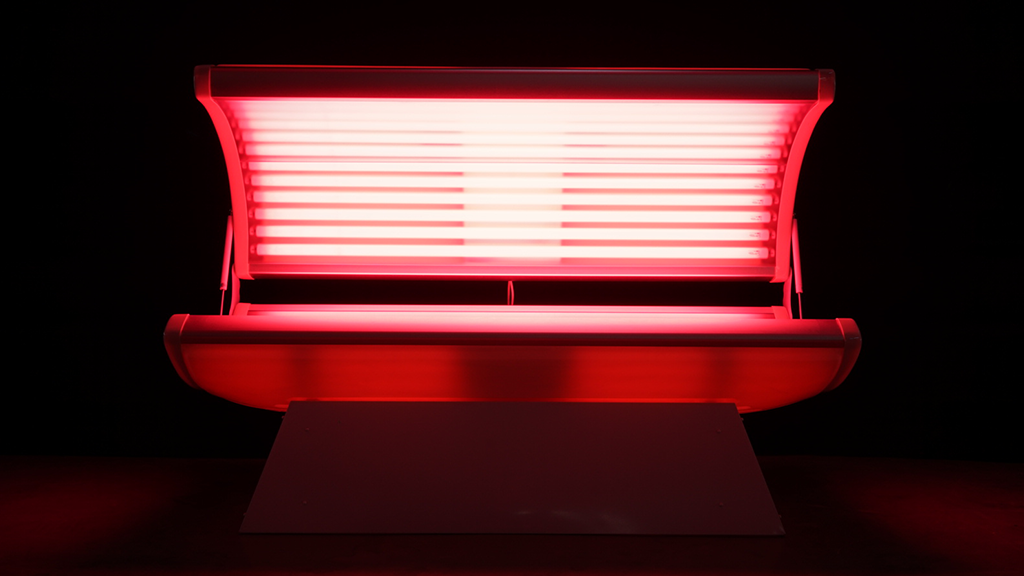
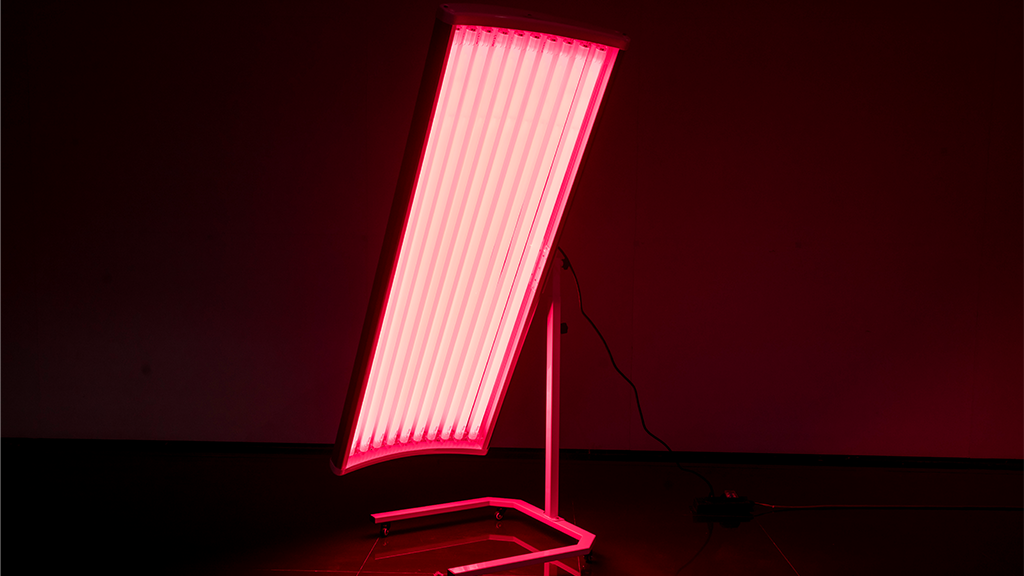
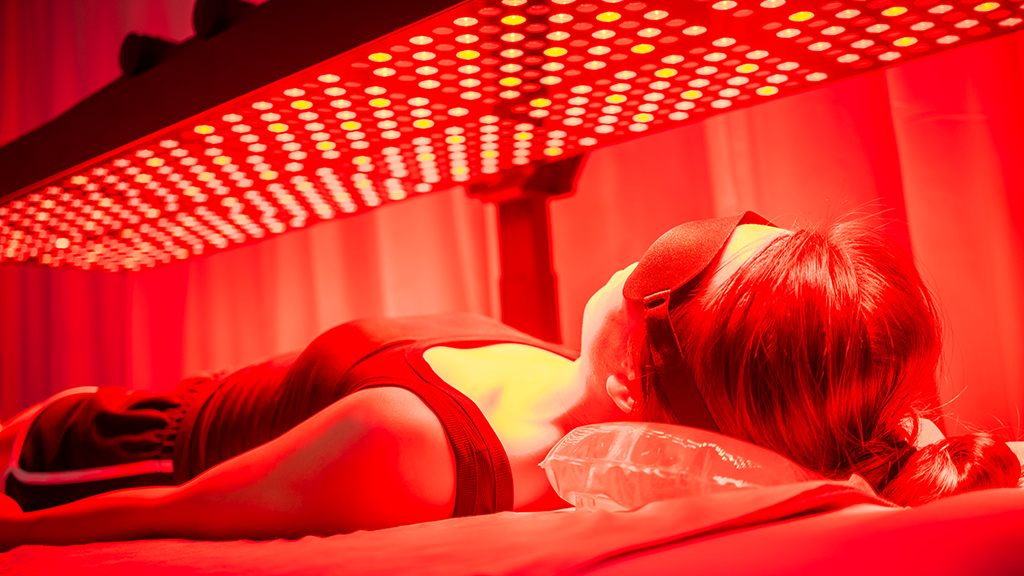
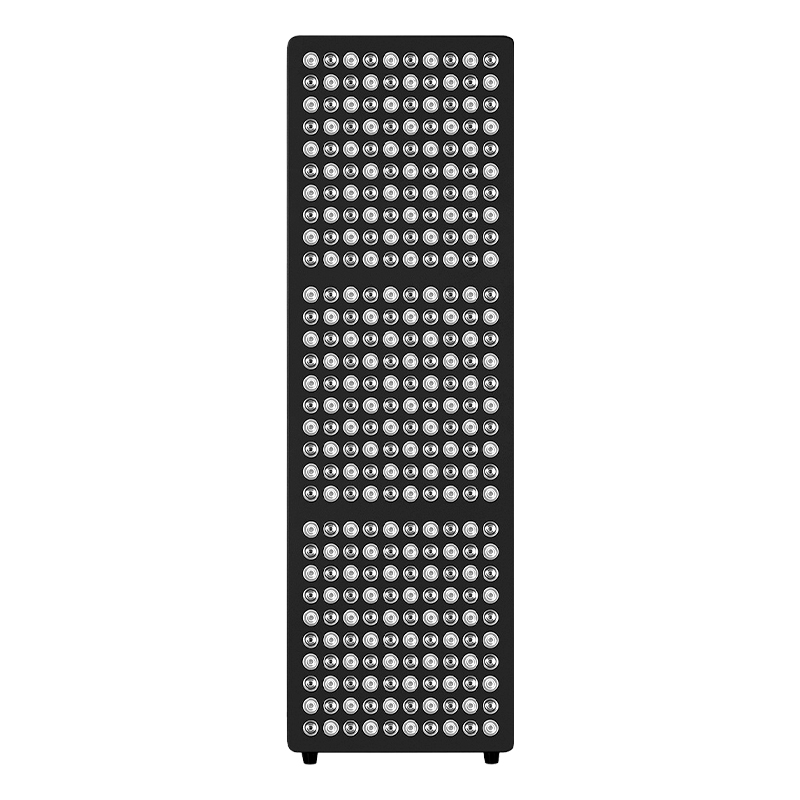
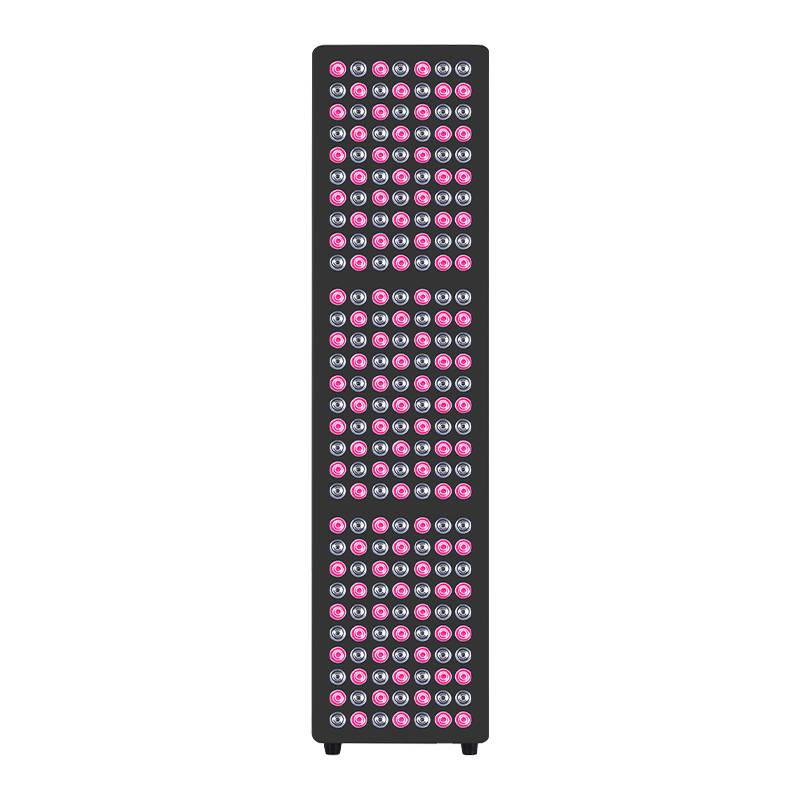
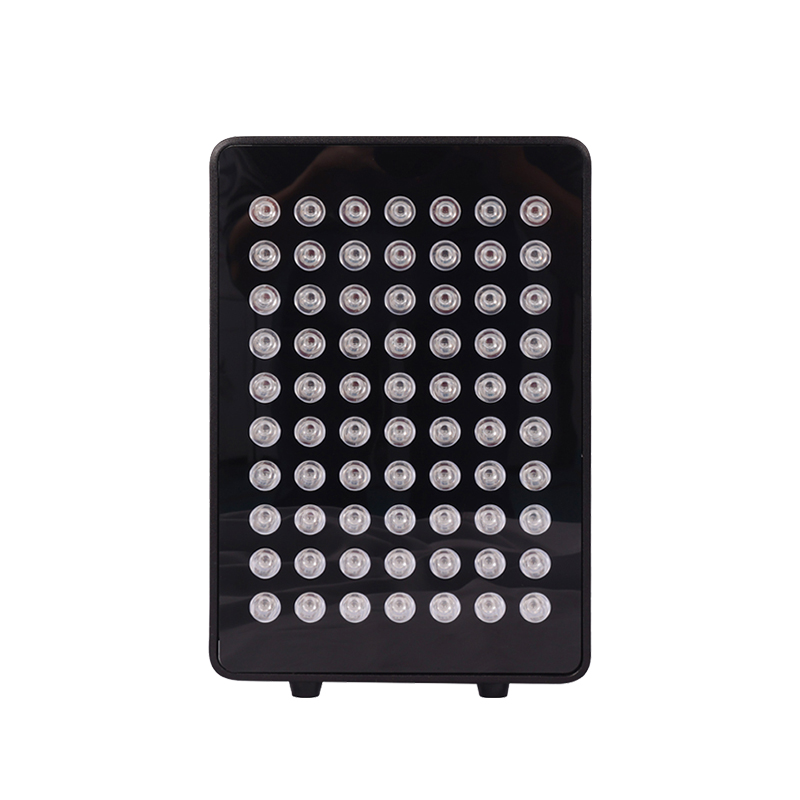
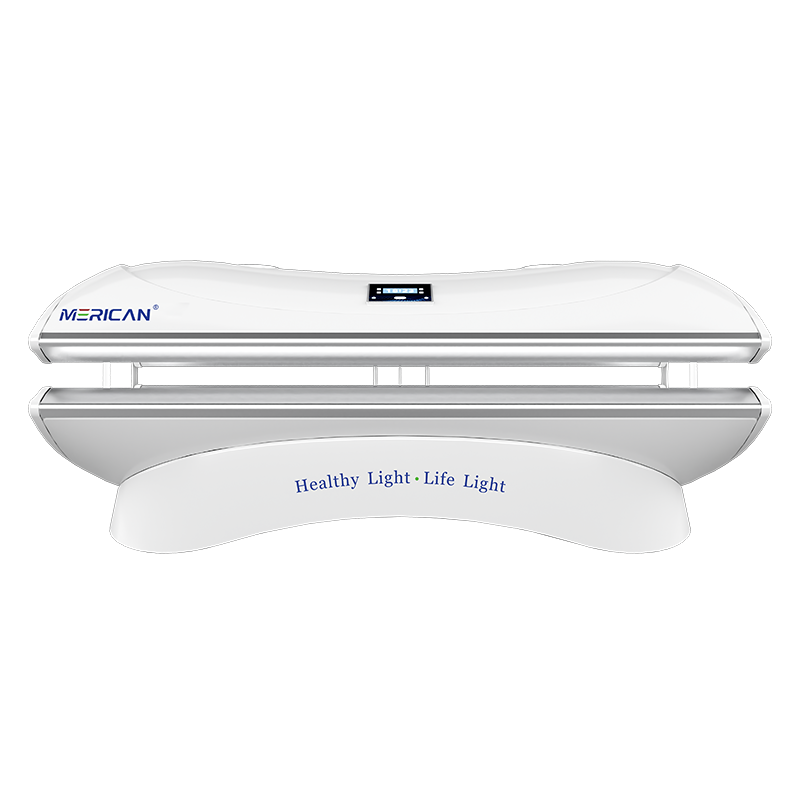
Living with rosacea means constantly managing triggers, flare-ups, e sensibilità della pelle. Many people are now exploring non-invasive technologies, like red light therapy, as part of a gentle, long-term skin care routine.
Why Rosacea-Prone Individuals Consider Red Light Therapy
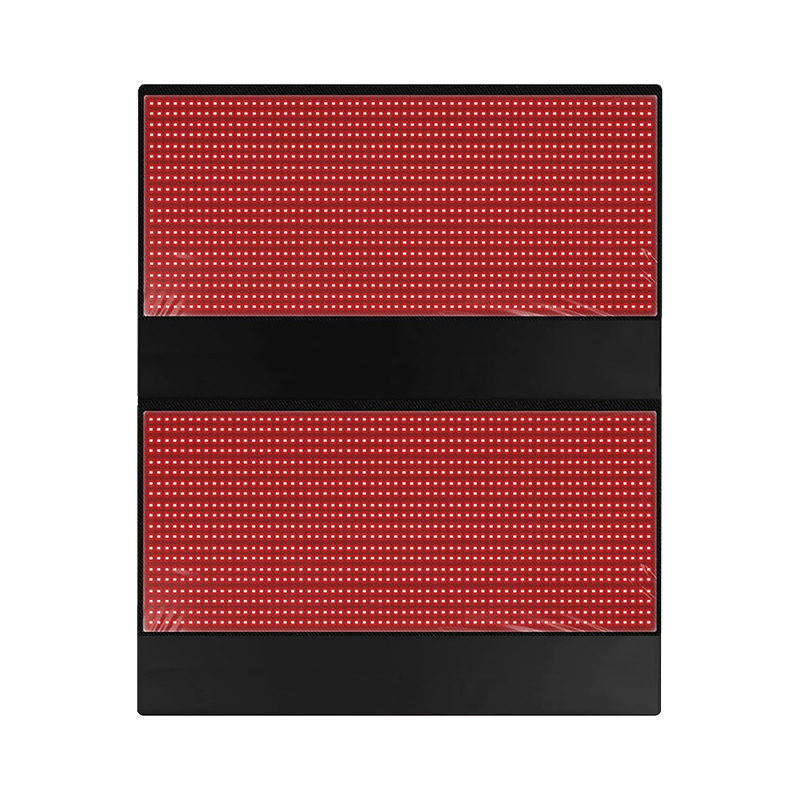
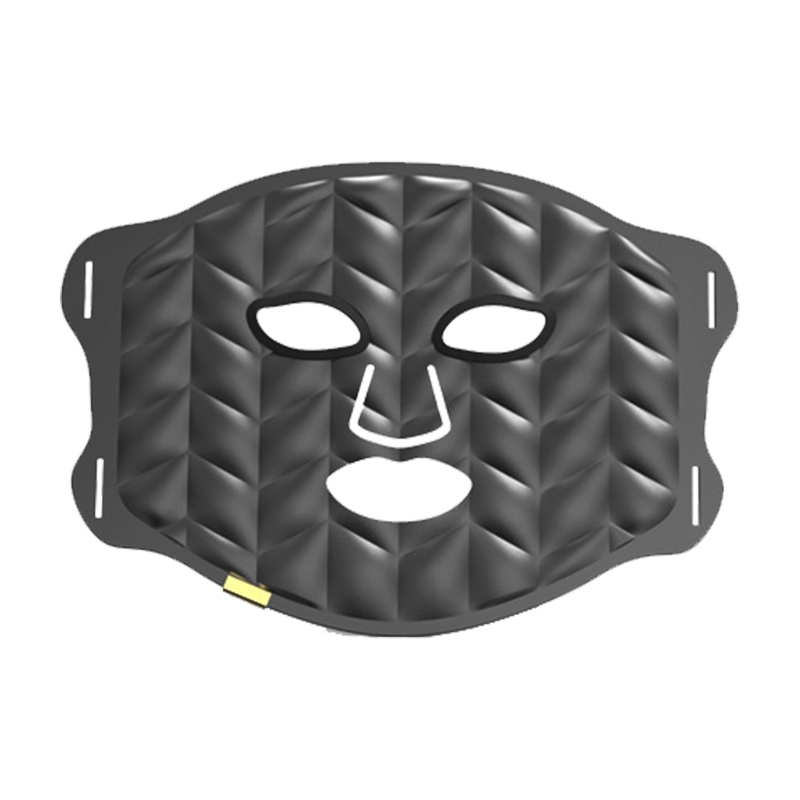
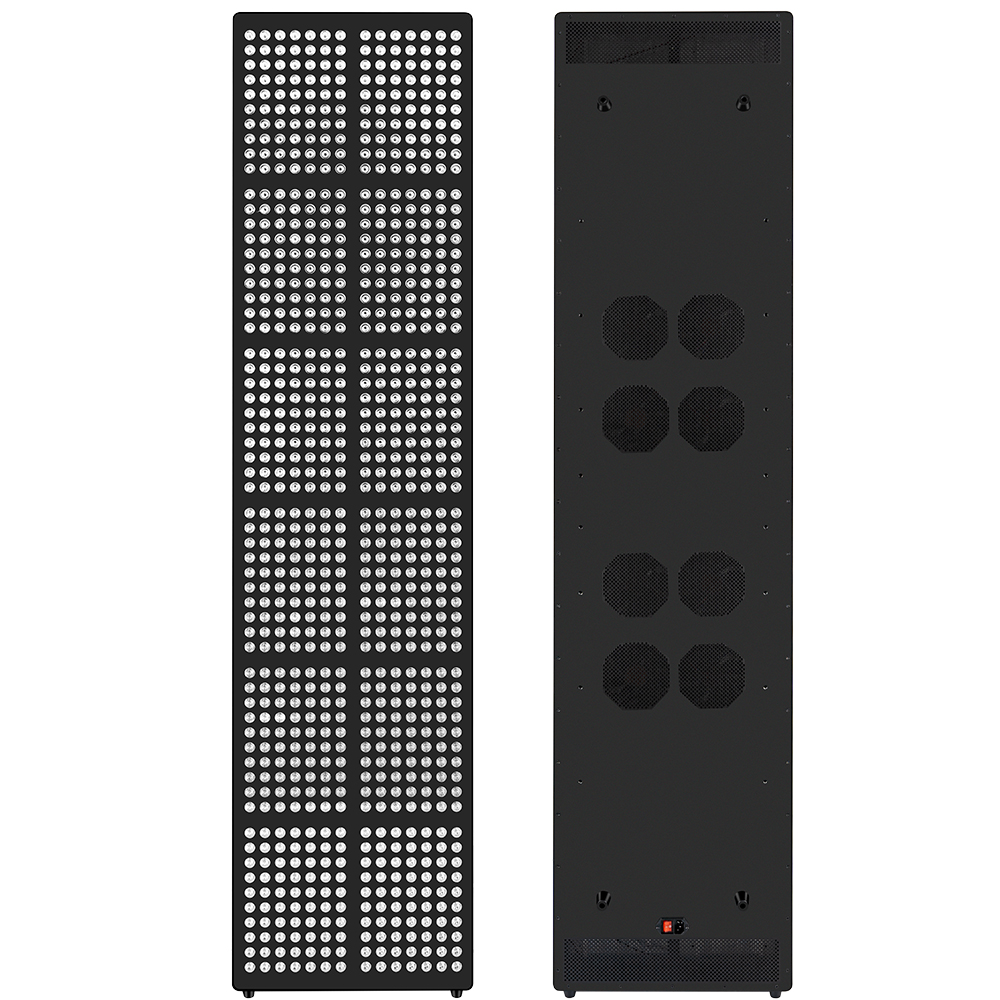
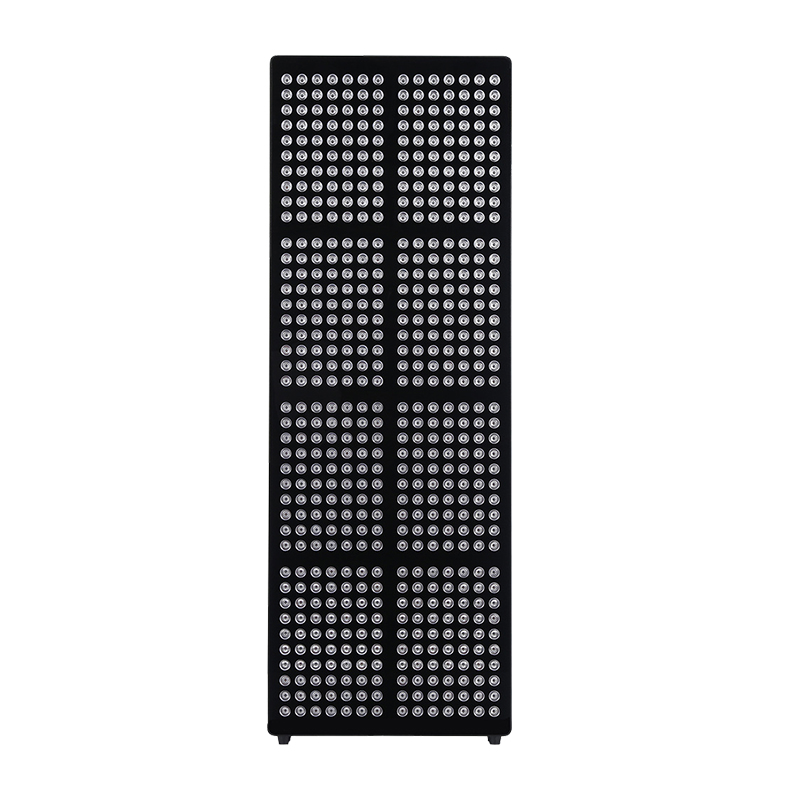
Red light therapy appeals to sensitive skin because it:
- Contains no UV radiation
- Does not rely on topical chemicals
- Is non-ablative and non-heating
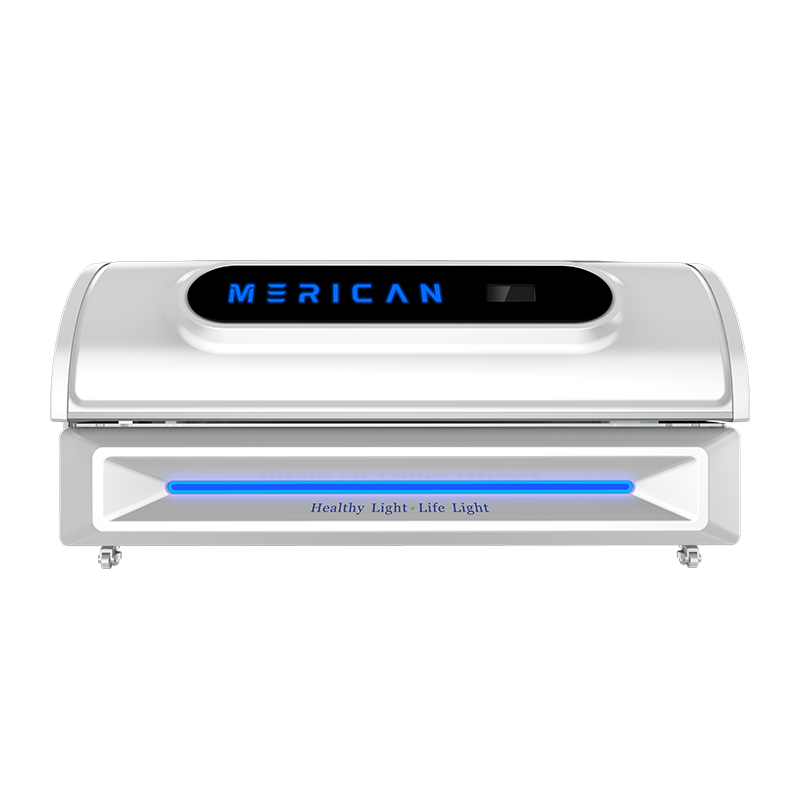
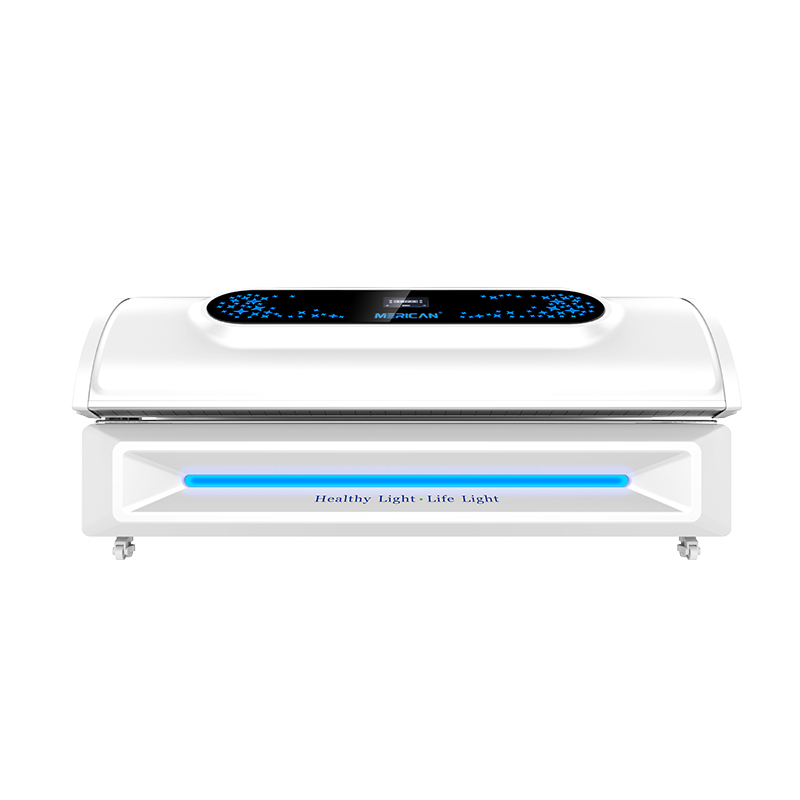
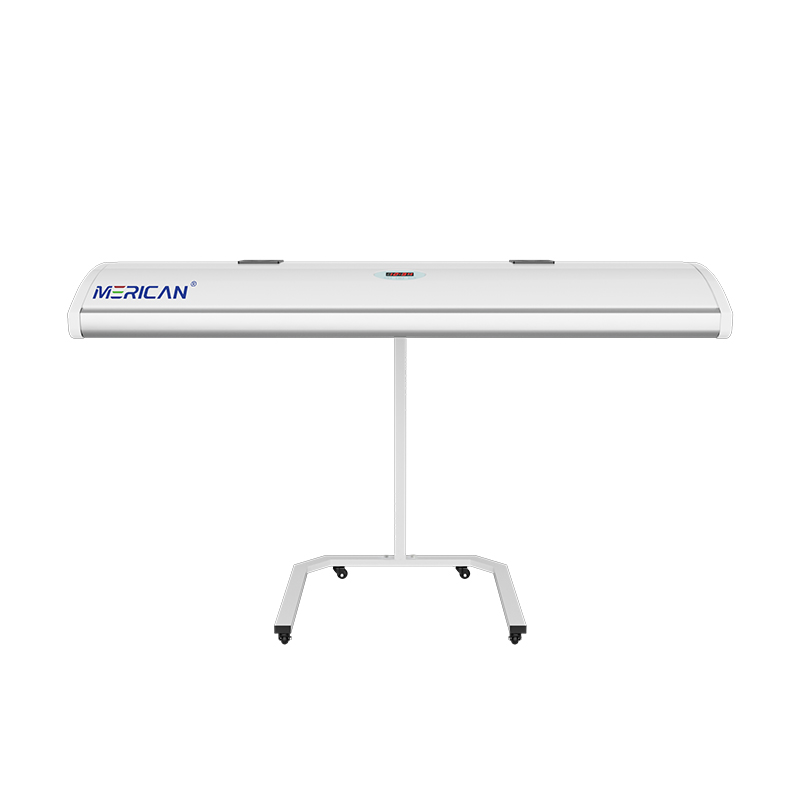
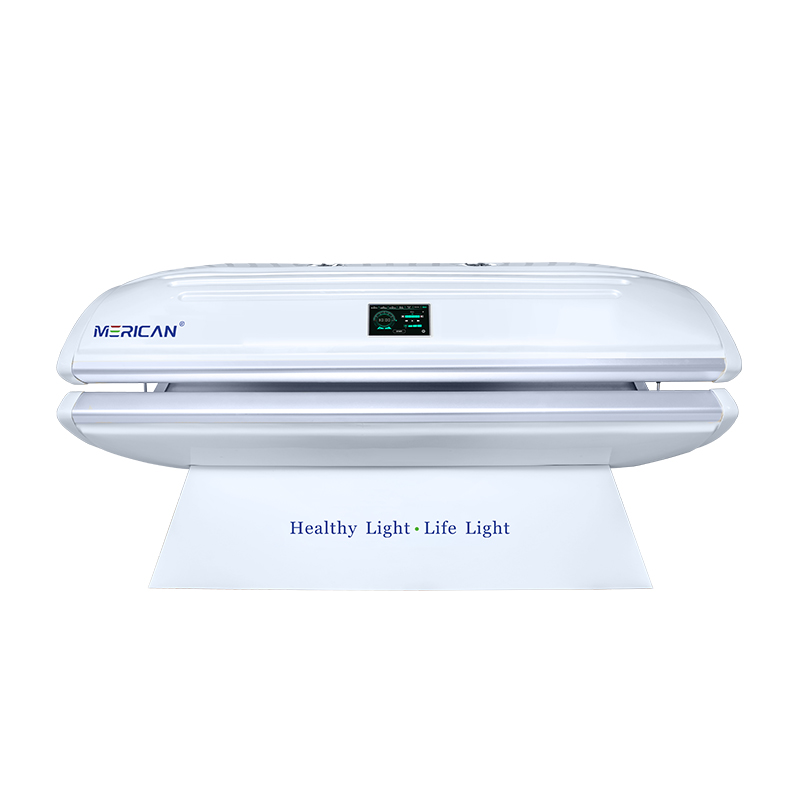
- Can be used at home or in clinics
Se usato correttamente, it complements traditional rosacea management strategies.
How to Use Red Light Therapy Safely for Rosacea
Migliori pratiche
- Use red light only (avoid blue or high-energy light)
- Mantieni le sessioni brevi: 5–10 minuti
- Limit use to 2–3 volte a settimana
- Maintain proper distance from the device
Suitable Areas
- Cheeks
- Nose
- Chin and jawline
(Evitare l'esposizione diretta degli occhi)
What Results Can You Expect?
With consistent and gentle use, some users report:
- Gradual reduction in redness
- Fewer flare-ups
- Texture cutanea migliorata
- Better tolerance to skincare products
Results vary depending on rosacea subtype and severity.
Red Light Therapy vs Other Rosacea Treatments
| Trattamento | Considerazioni |
|---|---|
| Topical medication | May cause irritation |
| Oral antibiotics | Not ideal long-term |
| Laser/IPL | More aggressive |
| Terapia con la luce rossa | Gentile, di supporto |
Who May Benefit Most?
- Individuals with mild to moderate rosacea
- People seeking drug-free skin support
- Dermatology clinics and medical spas
- Wellness centers offering sensitive-skin programs
Pensieri finali
La terapia con la luce rossa lo è not a replacement for medical treatment, but it may serve as a valuable supportive tool for calming rosacea-prone skin. With proper use and realistic expectations, it can become part of a balanced, long-term rosacea care plan.