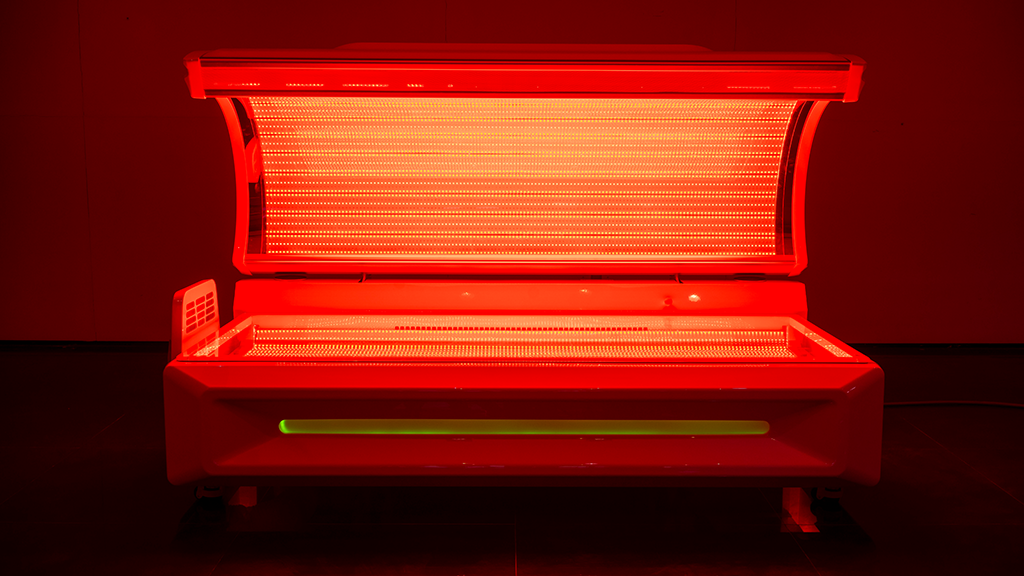
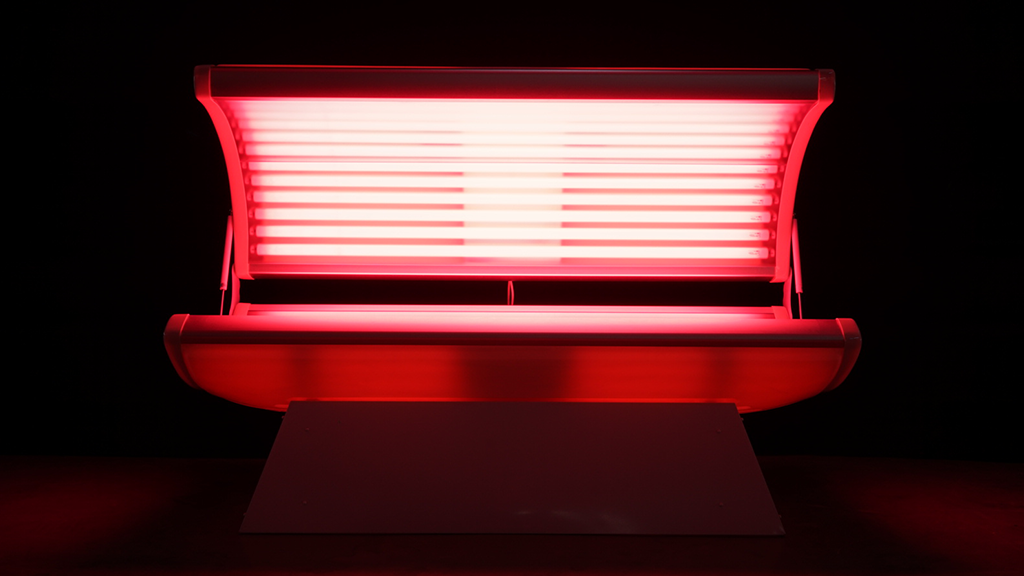
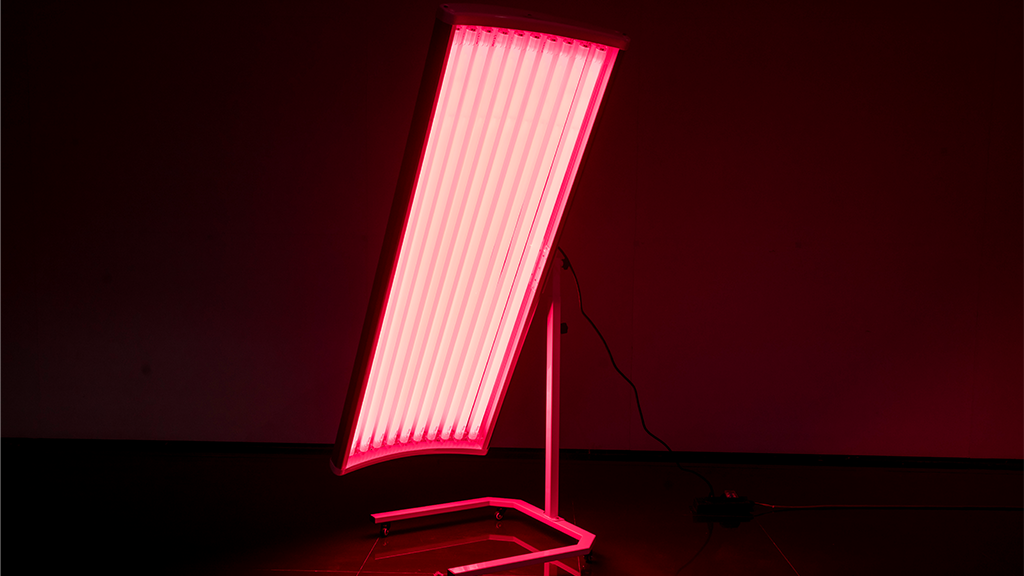
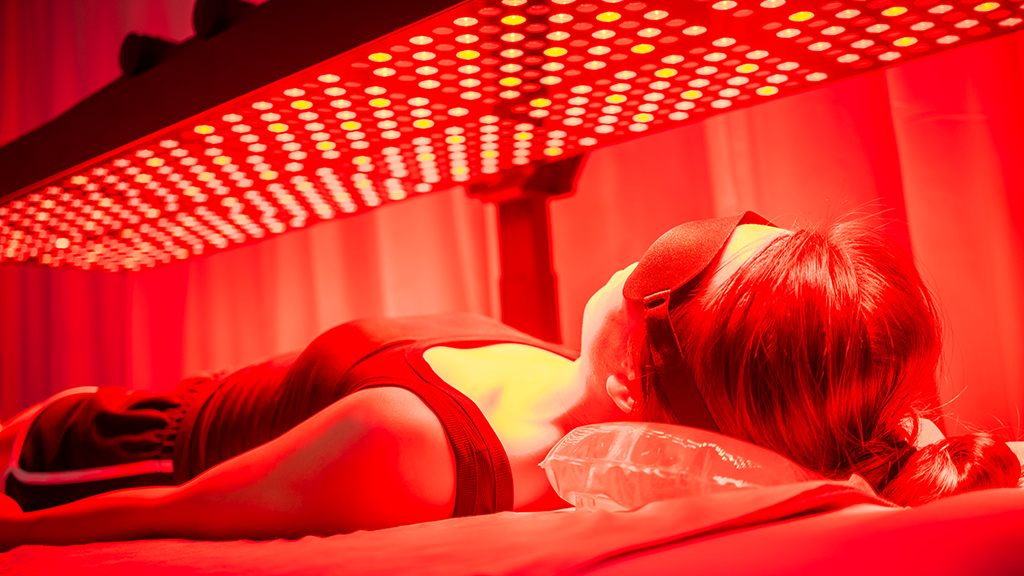
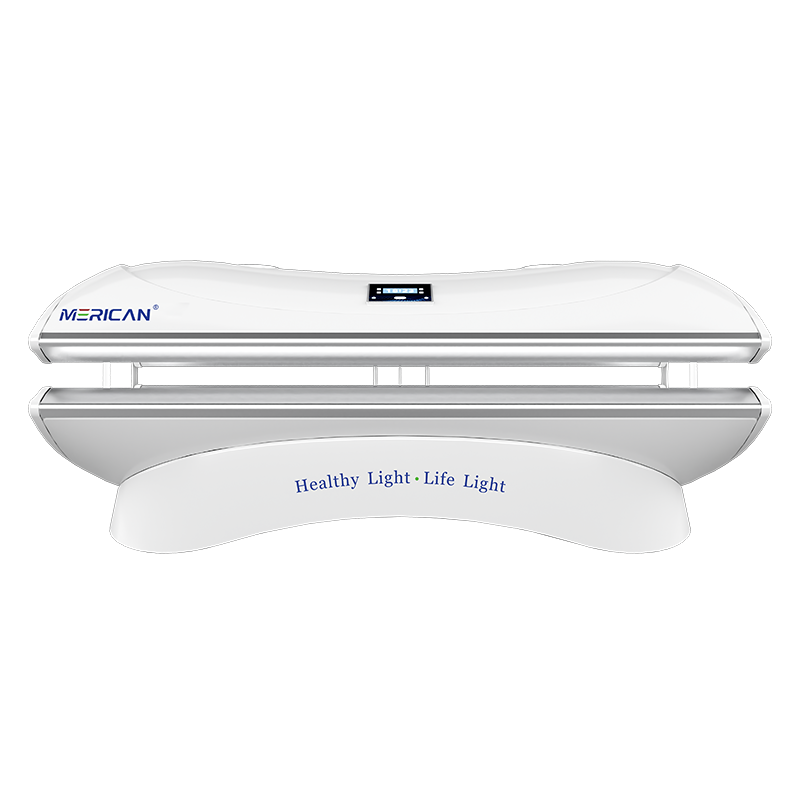
Red light therapy is widely regarded as a low-risk, non-invasive wellness technology. 하지만, like any therapeutic approach, it is important to understand its potential adverse effects, especially when used improperly.
1. Is Red Light Therapy Generally Safe?
적색광 요법이 사용됩니다 비이온화, 비 UV 파장, typically in the 630–660 nm and 810–880 nm ranges. Clinical studies and long-term use suggest it has a strong safety profile when devices are properly designed and used as directed.
2. Commonly Reported Mild Side Effects
Most reported adverse effects are temporary and mild, 포함:
- Slight skin warmth during or after sessions
- 일시적인 발적 (erythema), especially in sensitive skin
- Mild tingling or tightness
These effects usually resolve within minutes to hours.
3. Eye-Related Risks
Direct exposure of high-intensity LEDs to the eyes may cause:
- Eye strain
- Temporary discomfort
This is why professional guidance recommends:
- Avoiding direct eye exposure
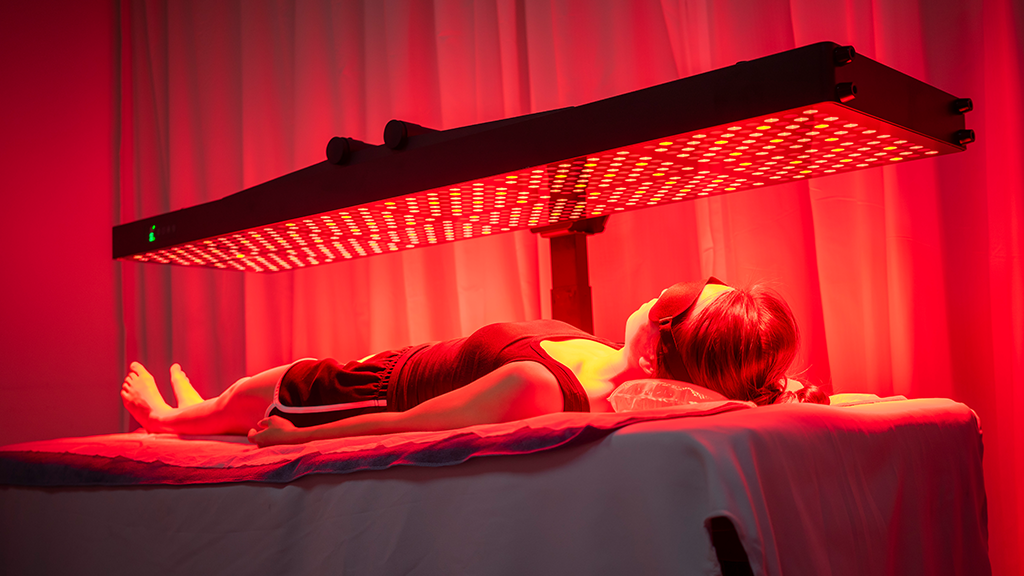
- Using protective eyewear when treating areas near the face
4. Risks Associated With Overuse
Excessive frequency or prolonged sessions may lead to:
- Skin irritation
- Reduced comfort without additional benefit
- Diminishing therapeutic returns
More light does not always equal better results.
5. Populations That Should Use Extra Caution
일반적으로 안전하면서도, red light therapy should be used cautiously by:
- Individuals with photosensitive conditions
- People taking light-sensitizing medications
- Pregnant users (consultation recommended)
결론
The adverse effects of red light therapy are typically mild and preventable. When used responsibly, it remains one of the safest light-based wellness technologies available.