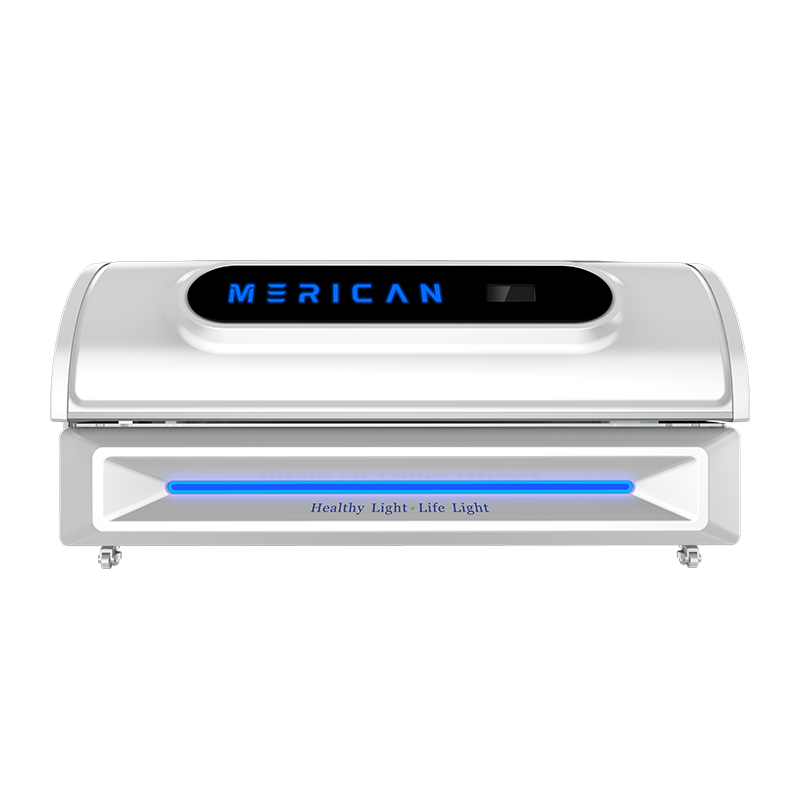
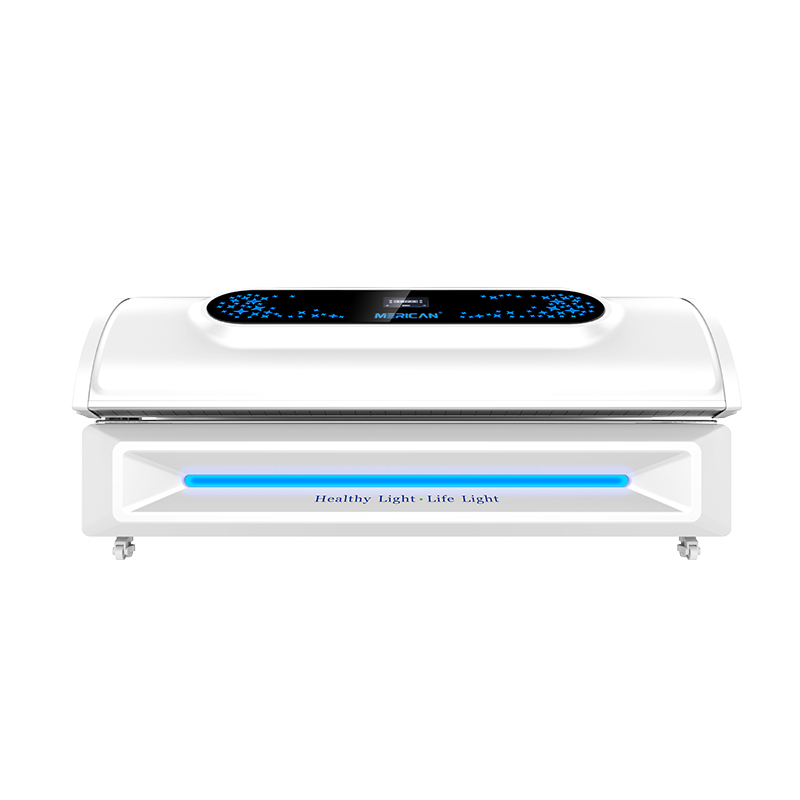
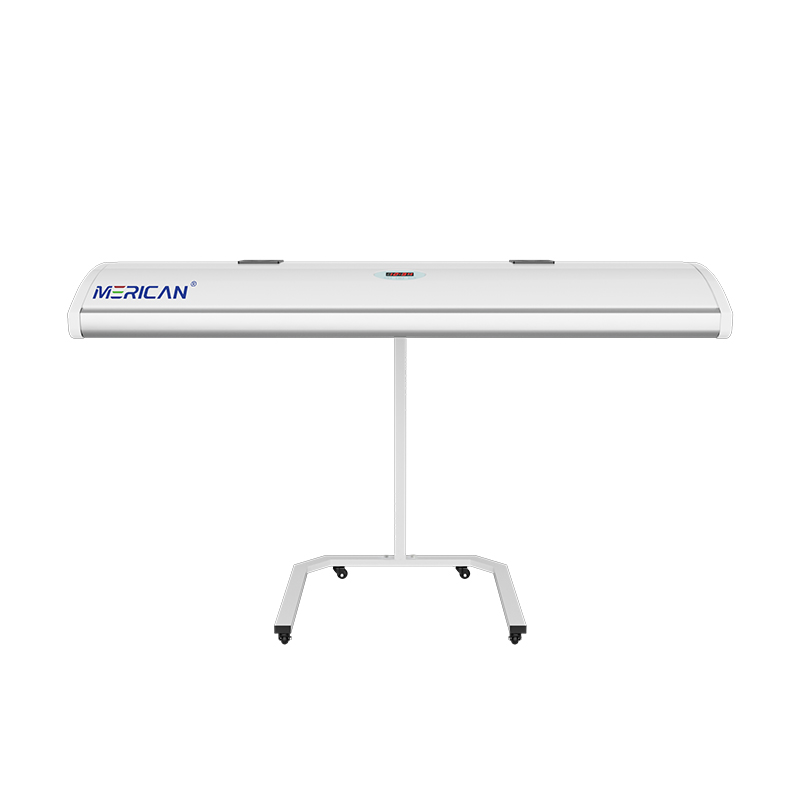
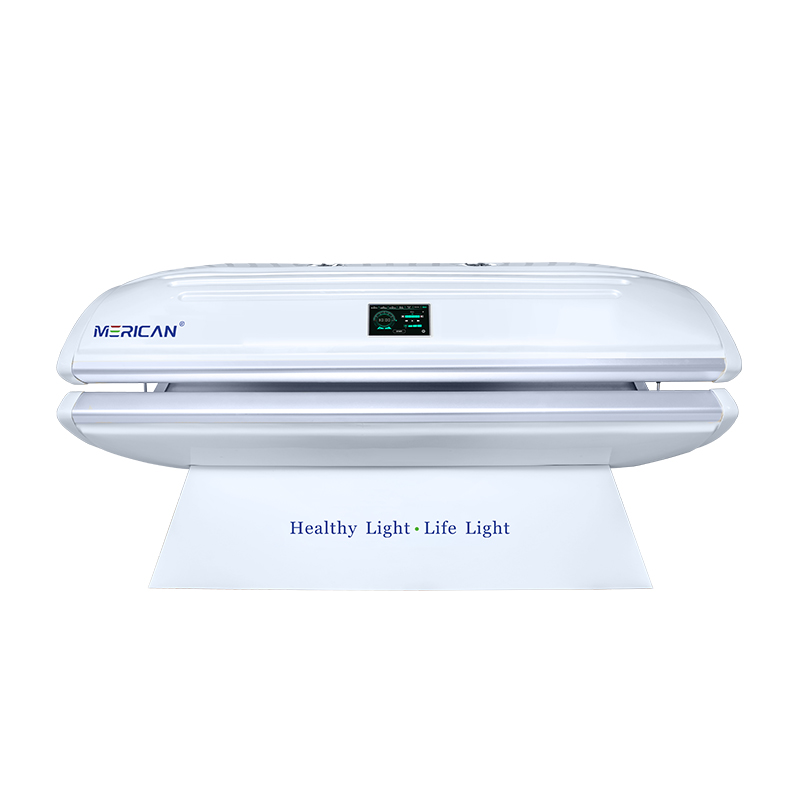
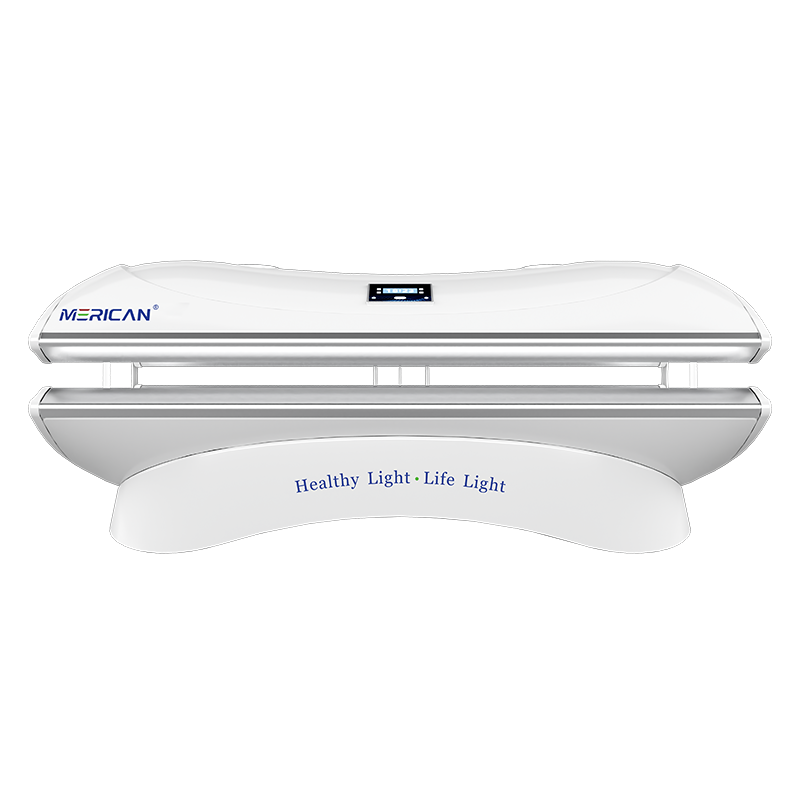
La terapia con luce rossa è ampiamente considerata a basso rischio, tecnologia del benessere non invasiva. Tuttavia, come ogni approccio terapeutico, è importante capirlo potenziali effetti avversi, soprattutto se usato in modo improprio.
1. La terapia con luce rossa è generalmente sicura?
Usi della terapia con luce rossa non ionizzante, lunghezze d'onda non UV, tipicamente negli intervalli 630–660 nm e 810–880 nm. Studi clinici e l'uso a lungo termine suggeriscono che ha un forte profilo di sicurezza quando i dispositivi sono progettati correttamente e utilizzati come indicato.
2. Effetti collaterali lievi comunemente riportati
La maggior parte degli effetti avversi segnalati sono temporaneo e lieve, tra cui:
- Leggero calore cutaneo durante o dopo le sedute
- Arrossamento temporaneo (eritema), soprattutto nella pelle sensibile
- Lieve formicolio o senso di oppressione
Questi effetti di solito si risolvono in pochi minuti o ore.
3. Rischi legati agli occhi
L'esposizione diretta dei LED ad alta intensità agli occhi potrebbe causare:
- Affaticamento degli occhi
- Disagio temporaneo
Per questo l'orientamento professionale consiglia:
- Evitare l'esposizione diretta degli occhi
- Utilizzare occhiali protettivi durante il trattamento delle aree vicine al viso
4. Rischi associati all'uso eccessivo
Una frequenza eccessiva o sessioni prolungate possono comportare:
- Irritazione della pelle
- Comfort ridotto senza beneficio aggiuntivo
- Rendimenti terapeutici in diminuzione
Non sempre più luce equivale a risultati migliori.
5. Popolazioni che dovrebbero usare maggiore cautela
Sebbene generalmente sicuro, la terapia con luce rossa deve essere utilizzata con cautela:
- Individui con condizioni fotosensibili
- Persone che assumono farmaci fotosensibilizzanti
- Utenti incinte (consigliata la consultazione)
Conclusione
Gli effetti avversi della terapia con luce rossa sono generalmente lievi e prevenibili. Se utilizzato in modo responsabile, rimane una delle tecnologie per il benessere basate sulla luce più sicure disponibili.