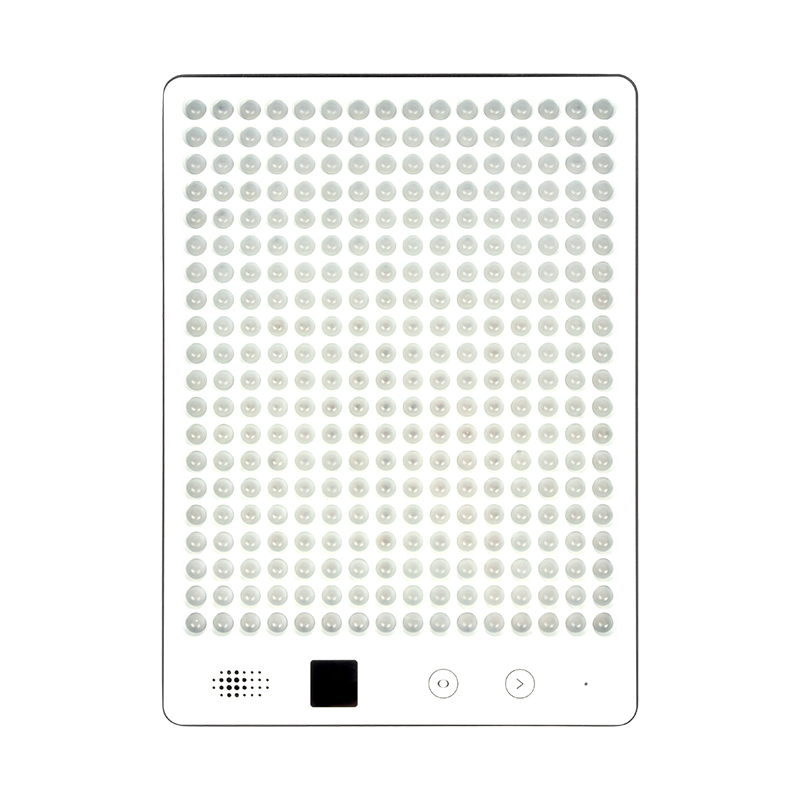
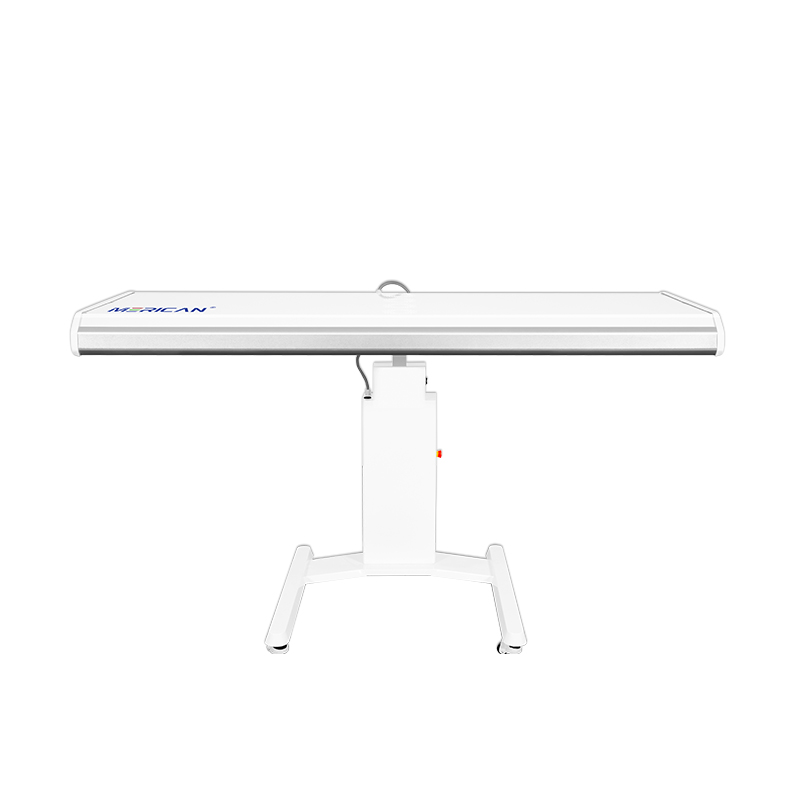
Die Rotlichttherapie gilt allgemein als risikoarm, nicht-invasive Wellness-Technologie. Jedoch, wie jeder therapeutische Ansatz, Es ist wichtig, es zu verstehen mögliche nachteilige Auswirkungen, insbesondere bei unsachgemäßer Verwendung.
1. Ist die Rotlichttherapie im Allgemeinen sicher??
Rotlichttherapie verwendet nichtionisierend, Nicht-UV-Wellenlängen, typischerweise in den Bereichen 630–660 nm und 810–880 nm. Klinische Studien und Langzeitanwendung legen nahe, dass es eine Wirkung hat starkes Sicherheitsprofil wenn die Geräte ordnungsgemäß konzipiert und bestimmungsgemäß verwendet werden.
2. Häufig berichtete leichte Nebenwirkungen
Die meisten berichteten Nebenwirkungen sind vorübergehend und mild, einschließlich:
- Leichte Hautwärme während oder nach den Sitzungen
- Vorübergehende Rötung (Erythem), besonders bei empfindlicher Haut
- Leichtes Kribbeln oder Spannungsgefühl
Diese Effekte klingen normalerweise innerhalb von Minuten bis Stunden ab.
3. Augenbezogene Risiken
Die direkte Einwirkung hochintensiver LEDs auf die Augen kann zu Schäden führen:
- Augenbelastung
- Vorübergehendes Unbehagen
Aus diesem Grund empfiehlt sich eine professionelle Beratung:
- Direkte Augenexposition vermeiden
- Tragen Sie bei der Behandlung von Bereichen in der Nähe des Gesichts eine Schutzbrille
4. Mit Überbeanspruchung verbundene Risiken
Übermäßige Häufigkeit oder längere Sitzungen können dazu führen:
- Hautreizung
- Reduzierter Komfort ohne zusätzlichen Nutzen
- Abnehmender therapeutischer Nutzen
Mehr Licht bedeutet nicht immer bessere Ergebnisse.
5. Populationen, die besondere Vorsicht walten lassen sollten
Obwohl im Allgemeinen sicher, Die Rotlichttherapie sollte mit Vorsicht angewendet werden:
- Personen mit lichtempfindlichen Erkrankungen
- Personen, die lichtempfindliche Medikamente einnehmen
- Schwangere Benutzer (Beratung empfohlen)
Abschluss
Die Nebenwirkungen der Rotlichttherapie sind in der Regel mild und vermeidbar. Bei verantwortungsvollem Umgang, Es bleibt eine der sichersten lichtbasierten Wellness-Technologien, die es gibt.